

Technical Contents
Engineering Guide: Polyethylene Plastic Molding
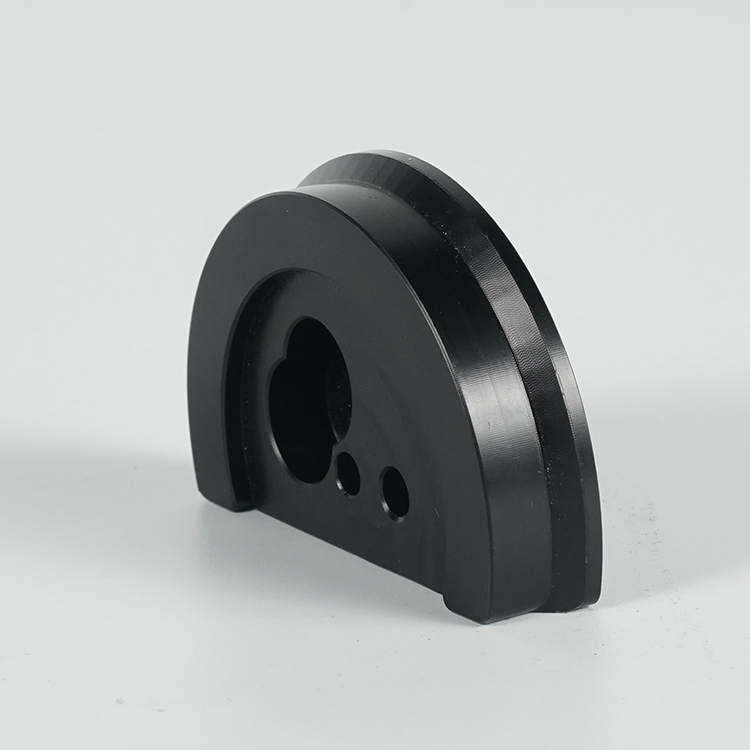
Engineering Insight: Precision Imperatives in Polyethylene Plastic Molding
Precision in polyethylene (PE) plastic molding is non-negotiable for high-performance applications. Unlike rigid engineering plastics, PE’s semi-crystalline structure and sensitivity to thermal gradients demand exacting control throughout the molding cycle. Variations in melt temperature, injection pressure, or cooling rates as small as ±2°C can induce internal stresses, dimensional instability, or surface defects like sink marks and warpage. These flaws compromise critical part functionality—seal integrity in medical devices, structural consistency in aerospace components, or load-bearing reliability in military hardware. Achieving micron-level tolerances in PE molding hinges not on the plastic alone, but on the precision-engineered metal tooling that defines the process. The mold’s thermal management, cavity geometry, and ejection system must operate as a unified, calibrated system to counteract PE’s inherent shrinkage and flow characteristics.
At Wuxi Lead Precision Machinery, our expertise bridges custom metal manufacturing and advanced plastic molding outcomes. We engineer molds from aerospace-grade alloys using 5-axis CNC milling and wire EDM, achieving tolerances down to ±0.002mm. This metal fabrication precision directly translates to consistent PE part quality. Our molds integrate multi-zone thermal control channels with ±0.5°C stability, eliminating hot spots that cause uneven crystallization in polyethylene. This capability was rigorously validated in projects demanding absolute reliability: producing fluid-handling components for Olympic-standard athletic facilities requiring zero leakage, and fabricating ruggedized housings for military communication systems operating in extreme environments. These applications demanded not just dimensional accuracy, but material integrity under cyclic stress—proof that precision metal tooling is the cornerstone of successful PE molding.
The following table outlines critical parameters where our metal manufacturing expertise directly optimizes polyethylene molding performance:
| Parameter | Specification | Relevance to Polyethylene Molding |
|---|---|---|
| Mold Cavity Tolerance | ±0.002 mm | Ensures dimensional stability despite PE shrinkage |
| Thermal Control Accuracy | ±0.5 °C across all zones | Prevents warpage by uniform crystallization control |
| Clamp Force Consistency | ±0.3% repeatability | Eliminates flash in thin-wall PE medical components |
| Surface Finish (Cavity) | Ra 0.05 µm (mirror grade) | Critical for optical clarity in PE lens applications |
| Ejection System Precision | ±0.01 mm alignment | Prevents part distortion in high-shrinkage PE grades |
Partnering with a metal fabricator possessing deep molding process knowledge mitigates the inherent challenges of polyethylene. Wuxi Lead’s integration of military-grade CNC manufacturing with polymer science ensures molds deliver not just shape, but the material performance required for mission-critical components. Precision begins in the metal—it is the silent enabler of flawless plastic. For applications where polyethylene must perform under duress, the mold’s engineering integrity is the decisive factor separating functional parts from costly failures.
Precision Specs & Tolerances
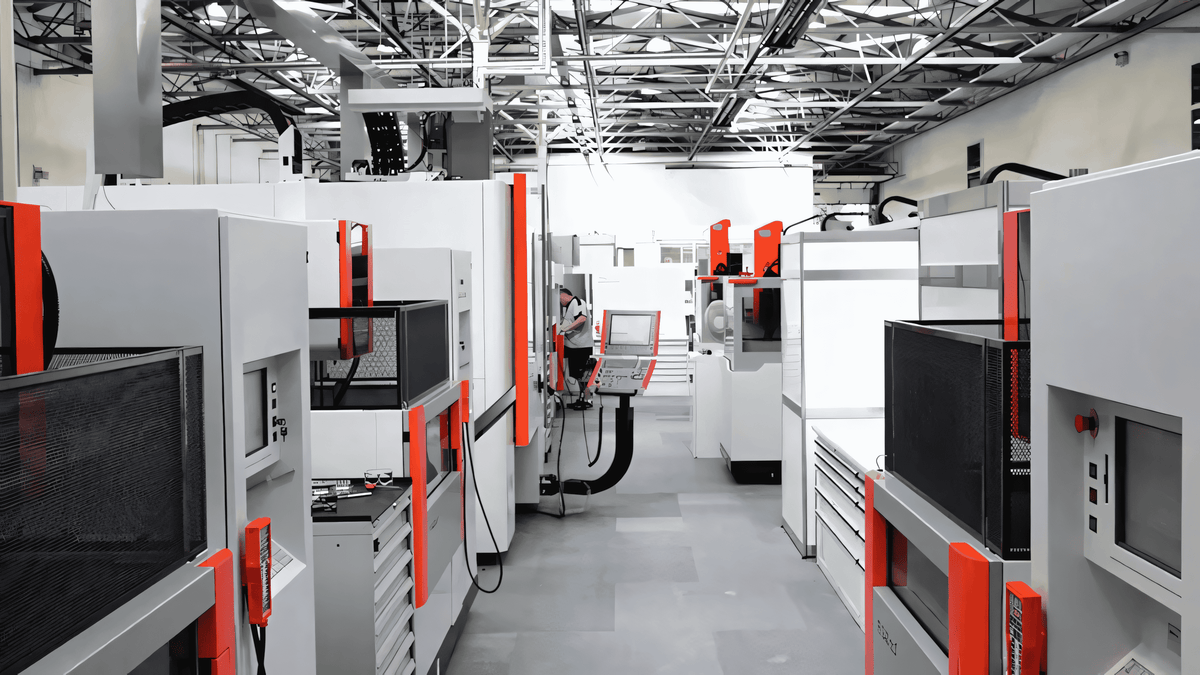
Wuxi Lead Precision Machinery delivers advanced technical capabilities in custom metal manufacturing, specifically engineered to support high-performance applications involving polyethylene plastic molding. Our expertise lies in producing precision-critical metal components—such as mold bases, inserts, and tooling systems—that directly influence the accuracy, surface finish, and longevity of polyethylene molding operations. By integrating state-of-the-art 5-axis CNC machining with rigorous quality control protocols, we ensure every component meets the demanding requirements of modern plastic manufacturing environments.
Our 5-axis CNC machining centers provide unparalleled flexibility and precision, enabling the production of complex geometries with tight tolerances and superior surface integrity. Unlike conventional 3-axis systems, 5-axis technology allows simultaneous movement across all five axes, minimizing setup cycles and enhancing dimensional consistency. This capability is particularly critical when fabricating mold components with undercuts, deep cavities, or contoured surfaces commonly required in rotational or blow molding of polyethylene. The result is reduced lead times, improved part accuracy, and enhanced mold performance over extended production runs.
All machining operations are supported by a comprehensive quality assurance framework anchored in CMM (Coordinate Measuring Machine) inspection. Every component undergoes full dimensional verification using Zeiss and Hexagon CMM systems, ensuring compliance with international standards such as ISO 2768 and ASME Y14.5. Our inspection protocols cover geometric tolerances, surface profiles, and critical feature alignments, providing full traceability and certification for each production batch. This data-driven QC process guarantees that all tooling components meet the exact specifications required for seamless integration into polyethylene molding systems.
The following table outlines the standard technical specifications and achievable tolerances for our CNC-machined components:
| Parameter | Specification |
|---|---|
| Machining Type | 5-Axis CNC Milling |
| Maximum Work Envelope | 2000 mm × 1000 mm × 800 mm |
| Positional Tolerance | ±0.005 mm |
| Linear Dimensional Tolerance | ±0.01 mm |
| Geometric Tolerance (Flatness, Parallelism) | 0.01 mm per 100 mm |
| Surface Roughness (Ra) | As low as 0.4 μm (polished finish) |
| Material Compatibility | Tool steels (P20, H13, S136), Stainless steels, Aluminum alloys |
| Quality Standard | ISO 9001:2015, CMM Full Reporting |
Wuxi Lead Precision Machinery combines engineering excellence with industrial-scale manufacturing capacity to serve global clients in the plastic molding sector. Our technical capabilities are designed not only to meet but exceed the performance expectations of high-cycle, high-precision polyethylene molding applications. Through continuous investment in advanced machining technology and quality infrastructure, we ensure our customers receive components that deliver reliability, repeatability, and long-term value.
Material & Finish Options
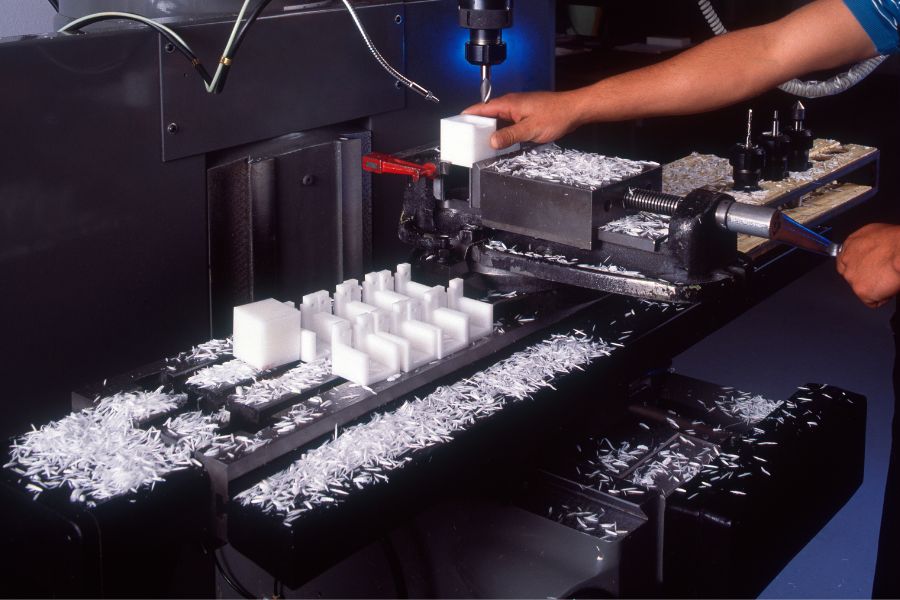
Material Selection for Polyethylene Plastic Molding Tooling
For polyethylene plastic molding applications, the mold material selection is a critical engineering decision directly impacting part quality, production efficiency, and tooling longevity. While polyethylene itself is a thermoplastic, the molds used to form it are precision-engineered metal components. At Wuxi Lead Precision Machinery, we prioritize materials that balance thermal management, wear resistance, corrosion protection, and cost-effectiveness specific to PE processing parameters, which typically involve lower injection pressures but require excellent surface finish replication and resistance to potential acidic degradation from certain PE grades.
Aluminum alloys, particularly 6061-T6 and 7075-T6, offer significant advantages for prototyping and low-to-medium volume PE production. Their superior thermal conductivity (approximately 167-180 W/m·K) enables faster cycle times by facilitating rapid heat extraction from the molten PE. This is crucial for optimizing throughput. Aluminum is also highly machinable, allowing for complex cavity geometries and quicker lead times. However, its lower hardness (typically 95-150 HB) makes it more susceptible to wear and galling in high-volume runs or with abrasive fillers. Surface treatments like hard anodizing are often essential for extending tool life in these scenarios.
P20 pre-hardened steel (1.2311/1.2312) remains the industry standard workhorse for medium-to-high volume polyethylene molding. Offering a balanced combination of good machinability (in the pre-hardened state, ~28-32 HRC), adequate toughness, and moderate wear resistance, P20 provides a robust solution. Its thermal conductivity (28-36 W/m·K) is lower than aluminum but sufficient for most PE applications. P20 molds deliver excellent dimensional stability over long production runs and can be polished to the high mirror finishes often required for transparent or aesthetic PE parts. Nitriding or chrome plating are common enhancements for critical wear areas.
Titanium alloys (e.g., Grade 5, Ti-6Al-4V) present unique properties but see limited application in standard PE molding due to extreme cost and challenging machinability. While offering exceptional corrosion resistance and a favorable strength-to-weight ratio, titanium’s very low thermal conductivity (6-7 W/m·K) is a major drawback for plastic molding, leading to inefficient cooling and significantly longer cycle times. Its primary niche is in highly corrosive chemical environments not typical for standard PE processing.
The following table summarizes key comparative properties for common mold materials in polyethylene applications:
| Material | Thermal Conductivity (W/m·K) | Hardness (Typical) | Corrosion Resistance | Primary PE Molding Use Case |
|---|---|---|---|---|
| Aluminum 6061-T6 | 167 | 95 HB | Low | Prototypes, Low/Med Volume, Fast Cycles |
| P20 Steel | 30 | 28-32 HRC | Moderate | Med/High Volume, General Purpose |
| Titanium Ti-6Al-4V | 6.7 | 36 HRC | Very High | Specialized Corrosive Environments |
Anodizing, particularly hardcoat (Type III) anodizing on aluminum molds, is a highly recommended surface finish for polyethylene tooling. It significantly increases surface hardness (up to 600 HB), enhances wear and abrasion resistance against the polymer flow, improves release properties reducing the need for mold release agents, and provides a critical barrier against corrosion from potential acidic byproducts during PE processing. This treatment directly translates to longer mold life, consistent part quality, and reduced maintenance downtime.
Selecting the optimal material requires analyzing your specific PE grade, part geometry, production volume, surface finish requirements, and total cost of ownership. Wuxi Lead Precision Machinery leverages decades of CNC machining expertise and material science knowledge to recommend and fabricate the precise mold solution, ensuring your polyethylene molding operation achieves maximum efficiency and part integrity. Contact our engineering team for a tailored assessment.
Manufacturing Process & QC

The production process for polyethylene plastic molding at Wuxi Lead Precision Machinery follows a disciplined, high-precision pathway from initial design through to mass production, ensuring zero defects and consistent quality. As a leader in custom metal manufacturing, we integrate advanced engineering practices with rigorous quality control to deliver molded polyethylene components that meet exacting industrial standards.
Design begins with a detailed analysis of the client’s functional, environmental, and dimensional requirements. Our engineering team uses 3D CAD modeling and finite element analysis (FEA) to simulate stress, thermal behavior, and flow dynamics during the molding process. This ensures optimal wall thickness, gate placement, and cooling channel design. Material selection is critical—high-density polyethylene (HDPE) and low-density polyethylene (LDPE) are evaluated based on chemical resistance, impact strength, and service temperature. The mold design incorporates precision-machined steel or aluminum cores and cavities, manufactured in-house using CNC milling and electrical discharge machining (EDM) to achieve tolerances within ±0.02 mm.
Prototyping follows design finalization, utilizing rapid tooling or soft tooling to produce initial samples. These prototypes undergo comprehensive validation, including dimensional inspection via coordinate measuring machines (CMM), leak testing, and mechanical performance evaluation. We conduct mold flow analysis to detect potential defects such as sink marks, warpage, or short shots, making iterative adjustments before transitioning to production tooling. Client feedback is integrated at this stage to ensure form, fit, and function align with expectations.
Mass production commences only after full approval of the prototype and implementation of a documented quality control plan. Our automated injection molding and blow molding lines operate under strict process parameters, monitored in real time using statistical process control (SPC). Each batch is traceable through integrated manufacturing execution systems (MES), and 100% visual inspection is supplemented with random sampling tested against AQL 1.0 standards. In-process checks ensure consistent melt temperature, clamp pressure, and cycle time.
Our zero-defect philosophy is enforced through preventive maintenance, operator training, and continuous improvement cycles. Every stage—from raw material verification to final packaging—is documented and auditable.
Below are key specifications for our polyethylene molding process:
| Parameter | Specification |
|---|---|
| Material Types | HDPE, LDPE, MDPE, LLDPE |
| Molding Methods | Injection Molding, Blow Molding |
| Typical Part Weight | 10 g – 5 kg |
| Tolerance (±) | 0.02 mm – 0.1 mm (based on size) |
| Mold Material | P20, 718H, H13, Aluminum 7075 |
| Surface Finish | SPI-A1, SPI-B2, textured, polished, matte |
| Production Capacity | Up to 500,000 units/month |
| Quality Standards | ISO 9001:2015, IATF 16949, RoHS, REACH |
| Secondary Operations | Ultrasonic welding, CNC trimming, printing |
This end-to-end process ensures reliability, repeatability, and compliance with global manufacturing requirements.
Why Choose Wuxi Lead Precision
Elevate Your Polyethylene Molding Capabilities Through Strategic Partnership
Wuxi Lead Precision Machinery bridges advanced metal manufacturing expertise with specialized polyethylene plastic molding solutions, delivering unmatched precision for demanding industrial applications. Our core strength lies in leveraging decades of custom metal fabrication experience to engineer molds and processes that overcome common PE challenges—warpage, inconsistent wall thickness, and thermal degradation. This synergy ensures your components meet exacting dimensional tolerances while optimizing material flow and cycle times, directly translating to reduced scrap rates and superior part consistency.
Partnering with Lead Precision means accessing a vertically integrated ecosystem where mold design, CNC-machined tooling, and production validation occur under one roof. Our engineering team collaborates from initial concept through volume production, applying finite element analysis (FEA) to predict and mitigate PE-specific shrinkage variables. This proactive approach eliminates costly prototyping iterations and accelerates time-to-market for complex geometries in medical, automotive, and fluid handling sectors. We specialize in high-density polyethylene (HDPE) and linear low-density polyethylene (LLDPE) formulations, ensuring optimal performance under rigorous environmental stress.
Scalability without compromise defines our production philosophy. Whether your requirement spans 500 prototype units or 500,000 annual parts, our automated molding cells maintain ±0.025mm tolerances while adhering to ISO 9001-certified quality protocols. Real-time process monitoring and statistical process control (SPC) guarantee batch-to-batch repeatability, critical for safety-critical components. Below are key technical capabilities supporting polyethylene molding excellence:
| Parameter | Specification | Relevance for Polyethylene |
|---|---|---|
| Material Expertise | HDPE, LLDPE, UHMW-PE | Chemical resistance & impact strength |
| Dimensional Tolerance | ±0.025mm (standard) | Critical for sealing surfaces |
| Mold Cycle Life | 1,000,000+ cycles (P20/H13 steel) | Cost efficiency for high-volume runs |
| Wall Thickness Range | 0.8mm – 12.0mm | Uniform cooling to prevent sink marks |
| Production Capacity | 50–2000 tons clamp force presses | Supports complex multi-cavity molds |
| Quality Compliance | ISO 9001, PPAP, IMDS documentation | Meets automotive & medical standards |
Your success hinges on a partner who understands polyethylene’s unique behavior under industrial processing conditions. Lead Precision combines metallurgical rigor with polymer science to transform material limitations into competitive advantages. We proactively address crystallization rates, moisture sensitivity, and thermal stability—ensuring your final product achieves target mechanical properties and regulatory compliance.
Initiate your precision polyethylene molding project with engineered certainty. Contact our engineering team directly at [email protected] to discuss material selection, DFM analysis, or production scaling. Include your part specifications and volume requirements for a tailored capability assessment within 24 business hours. Let Wuxi Lead Precision Machinery become your strategic advantage in high-integrity plastic component manufacturing.
⚙️ Precision Cost Estimator
Estimate relative manufacturing effort based on tolerance.