

Technical Contents
Engineering Guide: Polycarbonate Moulds
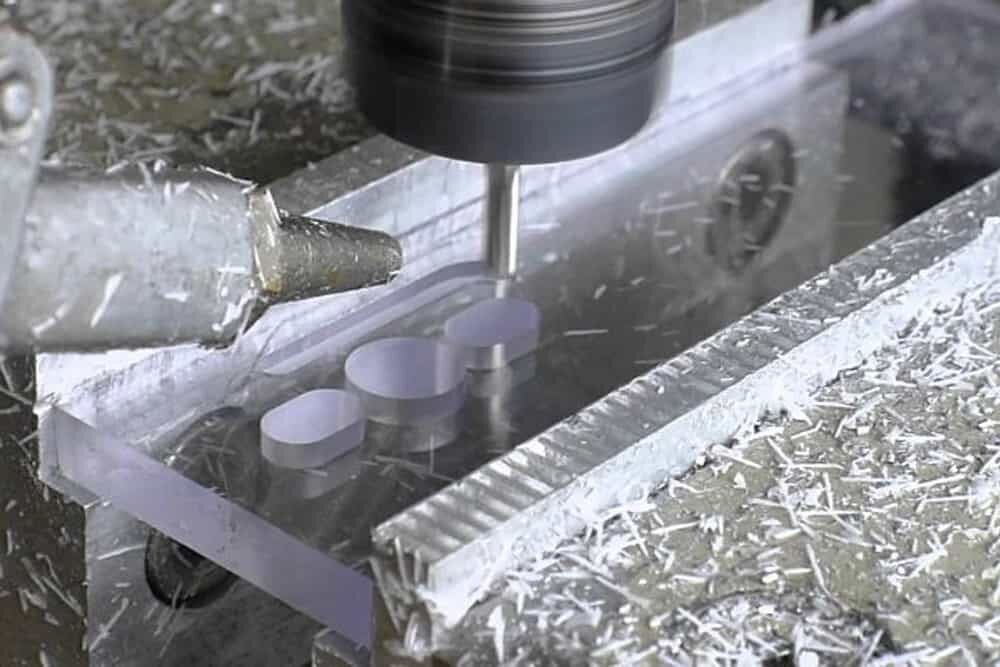
Engineering Precision: The Non-Negotiable Foundation for Polycarbonate Moulds
Polycarbonate moulds represent a pinnacle challenge in precision injection moulding. Unlike standard thermoplastics, polycarbonate demands exceptional thermal stability, microscopic dimensional accuracy, and flawless surface replication due to its high viscosity, sensitivity to shear stress, and critical applications requiring optical clarity or structural integrity. Minute deviations in mould geometry—measured in microns—directly translate to part warpage, internal stresses, surface defects like flow lines or silver streaking, and compromised mechanical properties. This inherent material sensitivity elevates precision from a desirable trait to an absolute engineering imperative. At Wuxi Lead Precision Machinery, we understand that achieving the required tolerances for polycarbonate isn’t merely about advanced machinery; it demands a holistic mastery of material science, thermal dynamics, and ultra-precise manufacturing processes honed over decades.
Our approach begins with rigorous thermal analysis and cavity pressure simulation, ensuring uniform melt flow and minimizing internal stresses that cause part failure. Critical factors include maintaining cavity surface temperatures within ±0.5°C tolerance during cycling and achieving mirror finishes (Ra < 0.025 µm) essential for optical components. The mould steel selection, hardened to exacting specifications, and the precision of cooling channel placement—often within 0.01mm positional accuracy—are non-negotiable elements. We leverage multi-axis CNC machining centres with sub-micron repeatability and in-process metrology to guarantee every contour, vent, and ejection feature meets the stringent demands of polycarbonate processing. This level of control prevents knit lines, ensures consistent wall thickness, and delivers the dimensional stability required for assemblies in demanding sectors.
Wuxi Lead Precision Machinery’s expertise in this exacting field is proven through mission-critical applications. Our precision-engineered polycarbonate moulds have delivered flawless components for the Beijing Winter Olympics infrastructure, where optical clarity and structural reliability under extreme conditions were paramount. Furthermore, we consistently supply moulds for classified military applications requiring polycarbonate parts that withstand severe environmental stress without degradation—validating our capability to meet the highest global standards for precision and reliability. This experience underscores our commitment to engineering excellence where failure is not an option.
The following table outlines key precision parameters essential for successful polycarbonate mould performance, contrasting typical industry expectations with Wuxi Lead’s engineered capabilities:
| Parameter | Typical Industry Requirement | Wuxi Lead Precision Capability |
|---|---|---|
| Cavity Dimensional Tolerance | ±0.05 mm | ±0.005 mm |
| Surface Roughness (Ra) | 0.1 – 0.2 µm | < 0.025 µm (Optical Grade) |
| Cooling Channel Position | ±0.05 mm | ±0.01 mm |
| Temperature Uniformity | ±1.0 °C | ±0.5 °C |
| Cavity Pressure Control | Standard Monitoring | Real-time Adaptive Control |
Precision in polycarbonate mould manufacturing is not merely a technical specification; it is the fundamental enabler of performance, yield, and product longevity. Wuxi Lead Precision Machinery integrates decades of specialized experience, advanced metrology, and a proven track record in the most demanding global projects to deliver moulds where micron-level accuracy is consistently achieved. For applications where polycarbonate’s unique properties must be fully realized, uncompromising precision engineering is the only acceptable foundation. Partner with us to transform demanding polycarbonate requirements into flawless, high-performance reality.
Precision Specs & Tolerances
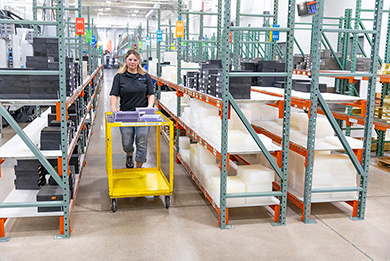
Wuxi Lead Precision Machinery delivers advanced technical capabilities in custom metal manufacturing, specializing in high-precision components for polycarbonate mould applications. Our facility integrates state-of-the-art 5-axis CNC machining centers to produce complex geometries with exceptional accuracy and surface finish. These multi-axis systems enable simultaneous movement across five planes, allowing for intricate contouring, undercuts, and tight-tolerance features that are critical in mould tooling for optical, automotive, and medical-grade polycarbonate parts.
Our 5-axis CNC platforms are equipped with high-speed spindles, automatic tool changers, and real-time monitoring systems to ensure consistent material removal rates and dimensional stability. This level of machining precision supports the production of core inserts, cavity plates, and cooling channels with minimal post-processing. The ability to machine from multiple angles in a single setup reduces cumulative errors, enhances part repeatability, and significantly shortens lead times—key advantages for clients requiring rapid prototyping and full-scale production runs.
Quality control is embedded into every phase of our manufacturing process. All critical dimensions and geometries are verified using a Coordinate Measuring Machine (CMM) with tactile probing and advanced 3D scanning capabilities. This metrology-grade inspection ensures compliance with ISO 10360 standards and provides full traceability through detailed inspection reports. Our QC protocols cover form, position, surface texture, and dimensional accuracy, validating that each component meets the stringent demands of polycarbonate injection moulding, where thermal expansion, pressure resistance, and optical clarity are paramount.
We maintain strict environmental controls in our metrology lab to eliminate thermal drift during measurement, ensuring micron-level reliability. Data from CMM inspections is integrated into our feedback loop, enabling real-time process adjustments and continuous improvement across production batches. This closed-loop quality system supports high yield rates and long-term tool life—essential for clients operating in high-volume manufacturing environments.
The following table outlines our standard technical specifications and achievable tolerances for polycarbonate mould components:
| Parameter | Standard Capability | Tight Tolerance Option |
|---|---|---|
| Positional Accuracy | ±0.01 mm | ±0.005 mm |
| Linear Dimensional Tolerance | ±0.012 mm | ±0.008 mm |
| Geometric Tolerance (GD&T) | ±0.01 mm (per ISO 1101) | ±0.005 mm |
| Surface Roughness (Ra) | 0.8 µm (machined) | 0.4 µm (polished finish) |
| Feature Repeatability | ±0.008 mm (batch-to-batch) | ±0.004 mm |
| CMM Measurement Uncertainty | ≤ 0.0025 mm (k=2) | ≤ 0.0015 mm (k=2) |
Wuxi Lead Precision Machinery combines advanced 5-axis CNC technology with rigorous CMM-based quality assurance to deliver mould components that meet the exacting standards of modern polycarbonate processing. Our technical capabilities are designed to support innovation, reliability, and scalability in high-performance manufacturing environments.
Material & Finish Options
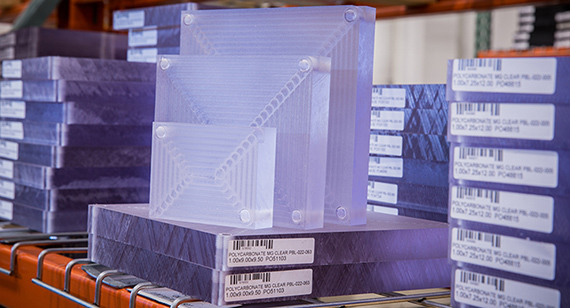
Optimal Material Selection for Polycarbonate Injection Molds
Selecting the correct base material for polycarbonate injection molds is critical due to the polymer’s high processing temperatures, inherent abrasiveness, and stringent surface finish requirements. Polycarbonate demands molds capable of withstanding thermal cycling, resisting wear from glass-filled grades, and maintaining dimensional stability to ensure part clarity and precision. At Wuxi Lead Precision Machinery, our engineering team evaluates three primary metal solutions based on production volume, part complexity, and cost targets.
Aluminum alloys, particularly 7075-T6, offer significant advantages for prototyping and low-to-medium volume production. Their superior thermal conductivity enables faster cycle times and more uniform cooling, directly benefiting polycarbonate’s sensitivity to cooling rates. While less wear-resistant than steel, properly anodized aluminum molds provide excellent value for initial production runs or applications where rapid iteration is essential. Tool steel variants like H13 and S136 are the industry standard for high-volume polycarbonate molding. These materials deliver the necessary hardness, polishability, and resistance to thermal fatigue and abrasive wear encountered with filled polycarbonate grades. Titanium alloys represent a specialized solution for extreme applications requiring the highest corrosion resistance or where weight reduction is paramount, though their cost and machining complexity typically limit use to niche aerospace or medical components.
Material performance characteristics dictate long-term mold viability. Key properties are summarized below for direct comparison.
| Material | Hardness (Typical) | Thermal Conductivity (W/m·K) | Primary Application Scope | Key Advantage for Polycarbonate |
|---|---|---|---|---|
| Aluminum 7075 | 150 HB | 130 | Prototyping, Low/Med Volume | Fastest cooling, lowest cost per cavity |
| Tool Steel H13 | 50-52 HRC | 28-36 | High Volume Production | Optimal wear/thermal fatigue balance |
| Tool Steel S136 | 50-54 HRC | 20-25 | High Volume, Corrosive Grades | Superior polishability, corrosion resist |
| Titanium Gr5 | 36 HRC | 7.2 | Extreme Corrosion/Weight Cases | Unmatched corrosion resistance |
Surface finish treatment is non-negotiable for polycarbonate molds. Anodizing is essential for aluminum molds, creating a hard, non-stick oxide layer that prevents polycarbonate adhesion and significantly extends mold life. We specify Type III (Hard Anodize) with a minimum 50µm thickness and post-sealing for production molds, achieving a surface hardness exceeding 60 HRC. For steel molds, precision polishing to SPI-A1 or ISO 2063 Class A3 standards is standard, often followed by specialized coatings like PVD TiN for enhanced release in demanding applications. The correct combination of base material and engineered surface finish directly impacts part yield, optical clarity, and total cost of ownership.
Wuxi Lead Precision Machinery leverages decades of CNC machining expertise to match material and finish specifications precisely to your polycarbonate application. Our engineers analyze your resin formulation, production volume, and quality targets to recommend the optimal solution, ensuring mold performance maximizes your operational efficiency and part quality from the first shot. Contact our technical team for a material selection consultation based on your specific project parameters.
Manufacturing Process & QC
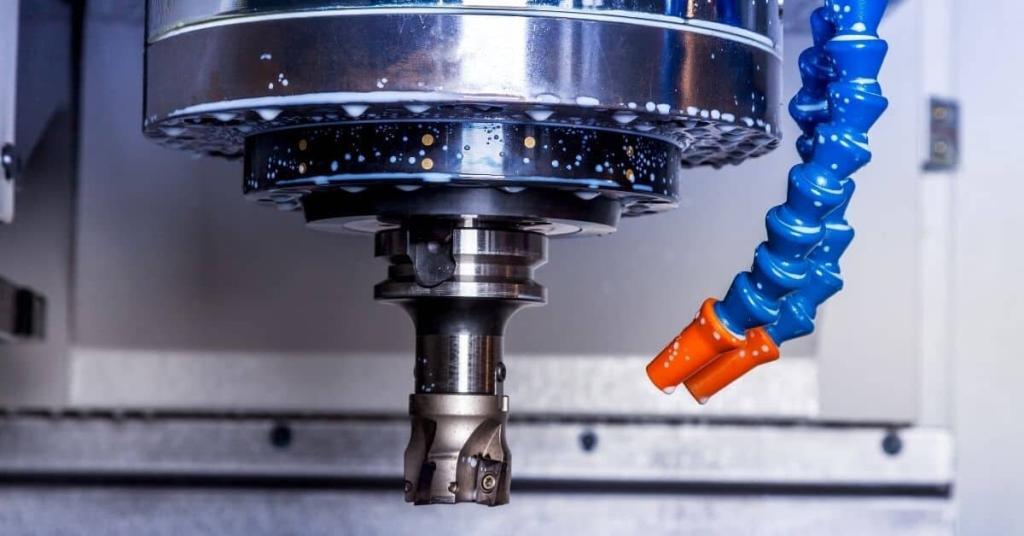
Design Phase: Precision Engineering for Polycarbonate Moulds
At Wuxi Lead Precision Machinery, the production of polycarbonate moulds begins with a comprehensive design phase grounded in engineering rigor and material science. Our team of senior CNC engineers collaborates closely with clients to analyze part geometry, wall thickness, gate locations, and ejection mechanisms. Utilizing advanced 3D CAD software such as Siemens NX and SolidWorks, we develop fully parametric models that simulate flow dynamics, thermal distribution, and stress points under injection cycles. Finite Element Analysis (FEA) ensures structural integrity, while Moldflow simulations predict potential defects such as warping, sink marks, or air traps. Each design is optimized for polycarbonate’s unique thermal sensitivity and high viscosity, ensuring balanced filling and minimal residual stress. All design data is reviewed through an internal Design for Manufacturability (DFM) checklist, guaranteeing alignment with both performance requirements and production efficiency.
Prototyping: Validating Performance Before Scale
Following design approval, we proceed to prototyping using high-speed CNC machining and EDM (Electrical Discharge Machining) to fabricate a single-cavity test mould from premium-grade tool steel such as P20 or H13. This prototype enables functional validation under real-world processing conditions. We conduct controlled injection trials using the client’s specified polycarbonate resin, monitoring parameters including melt temperature (typically 280–320°C), injection pressure, cooling time, and cycle stability. Critical dimensions are inspected using coordinate measuring machines (CMM) with micron-level accuracy. Any deviations are traced through root cause analysis, and iterative adjustments are made to the mould geometry or process settings. This phase not only confirms part quality but also verifies the robustness of the cooling system and ejection sequence—key factors in achieving zero defects during mass production.
Mass Production: Consistency Through Automation and Control
Once the prototype meets all dimensional, aesthetic, and functional criteria, we transition to full-scale manufacturing. Moulds are replicated using multi-axis CNC machining centers with tight process controls, ensuring cavity-to-cavity repeatability. All critical surfaces are polished to SPI-A1 or ISO 2634 finish standards, minimizing adhesion and enhancing part release. During production, every mould undergoes 100% inspection for surface integrity, alignment, and tolerance compliance. We implement Statistical Process Control (SPC) and integrate IoT-enabled sensors for real-time monitoring of temperature, pressure, and cycle times.
The following table outlines key specifications for our polycarbonate mould production:
| Parameter | Specification |
|---|---|
| Material | P20, 718H, H13, or client-specified tool steel |
| Tolerance | ±0.005 mm |
| Surface Finish | SPI-A1 (mirror) to SPI-C2 (satin) |
| Mould Life | 500,000+ cycles (standard) |
| Cooling Efficiency | Cycle time reduction up to 30% via conformal cooling |
| Quality Standard | ISO 9001:2015, Zero-Defect Protocol |
| Lead Time (Design to Mass) | 6–10 weeks (depending on complexity) |
Through integrated design validation, precision prototyping, and closed-loop manufacturing, Wuxi Lead Precision Machinery delivers polycarbonate moulds engineered for flawless, high-volume output.
Why Choose Wuxi Lead Precision
Partner with Lead Precision for Uncompromising Polycarbonate Mould Excellence
Polycarbonate demands exceptional mould precision. Its high melt viscosity, sensitivity to shear stress, and stringent optical requirements expose weaknesses in substandard tooling. Poor thermal management causes flow lines; inadequate venting traps gases; inconsistent cooling induces warpage. These failures translate directly to rejected parts, production downtime, and eroded margins. At Wuxi Lead Precision Machinery, we engineer polycarbonate moulds not merely to function, but to deliver sustained, high-yield performance under the most demanding production cycles. We understand that your reputation hinges on part consistency, and we build moulds engineered for zero compromise.
Our CNC mastery ensures every cavity, core, and runner system meets micron-level tolerances essential for polycarbonate’s unforgiving nature. We leverage advanced multi-axis machining centers and in-house metallurgical expertise to select and process premium pre-hardened steels like NAK80 or H13, optimized for thermal stability and wear resistance. Surface finishes achieve SPI-A1 standards or tighter, critical for optical clarity and ejection reliability. Rigorous thermal analysis guides conformal cooling channel design, eliminating hot spots that cause sink or distortion. This systematic approach guarantees dimensional stability across millions of cycles.
Technical Capabilities for Polycarbonate Moulding
| Parameter | Capability | Application Benefit |
|---|---|---|
| Tolerance Control | ±0.005 mm | Eliminates flash, ensures part sealing |
| Surface Finish | SPI-A1 (Ra ≤ 0.025 µm) | Achieves optical clarity, reduces defects |
| Cavity Complexity | Up to 32 cavities, unscrewing cores | Maximizes throughput for complex parts |
| Material Options | NAK80, H13, Stainless Steel variants | Optimized for thermal conductivity & longevity |
| Cooling Design | Conformal channels, thermal simulation | Reduces cycle time by 15-25%, prevents warpage |
Beyond machining, our 12-stage quality protocol validates performance before shipment. Each mould undergoes pressure testing at 150% operating load, flow analysis verification, and a full production trial using your specified polycarbonate grade. We document thermal mapping and ejection dynamics, providing actionable data to optimize your press setup from day one. This eliminates costly trial-and-error at your facility and accelerates time-to-market. Our engineering team collaborates with you from DFM review through production ramp-up, treating your success as our operational KPI.
When polycarbonate part failure risks multimillion-dollar assembly line stoppages, settle for nothing less than engineered certainty. Wuxi Lead Precision Machinery delivers moulds that perform relentlessly, protecting your yield rates and brand integrity. Contact our engineering team directly to initiate a technical consultation. Send your part drawings and production requirements to [email protected]. We will respond within 4 business hours with a detailed capability assessment and timeline. Partner with precision—where every micron machined translates to your competitive advantage.
⚙️ Precision Cost Estimator
Estimate relative manufacturing effort based on tolerance.