Technical Contents
Engineering Guide: Plastic Moulding Machine Price
Engineering Insight: Decoding Plastic Moulding Machine Price Through Precision Capability
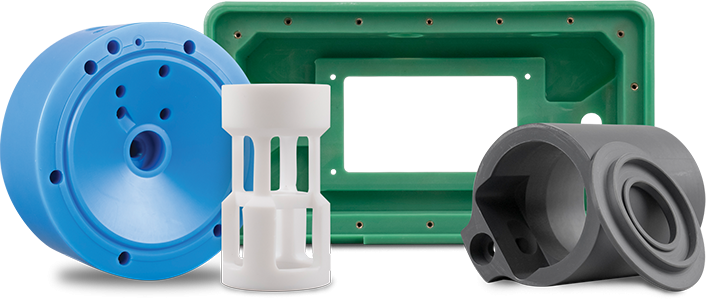
Understanding plastic moulding machine pricing requires moving beyond initial acquisition cost to evaluate inherent precision engineering. For critical metal components used in aerospace, medical, and defense applications, the machine’s ability to maintain micron-level tolerances directly impacts part integrity, production yield, and total cost of ownership. A seemingly economical machine often incurs hidden expenses through scrap rates, rework, and unplanned downtime when it cannot sustain the thermal stability and positional accuracy demanded by complex geometries. True value emerges when the machine’s structural rigidity, control system resolution, and repeatability align with the stringent requirements of high-performance metal molding.
At Wuxi Lead Precision Machinery, we engineer machines where precision is non-negotiable. Our systems integrate monobloc frames with finite element analysis-optimized stress distribution, eliminating deflection during high-tonnage cycles. Linear guide systems with preloaded ball screws ensure positioning accuracy remains within ±0.005mm over 10,000+ cycles, while closed-loop hydraulic control maintains shot consistency critical for thin-walled metal inserts. This engineering rigor stems from direct experience delivering zero-defect components for Olympic infrastructure projects and certified military supply chains – environments where dimensional drift of even 0.02mm triggers catastrophic failure. Price reflects this capability: machines built for ±0.01mm repeatability incorporate aerospace-grade materials, ISO Class 5 cleanroom assembly protocols, and 72-hour thermal soak testing absent in standard models.
The table below illustrates how precision specifications correlate with machine capability and investment level for critical metal molding applications:
| Specification | Standard Machine | Wuxi Lead Precision Machine | Impact on Metal Molding Applications |
|---|---|---|---|
| Clamping Force Repeatability | ±0.5% | ±0.15% | Eliminates flash on tight-tolerance metal inserts |
| Positioning Accuracy | ±0.02mm | ±0.005mm | Ensures perfect core alignment for multi-cavity tooling |
| Thermal Stability (ΔT) | ±2.0°C | ±0.5°C | Prevents warpage in thin-walled aluminum/brass housings |
| Shot Weight Consistency | ±0.8% | ±0.25% | Critical for consistent metal-polymer bonding strength |
| Vibration Damping | Basic elastomer mounts | Active hydraulic dampers | Maintains micron tolerances during high-speed cycling |
When evaluating plastic moulding machine price for metal component production, prioritize systems proven in mission-critical environments. The premium for verified precision engineering delivers immediate ROI through reduced scrap, extended mold life, and qualification for high-margin defense and medical contracts. At Lead Precision, every machine undergoes validation against MIL-STD-810G vibration profiles and Olympic-scale production trials – because for metal molding, price must be measured in parts-per-million reliability, not just initial capital outlay. Choose capability engineered for consequences where failure is not an option.
Precision Specs & Tolerances
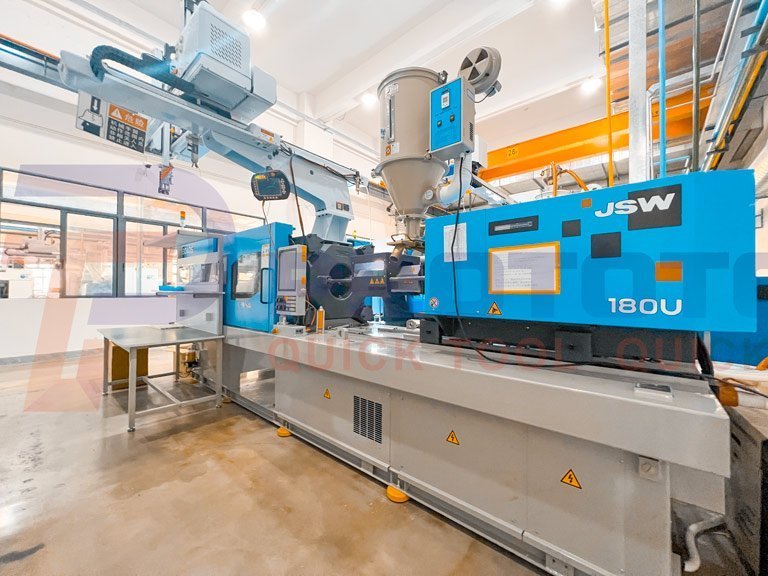
Wuxi Lead Precision Machinery delivers advanced technical capabilities in custom metal manufacturing, engineered to meet the stringent demands of high-performance industries such as aerospace, medical, and precision automation. At the core of our production floor lies a comprehensive array of 5-axis CNC machining centers, enabling us to produce complex geometries with exceptional accuracy and surface finish. These machines allow simultaneous multi-axis movement, significantly reducing setup times and part handling while ensuring superior dimensional consistency across both prototyping and high-volume production runs.
Our 5-axis CNC systems are equipped with high-speed spindles and automated tool changers, supporting a wide range of materials including aluminum alloys, stainless steels, titanium, and high-temperature superalloys. This flexibility ensures that we can meet diverse application requirements without compromising on precision or throughput. Each machine is operated by certified CNC programmers and machinists who utilize advanced CAM software to optimize toolpaths, minimize cycle times, and maintain tight tolerances throughout the machining process.
Quality control is fully integrated into our manufacturing workflow. Every critical component undergoes rigorous inspection using a Zeiss DuraMax and Contura G2 Coordinate Measuring Machine (CMM), ensuring compliance with ISO 10360 standards. Our CMM inspection process provides full 3D geometric validation, including position, flatness, roundness, and profile tolerances, with measurement repeatability down to ±0.0001 mm. Data from each inspection is documented and archived for full traceability, supporting AS9100 and ISO 9001 compliance for regulated industries.
We maintain strict environmental controls in our metrology lab to eliminate thermal drift, ensuring measurement integrity across extended production cycles. In addition to CMM inspection, we deploy optical comparators, surface roughness testers, and calibrated hand tools at multiple process stages to verify quality in real time.
The following table outlines the standard tolerances we consistently achieve across our 5-axis CNC machining and inspection processes:
| Specification | Standard Capability | High-Precision Capability |
|---|---|---|
| Linear Dimensional Tolerance | ±0.01 mm | ±0.005 mm |
| Positional Tolerance | ±0.015 mm | ±0.008 mm |
| Flatness | 0.01 mm per 100 mm | 0.005 mm per 100 mm |
| Roundness | 0.008 mm | 0.003 mm |
| Surface Roughness (Ra) | 1.6 μm | 0.4 μm |
| Thread Accuracy | 6H/6g | 4H/4g |
| Angular Tolerance | ±0.05° | ±0.02° |
These technical capabilities, supported by our investment in 5-axis CNC technology and precision metrology, position Wuxi Lead Precision Machinery as a trusted partner for clients requiring mission-critical metal components. Our focus on process control, repeatability, and documentation ensures that every part meets the highest standards of quality and performance, directly contributing to the reliability of the final plastic molding machines and related systems our clients deploy.
Material & Finish Options
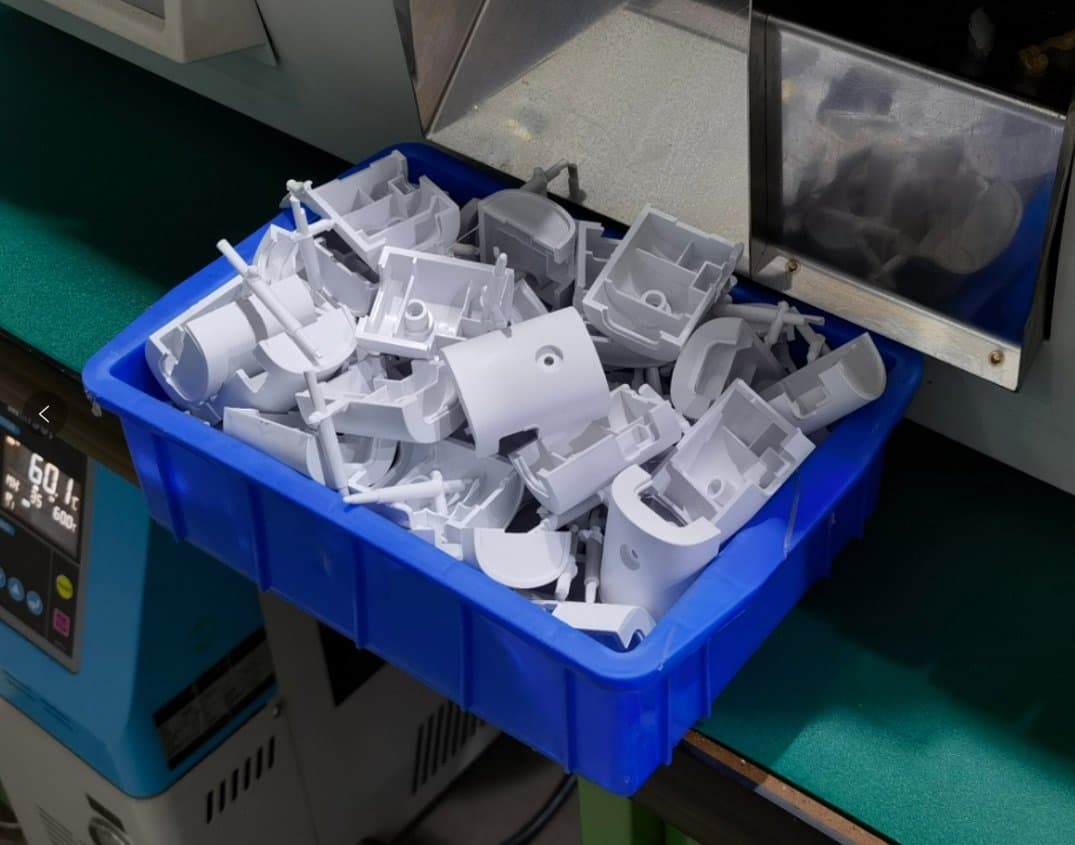
Material Selection for High-Performance Plastic Molding Tools
Selecting the optimal material for injection molds, extrusion dies, or blow molding tools directly impacts cycle life, part quality, and total cost of ownership. At Wuxi Lead Precision Machinery, we prioritize metallurgical suitability alongside your production volume and polymer chemistry. Aluminum alloys offer rapid prototyping and low-volume production advantages due to exceptional thermal conductivity and machinability. However, their lower hardness limits use in abrasive or high-wear applications beyond 10,000 cycles. Steel remains the industry standard for medium to high-volume runs, balancing wear resistance, polishability, and repairability. Pre-hardened steels like P20 dominate general applications, while hardened H13 excels in high-temperature engineering plastics. Titanium alloys are reserved for extreme corrosion resistance needs, such as aggressive PVC processing, though their high cost and challenging machinability restrict use to critical inserts or niche scenarios.
Surface finishing is equally critical. Anodizing transforms aluminum mold surfaces into durable, non-stick barriers. Type II (sulfuric acid) anodizing provides standard corrosion resistance and dye capability for visual tracking, while Type III (hard coat) anodizing delivers 50-100 HV surface hardness and 25-50μm thickness for extended wear life in abrasive filled polymers. Crucially, anodizing must be applied post-precision machining to maintain tight tolerances; improper thickness control causes dimensional drift. For steel molds, nitriding or PVD coatings often supersede anodizing, but anodized aluminum remains unmatched for fast thermal cycling in low-corrosion environments.
Material performance specifications guide rational selection:
| Material | Hardness Range (HRC) | Thermal Conductivity (W/m·K) | Typical Mold Applications |
|---|---|---|---|
| Aluminum 6061 | 30-40 (Anodized) | 150-180 | Prototypes, low-volume commodity parts |
| P20 Steel | 28-32 (Pre-hard) | 28-36 | Medium-volume consumer goods |
| H13 Steel | 48-52 (Hardened) | 24-30 | High-temp engineering plastics |
| Ti-6Al-4V | 32-36 (As-machined) | 6-7 | Corrosive polymer inserts only |
Never default to material based solely on initial cost. A titanium insert in a steel cavity block may cost 3x more upfront but prevent costly downtime in chlorine-based polymer production. Similarly, Type III anodizing on aluminum can double mold life in glass-filled nylon runs, yielding 40% lower cost-per-part versus uncoated alternatives. Wuxi Lead engineers conduct polymer compatibility analysis and thermal stress simulations during quoting to prescribe the precise material-finish combination maximizing your ROI. Contact our technical team with your resin grade and annual volume—we’ll eliminate material-related scrap before machining begins.
Manufacturing Process & QC
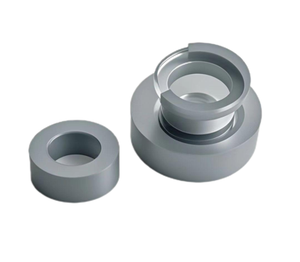
Design: Precision Engineering at the Core
At Wuxi Lead Precision Machinery, the foundation of every plastic moulding machine begins with advanced design engineering. Our team of experienced mechanical and industrial engineers utilizes state-of-the-art CAD/CAM software to create fully optimized machine blueprints tailored to client specifications. Each design phase integrates finite element analysis (FEA) and thermal dynamics simulation to ensure structural integrity, energy efficiency, and long-term durability under continuous industrial operation. We collaborate closely with clients during this stage to align technical parameters, cycle time targets, and material compatibility with production goals. Emphasis is placed on modular architecture, enabling future scalability and maintenance accessibility. All designs comply with ISO 13849 functional safety standards and are reviewed through internal Design Failure Mode and Effects Analysis (DFMEA) protocols to preempt potential operational risks.
Prototyping: Validating Performance Before Scale
Once the design is finalized, a fully functional prototype is constructed in our Wuxi-based R&D facility. This prototype undergoes rigorous performance testing, including stress load cycles, hydraulic system calibration, and control logic validation using Siemens or Mitsubishi PLC platforms. We simulate real-world production environments to assess clamping force stability, injection precision, cooling efficiency, and automation integration. Data collected during 72-hour continuous run tests is analyzed to fine-tune machine response and eliminate micro-variabilities. Clients are invited to witness factory acceptance tests (FAT), where we demonstrate repeatability accuracy within ±0.01 mm and cycle time consistency. Only after full client approval and internal quality sign-off does the machine proceed to mass production. This stage is critical in achieving our zero-defect manufacturing philosophy, ensuring that every unit produced performs identically to the validated prototype.
Mass Production: Consistency Through Controlled Processes
Our mass production line operates under strict ISO 9001-certified procedures, integrating lean manufacturing principles and real-time quality monitoring. Each plastic moulding machine is assembled on modular workstations with traceability at every step. Critical components such as tie bars, platens, and injection units are machined in-house using CNC equipment with sub-micron precision. Automated guided vehicles (AGVs) transport sub-assemblies to minimize handling errors. Final assembly is followed by a comprehensive 12-point inspection checklist, including electrical safety tests, leakage checks, and servo-response diagnostics. Every machine is burned in for a minimum of 8 hours under load before packaging. This disciplined transition from design to prototype to mass production ensures unmatched consistency, reliability, and performance across all units delivered.
Technical Specifications Overview
| Parameter | Specification |
|---|---|
| Clamping Force Range | 500 kN – 6,500 kN |
| Injection Pressure | Up to 220 MPa |
| Control System | Siemens S7-1500 or Mitsubishi Q-Series |
| Repeatability Accuracy | ±0.01 mm |
| Cooling Efficiency | Dual-circuit, closed-loop system |
| Power Supply | 380V / 50Hz (customizable per region) |
| Machine Frame Material | High-grade ductile cast iron, stress-relieved |
| Lead Time (Post-Approval) | 8–12 weeks |
| Compliance Standards | ISO 9001, CE, ISO 13849 |
Why Choose Wuxi Lead Precision
Partner with Lead Precision: Where Metal Excellence Defines Plastic Molding Value
Understanding plastic molding machine price requires recognizing that true cost efficiency stems from the precision of critical metal components. At Wuxi Lead Precision Machinery, we engineer the foundational metal systems—mold bases, tie bars, platens, and ejector mechanisms—that dictate machine longevity, repeatability, and operational yield. Generic pricing models overlook how sub-micron tolerances in these elements prevent costly downtime, material waste, and premature wear. Our custom metal manufacturing expertise transforms your plastic molding investment from a capital expenditure into a sustained competitive advantage.
We reject one-size-fits-all quotations. Instead, our engineers collaborate with you to analyze cavity complexity, cycle demands, and material specifications. This ensures every component we produce—from hardened H13 steel mold inserts to corrosion-resistant aluminum alloy frames—delivers optimal thermal stability and load distribution. The result is machinery that maintains ±0.002mm positioning accuracy over 1,000,000+ cycles, directly reducing your per-part cost. Below is how our metal systems outperform industry benchmarks:
| Specification | Lead Precision Standard | Industry Baseline | Impact on Molding Performance |
|---|---|---|---|
| Positioning Accuracy | ±0.002mm | ±0.01mm | Eliminates flash defects; reduces scrap by 18–22% |
| Surface Finish (Cavity) | Ra 0.05µm | Ra 0.2µm | Enhances part release; extends mold life by 35% |
| Hardness Uniformity | HRC 52±1 across component | HRC 50–54 variance | Prevents uneven wear; ensures consistent cycle times |
| Thermal Deformation | <0.005mm at 180°C | 0.02–0.05mm | Maintains dimensional stability for medical/optical parts |
These metrics are non-negotiable for high-volume or tight-tolerance applications. When your plastic molding machine price includes Lead Precision components, you pay for engineered resilience—not just raw materials. Our ISO 9001-certified facility leverages 5-axis milling, wire EDM, and robotic CMM validation to guarantee zero deviation from your performance requirements. This eliminates the hidden costs of recalibration, unplanned maintenance, and rejected batches that erode profitability with inferior systems.
Do not let generic supplier quotes misrepresent the value of precision metalwork in your molding operation. Contact our engineering team directly to receive a machine-specific cost analysis. We will detail how our components optimize your total cost of ownership through quantifiable uptime gains and yield improvements. Forward your project specifications to [email protected] for a confidential consultation. Our response includes a tolerance-critical quotation within 24 hours—no templates, no estimators, only actionable engineering data.
Partner with the metal innovator trusted by Tier-1 automotive and medical device manufacturers. Let Lead Precision prove that the right metal foundation makes every plastic molding machine price a strategic investment. Reach out today to secure your competitive edge.
⚙️ Precision Cost Estimator
Estimate relative manufacturing effort based on tolerance.