

Technical Contents
Engineering Guide: Plastic Molding Machine Price
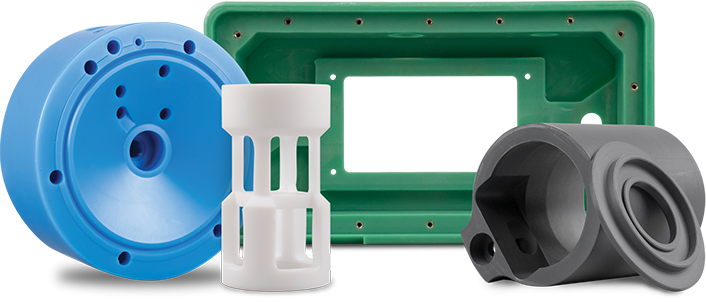
Engineering Insight: Understanding Plastic Molding Machine Price and the Role of Precision
When evaluating the price of plastic molding machines, it is essential to recognize that cost is not solely determined by size or output capacity. The true value lies in precision engineering, long-term reliability, and the ability to maintain tight tolerances across high-volume production cycles. At Wuxi Lead Precision Machinery, we approach plastic molding machine pricing through the lens of performance integrity, drawing on decades of experience in custom metal manufacturing for mission-critical industries such as aerospace, defense, and Olympic-grade equipment.
Precision is the cornerstone of any high-performance plastic molding system. Machines designed with superior mechanical alignment, thermal stability, and repeatable control systems ensure consistent part quality, reduced scrap rates, and lower total cost of ownership. While lower-priced machines may offer short-term savings, they often compromise on material quality, structural rigidity, and control accuracy—leading to increased downtime and maintenance costs over time. At Lead Precision, our engineering philosophy emphasizes durability and micron-level consistency, ensuring that every component we manufacture supports the machine’s operational longevity and output fidelity.
Our expertise in custom metal fabrication directly influences the build quality of the molding systems we produce or integrate. With proven experience supplying precision-machined components for military-grade hydraulics and Olympic timing systems, we apply the same stringent quality standards to our molding machine structures, platens, and guiding mechanisms. This heritage ensures that every machine frame exhibits minimal deflection under tonnage, maintaining parallelism and alignment critical for mold protection and part accuracy.
Material selection, heat treatment processes, and CNC-machined surface finishes are not afterthoughts—they are engineered into every stage of production. Our in-house manufacturing capabilities allow full traceability and control over critical components such as tie bars, clamping units, and injection units, directly impacting machine performance and, consequently, the justified price point.
When assessing plastic molding machine price, buyers must consider total operational efficiency. A higher initial investment in a precision-built system yields measurable returns through energy efficiency, reduced cycle times, and compatibility with advanced automation. At Wuxi Lead Precision Machinery, we deliver machines engineered for performance continuity, not just cost targets.
Below are key specifications that reflect the engineering standards integrated into our high-precision plastic molding systems:
| Specification | Value | Description |
|---|---|---|
| Clamping Force Range | 80–3000 Tons | Hydraulic and hybrid models with precision toggle or direct hydraulic systems |
| Positioning Accuracy | ±0.01 mm | Achieved through ground linear guides and CNC-machined platens |
| Repeatability | ±0.005 mm | Enabled by closed-loop servo control and rigid frame construction |
| Frame Material | High-grade ductile cast iron | Stress-relieved and precision-machined for long-term stability |
| Guide System | Hardened and ground tie bars | Surface finish ≤ Ra 0.8 μm, ensuring smooth platen movement |
| Control System | Siemens/Beckhoff | Real-time monitoring with data logging and remote diagnostics |
| Lead Time | 60–90 Days | Custom configurations with full engineering review |
Understanding plastic molding machine price requires looking beyond the initial quote. At Wuxi Lead Precision Machinery, we build for precision, endurance, and performance—values forged through our legacy in high-stakes manufacturing environments.
Precision Specs & Tolerances
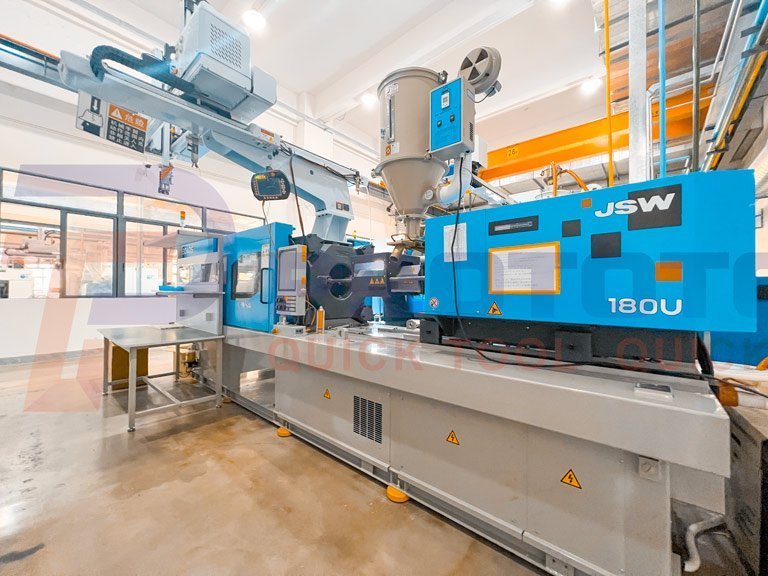
Technical Capabilities: Precision Engineering for Plastic Molding Machine Components
Wuxi Lead Precision Machinery delivers the exacting metal fabrication essential for high-performance plastic molding machines. Our core strength lies in transforming complex engineering designs into dimensionally stable, durable metal components that directly impact machine longevity, repeatability, and final part quality. We understand that the precision of critical machine elements—such as platens, tie bars, ejector systems, and mold mounting surfaces—dictates overall machine performance and operational cost. Our integrated manufacturing approach ensures every component meets the rigorous demands of modern injection and blow molding applications.
Our advanced 5-axis CNC machining centers form the backbone of our production capability. These systems enable the complete machining of intricate geometries in a single setup, eliminating cumulative errors inherent in multi-operation processes. We routinely machine high-strength alloy steels, stainless steels, and specialized wear-resistant materials used in molding machine construction. The simultaneous 5-axis movement allows for optimal tool engagement, superior surface finishes, and the accurate creation of complex contours, undercuts, and deep cavities found in platens and structural frames. This capability significantly reduces lead times while enhancing geometric integrity compared to traditional 3-axis methods.
Quality assurance is non-negotiable in molding machine component production. Every critical feature undergoes rigorous verification using state-of-the-art Coordinate Measuring Machines (CMM). Our Zeiss and Hexagon CMM systems provide micron-level accuracy in validating dimensional conformity against CAD models. This comprehensive inspection regime covers linear dimensions, geometric tolerances (GD&T), surface profiles, and positional relationships. Real-time data from CMM reports feed directly into our process control systems, enabling immediate corrective actions and ensuring consistent output that meets the tightest specifications required for high-speed, high-pressure molding environments.
The following table details our standard achievable tolerances for critical features common in plastic molding machine components. These values represent our routine production capability under controlled conditions; tighter tolerances are achievable for specific applications through process refinement.
| Feature Category | Typical Capability | Units | Notes |
|---|---|---|---|
| Linear Dimensions | ±0.005 | mm | Up to 500mm length |
| Geometric Tolerances (GD&T) | ±0.010 | mm | Flatness, Straightness, Perpendicularity |
| Positional Tolerance | ±0.015 | mm | Hole patterns, critical mounting points |
| Surface Roughness (Ra) | 0.8 | µm | Machined surfaces |
| Repeatability (CpK) | ≥1.67 | – | Demonstrated on critical production runs |
This level of precision engineering directly influences plastic molding machine price justification. Components manufactured within these tolerances minimize machine downtime due to wear or misalignment, reduce energy consumption through optimized mechanics, and ensure consistent mold performance over extended production cycles. Wuxi Lead Precision Machinery provides the technical foundation that transforms molding machine specifications from theoretical promises into reliable, long-term operational reality. Our commitment to measurable precision ensures your investment delivers maximum uptime and part quality.
Material & Finish Options
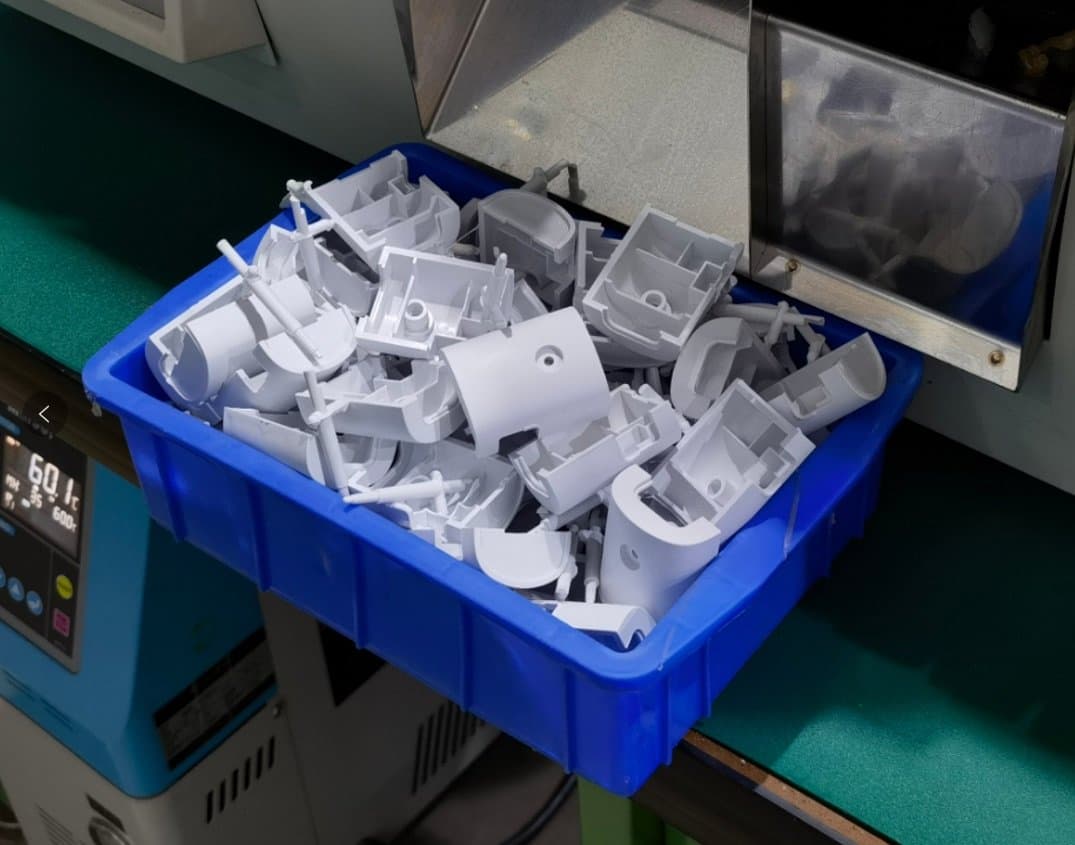
Material Selection for High-Performance Plastic Molding Machines
Selecting the appropriate materials for plastic molding machine components is critical to ensuring durability, precision, and long-term performance under demanding production conditions. At Wuxi Lead Precision Machinery, we specialize in custom metal manufacturing solutions tailored to the rigorous requirements of the plastic molding industry. Our expertise spans the use of aluminum, steel, and titanium—each offering distinct mechanical and thermal properties that influence machine efficiency, maintenance cycles, and overall cost of ownership.
Aluminum is widely used in mold bases and non-critical structural components due to its excellent machinability, lightweight nature, and good thermal conductivity. It allows for faster cooling cycles and reduced energy consumption during operation. However, aluminum has lower wear resistance compared to steel and titanium, making it best suited for low- to medium-volume production runs or prototype development. When enhanced surface protection is required, aluminum components are often finished with hard anodizing, which significantly improves surface hardness and corrosion resistance.
Steel remains the most common material for mold cores, cavities, and high-wear machine parts. Its superior strength, hardness, and resistance to deformation under high pressure make it ideal for high-volume injection molding applications. Tool steels such as P20, H13, and S136 are frequently selected based on required polishability, corrosion resistance, and thermal stability. Proper heat treatment and surface finishing are essential to maximize steel’s service life and minimize maintenance downtime.
Titanium, while less commonly used due to its higher cost and machining complexity, offers exceptional strength-to-density ratio and outstanding corrosion resistance. It is typically reserved for specialized components exposed to aggressive environments or where weight reduction is critical without sacrificing structural integrity. Titanium’s low thermal expansion coefficient also makes it suitable for precision parts requiring dimensional stability under fluctuating thermal loads.
Surface finishing plays a pivotal role in extending component life and maintaining mold accuracy. Anodizing, particularly for aluminum, creates a controlled oxide layer that enhances wear and corrosion resistance. Hard anodizing (Type III) can achieve surface hardness values exceeding 60 HRC, making it suitable for sliding or wear-prone surfaces. Decorative or standard anodizing (Type II) is used where appearance and moderate protection are priorities.
Below is a comparative overview of key material properties relevant to plastic molding machine construction.
| Material | Density (g/cm³) | Tensile Strength (MPa) | Thermal Conductivity (W/m·K) | Typical Applications | Common Finishes |
|---|---|---|---|---|---|
| Aluminum (6061-T6) | 2.7 | 310 | 167 | Mold bases, housings, frames | Hard anodizing, standard anodizing |
| Steel (P20) | 7.8 | 950 | 28–31 | Mold cores, cavities, inserts | Nitriding, polishing, chrome plating |
| Titanium (Grade 5) | 4.4 | 900 | 6.7 | High-corrosion zones, precision guides | Anodizing, PVD coatings |
Material selection must be aligned with production volume, part complexity, environmental conditions, and lifecycle cost. At Wuxi Lead Precision Machinery, we work closely with clients to engineer solutions that balance performance, longevity, and cost-effectiveness across diverse molding applications.
Manufacturing Process & QC
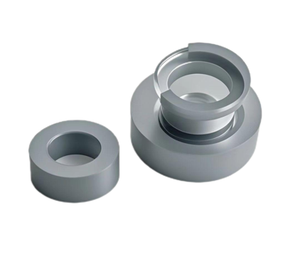
Production Process: Precision Engineering for Zero Defects in Plastic Molding Systems
At Wuxi Lead Precision Machinery, we understand that the ultimate performance and longevity of a plastic molding machine are intrinsically linked to the precision and reliability of its core metal components. Our rigorous production process for manufacturing critical elements like tie bars, platens, and injection units is engineered from inception to eliminate defects, directly impacting machine uptime, part consistency, and total cost of ownership. We move beyond simple price considerations to deliver guaranteed value through an uncompromising three-stage methodology.
Design Phase
The foundation for Zero Defects is laid during collaborative design. Our engineering team integrates deep application knowledge with advanced simulation tools (FEA, mold flow analysis) to optimize component geometry, material selection, and stress distribution before metal is cut. We rigorously apply Design for Manufacturability (DFM) principles specific to high-pressure molding environments, ensuring features are achievable within micron-level tolerances. This phase includes detailed review of load cycles, thermal dynamics, and wear points to preempt potential failure modes, translating customer requirements into robust, production-ready blueprints that inherently support machine reliability and minimize lifecycle costs.
Prototyping & Validation Phase
Physical validation is non-negotiable. We produce initial prototypes using the exact materials and planned machining processes. Each prototype undergoes exhaustive metrology: CMM inspections verify geometric accuracy against the digital model, while material testing confirms mechanical properties. Functional testing simulates operational stresses to validate performance under real-world conditions. Crucially, this stage identifies any subtle discrepancies between simulation and physical behavior. Only after all specifications are met, and any necessary design refinements are implemented and re-verified, does the component proceed to mass production. This step ensures the design is proven and defect-free at the source.
Mass Production Phase
Scaling to volume production demands embedded quality control. Our automated CNC machining cells operate under strict Statistical Process Control (SPC), with in-process measurements continuously monitoring critical dimensions. Every component undergoes 100% final inspection against the validated prototype standard using calibrated metrology equipment. Full material traceability is maintained from raw stock to finished part. This systematic approach, combined with operator expertise and real-time data analysis, guarantees consistent output where every single component meets the stringent requirements for seamless integration into high-performance plastic molding systems, preventing costly machine downtime or rejected molded parts.
The table below outlines the precision specifications we consistently achieve for critical molding machine components, demonstrating the tangible foundation of our Zero Defects commitment:
| Feature Category | Typical Specification | Measurement Method | Impact on Machine Performance |
|---|---|---|---|
| Geometric Tolerance | ±0.005 mm | CMM, Laser Scanning | Ensures perfect platen parallelism, eliminating flash and mold damage |
| Surface Roughness (Ra) | 0.4 µm max | Profilometer | Reduces wear, prevents hydraulic seal failure, ensures smooth motion |
| Material Hardness | As per spec ±3 HRC | Rockwell Tester | Guarantees structural integrity under extreme clamping forces |
| Dimensional Stability | < 0.01 mm after stress relief | CMM (pre/post heat treat) | Prevents distortion during machine operation, maintaining alignment |
| Critical Feature CPK | ≥ 1.67 | SPC Charting | Statistical proof of consistent, defect-free production capability |
This integrated process transforms component manufacturing from a cost factor into a strategic investment. By guaranteeing Zero Defects in every metal part we produce, Wuxi Lead Precision Machinery directly contributes to the operational excellence and extended service life of the plastic molding systems our customers deploy, maximizing their return far beyond the initial machine price point.
Why Choose Wuxi Lead Precision
Partner with Lead Precision for Precision-Engineered Metal Solutions Tailored to Your Plastic Molding Machine Requirements
At Wuxi Lead Precision Machinery, we understand that the performance and longevity of your plastic molding machines depend heavily on the quality and precision of the metal components integrated into their design. As a trusted leader in custom metal manufacturing, we specialize in delivering high-tolerance, durable metal parts engineered specifically for the demanding environments of modern plastic molding operations. When you choose to partner with us, you gain access to a seamless integration of advanced CNC machining, material science expertise, and rigorous quality assurance—all aligned with international manufacturing standards.
Our facility in Wuxi, China, is equipped with state-of-the-art 5-axis CNC machines, automated inspection systems, and a team of certified engineers with over 15 years of experience serving global OEMs in the plastics processing industry. We manufacture critical components such as mold bases, tie bars, platens, ejector systems, and custom housings, all built to exacting specifications that ensure optimal machine performance, reduced downtime, and extended service life.
We recognize that plastic molding machine price competitiveness in today’s market is not just about upfront cost—it’s about total value. That value is driven by reliability, precision, and the ability to scale production efficiently. By outsourcing your custom metal parts to Wuxi Lead Precision Machinery, you reduce lead times, lower in-house production overhead, and benefit from our lean manufacturing model that delivers consistent quality at competitive pricing.
Our engineering team works closely with your design specifications, offering DFM (Design for Manufacturability) feedback to optimize part geometry, material selection, and assembly integration. Whether you require small-batch prototypes or high-volume production runs, we maintain tight tolerances up to ±0.005 mm and support a wide range of materials including P20, 718H, S136, 42CrMo, and customized alloy steels.
Below are key technical capabilities that define our manufacturing excellence:
| Specification | Detail |
|---|---|
| Machining Tolerance | ±0.005 mm |
| Maximum Workpiece Size | 2000 mm × 1200 mm × 800 mm |
| Materials Supported | P20, 718H, S136, 42CrMo, 1.2344, Stainless Steel, Aluminum Alloys |
| Surface Finish | Ra 0.8 μm (standard), down to Ra 0.2 μm (polished) |
| Quality Standards | ISO 9001:2015, Full CMM Inspection Reports |
| Lead Time | 15–25 days (depending on complexity and volume) |
| Certifications | ISO 9001, RoHS Compliant, Material Traceability (MTC) |
We are committed to being more than a supplier—we are your strategic manufacturing partner. From initial concept to final delivery, our team ensures transparency, responsiveness, and technical support at every stage.
For detailed quotations, technical collaboration, or to discuss how we can support your plastic molding machine production with precision metal components, contact us today at [email protected]. Let Wuxi Lead Precision Machinery elevate your machine’s performance through engineering excellence.
⚙️ Precision Cost Estimator
Estimate relative manufacturing effort based on tolerance.