
Technical Contents
Engineering Guide: Plastic Inside Corner Molding
Engineering Insight: Precision in Plastic Inside Corner Molding
In high-performance industrial applications, the integrity of every component matters—especially in assemblies where plastic meets metal at critical junctions. One such detail often underestimated is the plastic inside corner molding, a seemingly minor feature that plays a pivotal role in structural durability, sealing performance, and aesthetic consistency. At Wuxi Lead Precision Machinery, we recognize that precision in this process is not optional—it is foundational.
Plastic inside corner molding involves the overmolding or insert molding of thermoplastic materials into tight internal radii of metal housings or frames. These corners are common in enclosures, connectors, and protective casings used in aerospace, defense, and high-end consumer electronics. The challenge lies in achieving uniform material flow, complete cavity fill, and consistent adhesion without voids, flash, or stress concentration. Even a deviation of 0.1 mm in corner geometry can lead to delamination under thermal cycling or mechanical shock.
Our engineering team leverages advanced mold-flow simulation and high-tolerance CNC-machined mold bases to ensure dimensional accuracy down to ±0.02 mm. This level of control is essential when producing parts for applications where failure is not an option. Our experience spans mission-critical projects, including components used in Olympic-grade timing systems and military communication enclosures, where environmental resilience and long-term reliability are non-negotiable.
Material selection is equally critical. We work with engineering-grade thermoplastics such as PBT, PPS, and LCP, chosen for their thermal stability, chemical resistance, and mechanical strength. Through precise temperature zoning and pressure control during injection, we ensure optimal wetting of the metal substrate, enhancing bond strength and preventing micro-gaps that could compromise sealing.
The success of plastic inside corner molding also depends on the design of the metal substrate. Sharp internal corners must be carefully radiused to allow proper plastic flow and reduce stress risers. At Lead Precision, our DFM (Design for Manufacturability) process includes collaborative review with clients to optimize corner geometry, gate location, and venting strategies—ensuring robust production from the first shot.
Below are typical specifications we achieve in our plastic inside corner molding operations:
| Parameter | Standard Capability | High-Precision Capability |
|---|---|---|
| Dimensional Tolerance | ±0.05 mm | ±0.02 mm |
| Minimum Internal Radius | 0.3 mm | 0.15 mm |
| Material Bond Strength | >8 MPa (ASTM D4541) | >10 MPa (ASTM D4541) |
| Surface Roughness (Ra) | 0.8 µm | 0.4 µm |
| Production Volume Range | 100 – 500,000+ units | 1,000 – 200,000+ units |
| Common Thermoplastics | PBT, PPS, LCP, Nylon 66 | LCP, PEEK, PEI |
At Wuxi Lead Precision Machinery, our commitment to precision is proven through performance. Whether supporting national defense systems or elite sporting events, we deliver molded solutions where reliability meets exacting standards. For engineers designing next-generation enclosures, the inside corner is more than a detail—it’s a testament to engineering excellence.
Precision Specs & Tolerances
Precision Machining Foundation for Complex Geometries
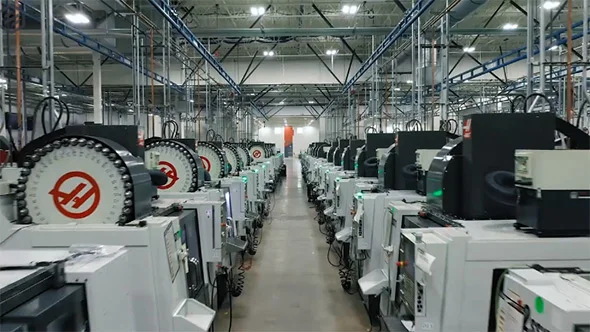
Wuxi Lead Precision Machinery leverages advanced 5-axis CNC milling technology to produce high-integrity tooling for plastic inside corner molding applications. Our DMG MORI and Hermle machining centers eliminate multi-setup errors by machining complex undercuts, compound angles, and tight internal radii in a single operation. This capability is critical for molding corners where draft angles, parting lines, and surface continuity directly impact plastic part ejection and structural performance. Integrated high-speed spindles (up to 24,000 RPM) and sub-micron linear encoders ensure surface finishes down to Ra 0.4 µm on hardened P20 or H13 tool steels, minimizing post-processing while maintaining geometric fidelity. All programs undergo rigorous virtual simulation via Siemens NX CAM to prevent collisions and optimize toolpaths for corner feature accuracy.
Process Control and Quality Validation
Every inside corner molding tool undergoes full CMM inspection using Zeiss CONTURA systems with 0.5 µm volumetric accuracy. We prioritize critical corner features—radius consistency, angular deviations, and positional alignment—using automated measurement routines that compare 100% of scanned points against CAD nominal data. Statistical process control (SPC) tracks capability indices (Cp/Cpk) for recurring features, ensuring tolerances remain within defined limits across production runs. Our AS9100-certified quality management system mandates first-article inspection reports (FAIRs) with GD&T callouts, including 3D deviation color maps highlighting corner geometry conformity. This data-driven approach reduces mold tryout cycles by 30% and eliminates costly plastic part warpage or flash at corner junctions.
Material and Application Expertise
While specializing in metal tooling, our engineers apply deep knowledge of plastic material behavior—including shrinkage rates of ABS, PC, and PP—to preemptively compensate corner geometries during CNC programming. We collaborate with clients to optimize corner radii based on resin flow dynamics, ensuring stress distribution meets ISO 20457 standards for structural integrity. This cross-disciplinary insight bridges metal machining precision with plastic part functionality, transforming design intent into production-ready tooling.
Critical Tolerances for Plastic Inside Corner Tooling
The following specifications reflect achievable standards under controlled conditions. Actual tolerances may vary based on part scale, material grade, and corner complexity.
| Feature Type | Standard Tolerance | Critical Feature Tolerance | Notes |
|---|---|---|---|
| Linear Dimensions | ±0.05 mm | ±0.025 mm | Up to 150 mm; larger dims scale per ISO 2768 |
| Corner Radius | ±0.03 mm | ±0.015 mm | Measured at 3 points per 90° arc |
| Angular Deviation | ±0.1° | ±0.05° | Between adjacent surfaces |
| Positional Accuracy | ±0.04 mm | ±0.02 mm | Relative to datum system |
| Surface Roughness | Ra 0.8 µm | Ra 0.4 µm | Critical sealing/ejection surfaces |
Integrated Value for High-Volume Production
By combining 5-axis machining precision with material science insights, Wuxi Lead delivers corner molding tools that achieve >500,000 cycles without degradation. Our technical team provides full documentation—from thermal analysis reports to wear compensation strategies—ensuring seamless integration into your plastic molding workflow. Contact us to discuss how our capabilities resolve specific corner geometry challenges in your next project.
Material & Finish Options
Material Selection for Plastic Inside Corner Molding in Precision Metal Manufacturing
In the production of plastic inside corner molding using custom metal tooling, selecting the appropriate base material is critical to ensuring long-term performance, dimensional accuracy, and cost-efficiency. At Wuxi Lead Precision Machinery, we specialize in high-precision tooling solutions tailored to complex molding applications. The choice between aluminum, steel, and titanium directly impacts mold longevity, thermal management, and surface finish quality—factors that are especially vital in high-volume or tight-tolerance plastic molding operations.
Aluminum alloys, particularly 6061 and 7075 grades, are widely used for prototype molds and low-to-medium production runs. Their excellent thermal conductivity allows for faster cooling cycles, improving throughput during injection molding. Aluminum is also easier to machine, reducing lead times and tooling costs. However, its lower hardness makes it less suitable for abrasive plastics or extended production cycles. When rapid iteration and cost control are priorities, aluminum offers a balanced solution.
Tool steels such as P20, H13, and S136 are preferred for high-volume production molds. These materials provide superior hardness, wear resistance, and durability under repeated thermal cycling. Stainless variants like S136 offer enhanced corrosion resistance, making them ideal for molding applications involving PVC or other corrosive materials. While steel molds require longer machining times and higher initial investment, their extended service life and stability under pressure justify the cost for large production runs.
Titanium, though less common in standard molding tooling, is used in specialized applications where extreme strength-to-density ratio and corrosion resistance are required. Its high cost and challenging machinability limit its use to niche industrial or aerospace-grade components. At Wuxi Lead, titanium is typically reserved for custom projects demanding exceptional performance in aggressive environments.
Surface finishing, particularly anodizing, plays a pivotal role in enhancing aluminum mold performance. Anodizing creates a hard, wear-resistant oxide layer that improves surface durability and reduces galling during ejection. Type II (sulfuric acid) anodizing is commonly applied for general protection and aesthetic consistency, while Type III (hardcoat anodizing) provides a thicker, more abrasion-resistant finish suitable for high-stress interfaces. Anodized surfaces also offer better release properties, minimizing the need for mold release agents and reducing contamination risks.
Below is a comparative overview of key material properties for molding applications:
| Material | Hardness (HRC) | Thermal Conductivity (W/m·K) | Corrosion Resistance | Typical Use Case |
|---|---|---|---|---|
| Aluminum 6061 | 30–35 | 167 | Moderate | Prototypes, low-volume production |
| Aluminum 7075 | 36–40 | 130 | Low to Moderate | High-strength prototype molds |
| P20 Steel | 28–32 | 36 | Low | Medium to high-volume tooling |
| H13 Steel | 48–52 | 30 | Moderate | Hot-work, high-temperature molding |
| S136 Steel | 50–54 | 28 | High | Corrosion-resistant precision molds |
| Titanium Gr5 | 38–42 | 7.2 | Exceptional | Specialized, high-performance tooling |
Selecting the optimal material and finish requires a thorough understanding of production volume, resin type, and part geometry. Wuxi Lead Precision Machinery supports clients in making data-driven decisions to maximize mold performance and minimize lifecycle costs.
Manufacturing Process & QC
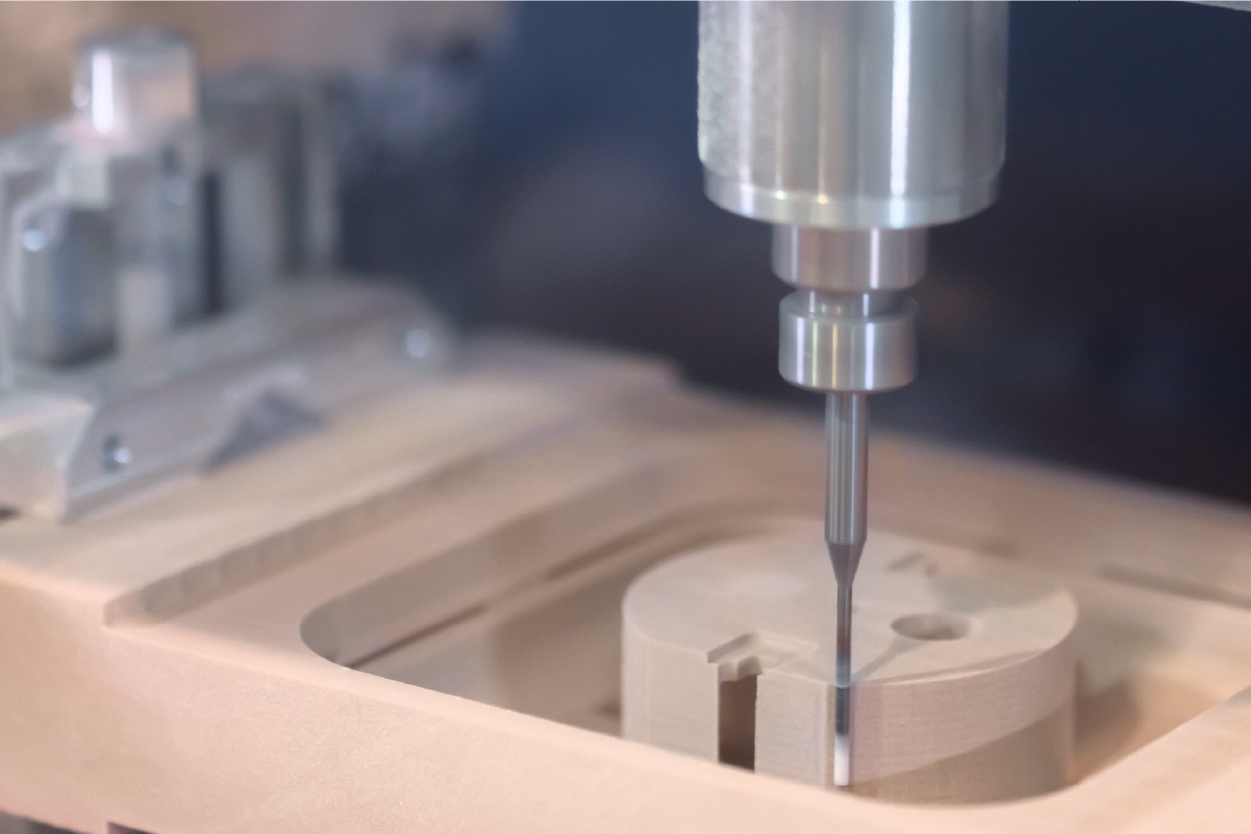
Precision Production Process for Plastic Inside Corner Molding Tooling
Wuxi Lead Precision Machinery executes a rigorously controlled production sequence for custom plastic inside corner molding tooling, ensuring zero defects from concept to final delivery. Our integrated approach leverages advanced CNC technology and stringent quality protocols, specifically engineered for the demanding tolerances of interior architectural and automotive trim applications. This process guarantees dimensional stability and surface perfection critical for seamless plastic part assembly.
The journey begins with collaborative Design Engineering. Our team utilizes industry-standard CAD/CAM platforms to translate client specifications into optimized tool paths. Finite element analysis (FEA) validates structural integrity under injection molding pressures, while thermal simulation ensures uniform cooling channels. Critical features like the 90-degree internal radius, draft angles, and parting line geometry are modeled to exacting standards, preempting potential molding defects such as warpage or sink marks. All digital models undergo cross-functional review against ISO 9001:2015 criteria before release.
Prototyping serves as the definitive validation phase. We fabricate functional prototypes using the same hardened tool steel (typically H13 or S7) and CNC processes intended for mass production. Each prototype undergoes comprehensive metrology: coordinate measuring machines (CMM) verify all critical dimensions against the CAD model, while surface profilometers confirm Ra values. Mold flow analysis on actual plastic resin validates ejection performance and identifies micro-shrinkage risks. Client approval of the prototype’s physical output—not just the tool—is mandatory before proceeding, eliminating costly revisions later.
Zero-Defect Mass Production commences only after prototype sign-off. Our dedicated production cells employ multi-axis CNC milling centers with sub-micron positioning accuracy, monitored in real-time via integrated sensors. Every machining operation follows documented work instructions with embedded quality checkpoints. Post-machining, tools undergo stress-relief tempering and precision hand-finishing by master craftsmen. Final inspection includes 100% dimensional verification of critical features and a full trial run under production parameters. Traceability is maintained via laser-etched part numbers linked to digital quality records.
This closed-loop methodology ensures every tool meets the uncompromising specifications demanded by high-end plastic molding. Below are key performance specifications achievable through our process:
| Specification Parameter | Standard Capability | High-Precision Capability |
|---|---|---|
| Dimensional Tolerance (mm) | ±0.025 | ±0.005 |
| Surface Roughness (Ra, µm) | 0.8 | 0.2 |
| Corner Radius Consistency | ±0.05 mm | ±0.01 mm |
| Parting Line Flatness (mm) | 0.03 | 0.01 |
| Tool Steel Hardness (HRC) | 48-52 | 50-54 |
Wuxi Lead’s process delivers tooling that consistently produces plastic corner moldings with flawless aesthetics and perfect fitment. By embedding zero-defect principles at every stage—from virtual simulation to physical validation—we eliminate downstream assembly issues and protect your brand reputation. Trust our precision engineering to transform your design into a flawless production reality.
Why Choose Wuxi Lead Precision
Partner with Lead Precision for Precision-Engineered Plastic Inside Corner Molding Solutions
When it comes to high-performance plastic inside corner molding in demanding industrial applications, precision, durability, and consistency are non-negotiable. At Wuxi Lead Precision Machinery, we specialize in custom metal manufacturing solutions that support the production of complex plastic components, including inside corner moldings used in automotive, construction, electronics, and consumer goods industries. Our engineering expertise bridges the gap between design intent and manufacturability, ensuring your plastic molding tools perform flawlessly under real-world production conditions.
Our approach begins with a deep understanding of your application requirements. Whether you are developing tight-tolerance interior trims, architectural moldings, or sealed enclosures, the internal corner geometry must support clean demolding, structural integrity, and surface finish quality. We design and manufacture high-precision molds and tooling systems that deliver repeatable accuracy across thousands of cycles. Our CNC-machined cores, cavities, and sliding mechanisms are built to handle complex undercuts, multi-material overmolding, and high-cavity configurations—ensuring your final plastic part meets exact dimensional and aesthetic standards.
We leverage advanced simulation software to analyze mold flow, thermal distribution, and stress points before any metal is cut. This proactive engineering reduces trial-and-error, accelerates time-to-market, and minimizes material waste. Our in-house quality control lab uses CMM, optical scanning, and hardness testing to verify every critical feature, ensuring conformity to ISO 9001 standards.
Below are key technical specifications for our custom tooling solutions tailored to plastic inside corner molding applications:
| Specification | Detail |
|---|---|
| Material Options | P20, 718H, NAK80, S136, H13, Stainless Steel, Aluminum Alloys |
| Tolerance Range | ±0.005 mm (micro-molding), ±0.02 mm (standard precision) |
| Surface Finish | Mirror polish (Ra < 0.05 µm), Textured, EDM, VDI 3400 up to Grade 12 |
| Mold Base Standards | DME, HASCO, or Custom Configurations |
| Runner Systems | Cold Runner, Hot Runner (Yudo, Synventive, Husky-compatible) |
| Cycle Life | 500,000+ cycles (standard), up to 1,000,000+ with hardened steels |
| Lead Time | 4–8 weeks (depending on complexity and cavitation) |
| Secondary Processes | Nitriding, PVD Coating, Laser Texturing, EDM, Wire Cutting |
We serve global OEMs and tier suppliers who demand reliability, scalability, and technical partnership—not just a vendor. Our team collaborates closely with your engineers to optimize draft angles, gate locations, ejection systems, and cooling channels, ensuring optimal performance of your inside corner molding tool.
For your next high-precision plastic molding project, trust Wuxi Lead Precision Machinery to deliver engineered excellence. Contact us today at [email protected] to discuss your specific requirements, request a quote, or schedule a technical consultation. Let us help you turn design challenges into manufacturing success.
⚙️ Precision Cost Estimator
Estimate relative manufacturing effort based on tolerance.