

Technical Contents
Engineering Guide: Personalized Silicone Molds
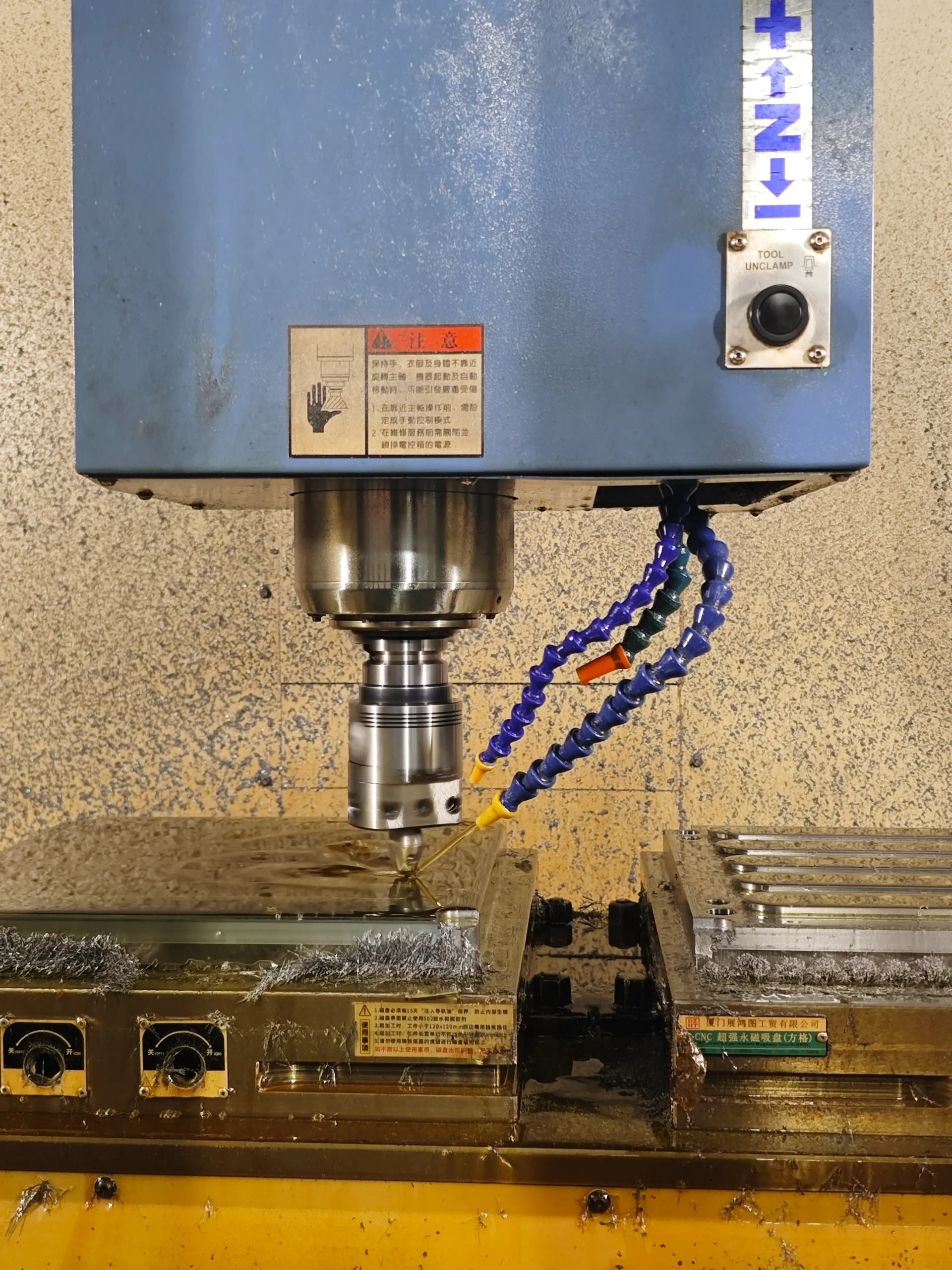
Engineering Insight: The Critical Role of Precision in Personalized Silicone Molds
In the realm of custom metal manufacturing, the production of personalized silicone molds demands an exceptional level of engineering accuracy and process control. These molds are not merely tools—they are the foundation of replication fidelity for high-performance components used across aerospace, medical, defense, and elite industrial sectors. At Wuxi Lead Precision Machinery, we understand that the integrity of a final product is directly proportional to the precision of the mold that shapes it.
Silicone molds, while flexible and chemically resilient, are only as accurate as the master patterns and tooling used in their creation. Any deviation—measured in microns—can result in dimensional instability, surface defects, or functional failure in the end-use part. This is especially critical when producing molds for complex geometries, thin-walled structures, or components requiring tight tolerance replication. Our engineering team leverages advanced CNC machining, 3D scanning, and metrology-grade inspection systems to ensure that every mold cavity conforms to the exact specifications of the client’s design.
Our experience in delivering mission-critical components for Olympic-grade equipment and military applications has reinforced the non-negotiable nature of precision. In these high-stakes environments, failure is not an option. The same rigorous standards are applied to the development of personalized silicone molds. Whether supporting rapid prototyping or low-volume production runs, our molds are engineered to maintain consistency across cycles, resist thermal degradation, and deliver repeatable part quality.
Material selection, mold design, and surface finish are all optimized based on application requirements. We utilize platinum-cure silicone compounds for superior detail reproduction and longevity, and integrate venting and gating strategies to eliminate air entrapment and ensure complete cavity fill. Each mold undergoes stringent validation, including first-article inspection and, when required, environmental stress testing.
Wuxi Lead Precision Machinery combines decades of metallurgical expertise with advanced manufacturing capabilities to deliver silicone molds that meet the highest industrial benchmarks. Our integration of precision metal tooling with intelligent mold design ensures that every personalized mold we produce is not only dimensionally accurate but also functionally robust.
Technical Specifications: Custom Silicone Mold Production at Wuxi Lead Precision Machinery
| Parameter | Specification |
|---|---|
| Tolerance Range | ±0.02 mm to ±0.05 mm |
| Surface Finish (Ra) | 0.2 µm to 1.6 µm (polished to mirror grade) |
| Mold Material (Silicone) | Platinum-cure, medical/industrial grade |
| Operating Temperature | -50°C to +200°C |
| Master Pattern Materials | Aluminum 7075, Steel, Resin, or Ceramic |
| Machining Equipment | 5-axis CNC, EDM, High-speed micromilling |
| Inspection Tools | CMM, 3D Laser Scanner, Optical Comparator |
| Lead Time (Typical) | 7–15 working days (based on complexity) |
| Applications | Prototyping, Medical Devices, Defense, R&D |
Precision is not a feature—it is the standard. At Wuxi Lead Precision Machinery, we engineer every personalized silicone mold with the same uncompromising attention to detail that defines our legacy in high-end metal manufacturing.
Precision Specs & Tolerances
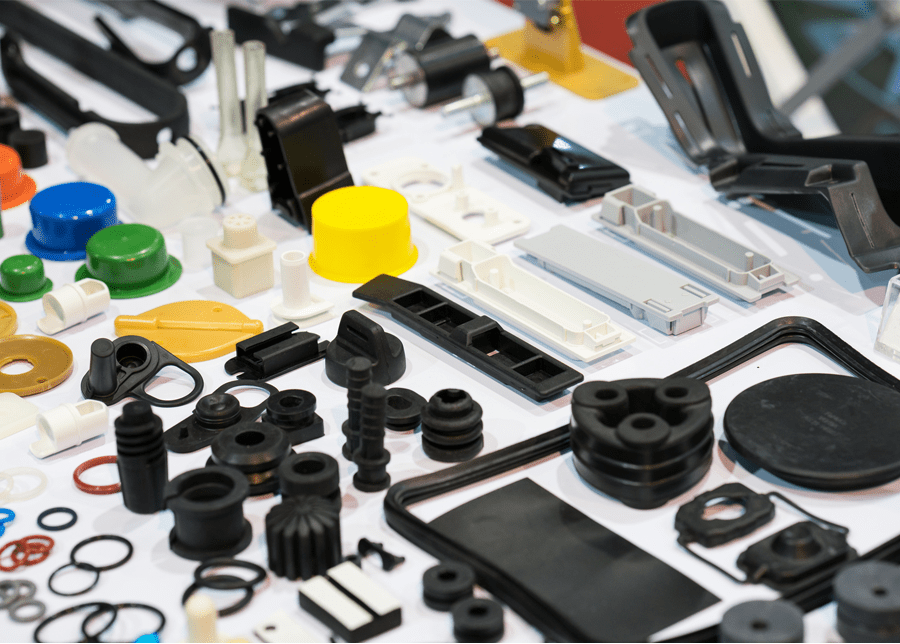
Technical Capabilities: Precision Engineering for Critical Silicone Mold Applications
Wuxi Lead Precision Machinery delivers the exacting metal fabrication required for high-performance, personalized silicone molds. Our advanced manufacturing infrastructure and rigorous quality protocols ensure every mold cavity, vent, and cooling channel meets the stringent geometric and surface finish demands essential for consistent, high-yield silicone part production. Precision in the metal mold directly dictates the quality, dimensional accuracy, and longevity of the final silicone component; therefore, our capabilities are engineered to eliminate variables that compromise performance.
Our core manufacturing capability centers on state-of-the-art 5-axis CNC machining centers, primarily utilizing DMG MORI and MAZAK platforms. This technology is fundamental for creating the complex, organic geometries and undercuts common in personalized silicone molds. Simultaneous 5-axis motion allows us to machine intricate mold cavities and cores from a single setup, significantly reducing cumulative error, improving positional accuracy between features, and achieving superior surface finishes critical for part release and cosmetic quality. This capability minimizes manual polishing requirements and ensures geometric integrity across multi-faceted surfaces, directly translating to longer mold life and reduced silicone part defects. Complex electrode geometries for subsequent EDM processes are also produced with the same high precision.
Quality control is not a final step but an integrated process throughout production. Every critical mold component undergoes comprehensive inspection using Zeiss CONTURA Coordinate Measuring Machines (CMM) operating within an ISO 17025 accredited environment. Our CMM protocols go beyond basic dimensional checks; we perform full Geometric Dimensioning and Tolerancing (GD&T) verification against the client’s engineering drawings, including complex profile, position, flatness, and concentricity requirements. Material certifications, first-article inspection reports (FAIR), and detailed CMM inspection reports with graphical analysis are standard deliverables, providing complete traceability and assurance. This systematic approach ensures dimensional conformity before mold assembly, preventing costly rework or production delays downstream.
Achieving the required tolerances for silicone molding demands exceptional process control. The following table outlines our standard and achievable tight tolerance capabilities for critical mold features, reflecting our commitment to precision engineering:
| Feature Type | Standard Capability (mm) | Tight Capability (mm) | Notes |
|---|---|---|---|
| Linear Dimensions | ±0.01 | ±0.005 | Up to 100mm; tighter over short spans |
| Hole Position | ±0.01 | ±0.005 | Relative to datum system |
| Flatness | 0.01 / 100mm | 0.005 / 100mm | Critical cavity/core surfaces |
| Profile (Complex) | ±0.02 | ±0.01 | Verified via CMM scanning |
| Surface Roughness (Ra) | 0.8 µm | 0.4 µm | Machined surfaces; polish achievable |
These tolerances represent our standard production capability for well-defined features on stable materials like P20, H13, or 420SS mold steel. Final achievable tolerances are always confirmed during engineering review based on specific part geometry, material, and functional requirements. Wuxi Lead Precision Machinery combines advanced 5-axis CNC technology with metrology-grade CMM inspection to provide the dimensional certainty your personalized silicone mold applications demand, ensuring optimal performance and zero-defect delivery.
Material & Finish Options
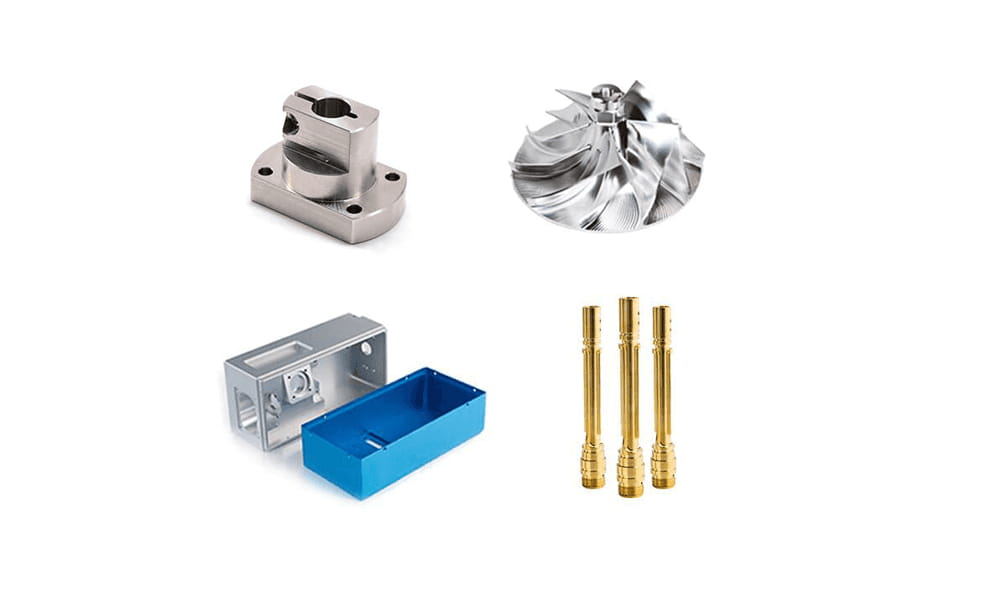
Material Selection for High-Precision Silicone Molds
Selecting the appropriate base material for personalized silicone molds is critical to ensuring performance, longevity, and cost-efficiency in high-volume or high-precision manufacturing environments. At Wuxi Lead Precision Machinery, we specialize in custom metal manufacturing solutions tailored to the exacting demands of industries ranging from medical devices to consumer electronics. Our expertise in aluminum, steel, and titanium mold fabrication ensures optimal results based on thermal conductivity, wear resistance, and mechanical stability.
Aluminum is often the preferred choice for prototyping and medium-production runs due to its excellent thermal conductivity and machinability. It allows for rapid heat transfer during the silicone curing process, reducing cycle times and improving throughput. Additionally, aluminum’s lower density makes it easier to handle and machine with high precision, which is essential for complex mold geometries. However, aluminum is less durable than steel or titanium under abrasive conditions, limiting its use in extended production cycles unless enhanced with surface treatments.
Steel, particularly tool steel grades such as P20 or H13, offers superior hardness and wear resistance, making it ideal for long-term, high-volume production. Steel molds maintain dimensional stability over thousands of cycles, even under elevated temperatures and repeated mechanical stress. While steel has slower thermal conductivity than aluminum, this can be mitigated through optimized cooling channel design. The higher initial machining cost is offset by extended service life, especially in applications where mold longevity is a priority.
Titanium is selected for specialized applications requiring extreme corrosion resistance, high strength-to-density ratio, and biocompatibility. Though less common due to higher material and machining costs, titanium excels in medical and aerospace-grade silicone molding where contamination and weight are critical factors. Its ability to withstand aggressive cleaning agents and sterilization processes makes it a strategic choice for regulated environments.
Surface finish plays a pivotal role in mold performance and part quality. Anodizing is a widely used electrochemical process for aluminum molds, enhancing surface hardness, corrosion resistance, and wear protection. Hard anodizing (Type III) can increase surface hardness up to 600 HV, significantly extending mold life. Decorative anodizing also allows for color coding and improved aesthetic control. For steel and titanium, alternative surface treatments such as nitriding or PVD coatings are typically recommended, as anodizing is not applicable.
Below is a comparative overview of key material properties for silicone mold applications.
| Material | Thermal Conductivity (W/m·K) | Hardness (HRC) | Tensile Strength (MPa) | Typical Applications | Surface Treatment Options |
|---|---|---|---|---|---|
| Aluminum (6061-T6) | 167 | 30–35 | 310 | Prototyping, low to medium runs | Anodizing (Type II/III), Alodine |
| Steel (P20) | 28–36 | 28–32 | 900–1100 | High-volume production | Nitriding, Chrome plating |
| Titanium (Grade 5) | 6.7 | 35–40 (HRC eq) | 900–1000 | Medical, aerospace | Anodizing (medical grade), Passivation |
Material selection must align with production volume, part complexity, environmental exposure, and regulatory requirements. Wuxi Lead Precision Machinery provides expert consultation to match your silicone molding needs with the optimal material and finish combination for maximum efficiency and reliability.
Manufacturing Process & QC
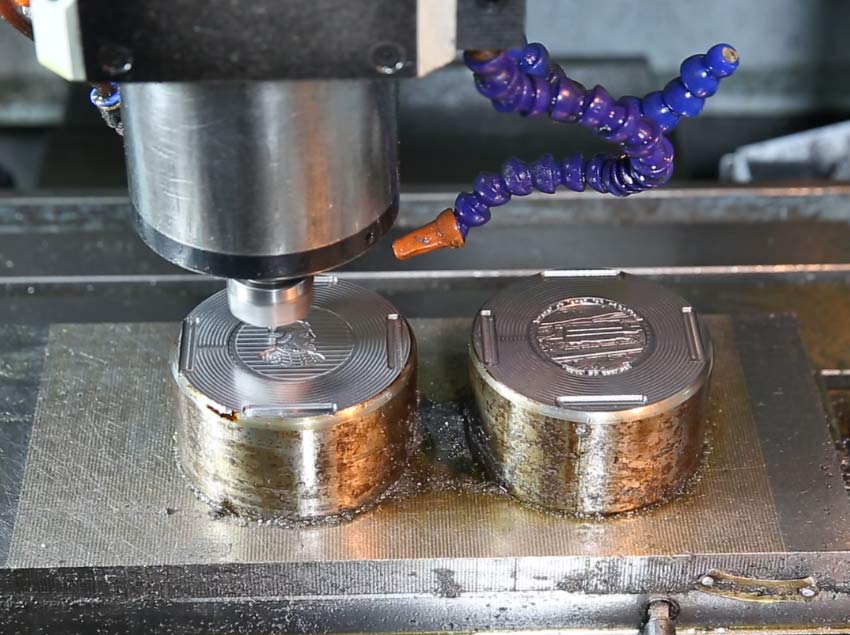
Precision Silicone Mold Production: From Concept to Zero-Defect Delivery
At Wuxi Lead Precision Machinery, personalized silicone mold manufacturing begins with rigorous engineering collaboration. Our process eliminates defects by integrating advanced simulation and iterative validation at every stage. We transform client specifications into high-integrity metal tooling capable of producing flawless silicone components for medical, aerospace, and consumer electronics applications.
Design Engineering: Computational Precision
Our CAD/CAM engineers develop 3D models using Siemens NX software, incorporating client geometry, material flow dynamics, and thermal analysis. Finite Element Analysis (FEA) simulates silicone injection pressure, curing behavior, and ejection forces to preempt stress points. Material selection focuses on hardened P20 or H13 tool steels, optimized for thermal conductivity and wear resistance. Every design undergoes cross-departmental review to ensure manufacturability, dimensional stability, and compliance with ISO 2768-mK tolerances before prototyping.
Prototyping: Rapid Validation Cycle
Prototypes are machined via 5-axis CNC milling with sub-10-micron repeatability, followed by EDM for critical cavities. We validate mold functionality through three iterative silicone test shots, measuring cavity pressure, cycle time, and part conformity against CAD nominal values. Dimensional inspection uses Zeiss CONTURA CMMs with 2.5μm accuracy, while surface roughness is verified to Ra 0.4μm via profilometry. Client feedback triggers immediate design adjustments, typically resolving 95% of potential defects before mass production. This phase reduces time-to-market by 30% compared to industry averages.
Mass Production: Closed-Loop Quality Assurance
Full-scale production leverages automated CNC cells with real-time tool wear monitoring and in-process gauging. Statistical Process Control (SPC) tracks critical parameters—cavity temperature (±1°C), injection pressure (±0.5 bar), and clamp force—against pre-defined control limits. Every mold undergoes 100% final inspection: optical comparators verify geometric tolerances, leak testing confirms seal integrity, and hardness testing validates heat treatment. Our zero-defect protocol mandates corrective action if any metric exceeds ±0.005mm deviation, ensuring consistent output across 50,000+ cycles.
Critical Production Specifications
| Parameter | Specification | Measurement Standard | Application Scope |
|---|---|---|---|
| Dimensional Tolerance | ±0.005 mm | ISO 2768-mK | Medical implants, sensors |
| Surface Finish | Ra 0.2 – 0.8 μm | ASME B46.1 | Optical lenses, seals |
| Cavity Hardness | 48-52 HRC | ASTM E18 | High-wear production |
| Lead Time (Prototype) | 10-14 days | From approved CAD | Validation cycles |
| Production Volume | 1 – 50,000+ units | Per cavity | Automotive, consumer tech |
This integrated workflow—where design intelligence, prototyping agility, and production discipline converge—guarantees zero-defect delivery. Wuxi Lead’s commitment to metrology-driven manufacturing ensures your silicone molds achieve perfect replication, cycle after cycle. Partner with us to convert complex geometries into production-ready reality.
Why Choose Wuxi Lead Precision
Partner with Lead Precision for Advanced Custom Metal Manufacturing Solutions
At Wuxi Lead Precision Machinery, we specialize in delivering high-precision custom metal components tailored to the exacting demands of modern manufacturing. As a trusted leader in China’s precision engineering sector, we bring decades of technical expertise, advanced CNC machining capabilities, and a relentless commitment to quality. For industries requiring personalized silicone molds—particularly in medical devices, consumer electronics, automotive systems, and industrial automation—our integrated manufacturing approach ensures superior performance, consistency, and scalability.
Our engineering team works closely with clients from concept through production, offering full-service support including design optimization, material selection, rapid prototyping, and volume manufacturing. We understand that personalized silicone molds depend on precision metal tooling, where tolerances, surface finishes, and thermal stability directly impact final product integrity. That’s why we utilize state-of-the-art 5-axis CNC machines, wire EDM, and high-speed milling centers, all operated under strict ISO 9001-certified processes.
Whether you require single-cavity prototypes or multi-cavity production molds, our facility in Wuxi is equipped to manufacture mold bases, inserts, and cooling systems with micron-level accuracy. We support a wide range of tool steels and aluminum alloys, ensuring compatibility with silicone molding processes such as liquid silicone rubber (LSR) injection and compression molding. Our in-house metrology lab, featuring CMMs, optical comparators, and surface roughness testers, guarantees every component meets your specifications.
We pride ourselves on being more than a supplier—we are a strategic manufacturing partner. Our responsive project management, transparent communication, and lean production systems enable fast turnaround times without compromising quality. Clients around the world rely on us for complex, low-to-medium volume runs where precision and reliability are non-negotiable.
| Specification | Capability |
|---|---|
| Machining Tolerance | ±0.002 mm |
| Surface Finish | Ra 0.1 – 1.6 µm (custom finishes available) |
| Materials | P20, 718H, S136, NAK80, Aluminum 6061/7075, Stainless Steel 316L |
| Maximum Work Envelope | 1200 x 800 x 600 mm |
| Processes | 5-axis CNC milling, Wire EDM, Turning, Grinding, CMM Inspection |
| Certifications | ISO 9001:2015, RoHS compliant |
| Lead Time (Prototype) | 7–15 days |
| Lead Time (Production) | 15–30 days (volume-dependent) |
For personalized silicone mold projects requiring precision metal components, Wuxi Lead Precision Machinery delivers unmatched technical capability and service excellence. Contact us today to discuss your requirements. Email us at [email protected] and receive a detailed consultation with one of our engineering specialists. Let Lead Precision be your trusted partner in high-end custom manufacturing.
⚙️ Precision Cost Estimator
Estimate relative manufacturing effort based on tolerance.