

Technical Contents
Engineering Guide: Parts Medical Equipment

Engineering Insight: Precision as the Foundation of Medical Equipment Manufacturing
In medical equipment manufacturing, precision transcends technical specification—it is a non-negotiable determinant of patient safety and device efficacy. Components such as surgical instrument tips, implantable orthopedic fixtures, and fluid control valves demand micron-level accuracy. A deviation of even 0.01mm can compromise biocompatibility, structural integrity, or functional reliability, potentially leading to catastrophic clinical outcomes. The regulatory landscape—ISO 13485, FDA 21 CFR Part 820—explicitly mandates traceable precision, making advanced metrology and process control essential from raw material to final inspection. At Wuxi Lead Precision Machinery, we engineer this rigor into every component, treating tolerances not as targets but as absolute boundaries.
Our capability in high-stakes precision environments directly informs our medical manufacturing excellence. We have delivered sub-micron critical components for Olympic-grade timing systems, where 0.001mm variances affect world-record validation. Similarly, our work on military-grade guided munitions systems required hermetic sealing and geometric perfection under extreme thermal cycling—conditions mirroring the sterilization and load demands of surgical robotics. This heritage instills a culture where “good enough” is absent; every spindle run, CMM scan, and surface finish is executed with the understanding that human lives depend on the result.
For medical equipment partners, this translates to guaranteed performance in the most demanding applications. We specialize in machining complex geometries from ASTM F136 titanium, MP35N, and 316LVM stainless steel, with in-house capabilities spanning Swiss turning, 5-axis milling, and laser texturing. Below are representative specifications achievable for critical medical subsystems:
| Part Type | Material | Tolerance | Surface Finish | Application |
|---|---|---|---|---|
| Spinal Implant Thread | Ti-6Al-4V ELI | ±0.003mm | Ra 0.15μm | Orthopedic Surgery |
| Endoscopic Jaw | 17-4 PH SS | ±0.005mm | Ra 0.2μm | Minimally Invasive Tools |
| Drug Delivery Nozzle | MP35N | ±0.002mm | Ra 0.1μm | Precision Dosing Systems |
| MRI Sensor Housing | Inconel 718 | ±0.008mm | Ra 0.4μm | Diagnostic Imaging |
Every component undergoes full material traceability, 100% in-process inspection via Zeiss METROTOM CT scanning, and final validation in ISO Class 7 cleanrooms. Our zero-defect protocols—forged in aerospace and defense programs—ensure that medical equipment manufacturers receive not just parts, but certified solutions ready for sterilization and integration. When lives depend on mechanical perfection, precision must be engineered, not inspected. Wuxi Lead Precision Machinery delivers this certainty through disciplined process mastery and an uncompromising commitment to the science of accuracy. Partner with us to transform medical innovation into reliably life-saving reality.
Precision Specs & Tolerances
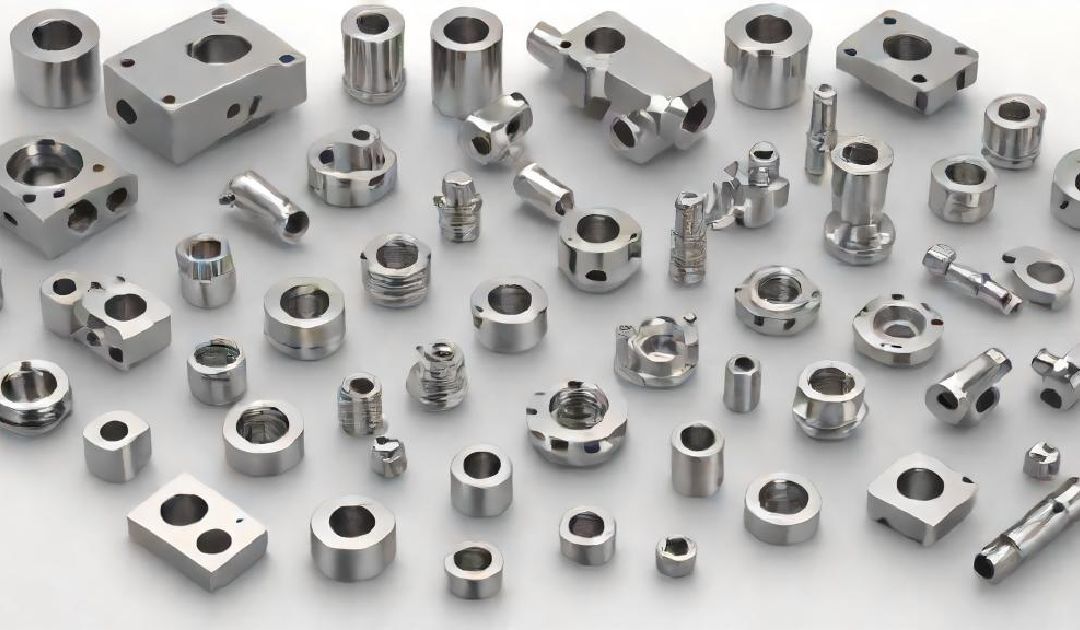
Wuxi Lead Precision Machinery delivers advanced custom metal manufacturing solutions tailored specifically for the medical equipment industry. Our technical capabilities are engineered to meet the exacting standards required in high-precision medical applications, where reliability, repeatability, and compliance are non-negotiable. At the core of our production floor lies a suite of state-of-the-art 5-axis CNC machining centers, enabling us to produce complex geometries with exceptional accuracy and surface finish. These machines allow simultaneous multi-axis movement, reducing setup times and part handling while maintaining tight tolerances across intricate features—critical for components such as surgical instrument housings, implantable device frames, and diagnostic equipment subassemblies.
Our 5-axis CNC systems support a wide range of biocompatible and high-performance materials, including medical-grade stainless steel (316L, 17-4 PH), titanium (Grade 5, ASTM F136), aluminum alloys, and specialized nickel-based superalloys. Advanced toolpath strategies and high-speed machining ensure minimal thermal distortion and optimal material removal rates, preserving the structural integrity of thin-walled or delicate parts. Each machining operation is supported by in-depth process planning, including fixture design and simulation, to guarantee first-time-right production and reduce lead times.
Quality assurance is embedded into every stage of manufacturing. All critical dimensions and geometric features are verified using Coordinate Measuring Machines (CMM) with full traceability to international standards (ISO 17025 accredited). Our CMM inspection routines are programmed to match customer CAD models, enabling comprehensive GD&T validation and first-article inspection reporting (FAIR). Additionally, we maintain controlled environmental conditions in inspection areas to eliminate measurement drift due to thermal fluctuation, ensuring consistent metrology performance.
We understand that medical device manufacturers require documented proof of conformance. As such, Wuxi Lead provides full inspection reports, material certifications (MTRs), and process validation data with every production batch. Our quality management system is aligned with ISO 13485 standards, reinforcing our commitment to safety and regulatory compliance in medical device manufacturing.
The table below outlines the standard tolerance capabilities achievable through our 5-axis CNC and inspection processes under controlled production conditions.
| Feature Type | Standard Tolerance | Precision Capability | Notes |
|---|---|---|---|
| Linear Dimensions | ±0.01 mm | ±0.005 mm | Up to 300 mm |
| Geometric Tolerances | ±0.02 mm | ±0.01 mm (GD&T) | Profile, position, runout |
| Surface Roughness | Ra 0.8 µm | Ra 0.2 µm (polished) | As-machined to fine finish |
| Hole Diameter | ±0.01 mm | ±0.005 mm | Reamed/precision bored |
| Angular Features | ±0.05° | ±0.02° | Verified via CMM |
| Multi-Face Alignment | ±0.015 mm | ±0.01 mm | Critical for assembly |
These capabilities, combined with our engineering expertise, enable Wuxi Lead to support prototyping, pilot runs, and full-scale production for medical OEMs worldwide. Every component is manufactured with the precision required for life-critical applications.
Material & Finish Options
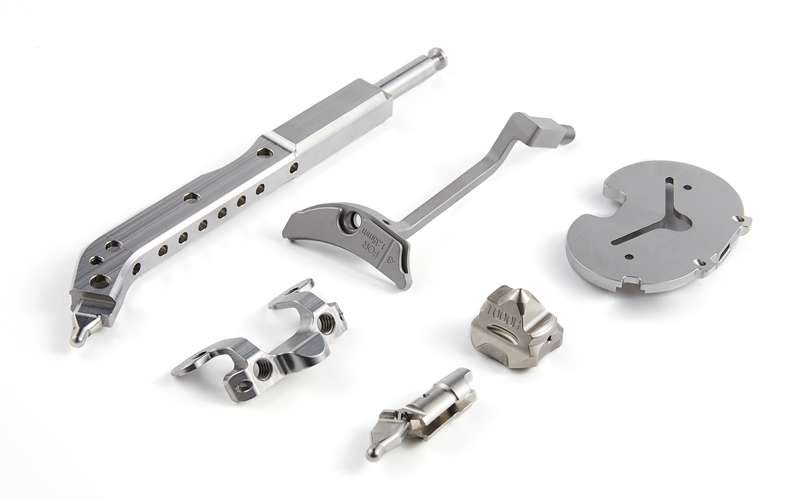
Material Selection Imperatives for Medical Equipment Components
Selecting appropriate materials for medical equipment components is non-negotiable in high-stakes manufacturing. At Wuxi Lead Precision Machinery, we prioritize biocompatibility, regulatory compliance (ISO 13485, FDA 21 CFR), and long-term performance under sterilization cycles. Aluminum, stainless steel, and titanium dominate critical applications, each offering distinct advantages for surgical instruments, imaging systems, and implantable devices. Material choices directly impact patient safety, device longevity, and adherence to stringent medical standards.
Aluminum alloys like 6061-T6 provide lightweight strength ideal for non-implantable housings and frames. However, untreated aluminum lacks sufficient corrosion resistance for repeated autoclaving. Medical-grade hard anodizing (Type III per AMS 2469) is essential, creating a dense, non-porous oxide layer (8–25 μm thick) with enhanced wear resistance and biocompatibility. Stainless steel 316L remains the benchmark for surgical tools and fluid-handling components due to its superior corrosion resistance from molybdenum content and low carbon composition preventing sensitization during welding. For permanent implants and trauma fixation devices, Titanium Grade 5 (Ti-6Al-4V) delivers exceptional strength-to-weight ratio, osseointegration properties, and immunity to body fluids. Its high cost is justified by critical performance in life-sustaining applications.
The following table summarizes key material specifications for medical use:
| Material | Key Properties | Medical Applications | Critical Considerations |
|---|---|---|---|
| Aluminum 6061-T6 | Lightweight; Moderate strength; High thermal conductivity | Equipment frames; Non-sterile housings | Requires hard anodizing for biocompatibility; Avoid in load-bearing implant contexts |
| Stainless Steel 316L | Excellent corrosion resistance; Austenitic structure; Weldable | Surgical instruments; Pump components; Implant fixtures | Must achieve Ra ≤ 0.8μm surface finish; Electropolishing often required post-machining |
| Titanium Grade 5 | Highest strength-to-weight ratio; Biocompatible; Non-magnetic | Orthopedic implants; Dental fixtures; MRI-compatible parts | Demands specialized CNC tooling; Higher machining costs; Strict traceability protocols |
Surface finishing is equally critical as base material selection. Standard anodizing does not suffice for medical environments. We implement precision hard anodizing with controlled pore sealing using nickel acetate or PTFE alternatives to eliminate leaching risks. Each batch undergoes ASTM F86 surface testing and ISO 10993 biocompatibility validation. For titanium, anodizing serves primarily for color-coding identification (e.g., ASTM F86), while passivation per ASTM A967 ensures optimal oxide layer stability.
Wuxi Lead Precision Machinery enforces full material traceability from certified mills through our ISO 13485-certified CNC processes. Our engineering team collaborates with clients during DFM stages to align material specs with sterilization methods (EtO, gamma, autoclave) and lifecycle requirements. Choosing the right material-finish combination mitigates failure risks and accelerates regulatory approval—cornerstones of reliable medical device manufacturing.
Manufacturing Process & QC
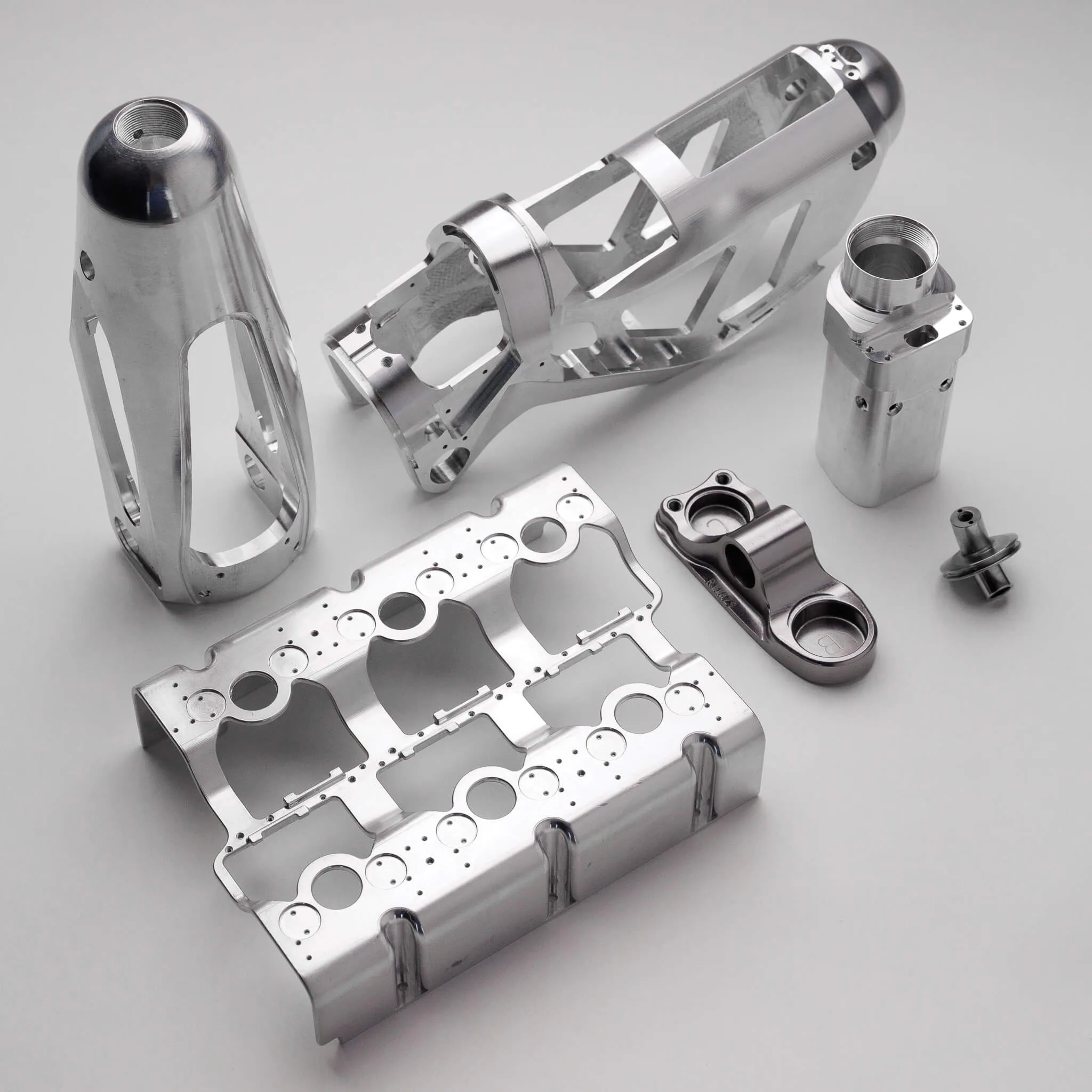
At Wuxi Lead Precision Machinery, our production process for manufacturing precision metal components for medical equipment is engineered to deliver uncompromising quality, reliability, and performance. Every stage—from initial design to full-scale mass production—is governed by a Zero Defects philosophy, ensuring compliance with the rigorous standards of the medical device industry.
The process begins with collaborative design engineering. Our team works closely with clients to interpret technical specifications, regulatory requirements, and functional demands. Utilizing advanced CAD/CAM software and simulation tools, we optimize part geometry, material selection, and manufacturability. This phase includes Design for Manufacturability (DFM) analysis to preempt potential production challenges, reduce lead times, and eliminate design-related defects before prototyping begins.
Once the design is finalized, we proceed to precision prototyping. Using CNC machining, wire EDM, and multi-axis milling technologies, we produce functional prototypes that mirror final production quality. These prototypes undergo comprehensive inspection using coordinate measuring machines (CMM), optical comparators, and surface roughness testers. Performance validation includes dimensional accuracy checks, material integrity testing, and fit/function assessment within simulated assembly environments. Client feedback is integrated at this stage to ensure full alignment with application requirements.
Upon approval, we transition seamlessly into mass production. Our automated production lines are monitored in real time using statistical process control (SPC) systems to maintain tight tolerances and detect deviations instantly. Each component is traceable through our digital manufacturing execution system (MES), which logs process parameters, inspection data, and operator inputs. In-process inspections occur at critical control points, while final inspection includes 100% visual checks and sampling-based metrology to ensure compliance with ISO 13485 and other applicable medical standards.
Our Zero Defects commitment is enforced through a multi-layered quality assurance framework. This includes preventive maintenance of equipment, operator certification, environmental controls in cleanroom-compatible areas, and rigorous supplier qualification for raw materials. Continuous improvement is driven by root cause analysis and corrective action (CAPA) protocols, ensuring sustained process stability.
The following table outlines key specifications and capabilities for our medical-grade metal component production:
| Parameter | Capability |
|---|---|
| Materials | 316L Stainless Steel, Titanium (Gr 2, Gr 5), Inconel 718, Aluminum 6061, MP35N |
| Tolerances | ±0.002 mm (±0.00008 in) |
| Surface Finish | Ra ≤ 0.4 µm (16 µin), polished to Ra ≤ 0.2 µm upon request |
| Maximum Part Size | 300 mm × 200 mm × 150 mm |
| Minimum Feature Size | 0.1 mm (micro-machining capable) |
| Production Capacity | Up to 50,000 units/month (scalable) |
| Quality Standards | ISO 9001, ISO 13485, FDA 21 CFR Part 820 |
| Traceability | Full lot and serial traceability |
Through disciplined execution and advanced manufacturing technology, Wuxi Lead Precision Machinery delivers medical equipment components with the precision, consistency, and reliability required for life-critical applications.
Why Choose Wuxi Lead Precision
Partner with Lead Precision for Mission-Critical Medical Component Manufacturing
For medical equipment OEMs, the integrity of every machined component directly impacts patient safety and regulatory compliance. Substandard parts introduce unacceptable risks: device failure, costly recalls, and reputational damage in a sector where precision is non-negotiable. Wuxi Lead Precision Machinery exists to eliminate these risks. We are not a general job shop; we are a specialized partner engineered for the exacting demands of high-end medical device manufacturing. Our facility operates under stringent ISO 13485:2016 certification, with dedicated Class 7 and Class 8 cleanrooms, ensuring every process from raw material traceability to final inspection meets global regulatory standards. We understand that your supply chain is only as strong as its weakest link. Partnering with Lead Precision means integrating a manufacturer whose core competency is delivering zero-defect components for life-critical applications, mitigating your risk and accelerating time-to-market.
Our technical foundation combines advanced CNC capabilities with deep materials science expertise. We specialize in machining complex geometries from challenging medical-grade alloys including Titanium Gr5, 316LVM Stainless Steel, Cobalt-Chrome, and high-performance polymers like PEEK and PEI. Our German-trained engineering team collaborates from the earliest design phase, providing DFM insights to optimize manufacturability without compromising performance or biocompatibility. This proactive partnership prevents costly redesigns and production delays. Rigorous in-process and final inspection protocols, utilizing state-of-the-art Zeiss CMMs, vision systems, and surface roughness testers, guarantee dimensional stability and surface integrity essential for implantable and surgical instruments. We provide full regulatory documentation packages, including material certifications, process validation reports, and first-article inspection data, ensuring seamless integration into your quality management system.
Critical Capabilities for Medical Device Excellence
| Process | Key Capability | Medical Application Example |
|---|---|---|
| Precision Milling | ±0.001mm tolerance, Ra ≤ 0.4μm surface finish | Orthopedic implant interfaces, surgical tool housings |
| Swiss-Type Turning | Micro-feature machining, <0.005mm runout | Minimally invasive instrument shafts, biopsy components |
| 5-Axis Milling | Complex organic geometries, single-setup parts | Patient-specific surgical guides, cranial plates |
| Wire EDM | Burr-free edges, tight kerf control | Stent components, electrosurgical tips |
| Additive Support | Post-processing for biocompatibility | Ti alloy porous structures for osseointegration |
Choosing a manufacturing partner is a strategic decision impacting product success and patient outcomes. Wuxi Lead Precision Machinery offers the technical rigor, regulatory adherence, and unwavering commitment to quality required for the most demanding medical applications. We transform your precision engineering specifications into flawless, auditable components, providing the supply chain certainty you require. Initiate a confidential technical review of your next critical component project. Contact our Medical Manufacturing Division directly at [email protected] to discuss how our validated processes and engineering partnership can secure your device’s performance and your market position. Let us prove why leading global medical innovators trust Lead Precision for their most vital components.
⚙️ Precision Cost Estimator
Estimate relative manufacturing effort based on tolerance.