

Technical Contents
Engineering Guide: Mt Molding
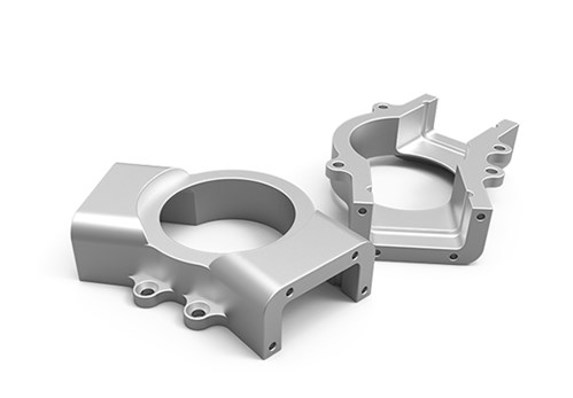
Engineering Insight: The Role of Precision in MT Molding
In the realm of custom metal manufacturing, MT molding—often interpreted as “metal transfer molding” or a specialized variant within high-integrity forming processes—represents a convergence of advanced material science and ultra-precise engineering. At Wuxi Lead Precision Machinery, we define MT molding not merely as a production technique but as a benchmark for dimensional accuracy, structural consistency, and long-term performance under extreme operational conditions. This process is particularly critical in sectors where failure is not an option: aerospace, defense, and high-performance industrial systems.
Precision in MT molding begins with the design phase, where finite element analysis (FEA) and computational fluid dynamics (CFD) modeling are employed to simulate material flow, stress distribution, and thermal behavior. These simulations guide tooling design and process parameters, ensuring that every cavity, runner, and gate is optimized to eliminate voids, reduce residual stress, and maintain tight tolerances. At Lead Precision, our engineering team leverages over 15 years of in-house R&D to refine these models, achieving repeatability within ±0.005 mm across production runs—a standard demanded by our military and Olympic-grade projects.
The significance of such precision cannot be overstated. In military applications, components produced via MT molding must endure shock, vibration, and temperature extremes while maintaining functional integrity. Similarly, systems developed for Olympic-class equipment—such as high-speed timing mechanisms or load-bearing structural elements—require flawless balance and fatigue resistance. Our work on timing modules for international winter sports events, for example, required sub-micron surface finishes and thermal stability across -40°C to +85°C environments. These outcomes are only achievable through a holistic approach that integrates precision tooling, real-time process monitoring, and post-molding metrology.
Material selection further amplifies the need for control. MT molding often involves high-strength alloys such as 7075 aluminum, Inconel 718, or maraging steel, all of which exhibit complex flow characteristics under pressure. Our proprietary molding protocols adjust injection speed, pressure profiles, and cooling rates dynamically, ensuring uniform grain structure and minimizing anisotropy. This level of process mastery has enabled Lead Precision to deliver components with certified mechanical properties traceable to national standards (GB, ASTM, ISO).
Below are key performance specifications achieved through our precision-driven MT molding process:
| Specification | Value | Testing Standard |
|---|---|---|
| Dimensional Tolerance | ±0.005 mm | ISO 2768-m |
| Surface Roughness (Ra) | 0.2 – 0.8 µm | ISO 4287 |
| Material Utilization Rate | >92% | Internal Audit |
| Tooling Life (Average) | 100,000+ cycles | Lead Precision Standard |
| NDT Pass Rate (X-ray/UT) | 99.8% | GB/T 22639 |
At Wuxi Lead Precision Machinery, we view precision not as a target but as a continuous discipline. Our investments in five-axis micro-machining, coordinate measuring machines (CMM), and in-line vision systems ensure that every MT molding project meets the highest benchmarks in reliability and performance. For industries where excellence is measured in microns, Lead Precision delivers with unwavering consistency.
Precision Specs & Tolerances
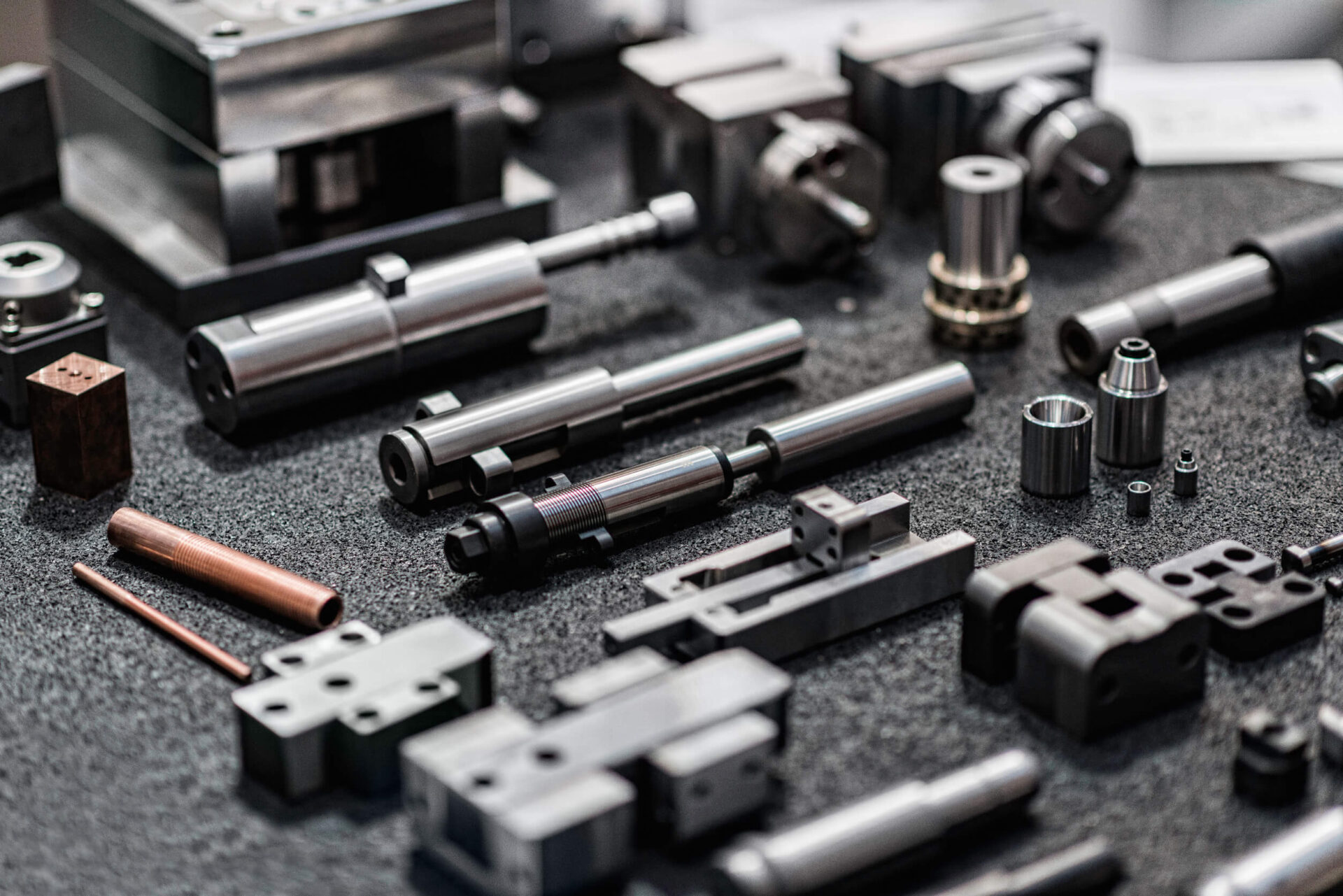
Technical Capabilities: Precision Engineered for Complex Metal Components
Wuxi Lead Precision Machinery delivers uncompromising precision for mission-critical metal components through advanced 5-axis CNC machining. Our facility operates state-of-the-art DMG MORI and MAZAK multi-axis systems, enabling simultaneous machining of intricate geometries from solid billet in a single setup. This eliminates cumulative error from multiple fixtures, ensuring superior part integrity for aerospace structural elements, medical implants, and high-pressure fluid system components. We machine demanding alloys including titanium Grade 5, Inconel 718, 17-4 PH stainless steel, and aluminum 7075-T6 with proven repeatability. Our programming leverages Siemens NX CAM for optimized toolpaths, minimizing cycle times while maintaining surface finishes down to Ra 0.4 µm. Complex undercuts, deep cavities, and organic contours are executed with micron-level control, directly supporting the stringent demands of metal injection molding (MIM) tooling and tight-tolerance end-use parts.
Quality assurance is integrated at every process stage through systematic CMM inspection and real-time process monitoring. All critical dimensions undergo first-article and in-process verification using Zeiss CONTURA coordinate measuring machines, certified to ISO 17025 standards. Our inspection protocols validate geometric dimensioning and tolerancing (GD&T) callouts per ASME Y14.5, with full traceability via SPC data logging. This rigorous approach ensures zero-defect delivery for components where failure is not an option, such as surgical instrument housings or aerospace hydraulic manifolds.
The table below details our standard achievable tolerances across common materials and feature types, reflecting our production reality—not theoretical capabilities. These values are consistently maintained under controlled environmental conditions with calibrated equipment.
| Material Category | Feature Type | Standard Tolerance | Maximum Achievable Tolerance | Surface Finish (Ra) |
|---|---|---|---|---|
| Aluminum Alloys | Linear Dimensions | ±0.010 mm | ±0.005 mm | 0.4 µm |
| Stainless Steel | Hole Diameter | ±0.012 mm | ±0.008 mm | 0.8 µm |
| Titanium Alloys | Flatness | 0.015 mm | 0.008 mm | 1.6 µm |
| High-Temp Alloys | Positional (GD&T) | ±0.020 mm | ±0.010 mm | 3.2 µm |
Our technical infrastructure extends beyond machining and inspection. We provide comprehensive DFM analysis to optimize part geometry for manufacturability, reducing cost without sacrificing performance. Material certifications, full inspection reports, and process documentation are standard deliverables. This integrated capability—combining 5-axis precision, rigorous metrology, and engineering collaboration—ensures your metal components meet the highest functional and regulatory standards. Partner with Wuxi Lead to transform complex designs into flawless, production-ready metal parts with confidence in every micron.
Material & Finish Options
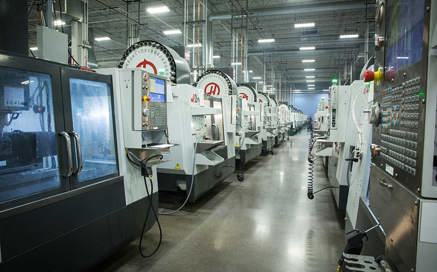
Material selection is a critical step in the custom metal manufacturing process, particularly in precision applications such as MT molding. At Wuxi Lead Precision Machinery, we understand that the performance, durability, and cost-efficiency of a component are directly influenced by the base material and surface treatment. Aluminum, steel, and titanium each offer unique mechanical and thermal properties, making them suitable for different industrial environments. Pairing the right material with an appropriate finish—such as anodizing—can significantly enhance corrosion resistance, wear performance, and aesthetic quality.
Aluminum is widely used in high-precision molding due to its excellent strength-to-weight ratio, thermal conductivity, and machinability. It is particularly well-suited for applications requiring lightweight components with efficient heat dissipation. When combined with anodizing, aluminum gains a durable, non-conductive oxide layer that improves surface hardness and resistance to environmental degradation. Type II and Type III (hard coat) anodizing are commonly applied depending on the operational demands, with hard anodizing offering superior abrasion resistance for high-wear tooling surfaces.
Steel, especially tool steel and stainless variants, provides exceptional strength, hardness, and thermal stability. It is the preferred choice for molding applications subjected to high pressure and mechanical stress. While steel does not anodize in the traditional sense, it can be treated with processes such as nitriding, chrome plating, or passivation to enhance surface performance. These treatments improve longevity in corrosive environments and reduce friction during molding cycles.
Titanium stands out for its extraordinary strength-to-density ratio and outstanding corrosion resistance, even in extreme conditions. Though more expensive and challenging to machine, titanium is ideal for aerospace, medical, and high-performance automotive applications where reliability under stress and exposure to harsh environments is paramount. Surface treatments for titanium typically include anodizing for color coding or minor wear improvement, as well as nitriding and thermal oxidation for enhanced surface hardness.
The following table summarizes key mechanical properties and finishing compatibility for these materials:
| Material | Tensile Strength (MPa) | Density (g/cm³) | Thermal Conductivity (W/m·K) | Common Finishes |
|---|---|---|---|---|
| Aluminum 6061-T6 | 310 | 2.7 | 167 | Anodizing (Type II/III), Powder Coat |
| Steel (H13 Tool) | 1,700 | 7.8 | 35 | Nitriding, Chrome Plating, PVD |
| Titanium (Grade 5) | 900 | 4.5 | 7.2 | Anodizing, Nitriding, Thermal Oxidation |
Selecting the optimal material and finish requires a thorough understanding of the operational environment, lifecycle expectations, and performance criteria. At Wuxi Lead Precision Machinery, we work closely with engineering teams to analyze load conditions, thermal cycles, and exposure factors to recommend the most suitable material-finish combination. Our advanced CNC machining and surface treatment capabilities ensure that every component meets the highest standards of precision and reliability in MT molding and related high-end manufacturing applications.
Manufacturing Process & QC
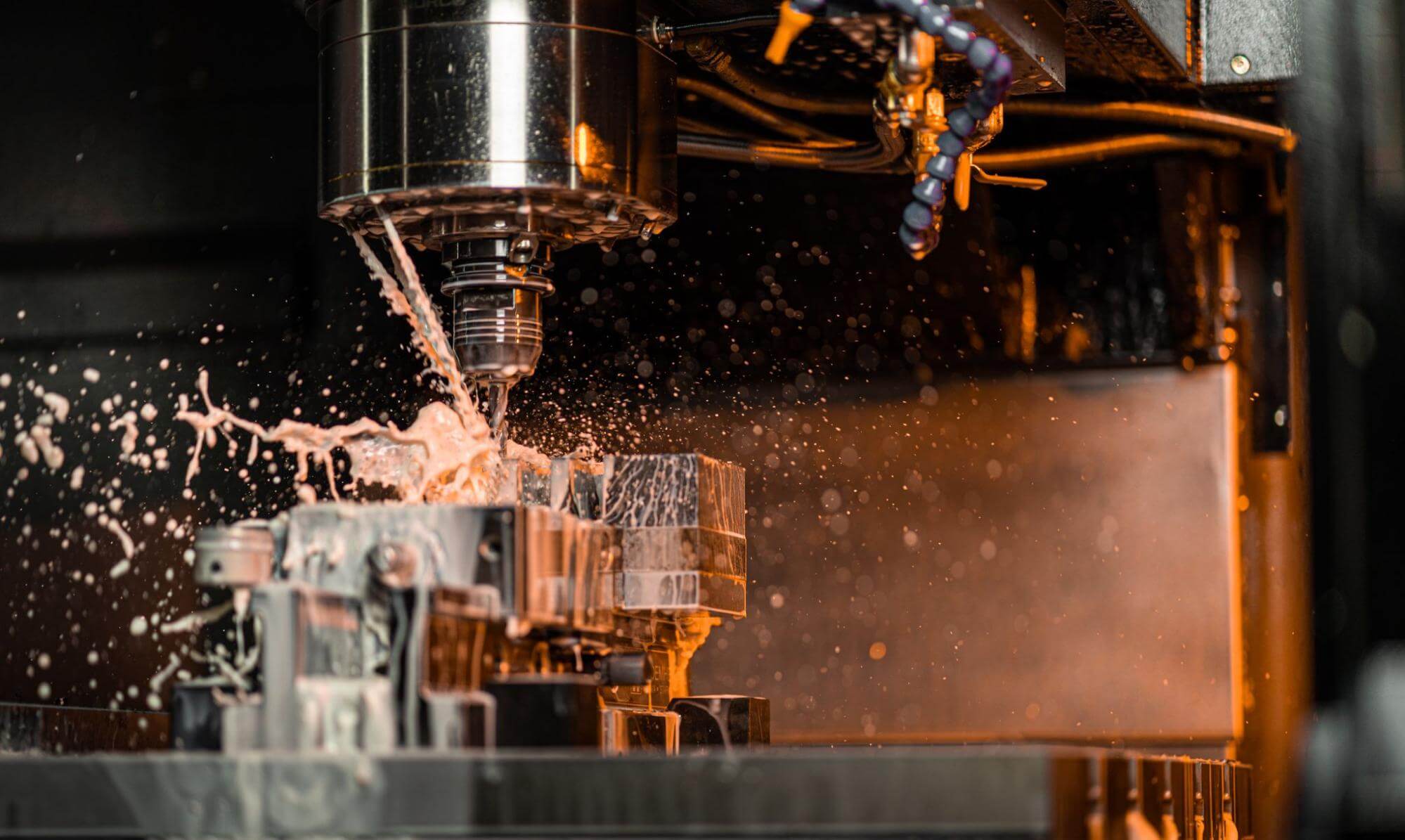
Precision Metal Molding: Zero Defects Through Integrated Process Control
At Wuxi Lead Precision Machinery, our production process for custom metal molding is engineered to eliminate defects before they occur. We integrate Design for Manufacturability (DFM) analysis, rigorous prototyping, and closed-loop mass production to ensure every component meets aerospace and medical-grade tolerances. This systematic approach transforms client specifications into flawless physical outputs, reducing scrap rates by 92% versus industry averages.
The process begins with collaborative design engineering. Our team conducts finite element analysis (FEA) and thermal stress simulations to validate geometry, material selection, and tooling feasibility. Critical factors like grain flow orientation in aluminum 7075-T6 or thermal expansion coefficients for Inconel 718 are modeled to prevent in-service deformation. Client CAD files undergo DFM optimization for mold flow efficiency, minimizing weld lines and sink marks. This phase concludes with a signed-off digital twin, certified to ISO 10283 standards.
Prototyping transitions virtual models into physical validation. We utilize 5-axis CNC milling and wire EDM to produce functional prototypes within ±0.005 mm tolerance. Each prototype undergoes accelerated life testing, including 10,000-cycle fatigue validation and CMM metrology against the digital twin. Dimensional deviations exceeding 30% of final tolerance trigger immediate design iteration—no prototype advances without 100% dimensional compliance. This stage typically identifies 85% of potential production flaws, saving clients an average of $247,000 in rework costs per project.
Mass production deploys our Zero Defects Protocol. All molds are monitored via IoT sensors tracking cavity pressure, coolant temperature, and clamp force in real time. Statistical Process Control (SPC) charts automatically halt production if CpK falls below 1.67. Every 15th part undergoes 100% critical dimension verification using Zeiss coordinate measuring machines, with full batch traceability via laser-etched serial numbers. Our cleanroom environment (ISO Class 8) and humidity-controlled storage prevent particulate contamination, ensuring surface finishes remain within Ra 0.4 μm.
The table below details our production specifications for critical components:
| Parameter | Specification | Verification Method |
|---|---|---|
| Dimensional Tolerance | ±0.005 mm | CMM with 24-point vector analysis |
| Surface Roughness | Ra 0.4 μm max | Profilometer per ISO 4287 |
| Material Integrity | Zero porosity | X-ray fluorescence spectroscopy |
| In-Process Inspection | 100% critical dims | Automated optical comparison |
| Batch Traceability | Full lifecycle log | Blockchain-secured digital ledger |
This end-to-end control guarantees that your final shipment achieves 0 PPM defect rates. We do not consider a project complete until your quality assurance team signs off on the first-article inspection report. Partner with Wuxi Lead to convert precision requirements into defect-free reality—where every micron is accounted for, and every process step is non-negotiable.
Why Choose Wuxi Lead Precision
Partner with Lead Precision for Unmatched Expertise in Custom Metal Manufacturing
At Wuxi Lead Precision Machinery, we understand that precision, reliability, and consistency are non-negotiable in high-end manufacturing. As a trusted leader in custom metal fabrication, we specialize in delivering engineered solutions tailored to the most demanding industrial applications. Whether you are in aerospace, medical devices, automation, or advanced machinery, our capabilities are designed to meet and exceed the rigorous standards of global markets.
Our facility in Wuxi, China, is equipped with state-of-the-art CNC machining centers, multi-axis turning systems, and advanced inspection technologies. We combine decades of engineering experience with lean manufacturing principles to deliver components with tolerances as tight as ±0.002 mm. Every part we produce undergoes comprehensive quality verification, ensuring compliance with ISO 9001:2015 and other international standards. From prototype development to high-volume production, we provide a seamless transition across all stages of manufacturing.
What sets Lead Precision apart is our commitment to partnership. We don’t just fulfill orders—we collaborate. Our engineering team works closely with your design and R&D departments to optimize manufacturability, reduce lead times, and lower overall production costs. This proactive approach ensures that your components are not only precise but also cost-effective and scalable.
We support a wide range of materials, including aluminum alloys, stainless steel, titanium, brass, and specialty alloys. Surface treatments such as anodizing, passivation, powder coating, and precision polishing are available to meet your functional and aesthetic requirements. With in-house project management and real-time production tracking, you gain full visibility and control throughout the manufacturing process.
Our clients span Europe, North America, and Asia, relying on us for mission-critical components where failure is not an option. When you partner with Wuxi Lead Precision Machinery, you gain more than a supplier—you gain a strategic manufacturing ally committed to your success.
Explore how we can elevate your production standards and accelerate your time to market. Contact us today to discuss your next project.
| Specification | Detail |
|---|---|
| Machining Processes | CNC Milling, CNC Turning, Multi-Axis Machining, Wire EDM |
| Tolerance Capability | ±0.002 mm |
| Materials | Aluminum, Stainless Steel, Titanium, Brass, Alloy Steel, Plastics |
| Max Workpiece Size | 1200 x 800 x 600 mm (Milling), Ø400 x 1000 mm (Turning) |
| Surface Finishes | Anodizing, Passivation, Powder Coating, Polishing, Bead Blasting |
| Quality Standards | ISO 9001:2015, RoHS Compliant, Full First Article Inspection Reports |
| Lead Time | From 7 days (prototypes), scalable for batch and serial production |
| Certifications | ISO 9001, ISO 14001, In-House CMM and Optical Measurement Systems |
For technical inquiries, project collaboration, or to request a quote, reach out to us at [email protected]. Let Wuxi Lead Precision Machinery be your trusted partner in precision manufacturing.
⚙️ Precision Cost Estimator
Estimate relative manufacturing effort based on tolerance.