

Technical Contents
Engineering Guide: Molding Plus
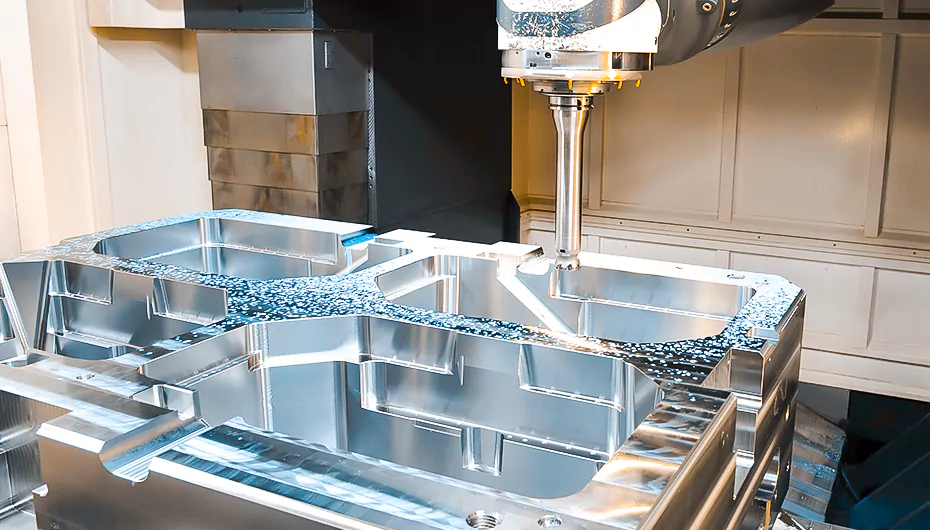
Engineering Insight: The Role of Precision in Molding Plus Applications
In the realm of advanced manufacturing, the integration of precision metal components into molding processes—commonly referred to as molding plus—has become a critical differentiator in product performance, reliability, and lifecycle durability. This hybrid approach combines injection or compression molding with precisely engineered metal inserts, enabling manufacturers to achieve complex geometries, superior structural integrity, and enhanced thermal or electrical conductivity. At Wuxi Lead Precision Machinery, we recognize that the success of molding plus applications hinges on micron-level accuracy, material compatibility, and process synchronization.
Precision is not merely a technical specification—it is a foundational requirement. In high-stakes industries such as aerospace, defense, and elite sports equipment, even a deviation of 5 microns can compromise functional performance or safety. Our engineering team has supported projects for Olympic-grade equipment and military-grade systems, where failure is not an option. These experiences have reinforced our commitment to delivering metal components with tolerances as tight as ±0.002 mm, ensuring seamless integration into molding workflows and eliminating post-assembly corrections.
The molding plus process demands more than just accurate machining. It requires a deep understanding of thermal expansion coefficients, surface adhesion characteristics, and the mechanical behavior of dissimilar materials under stress. At Lead Precision, we utilize multi-axis CNC machining centers, in-process metrology, and finite element analysis (FEA) to simulate real-world conditions before production begins. This proactive engineering approach minimizes risk and accelerates time-to-market for our clients.
Material selection is equally critical. Whether working with titanium alloys for lightweight strength, stainless steel for corrosion resistance, or specialized copper alloys for conductivity, our team ensures that each insert is optimized for both the molding environment and end-use application. Secondary operations such as passivation, plating, and micro-texturing are performed in-house, maintaining full traceability and quality control throughout the manufacturing chain.
Our track record in mission-critical applications underscores our capability to meet the most stringent demands. From load-bearing inserts in composite armor systems to sensor-integrated bushings in high-performance athletic gear, Lead Precision delivers components that perform under extreme conditions.
The following table outlines key precision capabilities relevant to molding plus applications:
| Specification | Performance Level |
|---|---|
| Dimensional Tolerance | ±0.002 mm |
| Surface Roughness (Ra) | 0.1 – 0.8 µm |
| Maximum Part Weight | 50 kg |
| Minimum Feature Size | 0.3 mm |
| Material Compatibility | Titanium, Stainless Steel, Aluminum, Copper Alloys, Inconel |
| Production Volume Range | Prototype to 500,000 units/year |
| Quality Certification | ISO 9001:2015, ITAR Registered (upon request) |
At Wuxi Lead Precision Machinery, we treat every molding plus project as a partnership in innovation. By combining advanced manufacturing technology with decades of precision engineering experience, we enable our clients to push the boundaries of what is possible in integrated component design.
Precision Specs & Tolerances
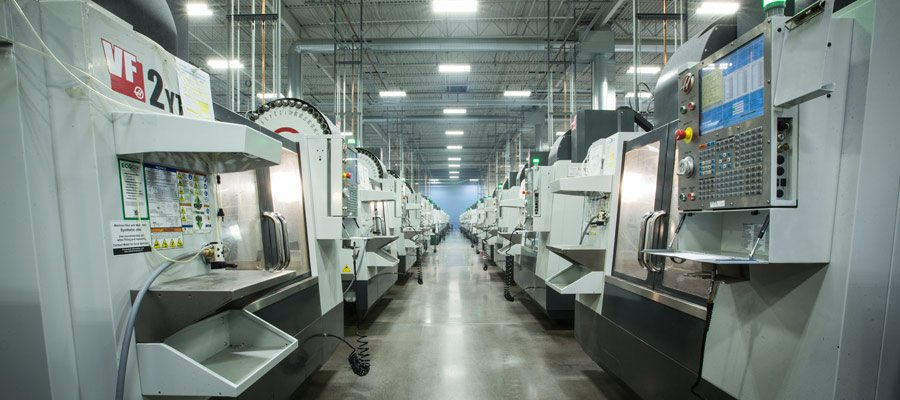
Technical Capabilities: Precision Engineered for Complex Metal Components
Wuxi Lead Precision Machinery delivers advanced custom metal manufacturing solutions engineered for the most demanding high-end applications. Our core strength lies in integrating sophisticated multi-axis machining with rigorous quality verification, ensuring components meet exacting aerospace, medical, and industrial specifications. We specialize in transforming complex geometries from challenging materials into reality, minimizing secondary operations and maximizing part integrity through strategic process design.
Our foundation is a modern fleet of high-performance 5-axis CNC machining centers. These systems enable simultaneous multi-directional tool movement, critical for producing intricate contours, deep cavities, and undercuts inherent in advanced metal components. This capability significantly reduces the need for multiple setups, enhancing dimensional accuracy while improving throughput. We routinely machine high-value alloys including titanium grades (Gr 2, Gr 5), Inconel 718 and 625, stainless steels (316L, 17-4 PH), and aluminum alloys (7075, 6061-T6) to exacting standards. Our programming and setup protocols prioritize thermal stability and vibration control, ensuring consistent surface finishes and tight tolerances across production runs.
Quality is non-negotiable and embedded throughout our process. Every critical component undergoes comprehensive inspection using state-of-the-art Coordinate Measuring Machines (CMM). Our Zeiss and Hexagon CMM systems provide full dimensional traceability, verifying complex GD&T callouts, profile tolerances, and form accuracy against the original CAD model. This metrology backbone ensures complete conformance reporting, with data archived for full production lot traceability. Our quality technicians are certified to ISO 9001 standards, performing first-article inspections, in-process checks, and final validation to guarantee every shipment meets or exceeds client requirements.
The following table details our standard and high-precision machining capabilities for reference. All tolerances are achievable within standard lead times and material constraints; specific project requirements are always evaluated during the quoting phase.
| Parameter | Standard Capability | High-Precision Capability | Typical Materials Supported |
|---|---|---|---|
| Linear Tolerance | ±0.010 mm (±0.0004″) | ±0.005 mm (±0.0002″) | Ti, Inconel, SS, Al, Brass, Cu |
| Positional Accuracy | ±0.015 mm (±0.0006″) | ±0.008 mm (±0.0003″) | Ti, Inconel, SS, Al |
| Surface Roughness (Ra) | 0.8 μm (32 μin) | 0.4 μm (16 μin) | All machinable metals |
| Feature Size Range | 5 mm to 850 mm (0.2″ – 33.5″) | 2 mm to 600 mm (0.08″ – 23.6″) | Ti, SS, Al |
| Max. Work Envelope (5-Axis) | 1000 x 800 x 600 mm (39.4″ x 31.5″ x 23.6″) | N/A | N/A |
Wuxi Lead Precision Machinery operates at the intersection of advanced CNC technology and uncompromising quality control. Our technical capabilities are structured to eliminate manufacturing bottlenecks for complex metal parts, providing clients with reliable, high-integrity components that perform in the most critical environments. Partner with us for precision where standard tolerances are insufficient.
Material & Finish Options
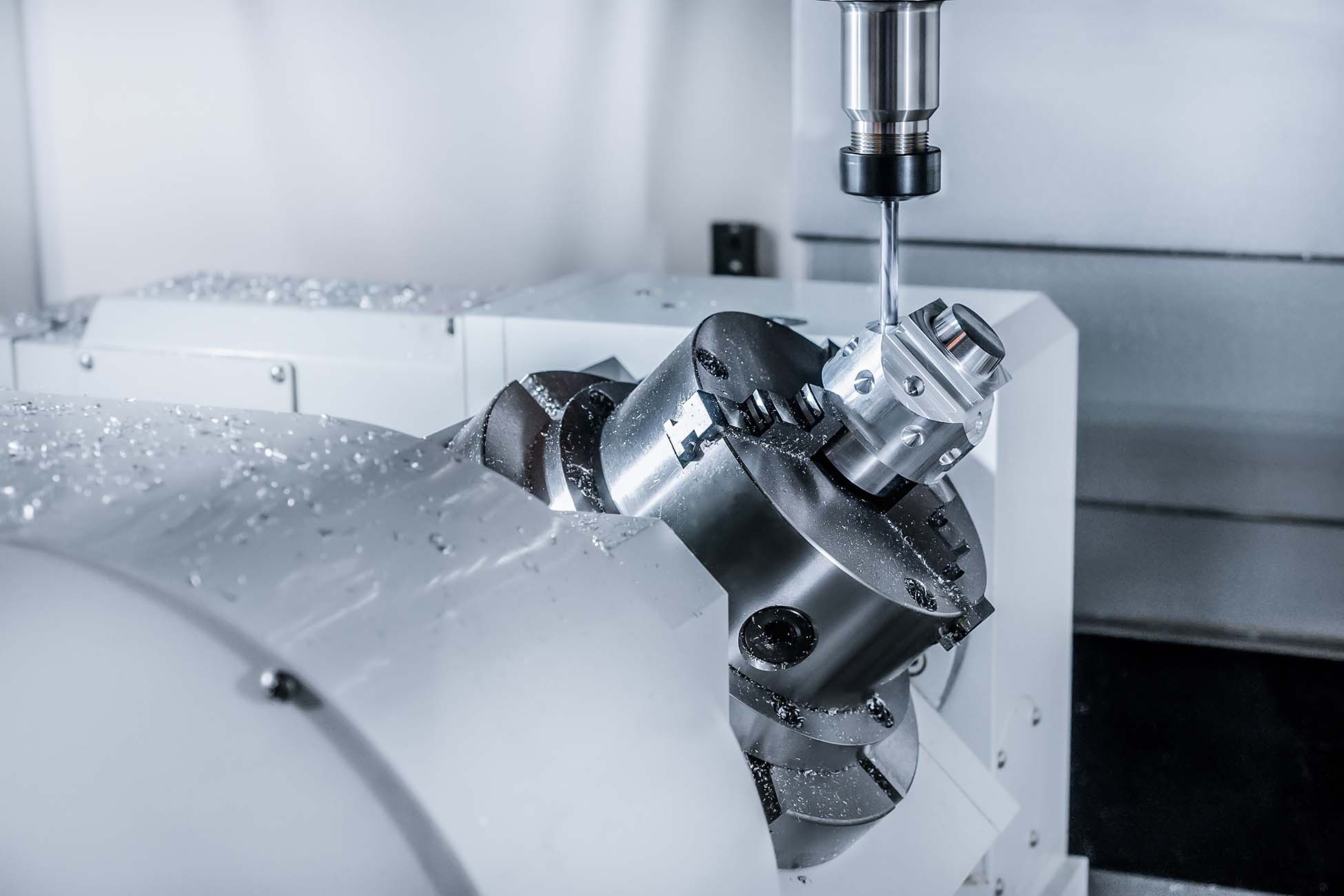
Material Selection in High-Precision Metal Manufacturing
Selecting the appropriate material is a foundational decision in custom metal manufacturing, directly influencing performance, durability, and cost-efficiency. At Wuxi Lead Precision Machinery, we specialize in precision components for industries where reliability under stress and environmental exposure is non-negotiable. Our expertise spans aluminum, steel, and titanium—each offering distinct advantages depending on application requirements such as strength-to-weight ratio, corrosion resistance, and thermal stability.
Aluminum is widely favored for its lightweight properties and excellent machinability. It offers good electrical and thermal conductivity, making it ideal for aerospace, automotive, and electronics applications. While pure aluminum lacks the strength required for structural use, alloys such as 6061 and 7075 deliver enhanced mechanical properties through controlled additions of magnesium, silicon, and zinc. These alloys are particularly responsive to heat treatment and surface finishing processes, including anodizing.
Steel remains the benchmark for strength and wear resistance. Carbon and alloy steels provide exceptional toughness and are commonly used in tooling, machinery components, and heavy-duty industrial systems. Stainless steel variants, especially grades 304 and 316, offer superior corrosion resistance due to their chromium content, making them suitable for medical devices, food processing equipment, and marine environments. The trade-off lies in weight and machinability—steel is denser and more challenging to machine than aluminum, requiring advanced tooling and process control.
Titanium stands at the premium end of the spectrum, offering an unmatched strength-to-density ratio and extraordinary resistance to corrosion, particularly in chloride and saline environments. Grade 5 titanium (Ti-6Al-4V) is the most widely used alloy in aerospace, defense, and biomedical implants. Despite its high cost and difficult machinability, titanium’s performance in extreme conditions justifies its use where failure is not an option.
Surface finishing further enhances material performance. Anodizing, primarily applied to aluminum, creates a durable, corrosion-resistant oxide layer that can be dyed for aesthetics or engineered for electrical insulation. Type II (sulfuric acid) and Type III (hardcoat) anodizing serve different functional needs—from moderate protection to wear resistance in high-friction environments.
Below is a comparative overview of key material properties:
| Material | Density (g/cm³) | Tensile Strength (MPa) | Corrosion Resistance | Common Applications | Typical Finishes |
|---|---|---|---|---|---|
| Aluminum 6061 | 2.7 | 310 | Moderate to High | Aerospace, Automotive | Anodizing, Powder Coating |
| Steel (AISI 4140) | 7.85 | 655–1000 | Low (unless stainless) | Tooling, Shafts, Gears | Zinc Plating, Passivation |
| Stainless 316 | 8.0 | 570–700 | Very High | Medical, Marine | Electropolishing, Passivation |
| Titanium Ti-6Al-4V | 4.42 | 900–950 | Exceptional | Aerospace, Implants | Anodizing, Bead Blasting |
Material selection must balance technical demands with manufacturability and lifecycle costs. At Wuxi Lead, our engineering team collaborates with clients to match material and finish to operational environment, ensuring optimal performance and value.
Manufacturing Process & QC
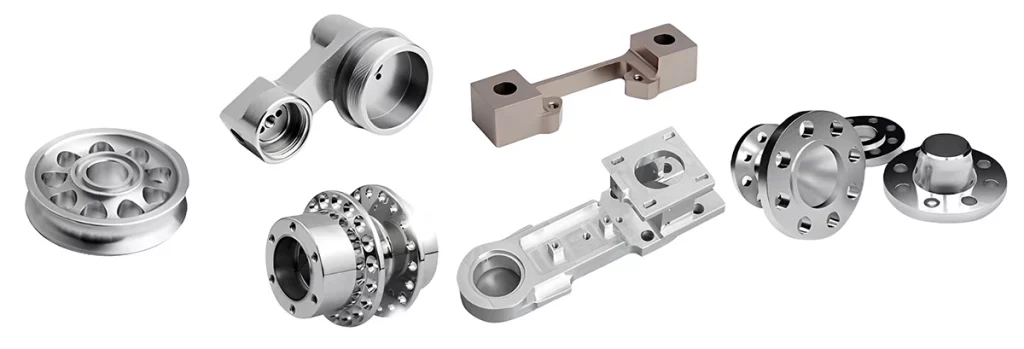
Precision Metal Manufacturing: The Zero Defects Production Framework
At Wuxi Lead Precision Machinery, achieving zero defects in custom metal manufacturing is not an aspiration—it is the engineered outcome of our rigorously controlled three-phase production process. This framework, honed over 15 years serving aerospace, medical, and semiconductor clients, transforms complex designs into flawless high-volume components. We eliminate defects at origin through systemic verification, not end-of-line sorting.
Design for Precision Manufacturability
Our process begins with deep collaboration during the design phase. Lead engineers conduct comprehensive tolerance stacking analysis and material suitability reviews using advanced simulation software. We identify potential failure points in thermal dynamics, stress distribution, and microstructure integrity before any metal is cut. This proactive Design for Manufacturability (DFM) stage ensures geometric dimensioning and tolerancing (GD&T) align with both functional requirements and producibility at scale. Critical features are validated against ISO 2768 medium-class standards or client-specific criteria, preventing costly iterations later.
Prototyping: Validated Process Definition
Prototypes are not merely form checks—they are the blueprint for mass production. Using our HAAS and DMG MORI 5-axis CNC centers, we produce initial units under full production parameters. Every prototype undergoes full first-article inspection (FAI) per AS9102 standards, with all 100+ critical dimensions measured via Zeiss DuraMax coordinate measuring machines (CMM). Surface finish, material hardness, and internal integrity are verified through non-destructive testing. Only when prototype data matches simulation predictions within ±0.005mm tolerance is the process locked. This phase establishes the golden sample and SPC control limits for volume runs.
Mass Production: Sustained Perfection
Volume manufacturing executes the validated process with unwavering consistency. Our smart factory integrates real-time process monitoring: CNC machines feed spindle load, tool wear, and dimensional data directly into our MES. Statistical Process Control (SPC) charts trigger automatic corrections for any drift beyond ±1.33 Cpk. Every 30 minutes, automated optical comparators perform inline checks on critical features, while batch-level CMM validation ensures long-term stability. Traceability is absolute—each component’s machining parameters, inspection data, and material certificate are digitally archived for full lifecycle accountability.
This closed-loop methodology ensures zero escape of non-conforming parts. Defect prevention is embedded in every phase through data-driven decisions and metrology-grade verification.
| Phase | Key Activities | Quality Verification Tools | Critical Output Specification |
|---|---|---|---|
| Design | Tolerance stacking analysis Material simulation DFM optimization | Siemens NX simulation GD&T validation software | Approved manufacturing blueprint |
| Prototyping | Production-parameter machining FAI execution NDT validation | Zeiss CMM Optical comparators Hardness testers | Process-locked golden sample |
| Mass Production | Real-time SPC monitoring Automated inline checks Batch CMM validation | MES-integrated sensors Robotic inspection cells | Cpk ≥1.67, 100% traceable components |
Why Choose Wuxi Lead Precision
Partner with Lead Precision for Unmatched Expertise in Custom Metal Manufacturing
When precision, reliability, and innovation define your manufacturing standards, partnering with Wuxi Lead Precision Machinery becomes a strategic advantage. As a leading provider of custom metal manufacturing solutions in China, we specialize in delivering high-integrity components for industries where performance under extreme conditions is non-negotiable. From aerospace and energy to medical devices and advanced automation, our clients demand consistency, and we deliver it—on time, every time.
At Lead Precision, we understand that your success depends on more than just parts. It depends on partnerships built on technical excellence, responsive engineering support, and a deep commitment to quality. Our team of senior CNC engineers and manufacturing specialists works closely with your design and production teams to optimize manufacturability, reduce lead times, and ensure full compliance with international standards including ISO 9001, AS9100, and NADCAP.
Our advanced facility in Wuxi integrates 5-axis CNC machining, Swiss turning, multi-tasking lathes, and high-precision grinding systems, enabling us to produce complex geometries from the most challenging materials—titanium, Inconel, Hastelloy, and specialized stainless steels. Whether you require low-volume prototypes or high-volume production runs, our scalable processes maintain tight tolerances down to ±0.001 mm, ensuring repeatability and performance across batches.
We don’t just meet specifications—we anticipate challenges before they arise. Our in-house metrology lab, equipped with CMMs, optical comparators, and surface finish testers, ensures every component is validated to the highest standards. Material traceability, full inspection reports, and real-time production updates are standard with every order.
Below are key capabilities that define our manufacturing excellence:
| Specification | Detail |
|---|---|
| Maximum Work Envelope | 1200 x 800 x 650 mm |
| Tolerance Capability | ±0.001 mm |
| Spindle Speed (Milling) | Up to 24,000 RPM |
| Turning Diameter Range | Ø2 – Ø65 mm (Swiss), Ø6 – Ø320 mm (CNC) |
| Materials Processed | Titanium, Inconel, Stainless Steel, Aluminum, Brass, Plastics |
| Surface Finish | Ra 0.1 µm to Ra 3.2 µm (customizable) |
| Quality Certifications | ISO 9001, AS9100, NADCAP (upon request) |
| Lead Times | As fast as 7 days for prototypes, 15–25 days for production |
Partnering with Lead Precision means gaining a true extension of your engineering team—one that combines cutting-edge technology with decades of applied expertise in high-end metal fabrication. We are committed to solving your most complex manufacturing challenges with precision, speed, and integrity.
To begin a conversation about your next project, contact us today at [email protected]. Let us demonstrate how precision engineering and partnership excellence can elevate your product to the next level.
⚙️ Precision Cost Estimator
Estimate relative manufacturing effort based on tolerance.