

Technical Contents
Engineering Guide: Molded Silicone
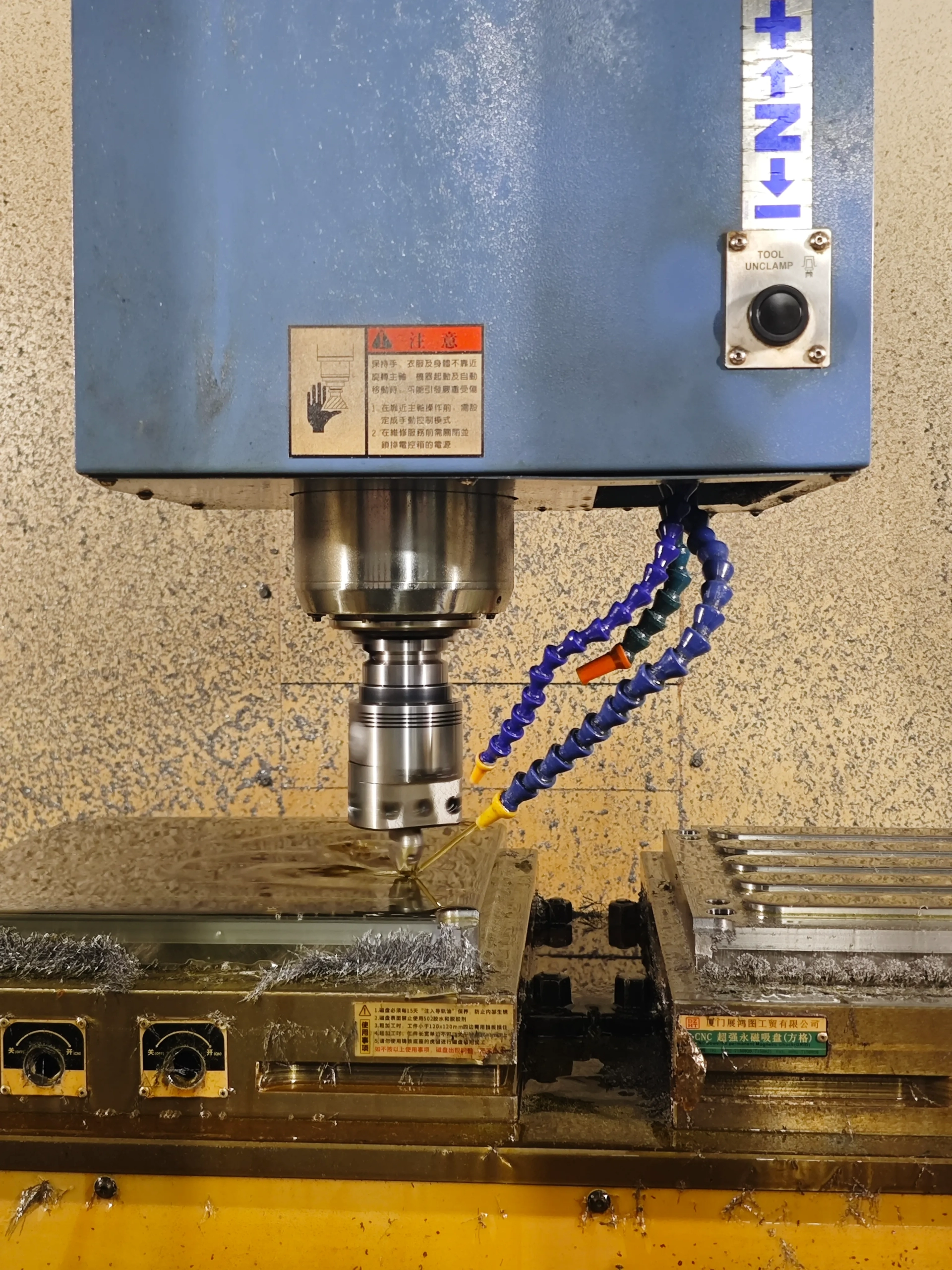
Engineering Insight: The Critical Role of Precision in Molded Silicone Manufacturing
In high-performance industries such as aerospace, medical devices, and defense, molded silicone components are more than just seals or gaskets—they are mission-critical elements that must perform under extreme conditions. The reliability of these parts hinges on one foundational principle: precision. At Wuxi Lead Precision Machinery, we understand that even micron-level deviations in silicone molding can lead to catastrophic system failures, which is why our engineering approach integrates military-grade tolerances with advanced metallurgical expertise in custom metal tooling.
Silicone, while valued for its thermal stability, chemical resistance, and flexibility, presents unique challenges in molding. Its viscoelastic behavior demands exact control over mold geometry, temperature gradients, and compression dynamics. Traditional tooling methods often fall short, leading to flash, incomplete fills, or inconsistent durometer distribution. These defects are unacceptable in applications where failure is not an option. Our solution lies in precision-engineered metal molds fabricated using CNC-machined aerospace alloys and hardened steels, ensuring dimensional stability across thousands of cycles.
With over 15 years of specialization in custom metal manufacturing, Wuxi Lead has supplied tooling and molded components for projects requiring the highest levels of certification and repeatability. Our involvement in Olympic-standard timing systems and classified military communication enclosures underscores our capability to meet and exceed stringent performance benchmarks. These projects demanded zero-defect output, environmental resilience, and long-term reliability—all made possible through our integrated approach to material science and precision engineering.
Our molded silicone process begins with a detailed finite element analysis (FEA) of the intended application, followed by mold design optimized for flow dynamics and thermal uniformity. We utilize real-time monitoring during molding cycles to adjust pressure and cure time dynamically, ensuring each part conforms exactly to specification. This level of control is only achievable through tight integration between mold design, material selection, and process validation.
The following table outlines key specifications and capabilities that define our molded silicone manufacturing process:
| Parameter | Specification |
|---|---|
| Dimensional Tolerance | ±0.025 mm (±0.001 in) |
| Material Types | Medical Grade, High-Temp, Fluorosilicone |
| Hardness Range (Shore A) | 10 to 80 |
| Mold Materials | H13 Tool Steel, 420 Stainless, Inconel X-750 |
| Production Volume | Prototype to High-Volume (1M+ units/year) |
| Secondary Operations | Laser Trimming, Plasma Treatment, 100% QA |
| Industry Standards Compliant | ISO 13485, MIL-STD-810, ASTM D2000 |
At Wuxi Lead Precision Machinery, we do not view molded silicone as a commodity process. It is a precision discipline requiring deep expertise in both polymer behavior and metal fabrication. Our clients trust us because we deliver not just parts, but engineered solutions backed by proven performance in the world’s most demanding environments.
Precision Specs & Tolerances
Technical Capabilities for Precision Molded Silicone Tooling
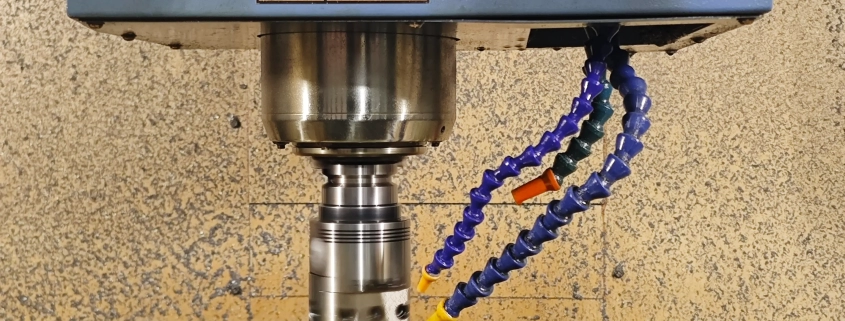
Wuxi Lead Precision Machinery delivers exceptional technical capabilities essential for high-integrity molded silicone components across demanding sectors like medical devices, aerospace, and automotive. Our core strength lies in the precision manufacturing of custom metal tooling—molds, inserts, cavities, and electrodes—required for reliable silicone molding processes. Mastery of complex geometries and stringent tolerances in the tooling directly dictates the quality, consistency, and functionality of the final silicone part. We achieve this through advanced equipment and rigorous quality control protocols, ensuring your silicone molding operations meet the highest industry standards.
Our foundation is a comprehensive suite of state-of-the-art 5-axis CNC machining centers. These systems provide the kinematic flexibility and sub-micron positioning accuracy necessary to produce intricate mold features, undercuts, and seamless parting lines impossible with lesser equipment. Multi-axis simultaneous machining eliminates secondary operations, minimizing cumulative error and ensuring geometric integrity critical for silicone flow, part ejection, and final component sealing surfaces. Material versatility is key; we expertly machine hardened tool steels (P20, H13, S7), stainless steels (420, 17-4PH), aluminum alloys, and copper-beryllium to exacting specifications, optimizing thermal management and longevity for your specific silicone compound and production volume.
Precision is meaningless without verification. Every critical dimension and feature undergoes systematic validation via our integrated quality control system. Primary inspection utilizes calibrated Coordinate Measuring Machines (CMM), including high-accuracy Zeiss CONTURA systems operating in a climate-controlled metrology lab. CMM inspection provides full 3D geometric dimensioning and tolerancing (GD&T) analysis, generating comprehensive reports traceable to international standards. This data-driven approach confirms conformity to your engineering drawings and identifies any deviations before tooling deployment, preventing costly production delays or part rejects downstream. Surface finish verification and hardness testing further ensure the tooling meets the functional requirements of the silicone molding process.
The achievable tolerances for molded silicone parts are inherently influenced by the precision of the metal tooling, the silicone material properties, and the molding process parameters. While final part tolerances depend on the complete molding system, our tooling capabilities establish the baseline precision. The following table outlines the typical dimensional tolerances we consistently achieve in the metal tooling itself, which is paramount for controlling the final silicone component:
| Feature Type | Standard Tolerance (mm) | Tight Tolerance Capability (mm) | Notes |
|---|---|---|---|
| Linear Dimensions | ±0.025 | ±0.010 | Up to 150mm; tighter for smaller features |
| Hole Diameters | +0.025 / -0.000 | +0.010 / -0.000 | Reamed/ground features; location critical |
| Profile / Form | ±0.020 | ±0.010 | Complex contours, sealing surfaces |
| Position (Location) | ±0.025 | ±0.015 | Critical for alignment, inserts, cores |
| Surface Finish (Ra) | 0.8 µm | 0.4 µm | Critical sealing areas; polished surfaces |
This level of tooling precision, backed by rigorous CMM validation, directly translates to reduced silicone part variation, minimized flash, improved sealing performance, and extended mold life. Partnering with Wuxi Lead ensures your molded silicone components are built on a foundation of uncompromising metal manufacturing excellence, accelerating your path from design to high-yield production.
Material & Finish Options
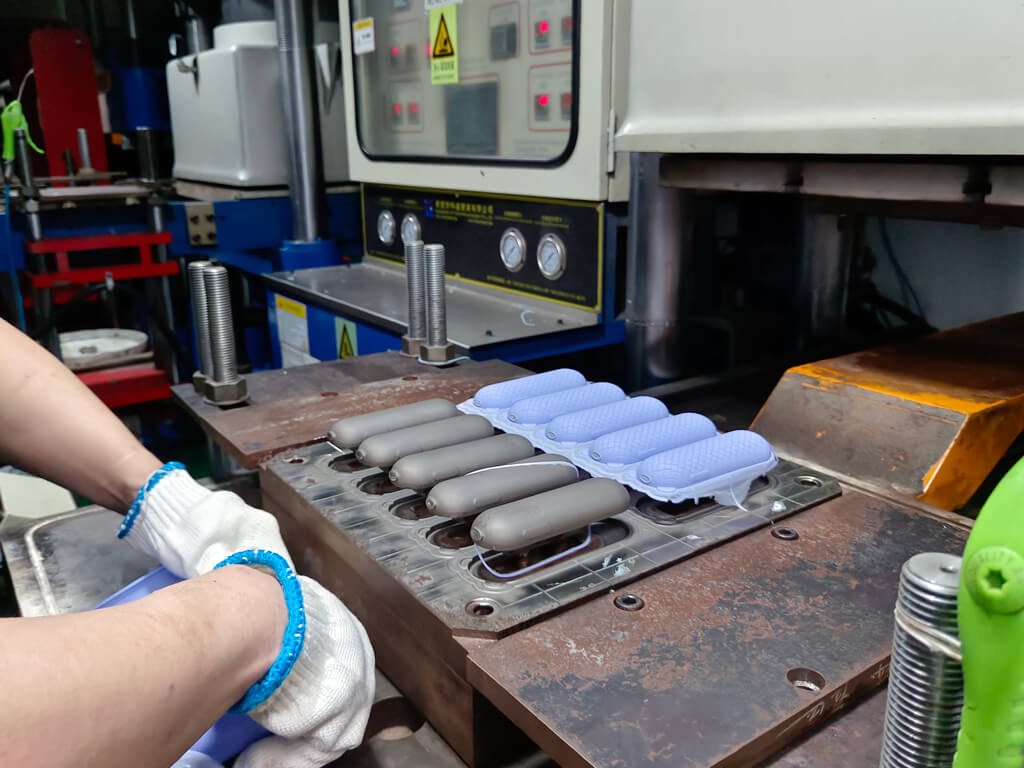
Material Selection for Molded Silicone Tooling: Precision Engineering with Aluminum, Steel, and Titanium
In high-precision molded silicone manufacturing, the choice of tooling material directly impacts production efficiency, part quality, and tool longevity. At Wuxi Lead Precision Machinery, we specialize in custom metal manufacturing for silicone molding applications, where material selection is tailored to volume, complexity, and environmental demands. The primary materials used in mold construction—aluminum, steel, and titanium—each offer distinct advantages depending on application requirements.
Aluminum is widely used for low- to medium-volume production due to its excellent thermal conductivity and ease of machining. Its lightweight nature allows for faster cycle times and reduced wear on molding equipment. While not as durable as steel or titanium, aluminum molds are ideal for prototyping and short-run production where rapid turnaround is critical. When enhanced surface resistance is required, aluminum molds are often treated with hard anodizing, which increases surface hardness up to 60 HRC and improves wear and corrosion resistance.
Steel, particularly tool steels such as H13, P20, and 420 stainless, remains the standard for high-volume silicone molding operations. Its superior hardness and thermal stability ensure dimensional accuracy over thousands of cycles. Stainless steel variants offer additional corrosion resistance, making them suitable for medical and food-grade silicone applications where hygiene is paramount. While steel molds require longer machining times and higher initial costs, their extended service life delivers lower cost-per-part in large-scale production.
Titanium is employed in highly specialized applications where extreme corrosion resistance, high strength-to-density ratio, and biocompatibility are required. Though less common due to cost and machining complexity, titanium molds are optimal for aggressive chemical environments or implantable silicone components in the biomedical sector. Its natural oxide layer provides inherent resistance to oxidation, reducing the need for additional surface treatments in many cases.
Anodizing is a critical finishing process, particularly for aluminum molds. The anodized layer enhances surface durability, reduces galling, and improves release characteristics during silicone demolding. Type III (hard coat) anodizing is recommended for molds subjected to abrasive silicone compounds or high-cycle operations. For steel and titanium, alternative surface treatments such as nitriding, PVD coating, or electropolishing may be applied based on performance needs.
The following table summarizes key mechanical and thermal properties of these materials in the context of silicone mold tooling:
| Material | Hardness (Typical) | Thermal Conductivity (W/m·K) | Tensile Strength (MPa) | Common Applications | Recommended Finishes |
|---|---|---|---|---|---|
| Aluminum 6061-T6 | 95 HB | 167 | 310 | Prototypes, low-volume production | Hard Anodizing (Type III) |
| H13 Tool Steel | 50–54 HRC | 35 | 1,600 | High-volume industrial molding | Nitriding, PVD Coating |
| 420 Stainless | 52–56 HRC | 25 | 1,800 | Medical, food-grade silicone molding | Electropolishing, Passivation |
| Titanium Grade 5 | 36 HRC | 6.7 | 900 | Biomedical, corrosive environments | As-machined, Oxide Stabilization |
At Wuxi Lead Precision Machinery, we guide clients through material and finish selection based on application-specific demands, ensuring optimal performance, longevity, and cost-efficiency in silicone molding operations.
Manufacturing Process & QC
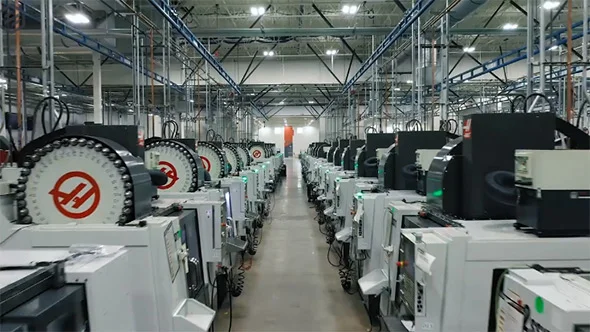
Molded Silicone Production Process: Achieving Zero Defects from Concept to Volume
At Wuxi Lead Precision Machinery, we recognize that molded silicone components demand exceptional precision and unwavering consistency for critical applications across medical, aerospace, and automotive sectors. Our integrated production process, centered on Zero Defects methodology, transforms your design into flawless high-volume output. This begins with rigorous collaborative Design Engineering. Our team works directly with your specifications, utilizing advanced CAD/CAE software to simulate flow, cure behavior, and potential stress points within the silicone material. This critical phase identifies and resolves potential defects like voids, flash, or incomplete fills before tooling begins, preventing costly mold revisions and ensuring manufacturability aligns with your functional requirements and tight tolerances.
The process advances to Precision Prototyping using our high-accuracy CNC-machined aluminum or steel prototype molds. This stage is not merely a form check; it is a vital validation step for the Zero Defects commitment. We produce functional prototypes under near-production conditions, subjecting them to comprehensive dimensional inspection (CMM, optical comparators) and material property testing. Any deviations trigger immediate root cause analysis and process refinement. This iterative loop, leveraging real-world data from the prototype run, fine-tunes critical parameters like temperature profiles, injection pressure, and cure time, establishing the validated baseline for mass production. Skipping this step risks propagating undetected flaws into costly production tooling.
Transitioning to Mass Production, we deploy hardened, multi-cavity production molds crafted with micron-level precision on our Swiss and Japanese CNC platforms. Zero Defects is operationalized through stringent Statistical Process Control (SPC). Every production cycle is monitored in real-time for key variables: material batch consistency, barrel temperature, injection speed, clamp force, and cure duration. Automated vision systems perform 100% in-line dimensional checks on critical features, while destructive testing on statistical samples verifies ongoing material integrity and physical properties. Our integrated Quality Management System, certified to ISO 13485 and IATF 16949, mandates Failure Mode and Effects Analysis (FMEA) for all processes and enforces immediate corrective actions for any out-of-specification alert. This closed-loop system, combined with operator expertise and rigorous environmental controls, ensures every silicone part meets exact specifications, batch after batch, eliminating scrap and guaranteeing supply chain reliability.
Our technical capabilities support demanding molded silicone requirements as demonstrated below:
| Specification Category | Capability Detail | Relevance to Zero Defects |
|---|---|---|
| Material Compatibility | Liquid Silicone Rubber (LSR), High Consistency Rubber (HCR) | Ensures precise material behavior prediction during design and processing |
| Dimensional Tolerance | ±0.025 mm (0.001″) typical on critical features | Meets stringent functional requirements for sealing, assembly, and performance |
| Production Cycle Time Range | 15 seconds to 120 seconds per shot | Optimized for efficiency without compromising cure quality or part integrity |
| Maximum Part Size (Molded) | 300 mm x 300 mm x 100 mm (12″ x 12″ x 4″) | Accommodates complex, larger assemblies in single operations reducing assembly defects |
| In-Process Monitoring | Real-time SPC on 12+ process parameters | Enables immediate detection and correction of drift before defects occur |
Partner with Wuxi Lead Precision Machinery for molded silicone production where meticulous process control and an uncompromising Zero Defects culture deliver the quality and reliability your high-end applications demand.
Why Choose Wuxi Lead Precision
Partner with Lead Precision for Unmatched Expertise in Molded Silicone Component Manufacturing
At Wuxi Lead Precision Machinery, we specialize in delivering high-precision custom metal solutions engineered to meet the rigorous demands of advanced manufacturing industries. As a trusted partner in the production of critical components for molded silicone applications, we combine state-of-the-art CNC machining, deep material science insight, and strict quality control protocols to ensure every part exceeds performance expectations. Our facility in Wuxi, China, is equipped with advanced tooling systems and staffed by engineers with over a decade of experience in supporting high-integrity molding operations.
Molded silicone components require precision tooling, consistent surface finishes, and tight tolerances to ensure repeatability and reliability in end-use applications—especially in medical devices, automotive seals, aerospace systems, and consumer electronics. At Lead Precision, we understand that the success of your silicone molding process begins with the quality of the metal components that form the mold. That’s why we focus on producing molds and inserts with micron-level accuracy, optimal thermal conductivity, and superior durability under repeated thermal cycling.
Our engineering team works closely with clients from concept through to production, offering DFM (Design for Manufacturability) analysis, rapid prototyping, and full-scale manufacturing support. We utilize high-grade tool steels, aluminum alloys, and specialty materials tailored to your molding cycle requirements, ensuring extended tool life and reduced downtime. Every component undergoes rigorous inspection using CMM (Coordinate Measuring Machines), optical comparators, and surface roughness testers to guarantee compliance with ISO 9001 standards.
Below are key specifications we support for molded silicone mold components:
| Specification | Capability |
|---|---|
| Tolerance | ±0.002 mm |
| Surface Finish | Ra 0.05 µm to Ra 0.8 µm (polished or textured) |
| Maximum Part Size | 800 mm × 600 mm × 500 mm |
| Minimum Feature Size | 0.1 mm (micro-machining) |
| Materials | P20, H13, S136, 718H Tool Steel, Aluminum 7075, Copper Alloys |
| Machining Centers | 3-axis, 4-axis, 5-axis CNC, EDM, Wire Cut |
| Quality Standards | ISO 9001:2015, Full First Article Inspection Reports (FAIR) |
| Lead Time | 10–25 days (depending on complexity) |
We are committed to being more than a supplier—we are a strategic manufacturing partner. Whether you’re developing a new silicone molding process or scaling up production, our team is ready to support your goals with responsive communication, technical insight, and on-time delivery.
Contact us today to discuss your next project. Email [email protected] and connect with our engineering team for a detailed consultation. Let Lead Precision be the foundation of your success in molded silicone manufacturing.
⚙️ Precision Cost Estimator
Estimate relative manufacturing effort based on tolerance.