

Technical Contents
Engineering Guide: Mold Plate Testing
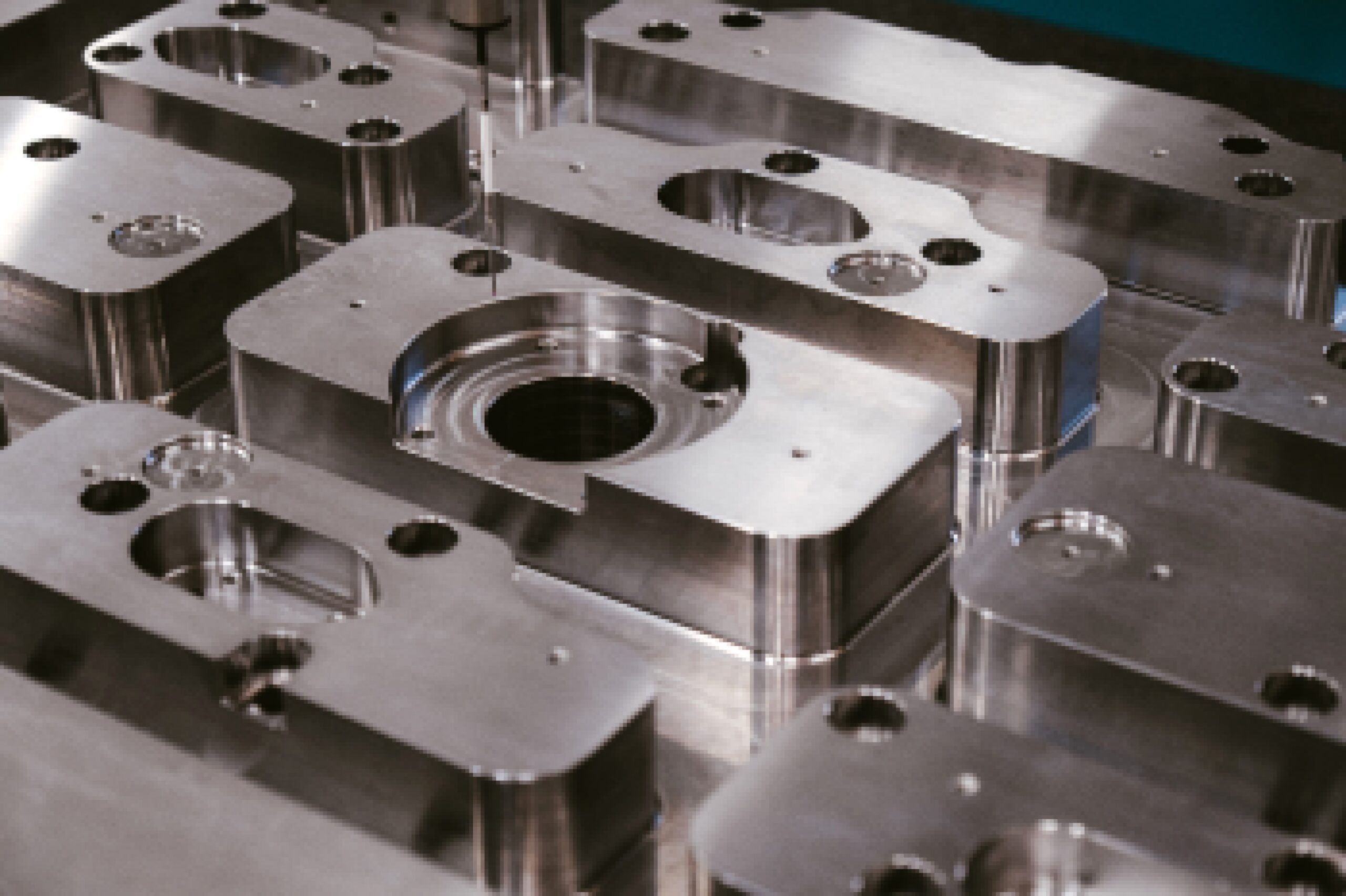
Engineering Insight: Mold Plate Testing Precision as Production Foundation
Mold plate integrity directly dictates production efficiency, part quality, and tooling longevity in high-volume manufacturing. Sub-micron deviations in flatness, parallelism, or surface finish propagate through the molding process, causing flash, part ejection failures, inconsistent cavity filling, and accelerated wear. These seemingly minor imperfections translate into significant scrap rates, unplanned downtime, and compromised product performance. Precision mold plate testing is not merely a quality checkpoint; it is the critical validation ensuring the foundational stability of the entire production system. At Wuxi Lead Precision Machinery, we treat mold plate certification as the non-negotiable prerequisite for reliable, high-yield manufacturing.
Our rigorous testing protocol moves beyond basic dimensional verification. We employ calibrated coordinate measuring machines (CMM) and advanced optical flatness measurement systems to quantify deviations at the micron level across the entire plate surface. This includes comprehensive analysis of critical parameters like overall flatness, parallelism between mounting and cavity surfaces, perpendicularity of critical features, and surface roughness profile. Material homogeneity and internal stress levels are equally vital; we utilize non-destructive testing methods alongside precise hardness and microstructure verification to prevent in-service distortion. Only plates meeting our stringent internal specifications, often exceeding standard industry tolerances, are released for assembly. This meticulous approach prevents costly rework and production delays downstream.
Wuxi Lead Precision Machinery leverages over 15 years of specialized expertise in mission-critical applications to define our mold plate testing standards. Our processes are hardened through delivering components where failure is not an option. This includes precision tooling for aerospace composite molding systems adhering to stringent military specifications and high-precision plates for Olympic-standard sporting equipment production, where material consistency and dimensional perfection directly impact athlete performance and safety. These demanding projects necessitate testing protocols that uncover potential weaknesses invisible to conventional inspection, ensuring absolute reliability under extreme operational conditions.
The following table outlines the core precision parameters verified during our comprehensive mold plate testing process, reflecting the standards applied to our most demanding client projects:
| Parameter | Standard Tolerance (mm) | Critical Application Tolerance (mm) | Verification Method |
|---|---|---|---|
| Overall Flatness | ≤ 0.010 | ≤ 0.002 | Optical Flat + CMM Mapping |
| Parallelism (Surfaces) | ≤ 0.015 | ≤ 0.003 | Precision Granite Surface Plate |
| Surface Roughness (Ra) | ≤ 0.8 | ≤ 0.4 | Profilometer (Multiple Traces) |
| Material Homogeneity | ASTM E3 | ASTM E3 + Ultrasonic Scan | Metallography + NDT |
| Hardness Verification | ± 3 HRC | ± 1.5 HRC | Calibrated Rockwell Tester |
Precision mold plate testing is the definitive safeguard against production instability. At Wuxi Lead Precision Machinery, our commitment to micron-level validation, forged in Olympic and military-grade manufacturing, ensures your tooling foundation delivers consistent, high-quality output cycle after cycle. Trust in certified precision to protect your production investment.
Precision Specs & Tolerances
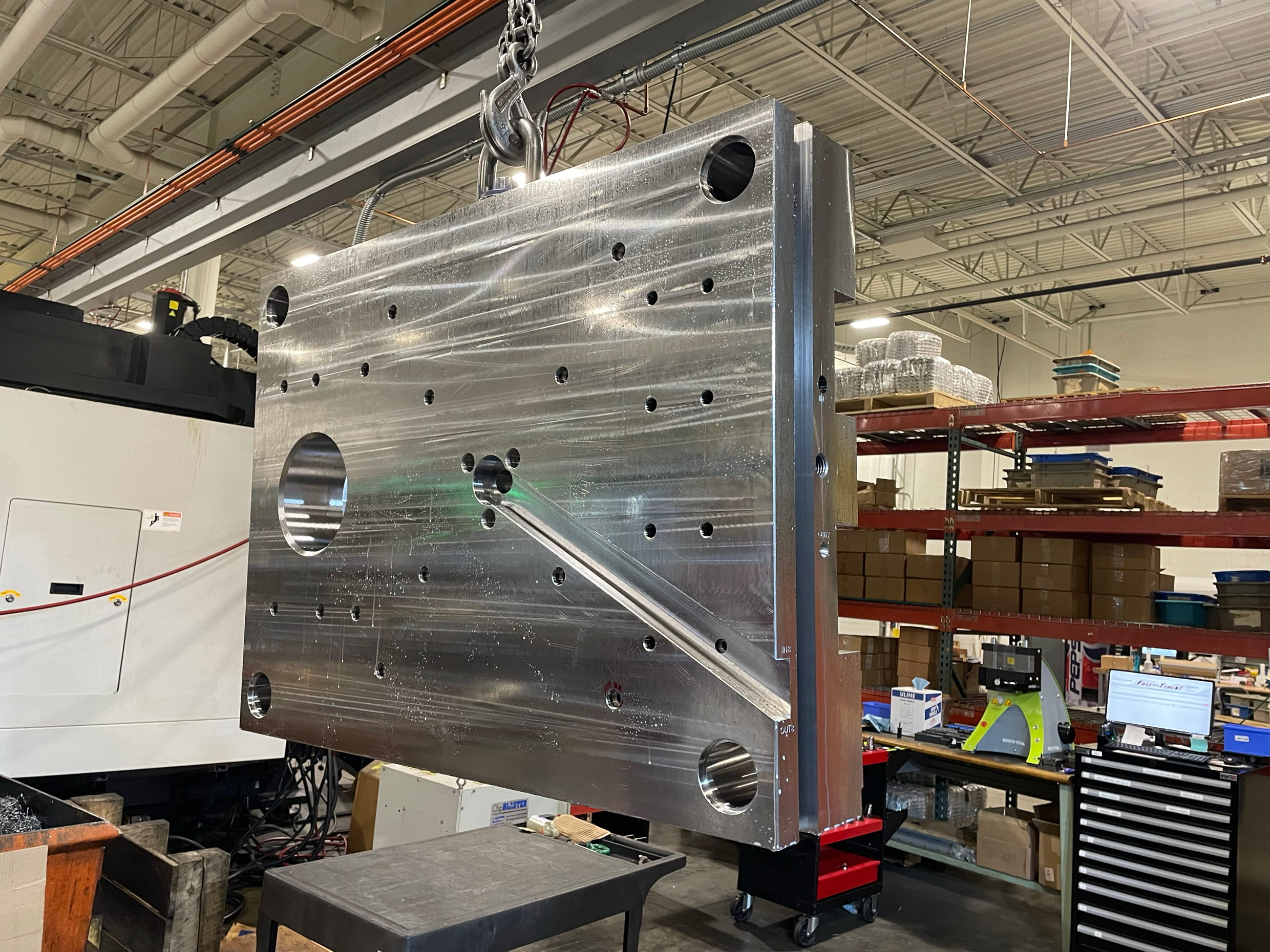
Wuxi Lead Precision Machinery delivers advanced technical capabilities in custom metal manufacturing, with a specialized focus on high-precision mold plate testing. Our integrated production ecosystem combines cutting-edge 5-axis CNC machining with comprehensive quality control protocols to ensure dimensional accuracy, surface integrity, and long-term performance of every component. Designed for demanding industries such as automotive, aerospace, and precision tooling, our mold plate solutions are engineered to meet the most stringent engineering specifications.
At the core of our machining capability is a fleet of state-of-the-art 5-axis CNC centers, enabling multi-directional cutting with exceptional precision and reduced setup cycles. This advanced machining approach allows us to produce complex geometries and tight-tolerance features commonly found in mold base plates, cavity blocks, and ejector systems. The simultaneous movement across five axes ensures superior surface finishes and eliminates the need for multiple re-fixturing stages, significantly enhancing repeatability and throughput. All machining operations are supported by high-rigidity machine platforms and real-time tool monitoring systems to maintain process stability.
Quality assurance is embedded throughout the manufacturing workflow. Every mold plate undergoes rigorous inspection using a Zeiss DuraMax Bridge-type Coordinate Measuring Machine (CMM), providing metrology-grade verification of critical dimensions, flatness, parallelism, and positional tolerances. Our CMM system operates under temperature-controlled conditions to eliminate environmental variance, ensuring measurement repeatability down to ±0.001 mm. Data from each inspection is compiled into a full inspection report, traceable to individual work orders and available to clients upon request.
We maintain strict adherence to international tolerance standards, with capabilities fine-tuned for mold plate applications where alignment, fit, and thermal stability are critical. Our production team works closely with client engineering data to validate design intent and propose manufacturability improvements when necessary. This collaborative approach ensures that every mold plate not only meets but exceeds functional requirements in real-world molding environments.
The following table outlines our standard technical specifications and achievable tolerances for mold plate manufacturing and testing:
| Specification | Capability |
|---|---|
| Maximum Work Envelope (XYZ) | 2000 mm × 1000 mm × 800 mm |
| Positional Tolerance | ±0.005 mm |
| Dimensional Tolerance | ±0.003 mm |
| Flatness | 0.01 mm per 100 mm² |
| Parallelism | 0.01 mm across full surface |
| Perpendicularity | 0.01 mm to datum |
| Surface Roughness (Ra) | As low as 0.2 µm |
| CMM Measurement Accuracy | ±0.001 mm |
Wuxi Lead Precision Machinery is committed to delivering technically superior mold plate solutions through precision engineering, advanced equipment, and uncompromising quality control. Our capabilities are designed to support high-performance molding applications where consistency, accuracy, and reliability are non-negotiable.
Material & Finish Options
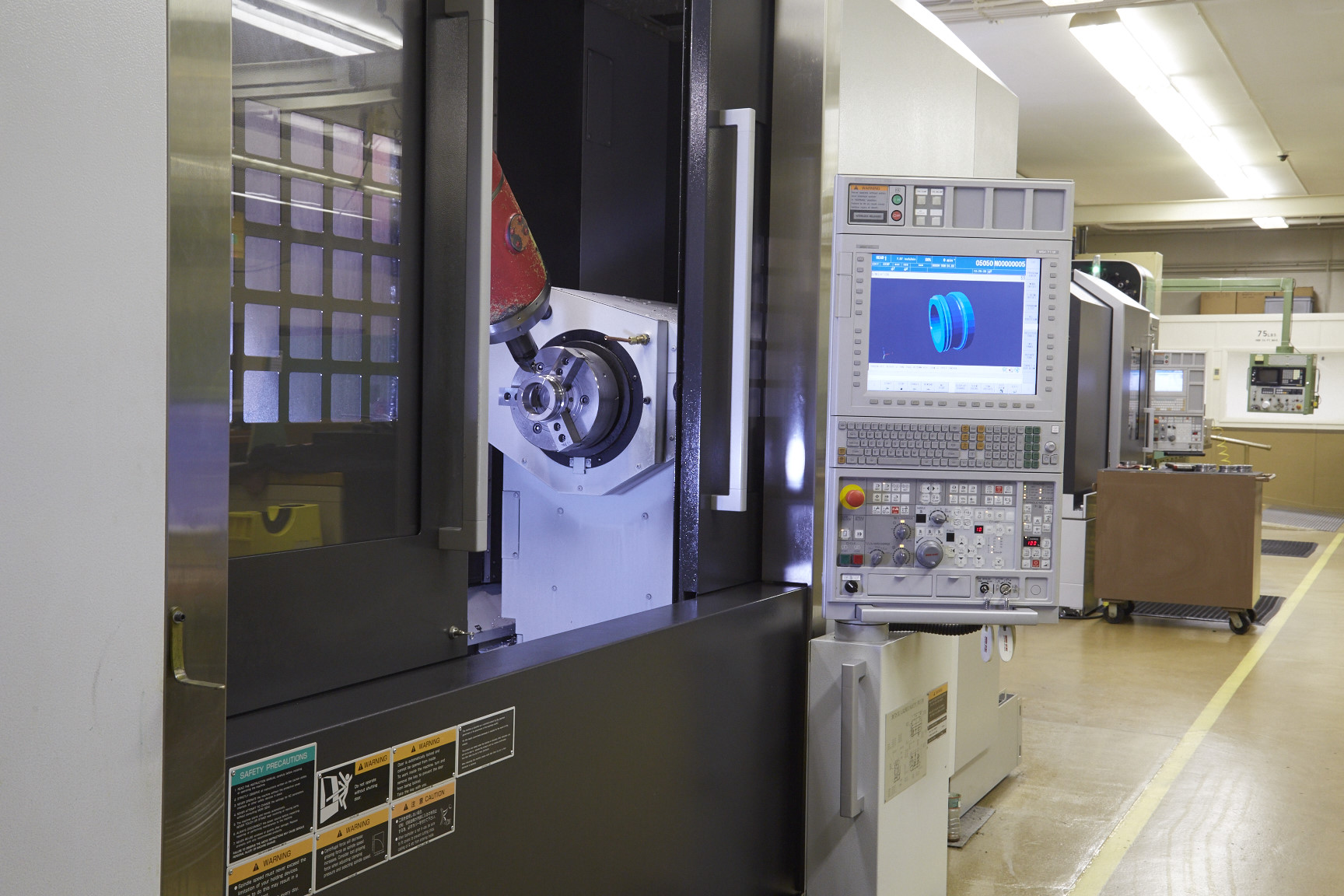
Material Selection for Precision Mold Plate Testing
Material choice directly impacts mold plate performance during testing cycles, influencing dimensional stability, thermal management, and service life. At Wuxi Lead Precision Machinery, we prioritize materials that balance machinability, durability, and cost-effectiveness for high-stakes mold validation. Aluminum alloys excel in rapid prototyping and low-volume trials due to their lightweight nature and superior thermal conductivity, accelerating cooling cycles. Tool steels dominate high-volume production testing where wear resistance and structural integrity under pressure are non-negotiable. Titanium enters the equation for corrosive environments or extreme weight-sensitive applications, though its cost and machining complexity warrant careful justification. Below is a comparative overview of critical properties.
| Material | Key Grades | Hardness (HB) | Thermal Conductivity (W/m·K) | Primary Use Case |
|---|---|---|---|---|
| Aluminum | 6061-T6, 7075-T73 | 95–150 | 150–180 | Prototyping, low-pressure testing, thermal management trials |
| Steel | P20, H13, S7 | 200–250 | 25–40 | High-pressure production testing, long-run validation |
| Titanium | Ti-6Al-4V | 300–350 | 6–10 | Corrosive media testing, aerospace-grade applications |
Aluminum 6061-T6 remains our top recommendation for initial mold trials. Its machinability allows tight tolerances (±0.005mm) with minimal tool wear, while thermal conductivity ensures uniform cooling—critical for detecting warpage or sink marks early. For sustained high-pressure validation, pre-hardened P20 steel (28–32 HRC) delivers consistent performance across 50,000+ cycles. H13 steel is reserved for hot-runner systems exceeding 300°C, leveraging its temper resistance. Titanium’s niche lies in chemical resistance; Ti-6Al-4V withstands chloride exposure but requires specialized CNC parameters to avoid galling.
Anodizing is non-optional for aluminum mold plates. Standard Type II sulfuric anodizing (5–25µm thickness) provides baseline corrosion resistance and dielectric protection. For abrasive testing environments, hardcoat Type III anodizing (50µm+) elevates surface hardness to 60 HRC—matching mild steel—while maintaining thermal stability. This prevents adhesive wear during ejection cycles and ensures consistent part release. Crucially, anodized layers must be applied post-machining to avoid dimensional drift; our ISO-certified finishing lines control thickness tolerance within ±2µm.
Selecting the right material-anodizing combination prevents premature mold failure during validation. Aluminum with Type III anodizing bridges the gap between prototyping speed and production durability, while steel eliminates thermal distortion in high-cavity molds. Partner with Wuxi Lead to match your testing parameters to material science—reducing trial iterations by 30% and accelerating time-to-market. Our engineers validate every specification against your pressure, temperature, and cycle count requirements.
Manufacturing Process & QC
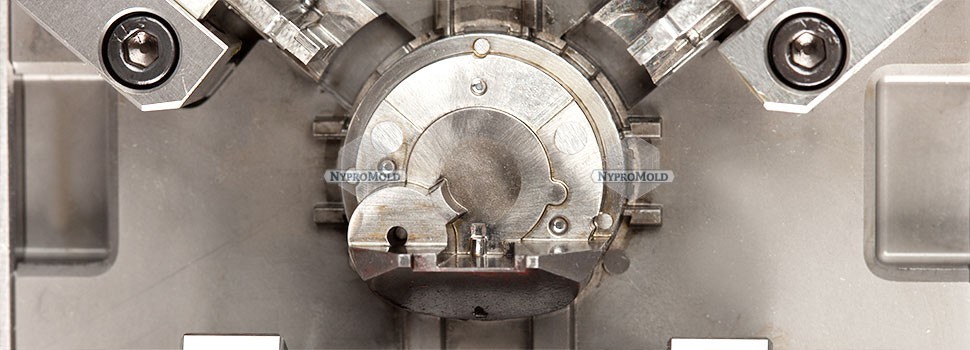
Design: Precision Engineering for Mold Plate Integrity
At Wuxi Lead Precision Machinery, the foundation of flawless mold plate testing begins with advanced design engineering. Our team of CNC specialists and mechanical engineers utilize industry-leading CAD/CAM software to model each mold plate with micron-level accuracy. Every design is optimized for structural integrity, thermal stability, and load distribution—critical factors in high-cycle injection molding applications. Finite Element Analysis (FEA) is integrated into the design phase to simulate stress points, deflection under pressure, and cooling efficiency. This predictive modeling ensures that the mold plate will perform reliably under real-world production conditions. Material selection is determined at this stage, with options including P20, 718H, H13, and 420 stainless steel, depending on customer requirements for hardness, corrosion resistance, and surface finish. Design validation includes comprehensive tolerance stack-up analysis and alignment verification to prevent misalignment during assembly.
Prototyping: Validating Performance Before Scale
Once the design is finalized, a functional prototype is manufactured using our high-precision CNC machining centers. These machines operate with sub-micron repeatability and are calibrated daily to maintain ISO 2768 standards. The prototype undergoes rigorous mold plate testing, including flatness measurement, parallelism verification, and hole pattern concentricity checks using coordinate measuring machines (CMM). Hydraulic pressure testing is performed to simulate clamping forces up to 200 tons, ensuring the plate maintains dimensional stability. Any deviations are traced back to the digital model for immediate correction. This closed-loop validation process eliminates design flaws before mass production begins. Surface texture analysis and hardness testing (HRC 28–34 depending on grade) are also conducted to confirm material properties meet specifications. Only after full compliance is verified does the project advance.
Mass Production: Zero-Defect Manufacturing Execution
Our mass production phase leverages automated CNC cells with real-time tool wear monitoring and in-process gauging to maintain consistency across batches of 100+ units. Each mold plate is machined from a single billet to prevent weld lines or weak joints. All critical dimensions are inspected at three stages: post-roughing, semi-finishing, and final pass. We enforce a zero-defect policy through 100% inspection of key features, including guide pin bores, ejector pin clearance, and cooling channel geometry. Every plate is serialized and documented with a full inspection report (FAIR) for traceability.
| Specification | Value |
|---|---|
| Dimensional Tolerance | ±0.005 mm |
| Surface Flatness | ≤ 0.01 mm/m² |
| Parallelism | ≤ 0.01 mm |
| Surface Roughness (Ra) | 0.4 – 0.8 µm |
| Material Hardness | HRC 28–34 (as specified) |
| Inspection Standard | ISO 2768, VDI 3400 |
| Testing Load Capacity | Up to 200 tons |
Through this disciplined progression—design validation, prototype testing, and defect-free production—Wuxi Lead Precision Machinery delivers mold plates that exceed global quality expectations.
Why Choose Wuxi Lead Precision
Partner with Lead Precision for Uncompromising Mold Plate Integrity
Mold plate failures represent a critical vulnerability in high-volume production, triggering cascading delays, scrap surges, and costly rework. Standard testing protocols often miss micron-level deviations that manifest as parting line flashes, inconsistent cooling, or premature wear—directly impacting your yield and profitability. At Wuxi Lead Precision Machinery, we eliminate this risk through metrology-grade validation engineered for mission-critical applications. Our dedicated mold plate testing division operates beyond conventional QC benchmarks, leveraging aerospace-grade instrumentation and process discipline honed over 15 years of servicing automotive, medical, and aerospace tier-1 suppliers.
We deploy a multi-axis verification protocol that quantifies geometric integrity at the sub-micron level. Every plate undergoes rigorous assessment against your exact CAD specifications using calibrated coordinate measuring machines (CMMs) and precision granite surface plates certified to ISO 8512-2. This isn’t spot-checking; it’s full-surface topography mapping that identifies stress points and thermal distortion risks before your mold enters production. Our engineers correlate test data with material behavior models, delivering actionable reports that preempt field failures—not just compliance certificates.
The technical differentiator lies in our closed-loop manufacturing integration. Unlike third-party labs, Lead Precision controls the entire workflow from raw material sourcing to final validation. When deviations occur, our CNC programming team implements real-time compensation within hours—not weeks—ensuring dimensional stability across thermal cycles and extended runs. This vertical integration reduces your time-to-press by 30% while guaranteeing repeatable part quality over 500,000+ cycles.
Critical Testing Parameters and Capabilities
| Parameter | Lead Precision Capability | Typical Industry Standard |
|---|---|---|
| Flatness (per m²) | ≤ 0.005 mm | ≤ 0.02 mm |
| Parallelism | ≤ 0.008 mm | ≤ 0.03 mm |
| Surface Roughness | Ra 0.4 μm (mirror finish) | Ra 1.6 μm |
| Thermal Stability | ±0.002 mm @ 120°C | ±0.01 mm @ 120°C |
| Reporting Accuracy | Certified to ISO 10360-2 | Basic GD&T compliance |
Your mold investment demands validation that matches its operational stakes. We provide the forensic detail and manufacturing agility to transform mold plates from potential failure points into your most reliable production assets. Contact us today to receive a tailored testing protocol for your next project—engineered to prevent downtime, not just document it.
Contact [email protected] to schedule a technical consultation. Our engineering team will analyze your current mold plate challenges and deploy our precision validation framework within 72 hours of engagement. Let’s build molds that perform flawlessly from shot one to lifetime end.
⚙️ Precision Cost Estimator
Estimate relative manufacturing effort based on tolerance.