

Technical Contents
Engineering Guide: Mild Steel Bar
Engineering Insight: Precision Imperatives in Mild Steel Bar Fabrication
In high-stakes industrial applications, mild steel bar is never merely a commodity. Its performance hinges on micron-level dimensional consistency and material homogeneity. Variations as small as 0.02mm in diameter or inconsistent carbon distribution can propagate catastrophic failures in dynamic assemblies—gear fatigue in aerospace actuators, harmonic resonance in precision robotics, or seal leakage in hydraulic systems. At Wuxi Lead Precision Machinery, we treat mild steel not as raw stock but as engineered material. Our CNC machining centers demand bars with certified concentricity, straightness within 0.1mm per meter, and controlled decarburization layers. These parameters are non-negotiable when producing components for satellite deployment mechanisms or naval propulsion systems where thermal cycling and load stresses demand absolute predictability.
Our process begins with metallurgical validation. Each batch undergoes spectrographic analysis to verify elemental composition against AISI 1018/1045 specifications, ensuring sulfur and phosphorus remain below 0.035% to prevent hot shortness during forging. Bars are stress-relieved via controlled cooling after hot rolling, eliminating internal strains that cause distortion during precision turning. We implement in-process laser micrometry during grinding, dynamically adjusting parameters to maintain tolerances unattainable through standard industry practices. This rigor stems from direct experience: our team supplied mission-critical structural components for Beijing 2022 Winter Olympic ice-making systems—where thermal expansion variances of 0.05mm would disrupt refrigerant flow—and hardened mounting brackets for military-grade radar arrays requiring shock resistance under 50G acceleration.
The following table details our precision benchmarks versus conventional mild steel bar production:
| Parameter | Industry Standard | Wuxi Lead Precision Standard | Measurement Method |
|---|---|---|---|
| Diameter Tolerance | ±0.1mm | ±0.02mm | Laser micrometer (100% inspection) |
| Straightness | 1.0mm/m | 0.1mm/m | Optical comparator |
| Carbon Consistency | ±0.04% | ±0.015% | OES spectrography |
| Surface Roughness | Ra 3.2μm | Ra 0.8μm | Profilometer (per ISO 4287) |
| Decarburization | ≤0.25mm | ≤0.05mm | Metallographic etching |
This precision ecosystem—material science, process control, and metrology—enables clients to eliminate downstream scrap rates by up to 37% and reduce assembly calibration time by 50%. When your application involves human safety or multi-million-dollar system uptime, mild steel bar must transcend basic ASTM compliance. It requires the forensic material accountability we deploy for defense contractors and Olympic infrastructure partners. Contact our engineering team to specify bars with traceable lot certification and application-specific tolerance packages—where every micron is a promise kept.
Precision Specs & Tolerances
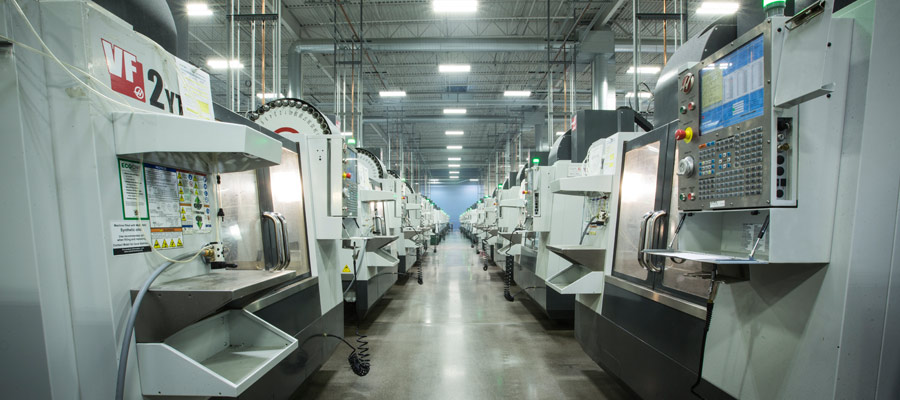
Advanced Machining Capabilities for Mild Steel Bar Components
Wuxi Lead Precision Machinery delivers high-precision manufacturing solutions for mild steel bar stock, leveraging state-of-the-art 5-axis CNC machining centers to produce complex, mission-critical components for aerospace, automotive, energy, and industrial equipment sectors. Our technical expertise ensures consistent quality, tight tolerances, and superior surface finishes, meeting the most demanding engineering specifications.
Our 5-axis CNC machining platforms provide unparalleled flexibility in contouring and multi-faceted part production. Unlike conventional 3-axis systems, 5-axis technology enables simultaneous movement across five planes, allowing for intricate geometries, undercuts, and compound angles to be machined in a single setup. This reduces cumulative error, improves dimensional accuracy, and significantly shortens lead times. We work with a range of mild steel grades, including Q235, Q345, and ASTM A36, tailoring machining parameters to optimize tool life, surface integrity, and structural performance.
All mild steel bar components undergo rigorous quality control protocols, starting from raw material verification through final inspection. Our metrology lab is equipped with high-accuracy Coordinate Measuring Machines (CMM) that validate critical dimensions, geometric tolerances, and positional accuracy to ISO 10360 standards. Each inspection report is traceable and provided with the shipment, ensuring full compliance with customer engineering drawings and industry regulations.
We maintain strict environmental and process controls to minimize thermal deformation and vibration during machining. In-process gauging and tool wear compensation systems ensure consistency across production runs, whether for prototypes or high-volume batches. Surface finishes down to Ra 0.8 µm are routinely achieved, with optional post-processing such as deburring, passivation, or protective coating available upon request.
Our engineering team collaborates directly with clients during the Design for Manufacturability (DFM) phase, offering technical input to optimize part geometry, reduce assembly steps, and lower total production cost—without compromising performance or reliability.
Machining Specifications for Mild Steel Bar
| Parameter | Capability |
|---|---|
| Material Types | Q235, Q345, ASTM A36, and custom equivalents |
| Maximum Work Envelope | 1200 mm × 800 mm × 750 mm |
| Axis Configuration | 5-axis simultaneous machining |
| Positional Tolerance | ±0.005 mm |
| Geometric Tolerance (GD&T) | ±0.01 mm (per ISO 1101) |
| Surface Roughness (Ra) | As low as 0.8 µm (machined) |
| Minimum Feature Size | 0.5 mm radius (using micro-tooling) |
| Inspection Equipment | Zeiss CONTURA CMM, 3D scanning probe |
| Quality Standards | ISO 9001:2015, PPAP, FAIR reports |
Wuxi Lead Precision Machinery combines advanced technology with disciplined process control to deliver precision-engineered mild steel components that meet the highest standards of performance and reliability.
Material & Finish Options
Material Selection for Precision CNC Components
Selecting the optimal material is foundational to achieving performance, cost efficiency, and longevity in custom metal manufacturing. At Wuxi Lead Precision Machinery, we prioritize technical alignment between material properties, application demands, and finishing requirements. This section clarifies critical distinctions among aluminum, mild steel, and titanium—focusing on real-world manufacturability and lifecycle value. Misalignment here risks dimensional instability, accelerated wear, or unnecessary expenditure, even with flawless CNC execution.
Material Properties Comparison
| Material | Density (g/cm³) | Tensile Strength (MPa) | Corrosion Resistance | Machinability Rating |
|---|---|---|---|---|
| Aluminum | 2.7 | 110–570 | Moderate to High | Excellent (A9) |
| Mild Steel | 7.85 | 370–500 | Low | Good (B) |
| Titanium | 4.5 | 900–1,200 | Exceptional | Fair (C) |
Aluminum excels in weight-sensitive applications like aerospace brackets or heat sinks, offering high strength-to-weight ratios and seamless compatibility with anodizing. Type 6061-T6 is our most requested grade for its balance of weldability, corrosion resistance, and machinability. Anodizing (Type II or III) is exclusively viable for aluminum—it creates a durable, non-conductive oxide layer enhancing wear resistance and enabling color coding. Attempting anodizing on steel or titanium is technically unfeasible and will damage parts.
Mild steel (A36 or 1018) remains indispensable for structural components, jigs, and fixtures where rigidity and cost control are paramount. Its lower corrosion resistance necessitates alternative finishes: zinc plating for moderate environments or powder coating for outdoor exposure. Crucially, mild steel’s thermal conductivity and chip-breaking behavior during CNC milling reduce tool wear versus titanium, lowering per-part costs for high-volume runs. We rigorously verify material certifications to prevent sulfur-induced brittleness in welded assemblies.
Titanium (Grade 5 Ti-6Al-4V) is reserved for extreme conditions—medical implants, marine hardware, or jet engine parts—where its strength-to-weight ratio and bio-inertness justify 3–5x the cost of steel. However, its low thermal conductivity demands specialized toolpaths and cooling strategies to prevent work hardening. Titanium cannot be anodized; instead, we apply passivation or plasma electrolytic oxidation for surface enhancement.
Wuxi Lead integrates material science with process engineering. We analyze load cycles, environmental exposure, and tolerance stacks to recommend not just a material, but the optimal grade and finish. For instance, pairing 304 stainless steel with electropolishing often outperforms anodized aluminum in high-salinity food processing equipment. All materials undergo pre-machining hardness testing and post-finish adhesion validation per ASTM standards. Partner with us to transform material selection from a cost factor into a strategic advantage—ensuring your components perform reliably while minimizing total ownership costs.
Manufacturing Process & QC
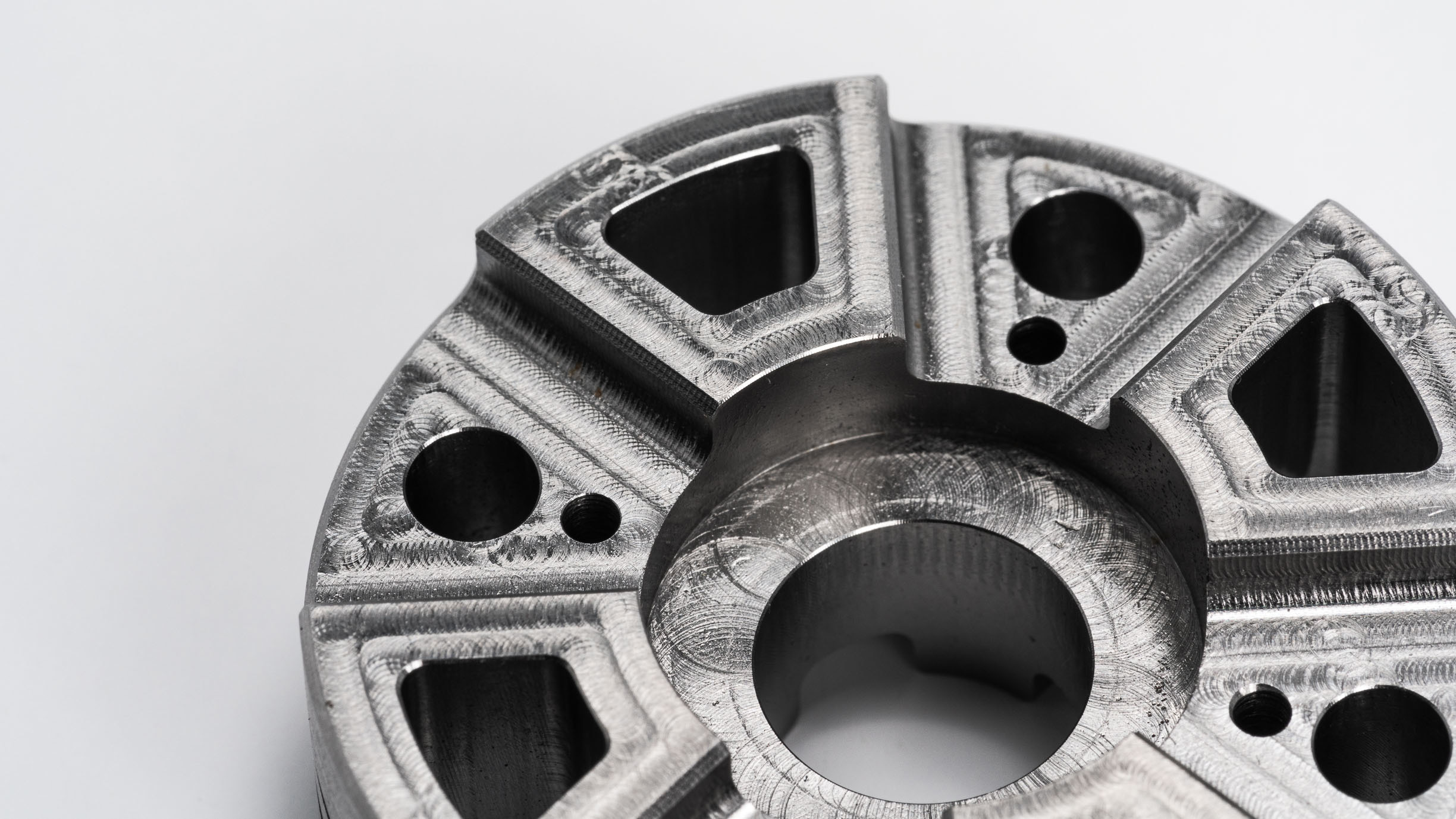
Design Phase: Precision Engineering at the Foundation
The production process for high-quality mild steel bar components begins with meticulous design engineering. At Wuxi Lead Precision Machinery, we initiate every project with a comprehensive review of client specifications, including dimensional requirements, load conditions, environmental exposure, and intended application. Utilizing advanced CAD software such as SolidWorks and AutoCAD, our engineering team develops 3D models and 2D technical drawings that define every geometric and tolerance parameter. Finite Element Analysis (FEA) is applied where necessary to simulate stress, deformation, and fatigue life, ensuring structural integrity under operational conditions. All designs adhere to international standards including ISO 2768 for general tolerances and ASTM A36 for mild steel material properties. Client feedback is integrated iteratively until final design approval is secured, forming the baseline for prototyping.
Prototyping: Validating Functionality and Fit
Once the design is locked, we move to the prototyping stage—a critical checkpoint for verifying manufacturability and performance. Using CNC turning and milling centers, we fabricate one or more prototype units from commercial-grade mild steel bars (typically ASTM A36 or Q235). These units undergo rigorous in-house inspection using coordinate measuring machines (CMM), surface roughness testers, and optical comparators to confirm dimensional accuracy and surface finish. Functional testing may include load trials, weldability checks, or assembly validation within the client’s larger system. Any deviations are analyzed through root cause assessment, and design or process adjustments are made before progression. This phase minimizes risk in mass production and ensures alignment with zero-defect objectives.
Mass Production: Consistency Through Controlled Processes
With prototype approval, we transition to full-scale production under a documented Quality Management System compliant with ISO 9001:2015. Raw mild steel bars are sourced from certified mills and subjected to incoming material inspection, including chemical composition verification via spectrometry and mechanical testing. Production runs are executed on high-precision CNC lathes and machining centers with automated tool compensation and real-time process monitoring. Each operation follows standardized work instructions, and first-article inspection is conducted on the initial batch. Throughout production, statistical process control (SPC) charts track key dimensions, enabling proactive correction of drifts. Final products undergo 100% visual inspection and sampling-based dimensional verification per ANSI/ASQ Z1.4 standards.
Material and Process Specifications
| Parameter | Specification |
|---|---|
| Material Standard | ASTM A36, Q235, or equivalent |
| Tensile Strength | 400–550 MPa |
| Yield Strength | ≥235 MPa |
| Elongation at Break | ≥20% (in 50 mm) |
| Machining Tolerance | ±0.02 mm (standard), down to ±0.005 mm (tight) |
| Surface Roughness (Ra) | 0.8–3.2 µm, depending on application |
| Inspection Equipment | CMM, micrometers, gauges, optical comparator |
| Quality Standard | ISO 9001:2015, ISO 2768 (machining tolerances) |
| Packaging | Anti-corrosion wrapping, labeled bundles |
This structured pathway—from design to prototyping to mass production—ensures every mild steel bar component meets the highest standards of precision, reliability, and zero-defect performance.
Why Choose Wuxi Lead Precision
Partner with Lead Precision for Uncompromising Mild Steel Bar Manufacturing
In high-stakes industrial applications, the integrity of your mild steel bar components directly impacts product performance, safety, and operational longevity. Generic suppliers often fall short when precision tolerances, material consistency, and rigorous quality assurance are non-negotiable. Wuxi Lead Precision Machinery stands apart as your dedicated engineering partner, transforming standard mild steel bar stock into mission-critical components meeting the most demanding global specifications. With over 15 years of specialized expertise in custom metal manufacturing for aerospace, hydraulics, and heavy machinery sectors, we bridge the gap between raw material and flawless finished part.
Our mastery begins with stringent material verification. We source premium mild steel bars exclusively from certified mills, rigorously testing each batch against ASTM A36, 1018, and 1022 standards before any machining commences. Our integrated CNC turning and milling centers, operating under ISO 9001:2015 certified processes, achieve micron-level precision consistently. Advanced in-process gauging and final CMM inspection ensure every dimension, surface finish, and geometric feature adheres strictly to your engineering drawings. We eliminate guesswork through proactive engineering collaboration, offering Design for Manufacturability (DFM) feedback during prototyping to optimize cost, lead time, and performance from the outset. This commitment to process excellence guarantees components that perform reliably under extreme load, fatigue, and environmental conditions.
Critical mild steel bar machining capabilities and tolerances are summarized below:
| Specification Parameter | Capability Range | Standard Tolerance | Typical Applications |
|---|---|---|---|
| Material Grades | ASTM A36, 1018, 1022, S235JR | Mill Certificate Verified | Structural Frames, Shafts, Pins |
| Diameter Range | Ø3mm to Ø300mm | +0/-0.02mm (Standard) | Hydraulic Rods, Bearing Housings |
| Length Tolerance | Up to 3000mm | ±0.1mm | Actuator Components, Support Beams |
| Geometric Tolerance | Concentricity, Flatness, Perpendicularity | ±0.005mm | Precision Mounting Surfaces |
| Surface Finish | Ra 0.8µm to Ra 6.3µm | As Machined or Ground | Sealing Surfaces, Wear Parts |
| Secondary Operations | Deburring, Heat Treatment, Zinc Plating | Per Customer Spec | Corrosion Resistance, Fatigue Life |
The true value of partnering with Lead Precision lies in mitigating your supply chain risk. We maintain strategic raw material inventory buffers for common mild steel grades, ensuring production continuity despite market volatility. Our technical sales engineers, fluent in both manufacturing processes and engineering requirements, become an extension of your team, providing real-time production updates and rapid resolution of technical queries. This operational transparency, combined with our documented 99.2% on-time delivery rate, provides the stability your production schedule demands.
Do not compromise on the foundational elements of your machinery. Elevate your component quality and supply chain resilience with Wuxi Lead Precision Machinery. Initiate your precision manufacturing partnership today. Contact our engineering sales team directly at [email protected] to discuss your specific mild steel bar application requirements. Provide your part drawings or specifications for a detailed technical review and competitive quotation within 24 business hours. Let us demonstrate how precision engineered mild steel components drive superior performance in your final product. Your next breakthrough begins with the right manufacturing partner.
⚙️ Precision Cost Estimator
Estimate relative manufacturing effort based on tolerance.