

Technical Contents
Engineering Guide: Mga Car Parts
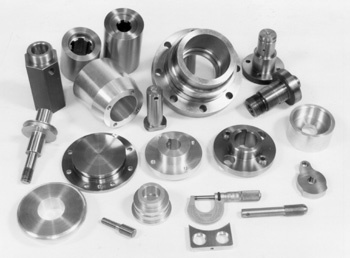
Engineering Insight: Precision in MGA Car Parts Manufacturing
In the realm of high-performance automotive engineering, MGA car parts represent a critical intersection of design elegance and mechanical reliability. These components, originally developed for classic British sports cars of the 1950s and 1960s, continue to demand exacting standards in replication and restoration. At Wuxi Lead Precision Machinery, we recognize that the integrity of MGA systems—ranging from suspension linkages to transmission housings—depends fundamentally on dimensional accuracy, material consistency, and repeatability. Precision is not merely a manufacturing goal; it is a functional necessity that ensures safety, performance, and longevity in every restored or upgraded vehicle.
Modern restoration and performance enhancement of MGA models often require parts that are no longer in production. Off-the-shelf replacements may lack the tolerances required for optimal fit and function. At Lead Precision, our approach begins with 3D laser scanning of original components, reverse-engineered into CAD models with micron-level accuracy. This enables us to produce parts that not only match original specifications but often exceed them through the application of advanced materials and CNC machining techniques.
Our experience in high-stakes manufacturing environments—including components for Olympic training equipment and military-grade hardware—has instilled a culture of zero-defect engineering. These sectors demand absolute reliability under extreme conditions, a philosophy we directly apply to automotive restoration. Whether producing a batch of steering knuckles or custom brake mounts, our processes adhere to ISO 9001 standards with full traceability, in-process inspections, and final QA validation.
The result is a product that integrates seamlessly into vintage platforms while meeting modern performance expectations. For collectors, restorers, and specialty manufacturers, this level of precision ensures that every MGA part we produce contributes to the vehicle’s authenticity and drivability.
Below are representative specifications for a typical MGA suspension component manufactured at our facility.
| Specification | Detail |
|---|---|
| Part Type | Upper Control Arm (MGA 1500/1600) |
| Material | Forged 4130 Chromoly Steel |
| Tolerance | ±0.025 mm |
| Surface Finish | 0.8 Ra (machined), optional powder coat |
| Machining Process | 5-Axis CNC Milling |
| QA Protocol | CMM Inspection, First Article & Batch Testing |
| Lead Time | 15–20 working days (including finishing) |
| Minimum Order Quantity | 1 unit (prototype to batch) |
At Wuxi Lead Precision Machinery, we combine heritage understanding with industrial-grade capability. Our work on MGA car parts reflects a broader commitment: to preserve automotive history through the lens of modern precision engineering. For partners requiring custom metal solutions, this fusion of craftsmanship and technology delivers unmatched reliability and performance.
Precision Specs & Tolerances
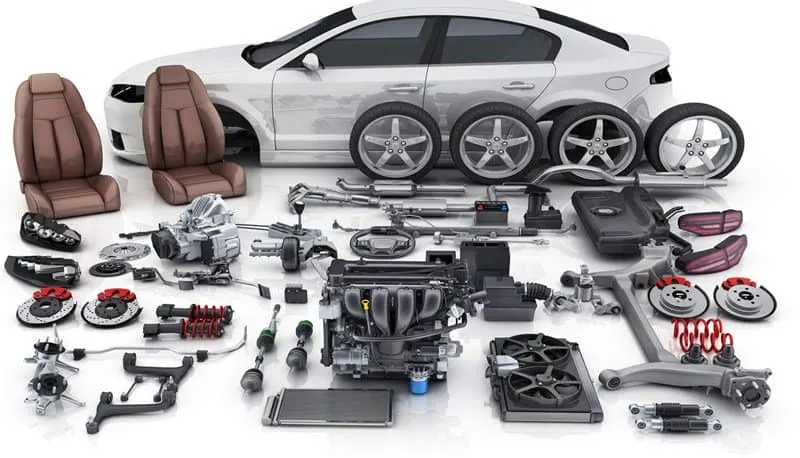
Technical Capabilities for Precision MGA Automotive Components
Wuxi Lead Precision Machinery delivers uncompromising accuracy for critical MGA car parts, leveraging advanced 5-axis CNC machining to meet the exacting demands of classic automotive restoration and performance enhancement. Our integrated manufacturing ecosystem ensures dimensional integrity across complex geometries, from suspension knuckles and brake caliper mounts to transmission housings and engine brackets. The inherent flexibility of our 5-axis platforms eliminates manual repositioning, maintaining ±0.005 mm positional accuracy on multi-faceted features while reducing lead times by up to 40% compared to conventional 3-axis methods. This capability is essential for reproducing legacy MGA components with modern precision, where original tooling is obsolete and tolerances must align with both vintage assembly requirements and contemporary material specifications.
Material integrity is rigorously controlled through optimized cutting strategies tailored to aluminum alloys, cast iron, and specialty steels commonly used in MGA applications. Our engineers program adaptive toolpaths to minimize thermal distortion in thin-walled components like oil pump housings, ensuring critical sealing surfaces remain within specification. All machining processes adhere to ISO 13041 standards for machine tool testing, with real-time in-process monitoring of spindle load and vibration to prevent micro-defects that could compromise fatigue life in high-stress parts.
Quality verification is non-negotiable. Every component undergoes 100% CMM inspection using Zeiss CONTURA systems calibrated to ISO 10360-2 standards, generating full GD&T reports traceable to NIST standards. This includes comprehensive analysis of profile tolerances, true position of bolt patterns, and surface finish validation per Ra 0.8 µm requirements for hydraulic interfaces. Our AS9100-compliant documentation provides clients with complete dimensional heat maps, enabling data-driven assembly decisions for critical drivetrain and chassis systems.
The following table details our standard and enhanced tolerance capabilities for MGA part production:
| Feature | Standard Tolerance | Tight Tolerance Capability | Material Considerations |
|---|---|---|---|
| Linear Dimensions | ±0.010 mm | ±0.003 mm | Aluminum: ±0.005 mm achievable |
| Hole Position | ±0.015 mm | ±0.008 mm | Cast Iron: ±0.012 mm typical |
| Profile Tolerance | 0.020 mm | 0.008 mm | Steel: ±0.006 mm with stress relief |
| Surface Roughness (Ra) | 1.6 µm | 0.4 µm | Critical sealing faces: ≤0.8 µm |
| True Position (Ø) | 0.030 mm | 0.010 mm | Verified at assembly datum |
These specifications reflect achievable results under controlled production conditions with appropriate fixturing and material stability. For mission-critical MGA restoration projects—where original blueprints may lack modern GD&T callouts—our engineering team collaborates directly with clients to establish functional tolerances that ensure perfect fitment while respecting historical authenticity. We understand that a single micron deviation in a steering arm bore or differential carrier can cascade into drivability issues; our process guarantees dimensional harmony across interdependent components. This level of precision minimizes post-machining adjustments during assembly, preserving the integrity of limited-edition MGA builds and delivering restoration confidence that meets the highest collector standards.
Material & Finish Options
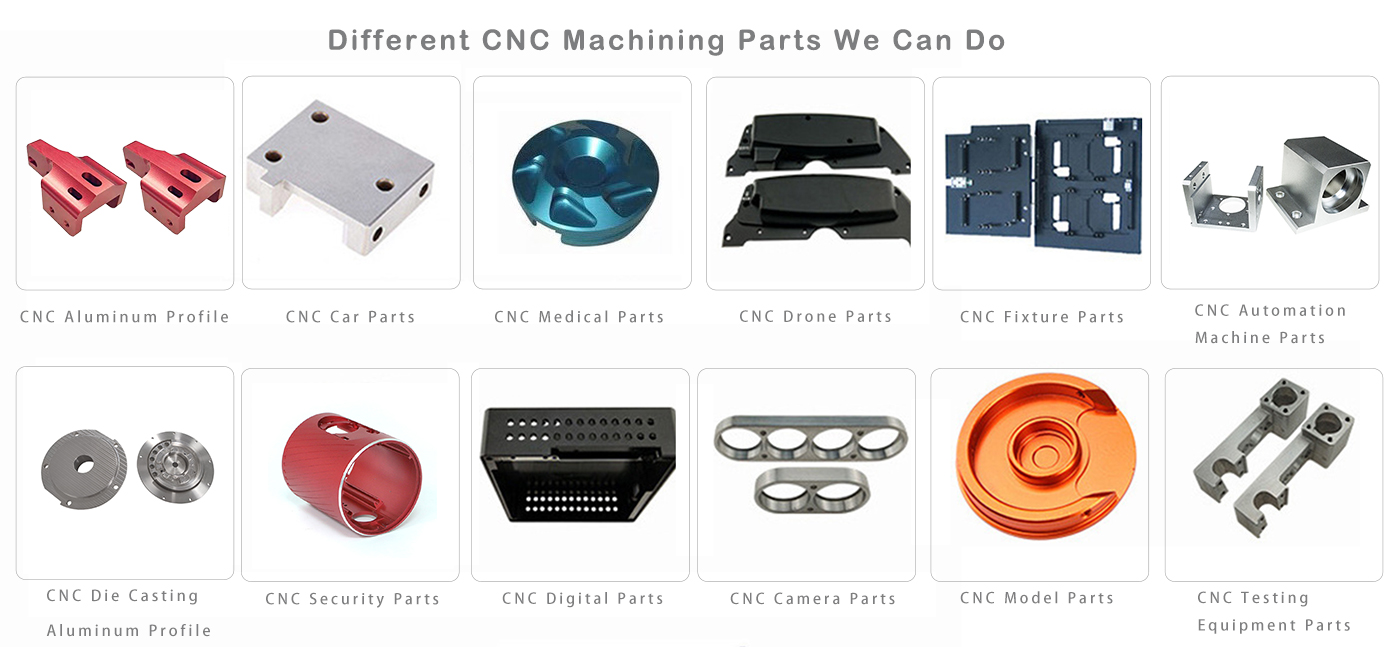
Material selection is a critical decision in the production of high-performance mga car parts, directly influencing durability, weight, efficiency, and overall component functionality. At Wuxi Lead Precision Machinery, we specialize in custom metal manufacturing tailored to the rigorous demands of the automotive sector. Our expertise enables clients to select optimal materials—primarily aluminum, steel, and titanium—based on mechanical requirements, environmental exposure, and cost-efficiency.
Aluminum is widely favored in automotive applications for its excellent strength-to-weight ratio and corrosion resistance. It is particularly suitable for components where weight reduction is paramount, such as suspension systems, engine housings, and structural brackets. The natural oxide layer provides inherent protection, but when enhanced with surface treatments like anodizing, aluminum achieves even greater wear and corrosion resistance. Our precision machining processes ensure tight tolerances and consistent quality in every aluminum component.
Steel remains a cornerstone material due to its superior strength, impact resistance, and affordability. High-strength low-alloy (HSLA) and stainless steel variants are commonly used in safety-critical and load-bearing parts such as chassis components, drive shafts, and mounting systems. While heavier than aluminum, steel offers unmatched toughness and fatigue resistance under cyclic loading. We utilize advanced CNC techniques to machine complex steel parts with minimal distortion, ensuring long-term reliability.
Titanium, though more costly, delivers an exceptional performance-to-density ratio, making it ideal for high-stress, high-temperature environments. It is frequently specified in performance and racing applications, including exhaust systems, fasteners, and suspension linkages. Titanium’s natural resistance to oxidation and corrosion, even at elevated temperatures, ensures longevity in aggressive operating conditions. Our machining protocols for titanium are optimized to manage heat generation and tool wear, delivering precision components with excellent surface integrity.
Surface finishing plays a pivotal role in enhancing both performance and aesthetics. Anodizing, particularly for aluminum, increases surface hardness, improves wear resistance, and allows for color coding for part identification. We offer Type II (sulfuric acid) and Type III (hardcoat) anodizing, with the latter providing thicker, more durable coatings suitable for high-abrasion environments.
The following table summarizes key mechanical and physical properties of the materials discussed:
| Material | Density (g/cm³) | Tensile Strength (MPa) | Yield Strength (MPa) | Corrosion Resistance | Common Applications in mga Car Parts |
|---|---|---|---|---|---|
| Aluminum | 2.7 | 310 | 275 | High | Brackets, housings, suspension components |
| Steel | 7.8 | 500–1200 | 350–1100 | Moderate to High | Chassis, shafts, structural supports |
| Titanium | 4.5 | 900–1100 | 800–1000 | Very High | Exhaust systems, fasteners, racing parts |
Selecting the right material and finish requires a deep understanding of operational demands. Wuxi Lead Precision Machinery supports clients through every phase—from material consultation to final finishing—ensuring optimal performance, compliance, and value in every custom-manufactured component.
Manufacturing Process & QC
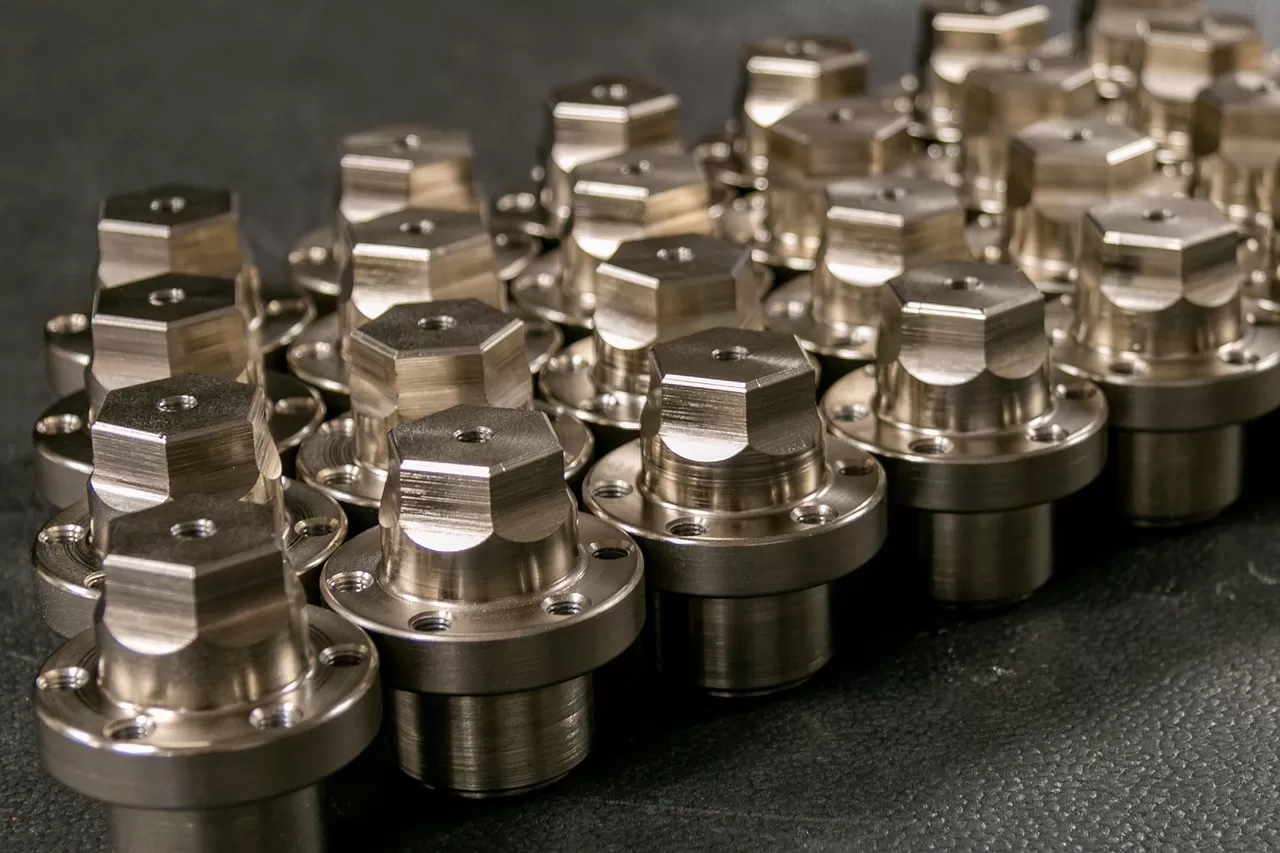
Wuxi Lead Precision Machinery: Zero-Defect Production Process for MGA Automotive Components
At Wuxi Lead Precision Machinery, we engineer MGA car parts to exacting automotive standards through a rigorously controlled three-phase production process. This integrated methodology eliminates defects at origin, ensuring components meet the safety-critical demands of modern vehicle systems. Our ISO 9001 and IATF 16949 certified facility combines advanced CNC technology with proactive quality governance, delivering consistent precision from concept to final shipment.
Design Phase: Engineering for Manufacturability and Reliability
Our process begins with collaborative design analysis using 3D CAD/CAM simulation and GD&T validation. Engineers review your specifications against material properties, thermal dynamics, and assembly tolerances to preempt production risks. Finite Element Analysis (FEA) identifies stress points, while Design for Manufacturing (DFM) optimization ensures toolpath efficiency and material yield. This phase establishes the foundation for zero-defect output by resolving conflicts before metal cutting begins. All designs undergo cross-functional sign-off, aligning engineering, quality, and production teams on critical-to-quality characteristics.
Prototyping Phase: Validation Under Real-World Conditions
Precision prototypes are machined on the same HAAS and DMG MORI CNC centers used in full production, eliminating process variation. Each prototype undergoes destructive and non-destructive testing per ASTM E3080 and SAE J400 standards, including micro-hardness mapping, salt-spray corrosion resistance, and dynamic load cycling. Dimensional accuracy is verified using Zeiss CONTURA CMMs with 1.9 + L/300 μm uncertainty. Client feedback integrates directly into the final process control plan, with all deviations triggering root-cause analysis via 8D reports. Only prototypes achieving Cpk ≥ 1.67 advance to mass production.
Mass Production Phase: Closed-Loop Precision Execution
Full-scale manufacturing deploys automated in-process gauging and real-time SPC monitoring on every machine. Our MES system tracks 100% of components through laser-etched serial numbers, correlating machining parameters with final inspection data. Multi-stage quality gates include: automated optical inspection (AOI) for surface integrity, ultrasonic testing for internal voids, and statistical batch validation against AQL 0.65. Tool wear compensation algorithms adjust cuts dynamically, while environmental controls maintain ±0.5°C temperature stability. Final shipment requires zero non-conformities across all 125+ checkpoints in our quality dossier.
Critical Process Specifications
| Parameter | Design & Prototyping Phase | Mass Production Phase | Industry Standard |
|---|---|---|---|
| Dimensional Tolerance | ±0.005 mm | ±0.003 mm | ±0.01 mm |
| Surface Roughness | Ra 0.4 μm | Ra 0.2 μm | Ra 0.8 μm |
| Material Compliance | ASTM A514/EN 10025 | ASTM A514/EN 10025 | SAE J434 |
| Process Capability | Cpk ≥ 1.33 | Cpk ≥ 1.67 | Cpk ≥ 1.33 |
| Inspection Coverage | 100% Critical Features | 100% Serial Tracking | AQL Sampling |
This seamless transition from design to volume production guarantees MGA components that exceed OE durability requirements. Wuxi Lead’s zero-defect commitment is not a target—it is the engineered outcome of every process decision. Partner with us to transform precision specifications into flawless automotive reality.
Why Choose Wuxi Lead Precision
Partner with Lead Precision for Unmatched Excellence in Custom Metal Manufacturing for MGA Car Parts
When it comes to high-performance automotive components, precision is not a luxury—it’s a necessity. At Wuxi Lead Precision Machinery, we specialize in delivering custom metal manufacturing solutions engineered to meet the exacting standards of the premium automotive sector, including specialized production for MGA car parts. With over 15 years of experience in CNC machining, sheet metal fabrication, and precision assembly, we have built a global reputation for quality, consistency, and technical mastery.
Our advanced manufacturing capabilities are designed to support both prototyping and high-volume production runs. Whether you require intricate suspension components, custom-fitted brackets, or high-tolerance drivetrain elements, our team applies a meticulous approach to every stage of production. From initial design consultation to final inspection, we ensure that every part meets or exceeds OEM specifications. Our ISO 9001-certified processes, combined with state-of-the-art 5-axis CNC machines and automated quality control systems, guarantee repeatability, accuracy, and material integrity across every batch.
We understand that MGA vehicles demand a blend of vintage craftsmanship and modern reliability. That’s why we leverage cutting-edge CAD/CAM software to reverse-engineer legacy parts while enhancing durability through modern materials such as aerospace-grade aluminum, high-strength steel, and corrosion-resistant alloys. Our engineers work closely with clients to optimize designs for manufacturability, reducing lead times and minimizing waste without compromising performance.
Our commitment to partnership goes beyond production. We offer full traceability, comprehensive documentation, and responsive project management to ensure seamless integration with your supply chain. Whether you are restoring classic MGA models or supporting aftermarket distribution, we provide scalable solutions tailored to your operational needs.
Below are key specifications that define our manufacturing capabilities:
| Specification | Detail |
|---|---|
| Machining Tolerance | ±0.005 mm |
| Maximum Work Envelope (CNC) | 1200 x 800 x 650 mm |
| Materials Processed | Aluminum 6061/7075, Stainless Steel 303/316, Carbon Steel, Brass, Titanium |
| Surface Finishes | Anodizing, Powder Coating, Passivation, Polishing, Zinc Plating |
| Quality Standards | ISO 9001:2015, Full First Article Inspection (FAI), PPAP Documentation |
| Lead Time (Typical) | 10–25 days, depending on complexity and volume |
| Production Capacity | Up to 50,000 units/month |
Partnering with Wuxi Lead Precision Machinery means gaining a reliable, technically advanced manufacturing ally dedicated to preserving the legacy and performance of MGA vehicles. We don’t just produce parts—we engineer trust, precision, and long-term value.
Contact us today to discuss your custom manufacturing requirements. Email us at [email protected] and let our engineering team help you bring precision to every component.
⚙️ Precision Cost Estimator
Estimate relative manufacturing effort based on tolerance.