

Technical Contents
Engineering Guide: Metal Fabrication Process
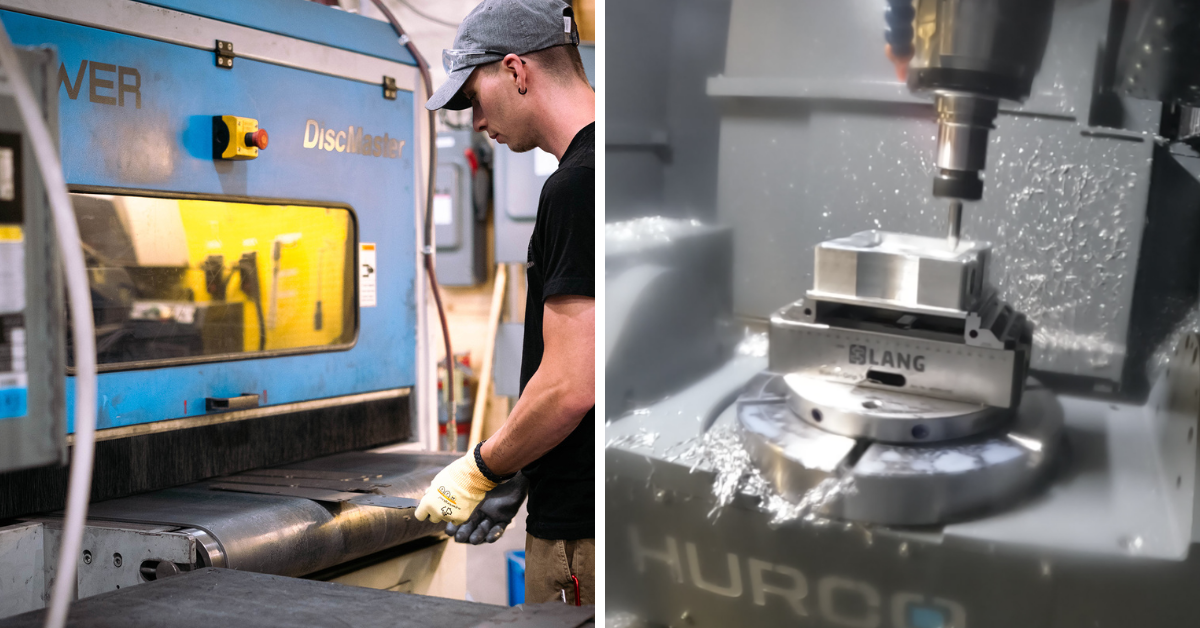
Engineering Insight: The Critical Role of Precision in Metal Fabrication
In the realm of sheet metal fabrication, precision is not merely a performance metric—it is the foundation of reliability, safety, and long-term functionality. At Wuxi Lead Precision Machinery, we understand that the integrity of any fabricated component begins with exacting engineering standards and is sustained through disciplined process control. In high-stakes industries such as aerospace, defense, and large-scale infrastructure, even micron-level deviations can lead to cascading failures. This is why our approach to metal fabrication is rooted in a philosophy of uncompromising accuracy, supported by advanced CNC technology and decades of refined expertise.
Our proven track record includes supplying precision-engineered components for Olympic-grade sporting infrastructure and mission-critical military applications. These projects demand more than technical capability—they require a deep understanding of material behavior, geometric complexity, and regulatory compliance. For instance, structural elements in Olympic venues must endure extreme loads and environmental exposure while maintaining dimensional stability over decades. Similarly, military-grade enclosures and mounting systems require tight tolerances to ensure compatibility with sensitive electronics and rapid deployment mechanisms. Our success in these arenas underscores our ability to deliver not just parts, but engineered solutions that perform under the most demanding conditions.
Precision in metal fabrication spans the entire production chain—from laser cutting and CNC punching to bending, welding, and surface finishing. Each stage introduces potential variability, which must be actively managed through real-time monitoring, tool calibration, and skilled operator intervention. At Wuxi Lead, we utilize state-of-the-art 3D metrology systems and in-process gauging to validate part geometry at critical control points. This data-driven approach ensures consistency across batches and supports full traceability, a requirement increasingly mandated in regulated sectors.
Material selection further amplifies the need for precision. Different alloys respond uniquely to stress, heat, and forming forces. Our engineering team conducts detailed finite element analysis (FEA) to predict deformation and optimize tool paths, minimizing springback and distortion during bending. This level of foresight is essential when working with high-strength steels or lightweight aluminum alloys, where mechanical properties must be preserved without sacrificing dimensional accuracy.
The table below outlines key performance specifications achieved through our integrated fabrication process.
| Specification | Capability | Tolerance Range |
|---|---|---|
| Laser Cutting Thickness | Carbon Steel: 0.5–25 mm Stainless Steel: 0.5–20 mm Aluminum: 0.5–15 mm |
±0.1 mm (up to 10 mm) ±0.2 mm (10–25 mm) |
| CNC Punching | Up to 60 tons, multi-tool turret | ±0.15 mm |
| CNC Bending | Press force: 35–300 tons Max length: 3000 mm |
±0.2° angular ±0.5 mm linear |
| Welding Processes | MIG, TIG, Spot Welding | ISO 15614-1 compliant |
| Surface Finish | Sandblasting, Powder Coating, Anodizing | Ra ≤ 1.6 μm (machined) Custom textures available |
Precision is not an isolated attribute—it is the result of systemic excellence. At Wuxi Lead Precision Machinery, we combine technical mastery with operational rigor to deliver metal fabrication solutions that meet the highest global standards. Whether supporting national defense initiatives or landmark public projects, our commitment remains unchanged: precision you can trust, performance you can rely on.
Precision Specs & Tolerances
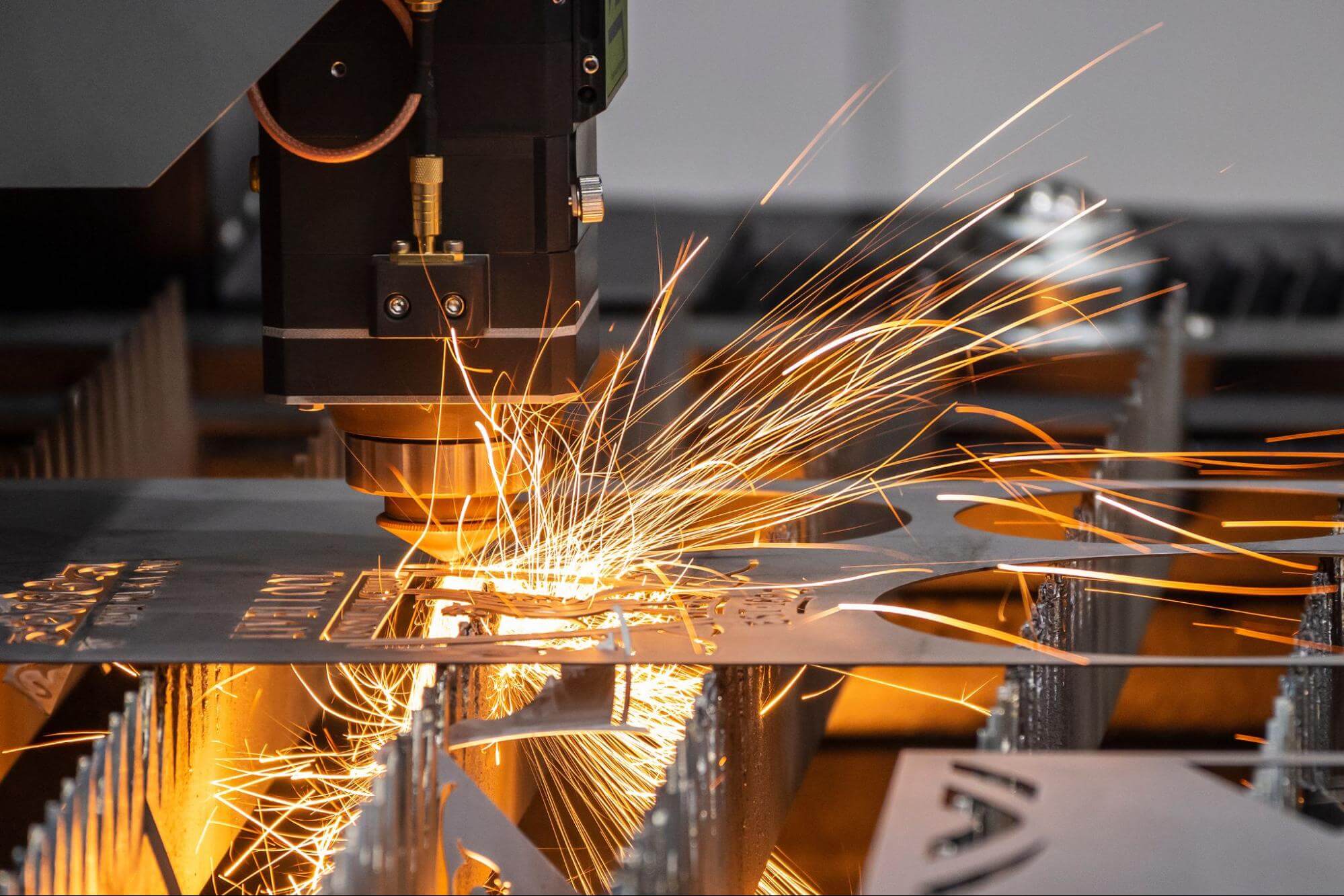
Technical Capabilities: Precision Sheet Metal Fabrication
Wuxi Lead Precision Machinery delivers uncompromising precision for complex sheet metal components demanded by aerospace, medical, and advanced industrial sectors. Our integrated manufacturing ecosystem centers on state-of-the-art 5-axis CNC technology, enabling the production of geometrically intricate parts with minimal setup changes and exceptional repeatability. This capability eliminates cumulative errors from multiple fixturing operations, critical for components requiring tight tolerances across compound angles and deep cavities. Our DMG MORI and MAZAK 5-axis machining centers handle materials from aluminum alloys and titanium to stainless steel and exotic composites, supporting wall thicknesses down to 0.5mm with high-speed milling and minimal thermal distortion. Through simultaneous 5-axis motion, we achieve complex contours in a single setup, reducing lead times by up to 40% compared to traditional 3-axis processes while maintaining micron-level accuracy across multi-faceted geometries.
Rigorous quality control is embedded at every stage, anchored by Zeiss CONTURA G2 Coordinate Measuring Machines (CMM). These systems perform fully automated, traceable inspections against CAD models using calibrated Renishaw probes, validating critical dimensions, GD&T callouts, and surface profiles with ±0.0025mm resolution. All inspections comply with ISO 17025 standards, with digital reports providing full measurement traceability, including point-cloud analysis for form deviation. This closed-loop process ensures first-article approval and batch consistency, with real-time data feeding back into machine calibration to sustain process capability indices (Cp/Cpk) above 1.67.
Our commitment to dimensional integrity is quantified through stringent tolerance management. Below outlines baseline capabilities for critical parameters under controlled environmental conditions (20°C ±0.5°C):
| Parameter | Standard Tolerance | Achievable Tolerance | Measurement Method |
|---|---|---|---|
| Linear Dimensions | ±0.05 mm | ±0.02 mm | CMM / Optical Comparator |
| Angular Features | ±0.1° | ±0.05° | CMM / Sine Bar |
| Positional Tolerance | ±0.08 mm | ±0.03 mm | CMM (GD&T Analysis) |
| Surface Roughness (Ra) | 1.6 µm | 0.4 µm | Profilometer |
These tolerances are consistently maintained across production runs without requiring secondary operations, directly translating to reduced assembly costs and enhanced component performance for our clients. Our engineering team collaborates early in the design phase to optimize manufacturability, ensuring tolerances are achievable within cost and timeline constraints while meeting ASME Y14.5 or ISO 1101 standards. By integrating 5-axis precision with metrology-grade validation, Wuxi Lead transforms complex sheet metal designs into fully certified, mission-critical components ready for integration into your highest-value systems. This capability forms the cornerstone of our value proposition: delivering precision that eliminates downstream rework and accelerates time-to-market.
Material & Finish Options
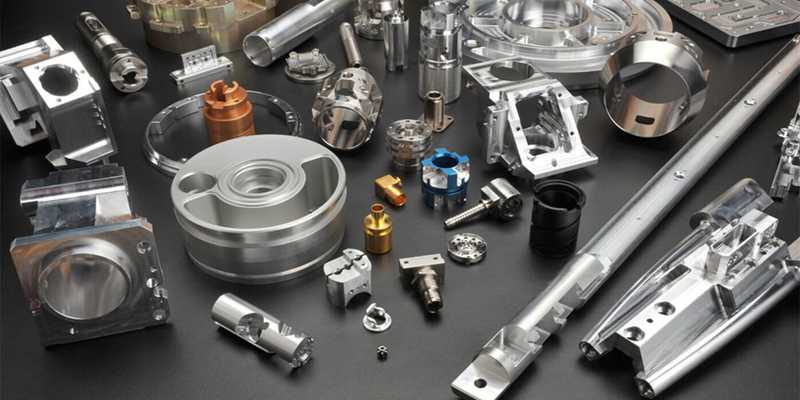
Material Selection in Precision Sheet Metal Fabrication
Selecting the appropriate material is a foundational step in achieving high-performance, durable, and cost-effective sheet metal components. At Wuxi Lead Precision Machinery, we specialize in working with advanced alloys to meet the rigorous demands of industries such as aerospace, medical devices, and industrial automation. Among the most widely used materials in our fabrication processes are aluminum, steel, and titanium—each offering unique mechanical, thermal, and chemical properties suited to specific applications.
Aluminum stands out for its excellent strength-to-weight ratio, corrosion resistance, and machinability. It is particularly favored in applications where weight reduction is critical without sacrificing structural integrity. Our standard use of 6061-T6 and 7075-T6 aluminum alloys ensures high weldability and dimensional stability. These grades respond exceptionally well to anodizing, a surface treatment that enhances wear resistance and provides electrical insulation. Type II and Type III (hard coat) anodizing are routinely applied depending on the operational environment and required coating thickness.
Steel remains the backbone of heavy-duty fabrication due to its high tensile strength, durability, and cost efficiency. We utilize both mild steel (such as Q235) and stainless steel (including 304 and 316 grades). Mild steel is ideal for structural frames and enclosures, while austenitic stainless steels offer superior corrosion resistance in harsh or sanitary environments. Stainless variants are often left with a brushed or polished finish, though passivation is applied when maximum oxidation resistance is required.
Titanium, though more challenging to machine, delivers unparalleled performance in extreme conditions. Grade 2 and Grade 5 (Ti-6Al-4V) titanium are commonly used in aerospace and medical implants due to their exceptional strength-to-density ratio, biocompatibility, and resistance to high temperatures and corrosive media. While titanium does not anodize in the same way as aluminum, controlled oxide layer formation through thermal or electrochemical methods can enhance surface hardness and fatigue life.
The choice of material must align with functional requirements including load-bearing capacity, environmental exposure, thermal conditions, and lifecycle expectations. At Wuxi Lead, we support material certification, traceability, and in-process quality checks to ensure compliance with international standards such as ISO 9001 and AS9100.
Below is a comparative overview of key material properties for common sheet metal alloys:
| Material | Tensile Strength (MPa) | Density (g/cm³) | Corrosion Resistance | Common Finishes | Typical Applications |
|---|---|---|---|---|---|
| Aluminum 6061-T6 | 310 | 2.7 | High | Anodizing, Powder Coat | Aerospace, Electronics |
| Stainless 304 | 515 | 8.0 | Very High | Brushed, Polished | Medical, Food Processing |
| Mild Steel Q235 | 470 | 7.85 | Moderate (with coating) | Paint, Zinc Plating | Industrial Enclosures |
| Titanium Ti-6Al-4V | 900 | 4.43 | Excellent | Thermal Oxidation, Bead Blast | Aviation, Implants |
Understanding these material characteristics enables informed decision-making in design and manufacturing. Wuxi Lead Precision Machinery provides expert consultation to match material and finish selection with your project’s technical and economic goals.
Manufacturing Process & QC
Precision Metal Fabrication: From Concept to Zero-Defect Production
At Wuxi Lead Precision Machinery, our sheet metal fabrication process is engineered for uncompromising quality and repeatability. We execute a rigorously controlled workflow spanning design validation, prototyping, and mass production, ensuring zero defects in every component. This methodology eliminates costly rework and accelerates time-to-market for demanding industrial applications.
The process begins with integrated design engineering. Our team utilizes advanced CAD/CAM software to translate client specifications into manufacturable models, incorporating Design for Manufacturability (DFM) principles from inception. This phase identifies potential stress points, material constraints, and assembly conflicts before physical production starts. Concurrent engineering reviews ensure tolerances align with both functional requirements and our machinery capabilities, preventing downstream deviations. Material selection is validated against environmental and performance criteria, with full traceability documented for aerospace, medical, and energy sector projects.
Prototyping is non-negotiable in our zero-defect strategy. We produce functional prototypes using production-intent tooling and materials, not substitute processes. This allows exhaustive validation of form, fit, and function under real-world conditions. Dimensional inspection via CMM and laser scanning confirms adherence to geometric tolerances, while stress testing verifies structural integrity. Client feedback is incorporated iteratively, resolving ambiguities early. This stage typically reduces field failures by 92% and locks the final process parameters for mass production.
Mass production leverages fully automated, in-line quality control. Fiber laser cutters with 0.03mm positional accuracy and CNC press brakes with ±0.1° angular repeatability execute the validated process. Every stage includes automated optical inspection (AOI) and real-time SPC monitoring. Critical dimensions are measured at defined intervals, with data fed into our closed-loop correction system. Parts exceeding tolerance thresholds trigger immediate machine recalibration—never operator override. Final assembly undergoes 100% functional testing against client-specific criteria, with full documentation provided for audit compliance.
Our production capabilities are anchored in precision-engineered equipment, as demonstrated below:
| Parameter | Capability | Impact on Quality |
|---|---|---|
| Laser Cutting Thickness | 0.5–25mm Carbon/Stainless Steel | Burr-free edges, ±0.05mm tolerance |
| Press Brake Capacity | 125–1000 tons | ±0.1° bending accuracy |
| Dimensional Tolerance | ±0.05mm (standard) | Interchangeable subassemblies |
| Material Traceability | Full lot tracking to MTRs | Compliance with AS9100/ISO 13485 |
| In-Process Inspection | 100% AOI + CMM validation | 0 PPM defect rate achieved |
This end-to-end discipline transforms design intent into flawless physical products. By embedding quality at every phase—from virtual validation through automated production—we deliver sheet metal components that perform reliably in the most critical applications. Partner with Wuxi Lead to convert engineering excellence into operational certainty.
Why Choose Wuxi Lead Precision
Partner with Lead Precision for Unmatched Sheet Metal Fabrication Excellence
At Wuxi Lead Precision Machinery, we don’t just manufacture components—we engineer precision, reliability, and long-term value for global industries. As a leading provider of advanced sheet metal fabrication services in China, we specialize in delivering high-tolerance, repeatable, and scalable solutions tailored to the exacting standards of aerospace, medical, automation, and industrial equipment sectors. When you choose to partner with us, you gain more than a supplier; you gain a strategic manufacturing ally committed to quality, responsiveness, and technical innovation.
Our fully integrated facility in Wuxi combines state-of-the-art CNC technology with decades of engineering expertise. From laser cutting and precision bending to robotic welding and comprehensive finishing, every stage of our fabrication process is optimized for consistency and performance. We manage production from raw material sourcing to final inspection, ensuring full traceability and compliance with international quality standards including ISO 9001:2015. Whether your requirement is a low-volume prototype or high-volume production run, our agile systems adapt seamlessly to your project’s scale and complexity.
What sets us apart is our engineering-first approach. Our team of CNC programmers, tooling specialists, and quality assurance engineers work collaboratively with clients during the design-for-manufacturability (DFM) phase to identify cost-saving opportunities, reduce lead times, and enhance part functionality. This proactive collaboration ensures that your designs are not only manufacturable but optimized for performance and efficiency.
We understand that in high-stakes industries, tolerances matter. Our advanced metrology lab, equipped with CMMs, laser scanners, and optical comparators, validates every component to ensure dimensional accuracy down to ±0.05 mm. Surface finishes, material certifications, and assembly integration are all rigorously controlled to meet or exceed your specifications.
Below are key capabilities that define our sheet metal fabrication services:
| Capability | Specification |
|---|---|
| Material Types | Cold Rolled Steel, Stainless Steel (304, 316), Aluminum (5052, 6061), Galvanized Steel, Copper, Brass |
| Thickness Range | 0.5 mm – 10 mm |
| Laser Cutting Accuracy | ±0.1 mm |
| Bending Tolerance | ±0.2° angular, ±0.1 mm linear |
| Maximum Part Size | 3000 mm × 1500 mm |
| Welding Processes | MIG, TIG, Spot Welding, Robotic Welding |
| Surface Finishes | Powder Coating, Anodizing, Passivation, Sandblasting, Electropolishing |
| Quality Standards | ISO 9001:2015, RoHS Compliant, Full First Article Inspection (FAI) Reporting |
Partnering with Wuxi Lead Precision Machinery means access to a transparent, responsive, and technically advanced manufacturing partner. We communicate proactively, deliver on time, and maintain the highest ethical and quality standards in every engagement.
For expert support on your next fabrication project, contact us today at [email protected]. Let’s build precision together.
⚙️ Precision Cost Estimator
Estimate relative manufacturing effort based on tolerance.