

Technical Contents
Engineering Guide: Medical Injection Molding Companies
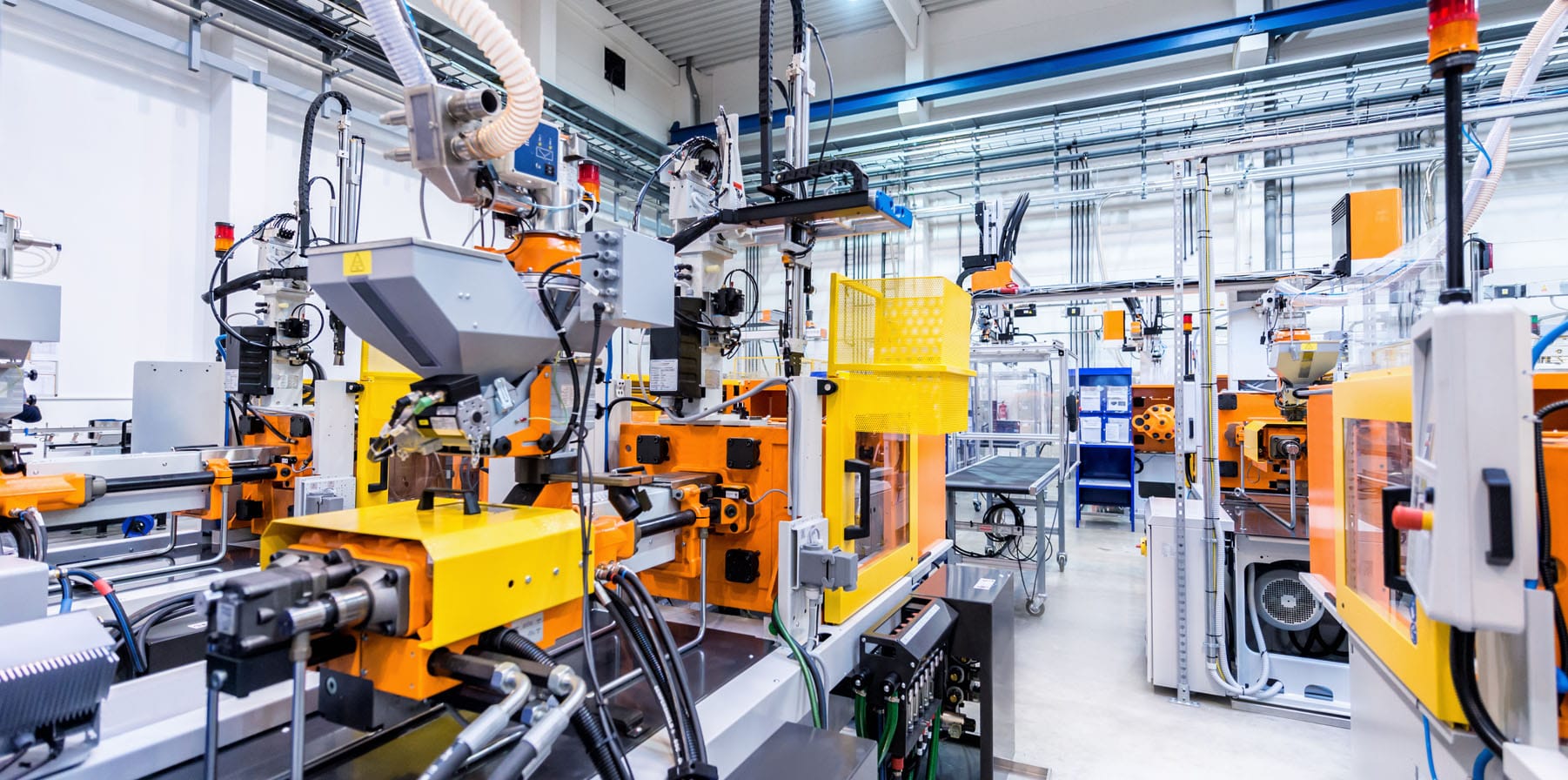
Engineering Insight: Precision as the Non-Negotiable Foundation for Medical Injection Molding
In the realm of medical injection molding, dimensional accuracy and surface integrity are not merely desirable attributes; they are absolute prerequisites for patient safety and device efficacy. Components such as drug delivery mechanisms, surgical instrument housings, and implantable parts demand tolerances often measured in microns. A variance of ±0.005mm can compromise sealing surfaces, alter fluid dynamics within microfluidic channels, or prevent critical assembly interfaces from functioning correctly. This extreme precision originates not in the molding press alone, but fundamentally in the quality and stability of the custom metal mold tooling. Substandard tooling introduces inherent variability, leading to part inconsistency, increased scrap rates, and ultimately, the risk of device failure in critical applications. The medical sector’s stringent regulatory landscape, including ISO 13485 and FDA 21 CFR Part 820, mandates traceable, repeatable manufacturing processes where tooling precision is the bedrock of compliance.
Wuxi Lead Precision Machinery specializes in the custom metal manufacturing of mold bases, cavities, cores, and critical inserts specifically engineered for the unforgiving demands of medical molding. Our core competency lies in transforming complex 3D CAD models into physical tooling components with uncompromising dimensional fidelity and surface perfection. This requires not only advanced multi-axis CNC machining centers but also deep metallurgical understanding and rigorous in-process metrology. The table below outlines key specifications achievable through our integrated manufacturing process, directly addressing the critical needs of medical mold builders:
| Parameter | Typical Medical Requirement | Lead Precision Capability |
|---|---|---|
| Linear Tolerance | ±0.005mm – ±0.01mm | ±0.001mm |
| Geometric Tolerance (GD&T) | IT5 – IT6 | IT4 – IT5 |
| Surface Roughness (Ra) | 0.2µm – 0.8µm | 0.05µm – 0.2µm |
| Material Hardness Range | HRC 48-52 (Pre-hard) | HRC 28-62 (Controlled) |
| Critical Feature Repeatability | < 0.003mm Cpk > 1.67 | < 0.0015mm Cpk > 2.0 |
Our commitment to precision is forged in environments where failure is unacceptable. We have supplied mission-critical components for systems deployed in demanding military applications, where environmental extremes and zero-failure mandates prevail. Similarly, our tooling expertise contributed to timing and measurement systems utilized during Olympic Games events, where split-second accuracy and absolute reliability under global scrutiny are paramount. This heritage instills a culture of meticulous process control, exhaustive validation, and zero-defect mentality directly applicable to medical molding tooling. Every cavity plate, every ejector pin, every cooling channel drilled undergoes stringent inspection protocols using calibrated CMMs and surface profilers, ensuring the final mold delivers the consistent, high-integrity parts medical device manufacturers require. Partnering with a tooling manufacturer possessing this level of precision engineering discipline is not an operational choice; it is a fundamental requirement for success in the high-stakes medical device market.
Precision Specs & Tolerances
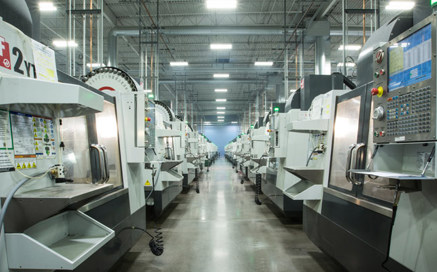
Wuxi Lead Precision Machinery delivers advanced custom metal manufacturing solutions tailored to the stringent demands of medical injection molding companies. Our technical capabilities are built around precision engineering, state-of-the-art equipment, and a quality-first approach that ensures every component meets the exacting standards of the medical device industry. At the core of our machining operations is 5-axis CNC technology, enabling us to produce complex geometries with superior accuracy and surface finish. This level of precision is critical for mold components used in medical applications, where consistency, reliability, and repeatability are non-negotiable.
Our 5-axis CNC machining centers allow simultaneous multi-directional cutting, reducing setup times and minimizing human error. This capability supports the production of intricate mold details such as conformal cooling channels, fine surface textures, and tight-tolerance cavities and cores. By eliminating the need for multiple fixtures, we maintain dimensional integrity across all features, ensuring optimal part performance and extended mold life. Materials commonly processed include hardened steels, stainless steels, aluminum alloys, and specialty tool steels—all machined to meet medical-grade specifications.
Quality control is integrated at every stage of production. All critical components undergo comprehensive inspection using a Coordinate Measuring Machine (CMM), providing traceable, high-resolution verification of geometric dimensions and tolerances. Our CMM system is calibrated to international standards and operated by certified metrology technicians, ensuring data accuracy and compliance with ISO 13093 and other relevant medical manufacturing guidelines. In addition to CMM inspection, we employ surface roughness testers, optical comparators, and hardness testing to validate material and finish properties.
The following table outlines the standard tolerances we consistently achieve across our production runs, reflecting our commitment to precision and repeatability:
| Feature | Standard Tolerance | Capability Range |
|---|---|---|
| Linear Dimensions | ±0.005 mm | Up to ±0.002 mm |
| Positional Tolerance | ±0.010 mm | ±0.005 mm |
| Flatness | 0.010 mm per 100 mm | 0.005 mm per 100 mm |
| Roundness | 0.008 mm | 0.003 mm |
| Surface Roughness (Ra) | 0.8 µm | As low as 0.2 µm |
| Angular Tolerance | ±0.05° | ±0.02° |
These tolerances are routinely maintained across batch productions, supporting high-volume consistency for medical mold manufacturing. Our technical team works closely with clients during the design and prototyping phases to ensure manufacturability, offering Design for Manufacturing (DFM) feedback to optimize performance and reduce lead times. With full in-house control from machining to final inspection, Wuxi Lead Precision Machinery ensures every component is built to perform in the most demanding medical environments.
Material & Finish Options
Material Selection for Medical Injection Molding Components: Precision Engineering for Critical Applications
Material selection is a foundational decision in medical injection molding, directly impacting component performance, regulatory compliance, and patient safety. At Wuxi Lead Precision Machinery, we understand that medical device manufacturers require materials meeting stringent ISO 13485 and FDA standards while delivering exceptional dimensional stability, corrosion resistance, and biocompatibility. Our CNC expertise ensures these materials are machined to the exacting tolerances demanded by surgical instruments, implant housings, and diagnostic equipment. Choosing between Aluminum, Steel, and Titanium involves balancing mechanical properties, manufacturability, and the specific clinical environment.
Aluminum alloys, particularly 6061-T6 and 7075-T6, offer an outstanding strength-to-weight ratio and excellent thermal conductivity. This makes them ideal for lightweight mold frames, non-implantable surgical tool handles, and components requiring rapid heat dissipation during molding cycles. While inherently less corrosion-resistant than steel or titanium, aluminum’s suitability for robust anodizing processes significantly enhances its surface durability and biocompatibility for medical use. Steel, especially corrosion-resistant grades like 17-4 PH stainless steel and S136 tool steel, provides superior hardness, wear resistance, and long-term dimensional stability under high pressure and cyclic loading. These properties are critical for core pins, cavity inserts, and ejector components subjected to abrasive medical-grade polymers and repeated sterilization. Titanium alloys, primarily Ti-6Al-4V (Grade 5), represent the pinnacle for biocompatibility and corrosion resistance in the human body. Essential for permanent or temporary implantable components and instruments directly contacting tissue, titanium’s high strength-to-weight ratio and osseointegration potential are unmatched, though its machining demands advanced CNC capabilities due to low thermal conductivity and work hardening tendencies.
Anodizing is a critical surface treatment for aluminum components in medical applications. Type II (Sulfuric Acid) anodizing provides good corrosion resistance and a base for dyeing, suitable for external housings. Type III (Hardcoat) anodizing creates a much thicker, denser, and harder ceramic layer, essential for parts requiring enhanced wear resistance, superior corrosion protection against sterilants like hydrogen peroxide, and optimal biocompatibility. Precise control of anodizing thickness and sealing is paramount to prevent particle generation and ensure consistent performance.
The following table summarizes key material properties relevant to medical molding applications:
| Material | Key Grades | Tensile Strength (MPa) | Key Medical Advantages | Primary Medical Applications |
|---|---|---|---|---|
| Aluminum | 6061-T6, 7075-T6 | 310, 572 | Lightweight, excellent thermal conductivity, cost-effective, readily anodized | Mold frames, non-implant tool handles, housings |
| Stainless Steel | 17-4 PH, S136 | 1000, 1800 | High hardness, superior wear/corrosion resistance, sterilizable | Core pins, cavity inserts, ejector components |
| Titanium | Ti-6Al-4V | 900 | Exceptional biocompatibility, highest corrosion resistance, osseointegration | Implant components, surgical instruments |
Selecting the optimal material requires deep consideration of the component’s function, sterilization method, and regulatory pathway. Wuxi Lead Precision Machinery leverages decades of CNC machining experience with these critical alloys to guide clients toward the most reliable, compliant, and cost-effective solution. Our engineering team collaborates closely with medical OEMs to ensure material and finish selections align perfectly with application demands and manufacturing feasibility. Consult our experts early in your design phase to maximize performance and streamline regulatory approval.
Manufacturing Process & QC
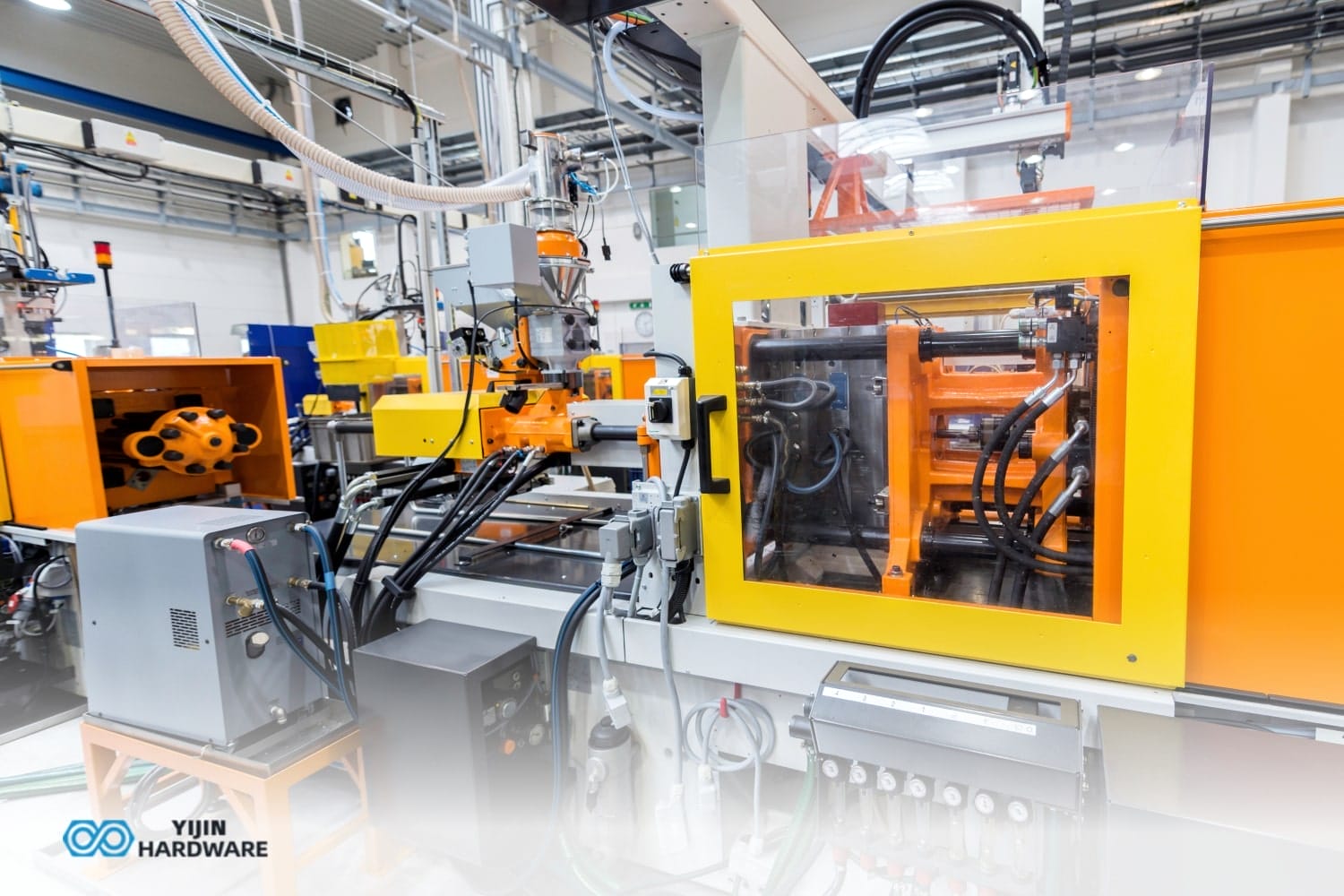
Design: Precision Engineering at the Foundation
The journey of every successful medical injection molding component begins with meticulous design engineering. At Wuxi Lead Precision Machinery, we integrate advanced CAD/CAM software with deep domain expertise in medical-grade materials and regulatory compliance. Our design phase is not merely about geometry—it is a comprehensive analysis of material behavior, thermal dynamics, and structural integrity under real-world clinical conditions. We collaborate closely with medical device OEMs to ensure that every design meets ISO 13485 standards, supports sterilization requirements, and aligns with stringent biocompatibility specifications. Finite Element Analysis (FEA) and mold flow simulations are performed to predict and eliminate potential defects such as warpage, sink marks, or incomplete filling, ensuring optimal manufacturability before any metal is cut.
Prototyping: Validating Performance with Zero Compromise
Once the design is finalized, we proceed to high-precision prototyping using CNC-machined mold inserts and short-run injection trials. This phase is critical for validating form, fit, and function of the component under actual processing conditions. Our prototyping process leverages multi-axis machining centers with micron-level accuracy to produce mold cavities that mirror final production tooling. Each prototype undergoes rigorous metrological inspection using coordinate measuring machines (CMM) and optical profilometry, ensuring dimensional conformity within ±0.002 mm. Functional testing—including burst pressure, leak testing, and assembly validation—is conducted to confirm performance in simulated medical environments. Feedback from this stage is systematically integrated to refine the tool design, ensuring that transition to mass production is seamless and risk-free.
Mass Production: Sustained Excellence Through Process Control
Our mass production phase is engineered for zero-defect output through fully documented and controlled processes. All molding parameters—temperature, pressure, cycle time, and material drying—are monitored in real time using integrated SCADA systems. Each production run is executed on electric injection molding machines with closed-loop control, minimizing variation and ensuring repeatability. In-line vision systems and automated defect detection remove non-conforming parts before they progress downstream. Every batch is traceable through a digital lot-tracking system that records machine settings, operator inputs, and inspection data, supporting full compliance with FDA and EU MDR requirements.
Production Specifications
| Parameter | Specification |
|---|---|
| Dimensional Tolerance | ±0.002 mm |
| Surface Roughness (Ra) | 0.05–0.2 µm (polished cavities) |
| Material Compatibility | PEEK, PSU, PEI, PC, COC, and medical-grade silicones |
| Mold Life | 1,000,000+ cycles (hardened steel inserts) |
| Process Control | SPC, DOE, real-time monitoring |
| Quality Standards | ISO 13485, ISO 9001, FDA 21 CFR Part 820 |
| Cleanroom Molding Available | Class 10,000 (ISO 7) |
Through disciplined execution across design, prototyping, and production, Wuxi Lead ensures that every component meets the uncompromising demands of the medical industry.
Why Choose Wuxi Lead Precision
Elevate Your Medical Injection Molding Precision Through Strategic Partnership
Achieving consistent, regulatory-compliant performance in medical injection molding demands components manufactured to exacting micron-level tolerances. Substandard mold cores, cavities, or precision inserts directly compromise part integrity, sterility, and ultimately, patient safety. Wuxi Lead Precision Machinery exists to eliminate this critical supply chain vulnerability for leading medical device manufacturers. We specialize exclusively in the custom metal manufacturing required for the most demanding medical molding applications, transforming complex engineering specifications into flawless, production-ready components.
Our core competency lies in CNC machining capabilities rigorously calibrated for the medical sector’s non-negotiable standards. We understand that a tolerance deviation of mere microns can render a surgical instrument housing unusable or compromise a drug delivery mechanism. Therefore, every process, from material selection through final inspection, is governed by ISO 13485 protocols and validated methodologies. We utilize advanced multi-axis machining centers operating within temperature-stabilized environments, ensuring micron-level repeatability batch after batch. Our engineers collaborate directly with your design and molding teams from the initial RFQ stage, providing critical manufacturability feedback to optimize tool life, reduce cycle times, and prevent costly downstream failures. This proactive engineering partnership mitigates risk and accelerates your time-to-market for critical medical devices.
The table below details our foundational manufacturing specifications, reflecting the precision threshold required for medical molding excellence:
| Capability Category | Specification | Medical Relevance |
|---|---|---|
| Dimensional Tolerance | ±0.002 mm (0.00008 inch) | Ensures perfect mold alignment, zero flash |
| Surface Finish (Ra) | 0.05 µm to 0.8 µm achievable | Critical for part ejection, aesthetics, sterility |
| Material Expertise | Medical-grade Stainless Steels (316L, 17-4PH), Titanium, Inconel, Tool Steels | Biocompatibility, corrosion resistance, durability |
| Process Certification | ISO 13485:2016, ISO 9001:2015 | Mandatory compliance for medical device supply chains |
| Traceability | Full lot/batch material traceability | Required for FDA submissions and recalls |
Partnering with Lead Precision means integrating a supplier whose quality management system is an extension of your own regulatory obligations. We provide comprehensive first-article inspection reports (FAIRs), detailed material certifications, and full process documentation, streamlining your validation processes. Our dedicated project management ensures transparent communication and on-time delivery, critical for maintaining your production schedules. The cost of mold failure or non-conforming parts in the medical field extends far beyond rework; it impacts patient trust and brand reputation. We safeguard against these risks through uncompromising precision and deep sector understanding.
Do not let suboptimal metal components undermine the performance of your medical injection molding systems. Contact our engineering team today to schedule a technical consultation. Provide your specific requirements, and we will demonstrate how our precision manufacturing capabilities directly enhance your mold performance, part quality, and regulatory compliance. Reach out immediately to initiate the partnership that secures your medical device production excellence.
Email [email protected] for a confidential technical assessment and quotation. Let Lead Precision become your certified source for mission-critical medical molding components.
⚙️ Precision Cost Estimator
Estimate relative manufacturing effort based on tolerance.