

Technical Contents
Engineering Guide: Medical Fabrication
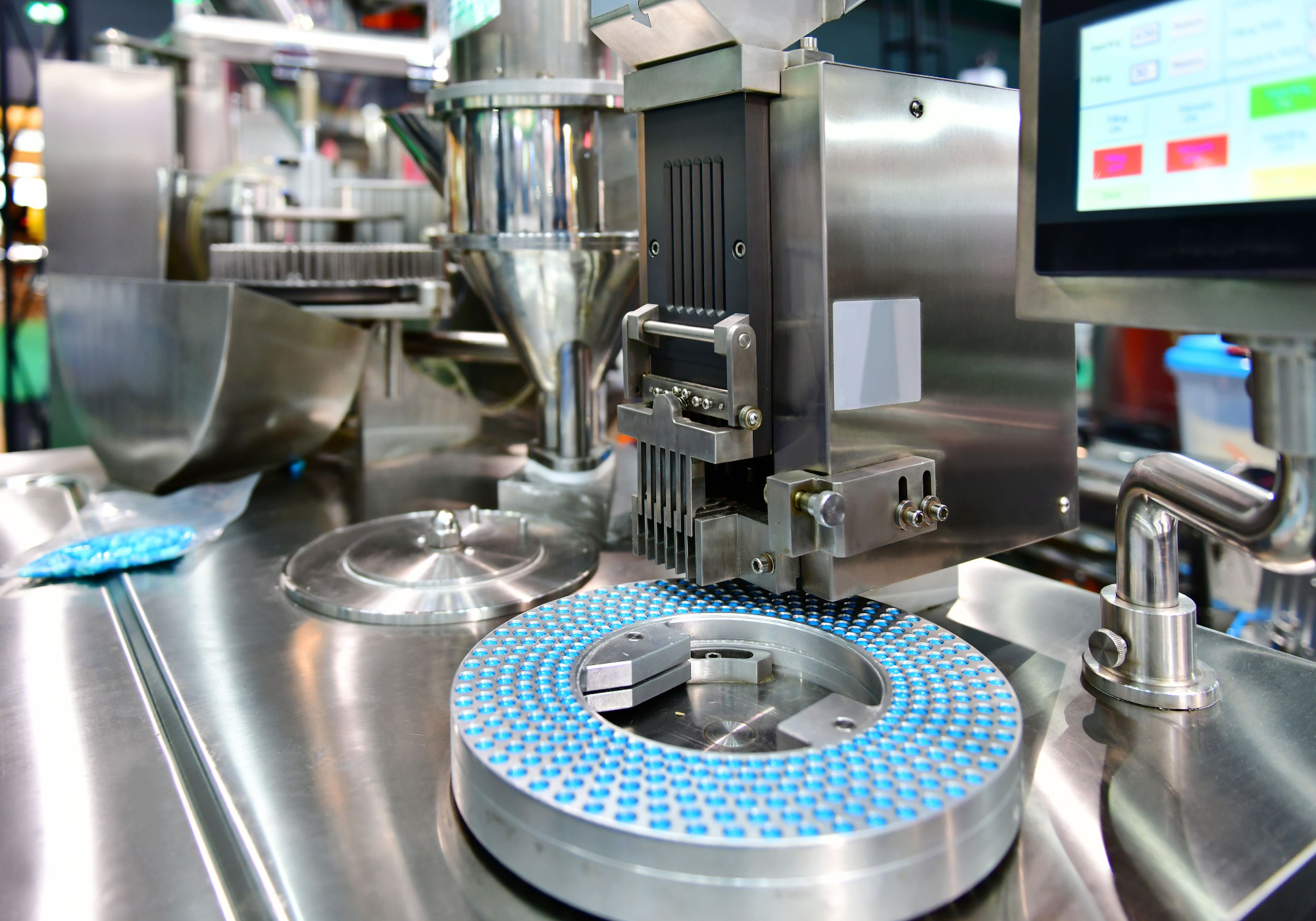
Engineering Insight: Precision in Medical Fabrication
In the field of medical device manufacturing, precision is not merely a performance metric—it is a prerequisite for safety, reliability, and regulatory compliance. At Wuxi Lead Precision Machinery, we understand that the fabrication of medical components operates under a zero-defect mandate. Every cut, bend, and weld must conform to exacting dimensional tolerances, as even micron-level deviations can compromise the functionality of life-critical equipment. This uncompromising standard defines our approach to sheet metal fabrication for the medical industry.
Medical fabrication demands more than advanced machinery; it requires a systems-level commitment to precision engineering. From diagnostic imaging housings to surgical robotics enclosures and patient monitoring systems, the structural components must support electromagnetic shielding, thermal management, and sterility—often simultaneously. These multifunctional requirements are only achievable through tightly controlled fabrication processes, including laser cutting, CNC bending, and automated welding, all executed within ISO-certified environments.
Our expertise in high-precision manufacturing has been validated through mission-critical applications far beyond the medical sector. Wuxi Lead Precision Machinery has contributed components for Olympic-standard equipment, where performance consistency under extreme conditions is non-negotiable. Additionally, our production systems meet military-grade specifications, where durability, repeatability, and traceability are rigorously enforced. These experiences have directly informed our medical fabrication protocols, enabling us to deliver the same level of reliability demanded by defense and elite sports engineering.
We employ state-of-the-art 5-axis laser cutting systems and servo-electric press brakes equipped with real-time feedback loops, ensuring tolerances as tight as ±0.05 mm. Every stage of production is supported by automated optical inspection (AOI) and coordinate measuring machine (CMM) validation, providing full dimensional traceability. Cleanroom assembly options and passivation treatments further ensure biocompatibility and contamination control for sensitive applications.
The table below outlines key performance specifications achieved in our medical fabrication workflows:
| Specification | Capability | Standard Compliance |
|---|---|---|
| Dimensional Tolerance | ±0.05 mm | ISO 2768-m, ISO 1302 |
| Surface Roughness | Ra ≤ 0.8 µm (after finishing) | ASTM B912, ISO 1302 |
| Material Compatibility | 304/316L Stainless Steel, Titanium, Aluminum 6061 | ASTM A240, AMS 4928 |
| Cleanroom Assembly | Class 10,000 (ISO 7) available | ISO 14644-1 |
| Quality Certification | ISO 13485:2016, ISO 9001:2015 | Full documentation traceability |
At Wuxi Lead Precision Machinery, we view medical fabrication as an extension of patient care. Our cross-domain experience in Olympic and military projects has honed a culture of precision that aligns seamlessly with the demands of modern healthcare technology. When performance cannot be compromised, our engineering discipline ensures every component meets the highest standard of integrity.
Precision Specs & Tolerances
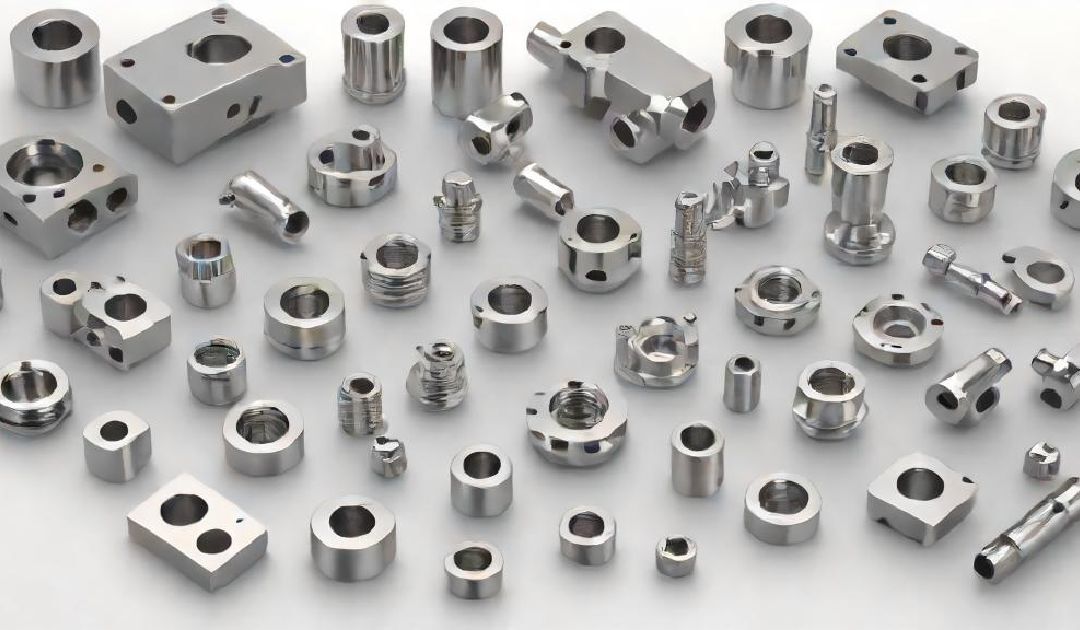
Technical Capabilities: Precision Sheet Metal Fabrication for Medical Applications
Wuxi Lead Precision Machinery delivers mission-critical sheet metal components for the medical device sector, where dimensional accuracy directly impacts patient safety and regulatory compliance. Our facility operates under ISO 13485 standards, ensuring every process—from material sourcing to final inspection—meets stringent biocompatibility and traceability requirements. We specialize in fabricating complex geometries from medical-grade stainless steel (316L, 17-4PH), titanium alloys, and aluminum, all certified for surgical and implantable applications. Rigorous material lot tracking and cleanroom-compatible finishing protocols prevent contamination, addressing the unique demands of sterilization and long-term biostability.
Central to our capability is a dedicated fleet of 5-axis CNC machining centers, eliminating the need for secondary operations and minimizing human handling. These systems perform simultaneous multi-surface milling, drilling, and contouring on thin-gauge sheet metal down to 0.5mm thickness. Complex features such as fluidic channels, micro-threads, and hermetic sealing surfaces are achieved in a single setup, reducing cumulative error and ensuring repeatability. The integration of high-speed spindles (up to 24,000 RPM) and sub-micron linear encoders enables fine surface finishes (Ra ≤ 0.8 µm) critical for reducing bacterial adhesion in surgical instruments and diagnostic equipment housings.
Quality control is non-negotiable in medical fabrication. Every component undergoes 100% inspection via Zeiss CONTURA CMM systems, programmed to ASME Y14.5 GD&T standards. Automated reporting generates full-dimensional datasets traceable to NIST-calibrated references, providing auditable evidence for FDA 21 CFR Part 820 submissions. Statistical process control (SPC) monitors critical features in real time, with automatic machine tool compensation maintaining tolerances across production runs. This closed-loop system ensures zero-defect delivery for life-critical applications such as implantable device frames, MRI component shields, and robotic surgical end-effectors.
Our precision benchmarks for medical sheet metal fabrication are defined below:
| Feature Type | Standard Tolerance | Medical Grade Tolerance |
|---|---|---|
| Flatness (per 100mm) | ±0.05 mm | ±0.01 mm |
| Hole Position | ±0.03 mm | ±0.008 mm |
| Edge Radius | ±0.05 mm | ±0.02 mm |
| Thickness Variation | ±0.03 mm | ±0.01 mm |
| Angularity | ±0.1° | ±0.05° |
Wuxi Lead’s technical infrastructure bridges the gap between conceptual design and regulatory-ready production. By combining 5-axis flexibility with metrology-grade validation, we transform intricate medical blueprints into components that withstand the most demanding clinical environments. Partner with us to mitigate supply chain risk and accelerate time-to-market for next-generation medical devices—where precision isn’t optional, it’s imperative.
Material & Finish Options
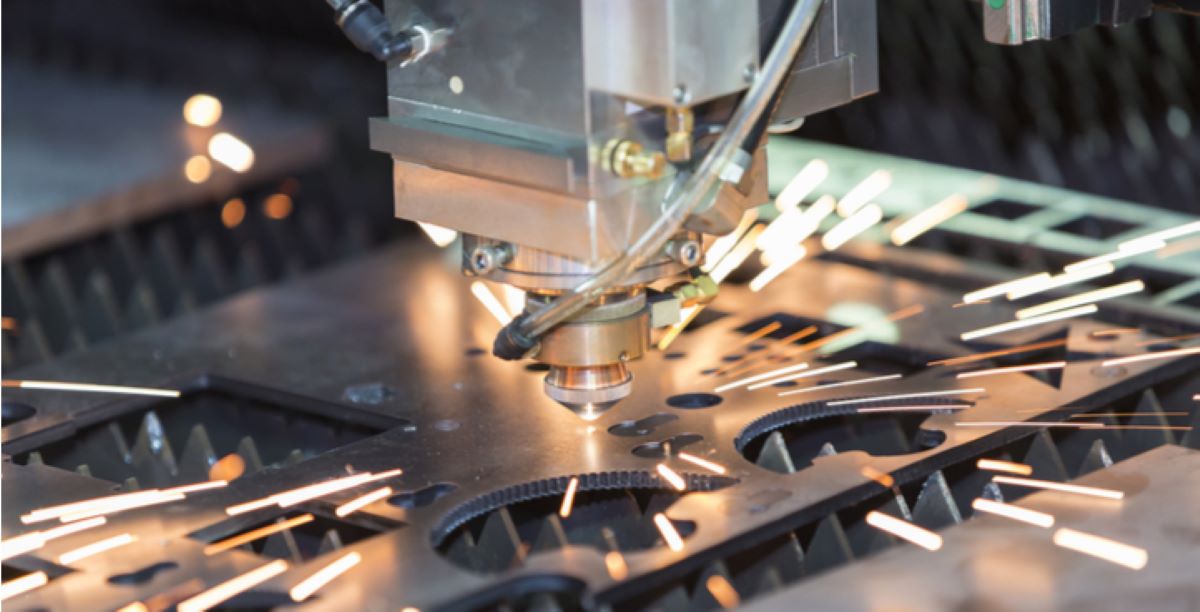
Material selection is a foundational decision in medical sheet metal fabrication, directly influencing device performance, regulatory compliance, biocompatibility, and longevity. At Wuxi Lead Precision Machinery, we prioritize materials that meet the stringent demands of medical environments—corrosion resistance, sterilizability, strength-to-weight ratio, and dimensional stability. Among the most widely used materials in this sector are aluminum, stainless steel, and titanium, each offering distinct advantages depending on the application.
Aluminum is favored for its lightweight properties and excellent thermal and electrical conductivity. It is particularly suitable for portable medical devices and enclosures where weight reduction is critical. The 6061-T6 alloy is commonly specified due to its weldability, machinability, and moderate strength. However, aluminum requires protective surface treatments to enhance wear resistance and prevent oxidation in clinical settings.
Stainless steel, especially grades 304 and 316L, remains the benchmark for medical equipment requiring high corrosion resistance and biocompatibility. Grade 316L, with its molybdenum content, offers superior resistance to chlorides and is often used in surgical instruments and implantable device housings. Its ability to withstand repeated autoclaving cycles makes it ideal for reusable tools exposed to aggressive sterilization protocols.
Titanium, particularly Grade 2 and Grade 5 (Ti-6Al-4V), delivers exceptional strength-to-density ratio and unparalleled biocompatibility. It is routinely used in implantable devices and high-performance surgical components. Titanium naturally forms a passive oxide layer, providing inherent corrosion resistance, though additional surface refinement may be applied for critical applications.
Surface finishing plays a pivotal role in medical fabrication, affecting both functionality and regulatory compliance. Anodizing is a widely adopted electrochemical process for aluminum components. It thickens the natural oxide layer, significantly improving surface hardness, wear resistance, and corrosion protection. Type II (sulfuric acid) and Type III (hardcoat) anodizing are common, with Type III offering superior durability for high-stress applications. Color coding via dye infusion during anodizing also supports medical device usability and workflow efficiency. Importantly, anodized surfaces remain non-toxic and non-reactive, meeting ISO 10993 biocompatibility standards when properly processed.
For stainless steel and titanium, alternative finishes such as electropolishing or passivation are typically employed to remove surface contaminants and enhance corrosion resistance. These processes complement the inherent properties of the base materials and ensure compliance with FDA and EU MDR requirements.
Below is a comparative overview of key material properties relevant to medical sheet metal fabrication.
| Material | Common Grades | Density (g/cm³) | Tensile Strength (MPa) | Corrosion Resistance | Biocompatible | Typical Medical Applications |
|---|---|---|---|---|---|---|
| Aluminum | 6061-T6 | 2.7 | 310 | Moderate (with anodizing) | No | Device enclosures, portable diagnostics |
| Stainless Steel | 304, 316L | 8.0 | 505–620 | High | Yes | Surgical trays, instrument housings |
| Titanium | Gr 2, Gr 5 (Ti-6Al-4V) | 4.5 | 345–1000 | Very High | Yes | Implants, surgical tools, MRI components |
Selecting the appropriate material and finish requires a holistic understanding of the device’s operational environment, lifecycle, and regulatory pathway. At Wuxi Lead Precision Machinery, we support medical OEMs with material qualification, prototyping, and full-scale production, ensuring every component meets the highest standards of precision and performance.
Manufacturing Process & QC
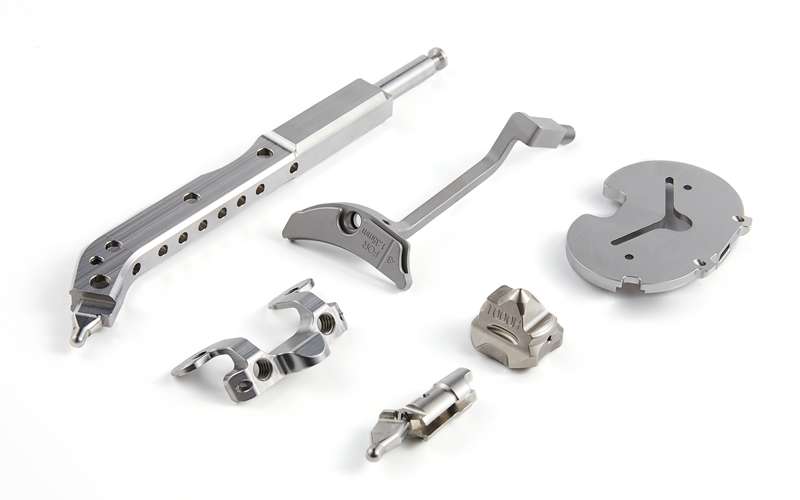
Medical Sheet Metal Fabrication: Precision Through Zero Defects Production
At Wuxi Lead Precision Machinery, medical device fabrication demands uncompromising process integrity. Our end-to-end workflow—Design, Prototyping, Mass Production—is engineered for zero defects, ensuring components meet stringent ISO 13485 and FDA requirements. Every phase integrates traceability, validation, and real-time quality control to eliminate risk in life-critical applications.
Design for Medical Compliance
Engineering begins with deep collaboration. Our team translates clinical requirements into manufacturable designs using SOLIDWORKS and Siemens NX, prioritizing biocompatibility, sterilization compatibility, and regulatory alignment. Finite Element Analysis (FEA) validates structural performance under physiological loads, while Design for Manufacturability (DFM) reviews prevent geometric conflicts. Critical dimensions are flagged per ASME Y14.5 GD&T standards, ensuring tolerances directly support device function and assembly. Material selection strictly adheres to ASTM F86 surface preparation standards for implantable devices, with full traceability to mill certificates.
Prototyping: Validation Before Scale
Rapid prototyping utilizes 5-axis fiber laser cutting and precision bending on Mazak and Amada platforms to produce functional units mirroring mass production conditions. Each prototype undergoes rigorous metrology: CMM validation against CAD models, surface roughness testing per ISO 4287, and dimensional stability checks under thermal cycling. We conduct iterative Design Verification Testing (DVT), including leak testing for fluidic components and fatigue simulation for moving parts. Client approval requires documented conformance to all critical-to-quality (CTQ) parameters, ensuring design maturity before tooling investment.
Mass Production: Sustained Zero Defects Execution
High-volume manufacturing leverages automated cells with integrated in-process inspection. Our Zero Defects framework operates through three pillars: Statistical Process Control (SPC) monitoring key parameters in real-time, 100% automated optical inspection (AOI) for surface defects, and end-of-line functional testing. Every component receives a unique QR code linking to its digital twin—capturing material lot, machine parameters, and inspection data. Process capability indices (Cpk ≥ 1.67) are maintained through closed-loop feedback to CNC controls. Final release requires certification against the exact specifications validated in prototyping, with full documentation for regulatory submissions.
Critical Process Specifications
| Parameter | Specification | Compliance Standard |
|---|---|---|
| Dimensional Tolerance | ±0.005 mm (critical features) | ISO 2768-mK |
| Surface Roughness (Ra) | ≤0.8 µm (implant-contact areas) | ASTM F86 |
| Material Traceability | Full lot-level certification | ISO 13485:2016 §7.5.3.1 |
| Process Capability (Cpk) | ≥1.67 for all CTQ characteristics | AIAG SPC Manual |
| Defect Rate | 0 PPM (critical characteristics) | Internal Zero Defects KPI |
This closed-loop methodology ensures every stainless steel or titanium component—from surgical instrument housings to MRI-compatible enclosures—achieves first-time-right performance. By embedding quality into each phase, Wuxi Lead delivers not just parts, but regulatory confidence for your medical innovation.
Why Choose Wuxi Lead Precision
Partner with Lead Precision for Medical-Grade Sheet Metal Fabrication Excellence
In the highly regulated and precision-driven world of medical device manufacturing, the choice of fabrication partner is not just a procurement decision—it is a strategic commitment to quality, compliance, and innovation. At Wuxi Lead Precision Machinery, we specialize in advanced sheet metal fabrication tailored specifically for the medical industry. Our engineering expertise, combined with state-of-the-art CNC technology and a deep understanding of ISO 13485 and FDA standards, positions us as a trusted extension of your R&D and production teams.
We recognize that medical fabrication demands more than just metal shaping. It requires consistency at micron-level tolerances, flawless surface finishes, and full traceability across every production batch. Our facility in Wuxi, China is equipped with automated laser cutting systems, high-precision press brakes, and robotic welding cells—all operated by certified technicians trained in cleanroom practices and medical-grade documentation protocols. Every component we produce undergoes rigorous in-process and final inspections using coordinate measuring machines (CMM) and optical comparators, ensuring compliance with the most stringent regulatory requirements.
Our clients rely on us not only for component accuracy but also for supply chain resilience. We maintain dual sourcing for critical materials, implement strict environmental controls, and offer full documentation packages including material certifications, process validation reports, and first article inspection (FAI) data. Whether you are developing surgical instruments, diagnostic imaging enclosures, or patient monitoring systems, our team collaborates closely with your engineers from prototype to volume production, reducing time-to-market without compromising on quality.
Below are key technical capabilities that define our medical fabrication services
| Specification | Capability |
|---|---|
| Material Types | Stainless Steel (304, 316L), Aluminum (6061, 5052), Titanium, Galvanized Steel |
| Thickness Range | 0.5 mm – 6.0 mm |
| Tolerance | ±0.05 mm (standard), ±0.02 mm (tight-tolerance applications) |
| Laser Cutting | Up to 4kW fiber laser, max sheet size 1500 x 3000 mm |
| Press Brake Forming | CNC-controlled, up to 200 tons, radius accuracy ±0.1° |
| Welding Processes | TIG, MIG, Spot, and Laser Welding with post-weld passivation |
| Surface Finishes | #4 Brush, Mirror Polish, Electropolish, Powder Coating, Anodizing |
| Quality Standards | ISO 9001, ISO 13485, FDA Registered, RoHS Compliant |
| Production Capacity | 50,000+ parts per month with scalable automation |
Choosing the right manufacturing partner is critical when performance, safety, and regulatory compliance intersect. Wuxi Lead Precision Machinery delivers unmatched precision, transparency, and technical support for medical device OEMs worldwide.
Contact us today at [email protected] to discuss your next project. Let our engineering team help you transform design challenges into manufacturable, compliant, and scalable solutions. Partner with Lead Precision—where medical innovation meets industrial precision.
⚙️ Precision Cost Estimator
Estimate relative manufacturing effort based on tolerance.