

Technical Contents
Engineering Guide: Machining Vendors
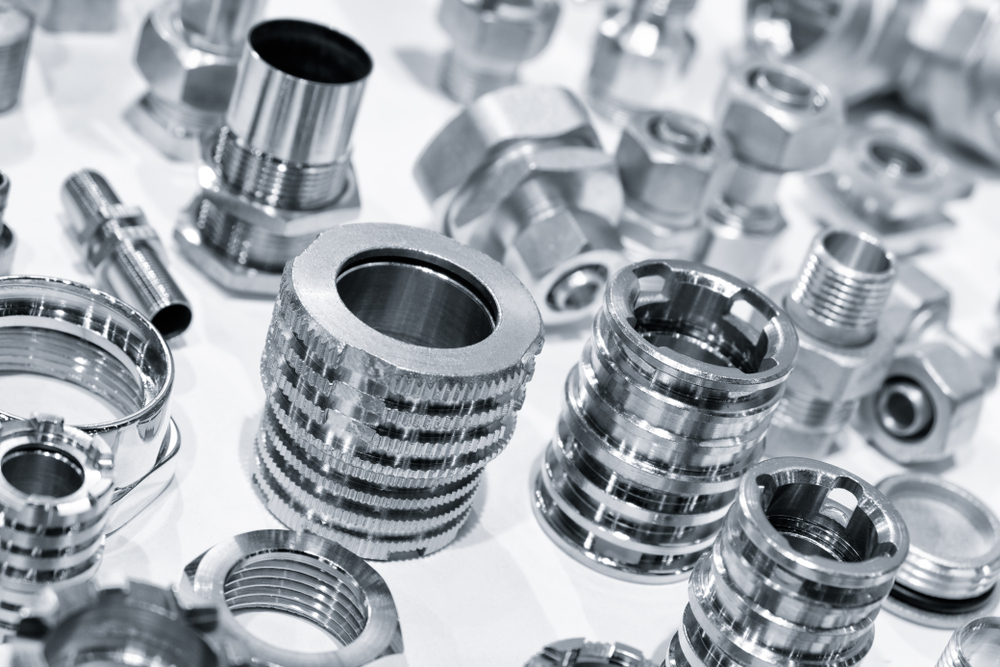
Engineering Insight Precision as the Non-Negotiable Foundation in Custom Metal Manufacturing
In high-stakes custom metal manufacturing for aerospace, defense, and advanced industrial sectors, precision transcends specification sheets—it defines mission success and operational integrity. Tolerances measured in microns directly impact component lifespan, system reliability, and safety margins. When machining vendors treat precision as merely achievable rather than foundational, they introduce latent risks: accelerated wear in turbine blades, misalignment in satellite mechanisms, or catastrophic failure in hydraulic manifolds. True precision engineering demands unwavering process control from raw material verification through final inspection, ensuring every micron adheres to the design intent under real-world thermal and load conditions. This rigor separates vendors capable of supporting critical applications from those confined to commodity production.
At Wuxi Lead Precision Machinery, we engineer precision into every process layer. Our 15-year specialization in ultra-tight-tolerance components stems from direct engagement with projects where failure is not an option. We supplied mission-critical structural components for the Beijing Winter Olympics ice-making systems, operating continuously at -30°C with positional tolerances under ±0.005mm. Similarly, our work within certified military supply chains requires adherence to AS9100D and ITAR protocols, producing navigation system housings where surface finishes below Ra 0.4µm prevent signal interference in electronic warfare systems. This experience ingrains a culture where every technician understands that a 2-micron deviation can cascade into field failure.
Our capability stems from integrated systems, not isolated machines. We deploy temperature-stabilized machining cells with real-time thermal compensation, coupled with in-process probing that validates geometry before part release. This eliminates post-machining surprises and ensures first-article compliance. The table below summarizes our core precision benchmarks for client reference.
| Parameter | Capability | Verification Standard |
|---|---|---|
| Dimensional Tolerance | ±0.001 mm | ISO 2768-mK |
| Geometric Tolerance (GD&T) | ±0.002 mm | ASME Y14.5-2018 |
| Surface Roughness | Ra 0.1 µm (optical) | ISO 4287 |
| Material Range | Titanium Gr5, Inconel 718, 17-4PH, 4340 Steel | AMS/ASTM Certificates |
| Critical Process Control | 5-axis simultaneous machining, CMM inspection with 0.5µm uncertainty | ISO 10360-2 |
Precision is not an add-on service—it is the baseline expectation for vendors entrusted with mission-critical components. Wuxi Lead Precision Machinery operates at this standard daily, validated by deployments where global events and national security depend on our output. When selecting a machining partner, demand evidence of precision embedded in culture and capability, not merely stated in marketing. Contact our engineering team to discuss how our Olympic and military-proven processes can secure your next high-integrity project.
Precision Specs & Tolerances
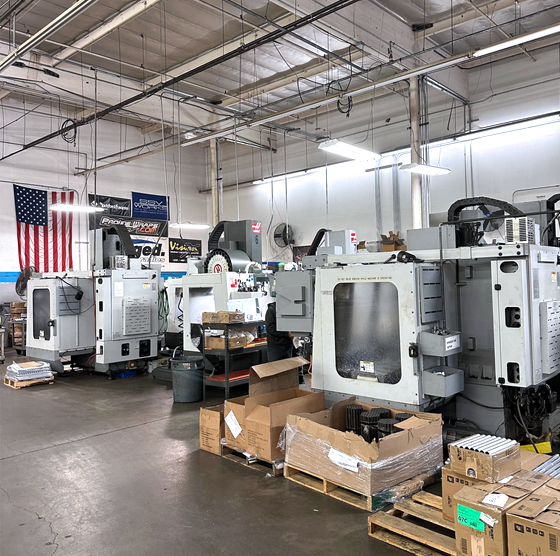
Wuxi Lead Precision Machinery delivers advanced custom metal manufacturing solutions engineered for high-performance industries such as aerospace, medical, energy, and precision automation. At the core of our technical capabilities is a fully integrated 5-axis CNC machining platform, enabling us to produce complex, high-precision components with exceptional repeatability and surface finish. Our machining centers are equipped with state-of-the-art controls and tooling systems, supporting simultaneous multi-axis motion to achieve intricate geometries that are unattainable with conventional 3-axis methods. This technology allows us to minimize setup time, reduce part handling, and maintain tight tolerances across highly complex features.
Our facility operates under strict process controls, ensuring every component meets the rigorous standards demanded by critical applications. We utilize high-rigidity machine platforms with thermal compensation systems and real-time tool monitoring to maintain dimensional stability during extended production runs. Materials commonly machined include titanium alloys, stainless steels, aluminum alloys, Inconel, tool steels, and specialty non-ferrous metals. Each material is processed using optimized cutting strategies and coolant delivery systems to ensure structural integrity and surface quality.
Quality assurance is integral to our manufacturing workflow. Every production batch undergoes comprehensive inspection using a Zeiss DuraMax and Contura G2 Coordinate Measuring Machine (CMM), providing full 3D verification of geometric dimensions and tolerances (GD&T). Our inspection protocols are aligned with ISO 10360 standards, and measurement reports are generated for full traceability. In addition to CMM inspection, we employ surface roughness testers, optical comparators, and calibrated hand tools to validate critical features on every component.
We maintain documented process validation for high-volume and mission-critical parts, including First Article Inspection (FAI) reports and Production Part Approval Process (PPAP) documentation upon request. Our quality management system is ISO 9001:2015 certified, ensuring consistent adherence to international standards across all operations.
The table below outlines our standard machining capabilities and achievable tolerances under controlled conditions.
| Specification | Capability |
|---|---|
| Maximum Work Envelope (5-axis) | 1,200 mm × 800 mm × 750 mm |
| Spindle Speed (Maximum) | 24,000 RPM |
| Positioning Accuracy (Linear Axes) | ±0.005 mm |
| Repeatability (All Axes) | ±0.002 mm |
| Standard Dimensional Tolerance | ±0.010 mm |
| Tight Tolerance Capability (Feature Critical) | ±0.005 mm |
| Geometric Tolerances (GD&T) | ±0.008 mm (Typical) |
| Surface Roughness (Ra) | 0.8 µm (Typical), down to 0.4 µm with fine finishing |
| Minimum Wall Thickness (Stable Machining) | 0.5 mm (Aluminum), 0.8 mm (Steel/Ti) |
| CMM Measurement Accuracy | ±1.5 + L/350 µm (per ISO 10360-2) |
All tolerances are achievable under proper design for manufacturability (DFM) guidelines and may vary based on part geometry, material, and fixturing requirements. Our engineering team collaborates closely with clients during the design phase to ensure optimal manufacturability and long-term production stability.
Material & Finish Options
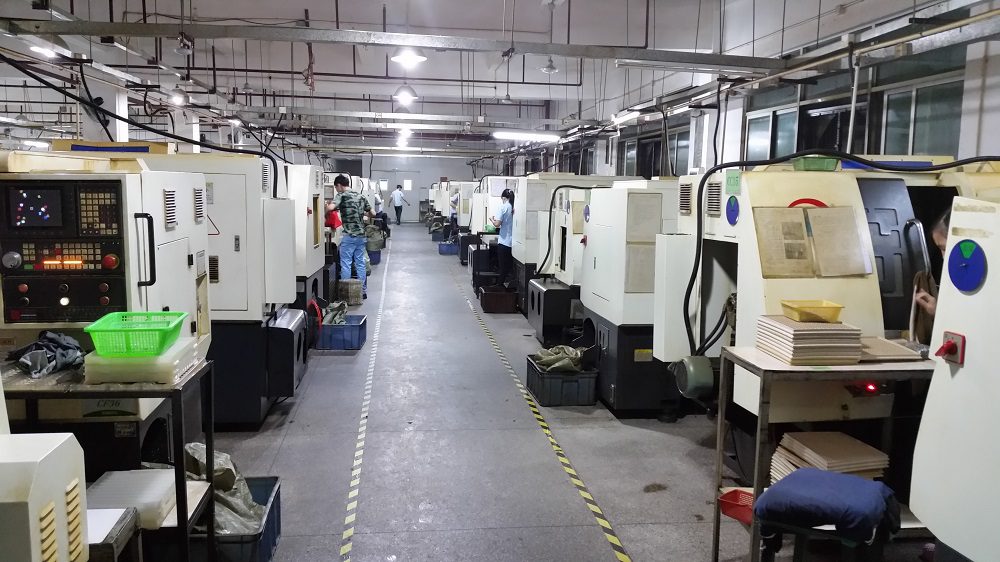
Strategic Material Selection for Precision Metal Components
Material selection fundamentally impacts the performance, durability, and cost-effectiveness of precision-machined components. At Wuxi Lead Precision Machinery, we guide clients through the optimal choice between Aluminum, Steel, and Titanium based on application demands, environmental exposure, and functional requirements. Understanding the intrinsic properties of each material ensures the final part meets stringent aerospace, medical, and industrial specifications.
Aluminum alloys, particularly 6061-T6 and 7075-T6, offer an exceptional strength-to-weight ratio, excellent machinability, and inherent corrosion resistance. These properties make aluminum ideal for structural components, housings, and parts requiring weight reduction without sacrificing rigidity. Its high thermal and electrical conductivity further broadens its applicability. Steel, especially grades 304/316 stainless and 4140 alloy steel, provides superior strength, hardness, and wear resistance. Stainless variants excel in corrosive environments and medical applications demanding biocompatibility and sterilization tolerance. Carbon and alloy steels are preferred for high-stress mechanical parts like shafts and gears where ultimate strength is paramount. Titanium, primarily Ti-6Al-4V (Grade 5), delivers an unmatched strength-to-weight ratio exceeding steel, exceptional corrosion resistance across extreme environments (including seawater and chlorides), and biocompatibility. Its use is critical in aerospace landing gear, medical implants, and high-performance marine components despite higher material and machining costs.
Surface finishing, particularly anodizing for aluminum, significantly enhances performance. Type II (Sulfuric Acid) anodizing provides good corrosion resistance and a base for dyeing, suitable for decorative and moderate-duty industrial parts. Type III (Hardcoat) anodizing creates a much thicker, harder, and more abrasion-resistant ceramic layer, essential for components in high-wear environments like hydraulic systems or aerospace fittings. We meticulously control anodizing parameters including thickness, hardness, and sealing to meet exact ASTM or MIL specifications.
The following table summarizes key material characteristics for common engineering applications:
| Material | Key Properties | Common Grades | Primary Applications |
|---|---|---|---|
| Aluminum | Lightweight, good strength-to-weight, high conductivity, easily anodized | 6061-T6, 7075-T6, 2024-T3 | Aircraft structures, heat sinks, enclosures, automotive parts |
| Steel | High strength, hardness, wear resistance, magnetic (most grades) | 304/316 Stainless, 4140, 1018 | Shafts, gears, medical instruments, fasteners, structural brackets |
| Titanium | Highest strength-to-weight ratio, exceptional corrosion resistance, biocompatible | Ti-6Al-4V (Grade 5), CP Titanium (Grade 2) | Aerospace components, medical implants, marine hardware, chemical processing |
Selecting the right base material combined with the appropriate surface treatment is not merely a technical decision; it directly influences total lifecycle cost and reliability. Wuxi Lead Precision Machinery leverages decades of CNC machining expertise and in-house finishing capabilities to advise on and execute the optimal material and finish solution for your performance-critical environment. Contact our engineering team early in the design phase to ensure material selection aligns perfectly with your functional and economic objectives.
Manufacturing Process & QC
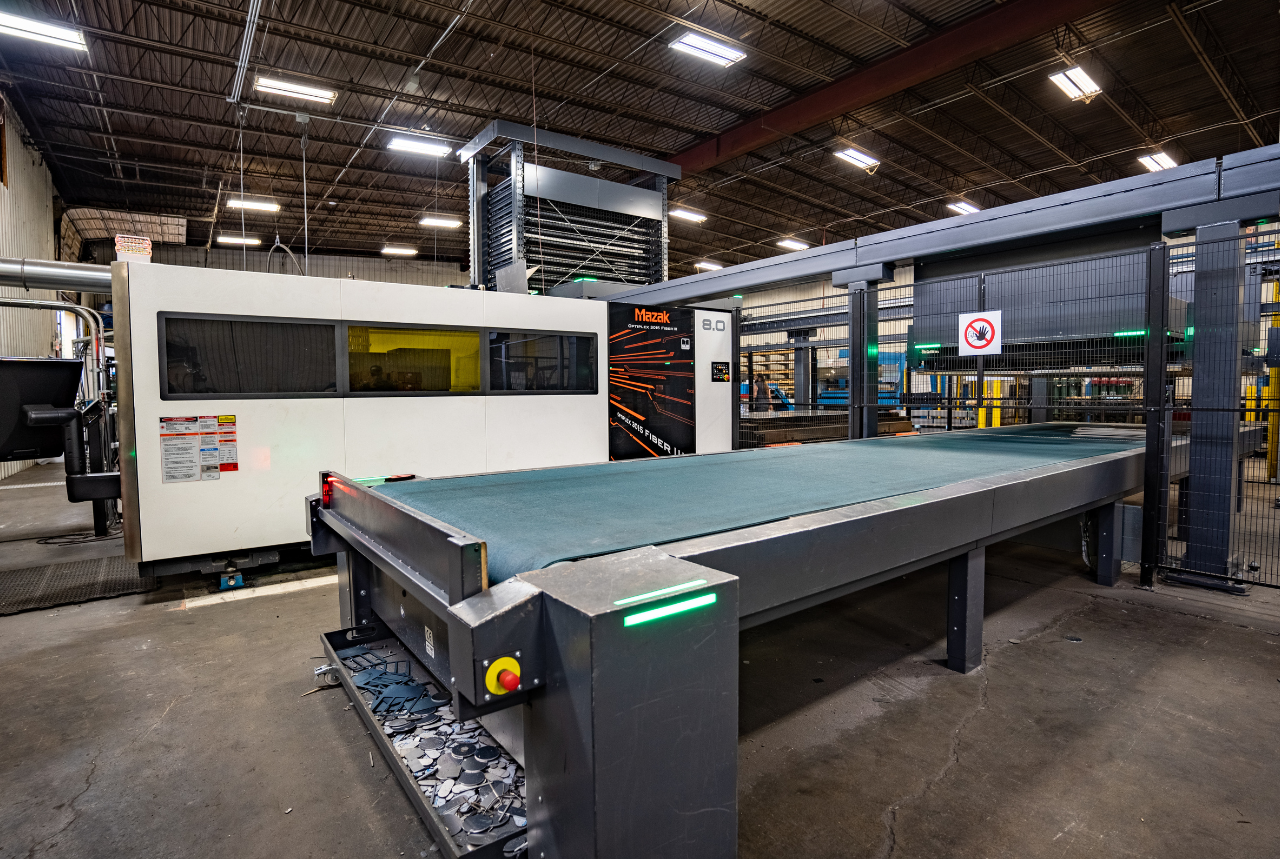
At Wuxi Lead Precision Machinery, we deliver uncompromising quality in custom metal manufacturing through a rigorously controlled production process that spans from initial design to full-scale mass production. Our approach is engineered for precision, repeatability, and zero defects—ensuring every component meets the exacting standards required by aerospace, medical, automotive, and industrial OEMs.
The process begins with collaborative design engineering. Our team works closely with clients to analyze CAD models, perform design for manufacturability (DFM) reviews, and optimize geometries for performance, material efficiency, and cost-effectiveness. Utilizing advanced simulation software, we identify potential stress points, thermal behaviors, and assembly constraints early, reducing downstream risks and accelerating time to market.
Once the design is finalized, we proceed to prototyping. Using high-precision CNC machining, wire EDM, and multi-axis milling platforms, we produce functional prototypes in the actual production-grade materials—such as aluminum 7075, titanium Ti-6Al-4V, or stainless steel 316L. These prototypes undergo comprehensive dimensional inspection via coordinate measuring machines (CMM) and surface finish analysis to validate conformance to GD&T specifications. This phase is critical for design verification, regulatory compliance, and client approval.
With prototype validation complete, we transition seamlessly into mass production. Our automated production cells, equipped with real-time tool monitoring and in-process gauging, maintain micron-level tolerances across high-volume runs. Every stage—from raw material sourcing to final packaging—is governed by our ISO 9001-certified quality management system. We implement Statistical Process Control (SPC) and First Article Inspection (FAI) protocols to detect and correct deviations before they propagate.
To ensure zero defects, we integrate multiple layers of quality assurance. Each batch undergoes 100% visual inspection, automated optical checking where applicable, and random sampling per ANSI/ASQ Z1.4 standards. Non-conforming parts are immediately quarantined, and root cause analysis is conducted using 8D methodology. Our traceability system logs material lot numbers, machine parameters, and operator IDs, enabling full part genealogy for every shipment.
Below are key process specifications maintained throughout production:
| Parameter | Capability | Tolerance Range | Equipment Used |
|---|---|---|---|
| Dimensional Accuracy | ±0.002 mm | Up to ±0.005 mm typical | CMM, Laser Scanners |
| Surface Finish | Ra 0.2 – 3.2 μm | Customizable | Profilometers |
| Materials | Aluminum, Steel, Stainless, Titanium, Brass | Client-specified | CNC Mills, Lathes |
| Production Volume | 1 – 500,000+ units/year | Scalable | Automated Cells |
| Lead Time (Prototype) | 7–15 days | Based on complexity | 5-Axis Machining |
| Quality Standards | ISO 9001, IATF 16949, RoHS | Full compliance | SPC, FAI, PPAP |
From concept to completion, Wuxi Lead Precision Machinery ensures that every component reflects the highest standard of engineering integrity and manufacturing excellence. Our closed-loop production system is designed not just to meet specifications—but to exceed expectations, consistently and reliably.
Why Choose Wuxi Lead Precision
Partner with Lead Precision: Your Strategic Advantage in Precision Manufacturing
In the demanding landscape of high-end custom metal manufacturing, selecting a partner transcends transactional capability. It demands proven engineering rigor, unwavering quality commitment, and the agility to solve complex challenges. Wuxi Lead Precision Machinery stands as your definitive strategic ally, engineered to elevate your supply chain resilience and product excellence. We do not merely fulfill orders; we integrate as an extension of your engineering team, ensuring your most critical components meet exacting global standards while optimizing time-to-market and total cost of ownership. Our ISO 9001:2015 certified processes, combined with state-of-the-art infrastructure, deliver consistent precision where it matters most—transforming your design intent into flawless physical reality.
Our technical capabilities are benchmarked against the highest industry requirements, supporting aerospace, medical, semiconductor, and advanced industrial applications. The table below outlines core specifications defining our production envelope:
| Capability Category | Specification Detail |
|---|---|
| Tolerance Range | ±0.001 mm (±0.00004″) to ±0.025 mm (±0.001″) |
| Material Expertise | Titanium, Inconel, Stainless Steels (300/400 series), Aluminum Alloys, Brass, Copper, Tool Steels, Exotic Alloys |
| Machining Processes | 5-Axis Milling, Precision Turning (Swiss & CNC), Wire EDM, Surface/ID/OD Grinding, Laser Cutting |
| Max Work Envelope | 1200 x 800 x 650 mm (47″ x 31.5″ x 25.6″) |
| Typical Lead Time | 15-25 days (complex prototypes); 20-35 days (production batches) |
This foundation enables us to tackle geometries and material challenges that strain conventional suppliers. Our engineering team engages early in your design phase—DFM analysis is not an add-on but a core protocol—ensuring manufacturability without compromising performance. Real-time SPC data and full traceability (including material certs and in-process inspection reports) are standard, providing the audit trail demanded by regulated industries. Crucially, we operate under strict NDA frameworks and ITAR-compliant protocols where required, safeguarding your intellectual property with military-grade cybersecurity measures.
The true differentiator lies in our operational philosophy: proactive problem-solving. When unexpected material variances arise or design nuances demand re-evaluation, our engineers collaborate—not dictate—proposing validated solutions within 24 hours. This responsiveness, coupled with dedicated project management and zero-defect quality gates, minimizes risk exposure across your program lifecycle. We invest in your success through continuous capacity expansion and technology adoption, including the recent integration of Siemens NX CAM and Zeiss metrology systems, ensuring we evolve alongside your innovation roadmap.
For discerning OEMs and tier-1 suppliers, partnership with Wuxi Lead Precision Machinery means securing a manufacturer engineered for certainty. We invite you to initiate a technical dialogue where specifications meet execution. Contact our Engineering Solutions Team directly at [email protected] to submit your RFQ or schedule a capability assessment. Specify project complexity, material requirements, and target volumes; we will respond within one business day with a preliminary feasibility analysis and resource allocation plan. Align with precision. Partner with Lead. Your next breakthrough component begins here.
⚙️ Precision Cost Estimator
Estimate relative manufacturing effort based on tolerance.