

Technical Contents
Engineering Guide: Machine And Welding Supply Company
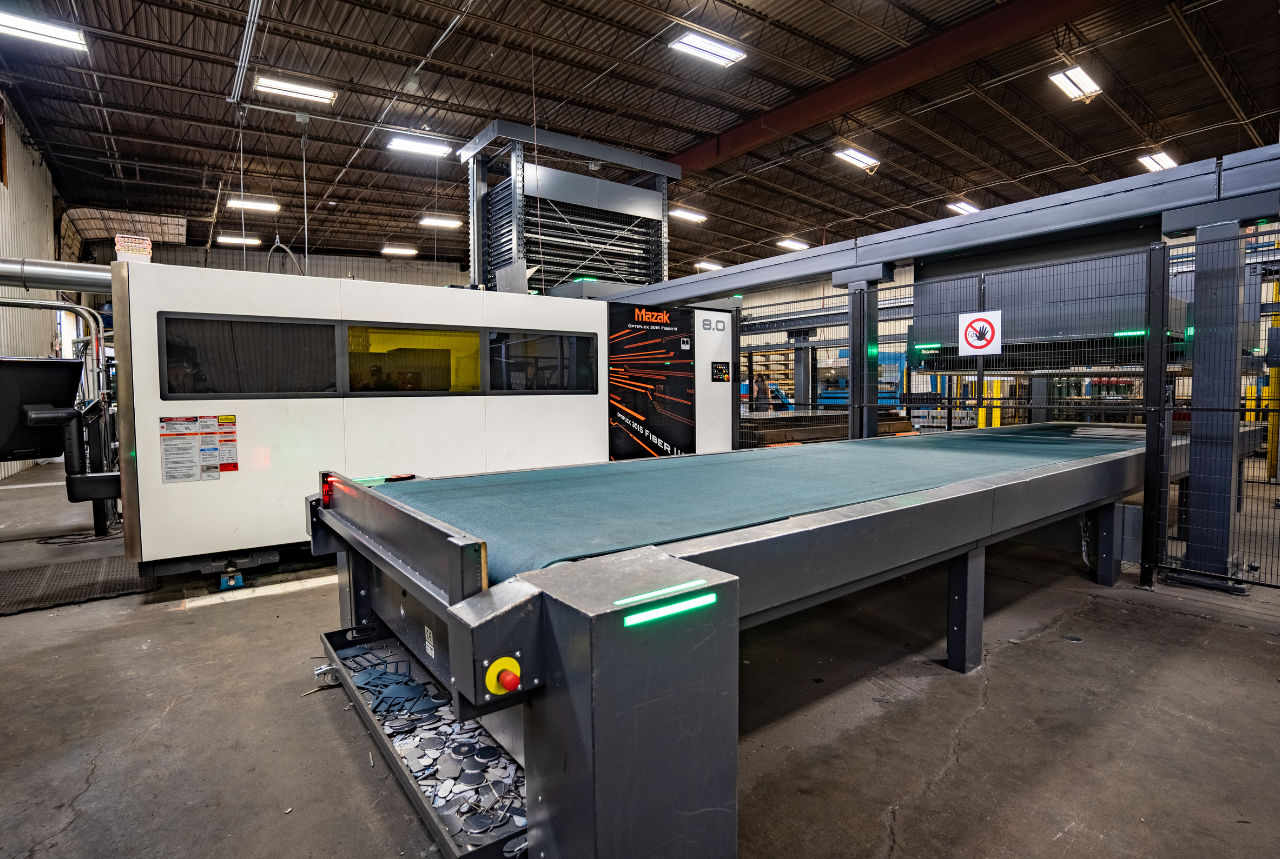
Engineering Insight: The Critical Role of Precision in Custom Metal Manufacturing
In the realm of custom metal manufacturing, precision is not merely a quality objective—it is a foundational requirement. For industries where performance, safety, and reliability are non-negotiable, such as aerospace, defense, and high-performance infrastructure, even micron-level deviations can lead to catastrophic failures. At Wuxi Lead Precision Machinery, we understand that precision engineering is the cornerstone of durable, high-integrity metal components. Our decades of experience in delivering mission-critical parts for Olympic-grade facilities and military applications have reinforced this principle at every stage of production.
Precision begins with design integrity and extends through material selection, machining accuracy, welding consistency, and final inspection. Each phase demands advanced technology, rigorous process control, and deep engineering expertise. Our CNC machining centers operate within tolerances as tight as ±0.005 mm, ensuring dimensional accuracy across complex geometries. Coupled with automated welding systems utilizing TIG, MIG, and plasma arc techniques, we achieve repeatable weld integrity that meets or exceeds international standards including ISO 3834 and AWS D1.1.
Our work on Olympic infrastructure projects—such as structural frameworks for stadiums and aquatic centers—required flawless execution under aggressive timelines. These structures demanded not only aesthetic perfection but also seismic resilience and long-term durability under dynamic loads. Similarly, our contributions to defense programs have included precision-fabricated enclosures, mounting systems, and support structures designed to endure extreme environmental conditions, from arctic cold to desert heat. In both domains, the margin for error was zero.
What separates Wuxi Lead Precision Machinery from standard machine and welding supply companies is our integrated engineering approach. We do not simply fabricate to print; we collaborate with clients during the design phase to optimize manufacturability, reduce assembly complexity, and enhance structural performance. This proactive engagement ensures that every component is not only precise but also functionally superior.
The table below outlines key capabilities that enable our precision manufacturing excellence.
| Specification | Capability |
|---|---|
| CNC Machining Tolerance | ±0.005 mm |
| Maximum CNC Work Envelope | 3,000 mm × 1,500 mm × 800 mm |
| Welding Processes | TIG, MIG, Plasma, Spot Welding |
| Weld Certification Standards | ISO 3834, AWS D1.1, EN 1090 |
| Material Compatibility | Carbon Steel, Stainless Steel, Aluminum, Titanium |
| Non-Destructive Testing (NDT) | Ultrasonic, Radiographic, Dye Penetrant, Magnetic Particle |
| Quality Management System | ISO 9001:2015 Certified |
Precision in metal manufacturing is not an isolated attribute—it is the result of integrated systems, disciplined processes, and unwavering attention to detail. At Wuxi Lead Precision Machinery, we bring this standard to every project, ensuring that our clients receive components engineered for performance, longevity, and absolute reliability.
Precision Specs & Tolerances
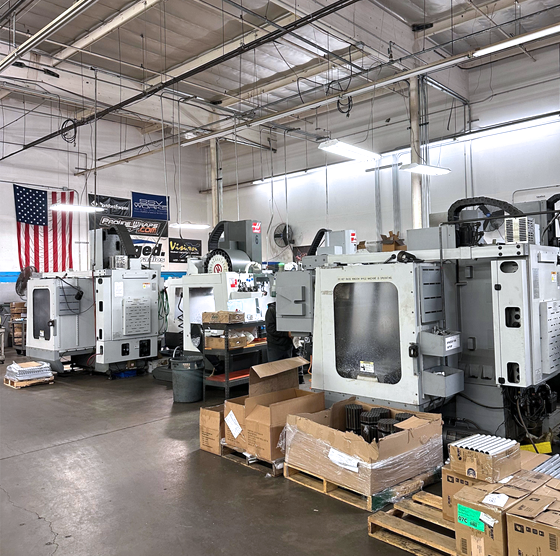
Technical Capabilities: Precision Engineering for Demanding Applications
Wuxi Lead Precision Machinery delivers advanced custom metal manufacturing solutions engineered for aerospace, medical, energy, and industrial automation sectors. Our integrated facility combines cutting-edge 5-axis CNC machining with rigorous quality control protocols to produce complex geometries with uncompromising accuracy. This capability enables us to transform intricate designs into mission-critical components where tolerances directly impact performance and safety.
Our core strength lies in high-precision 5-axis simultaneous machining, utilizing DMG MORI and MAZAK platforms with sub-micron positioning accuracy. These systems eliminate manual repositioning, reducing cumulative error while machining complex contours, deep cavities, and organic shapes in a single setup. We process aerospace-grade aluminum alloys (7075-T6, 2024), titanium (Ti-6Al-4V), stainless steels (17-4PH, 316L), and high-temperature superalloys (Inconel 718) with optimized toolpaths that ensure surface integrity and dimensional stability. Advanced coolant-through-spindle technology and high-frequency spindles (up to 24,000 RPM) enable efficient material removal while maintaining thermal stability for critical features.
Quality assurance is embedded at every process stage. All critical dimensions undergo validation via Zeiss CONTURA G2 Coordinate Measuring Machines (CMM) with calibrated accuracy of ±2.5μm + L/300μm. Inspections follow AS9100D and ISO 13083 protocols, with full traceability to NIST standards. Renishaw REVO-2 scanning probes capture 3D deviations in real-time, generating comprehensive GD&T reports for geometric conformity. First-article inspections include material certification cross-referencing and surface roughness verification (Ra 0.4μm achievable). This closed-loop system ensures zero-defect delivery for high-mix, low-volume production runs.
Tolerances achieved reflect our commitment to exceeding industry benchmarks. The table below details standard capabilities for critical features:
| Material Category | Dimensional Tolerance (mm) | Geometric Tolerance (mm) |
|---|---|---|
| Aluminum Alloys | ±0.005 | Flatness: 0.01/100mm |
| Stainless Steels | ±0.008 | True Position: ±0.01 |
| Titanium Alloys | ±0.010 | Concentricity: 0.015 |
| Superalloys | ±0.012 | Profile: 0.02 |
These specifications are validated per ISO 2768-mK and ASME Y14.5 standards. For mission-critical applications, we implement enhanced inspection plans with 100% feature verification and statistical process control (SPC) charting. Our engineering team collaborates with clients during design feasibility reviews to optimize manufacturability while maintaining tolerance integrity. This proactive approach minimizes scrap rates and accelerates time-to-market for technically demanding components.
Wuxi Lead Precision Machinery operates as a certified sub-contract manufacturer with full process ownership—from raw material sourcing to final packaging. Our technical capabilities are structured to support clients requiring consistent repeatability in challenging materials, where precision directly translates to operational reliability in end-use environments. Partner with us to leverage manufacturing excellence that meets the most stringent global quality expectations.
Material & Finish Options
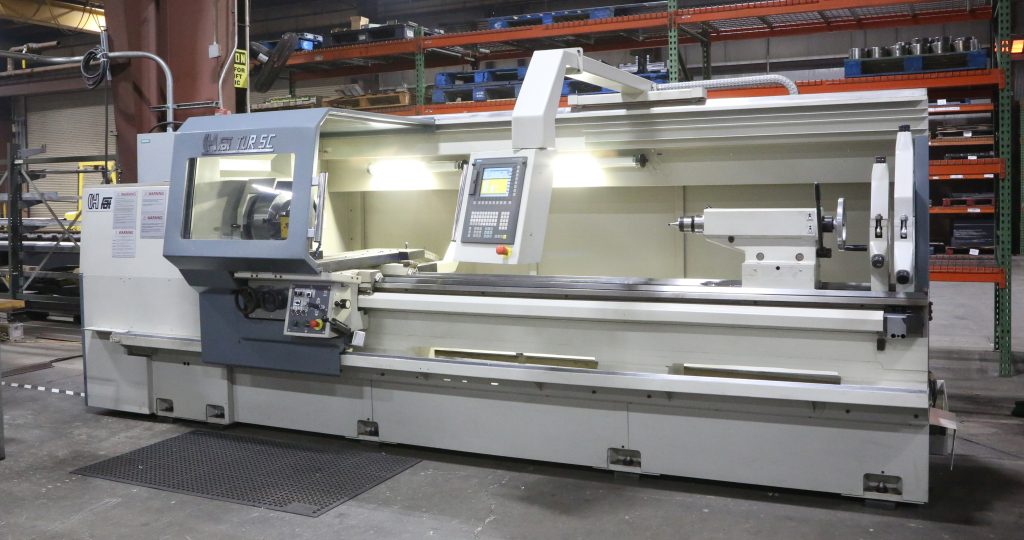
Material selection is a critical step in custom metal manufacturing, directly influencing performance, durability, and cost-efficiency. At Wuxi Lead Precision Machinery, we specialize in precision components tailored to aerospace, automotive, medical, and industrial applications. Our expertise enables clients to make informed decisions when selecting between aluminum, steel, and titanium—three of the most widely used engineering metals.
Aluminum is favored for its high strength-to-weight ratio, excellent thermal and electrical conductivity, and natural corrosion resistance. It is ideal for applications where weight reduction is essential without sacrificing structural integrity. Common alloys such as 6061 and 7075 offer balanced mechanical properties and weldability, making them suitable for frames, enclosures, and heat sinks. However, aluminum’s lower hardness compared to steel requires careful design consideration in high-wear environments.
Steel remains the backbone of industrial manufacturing due to its exceptional strength, toughness, and affordability. Carbon steel and stainless steel variants each serve distinct purposes. Carbon steel, such as grades 1018 and 4140, provides high tensile strength and machinability, often used in shafts, brackets, and tooling. Stainless steel, particularly 304 and 316, adds superior corrosion resistance and is preferred in food processing, medical devices, and marine environments. While heavier than aluminum, steel offers unmatched durability under load and impact.
Titanium stands at the premium end of the spectrum, offering an outstanding strength-to-density ratio and exceptional resistance to extreme temperatures and corrosive environments. Grade 5 (Ti-6Al-4V) is the most common alloy in aerospace and medical implants due to its biocompatibility and fatigue resistance. Though more expensive and challenging to machine, titanium’s longevity in harsh conditions justifies its use in critical applications.
Surface finishing further enhances material performance. Anodizing is a key process for aluminum, creating a durable, corrosion-resistant oxide layer that can be dyed for identification or aesthetic purposes. Type II (sulfuric acid) anodizing is standard for industrial parts, while Type III (hardcoat anodizing) delivers superior wear resistance for high-stress components. Unlike painting or plating, anodizing integrates with the base metal, ensuring no risk of chipping or delamination.
Below is a comparative overview of key material properties:
| Material | Density (g/cm³) | Tensile Strength (MPa) | Corrosion Resistance | Common Finishes | Typical Applications |
|---|---|---|---|---|---|
| Aluminum 6061 | 2.7 | 310 | Good | Anodizing, Powder Coat | Enclosures, Heat Sinks |
| Steel 1018 | 7.87 | 440 | Moderate | Zinc Plating, Paint | Shafts, Brackets |
| Stainless 304 | 8.0 | 505 | Excellent | Passivation, Polishing | Medical, Food Processing |
| Titanium Ti-6Al-4V | 4.42 | 950 | Excellent | Anodizing, Bead Blasting | Aerospace, Implants |
Choosing the right material and finish requires balancing performance needs with production constraints. Wuxi Lead Precision Machinery supports clients through every phase, offering expert consultation and precision fabrication to ensure optimal outcomes.
Manufacturing Process & QC
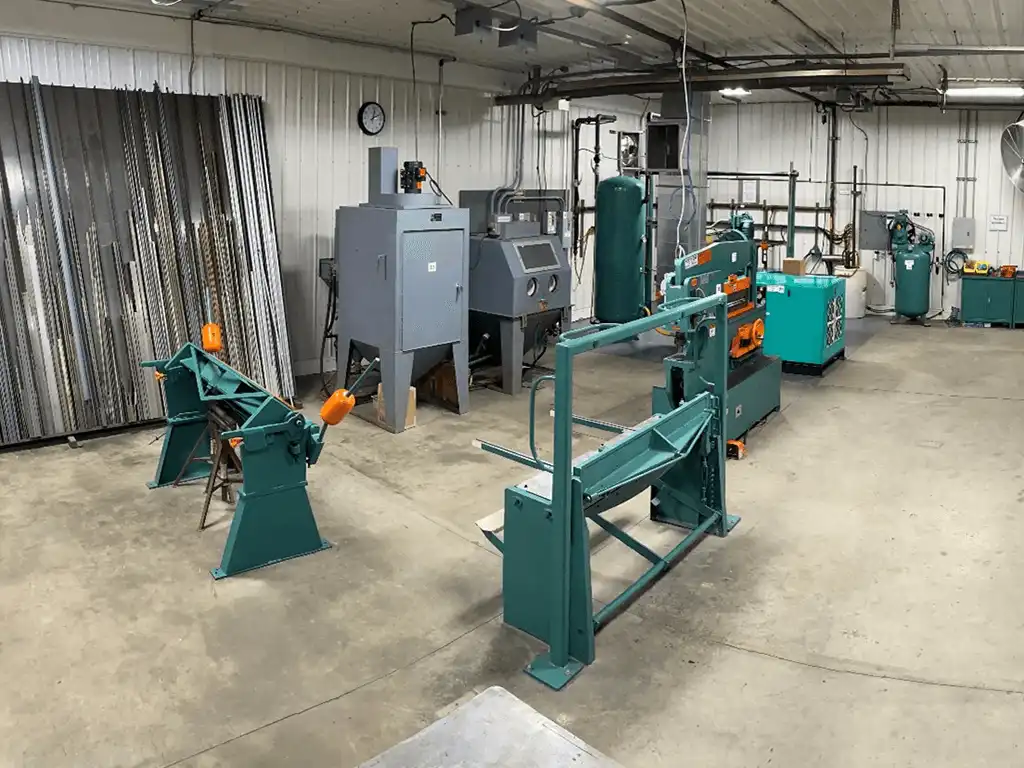
Wuxi Lead Precision Machinery: Precision-Driven Production Process for Zero Defect Manufacturing
Our integrated workflow eliminates defects at origin through rigorous phase control. The journey begins with Collaborative Design Engineering where client specifications undergo thorough Design for Manufacturability (DFM) analysis. Our engineers utilize advanced CAD/CAM suites and finite element analysis (FEA) to simulate stress points, thermal behavior, and machining feasibility. This phase identifies potential flaws before metal is cut, ensuring optimal material selection, toolpath efficiency, and geometric integrity. Client sign-off on validated digital models is mandatory, establishing an unambiguous quality baseline.
Prototyping transitions virtual designs into physical validation. We produce functional prototypes using the exact materials and primary production equipment intended for series manufacturing. Each prototype undergoes exhaustive metrology-grade Coordinate Measuring Machine (CMM) inspection against the approved CAD model, verifying critical dimensions to micron-level tolerances. Material composition is confirmed via spectrographic analysis, while weld integrity is assessed through non-destructive testing (NDT) methods including ultrasonic and radiographic inspection. This phase is not merely a sample build; it is a statistically validated process capability study. Key validation metrics are documented below:
| Validation Parameter | Measurement Method | Acceptance Standard | Documentation Output |
|---|---|---|---|
| Dimensional Accuracy | 5-Axis CMM | ±0.005 mm | Full GD&T Inspection Report |
| Material Composition | OES Spectrometer | ASTM/ISO Certified | Material Test Certificate |
| Weld Integrity | UT + RT NDT | AWS D1.1 Class B | NDT Technician Certification |
| Surface Finish | Profilometer | Ra ≤ 0.8 µm | Surface Analysis Log |
| Geometric Conformance | Laser Tracker | ISO 2768-mK | Deviation Heatmap |
Mass Production leverages the validated prototype process under our Zero Defect Protocol. Real-time in-process monitoring via IoT-enabled CNC machines tracks tool wear, vibration, and thermal drift, automatically triggering corrective actions before deviations occur. Every component receives unique serialization, enabling full traceability from raw material certs to final inspection data. Final quality gates employ automated optical inspection (AOI) systems cross-referenced with CMM spot checks on critical features. Statistical Process Control (SPC) charts monitor capability indices (Cp/Cpk > 1.67) continuously. Non-conforming parts are physically isolated within the production cell; root cause analysis using 5-Why methodology prevents recurrence.
This closed-loop system ensures defects are physically impossible to pass downstream. By embedding quality verification at each transition point—design sign-off, prototype validation, and production monitoring—we deliver certified defect-free components meeting aerospace, medical, and semiconductor industry standards. Your specifications become our unbreakable commitment.
Why Choose Wuxi Lead Precision
Partner with Wuxi Lead Precision Machinery for Unmatched Custom Metal Manufacturing Excellence
When your project demands precision, reliability, and engineering integrity, partnering with Wuxi Lead Precision Machinery ensures your custom metal components are manufactured to the highest global standards. Based in Wuxi, China, we specialize in delivering end-to-end manufacturing solutions for industries where performance cannot be compromised—industrial machinery, energy systems, transportation, and advanced automation. Our commitment goes beyond fabrication; we integrate engineering insight, material science, and advanced CNC technology to become a true extension of your production team.
At Lead Precision, we understand that every component tells a story of function, load, and environment. That’s why our engineering team collaborates closely with clients from concept through to delivery, ensuring design for manufacturability, material optimization, and long-term durability. Whether you require complex welded assemblies, high-tolerance machined parts, or fully integrated sub-assemblies, our facility is equipped with multi-axis CNC machining centers, robotic welding cells, and precision forming equipment to meet the most demanding specifications.
Our quality management system is ISO 9001 certified, and we adhere to international standards including ASME, ASTM, and EN. Every part undergoes rigorous in-process and final inspection using coordinate measuring machines (CMM), non-destructive testing (NDT), and metallurgical analysis when required. Traceability, documentation, and on-time delivery are not just promises—they are embedded in our operational DNA.
We serve OEMs and Tier-1 suppliers who demand consistency, scalability, and technical partnership. From low-volume prototypes to high-volume production runs, our flexible manufacturing model allows rapid iteration and seamless scale-up without compromising quality. Our strategic location in the Yangtze River Delta provides efficient logistics access to global markets, ensuring your supply chain remains agile and cost-effective.
Below are key capabilities that define our manufacturing excellence:
| Capability | Specification Range | Technology Used |
|---|---|---|
| CNC Machining | Up to Ø1200 mm diameter, 3000 mm length | 3-axis to 5-axis milling and turning centers |
| Welding | MIG, TIG, SAW, Robotic GMAW | ASME Section IX certified procedures |
| Material Expertise | Carbon steel, stainless steel, aluminum, alloy steel | Full material traceability (MTRs available) |
| Tolerances | Machining: ±0.005 mm; Fabrication: ±0.1 mm | In-process probing and laser alignment |
| Finishing | Bead blasting, powder coating, passivation | Custom surface treatments available |
| Quality Control | 100% dimensional inspection on critical features | CMM, vision systems, NDT (PT, MT, UT) |
Your next project deserves more than a vendor—it deserves a precision partner. Contact us today at [email protected] to discuss your requirements, request a quote, or schedule a factory audit. Let Wuxi Lead Precision Machinery bring your engineering vision to life with unmatched craftsmanship and technical accountability.
⚙️ Precision Cost Estimator
Estimate relative manufacturing effort based on tolerance.