Technical Contents
Engineering Guide: Lsr Injection Molding Machine
Engineering Insight: LSR Injection Molding Machines and the Imperative of Precision
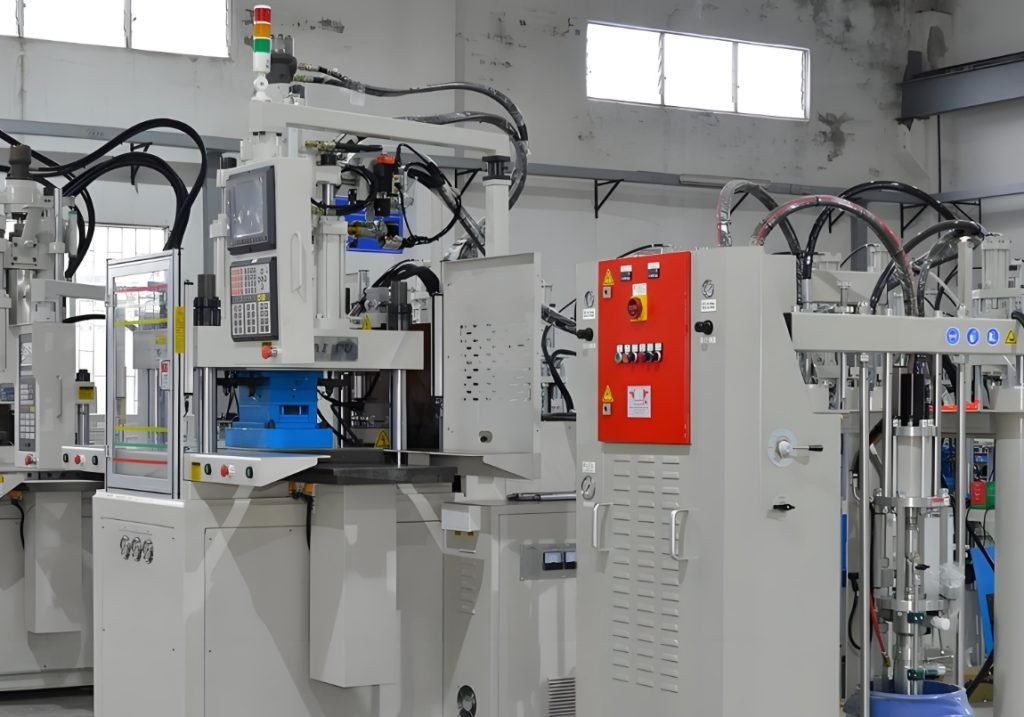
In the realm of advanced polymer processing, liquid silicone rubber (LSR) injection molding stands as a benchmark for high-precision manufacturing. This process demands not only a deep understanding of material behavior under thermal and mechanical stress but also an uncompromising commitment to dimensional accuracy and process repeatability. At Wuxi Lead Precision Machinery, we recognize that the performance of an LSR injection molding machine is not measured merely by output volume, but by the consistency and fidelity of each molded component—especially in mission-critical industries such as aerospace, medical devices, and automotive sealing systems.
The essence of precision in LSR molding lies in the synchronization of multiple engineering disciplines: hydraulic or electric drive systems, temperature-controlled manifolds, closed-loop metering, and mold alignment mechanisms. Even minor deviations in shot weight, mixing ratio, or clamping force can result in flash, incomplete fills, or post-cure dimensional instability—defects that are unacceptable in high-reliability applications. Our design philosophy integrates micron-level tolerances into every subsystem, ensuring that material homogeneity and injection dynamics are maintained across thousands of cycles.
With over a decade of specialization in custom metal manufacturing for advanced automation, Wuxi Lead Precision Machinery has engineered LSR systems trusted in environments where failure is not an option. Our technical teams have contributed to projects meeting Olympic-standard timing equipment housings and military-specification gasket production, where environmental resilience and zero-defect performance are mandated. These experiences have refined our approach to structural rigidity, thermal management, and real-time process monitoring in LSR machine design.
Our machines are built around reinforced C-frames and toggle-lever clamping units that minimize deflection under pressure, ensuring mold parallelism within ±0.01 mm. The injection units utilize servo-driven pistons with dual-cylinder metering to maintain a 1:1 A:B component ratio with less than 0.5% variation. Integrated cold runners and heated manifolds are machined from high-thermal-conductivity tool steels, enabling precise temperature zoning down to ±1°C control.
Below are key technical specifications representative of our standard high-precision LSR injection molding platforms:
| Parameter | Specification |
|---|---|
| Clamping Force | 80–1200 tons |
| Injection Weight (Max) | 10–1200 grams |
| Screw Diameter | 20–60 mm |
| Metering Accuracy | ±0.3% |
| Temperature Control Zones | 4–12 zones, PID-regulated |
| Control System | Siemens PLC with HMI touchscreen interface |
| Repeatability (Shot-to-Shot) | ±0.15% |
| Machine Frame Material | Annealed and stress-relieved cast steel |
At Wuxi Lead Precision Machinery, precision is not a feature—it is the foundation. Every machine we produce reflects our heritage in high-stakes manufacturing, where the margin for error is nonexistent. For global partners requiring LSR solutions that perform under extreme conditions, we deliver engineering excellence forged through real-world validation.
Precision Specs & Tolerances
Technical Capabilities for LSR Injection Molding Machine Components
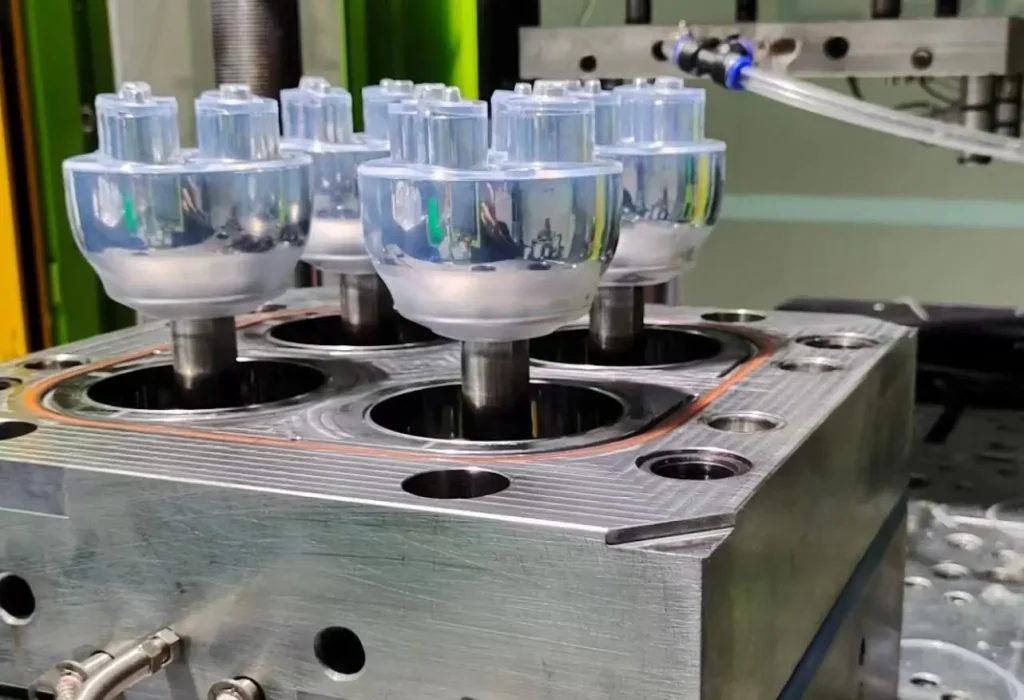
Wuxi Lead Precision Machinery delivers micron-level precision for critical metal components within liquid silicone rubber (LSR) injection molding systems. Our advanced 5-axis CNC machining centers form the core of our capability, enabling the production of complex geometries essential for high-performance LSR molds and machine sub-assemblies. These systems execute simultaneous multi-axis movements with sub-micron positional accuracy, ensuring seamless integration of intricate cooling channels, venting systems, and precision shut-off surfaces. This capability directly translates to reduced silicone flashing, consistent part quality, and extended mold life in demanding LSR production environments. We routinely machine hardened tool steels (e.g., H13, S136), stainless alloys, and specialized wear-resistant materials to exacting specifications, maintaining thermal stability critical for LSR processing temperatures up to 200°C.
Our quality control process is anchored by certified Coordinate Measuring Machine (CMM) inspection, adhering strictly to ISO 17025 standards. Every critical dimension undergoes rigorous validation against CAD models, with full first-article inspection reports provided. This systematic approach verifies geometric dimensioning and tolerancing (GD&T) compliance, surface finish integrity, and positional accuracy of features like core pins, cavity inserts, and runner systems. Real-time data from our CMMs feeds directly into process refinement, ensuring repeatability across production batches and minimizing downtime during mold installation on the press. The integration of 5-axis machining with closed-loop CMM verification guarantees that components meet the stringent demands of medical, automotive, and consumer electronics LSR applications where failure is not an option.
The following table details our standard and critical feature tolerance capabilities for LSR machine tooling components:
| Feature Type | Standard Tolerance | Critical Feature Tolerance | Measurement Method |
|---|---|---|---|
| Linear Dimensions | ±0.010 mm (±0.0004″) | ±0.005 mm (±0.0002″) | CMM / High-Precision Micrometer |
| Hole Diameter (Ø) | +0.008 / -0.000 mm | +0.003 / -0.000 mm | Air Gage / CMM |
| Surface Flatness | 0.010 mm (0.0004″) | 0.005 mm (0.0002″) | Optical Flat / CMM |
| Positional Tolerance (GD&T) | ±0.015 mm (±0.0006″) | ±0.008 mm (±0.0003″) | CMM (Full 3D Analysis) |
| Surface Roughness (Ra) | 0.8 µm (32 µin) | 0.4 µm (16 µin) | Profilometer |
This precision foundation ensures optimal sealing at parting lines, consistent material flow through micro-channels, and thermal management stability—key factors in achieving zero-defect LSR production. Wuxi Lead’s technical execution minimizes trial runs, reduces scrap rates, and maximizes machine uptime for our global clients. Partner with us to transform demanding LSR component specifications into reliable, high-yield manufacturing reality.
Material & Finish Options
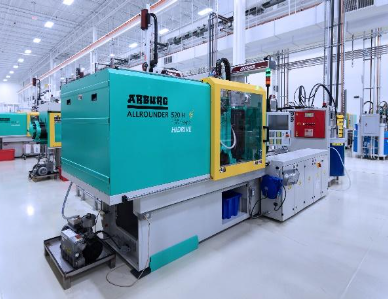
When selecting materials for precision components used in conjunction with liquid silicone rubber (LSR) injection molding machines, three primary metals stand out: aluminum, steel, and titanium. Each offers distinct mechanical, thermal, and corrosion-resistant properties that influence performance, longevity, and cost-efficiency in high-volume industrial environments. The choice of material directly impacts mold durability, cycle time, and part consistency, making informed selection critical for OEMs and contract manufacturers.
Aluminum is widely used for prototype molds and low-to-medium production runs due to its excellent thermal conductivity and ease of machining. Its lightweight nature allows for faster mold changes and reduced wear on machine components. While not as wear-resistant as steel, modern aluminum alloys—particularly 7075 and 6061—offer sufficient strength for many LSR applications. Aluminum responds well to surface treatments such as hard anodizing, which significantly improves surface hardness and wear resistance, making it a cost-effective solution for early-stage production or complex geometries requiring tight tolerances.
Steel, especially tool steels like H13 and P20, remains the standard for high-volume LSR molding operations. These alloys provide superior hardness, thermal stability, and resistance to abrasion and deformation under repeated thermal cycling. Stainless steel variants are preferred when corrosion resistance is paramount, particularly in medical or food-grade applications where hygiene standards are strict. While steel molds require longer lead times and higher initial costs, their extended service life and dimensional stability justify the investment in mass production settings.
Titanium is reserved for highly specialized applications where extreme strength-to-density ratio and exceptional corrosion resistance are required. Though rarely used for full mold bodies due to cost and machining complexity, titanium alloys find use in critical mold inserts, ejector pins, or cores exposed to aggressive environments. Its biocompatibility also makes it suitable for medical-grade silicone molding processes.
Surface finishing, particularly anodizing, plays a crucial role in enhancing aluminum components. Hard anodizing creates a thick, ceramic-like oxide layer that increases surface hardness up to 600 HV, improves wear and corrosion resistance, and maintains dimensional accuracy. For steel, alternatives such as chrome plating or nitriding are more common, though anodizing is exclusive to aluminum and cannot be applied to ferrous or titanium substrates.
Below is a comparative overview of key material properties relevant to LSR molding applications.
| Material | Tensile Strength (MPa) | Thermal Conductivity (W/m·K) | Hardness (HB) | Common Applications | Suitable for Anodizing |
|---|---|---|---|---|---|
| Aluminum 6061 | 310 | 167 | 95 | Prototypes, low-volume molds | Yes |
| Aluminum 7075 | 572 | 130 | 150 | High-strength molds, inserts | Yes |
| H13 Steel | 1,600 | 36 | 230 | High-volume molds, cores | No |
| P20 Steel | 1,300 | 30 | 280 | Production tooling | No |
| Titanium (Grade 5) | 900 | 7.2 | 360 | Inserts, medical components | No |
At Wuxi Lead Precision Machinery, we support clients in selecting the optimal material and finish based on production volume, part complexity, and environmental demands, ensuring maximum return on tooling investment.
Manufacturing Process & QC
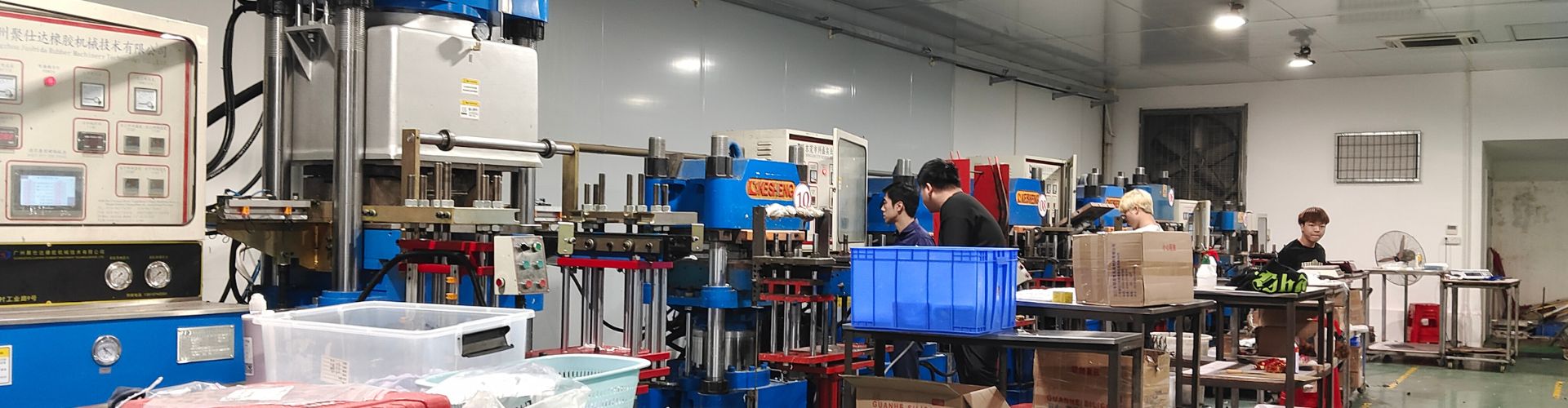
LSR Injection Molding Production Process: Precision Engineered for Zero Defects
At Wuxi Lead Precision Machinery, our LSR injection molding production process is rigorously structured to eliminate defects before they occur, ensuring every component meets the exacting standards demanded by medical, automotive, and high-tech industries. We integrate advanced engineering controls across three critical phases, transforming concept into flawless mass production.
The Design phase is foundational. Our engineering team utilizes integrated CAD/CAE software to simulate material flow, thermal distribution, and part stress points within the mold cavity. This virtual validation identifies potential weaknesses like knit lines, air traps, or incomplete filling long before metal is cut. We collaborate closely with clients to optimize part geometry for LSR’s unique properties, ensuring uniform wall thickness and draft angles that prevent flashing or demolding damage. Material selection is validated against biocompatibility, chemical resistance, and long-term performance requirements, establishing a defect-proof blueprint.
Prototyping transitions theory into tangible validation under production-equivalent conditions. Using precision-machined prototype molds on our lead machines, we produce initial batches for comprehensive physical and functional testing. Dimensional accuracy is verified via CMM against GD&T callouts, while material properties undergo rigorous validation for durometer, tensile strength, and compression set. Critical to our zero-defect mandate, each prototype part undergoes 100% automated vision inspection for surface defects, flash, or dimensional drift. Process parameters are fine-tuned using real-time cavity pressure and temperature data, creating a locked-down recipe for mass production.
Mass Production executes the validated process with uncompromising discipline. Our LSR machines operate under strict SPC protocols, continuously monitoring and adjusting key parameters like injection speed, pack pressure, and curing time to maintain ±0.5°C thermal stability. Every cycle incorporates in-mold sensors for real-time quality feedback, automatically rejecting out-of-spec parts before secondary operations. Full traceability is maintained via serialized part marking and digital process logs. Final inspection combines automated optical systems with destructive physical testing on statistical samples, ensuring compliance with AQL 0.65 standards. This closed-loop system guarantees consistent output where precision is non-negotiable.
Wuxi Lead LSR Machine Critical Process Specifications
| Parameter | Specification Range | Control Tolerance | Impact on Zero Defects |
|---|---|---|---|
| Clamp Force | 50 – 2000 Tons | ±1% | Prevents mold flashing under pressure |
| Shot Weight Accuracy | 1g – 1000g | ±0.15% | Ensures consistent part mass/volume |
| Nozzle Temperature | 25°C – 50°C | ±0.3°C | Controls material viscosity precisely |
| Curing Time Control | 10s – 300s | ±0.1s | Guarantees complete cross-linking |
| Material Drying | Dew Point ≤ -40°C | Continuous Monitoring | Eliminates moisture-induced defects |
| Injection Pressure | 500 – 2500 bar | ±2 bar | Maintains stable flow front geometry |
This systematic approach, from virtual design validation through statistically controlled mass production, is how Wuxi Lead achieves true zero-defect manufacturing. We enforce process stability as rigorously as dimensional accuracy, delivering LSR components where failure is never an option.
Why Choose Wuxi Lead Precision
Partner with Lead Precision for Advanced LSR Injection Molding Solutions
At Wuxi Lead Precision Machinery, we specialize in delivering high-performance liquid silicone rubber (LSR) injection molding machines engineered for precision, reliability, and long-term productivity. As a trusted leader in custom metal manufacturing and advanced automation, we design our LSR systems to meet the rigorous demands of industries such as medical devices, automotive, consumer electronics, and industrial sealing. When you partner with Lead Precision, you gain more than equipment—you gain a strategic ally committed to optimizing your production capabilities and accelerating time to market.
Our LSR injection molding machines are built with proprietary hydraulic and electric drive systems, integrated mixing and dosing technology, and closed-loop process control to ensure consistent shot-to-shot repeatability. Each machine is constructed using high-grade alloy steel and precision-ground components, ensuring durability under continuous operation. We focus on thermal stability, low maintenance design, and seamless integration with robotic handling systems—critical factors for high-volume, cleanroom-compliant manufacturing environments.
We understand that every application presents unique challenges. That’s why we offer fully customizable configurations tailored to your material viscosity, shot weight, clamping force, and automation requirements. From compact 35-ton models for micro-molding to large-scale 1,200-ton systems for multi-cavity production, our engineering team collaborates directly with your project leaders to deliver a solution that aligns with your operational goals.
Our commitment extends beyond the machine. Lead Precision provides comprehensive technical support, from initial feasibility studies and mold flow analysis to on-site installation, operator training, and remote diagnostics. We ensure a smooth transition from prototyping to full-scale production, minimizing downtime and maximizing ROI.
Choose a partner with proven expertise in both machine design and industrial application. With over 15 years of experience serving global manufacturers, Wuxi Lead Precision Machinery combines Chinese manufacturing efficiency with European-level engineering standards. Our quality management system is ISO 9001 certified, and our machines comply with CE safety directives, making them suitable for deployment in North America, Europe, and Asia.
We invite you to contact us today to discuss your LSR molding requirements. Let our engineers help you select or design the optimal system for your production needs.
| Specification | Details |
|---|---|
| Clamping Force Range | 35 to 1,200 tons |
| Injection Unit Type | Dual-cylinder, servo-driven |
| Shot Weight Capacity | 10 to 3,000 grams |
| Control System | Siemens PLC with 10.4″ touchscreen HMI |
| Mixing Ratio Accuracy | ±0.5% |
| Repeatability (Shot Weight) | ±0.3% |
| Power Supply | 380V / 50Hz (custom voltages available) |
| Machine Frame Material | Reinforced alloy steel with anti-fatigue treatment |
| Compliance Standards | CE, ISO 9001, RoHS |
For technical inquiries or to request a machine quotation, contact us at [email protected]. Let Wuxi Lead Precision Machinery power your next generation of LSR manufacturing.
⚙️ Precision Cost Estimator
Estimate relative manufacturing effort based on tolerance.