

Technical Contents
Engineering Guide: Loctite For Stainless Steel
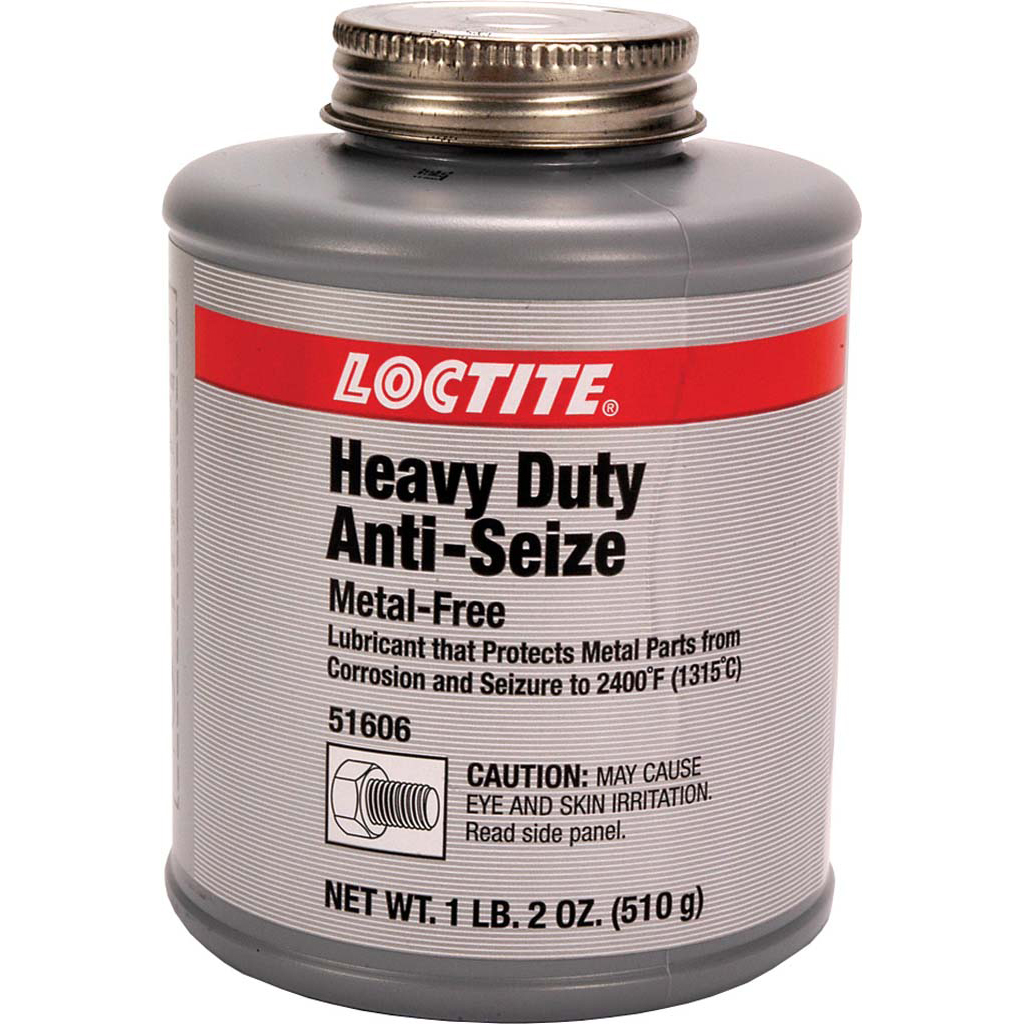
Engineering Insight: Loctite for Stainless Steel in High-Precision Manufacturing
In the realm of custom metal manufacturing, where tolerances are measured in microns and performance under extreme conditions is non-negotiable, the selection of assembly materials is as critical as the machining process itself. Among these, threadlocking adhesives—specifically Loctite for stainless steel—play a pivotal role in ensuring long-term reliability, corrosion resistance, and structural integrity. At Wuxi Lead Precision Machinery, we recognize that precision extends beyond CNC milling and turning; it encompasses every element of assembly, including the chemical engineering behind adhesion.
Stainless steel presents unique challenges when applying threadlockers. Its passive oxide layer, while excellent for corrosion resistance, can inhibit proper adhesive bonding. Standard threadlockers may fail to cure effectively or lose grip under thermal cycling and vibration—common in aerospace, defense, and high-performance industrial applications. This is where specialized formulations such as Loctite 2701 and Loctite 272 stand out. These anaerobic adhesives are engineered for use on inactive surfaces like stainless steel, utilizing primers or reactive chemistries to ensure complete cure and maximum strength.
At Lead Precision, our engineering teams integrate Loctite solutions into assembly protocols based on rigorous testing and real-world performance data. With decades of experience serving military-grade and Olympic-standard equipment manufacturers, we understand that failure is not an option. Our projects for precision-guided defense systems and high-stress mechanical assemblies demand adhesives that maintain integrity under extreme temperatures, shock loads, and corrosive environments. Loctite’s high-strength, temperature-resistant formulations meet these demands, and we apply them with precision dispensing systems to ensure consistent, repeatable results.
Beyond product selection, we emphasize surface preparation and application control. Even the most advanced Loctite compound will underperform if applied incorrectly. Our cleanroom assembly environments, combined with automated dispensing and torque validation, ensure that every fastened joint meets exacting specifications. This holistic approach—merging material science with precision engineering—is what distinguishes Lead Precision in the global manufacturing landscape.
The following table outlines key Loctite products optimized for stainless steel applications, along with their technical specifications and typical use cases in high-end manufacturing.
| Product | Chemistry | Temperature Range (°C) | Breakaway Torque (Nm) | Typical Application |
|---|---|---|---|---|
| Loctite 2701 | Anaerobic | -55 to +180 | 18–22 | Stainless steel, passive metals |
| Loctite 272 | Anaerobic | -55 to +200 | 20–25 | High-temperature environments |
| Loctite 243 | Anaerobic | -55 to +180 | 15–19 | General-purpose, oily surfaces |
| Loctite 263 | High-temperature | -55 to +230 | 22–26 | Aerospace, engine components |
| Loctite SI 565 | Silicone-based | -60 to +260 | N/A (sealant) | Gasketing, sealing stainless joints |
At Wuxi Lead Precision Machinery, we do not merely assemble components—we engineer reliability. The integration of advanced Loctite solutions for stainless steel is a testament to our commitment to precision, durability, and performance at every level of production.
Precision Specs & Tolerances
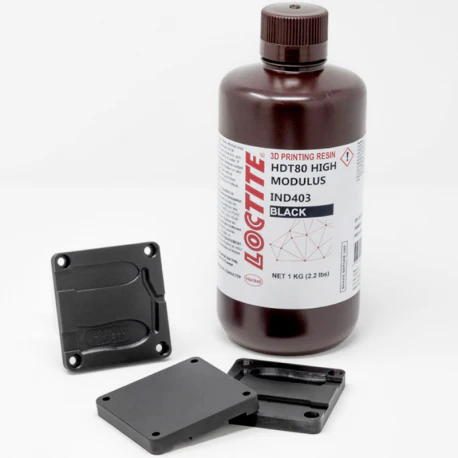
Technical Capabilities: Precision Machining for Critical Stainless Steel Components
Wuxi Lead Precision Machinery specializes in the high-integrity machining of demanding materials, with extensive expertise in austenitic and martensitic stainless steel grades. While our core competency is precision metal fabrication and not adhesive supply, we frequently partner with clients requiring components compatible with secondary processes like Loctite threadlocking or sealing. Our focus is ensuring the geometric accuracy, surface finish, and material integrity of machined parts meet the stringent requirements necessary for successful downstream assembly and performance, including optimal adhesion where specified. We understand that surface preparation and dimensional precision directly impact the effectiveness of such applications.
Our foundation is a modern fleet of 5-axis CNC machining centers, specifically configured for the challenges of stainless steel. These machines feature high-torque spindles, rigid construction, and advanced thermal compensation systems to maintain stability during extended cuts in tough materials like 304, 316, 17-4PH, and 440C. The simultaneous 5-axis capability is critical for complex stainless steel components, enabling the complete machining of intricate geometries—such as impellers, surgical instruments, valve bodies, and aerospace brackets—in a single setup. This eliminates cumulative errors from multiple fixtures, significantly improves positional accuracy between features, and achieves superior surface finishes essential for both functional performance and subsequent processes like coating or adhesive bonding. Our programming leverages advanced CAM strategies optimized for stainless steel, controlling chip formation and heat generation to prevent work hardening and ensure part integrity.
Quality verification is non-negotiable. Every critical dimension and geometric feature on stainless steel components undergoes rigorous inspection using state-of-the-art Coordinate Measuring Machines (CMMs). Our Zeiss and Hexagon CMMs, operating in a climate-controlled metrology lab, provide traceable, NIST-calibrated measurements down to micron-level accuracy. Inspection routines are developed directly from client CAD models, ensuring comprehensive verification against the original design intent. Full inspection reports, including GD&T analysis and surface roughness data (Ra values), are standard deliverables, providing documented evidence that parts meet specifications and are ready for final assembly, including any required adhesive application steps. This level of traceable quality data is essential for clients in regulated industries like medical device manufacturing and aerospace.
Our demonstrated capability to hold tight tolerances consistently across complex stainless steel parts is a key differentiator. The table below outlines our standard achievable tolerance ranges for critical features, reflecting our process capability under controlled production conditions.
| Feature Type | Tolerance Range | Measurement Method | Process Capability (Cpk) |
|---|---|---|---|
| Linear Dimensions | ±0.005 mm | CMM | ≥ 1.67 |
| Hole Diameter (Reamed) | +0.005 / -0.000 | Air Gage / CMM | ≥ 1.33 |
| Positional Tolerance | ±0.010 mm | CMM (GD&T) | ≥ 1.33 |
| Profile of Surface | 0.015 mm | CMM (GD&T) | ≥ 1.33 |
| Surface Roughness (Ra) | 0.4 – 0.8 µm | Profilometer | Controlled |
| Standard Tolerances | ISO 2768-m | Calipers / CMM | N/A |
This precision, combined with our deep material knowledge and rigorous quality management system, ensures Wuxi Lead delivers stainless steel components that perform reliably in the most demanding applications, providing the perfect foundation for all subsequent manufacturing steps.
Material & Finish Options
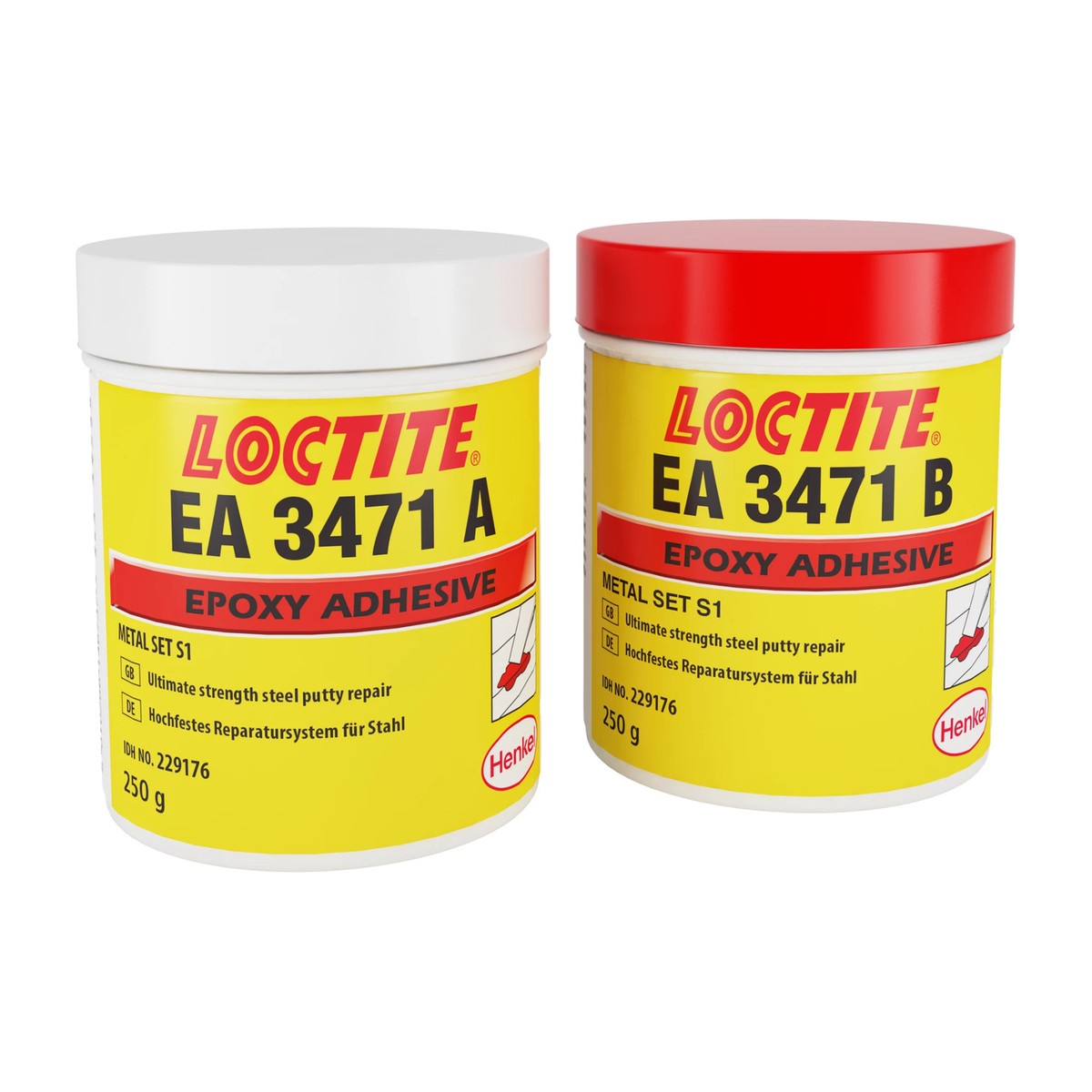
Material Selection for High-Performance Metal Components
In precision manufacturing, selecting the correct base material and surface treatment is critical to ensuring long-term performance, especially in demanding environments such as aerospace, medical devices, and high-pressure industrial systems. At Wuxi Lead Precision Machinery, we specialize in custom metal fabrication using aluminum, stainless steel, and titanium—each offering distinct mechanical and chemical properties. When integrating adhesives such as Loctite for stainless steel applications, understanding material compatibility and surface energy becomes essential to achieving durable bonds.
Stainless steel remains a preferred choice for components requiring high strength, corrosion resistance, and thermal stability. Common grades like 304 and 316 are frequently used in marine and chemical processing environments. However, stainless steel’s passive oxide layer, while beneficial for corrosion resistance, can reduce adhesion if not properly prepared. When using Loctite threadlockers or structural adhesives on stainless steel, surface cleaning with isopropyl alcohol and light abrasion are recommended to improve bond strength. Anaerobic Loctite formulations, such as LOCTITE 243 or 271, are particularly effective on threaded stainless steel assemblies, preventing loosening due to vibration and thermal cycling.
Aluminum offers a high strength-to-weight ratio and excellent machinability. While inherently less corrosion-resistant than stainless steel, aluminum can be enhanced through anodizing—a controlled electrochemical process that thickens the natural oxide layer. Anodized aluminum provides superior wear resistance and improved adhesion for coatings and sealants. However, when bonding anodized aluminum with adhesives, care must be taken to avoid sealing the porous surface with improper primers. For structural bonding, Loctite EA 9466 or similar epoxy adhesives are recommended for maximum durability.
Titanium is used in the most extreme environments due to its exceptional strength-to-density ratio and outstanding resistance to oxidation and saltwater corrosion. It is widely used in aerospace and medical implant manufacturing. Titanium’s surface forms a stable oxide layer similar to stainless steel, requiring grit blasting or chemical treatment prior to adhesive application. For high-strength bonding, Loctite SI 576 or two-part epoxies are preferred, especially in static load-bearing joints.
Understanding material behavior under operational stress ensures optimal selection and processing. Below is a comparative overview of key mechanical and surface treatment properties.
| Material | Tensile Strength (MPa) | Common Finish | Adhesive Compatibility (Recommended Loctite) | Key Applications |
|---|---|---|---|---|
| Stainless Steel 304 | 505–585 | Electropolished | LOCTITE 243, 271 (anaerobic) | Pumps, valves, food processing |
| Aluminum 6061 | 310 | Anodized (Type II/III) | LOCTITE EA 9466 (epoxy) | Enclosures, brackets, frames |
| Titanium Grade 5 | 900 | As-machined, bead blasted | LOCTITE SI 576 (silane-modified) | Aerospace, medical implants |
At Wuxi Lead, our engineering team supports clients in aligning material selection, surface treatment, and adhesive integration to meet exact performance criteria. Proper pairing of substrate, finish, and bonding agent ensures reliability, longevity, and compliance with industry standards.
Manufacturing Process & QC
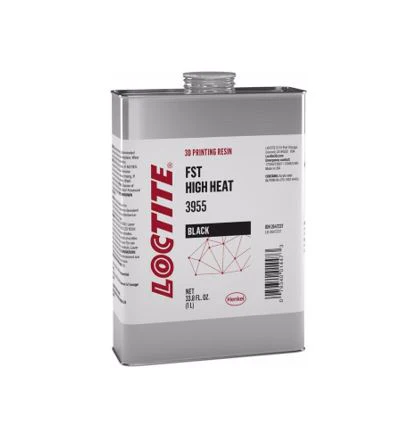
Precision Stainless Steel Manufacturing Process: From Design to Zero-Defect Delivery
At Wuxi Lead Precision Machinery, stainless steel component production follows a rigorously controlled sequence to eliminate defects and ensure absolute reliability. The process begins with engineering design, where material science and application demands dictate grade selection—typically 304, 316, or 17-4 PH stainless steel. Finite element analysis validates structural integrity under operational stress, while thermal and corrosion modeling anticipates environmental exposure. Critical dimensions are assigned geometric dimensioning and tolerancing (GD&T) callouts meeting ISO 2768-mK standards, with surface roughness parameters defined to Ra 0.8 µm or tighter where sealing or fatigue resistance is critical. This phase concludes with digital simulation of machining paths to prevent tool collision and optimize cycle time.
Prototyping transitions virtual designs into physical validation. Using 5-axis CNC milling centers with sub-micron positional accuracy, we produce 1–3 functional units for empirical testing. Each prototype undergoes non-destructive testing (NDT) including dye penetrant inspection for surface flaws and ultrasonic testing for subsurface integrity. Dimensional verification employs coordinate measuring machines (CMM) with 2.5 + L/300 µm accuracy, cross-referencing results against the original CAD model. Only after passing torque, pressure, and cyclic load tests—where applicable—is the design frozen. For assemblies requiring threadlocking or sealing, Loctite 271 (high-strength, oil-tolerant) or Loctite 577 (pipe sealant) may be applied during prototyping to validate joint performance, though adhesive selection remains application-specific and secondary to core machining precision.
Mass production leverages statistical process control (SPC) to maintain zero-defect output. CNC machines operate under real-time tool wear monitoring, with in-process gauging correcting dimensional drift before it exceeds tolerance bands. Every 50th part undergoes full CMM inspection, while 100% visual and functional checks occur at end-of-line. Stainless steel’s work-hardening tendency is managed through optimized cutting parameters: reduced feed rates during finishing passes and cryogenic cooling to prevent micro-cracking. Final cleaning uses ultrasonic degreasing followed by passivation in 20–25% nitric acid per ASTM A967 to maximize corrosion resistance.
Our CNC machining capabilities for stainless steel components are summarized below:
| Parameter | Specification | Standard Compliance |
|---|---|---|
| Material Grades | 304, 316, 17-4 PH, 440C | ASTM A276 |
| Dimensional Tolerance | ±0.005 mm (critical features) | ISO 2768-mK |
| Surface Roughness | Ra 0.4–1.6 µm (machined); Ra 0.1–0.8 µm (ground) | ISO 1302 |
| Max. Part Size | Ø600 mm x 1000 mm | — |
| Inspection Accuracy | 2.5 + L/300 µm (CMM) | ISO 10360-2 |
| Lead Time (Mass Prod.) | 15–25 days (after proto sign-off) | — |
This integrated approach—grounded in empirical validation and closed-loop process control—ensures every stainless steel component shipped from Wuxi Lead meets the uncompromising reliability demands of aerospace, medical, and energy sector clients. Defect prevention is engineered into each phase, not inspected in post-production.
Why Choose Wuxi Lead Precision
Partner with Lead Precision for Advanced Metal Fabrication Solutions
At Wuxi Lead Precision Machinery, we specialize in delivering high-precision custom metal manufacturing services tailored to the most demanding industrial applications. Our expertise extends beyond machining and fabrication—we integrate advanced material science solutions, including the strategic use of Loctite adhesives for stainless steel, to ensure superior performance, durability, and reliability in every component we produce. When you partner with us, you’re not just outsourcing production; you’re gaining a technical ally committed to engineering excellence.
Loctite products, particularly those designed for stainless steel applications, play a critical role in enhancing the integrity of threaded assemblies, flanges, and precision joints. Stainless steel, while highly corrosion-resistant and strong, presents unique challenges such as galling, thermal expansion variance, and lower surface energy—factors that can compromise adhesion and long-term joint stability. Our engineering team leverages Loctite’s high-performance threadlockers, retaining compounds, and surface activators to overcome these challenges, ensuring secure, maintenance-free assemblies under extreme operational conditions.
Our integration of Loctite solutions is not a one-size-fits-all approach. We conduct thorough material compatibility analyses, environmental stress testing, and curing process optimization to match the right Loctite product to your specific application—whether it’s for aerospace hydraulics, medical device housings, or high-pressure industrial valves. This precision-driven methodology is embedded within our ISO 9001-certified manufacturing processes, guaranteeing consistency and compliance across batches.
Wuxi Lead Precision Machinery combines deep metallurgical knowledge with advanced automation and quality control systems. From CNC machining and laser cutting to robotic welding and cleanroom assembly, our facility is equipped to handle complex stainless steel components with tight tolerances and high repeatability. By incorporating Loctite technologies into our assembly workflows, we extend the service life of your products while reducing field failures and maintenance costs.
We invite engineers, procurement managers, and R&D teams to collaborate with our technical specialists. Whether you’re developing a new product or optimizing an existing design, our team can help you leverage the full potential of Loctite for stainless steel through prototyping, failure mode analysis, and production scaling.
Contact us today at [email protected] to discuss your project requirements. Let Wuxi Lead Precision Machinery be your trusted partner in precision manufacturing.
| Specification | Detail |
|---|---|
| Material Expertise | Stainless Steel (304, 316, 17-4PH, Duplex) |
| Loctite Applications | Threadlocking, Retaining, Sealing, Surface Activation |
| Key Products Used | Loctite 243, 271, 648, 638, 770 Primer |
| Tolerance Capability | ±0.005 mm |
| Certifications | ISO 9001:2015, RoHS, REACH Compliant |
| Production Capacity | High-volume and low-volume precision runs |
| Lead Time | As low as 7 days for prototypes |
⚙️ Precision Cost Estimator
Estimate relative manufacturing effort based on tolerance.