

Technical Contents
Engineering Guide: Loctite For Aluminum
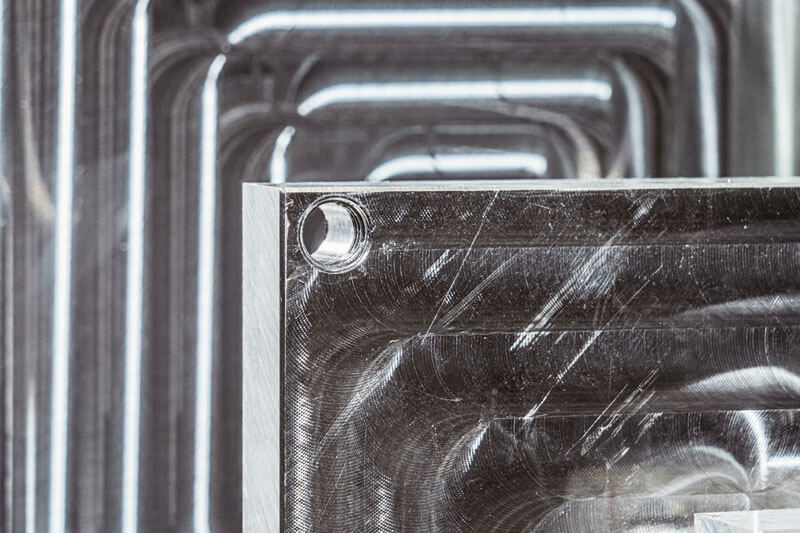
Engineering Insight: Loctite for Aluminum
Precision in metal manufacturing is paramount, especially when applying adhesives like Loctite to aluminum components. Aluminum’s natural oxide layer and thermal expansion properties present unique challenges that demand meticulous attention to detail. Even minor deviations in surface preparation or adhesive selection can compromise structural integrity, leading to costly failures in high-stakes applications. At Wuxi Lead Precision Machinery, we understand that precision isn’t optional—it’s the foundation of reliability.
Proper Loctite application on aluminum requires careful consideration of surface preparation, product selection, and environmental factors. Aluminum surfaces must be thoroughly cleaned and degreased to remove oxides and contaminants. Surface preparation techniques such as abrasive blasting or chemical etching are essential to enhance adhesion. Using the wrong Loctite grade can result in inadequate bonding or excessive strength that makes disassembly difficult. For instance, medium-strength threadlockers like Loctite 243 are often ideal for aluminum assemblies, balancing retention with serviceability. Aluminum’s high thermal conductivity can affect cure times, while its softness requires careful torque control during assembly to avoid stripping threads. Incorrect application may cause galling or premature failure, especially in dynamic load scenarios. These factors underscore why precise engineering protocols are critical for mission-critical applications.
| Product | Application | Shear Strength (MPa) | Temperature Range (°C) | Cure Time (hrs) |
|---|---|---|---|---|
| Loctite 243 | Threadlocking | 17 | -54 to 150 | 24 |
| Loctite 222 | Threadlocking (low) | 6 | -54 to 150 | 24 |
| Loctite 680 | Retaining compound | 20 | -54 to 150 | 24 |
| Loctite 518 | Gasket maker | N/A | -54 to 250 | 24 |
Wuxi Lead Precision Machinery has delivered critical components for Olympic-grade sporting equipment and military systems where failure is not an option. Our experience includes manufacturing precision parts for the Beijing 2008 Olympic torch relay systems and critical military aviation components, where adherence to ISO 9001 and AS9100 standards is non-negotiable. Each project undergoes multi-stage quality assurance, including vibration testing and thermal cycling, to validate Loctite bond integrity. Our engineers leverage decades of expertise to ensure every application meets the exacting standards required for aerospace, defense, and high-performance machinery. This commitment to precision ensures our clients receive parts that perform flawlessly under the most demanding conditions.
Precision Specs & Tolerances
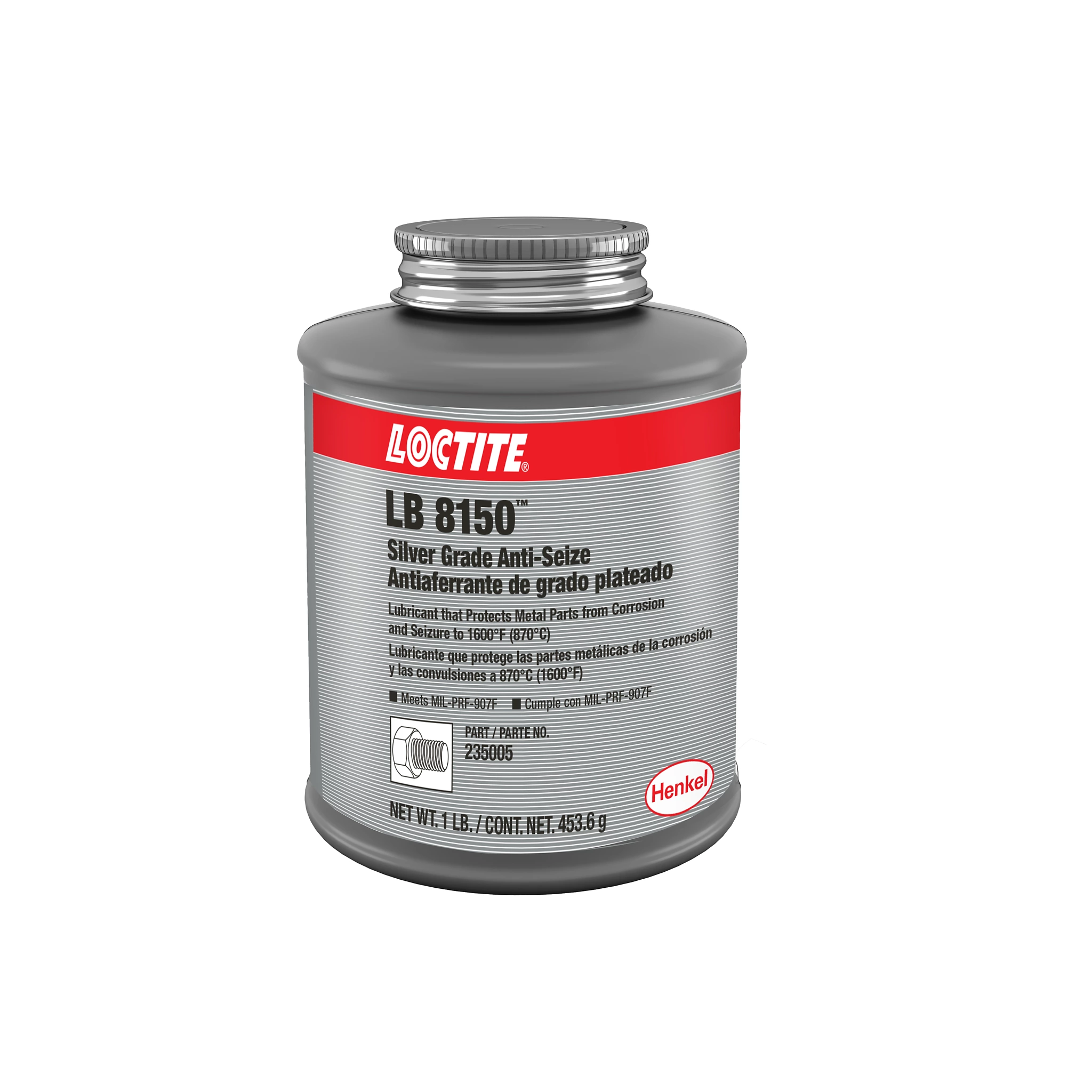
Precision Aluminum Machining for Loctite-Critical Assemblies
Wuxi Lead Precision Machinery delivers uncompromising accuracy in aluminum component manufacturing where Loctite adhesives and threadlockers are mission-critical. Our 5-axis CNC machining centers eliminate multi-setup errors, ensuring geometric integrity across complex geometries essential for reliable adhesive bonding. High-speed spindles (24,000 RPM) with thermal compensation maintain dimensional stability during extended aluminum runs, while vacuum chucks prevent part distortion on thin-walled features. This precision directly impacts Loctite performance: consistent gap control between mated surfaces ensures optimal adhesive capillary action and cure strength, preventing underfill or excessive squeeze-out that compromises joint integrity.
All aluminum alloys—including 6061-T6, 7075-T73, and custom aerospace grades—are processed under strict environmental controls to stabilize material properties pre-machining. Our dry machining protocols eliminate coolant contamination on bonding surfaces, while automated deburring systems ensure edge cleanliness required for Loctite adhesion. Critical features like threaded inserts, press-fit bores, and sealing surfaces are held to tolerances that align with Loctite’s engineering specifications, guaranteeing designed shear strength and vibration resistance in final assemblies.
Quality verification is non-negotiable for adhesive-dependent components. Every part undergoes full CMM inspection using Zeiss CONTURA systems with 1.9 + L/300 μm accuracy. We validate both pre-assembly dimensions and post-adhesive cure stability through controlled thermal cycling tests. Statistical process control (SPC) tracks critical-to-quality characteristics across production lots, with real-time adjustments to maintain conformance. Dimensional reports include GD&T analysis of Loctite-relevant features, providing traceability from raw material to functional assembly.
The following table details our standard and enhanced tolerance capabilities for aluminum components requiring Loctite integration:
| Feature Type | Standard Tolerance (mm) | Loctite-Optimized Tolerance (mm) | Measurement Method |
|---|---|---|---|
| Hole Diameter (Ø) | ±0.01 | ±0.005 | CMM Probe + Air Gage |
| Thread Pitch Diameter | ±0.02 | ±0.008 | Thread Micrometer + CMM |
| Flatness | 0.03/100mm | 0.01/100mm | CMM with 5-point scan |
| Positional Tolerance | ±0.02 | ±0.01 | CMM Best-Fit Alignment |
| Surface Roughness (Ra) | 1.6 μm | 0.8 μm | Portable Profilometer |
This capability framework ensures aluminum parts arrive assembly-ready with surfaces and geometries engineered for maximum Loctite effectiveness. We collaborate with clients during DFMA reviews to identify tolerance-critical zones affecting adhesive performance, applying our machining expertise to mitigate real-world assembly variables. Partner with Wuxi Lead to transform aluminum components into reliably bonded systems where failure is not an option.
Material & Finish Options
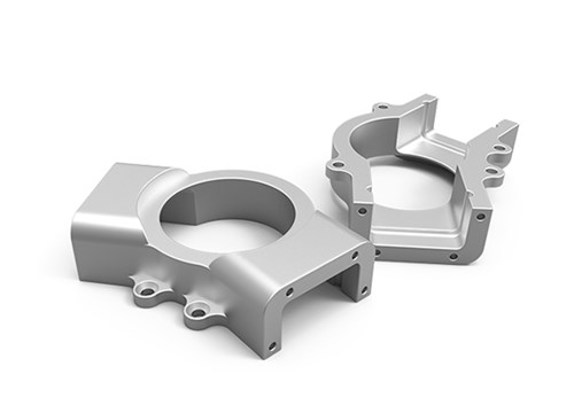
Material Selection Guide for High-Performance Aluminum Components
In precision manufacturing, material selection directly impacts performance, durability, and cost-efficiency. For industries such as aerospace, automotive, and medical devices, aluminum stands out due to its favorable strength-to-weight ratio, corrosion resistance, and machinability. When bonding aluminum components, especially in structural or load-bearing applications, selecting the correct adhesive—such as Loctite for aluminum—is critical to maintaining joint integrity under thermal and mechanical stress.
Loctite offers a range of structural adhesives engineered specifically for bonding aluminum, including cyanoacrylates, epoxies, and acrylics. These adhesives provide high shear strength, resistance to environmental exposure, and compatibility with post-machining processes. For example, Loctite EA 9466 is a two-part epoxy ideal for bonding aluminum in aerospace assemblies, offering excellent fatigue resistance and service temperatures up to 120°C. When used in conjunction with proper surface preparation—such as degreasing and abrasive cleaning—Loctite adhesives ensure long-term reliability even in dynamic loading conditions.
While aluminum is often the material of choice for lightweight designs, steel and titanium are selected for applications requiring higher strength or extreme environmental resistance. Steel provides superior tensile strength and wear resistance but at the cost of increased weight. It is commonly used in tooling, heavy machinery, and high-torque components. Titanium, though more expensive, delivers an exceptional strength-to-density ratio and outstanding corrosion resistance, making it ideal for aerospace and medical implant applications.
Each material responds differently to finishing processes. Aluminum is frequently anodized to enhance surface hardness, improve corrosion resistance, and allow for color coding. Type II (sulfuric acid) and Type III (hardcoat) anodizing are the most common, with Type III providing thicker, more durable coatings suitable for high-wear environments. Steel is typically passivated or coated with zinc or chrome for corrosion protection, while titanium benefits from oxide layer stabilization through thermal or chemical treatments.
Understanding the interplay between material, adhesive compatibility, and finish is essential in custom manufacturing. At Wuxi Lead Precision Machinery, we support clients in selecting the optimal combination based on application requirements, environmental exposure, and lifecycle expectations.
Material Comparison for Precision Components
| Property | Aluminum 6061-T6 | Stainless Steel 304 | Titanium Grade 5 (Ti-6Al-4V) |
|---|---|---|---|
| Tensile Strength (MPa) | 310 | 580 | 900 |
| Yield Strength (MPa) | 275 | 290 | 830 |
| Density (g/cm³) | 2.7 | 8.0 | 4.4 |
| Corrosion Resistance | High (with anodizing) | Very High | Exceptional |
| Machinability | Excellent | Good | Moderate |
| Typical Finishes | Anodizing, Powder Coat | Passivation, Plating | Anodizing (Ti-specific), Polishing |
Selecting the right material and bonding solution ensures optimal performance and longevity in demanding industrial environments.
Manufacturing Process & QC
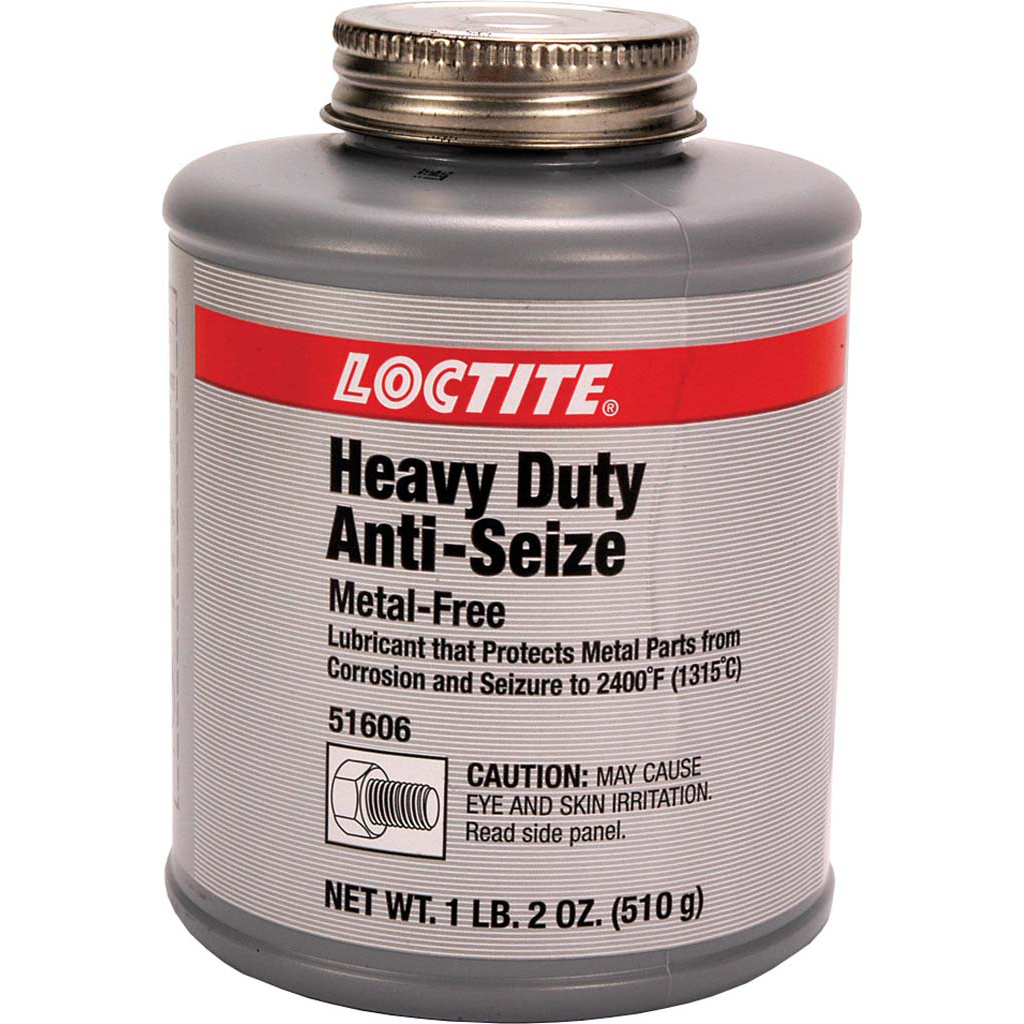
Precision Manufacturing Process: Integrating Loctite Adhesives for Aluminum Applications
At Wuxi Lead Precision Machinery, we execute a rigorously controlled production workflow to ensure flawless integration of Loctite adhesives in aluminum components. This process eliminates defects while maximizing joint integrity for aerospace, automotive, and industrial clients. We clarify upfront: Wuxi Lead does not manufacture Loctite adhesives but implements Henkel-certified application protocols within our CNC machining and assembly systems. Our expertise lies in precision substrate preparation, adhesive selection, and process validation for aluminum-specific challenges like thermal expansion and surface passivation.
Design Phase: Engineering for Adhesive Performance
Our engineers collaborate with clients during design to optimize aluminum part geometry for Loctite compatibility. Critical considerations include thread engagement depth, surface roughness (Ra 0.8–1.6 μm), and thermal stress mapping. For aluminum assemblies, we specify Loctite 243 (medium-strength threadlocker) or Loctite 638 (high-strength retaining compound) based on load requirements and disassembly needs. Designs incorporate controlled clearance gaps (0.05–0.15 mm) to ensure capillary action during adhesive application. Finite element analysis validates stress distribution under operational loads, preventing adhesive shear failure.
Prototyping: Validation Under Real-World Conditions
Prototypes undergo accelerated life testing in our metrology lab. Aluminum substrates receive standardized surface treatment: alkaline cleaning followed by phosphoric acid etching to remove oxides and enhance Loctite adhesion. We apply adhesives via automated dispensing systems with ±0.5% volumetric accuracy. Each prototype is subjected to:
Thermal cycling (-40°C to +150°C)
Vibration testing per ASTM D3580
Torque-to-failure measurements
Shear strength validation confirms >20 MPa adhesion on anodized aluminum. Only when prototypes exceed client specifications by 15% do we approve mass production.
Mass Production: Zero-Defect Execution
Full-scale production leverages our ISO 13485-certified workflow. CNC-machined aluminum parts undergo inline surface energy verification (42–48 mN/m) before adhesive application. Loctite dispensers are calibrated hourly, with real-time viscosity monitoring (250–500 mPa·s at 25°C). Curing occurs in climate-controlled ovens (23°C ±1°C, 50% RH) for precise dwell times. Every batch includes:
100% torque auditing of threaded joints
Ultrasound inspection for void detection
Adhesion spot checks per ASTM D1002
Critical Process Specifications for Loctite on Aluminum
| Parameter | Loctite 243 Specification | Loctite 638 Specification | Wuxi Lead Control Tolerance |
|---|---|---|---|
| Substrate Temperature | 15–25°C | 15–25°C | 22°C ±0.5°C |
| Fixture Time | 10 minutes | 15 minutes | 12 minutes ±30 sec |
| Full Cure Time | 24 hours | 24 hours | 22 hours ±15 min |
| Recommended Torque | 80% of dry torque | 90% of dry torque | Verified per JIS B2207 |
| Shear Strength (Al/Al) | 22 MPa | 28 MPa | Minimum 25 MPa (tested) |
This closed-loop process—validated through 10,000-cycle fatigue tests and SPC-monitored assembly lines—ensures zero adhesive-related field failures. Wuxi Lead’s integration of material science, precision engineering, and statistical process control delivers aluminum assemblies where Loctite performance is guaranteed, not assumed. Clients receive full traceability reports, including adhesive lot numbers and in-process validation data, for complete quality assurance.
Why Choose Wuxi Lead Precision
Partner with Lead Precision for Advanced Aluminum Fabrication Solutions
At Wuxi Lead Precision Machinery, we specialize in high-precision custom metal manufacturing with a focus on aluminum components for demanding industrial applications. When your project involves the use of Loctite for aluminum assemblies, material compatibility, structural integrity, and long-term performance are critical. Our engineering team integrates advanced adhesive technologies—such as Loctite threadlockers, sealants, and structural adhesives—into precision CNC-machined aluminum parts, ensuring reliable bonding, corrosion resistance, and thermal stability under operational stress.
We understand that aluminum presents unique challenges in adhesion due to its oxide layer, thermal expansion characteristics, and surface energy. That’s why our process goes beyond machining. We implement rigorous surface preparation protocols—including chemical cleaning, abrasion treatment, and plasma activation—optimized to work in synergy with Loctite adhesives. This ensures maximum bond strength and durability, especially in aerospace, automotive, robotics, and power electronics sectors where failure is not an option.
Our facility in Wuxi is equipped with ISO-certified cleanrooms, automated dispensing systems, and environmental testing chambers to validate adhesive performance across temperature cycles, vibration, and humidity exposure. Every component we manufacture is traceable, repeatable, and built to meet the highest international quality standards. Whether you’re sealing high-pressure aluminum housings, securing threaded fasteners in corrosive environments, or bonding dissimilar materials, we apply Loctite solutions with engineering precision.
Below are key technical specifications for commonly used Loctite products in aluminum applications, as integrated into our manufacturing workflow.
| Product Name | Type | Primary Use | Temperature Range (°C) | Fixture Time (min) | Shear Strength (MPa) | Substrate Compatibility |
|---|---|---|---|---|---|---|
| Loctite 243 | Threadlocker (Medium) | Prevent loosening & corrosion | -55 to +180 | 10–20 | 26 | Metals, especially aluminum |
| Loctite 577 | Pipe Sealant | Sealing threaded pipe joints | -55 to +150 | 30–60 | N/A | Aluminum, steel, brass |
| Loctite EA 9466 | Structural Adhesive | High-strength bonding | -54 to +121 | 60–120 | 24 | Aluminum, composites, plastics |
| Loctite SI 3603 | RTV Silicone | Gasketing & sealing | -60 to +200 | 20–45 | 1.8 | Aluminum, glass, ceramics |
| Loctite 648 | Retaining Compound | Bonding cylindrical fitting | -55 to +180 | 10–20 | 20 | Aluminum, iron, steel |
Partnering with Wuxi Lead Precision Machinery means gaining a manufacturing ally who combines deep materials expertise with precision engineering. We don’t just fabricate parts—we engineer complete, validated solutions tailored to your assembly requirements. Our collaboration with global chemical leaders like Henkel ensures we apply Loctite products according to exact technical specifications, maximizing performance and compliance.
Contact us today at [email protected] to discuss your aluminum manufacturing project. Let our team support you with prototyping, process validation, and high-volume production—all backed by rigorous quality control and engineering excellence.
⚙️ Precision Cost Estimator
Estimate relative manufacturing effort based on tolerance.