

Technical Contents
Engineering Guide: Local Metal Fabrication
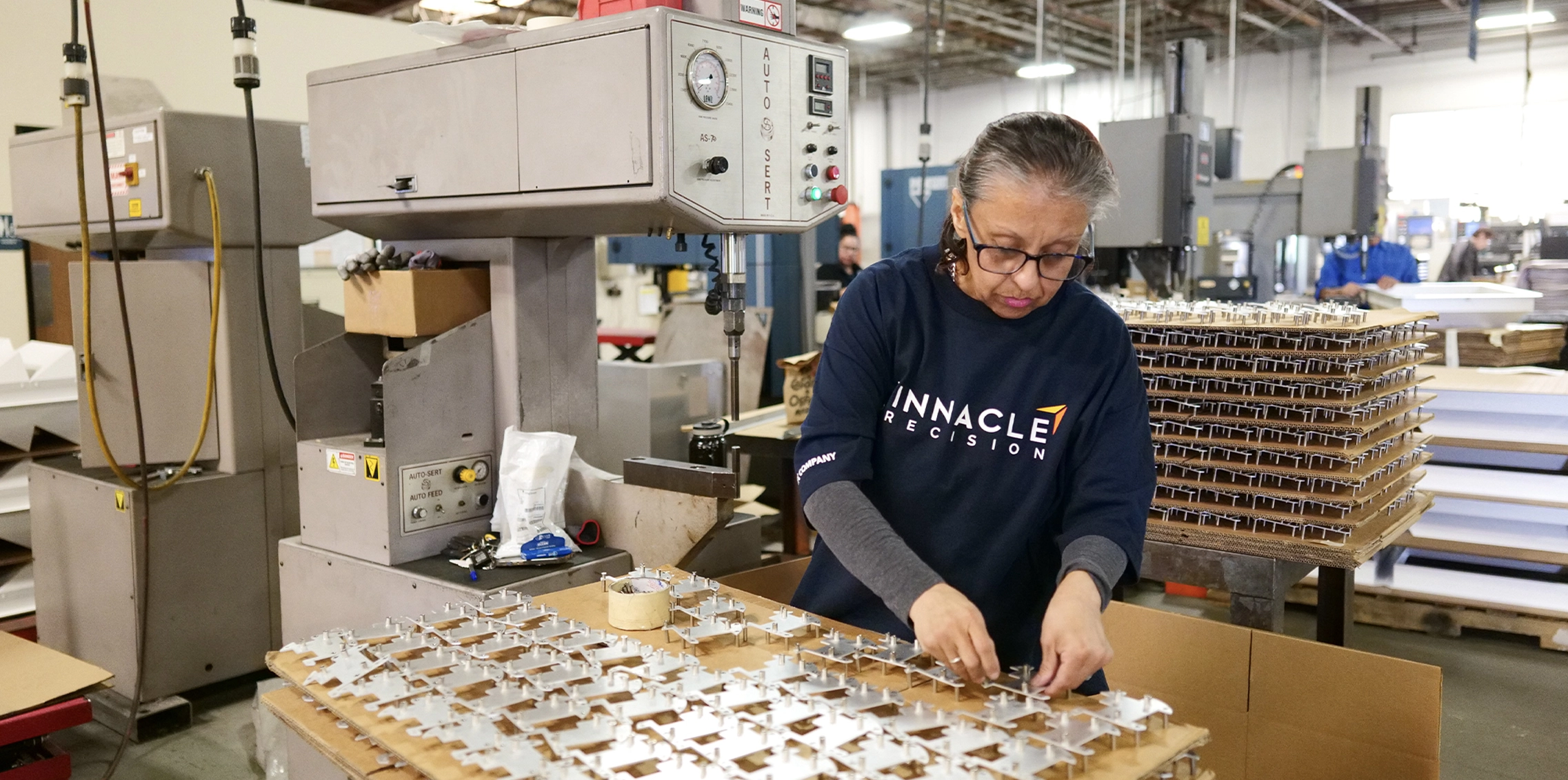
Engineering Insight Precision as the Foundation of Modern Metal Fabrication
In high-stakes industrial manufacturing, precision transcends mere measurement; it defines product integrity, assembly efficiency, and ultimate client success. For sheet metal fabricators serving aerospace, defense, medical technology, and advanced automation sectors, tolerances measured in thousandths of an inch directly impact structural performance, safety compliance, and total lifecycle costs. Sub-millimeter deviations can trigger catastrophic tolerance stack-up in multi-component assemblies, leading to costly rework, project delays, and reputational damage. True precision engineering demands integrated control across the entire fabrication chain—from material selection and laser cutting accuracy through forming consistency and final weld integrity. It requires not only advanced machinery but also deep metallurgical understanding and rigorous process validation protocols to ensure dimensional stability under operational stress.
At Wuxi Lead Precision Machinery, we engineer precision into every component. Our CNC-controlled fabrication ecosystem operates under stringent ISO 9001 and AS9100 frameworks, ensuring repeatability where it matters most. We recognize that raw machine capability is insufficient; success lies in harmonizing technology with expert craftsmanship and proactive quality management. This philosophy enables us to consistently deliver complex sheet metal solutions where conventional fabricators face critical limitations.
Our operational excellence is validated through mission-critical applications. We contributed precision structural components for Beijing Winter Olympic venue infrastructure, meeting extreme environmental durability requirements. More significantly, we maintain long-term partnerships with Tier-1 defense contractors, producing military-grade enclosures and chassis where electromagnetic shielding integrity and ballistic resistance tolerances are non-negotiable. These projects demand zero-defect execution under rigorous audit regimes—a standard we meet daily through embedded quality controls.
The following specifications demonstrate our core precision capabilities for demanding sheet metal fabrication:
| Specification Category | Capability | Industry Standard Reference |
|---|---|---|
| Laser Cutting Tolerance | ±0.05 mm | ISO 2768-mK |
| CNC Punching Tolerance | ±0.08 mm | ISO 2768-mK |
| Press Brake Forming | ±0.1° angular / ±0.1 mm linear | DIN 6935 |
| Weld Distortion Control | < 0.5 mm per meter | AWS D1.1 Structural Welding |
| Material Thickness Range | 0.5 mm – 6.0 mm | Carbon/Stainless/Aluminum |
| Critical Feature Repeatability | CpK ≥ 1.67 | Statistical Process Control |
This precision foundation delivers tangible client advantages: accelerated assembly throughput due to perfect part fit, elimination of field modification costs, and compliance with aerospace DFARS or medical ISO 13485 mandates. For global OEMs, partnering with a fabricator that treats precision as a systemic discipline—not an occasional target—mitigates supply chain risk while enhancing end-product reliability. Wuxi Lead Precision Machinery provides this assurance through documented process control, military-grade validation testing, and engineering collaboration from prototype through volume production. In an era where manufacturing excellence is measured in microns, precision isn’t optional—it’s the price of entry for strategic partnerships.
Precision Specs & Tolerances
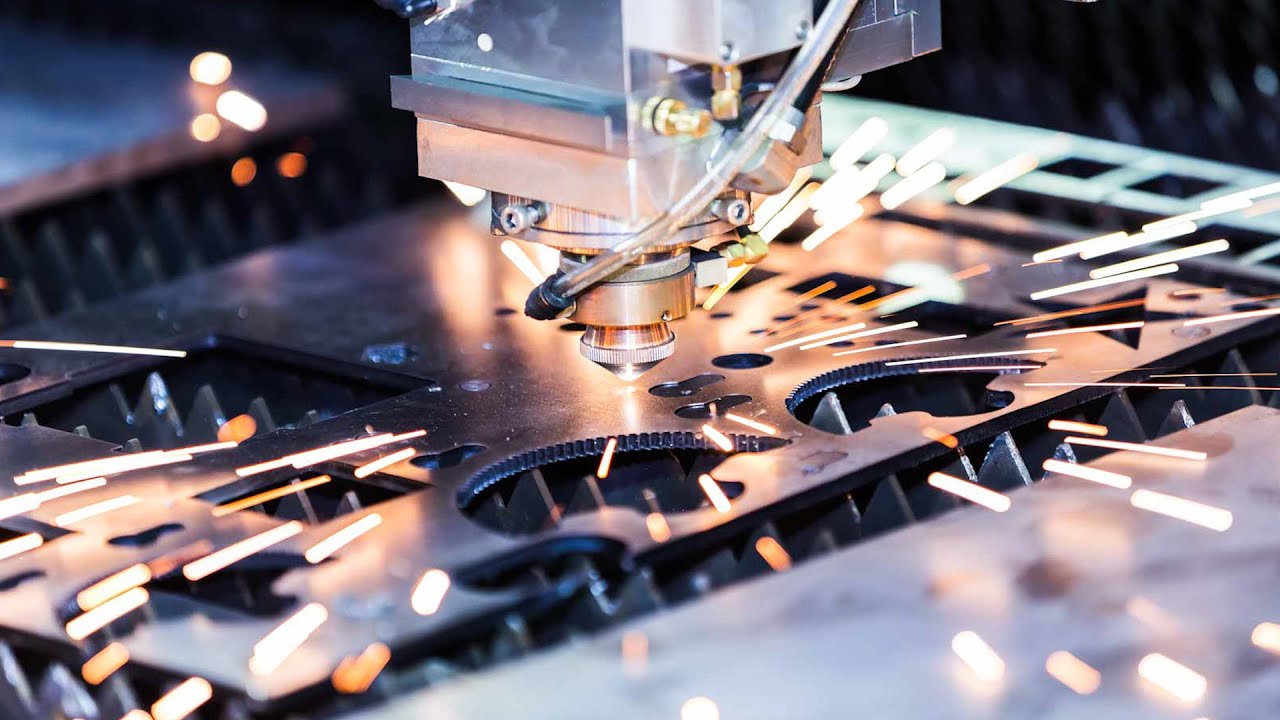
Wuxi Lead Precision Machinery delivers advanced sheet metal fabrication solutions engineered for precision, repeatability, and performance in high-demand industrial applications. Our technical capabilities are anchored in state-of-the-art 5-axis CNC machining systems, which enable complex geometries and tight-tolerance components that exceed standard industry expectations. These multi-axis platforms provide simultaneous movement across five planes, allowing for intricate contouring, beveled edges, and compound angle features—all executed in a single setup to minimize human error and maximize consistency.
Our 5-axis CNC technology supports a broad range of materials, including stainless steel, aluminum, carbon steel, and specialty alloys, with thicknesses ranging from 0.5 mm to 25 mm. This flexibility ensures compatibility with aerospace, medical, energy, and automation sectors where material integrity and dimensional accuracy are critical. Advanced toolpath optimization and high-speed machining protocols further enhance surface finish quality and reduce cycle times, delivering faster turnaround without compromising precision.
To maintain the highest standards of quality, every fabricated component undergoes rigorous inspection using a Coordinate Measuring Machine (CMM). Our CMM systems are calibrated to international standards and operated by certified metrology technicians. These inspections validate dimensional conformity, geometric accuracy, and feature alignment across all critical datums. Full inspection reports are generated for each production batch, providing traceable documentation for compliance with ISO 9001 and customer-specific quality requirements.
In addition to CMM validation, our quality assurance process includes in-process checks, first-article inspections, and final visual and functional evaluations. This end-to-end scrutiny ensures that every part meets or exceeds specified tolerances and performance benchmarks before shipment.
The following table outlines the standard tolerances achievable across key fabrication parameters under controlled production conditions:
| Parameter | Standard Tolerance | Precision Tolerance (Optimized Setup) |
|---|---|---|
| Linear Dimensions (up to 500 mm) | ±0.1 mm | ±0.05 mm |
| Linear Dimensions (500–1000 mm) | ±0.15 mm | ±0.08 mm |
| Hole Diameter | ±0.08 mm | ±0.03 mm |
| Positional Tolerance (Holes/Features) | ±0.1 mm | ±0.05 mm |
| Angular Features | ±0.2° | ±0.1° |
| Surface Flatness (per 100 mm) | 0.1 mm | 0.05 mm |
| Repeatability (5-axis CNC) | ±0.01 mm | ±0.005 mm |
These specifications reflect our commitment to precision engineering and our ability to support mission-critical applications where consistency and reliability are non-negotiable. At Wuxi Lead Precision Machinery, we combine advanced equipment, disciplined quality control, and deep technical expertise to deliver sheet metal components that meet the most demanding fabrication challenges.
Material & Finish Options
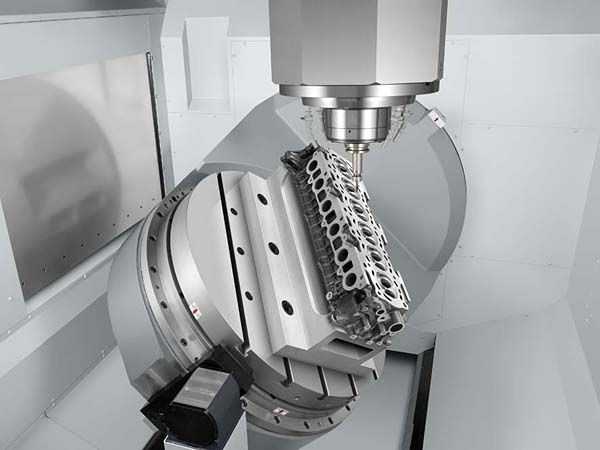
Strategic Material Selection for Precision Sheet Metal Fabrication
Material choice fundamentally dictates performance, cost efficiency, and longevity in sheet metal components. At Wuxi Lead Precision Machinery, we prioritize aligning material properties with functional requirements, environmental exposure, and manufacturability. Aluminum, steel, and titanium each offer distinct advantages but demand careful evaluation against project-specific criteria. Aluminum alloys like 5052 and 6061-T6 dominate aerospace and electronics due to exceptional strength-to-weight ratios, inherent corrosion resistance, and weldability. They excel in weight-sensitive applications but require surface treatment for enhanced wear resistance. Steel variants, particularly 304/316 stainless and cold-rolled carbon steel (CRS), provide superior structural integrity and cost-effectiveness for industrial enclosures, automotive frames, and heavy machinery. Stainless grades deliver robust corrosion resistance in harsh environments, while CRS offers high tensile strength for load-bearing parts but necessitates protective finishes. Titanium, though cost-intensive, is indispensable for extreme conditions—think medical implants or aerospace hydraulics—where unmatched strength, temperature resilience, and biocompatibility outweigh budget constraints. Its challenging machinability requires specialized CNC expertise to minimize waste and maintain tolerances.
Critical material properties must be quantified for informed decisions. The following table summarizes key metrics for common fabrication grades:
| Material | Typical Grades | Tensile Strength (MPa) | Corrosion Resistance | Relative Cost | Key Applications |
|---|---|---|---|---|---|
| Aluminum | 5052, 6061-T6 | 190–310 | High (native oxide) | Medium | Drones, heat sinks, enclosures |
| Stainless Steel | 304, 316 | 505–860 | Very High | Medium-High | Marine hardware, medical devices |
| Carbon Steel | CRS 1008 | 340–420 | Low (requires finish) | Low | Brackets, structural frames |
| Titanium | Grade 2, 5 | 345–895 | Exceptional | Very High | Aerospace, surgical tools |
Anodizing remains the premier finish for aluminum, transforming its surface into a durable, non-conductive oxide layer. Type II (sulfuric acid) anodizing offers economical corrosion and wear resistance with dye compatibility for branding. For mission-critical parts, Type III (hardcoat) anodizing delivers 50–100µm thickness, extreme abrasion resistance, and thermal stability—essential for hydraulic manifolds or military hardware. Note that anodizing cannot be applied to steel or titanium; these require alternatives like powder coating or passivation. Wuxi Lead integrates material science with precision CNC fabrication to optimize finish adhesion and dimensional stability, ensuring coatings perform as engineered.
Selecting the right material-finish combination minimizes total lifecycle costs while meeting performance mandates. We collaborate with clients to navigate supply chain variables—such as titanium’s lead times or aluminum grade availability—and leverage our ISO-certified facility to transform specifications into flawless components. Partner with us to convert material potential into manufacturing excellence.
Manufacturing Process & QC
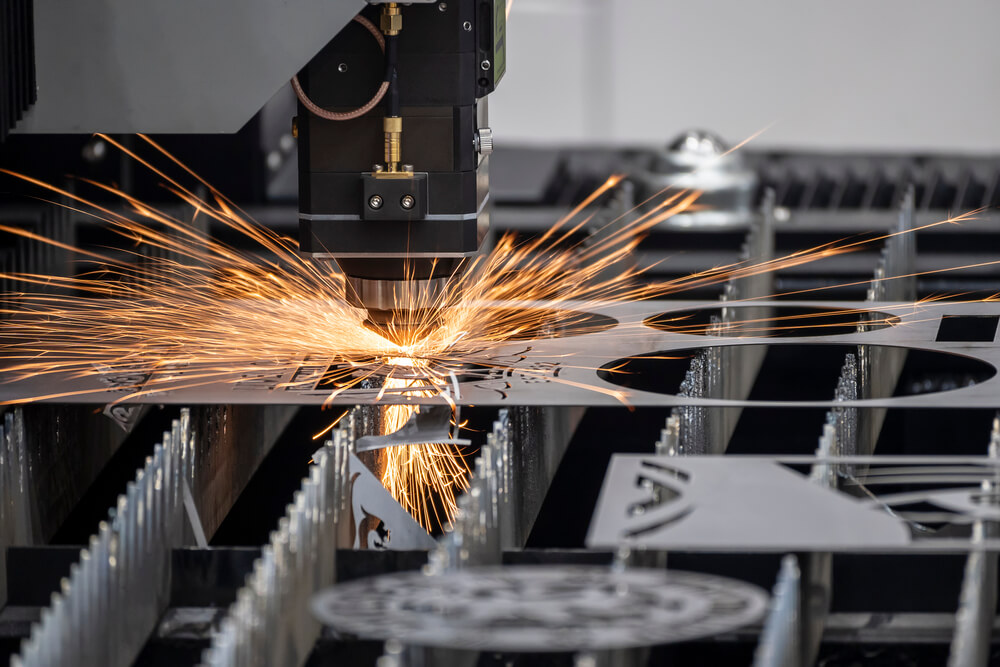
Design: The Foundation of Precision Fabrication
At Wuxi Lead Precision Machinery, the production process begins with a rigorous design phase that integrates engineering excellence with advanced simulation tools. Our engineering team collaborates closely with clients to translate conceptual requirements into detailed 3D models using industry-leading CAD software such as SolidWorks and AutoCAD. This stage includes comprehensive design for manufacturability (DFM) analysis, ensuring that every component is optimized for structural integrity, material efficiency, and ease of assembly. Thermal, stress, and tolerance simulations are conducted to preempt potential failure points, reducing rework and ensuring compliance with international standards such as ISO 9001 and ASME Y14.5. All designs are reviewed and validated through cross-functional engineering sign-off, guaranteeing alignment with both technical and commercial objectives.
Prototyping: Validating Performance Before Scale
Following design approval, we proceed to prototyping—a critical step in our zero-defect strategy. Utilizing high-precision laser cutting, CNC punching, and automated bending systems, we produce functional prototypes that mirror final production conditions. These prototypes undergo full-scale dimensional inspection using coordinate measuring machines (CMM) and 3D scanning technologies to verify geometric accuracy within ±0.05 mm. In addition, mechanical testing—including tensile strength, weld integrity, and surface finish evaluation—is performed in-house. Client feedback is incorporated at this stage, allowing for iterative refinement without impacting production timelines. This phase not only confirms design performance but also validates tooling, material selection, and assembly sequences, forming a seamless bridge to mass production.
Mass Production: Precision, Consistency, Zero Defects
With prototype validation complete, we transition to high-volume manufacturing under a fully controlled production environment. Our automated sheet metal fabrication lines integrate fiber laser cutting, CNC turret punching, robotic bending cells, and automated welding stations, enabling consistent output at scale. Every production run is governed by standardized work instructions, real-time process monitoring, and statistical process control (SPC) methodologies. In-line inspection systems, including vision-based gauging and automated optical inspection (AOI), ensure immediate detection of deviations. Final assemblies undergo 100% functional and dimensional verification before packaging. Our quality management system enforces traceability at the batch and serial level, supporting full audit readiness.
The table below outlines key production capabilities and tolerances maintained across our facility:
| Parameter | Capability | Tolerance / Accuracy |
|---|---|---|
| Laser Cutting Thickness | 0.5 – 25 mm (steel) | ±0.1 mm |
| CNC Punching | Up to 6 mm (mild steel) | ±0.15 mm |
| Bending Angle | 0.1° – 180° | ±0.2° |
| Hole Position Accuracy | CNC-controlled | ±0.1 mm |
| Surface Finish (Ra) | As per customer spec | 0.8 – 3.2 µm |
| Dimensional Inspection | CMM, 3D Scanner, Optical Comparator | Up to ±0.05 mm |
| Welding Processes | MIG, TIG, Spot, Robotic Automation | ISO 15614-1 compliant |
Through disciplined execution across design, prototyping, and mass production, Wuxi Lead Precision Machinery delivers zero-defect sheet metal solutions tailored to the most demanding industrial applications.
Why Choose Wuxi Lead Precision
Partner with Lead Precision: Your Engineered Advantage in Global Sheet Metal Fabrication
In the demanding landscape of high-precision sheet metal fabrication, selecting a partner transcends basic capability. It requires a strategic ally committed to engineering excellence, unwavering quality, and seamless integration into your supply chain. Wuxi Lead Precision Machinery delivers precisely this partnership, engineered for manufacturers who demand more than just parts – they require solutions that enhance product performance, accelerate time-to-market, and mitigate risk. We specialize in transforming complex designs into mission-critical components for aerospace, medical device, semiconductor, and advanced industrial equipment sectors, where tolerances are non-negotiable and yield rates directly impact your bottom line.
Our competitive edge lies in the fusion of German-engineered machinery, rigorous process control, and deep materials science expertise. We operate beyond standard industry tolerances, consistently achieving ±0.05mm on critical features through advanced CNC laser cutting, precision bending, and robotic welding cells. Our integrated quality management system, certified to ISO 9001:2015 and AS9100D, ensures full material traceability and real-time process monitoring from raw material intake to final inspection. This commitment translates directly to reduced scrap, predictable lead times, and components that integrate flawlessly into your assembly process. The table below details our core production capabilities for immediate assessment.
| Capability | Specification Range | Key Technology |
|---|---|---|
| Laser Cutting | 0.5mm – 25mm Thickness (Stainless, Al, Steel) | 12kW Fiber Laser, ±0.05mm Accuracy |
| CNC Punching | 0.8mm – 6.0mm Thickness | Turret Capacity: 60 Stations |
| Press Brake Forming | 0.5mm – 12mm Thickness, 4000mm Length | CNC Control, ±0.1° Angular Tolerance |
| Robotic Welding | TIG, MIG, Laser Hybrid | Full Penetration, Minimal Distortion |
| Finishing & Assembly | Deburring, Anodizing, Powder Coating, Sub-Assembly | In-House Control, AQL 1.0 Standard |
Partnering with Lead Precision means eliminating the hidden costs of supplier inconsistency. We proactively manage material sourcing through approved global vendors, provide comprehensive First Article Inspection Reports (FAIR) per AS9102, and implement robust corrective action protocols for any non-conformance. Our engineering team collaborates early in your design phase (DFM analysis) to optimize manufacturability, reduce costs, and prevent downstream delays. This proactive partnership model consistently delivers a 30% reduction in total production lead time compared to regional alternatives, while maintaining a supplier defect rate below 50 PPM.
Your next high-mix, low-volume production run demands a partner capable of scaling precision without compromising agility. We invite you to experience the Lead Precision difference: where engineering rigor meets responsive global manufacturing. Contact our technical sales team directly to discuss your specific project requirements and receive a detailed capability assessment. Initiate the conversation that optimizes your supply chain.
Email [email protected] to connect with our engineering and sales leadership. Specify your component requirements, target volumes, and quality standards for a tailored response within 24 business hours. Let us demonstrate how precision-engineered partnership drives your competitive advantage.
⚙️ Precision Cost Estimator
Estimate relative manufacturing effort based on tolerance.