Technical Contents
Engineering Guide: Liquid Silicone Rubber Injection Molding
Engineering Insight: Precision in Liquid Silicone Rubber Injection Molding
In the realm of advanced manufacturing, liquid silicone rubber (LSR) injection molding stands as a critical process for producing high-performance components across aerospace, medical, automotive, and defense industries. At the core of successful LSR molding lies precision—both in machine design and process control. The inherent characteristics of LSR, including its low viscosity, rapid cure kinetics, and sensitivity to temperature and mixing ratios, demand a level of engineering accuracy that only purpose-built systems can deliver.
Wuxi Lead Precision Machinery has cultivated deep expertise in this demanding field, leveraging over a decade of experience in custom metal manufacturing and precision engineering. Our involvement in mission-critical projects—including components for Olympic-standard equipment and military-grade systems—has reinforced the non-negotiable role of dimensional accuracy, material consistency, and long-term reliability. In LSR molding, even micron-level deviations can result in part failure, seal leakage, or compromised biocompatibility, particularly in sterile or high-stress environments.
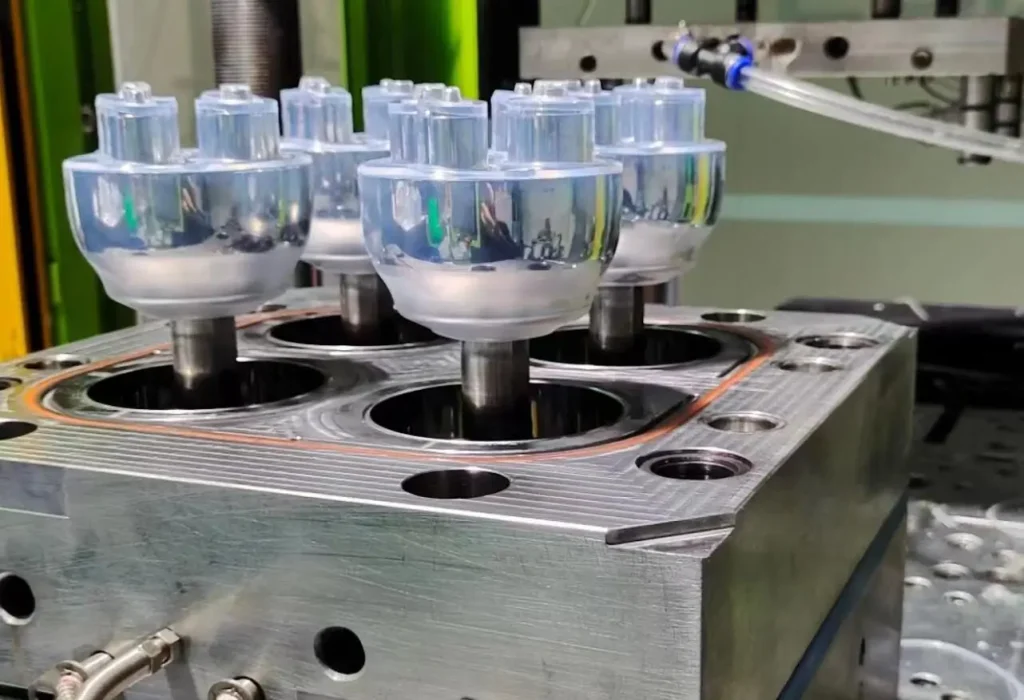
Precision begins with the mold. At Lead Precision, molds are CNC-machined from high-grade tool steels using multi-axis milling and wire EDM processes, ensuring cavity tolerances within ±0.002 mm. Surface finishes are honed to optical-grade smoothness (Ra < 0.05 µm), minimizing flash and easing demolding. This level of detail is essential, as LSR flows easily into minute gaps, making tight shutoffs and precise venting paramount.
Equally critical is the injection unit. Our LSR molding systems employ dual-cylinder metering with closed-loop feedback, maintaining a mixing ratio accuracy of ±0.5%. Integrated temperature control zones regulate material from hopper to nozzle, preventing premature cross-linking. Shot repeatability is sustained within 0.1%, ensuring batch-to-batch uniformity—a requirement for ISO 13485 and MIL-STD certifications.
Automation and real-time monitoring further elevate process control. Our machines feature in-line rheometry and cavity pressure sensors, enabling adaptive adjustments during fill and pack phases. This closed-loop capability reduces scrap rates and supports zero-defect manufacturing protocols.
The following table outlines key performance specifications of Lead Precision’s LSR molding platforms:
| Parameter | Specification |
|---|---|
| Clamping Force Range | 50–1,200 tons |
| Injection Weight (Max) | 500 g (A-side), 500 g (B-side) |
| Metering Accuracy | ±0.5% |
| Shot Repeatability | ±0.1% |
| Mold Tolerance | ±0.002 mm |
| Surface Finish (Cavity) | Ra < 0.05 µm (optical grade) |
| Temperature Control | ±1°C across 8 heating zones |
| Control System | Siemens S7-1500 with HMI integration |
| Compliance Standards | ISO 9001, ISO 13485, MIL-STD-810 |
At Wuxi Lead Precision Machinery, precision is not a target—it is the foundation. Our engineering philosophy, forged in the crucible of Olympic and military applications, ensures that every LSR component we produce meets the highest benchmarks in performance, safety, and reliability.
Precision Specs & Tolerances
Technical Capabilities: Precision LSR Mold Manufacturing
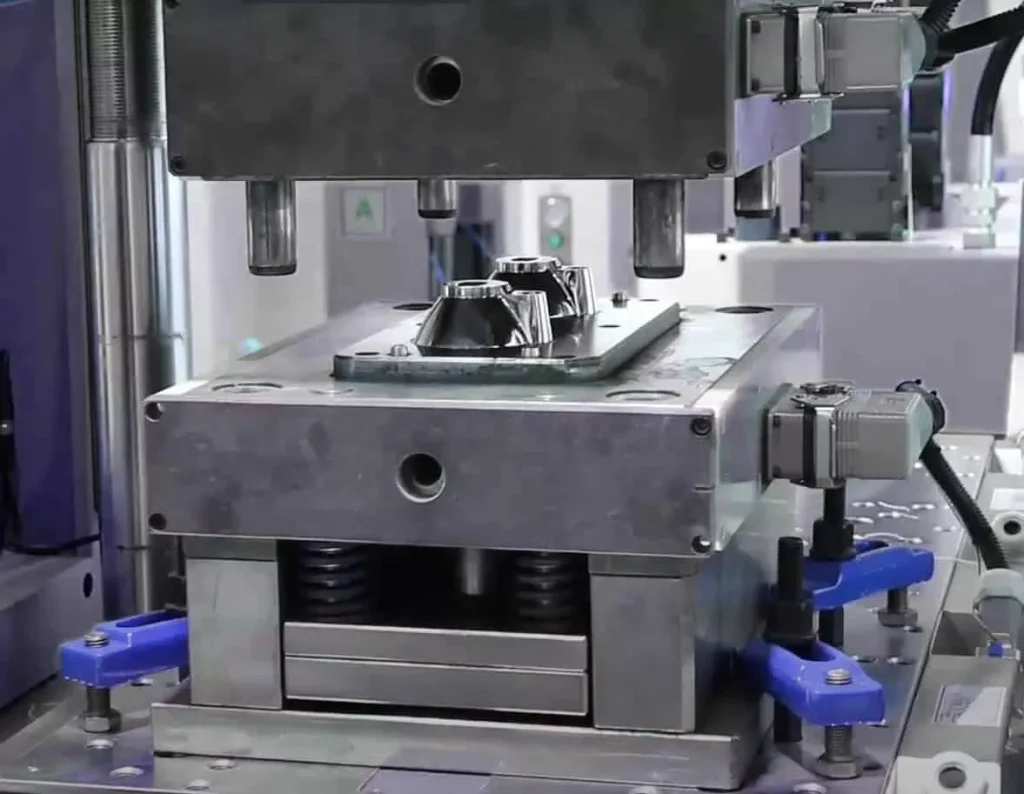
Wuxi Lead Precision Machinery specializes in the production of high-integrity molds for liquid silicone rubber (LSR) injection molding, serving critical industries including medical devices, automotive, and consumer electronics. Our expertise lies not in processing LSR but in engineering the ultra-precise metal tooling that enables flawless LSR part replication. Every mold we manufacture undergoes rigorous validation to ensure dimensional stability under high-pressure, high-temperature LSR cycles, directly impacting part consistency and reducing client production waste.
Our facility leverages advanced 5-axis CNC machining centers, including DMG MORI and Makino systems, to tackle the complex geometries inherent in LSR molds. These machines achieve sub-5-micron positional accuracy and surface finishes down to Ra 0.2 µm, critical for sealing surfaces, shut-offs, and micro-features. Multi-axis simultaneous machining eliminates manual repositioning errors, ensuring perfect alignment of cavities, cores, and cooling channels. This capability is non-negotiable for LSR applications where parting line flash or vent leakage can render entire production runs unusable. We machine all critical components—from hardened P20 and H13 steel inserts to corrosion-resistant stainless-steel manifolds—in-house, maintaining full process control from CAD model to finished mold.
Quality assurance is anchored by a dedicated CMM inspection lab featuring Zeiss CONTURA and GLOBAL coordinate measuring machines. Every mold undergoes 100% first-article inspection against the client’s 3D CAD data, with full geometric dimensioning and tolerance (GD&T) verification. Critical features such as gate diameters, cavity depths, and alignment pin bores are measured at multiple thermal states to simulate operational conditions. This proactive approach identifies potential thermal expansion mismatches before mold trials, preventing costly delays during client validation. All inspection reports are traceable to NIST standards and include comprehensive deviation mapping for engineering review.
The table below defines our standard and precision tolerance capabilities for LSR mold components, reflecting both ISO 2768-mK baseline standards and our enhanced in-house controls for mission-critical applications.
| Feature Category | Standard Tolerance (µm) | Precision Tolerance (µm) | Measurement Method |
|---|---|---|---|
| Linear Dimensions | ±10 | ±3 | CMM |
| Geometric Form (Flatness, Roundness) | ±8 | ±2 | CMM/Laser Scanner |
| Positional Accuracy | ±7 | ±1.5 | CMM |
| Surface Roughness (Ra) | 0.8 | 0.2 | Profilometer |
| Critical Sealing Surfaces | ±5 | ±1 | CMM/Height Gauge |
This precision foundation ensures LSR molds from Wuxi Lead deliver exceptional part repeatability, extended service life, and seamless integration into automated production lines. We partner with clients during the design phase to optimize mold architecture for manufacturability, directly translating complex LSR part requirements into robust, error-proof tooling solutions. Our commitment to metrology-driven production eliminates guesswork, providing the dimensional certainty that high-volume LSR manufacturing demands.
Material & Finish Options
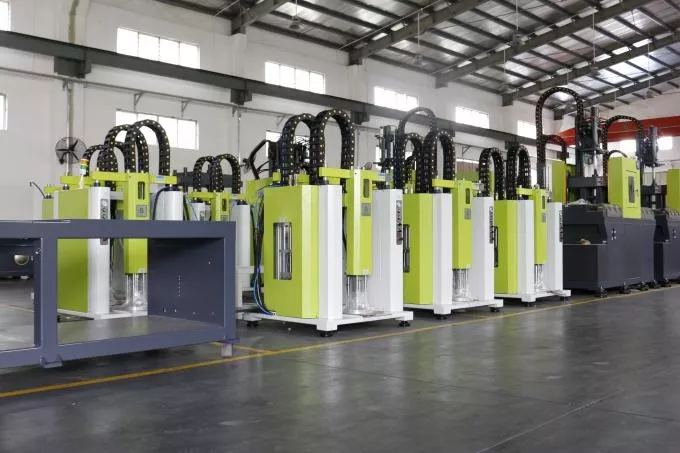
Material Selection for Liquid Silicone Rubber Injection Molding Tooling
Selecting the appropriate base material for tooling in liquid silicone rubber (LSR) injection molding is critical to ensuring production efficiency, part quality, and mold longevity. At Wuxi Lead Precision Machinery, we specialize in custom metal manufacturing for high-precision molds, leveraging advanced metallurgy and surface engineering to meet the demanding requirements of LSR processing. The most commonly used materials for LSR molds are aluminum, steel, and titanium, each offering distinct advantages depending on production volume, part complexity, and thermal performance needs.
Aluminum alloys, particularly 7075 and 6061, are widely used for prototyping and low-to-medium volume production. Their high thermal conductivity ensures rapid and uniform heat distribution, which is essential for consistent curing of LSR. Aluminum is also lightweight and easier to machine, reducing lead times and tooling costs. However, its lower hardness makes it less suitable for extended production runs or abrasive silicone compounds.
Steel, especially pre-hardened or tool-grade steels like P20, H13, and 1.2311, is the preferred choice for high-volume manufacturing. Steel molds offer superior wear resistance, dimensional stability, and longevity under repeated thermal cycling. These properties are crucial in LSR molding, where cycle times can exceed thousands of shots per day. While steel has lower thermal conductivity than aluminum, strategic cooling channel design compensates for this limitation, maintaining efficient cycle times.
Titanium and its alloys are less common but increasingly considered for specialized applications requiring extreme corrosion resistance and high strength-to-density ratios. While not typically used for full mold bodies due to cost and machining complexity, titanium components may be integrated into critical wear zones or inserts where longevity and resistance to chemical degradation are paramount.
Surface finishing plays a pivotal role in mold performance. Anodizing is a widely adopted post-processing technique for aluminum molds, enhancing surface hardness and corrosion resistance. Hard anodizing, in particular, creates a durable ceramic-like layer that improves release characteristics and reduces maintenance frequency. For steel molds, nitriding or chrome plating is often preferred, though anodizing can be applied in limited cases with specialized processes.
The following table summarizes key mechanical and thermal properties of common mold materials used in LSR injection molding:
| Material | Hardness (HRC) | Thermal Conductivity (W/m·K) | Tensile Strength (MPa) | Typical Use Case |
|---|---|---|---|---|
| Aluminum 7075 | 15–20 | 130 | 570 | Prototyping, low-volume runs |
| Steel P20 | 28–32 | 28–36 | 900–1100 | Medium to high-volume production |
| Steel H13 | 46–50 | 30–35 | 1300–1500 | High-stress, high-temp cycles |
| Titanium Grade 5 | 35–40 | 7 | 900–1000 | Specialized inserts, corrosion resistance |
At Wuxi Lead Precision Machinery, we evaluate each project’s technical and economic parameters to recommend the optimal material and finish combination. Our engineering team integrates material science with precision manufacturing to deliver molds that ensure repeatability, reduce downtime, and maximize return on investment in LSR injection molding operations.
Manufacturing Process & QC
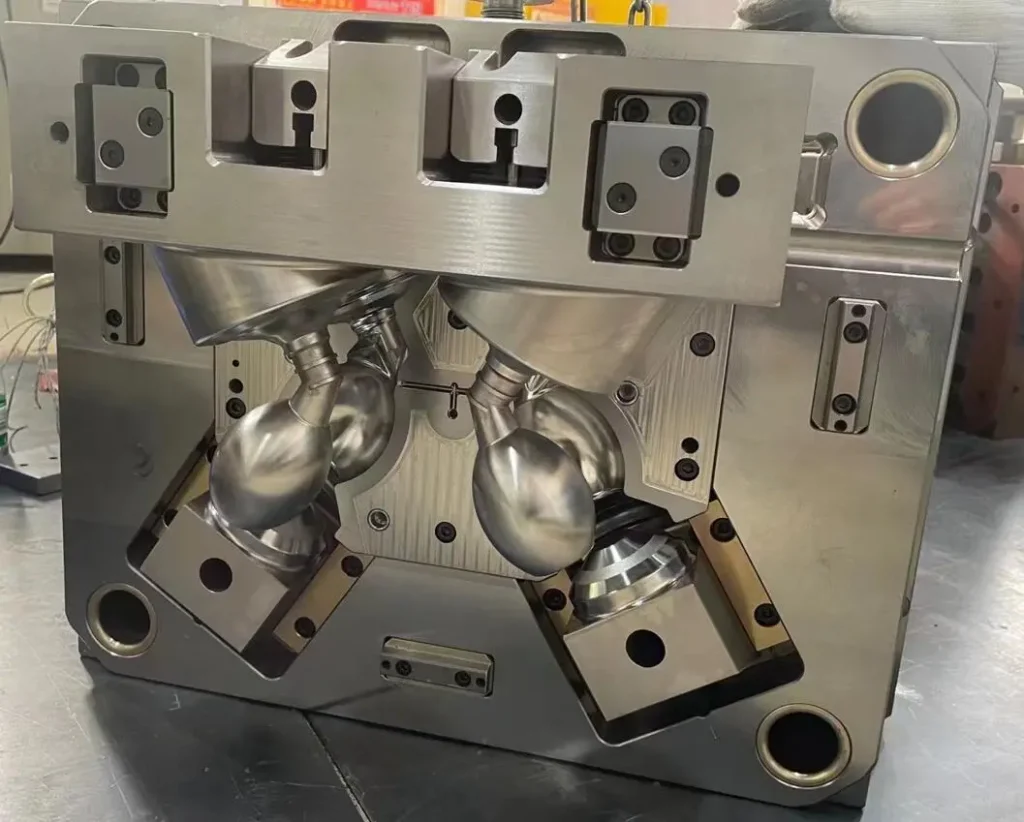
Liquid Silicone Rubber Injection Molding: Precision Engineering from Concept to Zero-Defect Production
At Wuxi Lead Precision Machinery, we execute liquid silicone rubber (LSR) injection molding as a rigorously controlled continuum where design integrity directly enables flawless mass production. Our Zero Defects mandate begins with engineering-led Design for Manufacturability (DFM). Our engineers collaborate with clients to optimize part geometry, gate placement, and thermal management, ensuring uniform flow and eliminating knit lines or air traps inherent to LSR’s unique rheology. Material selection is validated against biocompatibility (ISO 10993), thermal stability, and chemical resistance requirements specific to medical, automotive, or consumer applications. Critical tolerances are established using statistical process analysis, not arbitrary limits, ensuring the design is inherently manufacturable within ±0.05mm precision.
Prototyping transitions design into physical validation under production-intent conditions. We utilize rapid tooling with CNC-machined cavities and cores, mirroring the thermal conductivity and surface finish of final production molds. This phase subjects the part to rigorous functional and dimensional testing, including automated vision inspection against 3D CAD models. Material flow analysis and cure kinetics are monitored in real-time, identifying potential sink marks, flash, or incomplete curing before full-scale tooling. Client sign-off on prototypes confirms not only form and fit but verifies the process window for stable, repeatable molding – a non-negotiable prerequisite for Zero Defects.
Mass production leverages our ISO 13485-certified facility and CNC-precision hardened steel molds. Each mold features actively controlled heating/cooling channels and precision-ground shut-off surfaces to prevent flash, critical for medical seals. Real-time process monitoring tracks injection pressure, temperature profiles, and cure time, with automated SPC (Statistical Process Control) systems triggering immediate corrective action if parameters drift beyond pre-defined control limits. Every component undergoes 100% inline vision inspection for dimensional accuracy and surface defects, coupled with periodic destructive testing for physical properties. This closed-loop system, rooted in our custom metal manufacturing expertise, ensures consistent output meeting the most stringent industry standards.
Critical LSR Production Specifications at Wuxi Lead
| Parameter | Capability Range | Control Standard |
|---|---|---|
| Typical Tolerances | ±0.05 mm (standard) | ISO 2768-mK |
| ±0.025 mm (precision) | Customer-specific GD&T | |
| Material Grades | Medical (USP Class VI, ISO 10993) | FDA 21 CFR 177.2600 compliant |
| High Consistency (HCR) options | Automotive OEM specifications | |
| Cavity Count | 1-32 cavities | Optimized for part complexity |
| Cycle Time Range | 15-120 seconds | Validated during prototyping |
| Surface Finish (Cavity) | SPI-A2 (optical grade) | Ra ≤ 0.025 µm (measured) |
| MT-11000 (textured) | Per customer sample | |
| Quality Assurance | 100% automated vision inspection | AQL 0.65 (critical defects) |
| Real-time SPC monitoring | CpK ≥ 1.67 sustained |
This integrated approach – where DFM insight, prototyping rigor, and production discipline converge – transforms LSR molding from a manufacturing challenge into a guaranteed source of defect-free components. Wuxi Lead delivers not just parts, but validated process reliability essential for mission-critical applications.
Why Choose Wuxi Lead Precision
Partner with Lead Precision for Advanced Liquid Silicone Rubber Injection Molding Solutions
At Wuxi Lead Precision Machinery, we specialize in delivering high-performance, custom-engineered solutions for liquid silicone rubber (LSR) injection molding. As a trusted leader in precision metal manufacturing, we combine advanced engineering capabilities with deep process expertise to support global manufacturers in medical, automotive, consumer electronics, and industrial sectors. Our end-to-end service model ensures that every component we produce meets the highest standards of accuracy, durability, and repeatability.
Liquid silicone rubber injection molding demands precision tooling, temperature control, and material consistency—challenges that require more than standard equipment. Our in-house design and manufacturing teams develop fully customized LSR molding systems tailored to your production volume, part complexity, and quality requirements. From mold design and steel selection to hot runner integration and automation readiness, we engineer every detail to optimize cycle time, reduce waste, and ensure long-term reliability.
We understand that in high-stakes industries, consistency is non-negotiable. That’s why our molds are manufactured using premium-grade tool steels, CNC-machined to micron-level tolerances, and rigorously tested before shipment. Each system is built to withstand high-pressure injection environments while maintaining dimensional stability across thousands of cycles. Our engineering team works closely with clients to simulate flow dynamics, optimize gate placement, and eliminate common defects such as flashing or incomplete fills.
Our commitment extends beyond the initial delivery. We provide comprehensive technical support, including installation guidance, process optimization, and lifetime mold maintenance planning. Whether you are launching a new medical device or scaling up automotive seal production, we ensure seamless integration of our systems into your existing manufacturing workflow.
Choose a partner who combines precision engineering with real-world application expertise. At Wuxi Lead Precision Machinery, we don’t just supply molds—we deliver performance-driven manufacturing solutions.
| Specification | Detail |
|---|---|
| Molding Process | 2-Plate, 3-Plate, Stack, and Family Molds |
| Clamp Force Range | 50 to 2000 Tons |
| Material Compatibility | Platinum-Cured LSR, Fluorosilicone, High-Consistency Rubber (HCR) |
| Tolerance | ±0.005 mm (±0.0002″) |
| Surface Finish Options | Polished (SPI-A1/A2), Textured, EDM, Coated |
| Hot Runner Systems | Fully Customized, Multi-Zone Temperature Control |
| Automation Integration | Robotic Degating, Inline Inspection, Pick-and-Place Ready |
| Lead Time | 6–12 Weeks (Based on Complexity) |
| Quality Standards | ISO 9001:2015 Certified, Full Traceability, First Article Inspection (FAI) Reports |
Contact us today to discuss your liquid silicone rubber injection molding project. Our engineering team is ready to provide technical consultation, feasibility analysis, and a competitive quote tailored to your production needs. Email us at [email protected] and take the first step toward precision manufacturing excellence.
⚙️ Precision Cost Estimator
Estimate relative manufacturing effort based on tolerance.