

Technical Contents
Engineering Guide: Liquid Silicone For Mould Making
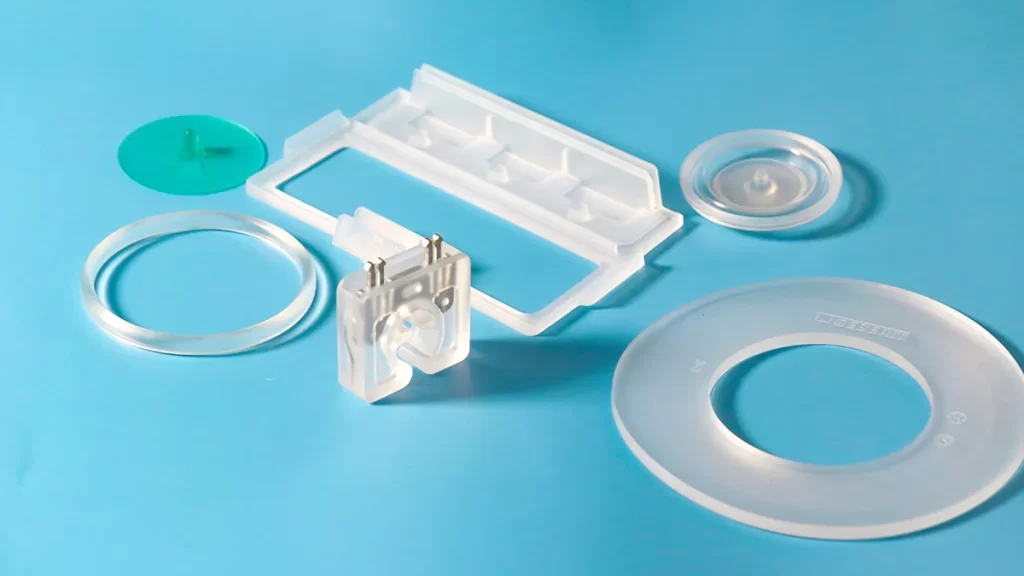
Engineering Insight: Liquid Silicone for Mould Making in Precision Metal Manufacturing
Achieving micron-level accuracy in custom metal components demands exceptional fidelity in every stage of production, including the often-overlooked foundation: the mould. Liquid Silicone Rubber (LSR) moulds are not merely disposable tools; they are critical precision instruments enabling complex geometries and tight tolerances unattainable through traditional pattern methods. For high-integrity metal castings—particularly in aerospace, medical, and advanced industrial applications—the dimensional stability and replication accuracy of the LSR mould directly dictate the final part’s conformance to specification. Minute variations in silicone formulation, curing kinetics, or mould geometry propagate into metal shrinkage inconsistencies, surface defects, or critical feature deviations, leading to costly scrap or rework in downstream CNC machining and finishing. Precision in LSR mould making hinges on controlled material properties, exact cavity geometry replication from the master pattern, and thermally stable processing.
The core challenge lies in maintaining dimensional integrity throughout the LSR lifecycle. Silicone inherently exhibits thermal expansion and slight post-cure shrinkage. Without rigorous process control and material selection, these factors introduce cumulative errors exceeding acceptable tolerances for precision metal casting patterns. At Wuxi Lead Precision Machinery, our engineering protocols treat LSR mould creation with the same exacting standards applied to aerospace-grade CNC milling. We leverage decades of experience producing components where failure is not an option—supplying parts meeting Olympic timing system tolerances and adhering to stringent military specification (MIL-STD) process controls. This heritage translates into meticulous attention to LSR viscosity management, temperature-controlled curing cycles, and metrology-verified cavity dimensions, ensuring the mould faithfully reproduces the master pattern within ±0.02mm critical features.
Critical material properties must be engineered to support metal casting precision. The table below outlines key LSR parameters where control is non-negotiable for high-end applications.
| Parameter | Critical Range | Impact on Metal Casting Precision |
|---|---|---|
| Viscosity (Uncured) | 5,000 – 15,000 cP | Ensures complete cavity fill without air entrapment; captures sub-0.05mm details |
| Shore Hardness (A) | 20 – 40 A | Balances detail replication with demoulding integrity; prevents feature distortion |
| Linear Shrinkage | 0.1% – 0.3% | Directly affects final metal part dimensions; requires precise compensation |
| Thermal Stability | Stable to 200°C+ | Maintains cavity geometry during metal pour cycles; prevents thermal drift |
| Tear Strength | >20 kN/m | Resists damage during repeated demoulding; preserves feature sharpness |
Material selection and process validation are paramount. We utilize platinum-cure LSR formulations specifically engineered for low shrinkage and high thermal resilience, validated through in-house rheometry and thermal analysis. Each mould undergoes coordinate measuring machine (CMM) verification against the digital master model before deployment. This systematic approach, forged through demanding projects where micron deviations compromise system performance, ensures our LSR moulds consistently deliver the geometric accuracy required for net-shape or near-net-shape metal castings. Precision in the mould is not an isolated step—it is the indispensable cornerstone of precision metal manufacturing.
Precision Specs & Tolerances
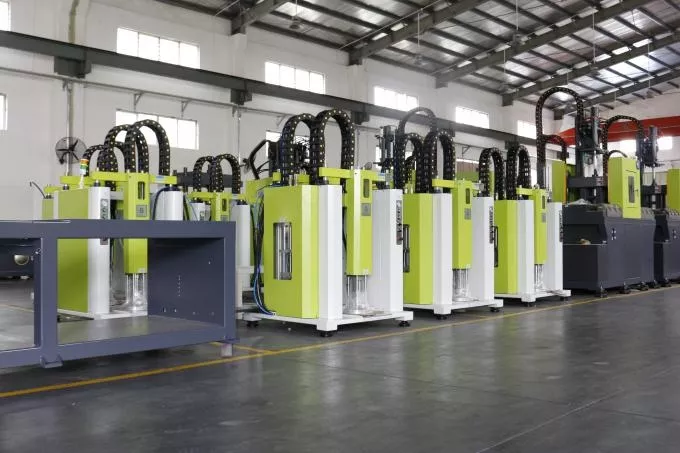
Wuxi Lead Precision Machinery delivers advanced technical capabilities in custom metal manufacturing, engineered to meet the rigorous demands of industries utilizing liquid silicone for mould making. Our expertise lies in producing high-precision moulds and tooling components that ensure consistent replication, thermal stability, and long service life when processing liquid silicone rubber (LSR). Central to our manufacturing excellence is the integration of 5-axis CNC machining technology, which enables us to create complex geometries with superior surface finish and dimensional accuracy. This multi-axis capability allows for simultaneous cutting from five different angles, minimizing setup changes and reducing cumulative tolerances—critical factors when fabricating intricate mould cores, cavities, and shut-off surfaces required in LSR injection tooling.
Our 5-axis CNC systems are operated by certified machinists and supported by advanced CAD/CAM software, ensuring seamless translation from digital design to physical part. Materials are carefully selected based on thermal conductivity, hardness, and corrosion resistance, with common use of hardened tool steels, stainless steels, and aluminum alloys tailored to the customer’s production volume and curing requirements. The ability to machine undercuts, deep ribs, and contoured parting lines in a single setup significantly enhances both efficiency and geometric fidelity—key advantages in high-performance liquid silicone mould applications.
To guarantee that every component meets exacting standards, all finished moulds undergo comprehensive quality control using a Coordinate Measuring Machine (CMM). This non-contact and tactile inspection system verifies critical dimensions, form accuracy, and positional tolerances with micron-level precision. Data from CMM reports is analyzed against original CAD models to ensure full conformance, providing traceable documentation for every project. This closed-loop quality process ensures repeatability and compliance, especially vital in medical, automotive, and consumer electronics sectors where silicone parts must adhere to strict regulatory and functional criteria.
The following table outlines the standard technical specifications and achievable tolerances for our 5-axis CNC machining and inspection processes:
| Parameter | Specification |
|---|---|
| Positional Tolerance | ±0.005 mm |
| Linear Dimensional Tolerance | ±0.01 mm |
| Surface Roughness (Ra) | As low as 0.2 µm (polished finishes available) |
| Geometric Tolerance (GD&T) | ±0.01 mm (flatness, roundness, runout) |
| Angular Tolerance | ±0.05° |
| Minimum Feature Size | 0.3 mm (dependent on geometry and depth) |
| CMM Measurement Accuracy | ±0.0025 mm (at 20°C standard environment) |
| Material Compatibility | P20, H13, S136, 420SS, 7075 Aluminum, etc. |
All tolerances are achievable under standard production conditions and may be further tightened based on specific application requirements. Wuxi Lead Precision Machinery combines cutting-edge equipment, metrology-grade verification, and deep domain knowledge to deliver mould solutions that support high-integrity liquid silicone manufacturing processes.
Material & Finish Options
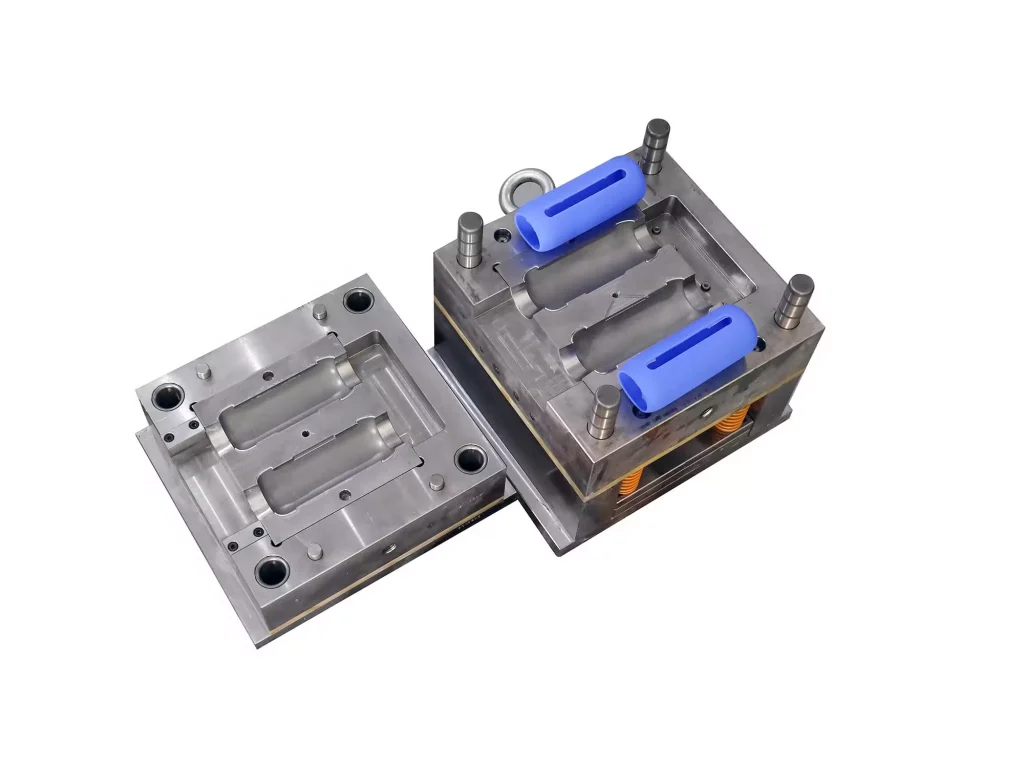
Material Selection for Liquid Silicone Rubber (LSR) Mould Making
Selecting the optimal mould material is critical for LSR production efficiency, part quality, and total cost of ownership. At Wuxi Lead Precision Machinery, we engineer moulds that withstand the unique demands of liquid silicone injection—high pressure, thermal cycling, and chemical exposure—while maximizing cycle times and tool longevity. Aluminum, steel, and titanium each offer distinct advantages depending on production volume, part complexity, and budget constraints. Aluminum excels in prototyping and low-to-medium volume runs due to its superior thermal conductivity, reducing cycle times by up to 30% compared to steel. However, its lower hardness limits durability in high-wear applications. Tool steel (e.g., H13, S136) remains the industry standard for high-volume production, providing exceptional hardness, polishability, and resistance to cavitation. Titanium, while less common, serves specialized aerospace or medical applications requiring extreme corrosion resistance and lightweight properties, though its high cost and machining complexity restrict broad adoption.
Surface finishing significantly impacts LSR release and part aesthetics. Anodizing—particularly hard anodizing for aluminum—creates a wear-resistant, non-stick oxide layer that minimizes silicone adhesion and simplifies demolding. Unlike decorative anodizing, hard anodizing achieves thicknesses of 25–50 μm with hardness exceeding 600 HV, critical for maintaining dimensional stability under repeated thermal stress. For steel moulds, electroless nickel plating or PVD coatings often complement polishing to Ra < 0.05 μm, ensuring flawless surface replication.
Strategic material pairing directly influences ROI. Prototype or short-run moulds benefit from aluminum’s rapid turnaround and thermal efficiency, while steel delivers the 500,000+ cycle life demanded by automotive or consumer electronics mass production. Titanium’s niche viability hinges on corrosive environments where longevity justifies its premium. Below is a comparative overview of key material properties for LSR moulding:
| Material | Hardness (HRC) | Thermal Conductivity (W/m·K) | Typical LSR Cycle Life | Lead Precision Recommendation |
|---|---|---|---|---|
| Aluminum 7075 | 15–20 | 130 | 10,000–50,000 cycles | Prototyping, low-volume medical parts |
| Tool Steel H13 | 48–52 | 35 | 500,000+ cycles | High-volume automotive seals, connectors |
| Titanium Gr5 | 35–40 | 7 | 200,000+ cycles | Aerospace fluid systems, corrosive environments |
Material selection must align with your production volume, part tolerances, and surface finish requirements. At Wuxi Lead, our CNC machining expertise ensures precise cavity/core fabrication to ±0.005 mm, while material-specific heat treatment optimizes performance. For LSR applications demanding rapid iteration, aluminum with hard anodizing provides the fastest path to market. For sustained high-volume output, steel moulds with mirror polishing deliver unmatched consistency. Contact our engineering team to evaluate your project’s thermal, mechanical, and economic parameters—we’ll specify the optimal material and finish to elevate your LSR manufacturing outcomes.
Manufacturing Process & QC
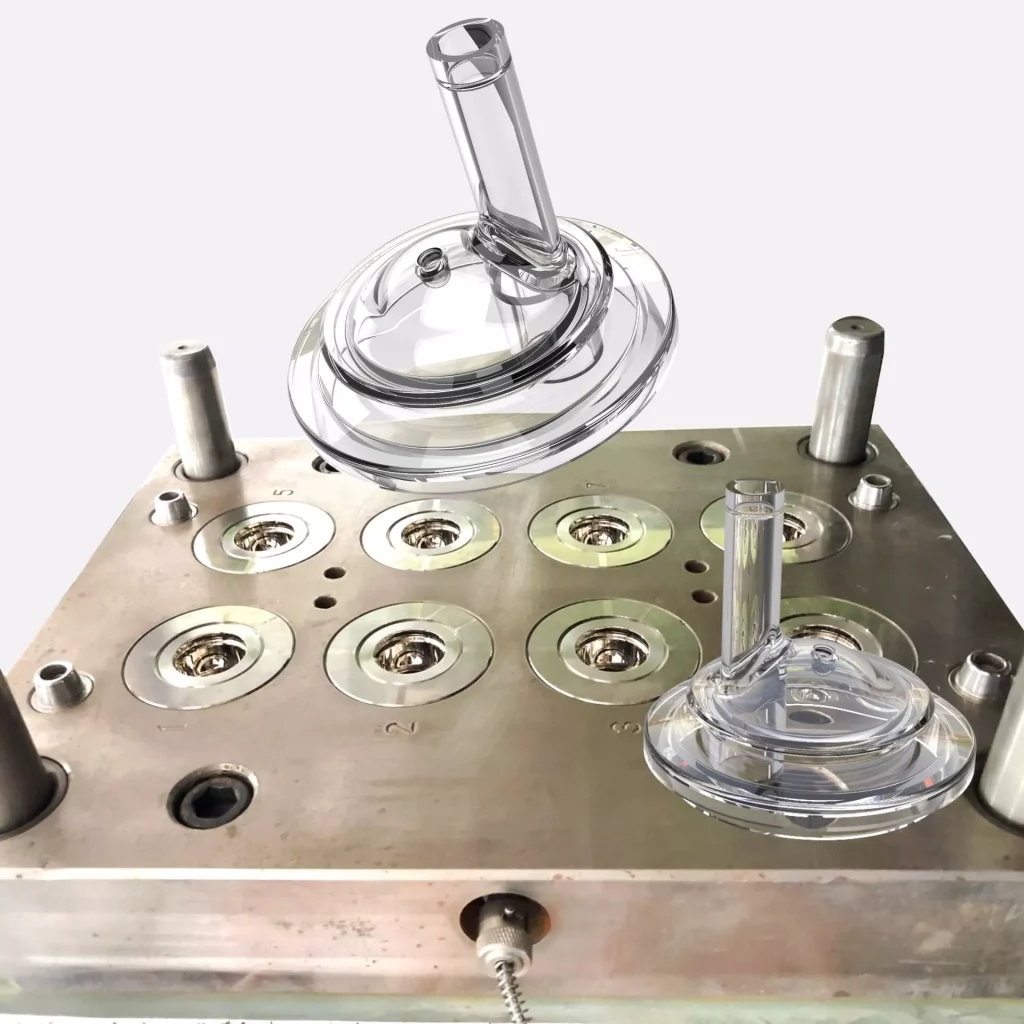
Design Phase: Precision Engineering for Liquid Silicone Moulding
The foundation of a flawless liquid silicone moulding process begins with precision-driven design engineering. At Wuxi Lead Precision Machinery, we integrate advanced CAD/CAM systems with deep material science expertise to develop mould architectures optimized for liquid silicone rubber (LSR). Our design phase focuses on thermal stability, flow dynamics, and parting line integrity to ensure uniform filling and minimal flash. Using 3D simulation tools, we analyze cavity pressure, cooling efficiency, and ejection forces, enabling predictive correction of potential defects before any metal is cut. All designs comply with ISO 13485 and IATF 16949 standards, ensuring suitability for medical, automotive, and high-reliability industrial applications.
Critical parameters such as shrinkage rates (typically 3.1–4.0% for LSR), gate location, and venting paths are calculated based on the specific silicone formulation and part geometry. We collaborate closely with clients to validate functional requirements, tolerances, and surface finish expectations, ensuring the final mould meets exact performance criteria. Finite element analysis (FEA) is applied to anticipate stress concentration and optimize steel selection—commonly using H13, 420SS, or S136 for corrosion resistance and polishability.
Prototyping: Validation and Iterative Refinement
Following design approval, we proceed to prototype tooling using CNC-machined pre-hardened steel or rapid tooling methods for initial validation. This phase enables physical testing of the mould under actual processing conditions: injection parameters, cure cycles, and demolding behavior. Prototypes are evaluated for dimensional accuracy, surface quality, and mechanical consistency using CMM, optical scanning, and physical testing. Any deviations are traced back to design or process variables and corrected in real time.
Our zero-defect philosophy demands that every prototype undergoes rigorous first-article inspection (FAI) and process capability (Cp/Cpk) analysis. Only when all critical-to-quality (CTQ) characteristics are proven stable do we authorize transition to full-scale production. This iterative validation ensures scalability and eliminates unforeseen risks during mass manufacturing.
Mass Production: Consistency Through Automation and Monitoring
In mass production, Wuxi Lead deploys fully automated LSR injection lines equipped with real-time monitoring systems. Each mould cycle is tracked for temperature, pressure, and cure time, with data logged for full traceability. Automated robotic demoulding and inline vision inspection guarantee consistent part quality and immediate defect detection.
We maintain strict process control through Statistical Process Control (SPC) and preventive maintenance schedules, ensuring tool longevity and repeatability across millions of cycles. All production lots are subject to final QA inspection, including dimensional reports, material certification, and batch traceability documentation.
Typical Process Specifications for Liquid Silicone Moulding
| Parameter | Specification Range |
|---|---|
| Material | Platinum-cured LSR (Shore A 10–80) |
| Mould Temperature | 160°C – 200°C |
| Injection Pressure | 80 – 150 bar |
| Cure Time per Cycle | 30 – 90 seconds (varies by thickness) |
| Tolerance (Standard) | ±0.05 mm (tighter on request) |
| Surface Finish | SPI-A1, Ra < 0.05 µm (polished) |
| Production Capacity | Up to 500,000 pcs/month per mould |
| Steel Type | H13, 420SS, S136, or custom |
| Quality Standards | ISO 9001, ISO 13485, IATF 16949 |
Through integrated design, rigorous prototyping, and tightly controlled mass production, Wuxi Lead ensures zero-defect outcomes in every liquid silicone moulding project.
Why Choose Wuxi Lead Precision
Partner with Lead Precision for Uncompromising Liquid Silicone Molding Excellence
In high-precision liquid silicone rubber (LSR) molding, the margin for error is measured in microns. Substandard tooling leads to part inconsistency, excessive material waste, and costly production delays—especially in medical, automotive, and consumer electronics applications where biocompatibility and dimensional stability are non-negotiable. Wuxi Lead Precision Machinery bridges this gap with CNC-engineered metal molds that transform LSR challenges into competitive advantages. Our ISO 9001-certified facility leverages 15+ years of specialized expertise in hard-metal mold fabrication, ensuring every cavity, runner, and ejection system is optimized for LSR’s unique flow dynamics and thermal properties. Unlike generic mold suppliers, we integrate material science with micron-level machining to deliver molds that withstand 500,000+ cycles while maintaining ±0.005mm tolerances—critical for sealing surfaces and micro-features.
Our engineering-driven approach begins with collaborative design validation. We analyze your LSR formulation, part geometry, and production volume to select optimal steel grades (e.g., H13, S136) and surface treatments, preventing adhesion issues and extending mold life. Advanced 5-axis CNC centers machine complex cores and cavities with Ra 0.05µm finishes, eliminating knit lines and flash in thin-wall components. This precision reduces scrap rates by up to 30% and accelerates time-to-market—proven in over 200 successful LSR projects for Tier-1 medical device manufacturers.
Below are key capabilities defining our LSR mold performance:
| Parameter | Capability | Relevance to LSR Molding |
|---|---|---|
| Cavity Count | 1–64 cavities | Scalable for high-volume production of micro-parts |
| Tolerance Control | ±0.005mm | Ensures sealing integrity in fluid-handling parts |
| Surface Finish (Ra) | 0.05µm – 0.2µm | Prevents silicone adhesion and surface defects |
| Material Compatibility | H13, S136, 420SS, Hard Chrome | Resists LSR corrosion and thermal degradation |
| Lead Time (Prototype) | 15–25 working days | Accelerates validation for time-sensitive projects |
We don’t just manufacture molds—we engineer production reliability. Our molds feature integrated thermal management systems for uniform curing, hardened gate inserts to eliminate wear, and precision alignment mechanisms that maintain concentricity across millions of cycles. This reduces your downtime for maintenance and rework, directly improving OEE. For complex geometries like multi-lumen catheters or automotive sensor housings, our team provides DFM feedback within 48 hours, identifying potential flow imbalances or venting issues before metal is cut.
The true cost of LSR molding isn’t the mold—it’s the scrap, delays, and quality failures from inadequate tooling. Partner with Wuxi Lead Precision Machinery to convert material volatility into predictable, high-yield production. Contact [email protected] today with your part specifications and LSR grade. Our engineering team will provide a detailed mold feasibility analysis and timeline within one business day—no generic quotes, only actionable solutions for your precision challenges. Let us prove why global leaders trust Lead Precision for mission-critical silicone components.
⚙️ Precision Cost Estimator
Estimate relative manufacturing effort based on tolerance.