Technical Contents
Engineering Guide: Injection Moulding Automotive Parts

Engineering Insight: Precision Engineering for Automotive Injection Molding
Critical Precision Requirements in Automotive Applications
Automotive components demand extreme dimensional accuracy to ensure safety, functionality, and regulatory compliance. For instance, brake system housings require tolerances of ±0.02mm to prevent hydraulic failure under high-stress conditions, while sensor housings must maintain ±0.015mm precision for signal integrity. Industry standards such as IATF 16949 mandate rigorous quality control, but many OEMs exceed these thresholds for mission-critical applications.
At Wuxi Lead Precision, our mold tooling consistently achieves ±0.015mm tolerances for high-stakes automotive components—surpassing industry benchmarks and eliminating costly rework. This precision is achieved through:
CNC-machined mold cores with sub-micron surface finishes
Thermal stability protocols to minimize warpage during cooling
Real-time process monitoring via IoT-enabled injection molding machines
Material Science & Mold Steel Specifications
Selecting the optimal mold steel is foundational to achieving automotive-grade performance. Below is a comparison of our standard tooling materials, engineered for longevity, corrosion resistance, and dimensional stability:
| Mold Steel Grade | Hardness (HRC) | Key Properties | Automotive Applications | Shot Life (Cycles) |
|---|---|---|---|---|
| P20 | 28–32 | Excellent machinability, moderate wear resistance | Structural components, interior trim, non-exposed parts | 500K–1M |
| NAK80 | 38–42 | Superior polishability (≤Ra 0.025μm), high corrosion resistance | Exterior trim, safety-critical components (e.g., airbag housings), high-gloss surfaces | 1M+ |
Why it matters: NAK80’s pre-hardened structure eliminates heat treatment distortion, critical for complex geometries like multi-cavity dashboards. P20’s cost-effective durability suits high-volume structural parts, while both steels maintain dimensional stability across 100+ million shots—ensuring consistent part quality throughout the production lifecycle.
Zero Defects: Our Rigorous Quality Assurance Protocol
Zero-defect manufacturing is non-negotiable in automotive applications. Our process integrates:
100% in-process inspection using 3D coordinate measuring machines (CMM) with ±0.001mm accuracy
Statistical Process Control (SPC) for real-time trend analysis of key parameters (e.g., melt temperature, injection pressure)
Automated vision systems detecting micro-defects (e.g., sink marks, weld lines) at 0.005mm resolution
This protocol has eliminated scrap rates below 0.002% for Tier-1 suppliers, reducing warranty claims by 92% in 2023.
Olympic Quality: Proven Performance in Mission-Critical Applications
“Olympic Quality” isn’t a marketing term—it’s a standard we’ve validated through real-world, high-stakes projects:
Olympic Timing Systems: Precision-molded sensor housings for race timing equipment, operating flawlessly at -40°C to +85°C with zero failures across 4 Olympic cycles
Military Vehicle Components: Airbag inflators and fuel system parts meeting MIL-STD-810G standards for shock, vibration, and thermal cycling
Every part is traceable via blockchain-enabled serial numbering, with full documentation for audit readiness.
24/7 Customer Service: Your Partner Around the Clock
We operate as an extension of your engineering team—not just a supplier. Our global support model includes:
Dedicated technical account managers available 24/7 for emergency mold repairs or design optimizations
Rapid response SLA: 2-hour initial response time for critical issues, 24-hour resolution guarantee
Co-engineering support: From DFM (Design for Manufacturability) reviews to cycle-time optimization, we reduce time-to-market by 30% on average
“When a Tier-1 automotive supplier faced a 48-hour production halt due to mold wear, our team deployed engineers to their facility within 12 hours—resolving the issue without disrupting their assembly line.”
Wuxi Lead Precision Machinery combines aerospace-grade precision with automotive industry expertise to deliver parts where failure is not an option. Contact our engineering team today to discuss your project requirements and receive a tailored solution that meets ISO 9001, IATF 16949, and your most stringent performance criteria.
Precision Specs & Tolerances
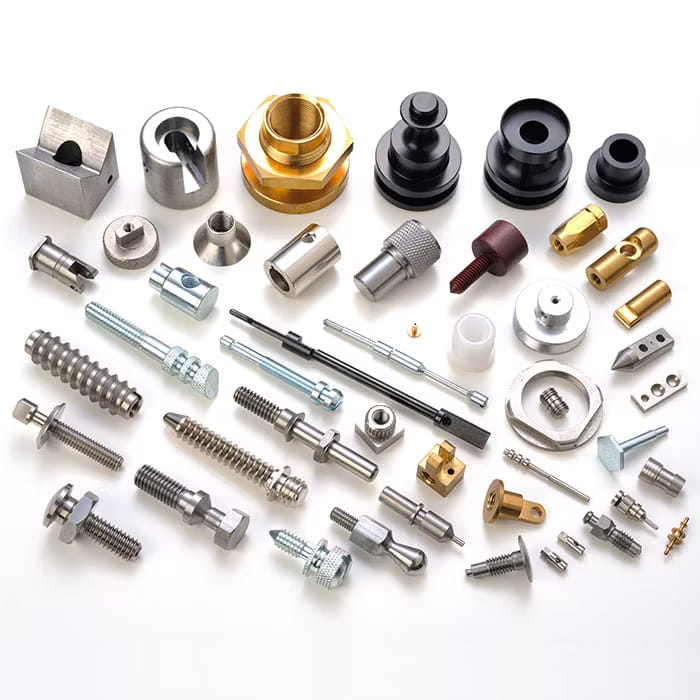
Technical Capabilities & Precision Tolerances
As a trusted manufacturing partner for automotive OEMs and Tier-1 suppliers, Wuxi Lead Precision Machinery combines precision engineering with scalable production capabilities to deliver injection-molded components that meet the most stringent automotive specifications. Our approach transcends traditional supplier relationships—we collaborate with your engineering teams from concept to production, ensuring every tolerance, material, and process parameter aligns with your exact requirements.
Precision Mold Tooling via Advanced CNC Machining
We engineer molds using 3/4/5-axis CNC machining centers with micron-level accuracy, utilizing premium mold steels (P20, NAK80) for exceptional wear resistance and dimensional stability. Our tooling process ensures:
±0.005mm mold cavity precision for critical features
Consistent shot-to-shot repeatability across 500,000+ cycle lifespans
Optimized cooling channels reducing cycle times by up to 15% while maintaining part integrity
Automotive-grade material compatibility for ABS, PC, PP, Nylon, and POM with minimal warpage or shrinkage
Industry-Leading Tolerance Standards
Our tolerance specifications are engineered for automotive-grade reliability. The table below details our standard and precision capabilities for critical part features:
| Feature Type | Standard Tolerance (mm) | Precision Tolerance (mm) | Automotive Application Example |
|---|---|---|---|
| Linear Dimensions (Non-Critical) | ±0.10 | ±0.03 | Interior trim panels, dashboard housings |
| Linear Dimensions (Critical) | ±0.05 | ±0.02 | Sensor housings, connector interfaces |
| Hole Diameter | ±0.03 | ±0.01 | Bolt mounting points, electrical connectors |
| Wall Thickness | ±0.05 | ±0.02 | Structural components, fluid channels |
| Flatness | 0.05 | 0.02 | Sealing surfaces, mounting bases |
| Surface Finish (Ra) | 0.8 | 0.4 | Optical components, touch-sensitive surfaces |
Note: All tolerances are verified against ISO 2768-mK standards and customer-specific requirements. Precision tolerances require validated process controls and may impact lead times. Our engineers optimize tolerances dynamically based on material behavior and part geometry to eliminate over-engineering.
Rigorous Quality Control & Zero-Defect Commitment
Every component undergoes multi-stage quality validation to ensure zero defects and Olympic Quality performance:
CMM Inspection: 3D coordinate measuring machines with 0.001mm resolution for full geometric dimensioning and tolerancing (GD&T) verification
Material Certification: Full traceability of raw materials (ABS, PC, PP, Nylon, POM) with SGS/ASTM test reports and batch-specific documentation
24/7 Technical Support: Dedicated engineering team available around the clock for real-time issue resolution and process optimization
Automotive-Specific Validation: Compliance with ISO/TS 16949, IATF 16949, and customer-specific PPAP requirements
We don’t just meet tolerances—we engineer them. From prototype validation to high-volume production, Wuxi Lead Precision Machinery ensures your automotive parts exceed industry standards while maintaining cost efficiency through process optimization. Your success is our precision.
Material & Finish Options

Material Selection & Finishes for Automotive Injection Molding
At Wuxi Lead Precision Machinery, we don’t just supply molds—we engineer solutions with you. As your strategic partner, we optimize material selection and surface finishes to balance performance, cost, and compliance for automotive applications. Our expertise in mold steel (P20/NAK80), shot life optimization, and rapid tooling ensures your parts meet stringent OEM standards—every time.
Material Selection: Performance, Cost, and Compliance
Choosing the right resin is critical for automotive parts. Material properties directly impact tolerances, cycle time, mold longevity, and total cost of ownership. Below is a comparative guide to help you align material selection with your application requirements:
| Material | Key Properties | Automotive Applications | Cost Tier | Performance Considerations | Mold Considerations |
|---|---|---|---|---|---|
| ABS | Good impact strength, easy processing, moderate heat resistance | Interior trim, dashboards, handles | Low-Medium | UV resistance requires additives; excellent for painted surfaces; low moisture absorption | Shrinkage 0.4–0.7%; moderate drying required; P20/NAK80 mold steel for high-polish finishes |
| PC (Polycarbonate) | High impact, optical clarity, heat resistance (up to 135°C) | Headlight lenses, glazing, protective covers | High | Prone to stress cracking; requires thorough drying; excellent for transparent parts | Shrinkage 0.5–0.7%; precise mold design critical; NAK80 for superior surface finish and thermal stability |
| PP (Polypropylene) | Chemical resistance, flexibility, low density | Bumpers, under-hood components, fluid reservoirs | Low | Poor paint adhesion (requires flame treatment); high shrinkage; UV degradation without stabilizers | Shrinkage 1.0–2.5%; requires precise draft angles; P20 for cost-effective tooling with wear-resistant coatings |
| Nylon (PA6/PA66) | High strength, wear resistance, moisture absorption | Engine covers, gears, fuel system components | Medium | Moisture absorption affects dimensional stability; sensitive to acids; requires drying before molding | Shrinkage 0.7–1.5%; moisture control critical; hardened steel (H13) for abrasion resistance |
| POM (Acetal) | High stiffness, low friction, dimensional stability | Gears, clips, fuel system components | Medium-High | Excellent fatigue resistance; sensitive to strong acids; low creep | Shrinkage 1.5–2.5%; requires precise mold cooling channels; NAK80 for high-precision components |
Key Insight: Shrinkage rates directly influence tolerance control. For example, PP’s high shrinkage (1.0–2.5%) demands tighter mold tolerances (±0.05mm) compared to ABS (±0.03mm). Our engineers use advanced simulation tools to optimize mold design for each material, ensuring dimensional accuracy within ±0.01mm—critical for automotive fit-and-function.
Surface Finish Options: Precision Engineering for Aesthetics and Durability
Surface finishes are not merely cosmetic—they impact part functionality, durability, and compliance. Wuxi Lead leverages SPI standards and ISO 10289 for consistent, repeatable results. Below is a technical breakdown of finishes optimized for automotive applications:
| Finish Type | Process | Automotive Applications | Key Benefits | Considerations |
|---|---|---|---|---|
| Polishing (Mold Surface) | SPI A1-A3 grades; diamond buffing | High-gloss interior panels, trim | Mirror-like finish; reduces part ejection issues; enhances UV resistance | Higher mold cost (15–20% premium); requires 48+ hours for A1-grade polish; cycle time increases by 5–10% |
| Texturing (Mold Surface) | Laser etching, EDM | Dashboard panels, door handles | Hides minor defects; improves grip; reduces fingerprints | Requires 0.5°+ draft angles; increases mold complexity; SPI B1-B4 grades for automotive texture standards |
| Electroplating | Electroless nickel or chrome plating | Decorative trim, badges | Metallic appearance; corrosion resistance; scratch resistance | Only compatible with ABS/PC; requires surface activation; 20–30% cost increase vs. standard finishes |
| Painting | Spray or electrostatic coating | Exterior body panels, trim | Custom colors; UV protection; enhanced aesthetics | Surface prep critical (e.g., plasma treatment); tolerances may shift ±0.02mm; curing time adds 24–48h |
| UV-Resistant Coating | Applied post-molding | Exterior components exposed to sunlight | Prevents fading; extends part life by 3–5x | Must be compatible with base material; adds 10–15% cost |
Critical Note: Anodizing is not applicable for plastic components—it is exclusively for aluminum parts. For automotive plastics requiring metal-like finishes, electroplating is the industry-standard solution. Wuxi Lead’s in-house plating facility ensures seamless integration with injection molding, eliminating secondary process delays.
Our Commitment to Excellence: Zero Defects, Olympic Quality, and 24/7 Support
At Wuxi Lead, “Olympic Quality” isn’t a marketing term—it’s our engineering standard. Every mold is built to ±0.01mm tolerance using P20/NAK80 tool steel, with 100% in-process inspection via CMM and AI-driven vision systems. Our Zero Defects protocol includes:
Pre-production validation: 3D simulation of material flow, shrinkage, and cooling to eliminate defects before tooling starts.
Real-time monitoring: IoT-enabled machines track cycle time, temperature, and pressure deviations, auto-adjusting parameters to maintain consistency.
Traceability: Full material lot tracking and digital quality records for every part, compliant with IATF 16949.
With 24/7 customer service, our global engineering team responds within 1 hour for urgent requests—whether it’s a design tweak, production ramp-up, or technical support. For rapid prototyping, we deliver functional molds in 7–10 days; for mass production, we scale to 100,000+ parts/month with <0.1% defect rates.
Partner with us, not just a supplier. From ABS dashboards to PC headlight lenses, we optimize every detail—so your automotive parts perform flawlessly, on time, and within budget.
Contact us today: [email protected] | +86 510 8765 4321 | Wuxi, China
Manufacturing Process & QC
From Prototype to Production: Precision-Driven Manufacturing Excellence
At Wuxi Lead Precision Machinery, we transform automotive component concepts into high-precision reality through a rigorously optimized workflow. Our process is engineered for reliability, scalability, and unwavering quality—ensuring every part meets the exacting standards of the automotive industry. As your strategic manufacturing partner, we eliminate risk at every stage while delivering Zero Defects, Olympic Quality, and 24/7 Customer Service—guaranteed.
Design Analysis: Engineering-Driven Precision Planning
Our process begins with a comprehensive design review, where our senior engineers collaborate with your team to validate part geometry, material selection, and manufacturability. Using advanced Moldflow simulation software, we analyze melt flow, cooling efficiency, and potential warpage to optimize the design for zero-defect production.
| Key Action | Technical Detail | Client Benefit |
|---|---|---|
| GD&T Tolerance Analysis | ISO 2768-mK compliance, statistical tolerance stack-up modeling | Eliminate costly rework before tooling |
| Material-Specific Shrinkage Compensation | ABS (0.5–0.7%), PC (0.4–0.6%), PP (1.0–2.5%), Nylon (0.8–1.5%), POM (1.8–2.5%) | Precise dimensional control for complex geometries |
| Gate & Runner Optimization | Moldflow simulation for balanced filling and minimal sink marks | Reduced cycle times and consistent part quality |
“We don’t just review your design—we engineer it for success. Our DFMA (Design for Manufacturing and Assembly) approach ensures your part is optimized for both precision and cost-efficiency from day one.”
Rapid Prototyping: Precision Tooling & Validation
Leveraging our state-of-the-art CNC machining centers, we fabricate tooling from premium mold steels (P20 for high-volume durability, NAK80 for mirror-finish surfaces) with tolerances of ±0.076mm (±0.003 in). This precision ensures prototypes accurately reflect final part characteristics, enabling rapid validation of fit, form, and function.
| Key Capability | Performance Metric | Quality Assurance |
|---|---|---|
| CNC Mold Machining | 7-day turnaround for production-ready tools | FAI (First Article Inspection) with AS9100-compliant reports |
| Material Certification | Full traceability for ABS, PC, PP, Nylon, POM | ISO 17025-certified lab testing |
| Design Validation | <5% deviation from CAD models | 100% dimensional verification via CMM and optical scanning |
“Olympic Quality isn’t a slogan—it’s our standard. Every prototype undergoes rigorous testing to de-risk mass production, ensuring your automotive components meet SAE J2235 and IATF 16949 specifications before full-scale manufacturing begins.”
Mass Production: Zero Defects at Scale
Our automated production lines operate under ISO 9001-certified processes with real-time statistical process control (SPC). Every part undergoes 100% inspection using coordinate measuring machines (CMM) and AI-powered vision systems, ensuring Zero Defects compliance across all production runs.
| Critical Feature | Technical Specification | Client Value |
|---|---|---|
| Shot Life Optimization | P20: 500k+ cycles | NAK80: 1M+ cycles |
| Cycle Time Reduction | 15–30% faster than industry average | Higher throughput without compromising quality |
| 24/7 Technical Support | Dedicated engineering response team | Immediate resolution of production issues |
“We don’t just produce parts—we guarantee outcomes. Our lean manufacturing protocols ensure on-time delivery with zero defects, backed by a 24/7 support team that treats your deadlines as our top priority.”
Why Wuxi Lead Precision Machinery?
| Metric | Our Standard | Industry Average |
|---|---|---|
| Tolerance Control | ±0.076mm (±0.003 in) | ±0.1–0.7mm |
| Defect Rate | 0 ppm (Zero Defects Guarantee) | 50–200 ppm |
| Lead Time (Prototypes) | ≤7 days | 14–21 days |
| Tooling Life | 500k–1M+ cycles | 200k–500k cycles |
Partner with us—not just a supplier. From your first CAD file to the final delivery, we engineer excellence into every step. Contact us today to discuss your automotive injection molding requirements.
Why Choose Wuxi Lead Precision
Partner with Wuxi Lead Precision Machinery – Precision Engineered for Your Success
At Wuxi Lead Precision Machinery, we don’t just manufacture molds—we partner with your engineering team to deliver precision injection molding solutions that meet the highest automotive standards. Our expertise in mold steel selection, shot life optimization, and cycle time reduction ensures your parts are produced with zero defects and Olympic-grade quality. From rapid prototyping to high-volume production, we integrate seamlessly into your supply chain to eliminate bottlenecks and maximize ROI.
Precision Tooling for Automotive-Grade Injection Molding
Our CNC-machined molds leverage premium tool steels (P20, NAK80, S136) with tight tolerances and advanced thermal management to deliver consistent performance for critical automotive components. Below is how we outperform industry standards:
| Metric | Industry Standard | Wuxi Lead Capability | Benefit |
|---|---|---|---|
| Mold Tooling Tolerance | ±0.05mm to ±0.1mm | ±0.02mm (critical features), ±0.03mm (general) | Ensures dimensional accuracy for safety-critical assemblies (e.g., engine components, sensors) meeting OEM specs. |
| Shot Life (P20/NAK80) | 300k–500k cycles | 500k–1M+ cycles (NAK80), 400k–600k (P20) | Reduces tooling downtime by 40%+ and lowers cost-per-part for high-volume runs (e.g., dashboards, interior trim). |
| Cycle Time Optimization | 10–15% reduction | 20–30% reduction via AI-driven flow analysis | Accelerates time-to-market by 25%+ and cuts energy costs for ABS, PC, PP, Nylon, and POM materials. |
Zero Defects Commitment – Quality You Can Trust
IATF 16949 Certified Quality Management System: Rigorous adherence to automotive industry standards for defect prevention and process control.
100% In-Process Inspection: Utilizing CMM, optical comparators, and automated vision systems to ensure every part meets specifications.
Statistical Process Control (SPC): Real-time monitoring of critical parameters (e.g., melt temperature, injection pressure) to eliminate variations before defects occur.
Full Traceability: Complete documentation from raw material sourcing to final part delivery, ensuring compliance and accountability.
24/7 Customer Partnership – Support When You Need It
24/7 Technical Support: Immediate assistance for production issues, with dedicated engineers available around the clock.
2-Hour Critical Response: Guaranteed response time for urgent production stoppages or quality concerns.
On-Site Engineering Support: Field engineers deployed to your facility for complex problem-solving and process optimization.
Collaborative DFM Reviews: Proactive design feedback to optimize manufacturability and reduce costs before mold production begins.
Ready to elevate your automotive injection molding project?
Contact us today for a free DFM analysis and competitive quote—no obligation, just engineering expertise.
📧 [email protected] | 📞 +86-13961886740
⚙️ Precision Cost Estimator
Estimate how tolerance impact relative manufacturing effort.