
Technical Contents
Engineering Guide: Injection Molded Nylon
Engineering Insight: Precision Imperatives in Injection Molded Nylon Manufacturing
Nylon remains a cornerstone engineering thermoplastic for demanding industrial applications due to its exceptional strength-to-weight ratio, chemical resistance, and wear characteristics. However, realizing its full potential hinges critically on manufacturing precision that standard processes often fail to deliver. The inherent hygroscopic nature of nylon—its tendency to absorb moisture from the environment—introduces significant challenges. Uncontrolled moisture content during molding directly impacts viscosity, leading to inconsistent fill, unpredictable shrinkage rates, and dimensional instability in the final part. Even minor deviations in mold geometry or process parameters can cascade into critical failures under operational stress, particularly in load-bearing or sealing applications where tolerances are non-negotiable.
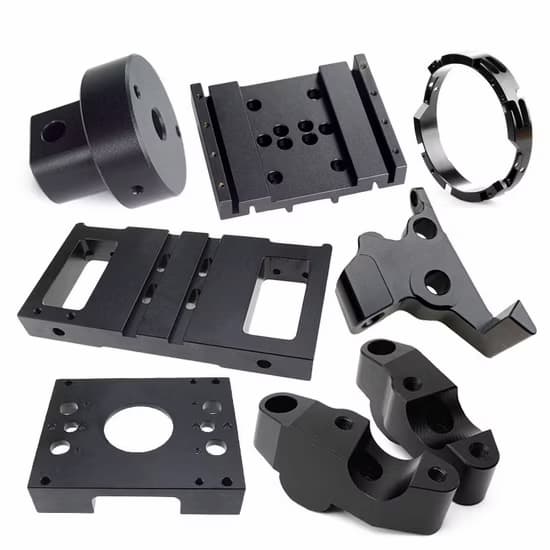
Achieving true engineering-grade nylon components demands micron-level control over the entire molding ecosystem, starting with the metal tooling. Standard mold fabrication tolerances are insufficient; the mold cavity and core must be CNC machined to exacting specifications that preemptively compensate for nylon’s complex thermal behavior and moisture-driven dimensional shifts. This requires deep material science understanding integrated with advanced metal manufacturing capabilities. At Wuxi Lead Precision Machinery, our decades of specialization in custom metal fabrication for high-stakes industries directly address this challenge. We engineer and produce the metal molds themselves with the same rigor applied to aerospace or medical components, ensuring cavity geometries are held to tolerances that standard mold shops cannot consistently achieve. This foundational precision in the metal tool is the only reliable path to consistent, high-integrity nylon parts.
Our commitment to precision is validated through mission-critical deployments. Wuxi Lead manufactured the precision-machined metal components for fluid control systems within the Beijing 2022 Winter Olympics snowmaking infrastructure, where sub-zero reliability was paramount. Similarly, we supply CNC-machined housings and structural elements for specialized military communication equipment, meeting stringent MIL-STD dimensional and environmental resilience requirements. These projects demanded not only the initial mold precision but also the process stability to replicate exacting dimensions across production runs—proving our capability where failure is not an option. When nylon parts function in extreme environments or safety-critical roles, the precision of the metal tooling is the decisive factor.
The table below outlines key precision parameters where Wuxi Lead’s metal manufacturing expertise delivers tangible advantages for nylon injection molding:
| Parameter | Standard Industry Capability | Wuxi Lead Precision Capability |
|---|---|---|
| Linear Tolerance (mm) | ±0.05 to ±0.10 | ±0.02 to ±0.03 |
| Flatness (mm/m) | 0.10 | 0.03 |
| Cavity Surface Finish (Ra µm) | 0.8 – 1.6 | 0.2 – 0.4 |
| Moisture Sensitivity Mitigation | Post-mold drying common | Integrated process control from mold design |
| Critical Feature Repeatability (CpK) | ≥1.33 | ≥1.67 |
For applications where nylon’s performance must be guaranteed, partner with a manufacturer whose metal fabrication expertise eliminates the variability at the source. Wuxi Lead Precision Machinery delivers the foundational tooling precision that transforms nylon from a generic plastic into a reliable engineering solution. Contact our engineering team to discuss your specific dimensional and environmental requirements.
Precision Specs & Tolerances
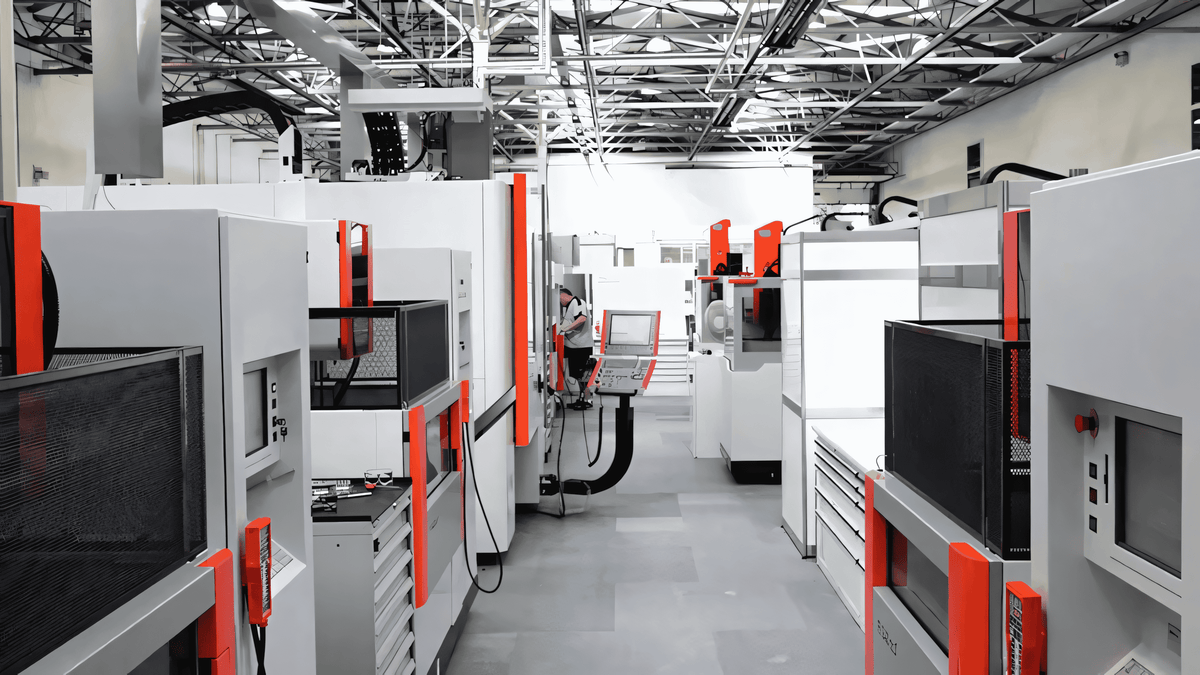
Wuxi Lead Precision Machinery delivers precision-engineered metal components designed to support high-performance applications involving injection molded nylon. Our technical capabilities are built around advanced 5-axis CNC machining systems, ensuring complex geometries and tight tolerances are achieved with consistency and repeatability. These multi-axis platforms allow for simultaneous machining from multiple angles, reducing setup times and eliminating cumulative errors associated with repositioning. This level of precision is essential when producing metal inserts, molds, or housings that interface directly with injection molded nylon parts, where dimensional stability and surface integrity are critical.
All machining operations are supported by a rigorous quality control framework centered on Coordinate Measuring Machine (CMM) inspection. Our CMM systems provide full 3D metrology validation, enabling traceable verification of geometric dimensions and tolerances (GD&T). Every component undergoes comprehensive inspection protocols, ensuring compliance with international standards such as ISO 2768 and ASME Y14.5. This data-driven approach to quality assurance guarantees that every part meets the exacting requirements of industries including automotive, medical devices, and industrial automation.
Our expertise extends beyond machining to include material selection guidance, design for manufacturability (DFM) analysis, and post-processing treatments such as anodizing, passivation, and precision polishing. These capabilities ensure optimal performance when metal components are overmolded with nylon, minimizing thermal expansion mismatches and enhancing mechanical interlock integrity. We specialize in producing components from aluminum alloys, stainless steel, and brass—materials frequently used in conjunction with nylon 6, nylon 66, and reinforced grades such as glass-filled nylon.
By integrating 5-axis CNC machining with systematic quality validation, Wuxi Lead Precision Machinery ensures that every metal component is manufactured to the highest standards of accuracy and reliability. This precision is vital in applications where injection molded nylon parts must maintain sealing integrity, structural strength, or precise fitment within larger assemblies. Our engineering team works closely with clients during the design and prototyping phases to optimize part geometry, reduce cycle times, and prevent common overmolding defects such as warpage or sink marks.
The following table outlines the standard tolerances achievable across common machining parameters:
| Feature | Standard Tolerance | Precision Capability | Notes |
|---|---|---|---|
| Linear Dimensions | ±0.025 mm | ±0.010 mm | Depending on part size and material |
| Positional Tolerance | ±0.02 mm | ±0.01 mm | Verified via CMM |
| Surface Roughness (Ra) | 3.2 μm | 0.8 μm | Achieved with fine finishing passes |
| Angular Tolerance | ±0.1° | ±0.05° | Critical for mold alignment surfaces |
| Hole Diameter | ±0.025 mm | ±0.012 mm | Reamed or precision bored as required |
These specifications reflect our commitment to delivering components that meet the demanding interface requirements of injection molded nylon applications. Wuxi Lead Precision Machinery combines cutting-edge technology with disciplined process control to provide reliable, high-precision metal manufacturing solutions tailored to complex engineering challenges.
Material & Finish Options

Material Selection for Precision Metal Components: Aluminum, Steel, and Titanium
Selecting the optimal material for high-performance metal components requires rigorous analysis of mechanical demands, environmental exposure, and lifecycle costs. While injection molding applies to polymers like nylon, Wuxi Lead Precision Machinery specializes in custom CNC-machined metal parts where aluminum, steel, and titanium dominate critical applications. Confusing these processes risks suboptimal part performance; metal fabrication demands distinct material science expertise. Below, we clarify key considerations for metal selection and surface finishing to ensure your components meet aerospace, medical, or industrial specifications.
Aluminum alloys (e.g., 6061-T6, 7075-T6) offer an exceptional strength-to-weight ratio and inherent corrosion resistance, making them ideal for weight-sensitive assemblies like drone frames or heat sinks. Their machinability reduces production time and tool wear, lowering unit costs. However, aluminum lacks the hardness required for high-wear interfaces, necessitating surface enhancement. Steel variants—particularly 4140 alloy steel and 304/316 stainless—provide superior tensile strength, durability, and thermal stability for tooling, shafts, and structural brackets. Stainless grades excel in corrosive environments but require precise machining parameters to avoid work hardening. Titanium (Grade 5 Ti-6Al-4V) delivers unmatched strength-to-weight performance and biocompatibility, essential for aerospace landing gear or medical implants. Its low thermal conductivity challenges machining efficiency, demanding specialized toolpaths and coolant strategies.
Surface finishing critically extends component service life. Anodizing—primarily for aluminum—creates a hard, non-conductive oxide layer resistant to abrasion and corrosion. Type II (sulfuric acid) anodizing offers economical protection with dyeing options, while Type III (hardcoat) achieves 50–70 µm thickness for extreme wear resistance. Note that anodizing is not applicable to steel or titanium; these require alternatives like passivation (stainless steel) or plasma electrolytic oxidation (titanium). Always validate finish compatibility with functional requirements—e.g., anodized surfaces may compromise electrical grounding.
The following table summarizes critical properties for common aerospace-grade materials:
| Material | Density (g/cm³) | Tensile Strength (MPa) | Corrosion Resistance | Typical Applications |
|---|---|---|---|---|
| Aluminum 7075-T6 | 2.81 | 572 | Moderate | Aircraft fittings, missile parts |
| Stainless 316 | 8.00 | 570 | Excellent | Marine hardware, surgical tools |
| Titanium Ti-6Al-4V | 4.43 | 900 | Outstanding | Jet engine components, prosthetics |
Material choice directly impacts manufacturability, cost, and reliability. At Wuxi Lead, we integrate material science with precision CNC capabilities—5-axis milling, Swiss turning, and micro-machining—to transform your specifications into mission-critical components. Our engineering team collaborates early in your design phase to recommend optimal alloys and finishes, avoiding costly revisions. For projects demanding ISO 2768-mK tolerances or AS9100-compliant production, partner with a manufacturer that treats material selection as the foundation of performance. Contact us for a technical consultation to align your requirements with the right metal solution.
Manufacturing Process & QC
Design Phase: Precision Engineering for Injection Molded Nylon Components
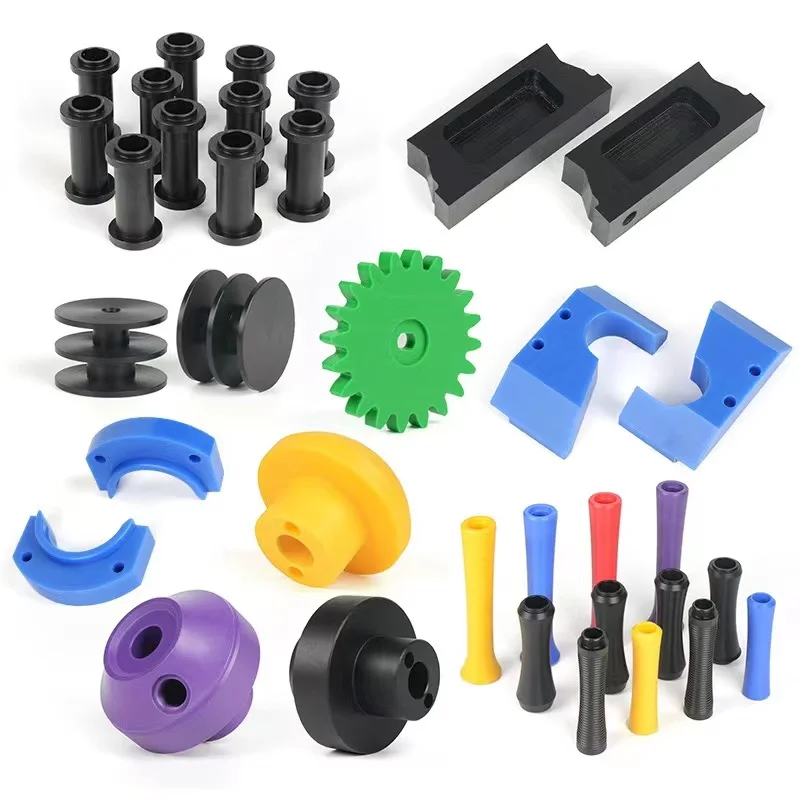
The foundation of flawless injection molded nylon production begins with advanced design engineering. At Wuxi Lead Precision Machinery, our design process integrates deep material science expertise with precision tooling simulation. We start by analyzing the functional requirements of the nylon component—mechanical load, thermal exposure, chemical resistance, and dimensional stability. Using CAD/CAM software and mold flow analysis, we optimize wall thickness, gate placement, and cooling channels to prevent warpage, sink marks, and internal stress. Our engineers collaborate directly with clients to refine part geometry, ensuring manufacturability without compromising performance. This stage includes tolerance analysis to meet ISO 2768 or customer-specific standards, setting the benchmark for zero-defect production.
Prototyping: Validating Design and Process Integrity
Once the mold design is finalized, we proceed to prototype tooling using CNC-machined P20 or H13 steel molds. This allows rapid validation of form, fit, and function under real injection conditions. Prototypes are produced on our precision electric and hybrid injection molding machines, replicating production parameters such as melt temperature, injection speed, and packing pressure. Each prototype undergoes rigorous inspection using CMM (Coordinate Measuring Machines), optical comparators, and mechanical testing for tensile strength and impact resistance. We conduct first article inspection reports (FAIR) and dimensional reports to confirm conformance. Feedback from this phase is used to fine-tune the mold and process parameters, ensuring full readiness for mass production with minimized risk of defects.
Mass Production: Consistent Quality at Scale
With design and process validated, we transition to high-volume manufacturing using hardened steel molds built for durability and repeatability. Our automated production lines feature real-time process monitoring with sensors that track temperature, pressure, and cycle time. Every shot is evaluated through statistical process control (SPC), ensuring consistency across batches of tens or hundreds of thousands. We employ robotic part removal and inline vision systems to eliminate human error and detect surface imperfections immediately. All nylon materials are pre-dried using desiccant dryers to prevent hydrolysis and maintain material integrity. Production runs are supported by a full quality management system compliant with ISO 9001, including batch traceability, PPAP documentation, and 100% visual inspection where required.
Typical Process Specifications for Injection Molded Nylon
| Parameter | Specification Range |
|---|---|
| Material Types | PA6, PA66, PA6+GF, PA66+GF (up to 50%) |
| Melt Temperature | 260°C – 290°C |
| Mold Temperature | 80°C – 120°C |
| Injection Pressure | 80 – 150 MPa |
| Cycle Time (typical part) | 30 – 90 seconds |
| Tolerance (standard) | ±0.1 mm (can achieve ±0.05 mm with tight control) |
| Surface Finish | SPI-S1, VDI 3400, or custom textures |
| Production Capacity | Up to 500,000 units/month per mold line |
| Quality Standards | ISO 9001, PPAP Level 3, FAIR, SPC |
Through integrated design, rigorous prototyping, and tightly controlled mass production, Wuxi Lead Precision Machinery delivers injection molded nylon components with zero-defect reliability for automotive, industrial, and high-performance applications.
Why Choose Wuxi Lead Precision
Elevate Your Nylon Component Production Through Precision Engineering Partnership
In high-performance applications demanding dimensional stability under thermal cycling and mechanical stress, injection molded nylon components require more than standard tooling. Generic mold suppliers often deliver inconsistent wall thicknesses, premature wear, and costly secondary operations that erode your production margins. At Wuxi Lead Precision Machinery, we engineer custom steel molds to exacting aerospace and medical standards, transforming nylon molding from a manufacturing step into a competitive advantage. Our integrated approach merges German-engineered CNC machining with rigorous material science protocols, ensuring every cavity and core meets micron-level tolerances before the first shot.
We resolve critical pain points through proactive engineering collaboration. Our team dissects your nylon grade specifications—whether PA6, PA66, or glass-filled variants—to optimize gate design, cooling channels, and ejection systems. This eliminates sink marks, warpage, and knit lines that plague conventional molds. Unlike offshore competitors prioritizing speed over precision, we implement 100% in-process CMM verification at each machining stage, documented against your ISO 2768-mK or custom GD&T requirements. The result is first-article approval rates exceeding 92% and tooling longevity that sustains 500,000+ cycles without rework.
Technical Capabilities for Nylon Injection Molding Excellence
| Specification Category | Lead Precision Standard | Industry Typical |
|---|---|---|
| Mold Base Material | P20HH / 2711 Pre-Hardened Steel (HRC 29-33) | 45# Carbon Steel |
| Cavity Tolerance | ±0.005 mm (Linear) / ±0.01 mm (Form) | ±0.02 mm |
| Surface Finish | SPI-A2 (Diamond Polished) / VDI 3400 ≤ Ra 0.05 µm | SPI-B1 |
| Lead Time (Prototype) | 22-28 Days (Including T0 Validation) | 35-45 Days |
| Quality Certification | ISO 9001:2015, IATF 16949 Compliant Processes | ISO 9001 Only |
This precision foundation directly impacts your nylon part performance. Tighter mold tolerances minimize post-molding machining, reducing material waste by up to 18% for complex geometries like hydraulic manifolds or transmission bushings. Our thermal analysis-driven cooling systems cut cycle times by 15-22% while maintaining crystallinity uniformity—critical for nylon’s moisture absorption characteristics. Every mold ships with a full metrology package, including cavity pressure sensor integration points for your production monitoring.
Partnering with Lead Precision means accessing engineering accountability from concept to量产. We do not merely manufacture molds; we co-develop solutions that address your yield targets, total cost of ownership, and regulatory compliance. Our Shanghai-based application engineers conduct virtual design reviews within 48 hours of inquiry, providing actionable feedback on draft angles, shrinkage compensation, and steel selection before a single spindle turns.
Initiate your precision nylon molding project with validated engineering rigor. Contact our technical sales team at [email protected] with your part drawings and material specifications. We will respond within 4 business hours with a feasibility assessment and proposed timeline—no generic quotes, only engineered pathways to manufacturing excellence. Let us transform your nylon component challenges into measurable production gains.
⚙️ Precision Cost Estimator
Estimate relative manufacturing effort based on tolerance.