

Technical Contents
Engineering Guide: Industrial Fabrication Service
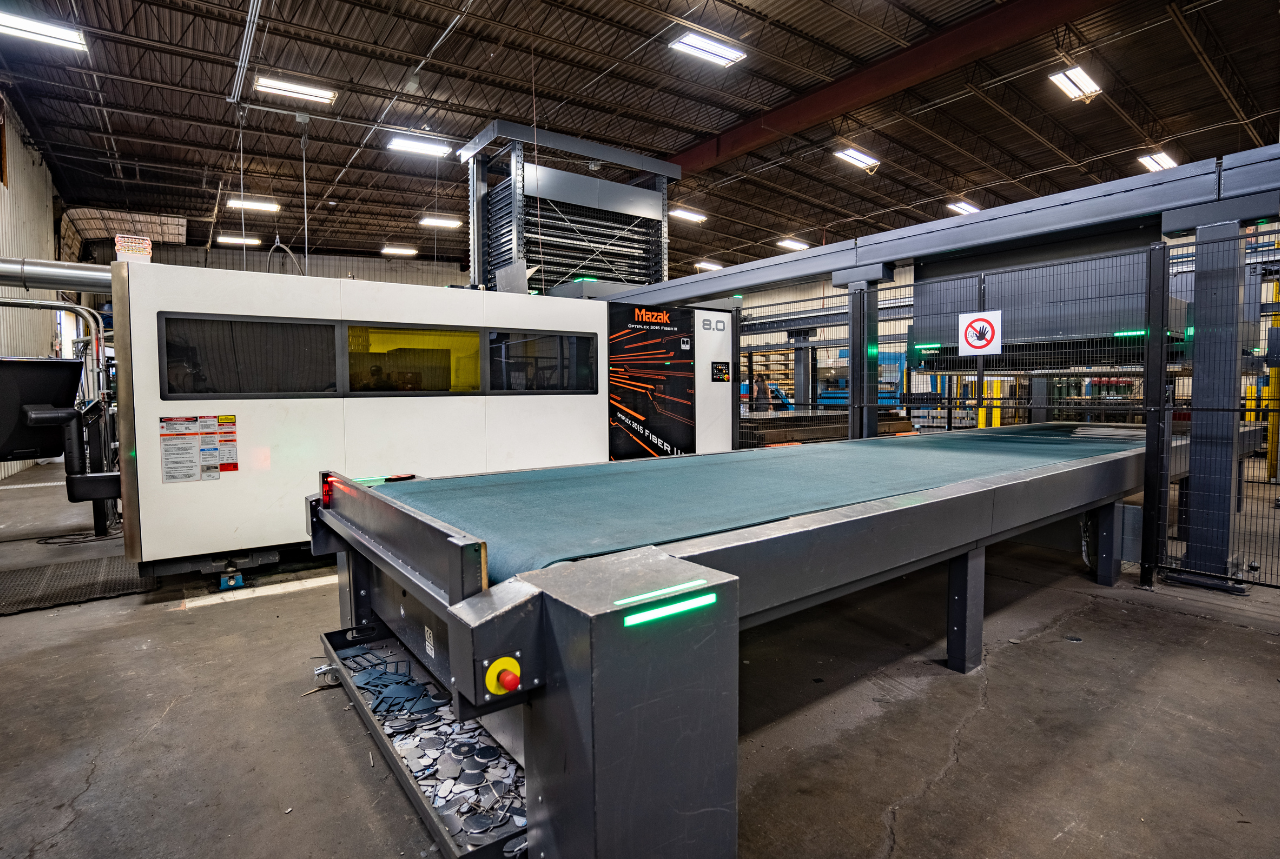
Engineering Insight: The Critical Role of Precision in Industrial Fabrication Services
In the realm of industrial fabrication services, precision is not merely a performance metric—it is the foundation upon which reliability, safety, and long-term value are built. For sectors such as aerospace, defense, energy, and advanced transportation, even micron-level deviations can lead to catastrophic system failures or costly downtime. At Wuxi Lead Precision Machinery, we understand that precision engineering is inseparable from mission-critical performance. Our decades-long commitment to exacting standards has positioned us as a trusted partner for high-stakes manufacturing projects, including components for Olympic infrastructure and military-grade systems.
Precision in sheet metal fabrication extends beyond tight tolerances. It encompasses material consistency, geometric accuracy, repeatability, and the seamless integration of fabrication processes—from laser cutting and CNC bending to welding and surface finishing. Each stage must be controlled with metrology-grade instruments and governed by rigorous quality assurance protocols. At Lead Precision, we employ state-of-the-art 3D coordinate measuring machines (CMM), in-process inspection systems, and real-time monitoring to ensure every fabricated component meets or exceeds international standards such as ISO 2768 and ASME Y14.5.
Our involvement in Olympic construction projects required the production of large-scale architectural panels with flawless surface integrity and dimensional consistency across thousands of units. The same level of precision was demanded in military applications, where structural enclosures and mounting systems had to endure extreme environmental conditions while maintaining electromagnetic shielding and mechanical stability. These experiences underscore a core principle: precision is not negotiable when human safety, national infrastructure, or high-value equipment is at stake.
We achieve this level of accuracy through a combination of advanced machinery, skilled engineering oversight, and a culture of continuous improvement. Our fabrication lines integrate fiber laser cutters with sub-0.1 mm cutting precision, automated bending cells with angle repeatability within ±0.2°, and robotic welding systems calibrated for consistent penetration and minimal distortion.
The following table outlines key precision capabilities central to our industrial fabrication service:
| Specification | Capability | Standard Compliance |
|---|---|---|
| Laser Cutting Tolerance | ±0.1 mm | ISO 2768-m |
| CNC Bending Accuracy | ±0.2° angular deviation | DIN 6930 |
| Hole Positioning Tolerance | ±0.15 mm | ISO 1302 |
| Surface Flatness (per 1m²) | ≤0.3 mm | ISO 8501-1 |
| Welding Distortion Control | <1 mm per 2m length | AWS D1.1 |
| Material Thickness Range | 0.5 – 25 mm | ASTM A36, SS304, AL6061 |
These specifications are not theoretical benchmarks but proven performance levels maintained across high-volume and prototype production runs. At Wuxi Lead Precision Machinery, precision is engineered into every process, validated at every stage, and delivered as a guarantee. For industries where failure is not an option, we provide the accuracy, experience, and accountability that define true industrial excellence.
Precision Specs & Tolerances
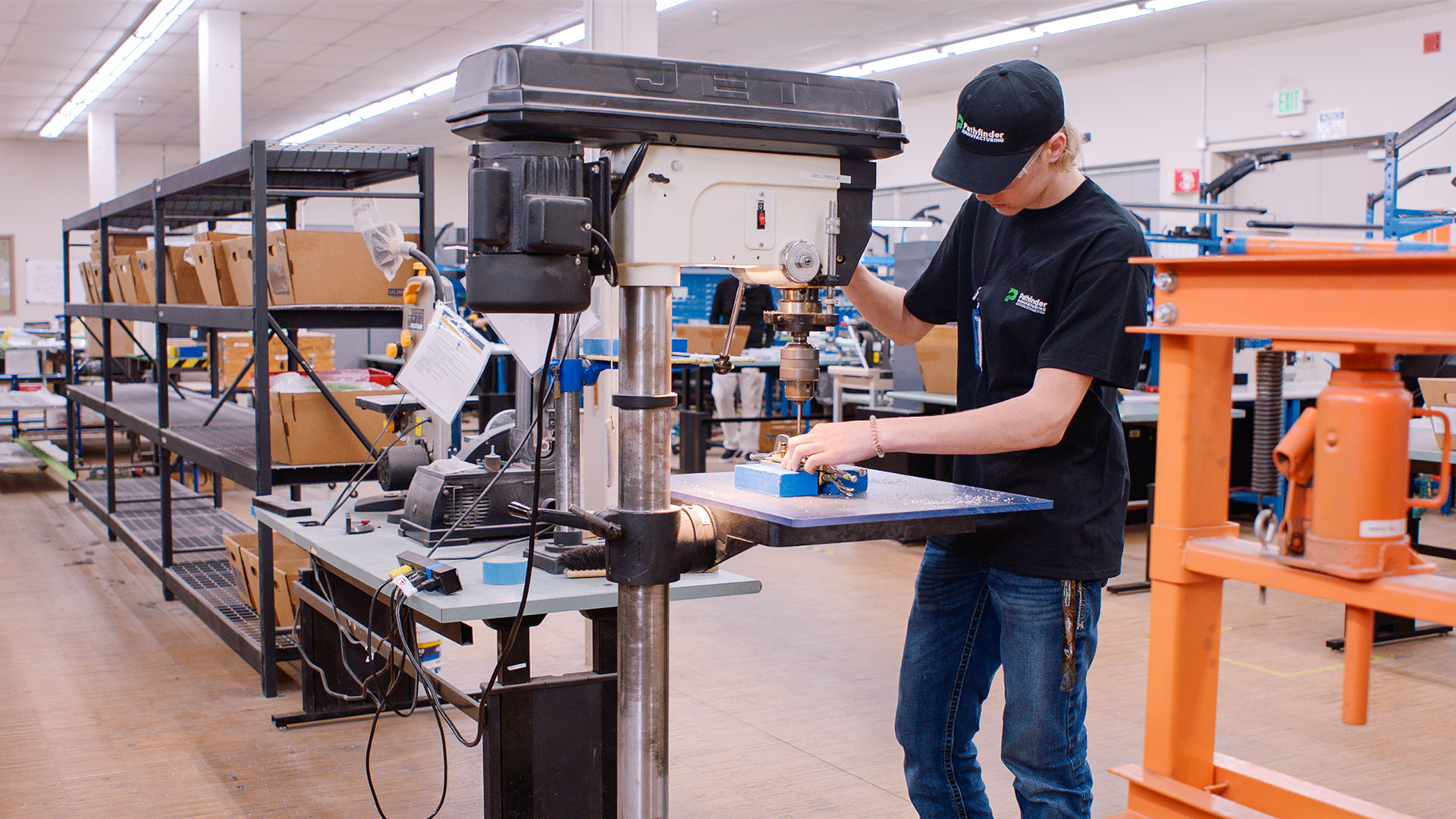
Advanced Technical Capabilities in Sheet Metal Fabrication
Wuxi Lead Precision Machinery delivers uncompromising precision for demanding industrial fabrication service requirements. Our integrated sheet metal workflow leverages cutting-edge 5-axis CNC machining centers to execute complex geometries with exceptional accuracy and efficiency. This technology eliminates the need for multiple setups, reducing cumulative error risks while accelerating production cycles for intricate components. The simultaneous multi-axis movement enables undercuts, compound angles, and organic contours impossible with conventional 3-axis systems, directly supporting aerospace, medical, and energy sector applications where form and function are critical.
Material integrity remains paramount throughout processing. Our CNC systems utilize adaptive toolpath strategies and high-stability spindles to minimize thermal distortion and vibration, ensuring consistent surface finishes and dimensional stability across aluminum, stainless steel, titanium, and specialized alloys. All critical features undergo CMM validation against CAD models, with full inspection reports provided for traceability. This closed-loop quality control process guarantees compliance with AS9100 and ISO 13485 standards, mitigating downstream assembly risks for our clients.
Tolerance execution defines our competitive edge. The table below specifies achievable precision levels under controlled production conditions, reflecting our adherence to ISO 2768-mK and ISO 2768-fH standards. These values represent typical performance for first-article inspection and serial production runs when material properties and design allowances align with best practices.
| Dimensional Range | Linear Tolerance (mm) | Angular Tolerance (°) | Feature Control (mm) |
|---|---|---|---|
| ≤ 50 mm | ±0.025 | ±0.1 | ±0.02 (Position) |
| 50.1 – 120 mm | ±0.05 | ±0.15 | ±0.03 (Concentricity) |
| 120.1 – 315 mm | ±0.075 | ±0.2 | ±0.05 (Flatness) |
| > 315 mm | ±0.1 | ±0.25 | ±0.08 (Parallelism) |
Process validation extends beyond dimensional checks. We implement in-process probing on CNC machines for real-time compensation, coupled with post-machining CMM analysis using calibrated Zeiss and Mitutoyo systems. This dual verification approach ensures geometric deviations remain within specified limits across all axes. For high-mix production environments, our automated data collection feeds directly into SPC dashboards, providing clients transparent visibility into capability indices (Cp/Cpk ≥ 1.67).
Our technical infrastructure supports rapid prototyping through serial production without reconfiguration delays. The seamless transition from engineering data to finished part—backed by documented process validation—eliminates guesswork in critical applications. By maintaining stringent environmental controls in machining and inspection zones, we achieve repeatable results unaffected by external variables. This commitment to metrological rigor positions Wuxi Lead as the definitive partner for mission-critical sheet metal fabrication where precision directly impacts performance and safety.
Material & Finish Options
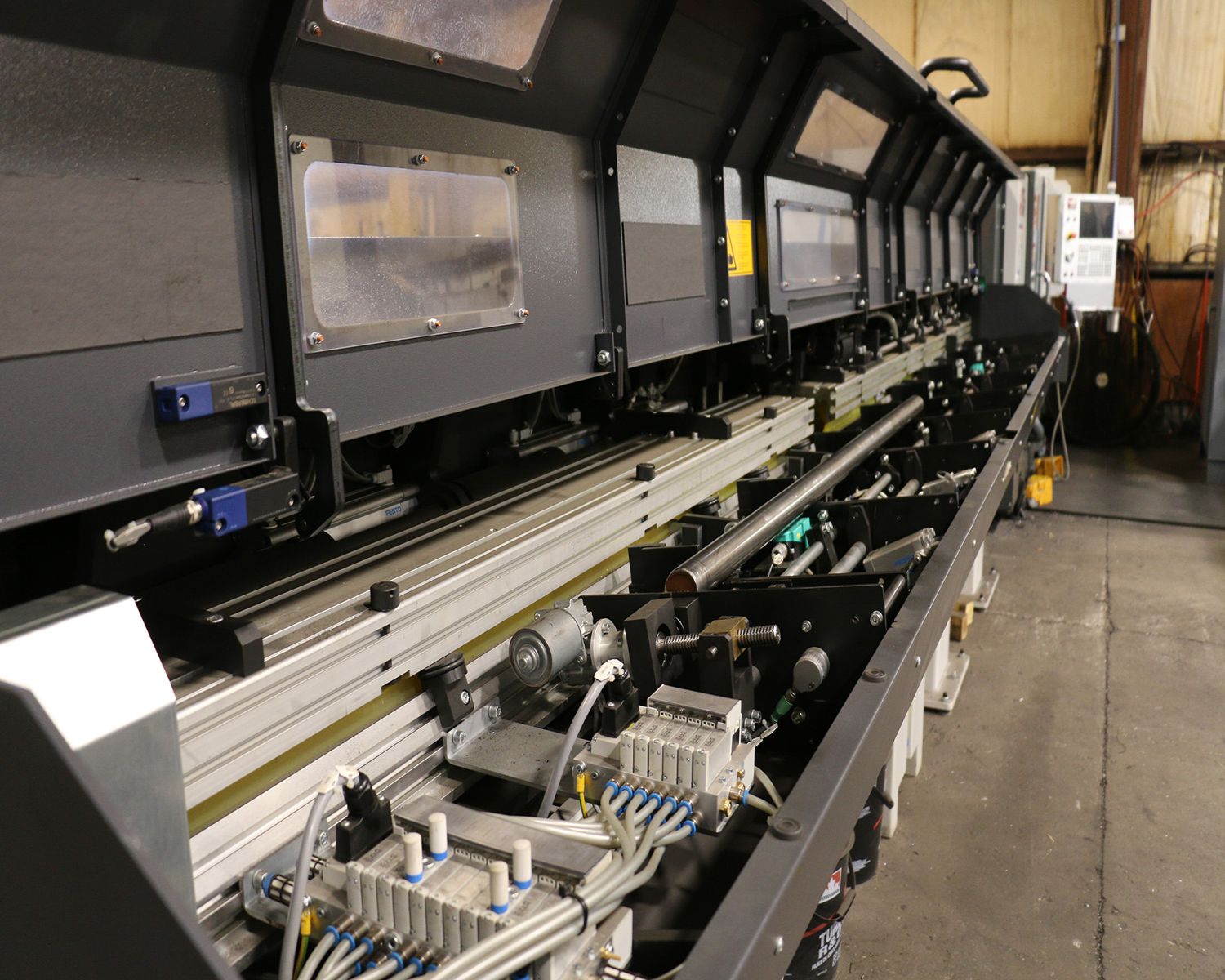
Material Selection in Industrial Sheet Metal Fabrication
Selecting the appropriate material is a critical decision in precision sheet metal fabrication, directly influencing performance, durability, and cost-effectiveness of the final component. At Wuxi Lead Precision Machinery, we specialize in high-tolerance fabrication for industries including aerospace, medical, automation, and advanced electronics, where material integrity is non-negotiable. Three primary metals dominate our production workflows: aluminum, steel, and titanium. Each offers distinct mechanical and chemical properties suited to specific operational environments.
Aluminum is favored for its excellent strength-to-weight ratio, corrosion resistance, and electrical conductivity. It is particularly well-suited for applications requiring lightweight structures without sacrificing rigidity, such as enclosures, heat sinks, and transportation components. Grade 6061-T6 is our most commonly used aluminum alloy due to its weldability, machinability, and response to heat treatment. For enhanced surface protection and aesthetic control, we offer anodizing as a standard finishing process. Anodizing builds a durable oxide layer that improves wear resistance, allows for color coding, and increases longevity in outdoor or chemically exposed environments.
Steel remains the backbone of industrial fabrication, offering superior strength, impact resistance, and cost efficiency. We process both mild steel (such as Q235) and stainless steel (including 304 and 316 grades). Mild steel is ideal for structural frames and housings where weight is less critical, while stainless variants provide excellent resistance to oxidation and chemical exposure, making them suitable for food processing, medical devices, and marine applications. Stainless steel components are often finished with mechanical polishing, bead blasting, or electropolishing to enhance surface integrity and hygiene compliance.
Titanium, though more expensive and challenging to machine, is indispensable in high-performance sectors. Its exceptional strength-to-density ratio, biocompatibility, and resistance to extreme temperatures and corrosive media make it the material of choice for aerospace, defense, and implantable medical devices. Grade 5 (Ti-6Al-4V) is our most frequently processed titanium alloy, offering optimal balance between workability and mechanical performance.
Below is a comparative overview of key material properties to guide selection:
| Material | Typical Grades | Tensile Strength (MPa) | Density (g/cm³) | Key Advantages | Common Applications |
|---|---|---|---|---|---|
| Aluminum | 6061-T6, 5052-H32 | 310–325 | 2.7 | Lightweight, corrosion resistant, conductive | Enclosures, heat sinks, transport |
| Mild Steel | Q235, Q345 | 370–500 | 7.85 | High strength, low cost, weldable | Frames, brackets, industrial bases |
| Stainless Steel | 304, 316 | 515–620 | 8.0 | Corrosion resistant, hygienic | Medical, food, marine equipment |
| Titanium | Ti-6Al-4V (Gr 5) | 900–950 | 4.43 | High strength-to-weight, biocompatible | Aerospace, defense, medical |
In conjunction with material choice, surface finish plays a vital role in functional performance. Anodizing, particularly for aluminum, not only enhances durability but also supports branding and traceability through color options. Our in-house finishing capabilities ensure tight control over thickness, adhesion, and uniformity, meeting international standards such as ASTM B580.
At Wuxi Lead Precision Machinery, we partner with engineers and procurement teams to match material and finish specifications with application demands, ensuring optimal performance and lifecycle value.
Manufacturing Process & QC
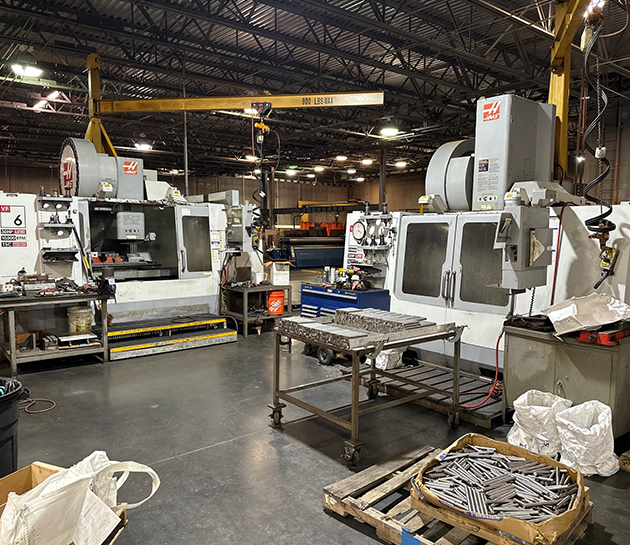
Sheet Metal Fabrication: Precision Production Process from Design to Zero Defects
At Wuxi Lead Precision Machinery, our sheet metal fabrication process is engineered for uncompromising quality and efficiency, transforming concepts into flawless production components. With over 30 years of specialized expertise, we implement a rigorously controlled workflow ensuring every part meets exacting global standards. This integrated approach spans three critical phases: Design Validation, Precision Prototyping, and Zero-Defect Mass Production.
The foundation is meticulous Design for Manufacturability (DFM) analysis. Our engineering team collaborates directly with client CAD models, scrutinizing geometries, material selections, and tolerances. We identify potential fabrication challenges early—such as bend allowances, weld accessibility, or tooling conflicts—providing actionable feedback before physical work begins. This proactive validation prevents costly revisions later, optimizes material yield, and ensures designs are inherently manufacturable to ±0.05mm tolerances. Client approval of the finalized DFM report is mandatory, establishing a shared quality baseline.
Prototyping transitions validated designs into tangible verification. We deploy rapid, high-accuracy methods including fiber laser cutting, CNC turret punching, and precision bending on our Amada equipment suite. Critical to this phase is our structured prototyping specification framework, which defines clear parameters for client alignment:
| Parameter | Specification | Purpose |
|---|---|---|
| Lead Time | 5-7 business days (standard) | Accelerate design validation cycles |
| Material Options | Full range (Al, SS, Steel, Cu, Brass) | Match final production conditions |
| Tolerance Standard | ±0.1mm (feature), ±0.5° (bend) | Validate form, fit, function feasibility |
| Inspection Report | Full GD&T report with CMM verification | Provide objective quality evidence |
| Iteration Process | Max 2 revisions included | Refine design without cost escalation |
Only after prototype sign-off do we initiate mass production. Here, our Zero Defects philosophy becomes operational reality. Automated in-process inspection via integrated CMMs and vision systems monitors critical dimensions at every stage—cutting, forming, welding, finishing. Statistical Process Control (SPC) tracks key metrics in real-time, triggering immediate corrective actions if deviations approach tolerance limits. All operators follow standardized work instructions with embedded quality checkpoints, while our ISO 9001-certified quality management system ensures full traceability from raw material certs to final packaging. This closed-loop methodology consistently achieves >99.8% first-pass yield rates, eliminating scrap and rework costs for clients.
Wuxi Lead’s end-to-end control—from DFM rigor to prototyping transparency and statistically validated production—delivers not just parts, but guaranteed manufacturability and performance. Contact our engineering team to integrate this zero-defect process into your next fabrication project.
Why Choose Wuxi Lead Precision
Partner with Lead Precision for Unmatched Sheet Metal Fabrication Excellence
At Wuxi Lead Precision Machinery, we understand that precision, reliability, and speed are non-negotiable in high-end industrial fabrication. As a trusted partner to global OEMs, engineering firms, and advanced manufacturing enterprises, we deliver end-to-end sheet metal fabrication services engineered to meet the most demanding specifications. Our integrated production ecosystem combines cutting-edge CNC technology, rigorous quality assurance, and decades of engineering expertise to transform your designs into high-performance components—on time, every time.
Our facility in Wuxi, China, operates under strict ISO 9001 and ISO 14001 standards, ensuring consistent quality and environmental responsibility across all production phases. From laser cutting and CNC punching to precision bending, welding, and finishing, every process is optimized for repeatability, accuracy, and material integrity. Whether you require low-volume prototypes or high-volume production runs, our scalable manufacturing platform adapts seamlessly to your project’s scope and timeline.
We specialize in processing a wide range of materials, including cold-rolled steel, stainless steel, aluminum, and galvanized sheet metal, with thicknesses ranging from 0.5 mm to 12 mm. Our advanced machinery fleet ensures tight tolerances down to ±0.05 mm, while our in-house design and engineering team provides DFM analysis to optimize your parts for manufacturability, cost-efficiency, and performance.
Partnering with Lead Precision means more than just outsourcing fabrication—it means gaining a strategic manufacturing ally. We offer full transparency with real-time production updates, comprehensive documentation, and responsive technical support throughout the project lifecycle. Our logistics network ensures reliable delivery to North America, Europe, and Asia, supported by flexible shipping options and customs compliance expertise.
Below are key capabilities that define our industrial fabrication service:
| Specification | Detail |
|---|---|
| Material Types | Cold Rolled Steel, Stainless Steel (304, 316), Aluminum (5052, 6061), Galvanized Steel |
| Thickness Range | 0.5 mm – 12 mm |
| Laser Cutting Accuracy | ±0.05 mm |
| Max. Laser Cutting Size | 4000 mm × 2000 mm |
| CNC Press Brake Bending | Up to 1000 tons, ±0.1° angular accuracy |
| Welding Processes | MIG, TIG, Spot Welding (with certified welders) |
| Surface Finishes | Powder Coating, Anodizing, Passivation, Sandblasting, Electropolishing |
| Quality Standards | ISO 9001, ISO 14001, RoHS Compliant |
| Lead Times | Prototype: 5–7 days; Production: 10–15 days (typical) |
| Certifications | ISO 9001:2015, ISO 14001:2015, ISO 45001:2018 |
Your success begins with a single decision—to partner with a team that treats your project as its own. We invite you to contact us today at [email protected] to discuss your fabrication requirements. Our engineering team is ready to provide a detailed quote, perform design for manufacturability review, and support your next project from concept to completion. At Lead Precision, we don’t just build parts—we build partnerships that drive industrial innovation.
⚙️ Precision Cost Estimator
Estimate relative manufacturing effort based on tolerance.