

Technical Contents
Engineering Guide: High Temp Silicone For Molds
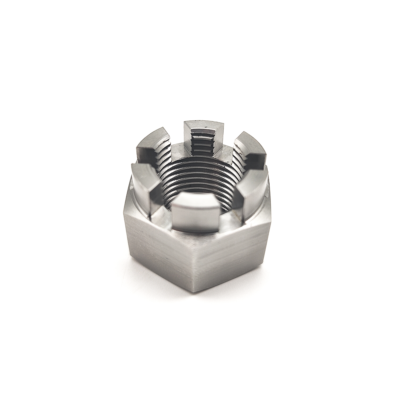
Engineering Insight: Precision Imperatives in High-Temperature Silicone Molding
High-temperature silicone remains indispensable for demanding mold applications across aerospace, medical, and advanced industrial sectors. Its exceptional thermal stability and chemical resistance enable production of complex parts under extreme conditions. However, the performance ceiling of any silicone mold is fundamentally constrained by the precision of its supporting metal tooling infrastructure. At Wuxi Lead Precision Machinery, we recognize that micron-level deviations in mold base flatness, cavity alignment, or thermal management channels directly translate to part defects, reduced cycle life, and costly scrap. Silicone’s inherent flexibility amplifies even minor geometric inaccuracies in the metal framework, leading to flash, inconsistent wall thickness, or compromised structural integrity in the final component. Thermal expansion differentials between silicone and metal further demand exacting tolerance control; mismatched coefficients induce stress points during heating cycles, accelerating material fatigue.
Our engineering philosophy treats the silicone and its metal mold as an integrated thermal-mechanical system. This holistic approach is forged through direct experience delivering zero-defect tooling for mission-critical programs. We engineered precision metal components for Olympic Games timing systems requiring sub-10-micron repeatability under variable environmental loads. Similarly, our collaboration with Tier-1 defense suppliers necessitates adherence to MIL-STD-810 protocols, where mold integrity directly impacts the reliability of life-support components. These projects instilled a non-negotiable discipline: surface finishes below Ra 0.4µm prevent silicone adhesion issues, while geometric tolerances held to ±0.005mm ensure uniform heat distribution and eliminate premature wear zones. Precision machining isn’t merely a specification—it is the foundation preventing thermal runaway and maintaining dimensional fidelity across thousands of cycles.
The interplay between silicone properties and metal tooling precision dictates operational success. Below are critical silicone parameters where metal mold accuracy is paramount:
| Parameter | Typical Range | Critical Tolerance Influence | Impact of Metal Tooling Deviation |
|---|---|---|---|
| Continuous Use Temp | 200°C – 300°C | Cavity surface flatness ±0.01mm | Localized overheating, silicone charring |
| Tensile Strength | 6.0 – 10.0 MPa | Core/cavity alignment ±0.005mm | Uneven stress, part tearing |
| Elongation at Break | 300% – 800% | Vent channel precision ±0.002mm | Air entrapment, surface defects |
| Hardness (Shore A) | 30 – 80 | Thermal uniformity ±1.5°C | Inconsistent cure, dimensional drift |
Wuxi Lead Precision Machinery leverages decades of custom metal manufacturing expertise to transform high-temp silicone potential into production reality. Our CNC-machined mold bases—forged from aerospace-grade alloys and validated through in-process CMM inspection—provide the dimensional stability silicone requires. When your application demands flawless replication under thermal duress, the metal foundation determines success. We engineer that foundation to Olympic and military-grade standards, ensuring your silicone molds deliver sustained precision, not just initial promise. Contact our engineering team to discuss how integrated metal-silicone system design mitigates your most critical production risks.
Precision Specs & Tolerances
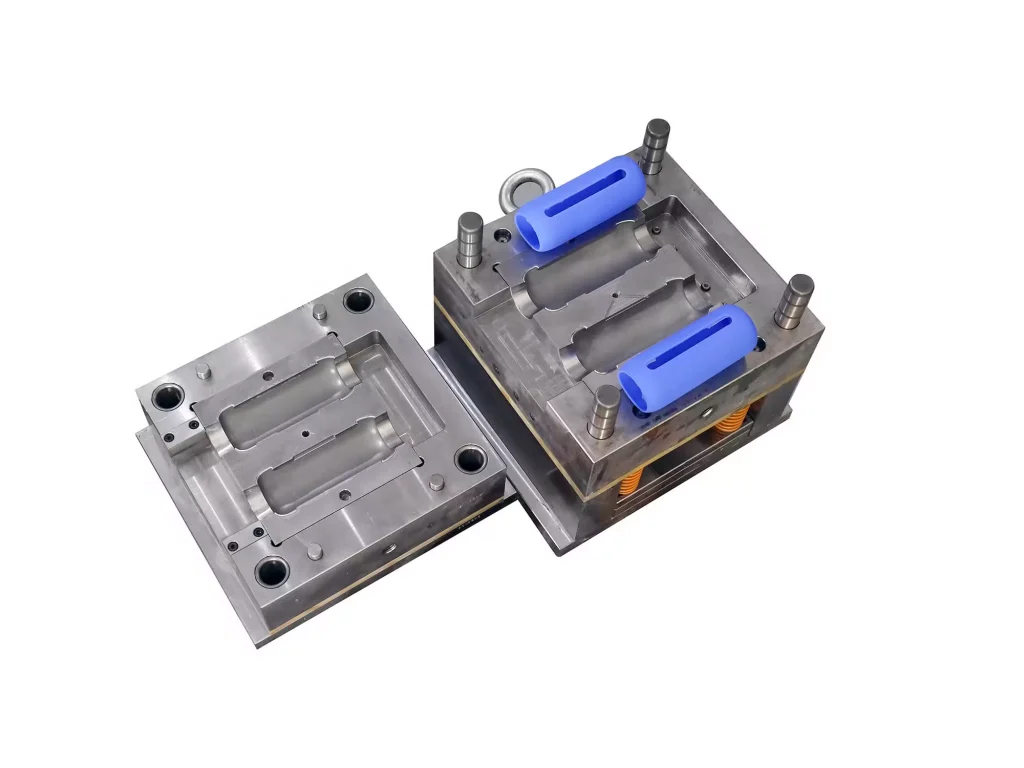
Advanced Technical Capabilities in High-Temperature Silicone Mold Manufacturing
At Wuxi Lead Precision Machinery, our technical expertise in custom metal manufacturing is engineered to meet the stringent demands of high-performance applications, particularly in the production of molds designed for high-temperature silicone processing. These molds require exceptional dimensional stability, thermal resistance, and surface precision to ensure consistent part replication under extreme thermal cycling. Our integrated manufacturing platform leverages state-of-the-art 5-axis CNC machining centers to deliver complex geometries with superior accuracy and surface finish, essential for molds exposed to continuous operating temperatures exceeding 200°C.
Our 5-axis CNC systems enable simultaneous multi-directional cutting, allowing us to machine intricate mold cavities, undercuts, and conformal cooling channels in a single setup. This capability significantly reduces cumulative tolerances associated with multiple fixturing stages and enhances geometric consistency. We utilize high-rigidity machine tools equipped with thermal compensation systems and automatic tool length measurement, ensuring long-term process stability during extended production runs. Materials commonly processed include hardened tool steels (such as H13, S136, and 420SS), aluminum alloys for prototyping, and nickel-based alloys for extreme thermal environments—all selected based on the thermal and chemical requirements of the silicone formulation.
Quality assurance is embedded throughout our manufacturing workflow. Every mold undergoes comprehensive inspection using a Zeiss DuraMax and Contura G2 Coordinate Measuring Machine (CMM), providing metrology-grade verification of critical features. Our CMM protocols include full 3D geometry comparison against CAD models, GD&T validation, and surface contour analysis. This ensures that all mold components conform to the tightest tolerances required for high-temperature silicone molding, where even micron-level deviations can lead to flash, part warpage, or premature mold failure.
We maintain strict environmental controls in our inspection lab, with temperature stabilized at 20°C ±0.5°C to eliminate thermal drift during measurement. All inspection reports are documented and archived for full traceability, supporting compliance with ISO 9001 standards and customer-specific quality requirements.
The following table outlines our standard and achievable tolerances for high-temperature silicone mold components:
| Feature Type | Standard Tolerance | Achievable Tolerance | Measurement Method |
|---|---|---|---|
| Linear Dimensions | ±0.01 mm | ±0.005 mm | CMM, High-Precision Micrometers |
| Geometric Tolerances (GD&T) | ±0.02 mm | ±0.008 mm | 3D CMM Scan |
| Surface Roughness (Ra) | 0.8 µm | 0.2 µm (polished) | Surface Roughness Tester |
| Hole Diameter | ±0.01 mm | ±0.005 mm | Air Gauges, CMM |
| Positional Accuracy | ±0.015 mm | ±0.007 mm | CMM with Best-Fit Alignment |
| Flatness | 0.02 mm/m | 0.005 mm/m | CMM with Reference Plate |
These technical capabilities position Wuxi Lead Precision Machinery as a trusted partner in the development of high-reliability molds for aerospace, medical device, and automotive industries, where high-temperature silicone performance is critical.
Material & Finish Options
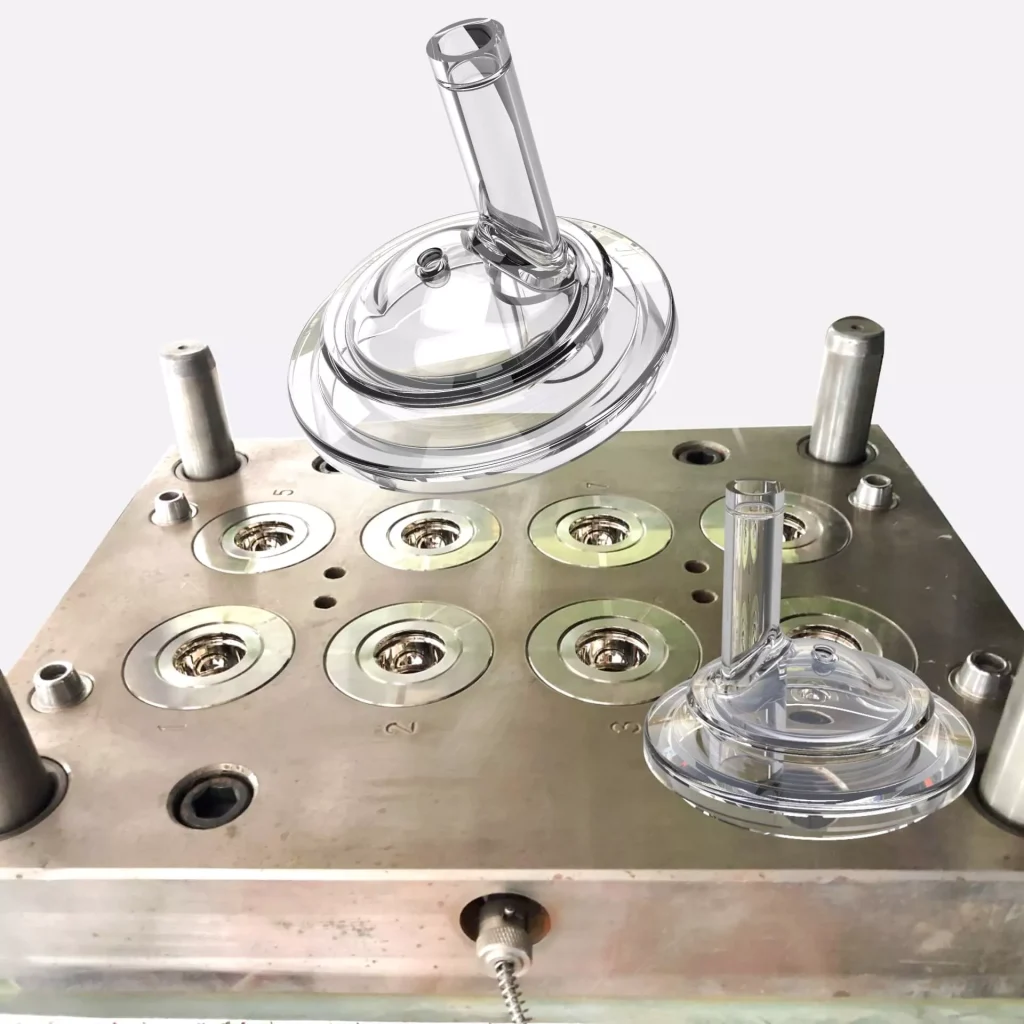
Material Selection for High-Temperature Silicone Molding Applications
Selecting the optimal base material for molds used in high-temperature silicone processing is critical for achieving precision, longevity, and cost-efficiency. At Wuxi Lead Precision Machinery, our engineering team evaluates thermal properties, mechanical strength, machinability, and surface finish requirements against specific production demands. Aluminum, steel, and titanium each present distinct advantages depending on the application’s thermal cycling, part complexity, and production volume.
Aluminum alloys, particularly 6061-T6 and 7075-T6, are frequently chosen for prototyping and medium-volume production due to their excellent thermal conductivity and ease of machining. This rapid heat dissipation minimizes cycle times during silicone curing, directly enhancing throughput. Aluminum molds are significantly lighter and faster to fabricate than steel counterparts, offering substantial cost savings for initial tooling. However, their lower hardness necessitates protective surface treatments like hard anodizing for extended use with abrasive silicones or complex geometries requiring high wear resistance.
Tool steels such as P20, H13, and S7 are the standard for high-volume, high-precision silicone molding. Their superior hardness and thermal stability withstand repeated thermal cycling at elevated temperatures without deformation. Steels maintain dimensional accuracy over tens of thousands of cycles, making them indispensable for intricate parts demanding tight tolerances. While initial machining is slower and more costly than aluminum, the extended service life in demanding production environments provides the best long-term value. Pre-hardened steels like P20 offer a balance of machinability and durability for many applications.
Titanium alloys, primarily Ti-6Al-4V, serve niche applications where extreme corrosion resistance combined with moderate strength is paramount, such as in medical or aerospace silicone molding involving aggressive chemical exposure. Its biocompatibility is a key factor for specific medical devices. However, titanium’s significantly lower thermal conductivity compared to aluminum and challenging machinability result in higher tooling costs and longer lead times. Its use is typically justified only when corrosion resistance outweighs thermal performance requirements.
Surface finish, particularly anodizing for aluminum, is non-negotiable for high-temp silicone molds. Hard anodizing creates a dense, wear-resistant ceramic layer that drastically improves release properties, reduces silicone adhesion, and protects against chemical degradation. This treatment is critical for maintaining dimensional stability and surface integrity over the mold’s operational life, directly impacting part quality and reducing maintenance downtime. Our precision CNC processes ensure the base material achieves the required surface geometry before final finishing.
Material properties must align precisely with your silicone formulation’s cure temperature and production demands. The following table summarizes key characteristics for informed selection.
| Material | Thermal Conductivity (W/m·K) | Typical Hardness (HB/HRC) | Corrosion Resistance | Best Suited For |
|---|---|---|---|---|
| Aluminum 6061-T6 | 167 | 95 HB | Moderate | Prototyping, Medium Volume, Fast Cycle |
| Tool Steel P20 | 28-36 | 290-330 HB | Good | High Volume, Complex Geometries |
| Titanium Ti-6Al-4V | 7.2 | 36 HRC | Excellent | Corrosive Environments, Medical |
Wuxi Lead Precision Machinery leverages decades of CNC expertise to match material science with your specific high-temp silicone molding challenges, ensuring optimal performance and return on investment. Our engineering team selects and finishes each mold substrate to exacting standards for your application.
Manufacturing Process & QC
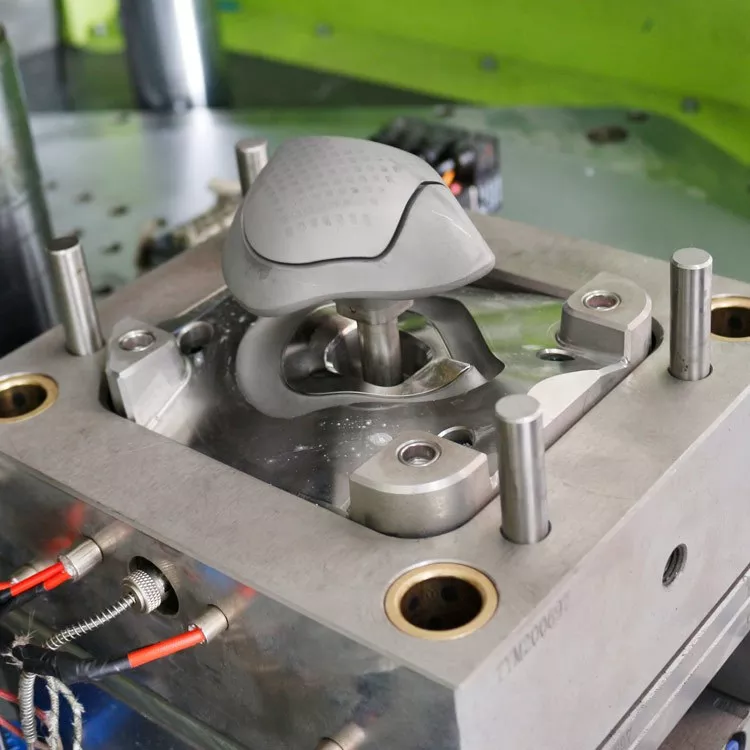
Design, precision engineering, and material integrity define the foundation of high-performance silicone molding in advanced manufacturing. At Wuxi Lead Precision Machinery, we specialize in custom metal solutions that support the production of molds used with high-temperature silicone. Our process integrates engineering rigor with advanced CNC fabrication to ensure zero defects across every phase: design, prototyping, and mass production.
The process begins with precision design. Engineers collaborate with clients to analyze part geometry, thermal behavior, and functional requirements. Using 3D CAD modeling and finite element analysis (FEA), we simulate mold performance under high-temperature conditions to anticipate deformation, stress concentration, and cycle fatigue. This ensures optimal mold geometry and cooling channel placement, critical for maintaining dimensional stability when working with silicone materials exposed to temperatures exceeding 200°C.
Prototyping follows design validation. A functional prototype is machined from high-grade tool steel or aluminum using 5-axis CNC milling, ensuring micron-level accuracy. This prototype is then subjected to real-world thermal cycling and pressure testing with high-temp silicone to verify part integrity, surface finish, and demolding behavior. Any deviations are corrected through iterative refinement, with data fed back into the CAD model. This closed-loop approach eliminates unforeseen issues before full-scale production begins.
Mass production leverages automated CNC machining cells, monitored in real time using in-process gauging and thermal compensation systems. Each mold undergoes strict quality assurance, including CMM inspection, surface roughness testing, and non-destructive testing (NDT) to detect subsurface anomalies. Our ISO 9001-certified production floor ensures traceability, with every component assigned a unique identifier for full lifecycle tracking.
Throughout all stages, material selection is critical. High-temperature silicone demands molds with excellent thermal conductivity, resistance to thermal fatigue, and precise surface replication. We use hardened P20, H13, or S136 steels depending on production volume and thermal load, with surface treatments such as nitriding or electro-polishing to enhance release properties and longevity.
The following table outlines key specifications for molds optimized for high-temperature silicone applications:
| Parameter | Specification |
|---|---|
| Operating Temperature Range | Up to 300°C (silicone-dependent) |
| Material Options | P20, H13, S136, 420 Stainless Steel |
| Surface Finish | Ra ≤ 0.2 µm (polished), optional coating |
| Tolerance | ±0.005 mm for critical dimensions |
| Mold Life | 100,000+ cycles (H13 with treatment) |
| Cooling Efficiency | Optimized conformal channels via 3D simulation |
| Quality Standards | ISO 9001, full CMM and NDT inspection |
Zero defects are achieved not by inspection alone, but by design intent, process control, and continuous validation. At Wuxi Lead Precision Machinery, we deliver molds engineered for performance, durability, and flawless replication in high-temp silicone production environments.
Why Choose Wuxi Lead Precision
Partner with Lead Precision for Uncompromising High-Temperature Silicone Molding Solutions
Selecting the right high-temperature silicone for critical molding applications demands more than material specification sheets. It requires a manufacturing partner with deep process understanding, precision engineering capabilities, and rigorous quality control to transform your design intent into flawless, production-ready molds. At Wuxi Lead Precision Machinery, we bridge the gap between advanced silicone formulation and exacting metal tooling, ensuring your molds deliver consistent performance under extreme thermal cycling and demanding production schedules.
Our integrated approach begins with collaborative material selection. We analyze your specific application parameters—peak operating temperature, cycle duration, part geometry complexity, and surface finish requirements—to recommend the optimal high-temp silicone grade. We then apply our CNC machining expertise to create mold cavities and cores with micron-level accuracy, critical for maintaining dimensional stability when silicone expands and contracts during curing cycles. This synergy between material science and precision metal manufacturing eliminates common failure points like premature wear, flash formation, or thermal degradation, directly extending mold life and reducing your total cost of ownership.
Understanding the technical demands of high-temp silicone processing is non-negotiable. Below are the critical material specifications we rigorously validate for every mold project, ensuring compatibility with your production environment:
| Property | Typical Value Range | Test Standard | Relevance for Mold Performance |
|---|---|---|---|
| Continuous Use Temperature | -60°C to 230°C | ASTM D2240 | Ensures stability during extended high-heat cycles without degradation |
| Hardness (Shore A) | 30 to 80 | ASTM D2240 | Balances part release ease against cavity detail reproduction |
| Tensile Strength | 8.0 to 12.0 MPa | ASTM D412 | Resists tearing during demolding of complex geometries |
| Elongation at Break | 400% to 700% | ASTM D412 | Accommodates thermal expansion without stress cracking |
| Compression Set (22h/200°C) | ≤ 20% | ASTM D395 | Maintains sealing integrity and dimensional accuracy over repeated cycles |
| Thermal Conductivity | 0.15 to 0.30 W/m·K | ASTM D5470 | Influences cure cycle time and part consistency |
Beyond material validation, our CNC-machined mold bases utilize high-grade tool steels or aluminum alloys with precision-ground cooling channels. This thermal management capability is essential for controlling the silicone curing process uniformly, preventing hot spots that cause scorching or incomplete vulcanization. We implement in-process CMM verification at critical stages, guaranteeing cavity tolerances remain within ±0.005mm—critical for tight-tolerance medical, aerospace, or optical components.
When your project demands reliability under thermal stress, partner with an engineering team that treats your success as a technical imperative. Wuxi Lead Precision Machinery delivers the confluence of material expertise, CNC precision, and process validation required for high-temp silicone molding excellence. Request your customized material datasheet and production timeline today. Contact our engineering team directly at [email protected] to initiate a technical consultation focused on your specific application challenges. Let us demonstrate how precision manufacturing elevates silicone mold performance.
⚙️ Precision Cost Estimator
Estimate relative manufacturing effort based on tolerance.