

Technical Contents
Engineering Guide: Heat And Mold Plastic
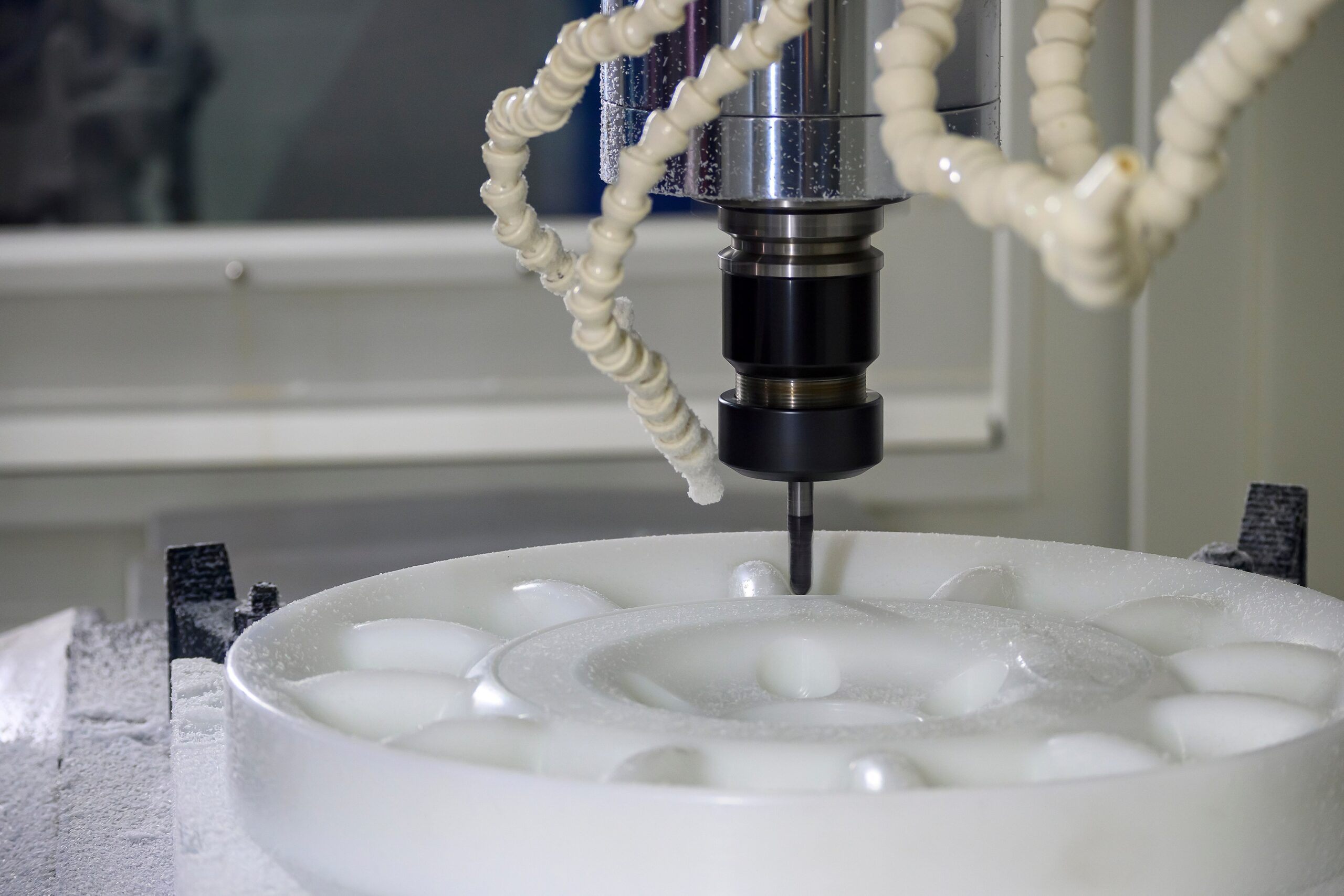
Engineering Insight: Heat and Mold Plastic – The Precision Imperative
In high-end custom metal manufacturing, the process of heating and molding plastic is not merely a phase in production—it is a critical engineering junction where material science, thermal dynamics, and micron-level precision converge. At Wuxi Lead Precision Machinery, we recognize that the integrity of a final component often hinges on the exactness of temperature control, mold geometry, and cycle consistency during plastic forming. Even deviations of a few degrees or microns can result in warping, internal stress, or dimensional inaccuracies—failures that are unacceptable in industries where performance and reliability are non-negotiable.
Our approach to heat and mold plastic operations is rooted in decades of advanced manufacturing expertise, refined through collaboration with elite engineering programs and supply contracts for Olympic-grade equipment and military-grade systems. These high-stakes applications demand components that perform flawlessly under extreme conditions, which in turn demands an uncompromising standard in mold fabrication and thermal processing. Precision begins with the mold itself—crafted from high-grade tool steels with tolerances held within ±0.002 mm. Such accuracy ensures repeatable cavity geometry, uniform wall thickness, and optimal material flow during injection.
Temperature control is equally critical. Our proprietary thermal management systems utilize multi-zone heating and closed-loop feedback to maintain mold temperatures within ±1°C. This level of control prevents premature cooling or thermal gradients that lead to residual stress and part deformation. Furthermore, our process monitoring systems log real-time data for every cycle, enabling full traceability and continuous process optimization—essential for compliance in aerospace, defense, and high-performance sporting equipment.
Material selection is integrated into the precision framework. We work with advanced thermoplastics such as PEEK, ULTEM, and reinforced polycarbonates, each requiring specific thermal profiles and mold release strategies. Our engineers conduct detailed flow analysis and thermal simulation prior to production, ensuring that each mold design accommodates material behavior under heat and pressure.
The result is a manufacturing process where heat and mold plastic operations are not just executed—but mastered. This mastery is validated through rigorous post-production metrology, including CMM inspection and thermal imaging, ensuring every component meets the exacting standards our clients demand.
Below are key specifications reflecting our capabilities in precision plastic molding:
| Parameter | Specification |
|---|---|
| Mold Tolerance | ±0.002 mm |
| Temperature Control Accuracy | ±1°C across all zones |
| Material Compatibility | PEEK, ULTEM, PC, PPS, Nylon (glass-filled) |
| Maximum Mold Size | 1200 x 800 x 600 mm |
| Process Monitoring | Real-time data logging with SPC analysis |
| Cycle Repeatability | >99.5% consistency over 10,000 cycles |
At Wuxi Lead Precision Machinery, we do not simply produce molds—we engineer thermal and mechanical environments where precision is inherent, and performance is guaranteed.
Precision Specs & Tolerances
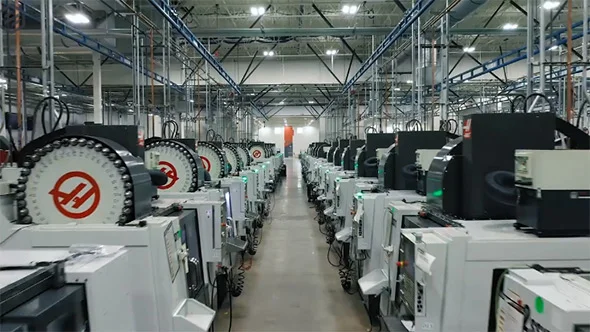
Advanced Technical Capabilities for Precision Plastic Mold Manufacturing
Wuxi Lead Precision Machinery delivers uncompromising precision for the demanding requirements of heat-resistant and complex plastic mold production. Our core strength lies in integrating state-of-the-art multi-axis machining with rigorous metrology, specifically engineered to meet the thermal and geometric challenges inherent in high-performance plastic molding applications. This capability ensures mold longevity, dimensional stability under thermal cycling, and the production of flawless plastic components critical to our clients’ success.
Central to our offering is a dedicated fleet of high-torque, high-accuracy 5-axis CNC machining centers. These systems excel at producing the intricate cavities, cores, cooling channels, and ejector systems demanded by advanced plastic molds. The simultaneous 5-axis movement eliminates multiple setups, significantly reducing cumulative error and ensuring critical feature relationships are maintained within micron-level tolerances. This is paramount for molds subjected to repeated heating and cooling cycles, where even minute deviations can lead to part warpage, flash, or premature mold failure. Our programming expertise leverages advanced CAM strategies specifically optimized for hardened tool steels and high-temperature alloys commonly used in demanding plastic molding, ensuring optimal surface finish and thermal distortion compensation during the machining process.
Quality assurance is not a final step but an integrated process throughout manufacturing. Every critical component undergoes comprehensive inspection using our coordinate measuring machines (CMM) equipped with high-precision probes and advanced software. This metrology backbone verifies complex 3D geometries, positional tolerances, and surface profiles against the original CAD model with exceptional repeatability. We focus particularly on features critical to thermal management and part ejection, ensuring cooling channels are precisely located and sized for uniform heat extraction, and that all moving components operate with the exact clearance required to prevent galling or binding during thermal expansion. This rigorous CMM validation provides documented traceability and guarantees that molds meet the stringent specifications necessary for consistent, high-yield plastic part production.
Our commitment to precision is quantifiable through the achievable tolerances consistently maintained across production runs. The table below details our standard capabilities for critical mold features:
| Tolerance Type | Specification | Application Context |
|---|---|---|
| Linear Dimension | ±0.002 mm | Core/Cavity critical dimensions |
| Angular Tolerance | ±0.001° | Draft angles, parting line alignment |
| Positional Tolerance | ±0.003 mm | Cooling channel location, ejector pins |
| Surface Roughness (Ra) | 0.2 – 0.4 µm | Optical/cosmetic mold surfaces |
| Thermal Stability (ΔL/L) | ≤ 5 ppm/°C | Dimensional stability during operation |
This level of precision directly translates to reduced plastic part defects, minimized mold maintenance downtime, extended mold service life, and accelerated time-to-market for our clients’ end products. Wuxi Lead Precision Machinery provides the technical foundation for manufacturing excellence in the most challenging plastic molding environments.
Material & Finish Options
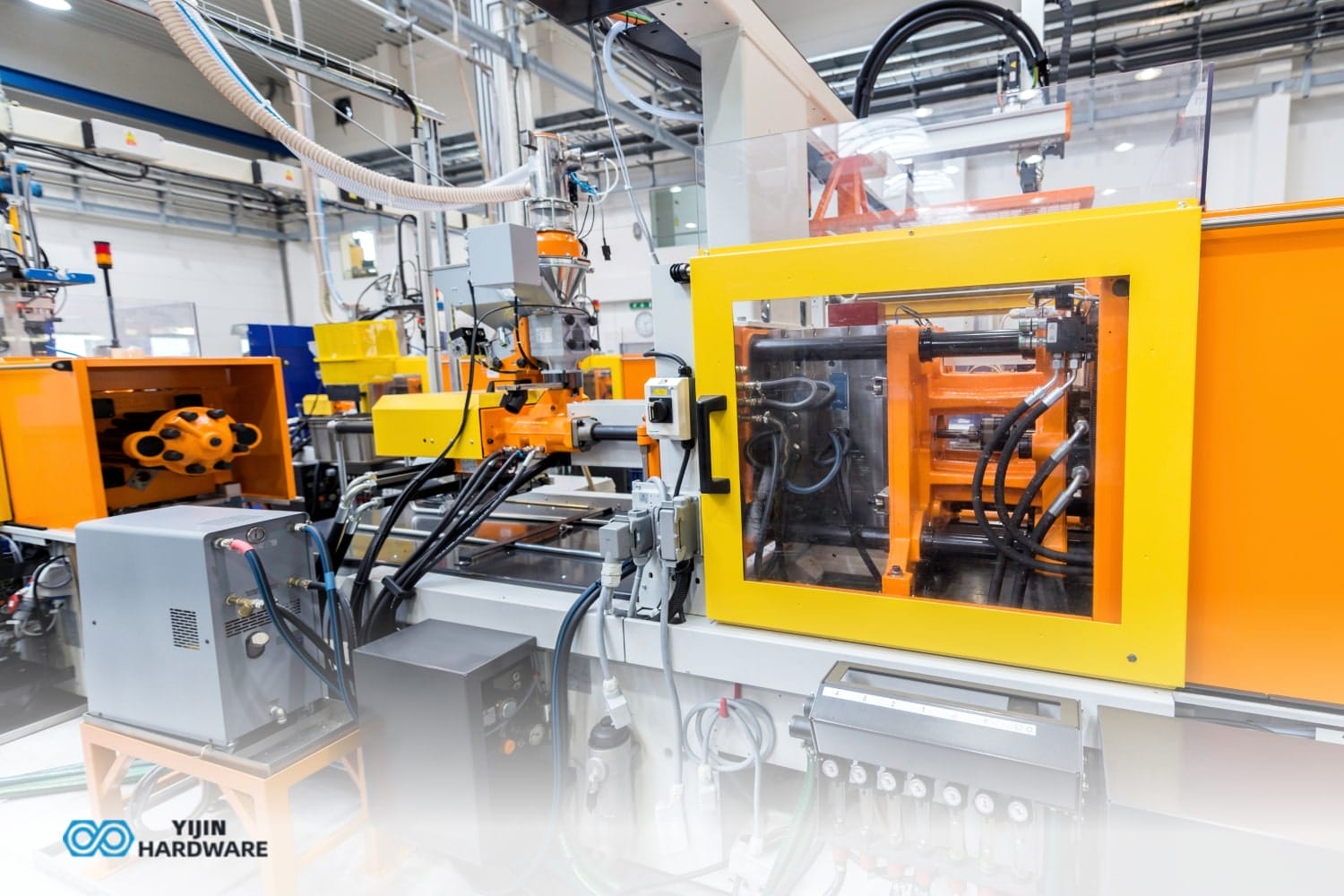
Material Selection for Heat and Mold Plastic Applications in Precision Manufacturing
In high-performance plastic molding and thermal management applications, material selection directly impacts tool longevity, cycle efficiency, and part quality. At Wuxi Lead Precision Machinery, we specialize in custom metal manufacturing solutions tailored for demanding heat and mold plastic environments. Our engineering expertise ensures optimal pairing of base materials and surface treatments to meet operational requirements in injection molding, die casting, and thermal forming processes.
Aluminum is a preferred choice for rapid prototyping and low-to-medium volume production due to its excellent thermal conductivity and machinability. Grades such as 6061 and 7075 offer a favorable strength-to-weight ratio and respond well to thermal cycling. Aluminum molds heat quickly and uniformly, reducing cycle times significantly. However, its lower hardness makes it less suitable for abrasive or high-volume applications without proper surface enhancement.
Steel, particularly tool steels like P20, H13, and S136, provides superior hardness, wear resistance, and dimensional stability under prolonged thermal stress. These properties make steel ideal for high-volume plastic molding where mold integrity must be maintained over thousands of cycles. While steel has lower thermal conductivity than aluminum, its durability in aggressive molding environments—especially with glass-filled or flame-retardant resins—makes it indispensable for long-run production.
Titanium alloys, though less common in standard mold construction, offer exceptional strength-to-density ratios and corrosion resistance. Their use is typically reserved for specialized applications involving extreme conditions, such as high-temperature forming or corrosive media exposure. Titanium’s poor thermal conductivity limits its use as a primary mold material, but it excels in support components requiring high fatigue resistance and minimal thermal expansion.
Surface finishing, particularly anodizing, plays a critical role in enhancing aluminum’s performance. Hard anodizing (Type III) creates a thick, wear-resistant oxide layer that improves surface hardness up to 60 HRC, significantly increasing resistance to galling and erosion. This treatment also enhances corrosion protection and reduces friction, facilitating part ejection and minimizing maintenance downtime. For optical or high-gloss plastic parts, precision polishing post-anodizing ensures superior surface replication.
Material selection must balance thermal performance, mechanical demands, and cost efficiency. At Wuxi Lead, we conduct comprehensive application reviews to recommend the optimal material-finish combination based on production volume, resin type, and thermal cycling requirements.
The following table summarizes key mechanical and thermal properties of common materials used in heat and mold plastic applications:
| Material | Thermal Conductivity (W/m·K) | Hardness (HRC) | Tensile Strength (MPa) | Typical Use Case |
|---|---|---|---|---|
| Aluminum 6061 | 167 | 15–20 | 310 | Prototype molds, low-volume production |
| Steel P20 | 28–36 | 28–32 | 900–1100 | High-volume injection molds |
| Steel H13 | 30–35 | 45–50 | 1300–1500 | Hot work, high-temperature molding |
| Titanium Ti-6Al-4V | 7.2 | 36–40 | 900–950 | Specialized high-strength components |
Partnering with an experienced manufacturer ensures your mold materials are engineered for performance, reliability, and cost-effectiveness across the product lifecycle.
Manufacturing Process & QC
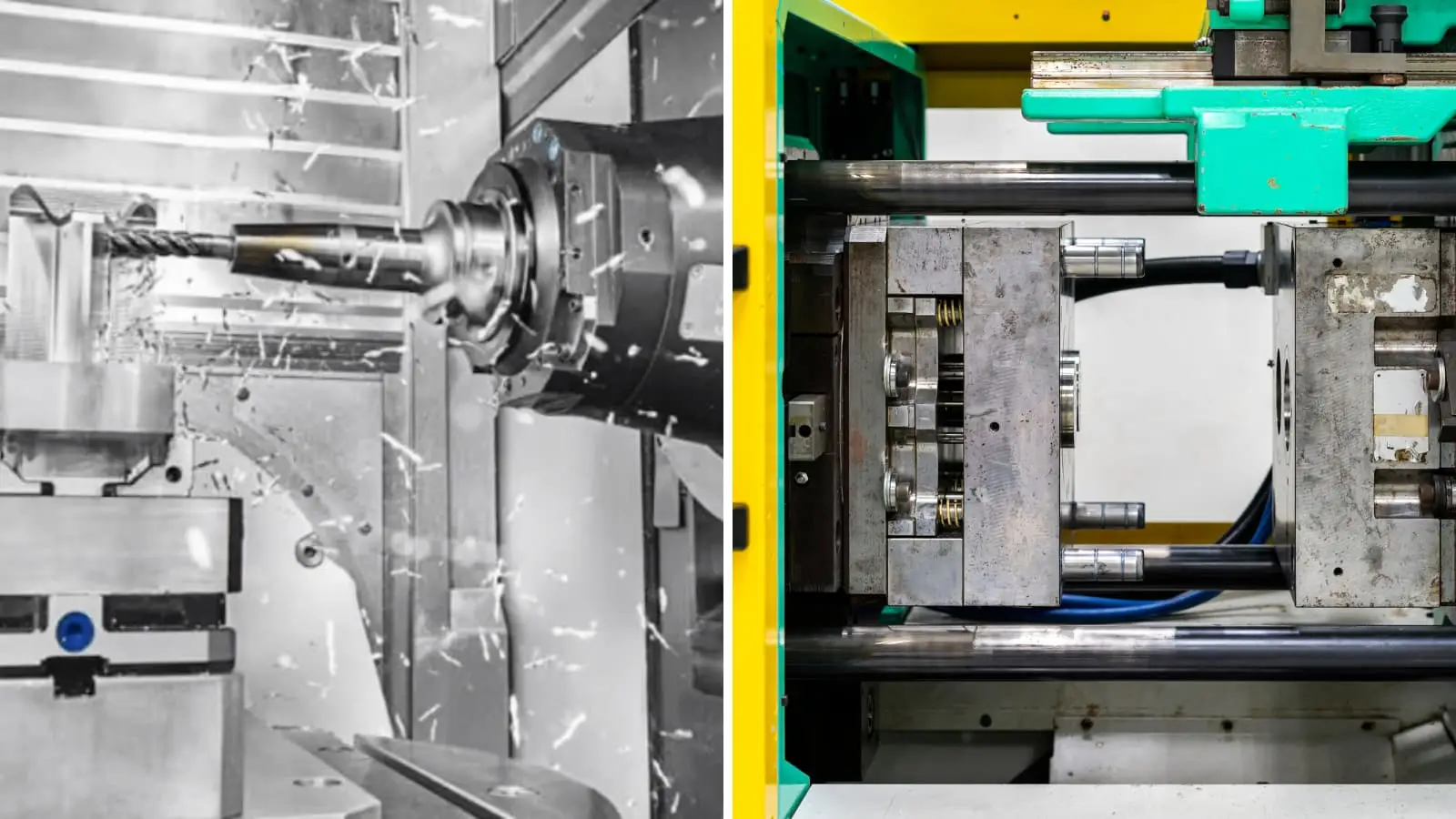
Precision Heat and Mold Plastic Production: From Concept to Zero-Defect Fulfillment
At Wuxi Lead Precision Machinery, our heat and mold plastic manufacturing process is engineered for uncompromising quality and efficiency, specifically tailored for demanding B2B applications. We eliminate the traditional gap between design intent and mass-produced reality through a rigorously controlled three-stage workflow, ensuring zero defects are not an aspiration but a measurable outcome.
The foundation is a collaborative Design for Manufacturability (DFM) phase. Our engineering team works directly with client specifications, utilizing advanced simulation software to model material flow, thermal dynamics, and potential stress points within the mold cavity. This proactive analysis identifies and resolves potential issues like weld lines, sink marks, or warpage before tooling begins. Critical factors such as optimal gate location, cooling channel design, and material selection are validated against the part’s functional requirements and tolerance stack-ups, ensuring the design is inherently robust for high-volume production.
Prototyping transitions seamlessly from validated DFM data. We employ high-precision CNC machining and EDM to fabricate prototype molds using production-intent materials and processes. This is not merely a form check; it is a functional validation under near-production conditions. Rigorous testing measures dimensional accuracy against CAD models, evaluates surface finish consistency, verifies material properties post-processing, and confirms cycle time feasibility. Any deviations trigger immediate root cause analysis and iterative mold adjustments. This stage is critical for de-risking mass production, as it validates the thermal management strategy and process parameters under real-world thermal cycling.
Mass production leverages the insights from prototyping within our fully automated, climate-controlled facility. Zero defects are achieved through closed-loop process control systems continuously monitoring and adjusting key parameters. Multi-cavity molds are balanced using real-time cavity pressure sensors, while precision thermal management ensures uniform melt temperature and consistent cooling rates across every cycle. Statistical Process Control (SPC) charts track critical dimensions, with automated vision inspection systems performing 100% in-line checks against tolerances. Material handling systems with strict moisture control prevent degradation, especially for engineering resins. Every process variable is documented, enabling full traceability and immediate corrective action should any parameter drift outside the validated window.
This integrated approach, from intelligent design through validated prototyping to tightly controlled mass production, is the Wuxi Lead standard. We deliver not just parts, but guaranteed performance and yield.
| Critical Process Parameter | Precision Target | Measurement Method | Impact on Zero Defects Goal |
|---|---|---|---|
| Melt Temperature Control | ±0.5°C | In-line melt pressure sensors | Prevents material degradation, ensures consistent flow |
| Cavity Pressure Balance (Multi) | ±1.5% | Piezoelectric cavity sensors | Eliminates part-to-part variation within mold |
| Cooling Channel Temp Uniformity | ±1.0°C across all zones | Embedded thermocouples | Minimizes warpage, internal stresses |
| Cycle Time Consistency | ±0.3 seconds | PLC cycle time logging | Guarantees stable process conditions |
Why Choose Wuxi Lead Precision
Partner with Lead Precision for Advanced Heat and Mold Plastic Solutions in Custom Metal Manufacturing
In the competitive landscape of custom metal manufacturing, precision, reliability, and innovation define success. At Wuxi Lead Precision Machinery, we specialize in integrating advanced heat treatment and precision molding technologies into high-performance metal components tailored for demanding industrial applications. Our expertise in heat and mold plastic processes ensures that every product meets exact thermal, mechanical, and dimensional specifications—delivering parts that perform under extreme conditions.
We understand that modern manufacturing demands more than standard fabrication. It requires a partner capable of combining material science, engineering precision, and process control to solve complex production challenges. Whether you’re developing components for automotive systems, aerospace assemblies, energy infrastructure, or high-end consumer electronics, our engineered solutions are designed to exceed expectations.
Our facility in Wuxi, China, is equipped with state-of-the-art CNC machining centers, automated heat treatment lines, and precision injection molding systems. These capabilities allow us to control the entire production cycle—from raw material selection to final inspection—ensuring consistency, repeatability, and compliance with international quality standards such as ISO 9001 and IATF 16949.
What sets us apart is our commitment to customization. We don’t offer off-the-shelf solutions. Instead, we collaborate closely with engineering teams to develop tailored processes that optimize performance, reduce cycle times, and enhance product longevity. Our heat and mold plastic technologies are engineered to improve part strength, dimensional stability, and thermal resistance—critical factors in high-stress environments.
We support clients across industries with full-service project management, rapid prototyping, DFM analysis, and scalable production runs. Every component is validated through rigorous testing protocols, including thermal cycling, tensile strength analysis, and geometric inspection using CMM technology.
Below are key technical specifications that define our manufacturing capabilities:
| Parameter | Specification |
|---|---|
| Material Compatibility | Aluminum Alloys, Stainless Steel, Tool Steels, High-Temp Plastics |
| Heat Treatment Range | Up to 1200°C (2192°F), controlled atmosphere |
| Mold Tolerance | ±0.005 mm |
| Maximum Part Weight | 50 kg |
| Production Capacity | Up to 500,000 units/month |
| Surface Finish Options | Polished, Anodized, Powder Coated, Passivated |
| Quality Standards | ISO 9001, IATF 16949, RoHS Compliant |
| Lead Time (Prototype) | 7–15 days |
| Lead Time (Mass Production) | 20–35 days (depending on volume) |
Partnering with Wuxi Lead Precision Machinery means gaining access to a vertically integrated manufacturing ecosystem built on precision, innovation, and long-term collaboration. We are not just a supplier—we are an extension of your engineering team.
For expert support in heat and mold plastic manufacturing, contact us today at [email protected]. Let us help you transform your design challenges into high-performance realities.
⚙️ Precision Cost Estimator
Estimate relative manufacturing effort based on tolerance.