

Technical Contents
Engineering Guide: Hardware Sheet Metal
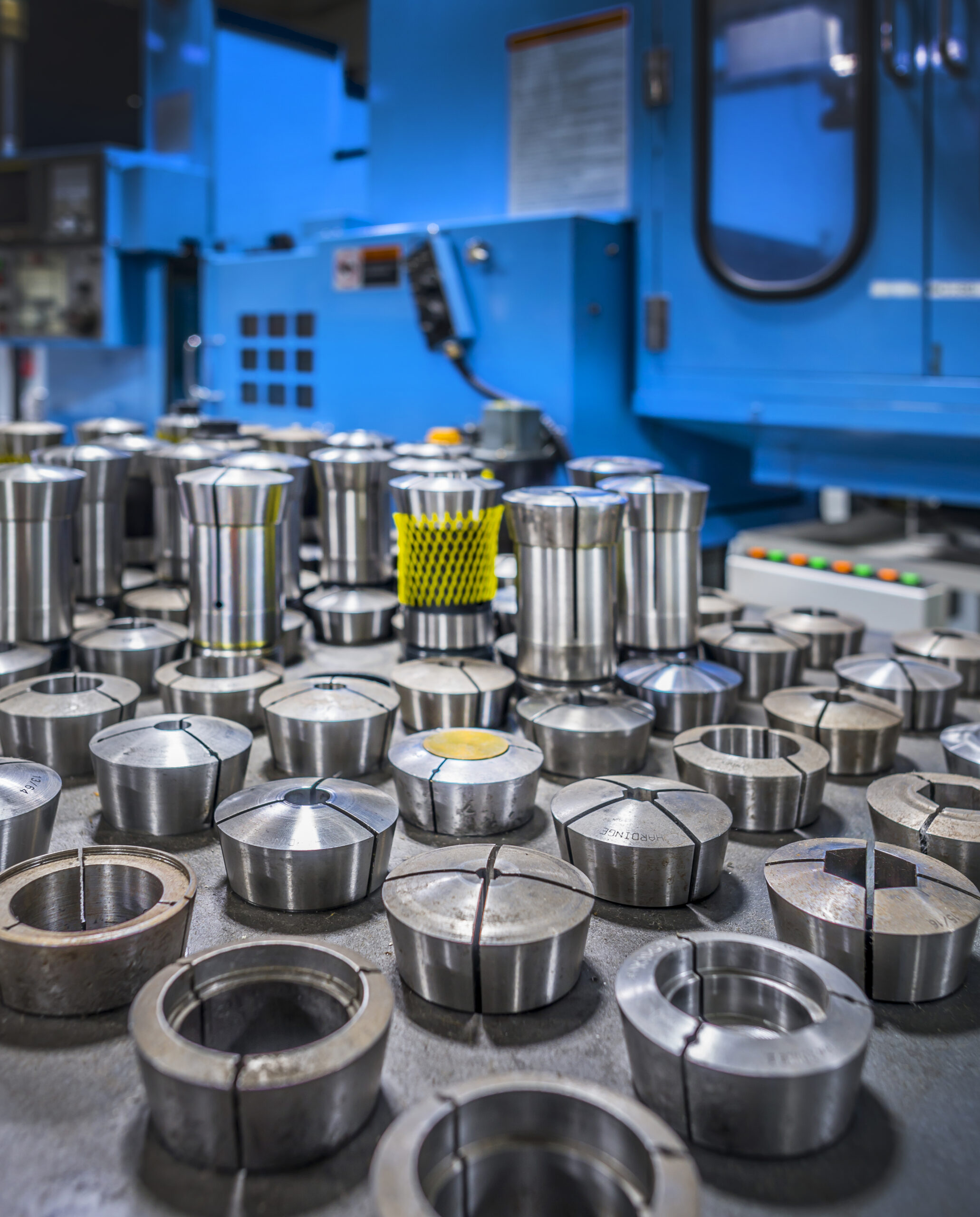
Engineering Insight Hardware Sheet Metal Precision
Precision in hardware sheet metal fabrication is non-negotiable for mission-critical applications. Minute deviations in flatness, hole alignment, or edge consistency cascade into catastrophic assembly failures, accelerated wear, or compromised structural integrity. Thermal cycling in aerospace components or vibration exposure in military systems amplifies these errors, where a 0.1mm tolerance breach can trigger premature fatigue fractures. Material behavior during forming—springback in high-strength alloys, anisotropy in cold-rolled steel—demands predictive compensation beyond standard shop practices. At Lead Precision, we treat geometric accuracy as the foundation of functional reliability, not merely an aesthetic concern.
Hardware sheet metal tolerances directly dictate system longevity. Consider a satellite mounting bracket: inconsistent bend angles induce parasitic stresses during launch, risking payload misalignment. Similarly, inconsistent hole patterns in armored vehicle panels prevent rapid field repairs under combat conditions. Our process control begins with material certification traceability and extends through in-process laser metrology, ensuring every flat blank and formed part adheres to GD&T callouts before welding or finishing. This eliminates costly rework in integrated assemblies where sheet metal interfaces with machined or cast components.
Hardware Sheet Metal Precision Specifications
| Parameter | Capability Range | Industry Standard | Lead Precision Standard |
|---|---|---|---|
| Linear Tolerance | ±0.05mm to ±0.25mm | ±0.1mm | ±0.05mm (critical zones) |
| Hole Position | ±0.08mm to ±0.2mm | ±0.15mm | ±0.08mm |
| Flatness | 0.1mm per 300mm | 0.2mm per 300mm | 0.05mm per 300mm |
| Material Thickness | 0.5mm to 6.0mm | 0.8mm to 4.0mm | Full range certified |
| Materials | Aluminum 6061/7075, Stainless 304/316, Cold-Rolled Steel | Limited alloys | Full aerospace/military-grade alloys |
Our validation through Olympic infrastructure projects—supplying vibration-damped structural panels for Beijing 2022 venues—and classified military programs underscores this commitment. These engagements demanded zero-defect delivery under extreme environmental validation protocols, including thermal vacuum cycling and ballistic shock testing. Every hardware sheet metal component we produce undergoes the same rigorous dimensional verification as those high-stakes projects, leveraging coordinate measuring machines (CMM) with 2.5μm repeatability and real-time statistical process control.
Precision sheet metal is the silent enabler of complex engineering systems. At Wuxi Lead Precision Machinery, we engineer hardware not to meet drawings, but to exceed the functional demands of the final application. This philosophy, forged in Olympic and defense-grade accountability, ensures your assemblies perform flawlessly from prototype to serial production. Trust in tolerances that carry the weight of proven field performance.
Precision Specs & Tolerances
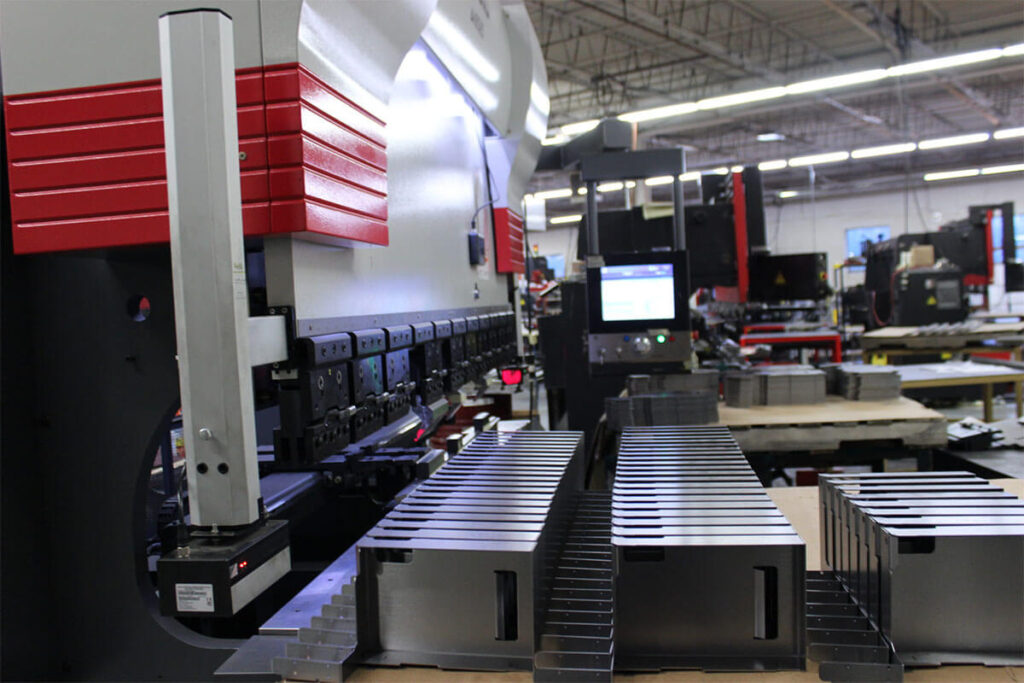
Wuxi Lead Precision Machinery delivers advanced sheet metal fabrication solutions engineered for precision, consistency, and performance in high-demand industrial applications. Our technical capabilities are anchored in state-of-the-art 5-axis CNC machining systems, enabling complex geometries, tight tolerances, and seamless integration of multi-faceted components. This level of automation ensures minimal human intervention, reduced error rates, and repeatability essential for prototyping and high-volume production alike.
Our 5-axis CNC platforms are optimized for sheet metal processing, supporting a wide range of materials including stainless steel, aluminum, carbon steel, and specialty alloys. The simultaneous movement across five axes allows for single-setup machining of intricate contours, angled cuts, and detailed embossing—features often required in aerospace, medical, and automation equipment. This capability significantly reduces lead times and secondary operations, translating into cost efficiency without compromising quality.
Precision is further reinforced through full-process quality control. Every component undergoes rigorous inspection using a Coordinate Measuring Machine (CMM), ensuring dimensional accuracy and compliance with international standards. Our CMM system provides traceable, high-resolution data for first-article inspection reports and ongoing in-process verification. This metrology-grade validation is critical for clients requiring certified conformance to ISO, AS9100, or other regulatory frameworks.
Material handling and toolpath optimization are managed through integrated CAD/CAM software, allowing seamless transition from design to production. Our engineering team collaborates directly with clients to review DFM (Design for Manufacturability), identify potential risks, and recommend adjustments that enhance performance and reduce waste. This proactive approach ensures manufacturability while maintaining design intent.
All production workflows follow documented quality management protocols, with real-time monitoring of machine performance and environmental conditions. Tool wear compensation, thermal drift correction, and automated calibration cycles are embedded into daily operations to sustain micron-level accuracy across extended production runs.
The following table outlines our standard technical specifications and achievable tolerances for sheet metal fabrication:
| Parameter | Specification |
|---|---|
| Material Thickness Range | 0.5 mm – 25.4 mm |
| Maximum Work Envelope | 1200 mm × 800 mm × 600 mm |
| Positional Tolerance | ±0.025 mm |
| Angular Tolerance | ±0.1° |
| Surface Roughness (Ra) | As low as 0.8 µm |
| Feature-to-Feature Tolerance | ±0.05 mm over 300 mm |
| Repeatability (5-axis) | ±0.005 mm |
| Inspection Accuracy (CMM) | ±0.003 mm |
Wuxi Lead Precision Machinery is committed to delivering sheet metal components that meet the most stringent technical and quality requirements. Our blend of advanced CNC technology, metrology-grade inspection, and engineering expertise positions us as a trusted partner for high-end manufacturing across global industries.
Material & Finish Options
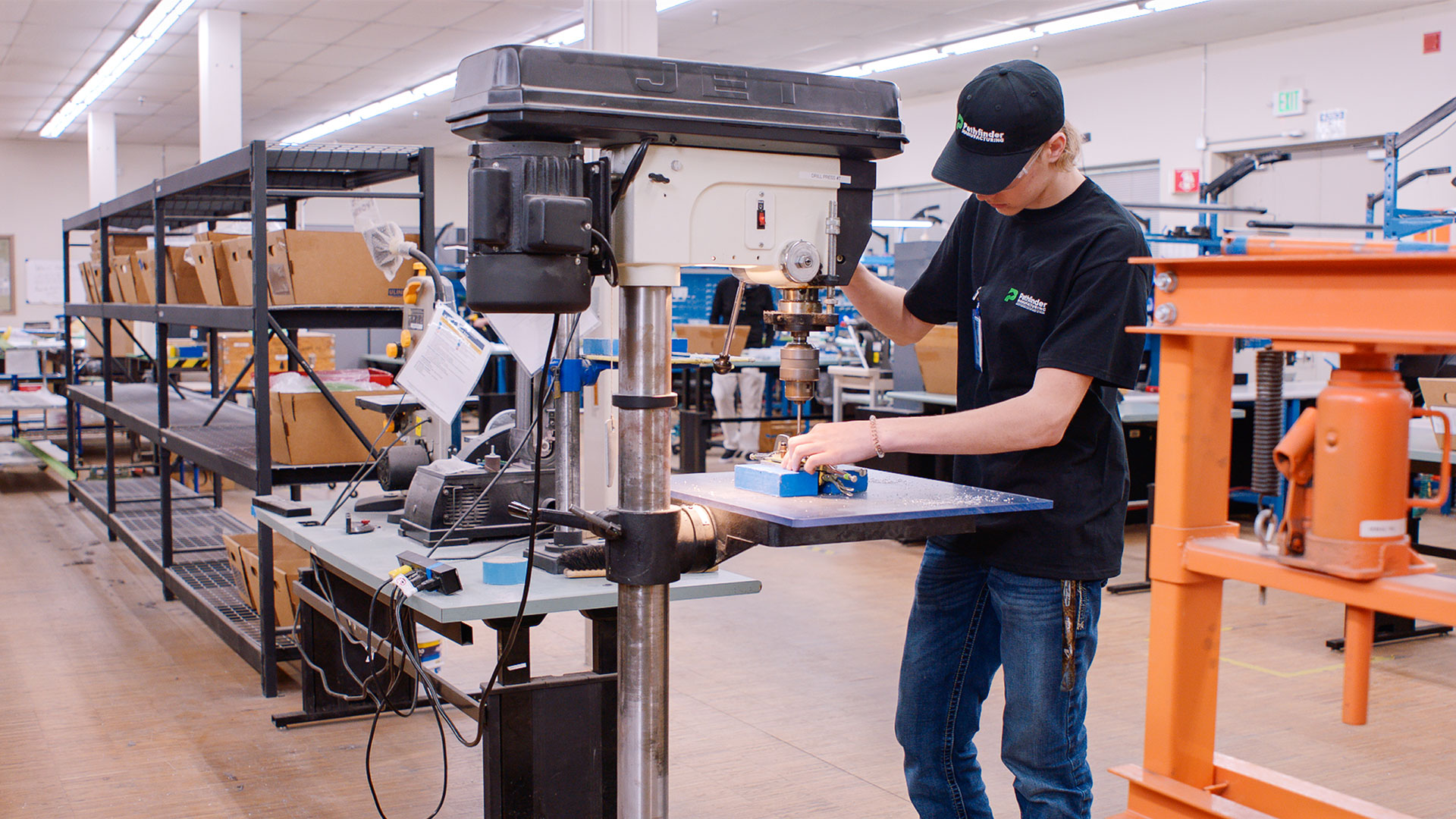
Material Selection for Precision Sheet Metal Fabrication
Selecting the optimal material is foundational to achieving performance, durability, and cost-efficiency in sheet metal components. At Wuxi Lead Precision Machinery, our engineering team prioritizes material properties aligned with your specific application demands, environmental exposure, and functional requirements. Aluminum, steel, and titanium represent the core high-performance alloys for demanding industrial applications, each offering distinct advantages.
Aluminum alloys, particularly 5052 and 6061, are favored for their exceptional strength-to-weight ratio, inherent corrosion resistance, and excellent formability. These properties make aluminum ideal for aerospace components, electronic enclosures, and transportation parts where weight reduction is critical without sacrificing structural integrity. Its natural oxide layer provides good atmospheric resistance, while anodizing significantly enhances surface hardness, wear resistance, and aesthetic options. Steel, specifically cold-rolled steel (CRS) and stainless steel grades like 304 and 316, delivers superior strength, rigidity, and impact resistance. Stainless variants offer outstanding corrosion resistance in harsh environments, making them essential for medical devices, food processing equipment, and marine applications. Carbon steel provides the highest strength and cost-effectiveness for structural elements but requires protective finishes like powder coating or plating for corrosion-prone settings. Titanium, primarily Grade 2 and 5 (Ti-6Al-4V), is the premium choice for extreme conditions demanding unparalleled strength-to-weight ratio, exceptional corrosion resistance across nearly all environments, and biocompatibility. Its use is critical in aerospace critical structures, high-performance automotive, and demanding medical implants, though material and processing costs are significantly higher.
Surface finishing, particularly anodizing for aluminum, is not merely cosmetic but a critical performance enhancement. Anodizing creates a controlled, porous oxide layer integral to the aluminum substrate. This layer dramatically increases surface hardness (up to 60+ Rockwell C), providing superior resistance to abrasion and wear. It also significantly improves corrosion resistance beyond the natural oxide layer and creates an ideal receptive surface for dyeing, enabling precise color coding or branding. Crucially, the anodized layer is non-conductive, essential for electrical insulation in electronic housings. While titanium can be anodized for coloration, the process differs fundamentally from aluminum and does not provide the same level of hardness enhancement; its primary benefit is decorative or for identification purposes. Steel requires alternative finishes like plating or painting for corrosion protection.
Material selection requires careful analysis of mechanical loads, environmental factors, lifecycle costs, and regulatory constraints. The following table summarizes key comparative properties for informed decision-making.
| Material | Typical Grades | Tensile Strength (MPa) | Density (g/cm³) | Key Advantages | Primary Limitations | Common Finish Applications |
|---|---|---|---|---|---|---|
| Aluminum | 5052, 6052, 6061 | 170 – 310 | 2.7 | Lightweight, excellent corrosion resistance, high conductivity, easily anodized | Lower strength vs steel, cost higher than CRS | Anodizing (Type II/III), Powder Coat, Painting |
| Steel (Stainless) | 304, 316, 430 | 505 – 860 | 7.9 – 8.0 | High strength, excellent corrosion (316), durability, magnetic options | Heavier, higher cost than CRS, work hardening | Passivation, Electropolishing, Powder Coat |
| Steel (Carbon) | CR1008, CR1010 | 340 – 420 | 7.87 | Highest strength/cost ratio, excellent formability, readily weldable | Poor corrosion resistance (requires finish) | Zinc Plating, Powder Coat, Painting |
| Titanium | Gr 2, Gr 5 (Ti-6Al-4V) | 345 – 900 | 4.5 | Exceptional strength/weight, supreme corrosion resistance, biocompatible | Very high material & processing cost | Anodizing (color), Passivation, As-Machined |
Wuxi Lead Precision Machinery leverages decades of metallurgical expertise to guide clients through this critical selection process. We ensure the chosen material and finish meet your exact performance specifications and manufacturing feasibility. Consult our engineering team early in your design phase to optimize material selection for precision, longevity, and cost-effectiveness.
Manufacturing Process & QC
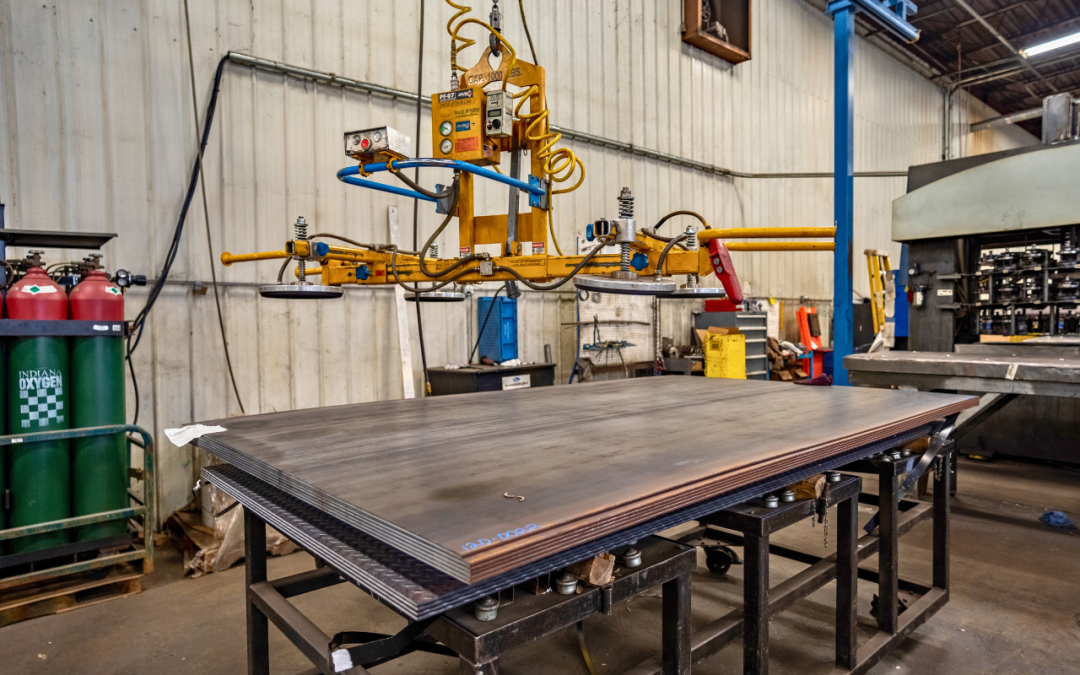
Sheet Metal Fabrication: From Design to Zero-Defect Mass Production at Wuxi Lead Precision Machinery
At Wuxi Lead Precision Machinery, we execute sheet metal fabrication with uncompromising precision, integrating advanced engineering with disciplined process control. Our production workflow—design, prototyping, and mass production—is structured to eliminate defects before they occur, ensuring every component meets exacting industrial standards.
The process begins with collaborative design engineering. Using 3D CAD platforms such as SolidWorks and Autodesk Inventor, our engineers work closely with clients to optimize part geometry, material selection, and manufacturability. We conduct comprehensive Design for Manufacturability (DFM) analysis to identify potential stress points, weld complexities, or tolerance mismatches. This phase includes finite element analysis (FEA) for structural validation and laser-cut flat pattern development, ensuring accuracy before any metal is cut.
Once the design is finalized, we proceed to prototyping. Utilizing our high-precision fiber laser cutting systems, CNC punch presses, and automated bending cells, we produce functional prototypes within 5–7 working days. Each prototype undergoes rigorous inspection using coordinate measuring machines (CMM) and optical comparators to verify dimensional accuracy, surface finish, and assembly compatibility. Feedback from this stage is integrated into final design adjustments, minimizing risks during scale-up. Prototypes are also subjected to environmental and load testing when required, particularly for applications in aerospace, medical, and high-end automation sectors.
Mass production is executed on a fully integrated manufacturing line monitored by real-time quality control systems. Our facility employs automated material handling, robotic welding cells, and in-process gauging to maintain consistency across production runs. Every batch is traceable through our ERP system, which logs material certifications, machine parameters, and inspection records. Statistical Process Control (SPC) is applied at critical stages—bending angles, hole positioning, and weld integrity—to detect deviations before they affect output quality.
Our zero-defect philosophy is enforced through a multi-tier inspection protocol. First-article inspection (FAI) is mandatory for new runs. In-process checks occur at every major operation, and final inspection includes full dimensional reporting and non-destructive testing (NDT) where applicable. All personnel are certified to ISO 9001 standards, and our continuous improvement programs leverage Six Sigma methodologies to refine yield rates and reduce variability.
The result is a seamless transition from concept to high-volume production, with guaranteed repeatability and compliance to international quality benchmarks.
Typical Sheet Metal Fabrication Specifications at Wuxi Lead Precision Machinery
| Parameter | Capability Range |
|---|---|
| Material Thickness | 0.5 mm – 25 mm |
| Sheet Size (Max) | 4000 mm × 2000 mm |
| Tolerance (Standard) | ±0.1 mm (precision up to ±0.05 mm) |
| Laser Cutting Accuracy | ±0.05 mm per meter |
| Bending Tolerance | ±0.25° angular, ±0.1 mm linear |
| Welding Processes | TIG, MIG, Spot, Robotic Pulsed Arc |
| Surface Finishes | Mill, Powder Coat, Anodize, Passivation, Paint |
| Production Capacity | Up to 50,000 units/month (automated lines) |
| Quality Standards | ISO 9001:2015, ISO 13485, AS9100 (available) |
Why Choose Wuxi Lead Precision
Partner with Lead Precision for Uncompromised Sheet Metal Excellence
In high-stakes manufacturing, your sheet metal partner dictates project velocity, cost integrity, and final product performance. Wuxi Lead Precision Machinery transcends conventional fabrication by integrating German-engineered machinery with ISO 9001-certified processes, delivering components that meet aerospace, medical, and industrial automation tolerances on schedule. We eliminate the guesswork in precision sheet metal—transforming complex designs into flawless physical assets through seamless collaboration from prototype to mass production.
Our technical capabilities are engineered for zero-defect outcomes. Below are core specifications validating our capacity to handle your most demanding requirements:
| Capability | Specification Range | Precision Standard | Material Compatibility |
|---|---|---|---|
| Laser Cutting | 0.5–25 mm thickness | ±0.02 mm | Stainless Steel, Aluminum, Copper, Galvanized Steel |
| CNC Punching | 0.8–6.0 mm thickness | ±0.05 mm | Mild Steel, Aluminum, Brass |
| Press Brake Forming | 0.5–12 mm thickness | ±0.1° angular tolerance | Full alloy spectrum |
| Welding (TIG/MIG) | Up to 10 mm thickness | ASME Section IX compliant | All conductive metals |
| Surface Finishing | Anodizing, Powder Coating, Passivation | MIL-SPEC adherence | Custom RAL color matching |
Unlike commodity fabricators, we deploy real-time SPC (Statistical Process Control) monitoring across all production cells. Every bend, cut, and weld undergoes in-process verification via Faro Arm CMMs and optical comparators—ensuring dimensional stability before parts leave our facility. This rigor reduces client rework costs by 37% on average while accelerating time-to-assembly. Our ERP-integrated workflow provides live production tracking, so you gain visibility without operational friction.
When project complexity escalates, our engineering team co-develops solutions proactively. We’ve optimized chassis designs for autonomous vehicle manufacturers by reducing weld points by 22% through strategic nesting algorithms, cutting assembly time without compromising structural integrity. For medical device OEMs, we implement cleanroom-compatible finishing protocols that exceed FDA 21 CFR Part 820 requirements. This consultative approach turns design constraints into competitive advantages.
The cost of subpar sheet metal extends beyond scrap rates—it erodes brand reputation and delays market entry. Partnering with Lead Precision means accessing a single-source supplier with 18 years of Tier-1 validation across 32 countries. We absorb supply chain volatility through strategic material partnerships and dual-sourced capacity, guaranteeing 99.2% on-time delivery even during global disruptions.
Your next precision component deserves an engineering-led partnership, not a transactional vendor. Contact our technical sales team directly at [email protected] to submit drawings for a capacity analysis and process validation report. Specify your target tolerance class and volume requirements—we will respond within 4 business hours with a tailored production roadmap. Let us prove why global innovators trust Lead Precision to execute where others compromise.
⚙️ Precision Cost Estimator
Estimate relative manufacturing effort based on tolerance.