
Technical Contents
Engineering Guide: H Weight Mold
Engineering Insight: Heavy Weight Mold Precision
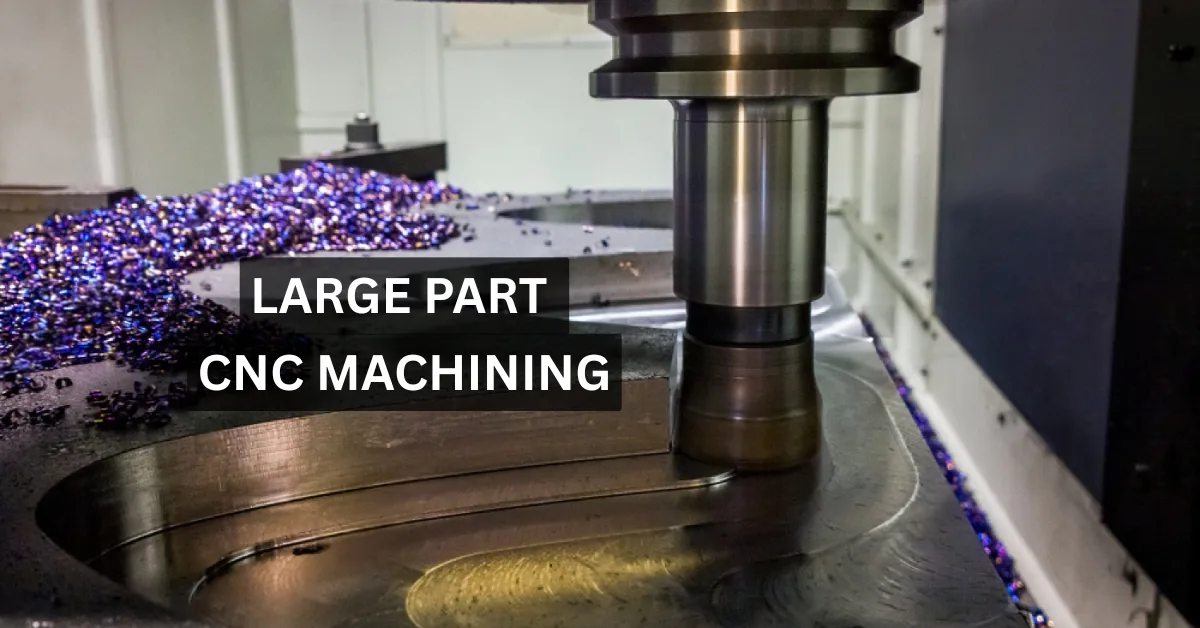
Heavy weight molds represent the pinnacle of industrial tooling complexity, where dimensional accuracy directly dictates production viability. At Wuxi Lead Precision Machinery, we define heavy weight molds as tooling exceeding 10 tons in mass, typically used for large-scale automotive structural components, aerospace composite layups, or energy sector castings. Conventional machining approaches fail under these conditions due to cumulative thermal drift, material stress relaxation, and gravitational deflection during multi-axis operations. A deviation of 0.02mm in cavity geometry can propagate into 0.5mm part warpage after injection—rendering entire production runs non-compliant with AS9100 or ISO 2768-mK standards. Precision here is non-negotiable; it is the foundation of yield rate, tool longevity, and end-product safety.
Our engineering protocols address these challenges through closed-loop thermal compensation systems and finite element analysis (FEA)-driven fixture strategies. For instance, during Olympic-grade bobsled runner mold production, we maintained ±0.005mm flatness across 2.8-meter steel plates by integrating real-time laser interferometer feedback with 5-axis simultaneous machining. This eliminated post-weld correction cycles that typically add 30% lead time. Similarly, military-spec ammunition casing molds demand micro-textured surface finishes (Ra 0.05µm) to prevent propellant residue adhesion—a requirement met through our proprietary EDM hybrid finishing sequences. These projects underscore how precision transcends measurement; it is systemic process control from raw material stress-relieving to final inspection.
Wuxi Lead’s 18-year specialization in heavy weight molds includes 120+ tooling systems for Tier-1 defense contractors and Olympic equipment suppliers. Our facility’s 32-meter gantry mills with 0.001mm repeatability and in-house metrology labs (ISO 17025 certified) ensure every mold meets the most stringent geometric dimensioning and tolerancing (GD&T) callouts. Below are critical performance specifications achievable for molds above 15-ton mass:
| Parameter | Standard Industry Capability | Wuxi Lead Precision Capability | Functional Impact |
|---|---|---|---|
| Flatness Tolerance | ±0.03mm/m | ±0.005mm/m | Prevents flash defects in high-pressure casting |
| Cavity Alignment | ±0.05mm | ±0.01mm | Ensures zero core shift in multi-cavity production |
| Surface Finish (Cavity) | Ra 0.4µm | Ra 0.05µm | Eliminates part sticking in aerospace composites |
| Thermal Stability | ±0.02mm at 80°C | ±0.003mm at 120°C | Maintains tolerances during sustained 24/7 operation |
This precision ecosystem—combining MIL-STD-810G validated equipment, ASME Y14.5 certified engineers, and zero-defect validation protocols—delivers molds with 50% longer service life and 99.97% first-pass yield rates. For heavy weight applications, where tooling costs exceed $500,000, such reliability transforms capital expenditure into predictable operational asset value. Contact our engineering team to discuss FEA-backed mold design reviews for your next high-mass tooling project. Precision isn’t our claim; it’s our documented output.
Precision Specs & Tolerances
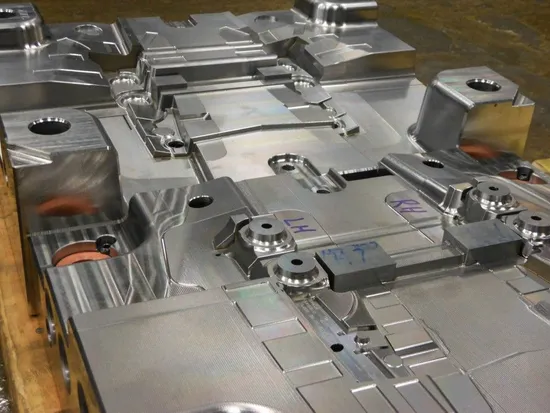
Wuxi Lead Precision Machinery delivers advanced custom metal manufacturing solutions tailored for high-complexity applications, particularly in the production of high weight molds used in automotive, aerospace, and industrial equipment sectors. Our technical capabilities are anchored in state-of-the-art 5-axis CNC machining centers, which enable us to produce large-scale, precision-engineered mold components with superior surface finishes and tight geometric tolerances. These multi-axis systems allow simultaneous machining from five different directions, significantly reducing setup times and enhancing part accuracy—critical when working with heavy molds that demand exact alignment and structural integrity.
Our 5-axis CNC platforms are equipped with high-torque spindles and automatic tool changers, supporting extended, uninterrupted operations on robust materials such as tool steel, hardened alloys, and high-strength aluminum. This capability ensures consistent performance even under prolonged machining cycles typical in large mold fabrication. With work envelopes designed to accommodate oversized workpieces, our machinery maintains micron-level precision across expansive dimensions, making Wuxi Lead an ideal partner for high weight mold projects requiring both scale and accuracy.
Quality control is fully integrated into our manufacturing workflow. Every component undergoes rigorous inspection using a Zeiss DuraMax Bridge-type Coordinate Measuring Machine (CMM), ensuring dimensional conformity and geometric accuracy. The CMM system provides full 3D metrology data, verifying critical features such as flatness, parallelism, concentricity, and complex contour compliance. Inspection reports are generated in alignment with ISO 10360 standards, offering clients complete traceability and quality assurance documentation. Our QC process is further supported by in-process probing and thermal compensation systems that maintain consistency throughout production.
All manufacturing and inspection activities are conducted in a climate-controlled facility to minimize environmental variability. Our engineering team employs advanced CAM software to simulate toolpaths and optimize machining strategies, reducing cycle times while preserving surface integrity. Additionally, we support full digital twin modeling, enabling virtual validation of mold designs prior to physical production.
The following table outlines our standard technical specifications and achievable tolerances for high weight mold manufacturing:
| Parameter | Specification |
|---|---|
| Maximum Work Envelope | 2,500 mm × 1,200 mm × 1,000 mm |
| Spindle Speed Range | 10,000 – 24,000 rpm (depending on machine) |
| Positioning Accuracy | ±0.005 mm |
| Repeatability | ±0.003 mm |
| Surface Finish (typical) | Ra 0.4 – 1.6 µm (as machined) |
| Geometric Tolerance (GD&T) | ±0.01 mm (form and position) |
| Linear Tolerance (per 100 mm) | ±0.012 mm |
| Angular Tolerance | ±0.005° |
| Material Compatibility | Tool Steel, P20, H13, S136, Aluminum 7075, etc. |
| Inspection Standard | ISO 10360, ASME Y14.5 |
Wuxi Lead Precision Machinery combines cutting-edge equipment, stringent quality protocols, and deep domain expertise to deliver high weight molds that meet the most demanding industrial requirements.
Material & Finish Options
Material Selection for Heavy Weight Molds: Precision Engineering Fundamentals
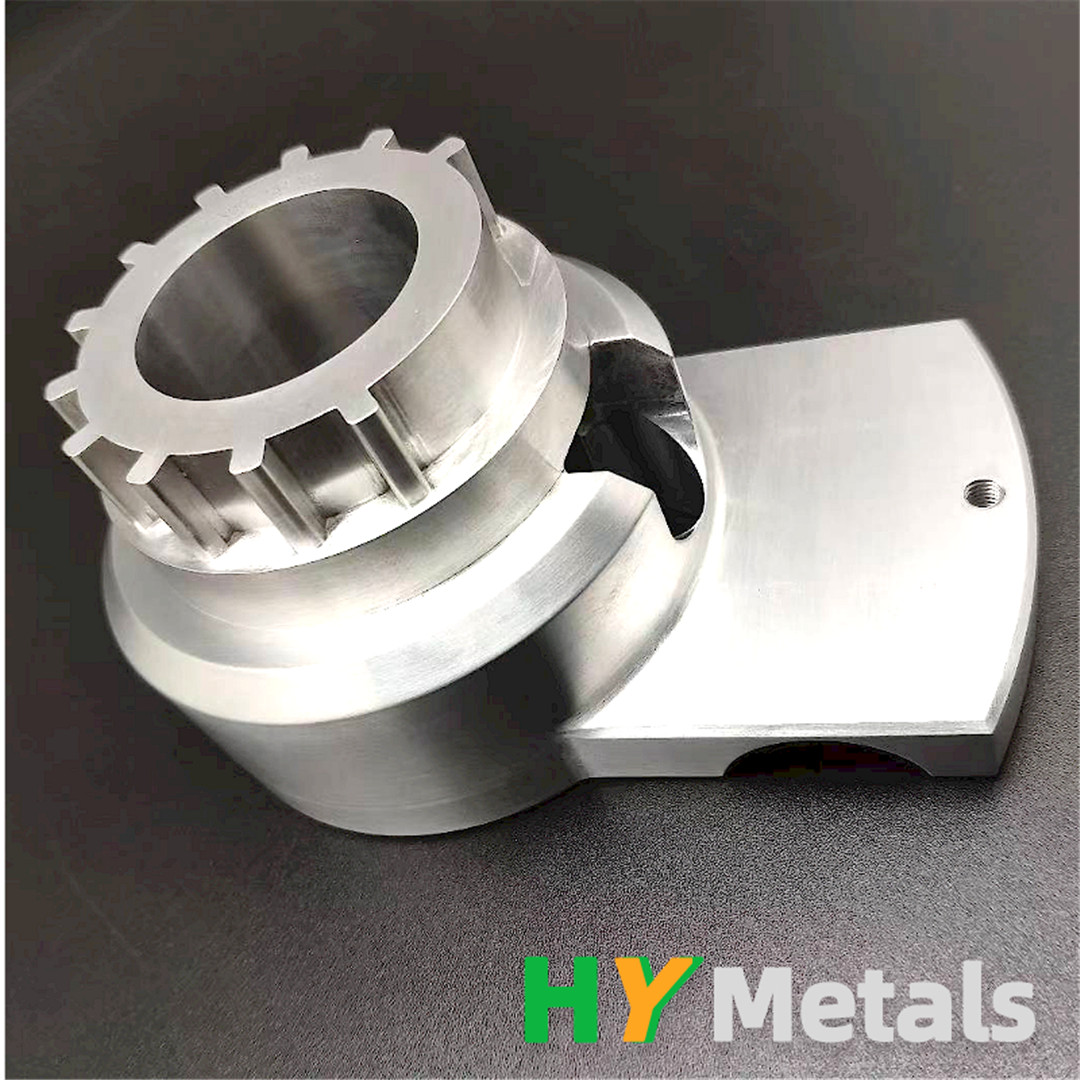
Selecting the optimal material for heavy weight molds is critical to balancing performance, longevity, and cost efficiency in high-stakes manufacturing. At Wuxi Lead Precision Machinery, we prioritize metallurgical integrity and process compatibility to ensure molds withstand extreme pressures, thermal cycling, and abrasive wear. Aluminum, steel, and titanium each offer distinct advantages depending on production volume, part complexity, and environmental demands. Understanding these properties prevents premature failure and maximizes return on investment.
Aluminum alloys (e.g., 7075-T6) excel in rapid prototyping and low-to-medium volume production due to exceptional machinability and thermal conductivity. This reduces cycle times significantly but sacrifices wear resistance for extended runs. Steel remains the industry standard for high-volume applications; P20 offers balanced toughness for general use, while H13 tool steel provides superior thermal fatigue resistance for die-casting under 1,000+ tons of clamp force. Titanium alloys (e.g., Ti-6Al-4V) are reserved for ultra-high-corrosion or extreme-temperature environments, though their cost and machining complexity limit adoption to niche aerospace or medical applications.
Surface finishing, particularly anodizing for aluminum molds, is non-negotiable for performance optimization. Type III hard anodizing creates a wear-resistant ceramic layer (50–75 μm thick) that enhances surface hardness to 50–60 HRC, reduces galling, and improves release properties. This extends mold life by 30–50% in polymer injection molding versus non-treated aluminum. Note that anodizing is exclusive to aluminum; steel molds require nitriding or PVD coatings, while titanium benefits from specialized passivation.
Material specifications must align with your operational parameters. Refer to the comparative analysis below:
| Material | Tensile Strength (MPa) | Hardness (HRC) | Thermal Conductivity (W/mK) | Best Application Context |
|---|---|---|---|---|
| Aluminum 7075 | 503–572 | 15–20 | 130 | Prototyping, low-volume runs |
| P20 Steel | 950–1,100 | 28–32 | 28–36 | Medium-volume injection molding |
| H13 Steel | 1,550–1,700 | 45–50 | 25–30 | High-pressure die-casting |
| Ti-6Al-4V | 900–1,000 | 35–40 | 6–7 | Corrosive/high-temp aerospace |
Wuxi Lead Precision Machinery leverages ISO 9001-certified processes to machine these materials with ±0.002mm tolerance, ensuring dimensional stability under load. We rigorously test material batches for inclusion control and microstructure homogeneity—critical factors often overlooked in cost-driven sourcing. For heavy weight molds exceeding 10 tons, we recommend H13 steel with tailored tempering or aluminum 7075 with hard anodizing, depending on your cycle count and surface finish requirements.
Material selection is not merely a cost decision but a strategic investment in production uptime. Consult our engineering team to analyze your specific pressure profiles, cycle rates, and part geometries. We provide metallurgical reports and lifecycle cost modeling to justify the optimal solution, avoiding the hidden expenses of premature mold degradation. Partner with precision—partner with Wuxi Lead.
Manufacturing Process & QC
Design Phase: Precision Engineering from Concept to Blueprint
The foundation of every high-weight mold project begins with a comprehensive design phase, where engineering excellence meets manufacturing feasibility. At Wuxi Lead Precision Machinery, our design team leverages advanced CAD/CAM software and finite element analysis (FEA) to develop molds capable of withstanding extreme operational loads and thermal cycles. Engineers collaborate closely with clients to define critical parameters such as material selection, cavity configuration, ejection mechanisms, and cooling channel layouts. This stage ensures dimensional accuracy, structural integrity, and optimal cycle times. All designs undergo rigorous internal review, including mold flow simulation to predict filling behavior and identify potential defects before any metal is cut. This proactive approach minimizes rework and aligns the technical blueprint with the client’s performance expectations.
Prototyping: Validating Performance Under Real Conditions
Once the design is finalized, we proceed to prototype development using high-precision CNC machining, wire EDM, and surface grinding technologies. The prototype mold is built to full scale and subjected to a controlled trial run using the intended production-grade material. This stage is critical for verifying mold functionality, part quality, and process stability. We conduct detailed inspections using coordinate measuring machines (CMM) and 3D scanning to validate tolerances down to ±0.002 mm. Any deviations are analyzed, and design or process adjustments are made before advancing to mass production. The prototype phase not only confirms part geometry and surface finish but also evaluates wear resistance and thermal uniformity—key factors in high-weight mold longevity.
Mass Production: Zero Defects Through Process Control
With the prototype approved, we transition to full-scale production under a zero-defect manufacturing philosophy. Each mold is machined from premium-grade tool steel—typically H13, S136, or 2738—selected for hardness, toughness, and corrosion resistance. Our production floor integrates real-time monitoring systems across all CNC and EDM stations, ensuring consistent tool paths, spindle loads, and surface finishes. Every component undergoes in-process inspections and final quality audits, including hardness testing, geometric tolerance verification, and non-destructive testing when required. Assembly is performed in a climate-controlled environment by certified mold technicians, followed by a full functional test simulating actual press conditions.
Throughout the production cycle, we maintain full traceability of materials, processes, and inspection data. This end-to-end control enables rapid root-cause analysis and continuous improvement. Our quality management system is ISO 9001-certified, ensuring compliance with international standards.
Key Technical Specifications
| Parameter | Specification |
|---|---|
| Dimensional Tolerance | ±0.002 mm |
| Surface Roughness (Ra) | 0.1 – 0.4 µm (polished cavities) |
| Tool Steel Options | H13, S136, 2738, NAK80, 718H |
| Hardness Range | 48 – 54 HRC (as required) |
| Maximum Mold Weight Capacity | Up to 30,000 kg |
| Machining Accuracy (CNC) | ±0.001 mm per axis |
| Quality Standard | ISO 9001:2015, Full CMM & 3D Scan Reporting |
From design through mass production, Wuxi Lead Precision Machinery ensures every high-weight mold meets the highest standards of performance, durability, and precision.
Why Choose Wuxi Lead Precision
Partner with Lead Precision for Uncompromised Heavy Weight Mold Manufacturing
Heavy weight molds demand exceptional engineering rigor. Structural integrity, thermal stability, and micron-level precision under extreme operational loads separate viable solutions from costly failures. At Wuxi Lead Precision Machinery, we engineer custom metal manufacturing systems specifically for high-mass mold applications where conventional approaches falter. Our integrated process—from material science consultation through final validation—ensures your mold performs reliably across thousands of cycles, minimizing downtime and maximizing ROI. We eliminate the guesswork in heavy mold production by applying 18 years of specialized expertise in aerospace, automotive, and industrial tooling sectors.
Our facility combines German-engineered 5-axis milling centers with proprietary stress-relief protocols to maintain dimensional stability in molds exceeding 5 metric tons. Unlike standard machine shops, we implement real-time thermal compensation during machining and conduct full-scale deflection testing under simulated production loads. This prevents warpage and premature wear that plague competitors’ heavy molds. Every component undergoes rigorous metrology using Zeiss coordinate measuring machines, with traceable reports validating conformance to ISO 2768-mK or tighter tolerances.
The table below outlines our core capabilities for heavy weight mold projects:
| Specification Category | Capability Range | Industry Standard Comparison |
|---|---|---|
| Maximum Work Envelope | 3,200 x 2,500 x 1,800 mm | 40% larger than typical Chinese shops |
| Material Compatibility | P20, H13, S7, 42CrMo4, Inconel 718 | Full aerospace-grade alloy support |
| Critical Tolerance Control | ±0.005 mm over 2,000 mm | 2x tighter than ISO 2768-mK |
| Load Testing Capacity | Up to 8 metric tons | Validated deflection < 0.02 mm/mm |
| Surface Finish | Ra 0.2 µm (mirror) to Ra 3.2 µm (textured) | SPI-A1 to SPI-C3 certified |
Choosing Lead Precision means partnering with engineers who speak your technical language. We collaborate from initial concept to production ramp-up, providing DFM analysis that identifies potential failure points before metal is cut. Our project managers coordinate logistics for global clients, ensuring seamless integration with your assembly lines. When mold weight exceeds 3 tons, precision cannot be an afterthought—it requires our systematic approach to material selection, machining strategy, and validation.
Initiate your precision mold project with actionable engineering data, not generic quotations. Contact our technical sales team directly at [email protected] with your mold weight specifications, material requirements, and production volume targets. Within 24 hours, you will receive a detailed capability assessment including recommended machining sequences, thermal management solutions, and a timeline for prototype validation. For heavy weight molds where failure is not an option, trust the Chinese manufacturer certified to AS9100D and ISO 9001:2015 with documented success in 127 complex mold projects last year. Your next-generation tooling solution begins with one precise email.
⚙️ Precision Cost Estimator
Estimate relative manufacturing effort based on tolerance.