

Technical Contents
Engineering Guide: Galvannealed Sheet Metal
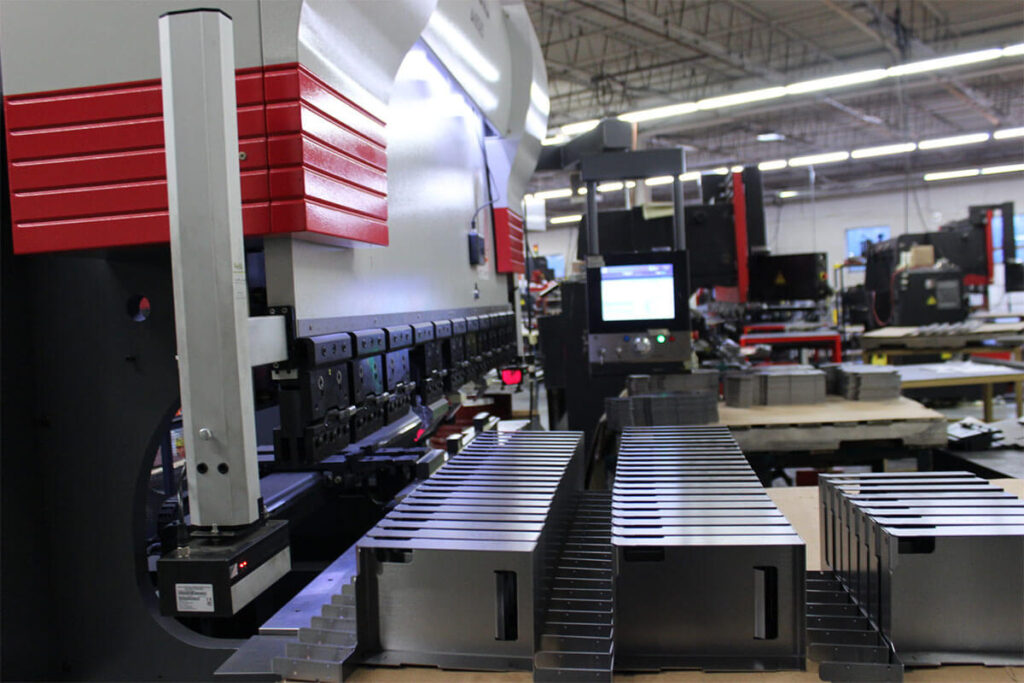
Engineering Insight: Precision Imperatives in Galvannealed Sheet Metal Fabrication
Galvannealed sheet metal represents a critical material choice for demanding applications where corrosion resistance, superior paint adhesion, and weldability converge. Its unique zinc-iron alloy coating, formed through a post-galvanizing heat treatment process, delivers exceptional performance but introduces specific engineering challenges that mandate uncompromising precision throughout fabrication. At Wuxi Lead Precision Machinery, we understand that the inherent value of galvannealed steel is only fully realized when processed with exacting control. Minor deviations in tooling geometry, press force, or laser parameters can trigger coating delamination during forming, inconsistent weld spatter affecting final finish, or compromised dimensional stability in complex assemblies. These flaws are unacceptable in sectors where failure carries significant operational or safety consequences.
The zinc-iron intermetallic layer, while providing the material’s renowned characteristics, is inherently more brittle than pure zinc coatings. This necessitates meticulous control over bending radii, die clearance, and punch speeds during stamping and forming operations. Excessive strain rates or inadequate lubrication can cause micro-cracking in the coating, creating pathways for corrosion initiation beneath the paint layer. Similarly, laser cutting parameters must be precisely calibrated; excessive heat input alters the coating chemistry at the cut edge, degrading corrosion performance and paint adhesion precisely where protection is most vulnerable. Welding demands equally refined settings to prevent excessive zinc vaporization, which leads to porosity and weak joints, or insufficient fusion due to the coating’s variable conductivity.
Wuxi Lead Precision Machinery leverages decades of specialized CNC expertise to navigate these complexities. Our proprietary process protocols, developed through rigorous in-house testing and validated in mission-critical deployments, ensure galvannealed components meet the most stringent tolerances and performance standards. This precision engineering capability is not theoretical; it is proven daily. We have successfully manufactured structural and aesthetic components for Olympic venue infrastructure, where dimensional accuracy and long-term durability under extreme environmental exposure were non-negotiable. Furthermore, our adherence to MIL-DTL-32328 and equivalent military specifications for corrosion resistance and structural integrity underscores our capacity to deliver galvannealed parts for defense applications where reliability is paramount. Our CNC systems operate within micron-level tolerance bands, utilizing real-time monitoring to adjust for subtle material variations inherent in the galvannealing process.
Material selection is only the first step. The true differentiator lies in the precision of transformation from raw coil to finished component. The table below highlights key galvannealed properties demanding this precision focus compared to standard alternatives.
| Property | Galvannealed (Class G60) | Galvanized (G60) | Electro-Galvanized | Critical Precision Impact |
|---|---|---|---|---|
| Coating Composition | Zinc-Iron Alloy (FeZn) | Pure Zinc | Pure Zinc | Brittle coating requires controlled forming |
| Typical Coating Weight | 0.60 oz/ft² (Z60) | 0.60 oz/ft² | 0.60 oz/ft² | Weight consistency vital for weld parameters |
| Weldability Index | Excellent (Low Spatter) | Moderate (Spatter) | Good | Precise current/voltage control essential |
| Paint Adhesion | Superior (Phosphate Bond) | Good | Very Good | Surface prep consistency critical |
| Formability (vs Galv) | Reduced (Coating Brittle) | High | High | Tighter bend radii limits; tooling precision |
Achieving flawless galvannealed components requires moving beyond standard fabrication practices. It demands a deep understanding of the material’s metallurgical response to force and heat, coupled with CNC processes engineered for zero-defect output. Wuxi Lead Precision Machinery provides this essential precision, transforming the potential of galvannealed steel into reliable, high-performance reality for the world’s most demanding projects.
Precision Specs & Tolerances
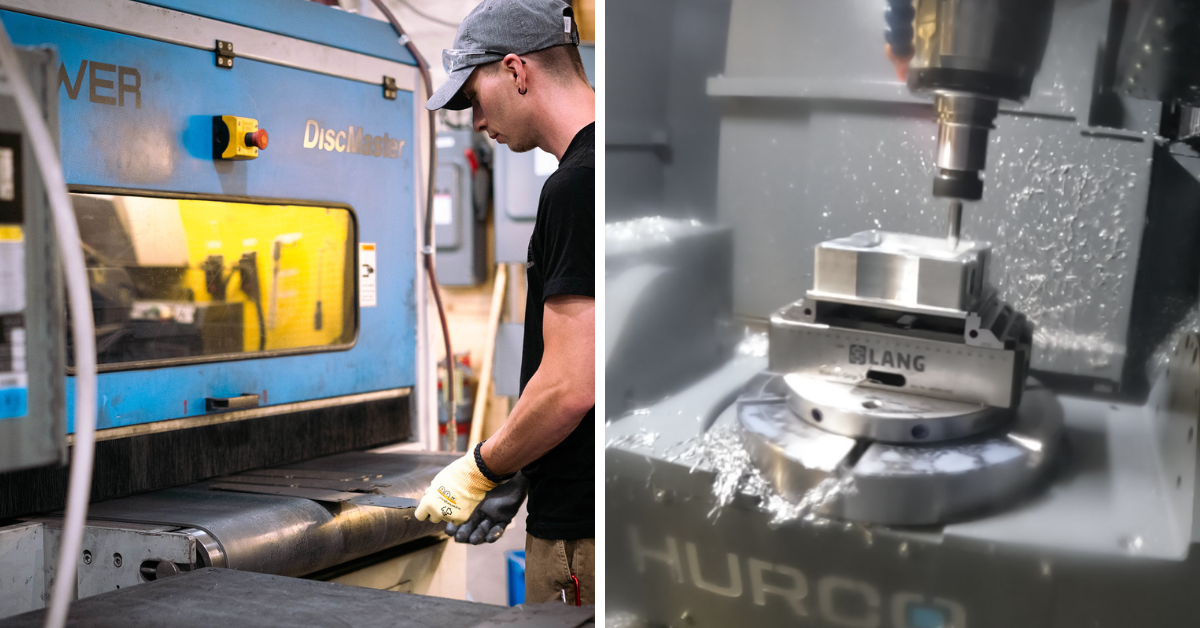
Wuxi Lead Precision Machinery delivers advanced sheet metal fabrication solutions tailored for high-performance industrial applications, with specialized expertise in processing galvannealed sheet metal. Our technical capabilities are engineered to meet the stringent demands of automotive, construction, and heavy equipment sectors, where corrosion resistance, weldability, and paint adhesion are critical. Galvannealed material, known for its unique iron-zinc alloy coating, presents specific forming and welding challenges that require precision tooling and controlled processing parameters—challenges we address through our integrated manufacturing ecosystem.
At the core of our fabrication process is 5-axis CNC machining technology, enabling complex geometries and tight-tolerance features directly from sheet metal blanks. Unlike conventional 3-axis systems, our 5-axis platforms allow simultaneous multi-directional cutting, reducing setup cycles and enhancing dimensional consistency. This capability is particularly advantageous when fabricating components with asymmetrical profiles, compound angles, or deep-draw features common in structural and chassis applications. Our CNC cells are equipped with high-speed spindles, automatic tool changers, and real-time tool wear compensation, ensuring repeatable accuracy across production runs.
Material integrity is preserved through optimized feed rates, minimal heat input strategies, and custom clamping solutions designed to prevent surface marring on the galvannealed coating. All programs are developed using advanced CAM software with simulation-driven validation, eliminating collisions and ensuring first-time-right machining. This digital workflow reduces lead times and supports rapid prototyping for client validation.
Quality assurance is maintained through comprehensive inspection protocols anchored by Coordinate Measuring Machine (CMM) technology. Every critical component undergoes full geometric dimensioning and tolerance (GD&T) verification, with data traceability provided for each production lot. Our CMM systems are calibrated to ISO 17025 standards and operate in temperature-controlled environments to eliminate measurement drift. This metrology-grade verification ensures compliance with ASME Y14.5 and client-specific drawing requirements.
The following table outlines our standard machining tolerances for galvannealed sheet metal fabrication, reflecting the combined capability of our 5-axis CNC systems and inspection infrastructure.
| Feature Type | Standard Tolerance | Tight Tolerance Capability | Notes |
|---|---|---|---|
| Linear Dimensions | ±0.1 mm | ±0.05 mm | Up to 1000 mm |
| Hole Diameter | ±0.08 mm | ±0.03 mm | Reamed or precision drilled |
| Positional Tolerance | ±0.1 mm | ±0.05 mm | Relative to datum |
| Angular Features | ±0.2° | ±0.1° | 5-axis simultaneous machining |
| Surface Profile | ±0.1 mm | ±0.05 mm | Per ASME Y14.5 |
| Sheet Thickness Range | 0.8 mm – 6.0 mm | Custom up to 8.0 mm | Galvannealed coating compatible |
Our technical capabilities are reinforced by a culture of continuous improvement and adherence to ISO 9001 quality management standards. Wuxi Lead Precision Machinery ensures that every galvannealed component meets exacting performance and reliability benchmarks.
Material & Finish Options
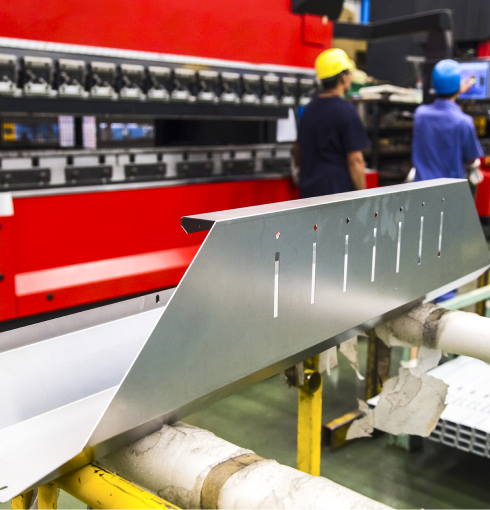
Material Selection Guide: Galvannealed Steel in Precision Fabrication
Galvannealed sheet metal represents a specialized steel substrate critical for high-volume stamped components requiring superior paint adhesion and corrosion resistance. As a zinc-iron alloy coated steel, it undergoes a unique post-galvanizing heat treatment that diffuses zinc into the steel surface. This process fundamentally differentiates it from standard galvanized steel and renders finishes like anodizing irrelevant, as anodizing applies exclusively to aluminum. Material selection must prioritize the end application’s functional demands, environmental exposure, and fabrication requirements. Galvannealed excels where welded assemblies demand consistent paint performance and resistance to chipping during forming, such as automotive body-in-white structures and major appliance housings. Aluminum and titanium, while valuable for lightweight or extreme corrosion resistance, lack the galvannealed process and serve distinct niches where weight savings or non-ferrous properties are paramount.
Understanding galvannealed steel’s properties is essential. Its matte gray appearance results from the zinc-iron alloy layer, providing an ideal anchor profile for primers and topcoats. This eliminates pre-treatment steps required with pure zinc coatings, reducing production costs in painting lines. However, the alloy layer slightly reduces formability compared to cold rolled steel, necessitating careful die design in deep drawing operations. Galvannealed maintains excellent weldability with standard resistance welding parameters but requires controlled fume extraction due to zinc vapor. Aluminum, conversely, demands specialized welding techniques like TIG or MIG with shielding gas and benefits significantly from anodizing for wear resistance and aesthetic control. Titanium offers exceptional strength-to-weight ratio and corrosion resistance but presents high material costs and challenging machinability, making it unsuitable for cost-sensitive stamped components.
The following table details key comparative specifications for common sheet metal substrates relevant to fabrication processes:
| Property | Galvannealed Steel | Cold Rolled Steel | Aluminum 5052-H32 |
|---|---|---|---|
| Typical Coating | Zinc-Iron Alloy (Z100-Z180) | None | None |
| Formability | Good (reduced vs CR) | Excellent | Very Good |
| Weldability | Excellent | Excellent | Moderate (specialized) |
| Paint Adhesion | Outstanding | Good (requires pretreatment) | Good (requires pretreatment) |
| Corrosion Resistance | High (with paint) | Low (unpainted) | Moderate |
| Primary Applications | Automotive panels, Appliances | General fabrication | Enclosures, Marine hardware |
Select galvannealed steel when your project requires a cost-effective, weldable substrate for high-volume painted assemblies in moderately corrosive environments. Its integrated coating process delivers consistent finish quality critical for OEM specifications. For non-ferrous applications, aluminum paired with anodizing provides lightweight durability where appearance and corrosion resistance are key, while titanium remains reserved for highly specialized aerospace or medical components. Wuxi Lead Precision Machinery’s advanced CNC stamping and forming capabilities are optimized for galvannealed steel’s specific behavior, ensuring dimensional accuracy and surface integrity in complex production runs. Consult our engineering team to validate material suitability against your performance and lifecycle cost targets.
Manufacturing Process & QC
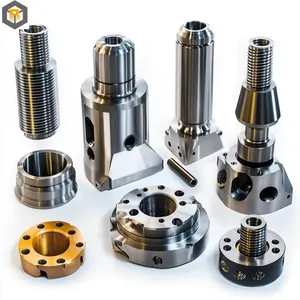
The production process for galvannealed sheet metal components at Wuxi Lead Precision Machinery follows a rigorously controlled sequence—Design, Prototyping, and Mass Production—engineered to achieve zero defects and consistent high performance in demanding industrial applications. Each phase integrates precision engineering, advanced quality assurance, and material science expertise to deliver components that meet exact customer specifications.
Design begins with a comprehensive analysis of functional requirements, environmental exposure, and mechanical loads. Our engineering team utilizes 3D CAD software and finite element analysis (FEA) to optimize part geometry, ensuring structural integrity and manufacturability. Special attention is given to the unique properties of galvannealed steel, which combines the corrosion resistance of zinc with enhanced paint adhesion and weldability due to its iron-zinc alloy layer. Design parameters such as bend allowances, hole placement, and surface finish are adjusted to accommodate the slightly harder surface of galvannealed material compared to pure galvanized steel. Tolerances are defined in accordance with ISO 2768-m for general machining and ISO 286-2 for critical dimensions.
Prototyping follows design validation through laser cutting, CNC bending, and precision stamping on sample blanks. This stage allows for physical verification of fit, form, and function. Prototypes undergo rigorous testing, including salt spray resistance (ASTM B117), coating adhesion (ASTM D3359), and dimensional inspection via coordinate measuring machines (CMM). Feedback from this phase is used to refine tooling and process parameters before scaling to full production. The use of digital twin technology ensures process simulation matches real-world outcomes, minimizing deviation.
Mass production is executed on fully automated lines with real-time monitoring systems. Laser cutting accuracy is maintained within ±0.1 mm, while CNC press brakes apply controlled tonnage with repeatability of ±0.25°. In-line vision systems and automated optical inspection (AOI) detect surface defects such as coating cracks or edge chipping, ensuring only flawless parts proceed. All welds are performed using robotic MIG or spot welding with pre-programmed parameters to prevent burn-through and maintain coating integrity. Final assemblies are subjected to 100% functional testing and batch sampling for mechanical properties.
Throughout the entire process, traceability is maintained via barcode tracking from coil lot to finished component. This enables full material certification and rapid root-cause analysis if required.
Key production specifications are maintained as follows:
| Parameter | Specification |
|---|---|
| Material Standard | ASTM A653 / JIS G3322 |
| Coating Mass (Zn-Fe) | 60–180 g/m² (dual-sided) |
| Thickness Range | 0.4 mm – 3.0 mm |
| Tolerance (Laser Cutting) | ±0.1 mm |
| Bend Angle Accuracy | ±0.25° |
| Surface Roughness (Ra) | ≤ 5.0 µm |
| Coating Adhesion (Tape Test) | Class 5 (ASTM D3359) |
| Salt Spray Resistance | ≥ 500 hours to white rust |
This end-to-end process ensures galvannealed sheet metal components meet the highest standards in durability, precision, and consistency—delivering zero-defect performance for automotive, construction, and industrial equipment sectors.
Why Choose Wuxi Lead Precision
Precision Partnership for Demanding Galvannealed Applications
Galvannealed sheet metal delivers critical corrosion resistance and superior paint adhesion for automotive, construction, and heavy equipment manufacturing. Its unique zinc-iron alloy coating, formed through annealing post-galvanizing, demands exacting fabrication control to prevent flaking, weld spatter, or dimensional distortion. At Wuxi Lead Precision Machinery, we engineer solutions specifically for these challenges, transforming material potential into flawless end products. Our CNC-driven processes ensure every cut, bend, and weld meets the stringent tolerances required by Tier-1 suppliers and OEMs globally.
We operate beyond standard sheet metal capabilities. Our facility integrates advanced fiber laser cutting with adaptive power modulation to minimize heat-affected zones on galvannealed surfaces, preserving coating integrity. Precision press brakes feature real-time feedback systems for consistent angular accuracy within ±0.1°, critical for complex assemblies. Automated welding cells utilize pulsed MIG parameters optimized for zinc-iron alloys, eliminating porosity while maintaining seam strength. This technical rigor is validated through our ISO 9001:2015-certified quality management system, with 100% in-process metrology using Zeiss CMMs and coating thickness verification per ASTM B499.
Galvannealed Processing Specifications
| Parameter | Capability Range | Tolerance/Standard |
|---|---|---|
| Material Thickness | 0.5 mm – 3.0 mm | ±0.05 mm |
| Coating Weight | 60 – 120 g/m² (Zn-Fe) | ASTM A653/A653M |
| Laser Cutting | Up to 4,000 mm x 2,000 mm | ±0.1 mm edge deviation |
| Press Brake Bending | 0° – 160° | ±0.1° angular accuracy |
| Welding | MIG, Spot, Projection | ISO 15614-1 compliant |
Partnering with Wuxi Lead Precision Machinery means access to dedicated engineering support from design validation through volume production. Our team collaborates early to optimize part geometry for galvannealed’s material behavior, reducing scrap rates by up to 22% versus industry averages. We maintain strategic inventory of common gauges and coating weights, enabling rapid prototyping within 72 hours and JIT delivery to your production line. Every component undergoes rigorous salt spray testing (ASTM B117) and adhesion verification, ensuring field performance matches specifications.
Your application requires more than standard fabrication—it demands a partner who understands galvannealed’s metallurgical nuances. We provide documented process validation, full traceability from coil to finished part, and continuous improvement through our Lean Six Sigma framework. Let us optimize your supply chain with precision manufacturing that eliminates rework and accelerates time-to-market.
Contact our engineering team today to discuss your galvannealed sheet metal project. Email Contact [email protected] with your technical requirements and volume needs. We will respond within 4 business hours with a feasibility assessment and process plan tailored to your quality and timeline objectives. Trust Wuxi Lead Precision Machinery to deliver the dimensional accuracy and coating integrity your critical applications require.
⚙️ Precision Cost Estimator
Estimate relative manufacturing effort based on tolerance.