

Technical Contents
Engineering Guide: Fabrication Website
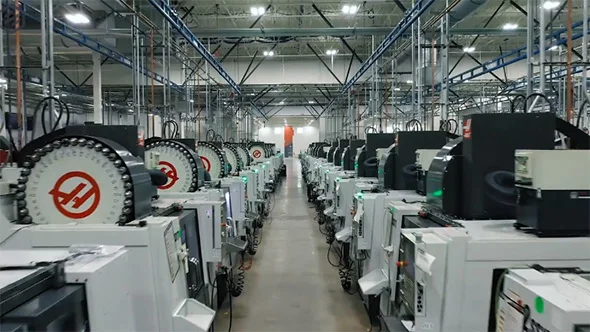
Engineering Insight Precision in Sheet Metal Fabrication
Precision in sheet metal fabrication transcends basic dimensional accuracy; it defines structural integrity, assembly compatibility, and long-term performance in mission-critical applications. In high-stakes industries like aerospace, defense, and large-scale infrastructure, tolerances measured in thousandths of an inch directly impact safety, regulatory compliance, and lifecycle costs. A deviation of 0.05 mm in a load-bearing bracket can cascade into catastrophic misalignment during final assembly, triggering costly rework or field failures. At Wuxi Lead Precision Machinery, we engineer solutions where precision is non-negotiable, not aspirational. Our CNC-driven processes integrate real-time metrology with adaptive toolpath compensation, ensuring every bend, cut, and weld adheres to the most stringent global standards.
Our commitment to precision is validated through decades of delivering components for projects where failure is not an option. We supplied structural frameworks for Beijing 2022 Winter Olympic venues, meeting ISO 10286 Class B tolerances under aggressive timelines. Similarly, our military-grade enclosures for defense systems consistently achieve AS9100D compliance, with geometric tolerancing down to ±0.025 mm. This expertise stems from rigorous process control: each operation undergoes pre-production FEA simulation, in-process CMM verification, and post-fabrication first-article inspection. We deploy Renishaw probes on Mazak INTEGREX systems and utilize Hexagon GLOBAL S CMMs, ensuring traceability to NIST standards. Material behavior during forming is modeled via AutoForm, eliminating springback errors before metal touches tooling.
The following table outlines our core precision capabilities for critical sheet metal applications:
| Specification Category | Capability Range | Industry Standard Equivalent |
|---|---|---|
| Linear Tolerance | ±0.025 mm to ±0.1 mm | ISO 2768-mK / ASME Y14.5 |
| Hole Positional Accuracy | ±0.05 mm (max) | ISO 1101 GD&T |
| Bend Angle Tolerance | ±0.5° | DIN 6930 |
| Surface Roughness (Ra) | 0.8 μm to 3.2 μm | ISO 1302 |
| Material Thickness Range | 0.5 mm to 12.7 mm | ASTM A653 / EN 10143 |
This level of control delivers tangible client value: reduced assembly scrap rates, elimination of shimming in multi-part systems, and seamless integration with downstream automation. For instance, a recent medical imaging equipment manufacturer reduced field service calls by 34% after switching to our precision-formed chassis, where consistent flange alignment prevented sensor calibration drift. Precision fabrication is not a cost center—it is risk mitigation engineered into every component. When your application demands zero-defect performance, Wuxi Lead Precision Machinery delivers the repeatability that defines industry leadership. Contact our engineering team to discuss tolerance-critical requirements for your next project.
Precision Specs & Tolerances
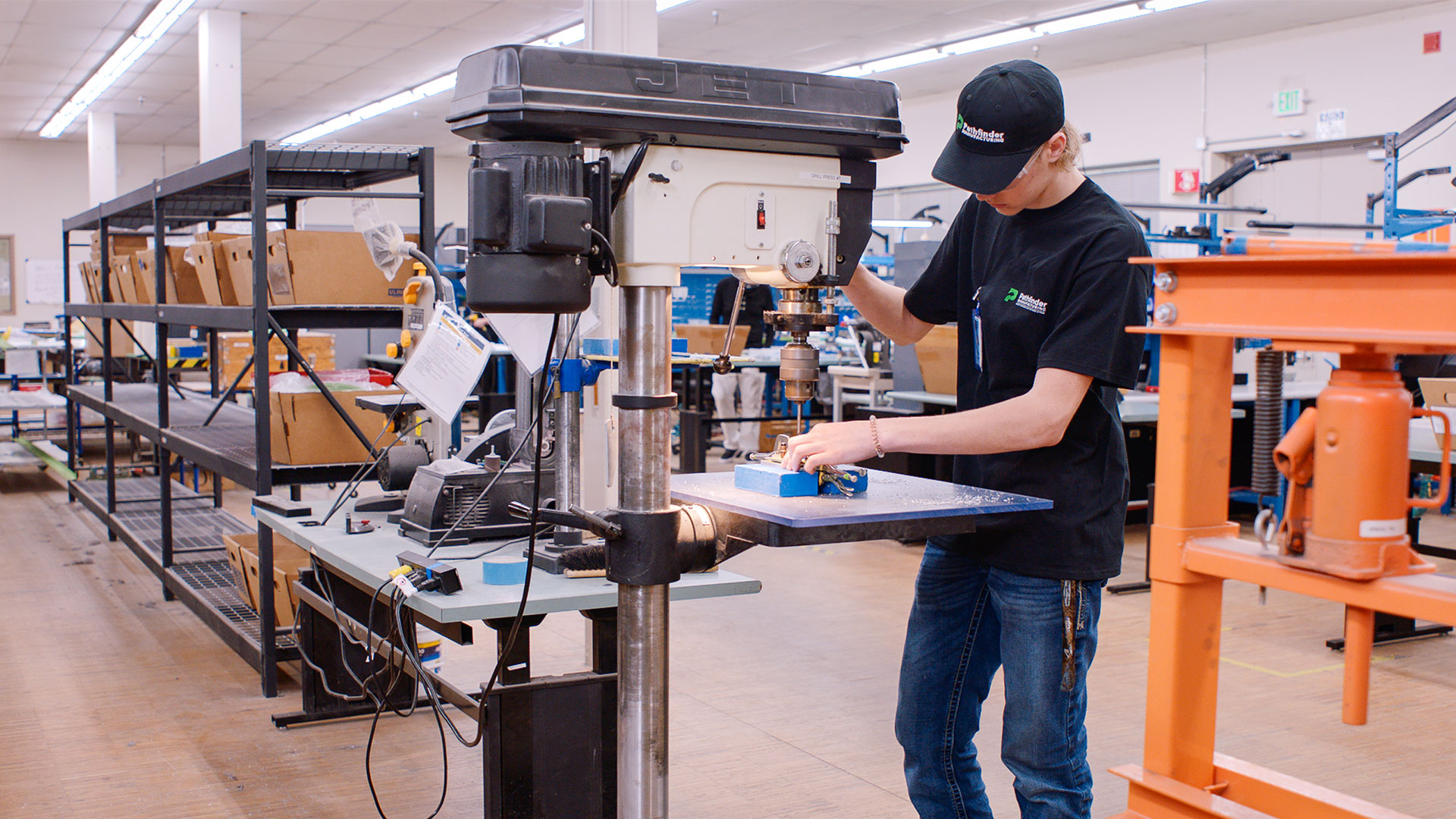
Wuxi Lead Precision Machinery delivers advanced sheet metal fabrication solutions tailored to high-precision industries such as aerospace, medical, energy, and industrial automation. Our technical capabilities are anchored in state-of-the-art equipment, rigorous process controls, and a deep commitment to engineering excellence. At the core of our precision manufacturing platform is our 5-axis CNC machining technology, enabling complex geometries, tight tolerances, and superior surface finishes on a wide range of sheet metal components.
Our 5-axis CNC systems allow simultaneous multi-directional cutting, significantly enhancing accuracy and efficiency for intricate parts that demand exacting specifications. This technology reduces the need for multiple setups, minimizing human error and ensuring consistency across production runs. Whether producing thin-walled enclosures, structural brackets, or complex housings, our machining centers deliver repeatability and precision that meet the most demanding engineering requirements.
Complementing our advanced machining capabilities is a fully integrated quality control system. Every component undergoes comprehensive inspection using a Coordinate Measuring Machine (CMM), ensuring dimensional accuracy and compliance with design intent. Our CMM systems are calibrated to international standards and operated by certified metrology technicians, providing traceable, reliable data for first-article inspections and ongoing production monitoring. This level of scrutiny supports zero-defect manufacturing and regulatory compliance, especially critical in aerospace and medical device applications.
We process a broad spectrum of materials, including stainless steel, aluminum alloys, carbon steel, and specialty metals, with thicknesses ranging from 0.5 mm to 25 mm. Our facility supports low-volume prototypes through high-volume production, with rapid turnaround times and full documentation packages, including inspection reports, material certifications, and process flow charts.
The following table outlines our standard machining tolerances and capabilities:
| Parameter | Specification |
|---|---|
| Positional Tolerance | ±0.025 mm |
| Linear Dimensional Tolerance | ±0.05 mm |
| Angular Tolerance | ±0.1° |
| Surface Roughness (Ra) | As low as 0.8 µm |
| Minimum Feature Size | 0.5 mm |
| Maximum Work Envelope | 1200 mm × 800 mm × 600 mm |
| Spindle Speed | Up to 24,000 rpm |
| Tool Change Time | < 3 seconds (automatic) |
| CMM Accuracy (MPEE) | ≤ 2.5 + L/300 µm |
All fabrication processes are governed by ISO 9001-certified quality management systems, ensuring consistent performance and continuous improvement. Our engineering team collaborates directly with clients during the design-for-manufacturability phase to optimize part geometry, material selection, and production methodology—reducing cost and lead time without compromising quality.
At Wuxi Lead Precision Machinery, we combine cutting-edge technology with disciplined process control to deliver sheet metal components that meet the highest standards of precision and reliability.
Material & Finish Options
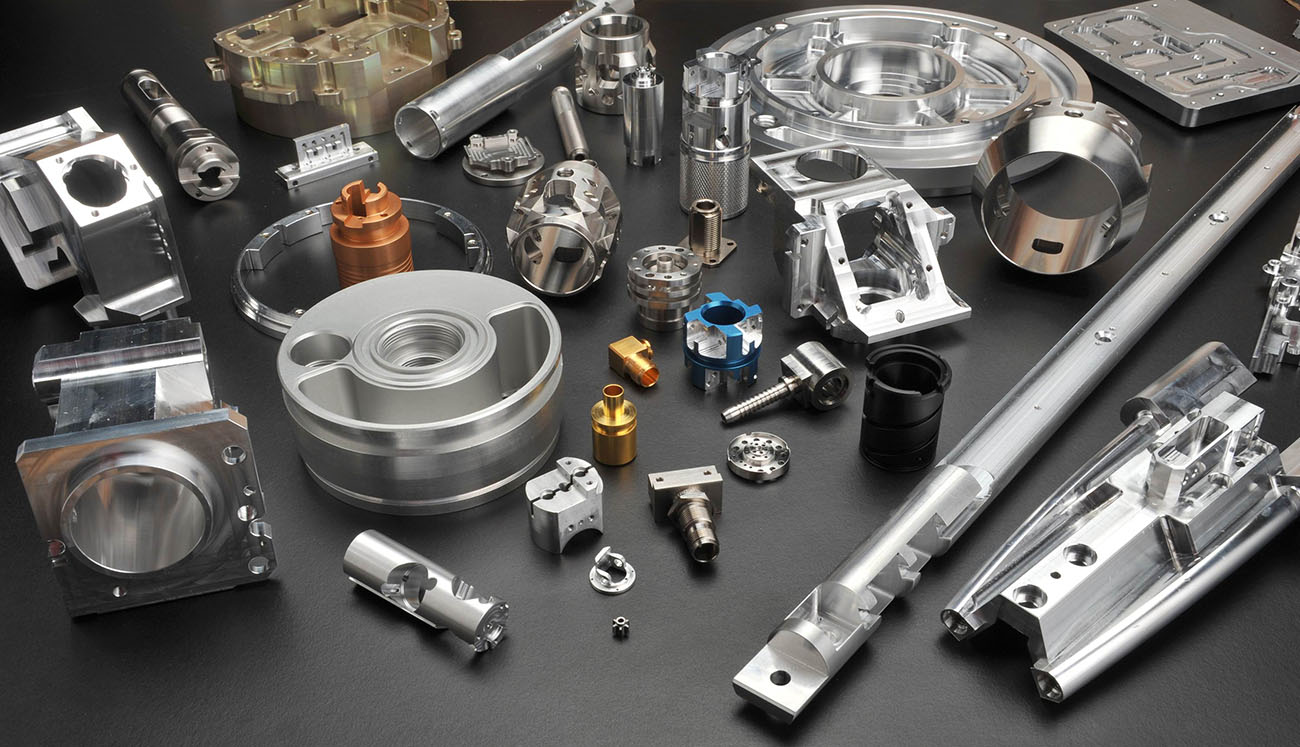
Material Selection for Precision Sheet Metal Fabrication
Material selection critically impacts the performance, longevity, and cost-effectiveness of sheet metal components. At Wuxi Lead Precision Machinery, we guide clients through the optimal choice between Aluminum, Steel, and Titanium based on application demands, environmental exposure, and functional requirements. Each material offers distinct mechanical properties and fabrication characteristics essential for high-integrity parts.
Aluminum alloys, particularly 6061-T6 and 5052-H32, dominate applications requiring an exceptional strength-to-weight ratio, inherent corrosion resistance, and excellent machinability. These alloys are ideal for aerospace components, electronic enclosures, and transportation structures where weight savings are paramount. Aluminum readily accepts surface treatments like anodizing, significantly enhancing wear resistance and providing electrical insulation. Steel, especially 304 and 316 stainless grades, delivers superior strength, durability, and cost efficiency for structural frames, industrial machinery guards, and architectural elements. 316 stainless offers enhanced resistance to chlorides and acids, making it suitable for marine or chemical processing environments. Mild steel (A36/SPCC) remains a cost-effective solution for non-corrosive applications requiring high formability and weldability. Titanium Grade 2 provides unparalleled strength-to-weight ratio combined with exceptional corrosion resistance across extreme temperatures and aggressive media like seawater or acids. Its use is critical in aerospace, medical implants, and high-performance chemical processing, though its cost and challenging machinability necessitate specialized fabrication expertise.
Surface finish selection directly influences component lifespan and functionality. Anodizing is the premier finish for aluminum, creating a hard, porous oxide layer that can be dyed for identification and sealed for maximum corrosion and wear resistance. Type II (sulfuric acid) anodizing is standard for general protection and aesthetics, while Type III (hard coat) anodizing delivers extreme surface hardness for moving parts subject to abrasion. For steel, alternatives include powder coating for robust color and barrier protection, or passivation for stainless grades to remove surface contaminants and enhance the natural oxide layer. Titanium typically utilizes chemical passivation or specialized coatings for specific biocompatibility or wear requirements.
Understanding these material and finish properties ensures optimal part performance. The following table summarizes key specifications for common fabrication alloys:
| Material | Tensile Strength (MPa) | Corrosion Resistance | Typical Applications |
|---|---|---|---|
| Aluminum 6061-T6 | 310 | Very Good | Aerospace frames, brackets, enclosures |
| Steel 304 SS | 515 | Good (general) | Food processing, architectural panels |
| Steel 316 SS | 570 | Excellent (chlorides) | Marine hardware, chemical tanks |
| Titanium Grade 2 | 345 | Exceptional | Aircraft components, medical devices |
Consulting with an experienced fabricator early in the design phase is crucial. Wuxi Lead Precision Machinery possesses deep expertise in processing these materials to tight tolerances using advanced CNC forming, laser cutting, and welding techniques. We collaborate with clients to select the optimal material-finish combination, ensuring components meet rigorous performance standards while optimizing manufacturability and total project cost. Precise material specification forms the foundation of reliable, high-value sheet metal fabrication.
Manufacturing Process & QC
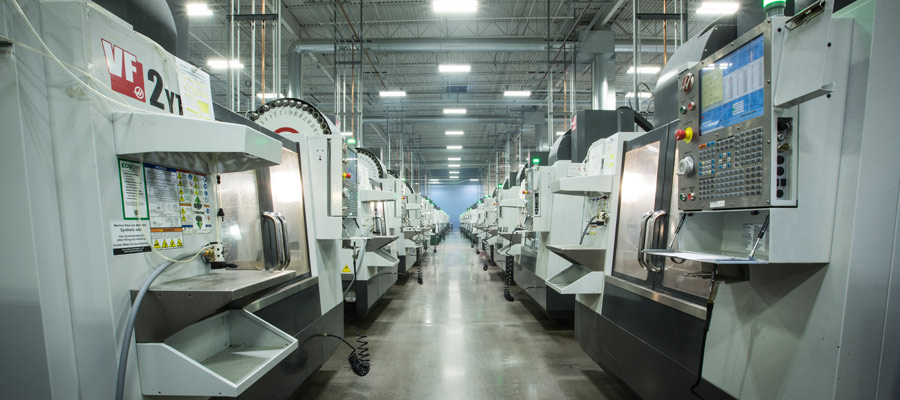
Sheet Metal Fabrication: From Design to Zero-Defect Mass Production
At Wuxi Lead Precision Machinery, our sheet metal fabrication process is engineered for precision, repeatability, and zero-defect outcomes. We integrate advanced technology with rigorous quality control to deliver high-performance components for industries including telecommunications, automotive, and industrial equipment. Our end-to-end workflow ensures seamless progression from concept to mass production, maintaining consistency and excellence at every stage.
The process begins with collaborative design engineering. Our team works closely with clients to evaluate technical drawings, material specifications, and functional requirements. Utilizing industry-leading CAD/CAM software such as SolidWorks, AutoCAD, and Siemens NX, we optimize designs for manufacturability, ensuring efficient nesting, minimal material waste, and structural integrity. Design for Manufacturing and Assembly (DFM/A) analysis is conducted early to identify potential issues and refine geometry, tolerances, and feature placement.
Once the design is finalized, we move into the prototyping phase. Rapid prototyping allows us to produce functional samples using the same equipment and materials intended for full-scale production. This ensures accurate validation of form, fit, and function. Prototypes undergo comprehensive inspection using coordinate measuring machines (CMM), optical comparators, and laser scanning to verify dimensional accuracy against the original CAD model. Feedback from this stage is incorporated swiftly, enabling design adjustments before launch.
With prototype approval, we transition to mass production. Our automated production lines leverage high-precision CNC turret presses, fiber laser cutting systems, and robotic bending cells to ensure consistency and throughput. Each stage of fabrication—cutting, bending, welding, and surface finishing—is monitored in real time using integrated sensors and statistical process control (SPC) methodologies. Our facility operates under ISO 9001-certified quality management protocols, ensuring full traceability and compliance.
Zero defects are achieved through a multi-tiered quality assurance system. In-process inspections occur at critical control points, while final products undergo 100% visual and dimensional checks. Non-conforming parts are immediately quarantined and analyzed through root cause corrective action (RCCA) procedures. Continuous improvement is embedded in our culture, supported by employee training and lean manufacturing principles.
Below are key specifications for our sheet metal fabrication capabilities.
| Parameter | Capability |
|---|---|
| Material Thickness Range | 0.5 mm – 6.0 mm (steel, stainless, aluminum) |
| Tolerances | ±0.05 mm (laser cutting), ±0.1° (bending) |
| Max Part Size | 2500 mm × 1250 mm |
| Laser Cutting Power | Up to 12 kW (fiber) |
| CNC Press Brake Capacity | 100 tons, 3 m bed length |
| Welding Methods | TIG, MIG, spot welding |
| Surface Finishes | Powder coating, anodizing, plating, brushing |
Our disciplined approach from design to delivery ensures that every component meets the highest standards of precision and reliability. At Wuxi Lead Precision Machinery, we don’t just manufacture parts—we deliver confidence in every piece.
Why Choose Wuxi Lead Precision
Partner with Lead Precision for Uncompromising Sheet Metal Excellence
In the demanding landscape of precision sheet metal fabrication, success hinges on a partner capable of transforming complex engineering visions into flawless physical realities. Wuxi Lead Precision Machinery stands as your definitive solution for high-mix, low-to-medium volume production where dimensional accuracy, material integrity, and on-time delivery are non-negotiable. We do not merely manufacture parts; we integrate our engineering expertise into your product lifecycle, ensuring every component meets or exceeds aerospace, medical, and industrial automation standards. Our vertically integrated facility in Wuxi, China, combines advanced automation with rigorous quality control protocols, eliminating supply chain vulnerabilities while maintaining absolute traceability from raw material to finished assembly.
Our commitment to precision is quantifiable. We operate state-of-the-art equipment calibrated to sustain sub-0.1mm tolerances across diverse materials including stainless steel, aluminum alloys, and specialty composites. The table below summarizes core capabilities critical for mission-critical applications:
| Machine Type | Max Capacity | Precision Tolerance | Key Features |
|---|---|---|---|
| Fiber Laser Cutters | 4000 x 2000 x 25mm | ±0.05mm | Nitrogen/oxygen assist, auto-nozzle cleaning |
| CNC Press Brakes | 3000 x 400T | ±0.1° bend angle | Crowning system, laser angle monitoring |
| Robotic TIG Welders | 2000 x 1500mm | ±0.2mm seam | Pulsed DC, gas purity control |
| Automated Deburring | 2500 x 1250mm | Ra ≤ 0.8μm | Multi-axis polishing, vision inspection |
This technical foundation is amplified by our proactive engineering collaboration. From DFM analysis during quotation to first-article inspection reports compliant with AS9102, we embed quality at every phase. Our ERP system provides real-time production visibility, while ISO 9001:2015 and IATF 16949 certifications validate our process discipline. For global clients, we manage consolidated logistics with DDP/DDU terms, ensuring customs-cleared shipments arrive predictably—critical for JIT manufacturing environments.
The true differentiator lies in our responsiveness to engineering challenges. When your design pushes conventional fabrication limits, our team leverages 20+ years of experience in micro-bending, heat-sensitive material handling, and multi-axis forming to deliver solutions where others compromise. We understand that a delayed prototype or dimensional variance can cascade into program delays; therefore, we prioritize agility without sacrificing rigor.
Initiate a partnership built on technical credibility and execution certainty. Contact our engineering sales team directly at Contact [email protected] with your RFQ, 3D model, or DFM challenge. Include target volumes, material specifications, and critical tolerances to receive a comprehensive capability assessment within 24 business hours. Let Wuxi Lead Precision Machinery become the extension of your engineering department—where precision isn’t promised, it’s proven in every component we deliver. Your next breakthrough begins with a single email.
⚙️ Precision Cost Estimator
Estimate relative manufacturing effort based on tolerance.