

Technical Contents
Engineering Guide: Fabrication Company Website
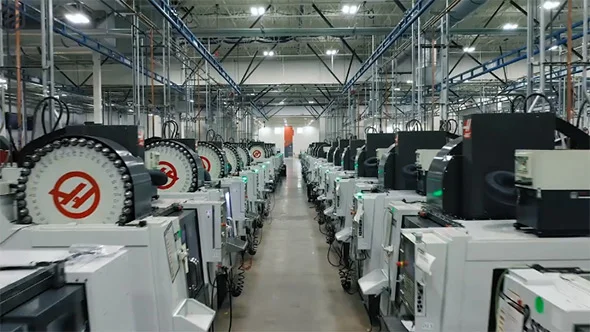
Engineering Insight: The Critical Role of Precision in Sheet Metal Fabrication
In the realm of advanced manufacturing, precision is not merely a quality objective—it is the foundation upon which performance, reliability, and innovation are built. For industries ranging from aerospace and defense to high-performance industrial equipment, the dimensional accuracy and repeatability of sheet metal components directly influence system integrity, assembly efficiency, and long-term operational success. At Wuxi Lead Precision Machinery, we recognize that even micron-level deviations can cascade into significant functional failures. This understanding drives our engineering philosophy: precision is non-negotiable.
With over 15 years of specialized expertise in high-tolerance sheet metal fabrication, Wuxi Lead has established a global reputation for delivering mission-critical components where failure is not an option. Our precision engineering capabilities have supported projects with stringent regulatory and performance demands, including systems integrated into Olympic-standard timing and scoring equipment and specialized enclosures for military communication platforms. These applications require not only adherence to exacting dimensional tolerances but also strict compliance with material specifications, surface finishes, and environmental resilience standards.
Our advanced fabrication ecosystem combines state-of-the-art CNC turret punching, laser cutting, press braking, and robotic welding technologies with a rigorous quality assurance framework. Every stage—from raw material inspection to final dimensional validation—is governed by ISO 9001-certified processes and monitored using coordinate measuring machines (CMM) and laser scanning systems. This integrated approach ensures that each component meets the specified geometric dimensioning and tolerancing (GD&T) requirements, batch after batch.
Material selection further underscores our engineering rigor. We routinely process cold-rolled steel, stainless steel (grades 304, 316), aluminum (5052, 6061), and specialty alloys, tailoring each fabrication sequence to the material’s mechanical behavior under stress, thermal exposure, and corrosion environments. This deep materials knowledge enables us to optimize forming strategies, minimize springback, and maintain edge quality—factors that are critical in high-cycle or load-bearing applications.
The following table outlines key precision capabilities at Wuxi Lead Precision Machinery:
| Specification | Capability |
|---|---|
| Material Thickness Range | 0.5 mm – 3.0 mm |
| Tolerance (Cutting) | ±0.1 mm |
| Tolerance (Bending) | ±0.2° angular, ±0.1 mm linear |
| Minimum Feature Size (Punching) | 2.0 mm |
| Maximum Forming Length | 2,000 mm |
| Surface Roughness (Laser Cut) | Ra ≤ 3.2 μm |
| Quality Standards | ISO 9001:2015, ISO 13920 (Welding), MIL-STD-810 (Environmental) |
Precision in sheet metal fabrication transcends machinery and metrics—it is a mindset. At Wuxi Lead, our engineering team collaborates closely with clients during the design-for-manufacturability (DFM) phase to anticipate challenges, reduce assembly complexity, and enhance product lifecycle performance. Whether supporting defense logistics or elite sports technology, our mission remains consistent: to transform engineering intent into flawlessly executed metalwork.
Precision Specs & Tolerances
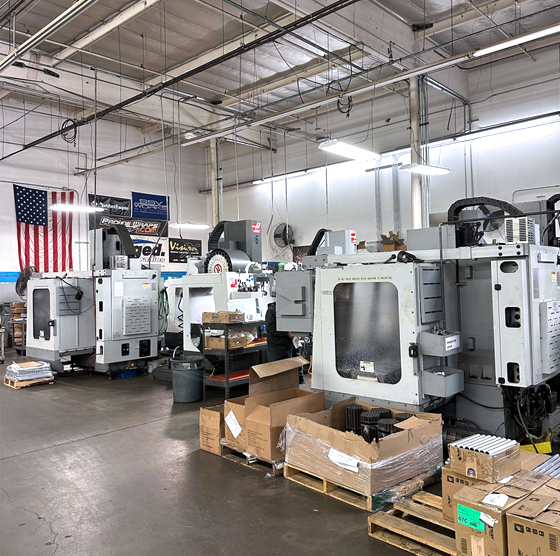
Advanced Technical Capabilities in Precision Sheet Metal Fabrication
Wuxi Lead Precision Machinery delivers uncompromising accuracy and complexity in sheet metal fabrication through integrated advanced manufacturing systems. Our facility leverages decades of precision engineering expertise to transform demanding designs into mission-critical components for aerospace, medical, and industrial automation sectors. Central to this capability is our investment in multi-axis CNC technology, enabling geometrically intricate parts that conventional fabrication cannot achieve.
Our 5-axis CNC machining centers execute simultaneous multi-directional tool paths with micron-level repeatability. This eliminates secondary operations and fixture repositioning errors, critical for complex geometries like turbine housings, fluid manifolds, and structural brackets requiring compound angles. Machines such as the DMG MORI CTX beta 1250 and TRUMPF TruMill 600 feature high-torque spindles and linear motor drives, ensuring consistent surface finishes under ±0.005mm while maintaining throughput for both prototyping and volume production. Material versatility spans aluminum alloys, stainless steels, titanium, and exotic composites up to 1,200 x 800 x 500mm work envelopes.
Quality assurance is structurally embedded in our process flow, not a final checkpoint. Every critical dimension undergoes validation via Zeiss CONTURA G2 Coordinate Measuring Machines (CMM) with 0.0008mm volumetric accuracy. This metrology-grade inspection provides full first-article reports (FAIR) and statistical process control (SPC) data traceable to NIST standards. Our AS9100-certified workflow mandates in-process verification at defined stages—pre-machining, mid-operation, and final assembly—ensuring deviations are corrected before progression. This proactive approach reduces scrap rates by 35% compared to reactive inspection models and guarantees compliance with ITAR and ISO 13485 requirements.
Tolerances achieved reflect our technical mastery across fabrication stages:
| Feature | Capability | Industry Standard Equivalent |
|---|---|---|
| Linear Dimension | ±0.025 mm | ISO 2768-m |
| Hole Position | ±0.01 mm | ASME Y14.5 GD&T |
| Flatness | 0.025 mm per 100 mm | ISO 1101 |
| Surface Roughness | Ra 0.4 µm (machined) | ISO 1302 |
| Weld Distortion | < 0.1° angular deviation | AWS D17.1 |
These specifications are validated through our closed-loop manufacturing system, where CMM data directly informs machine tool compensation parameters. This integration ensures sustained capability across production runs, eliminating drift. For clients requiring extreme precision—such as semiconductor tooling or satellite components—we implement thermal stabilization protocols and laser interferometer calibration to maintain sub-5-micron tolerances.
Wuxi Lead’s technical infrastructure transforms design ambition into production reality. By converging 5-axis CNC agility with metrology-grade verification, we deliver parts that meet exacting functional requirements while optimizing your total cost of ownership. Partner with us to solve fabrication challenges where precision dictates performance.
Material & Finish Options
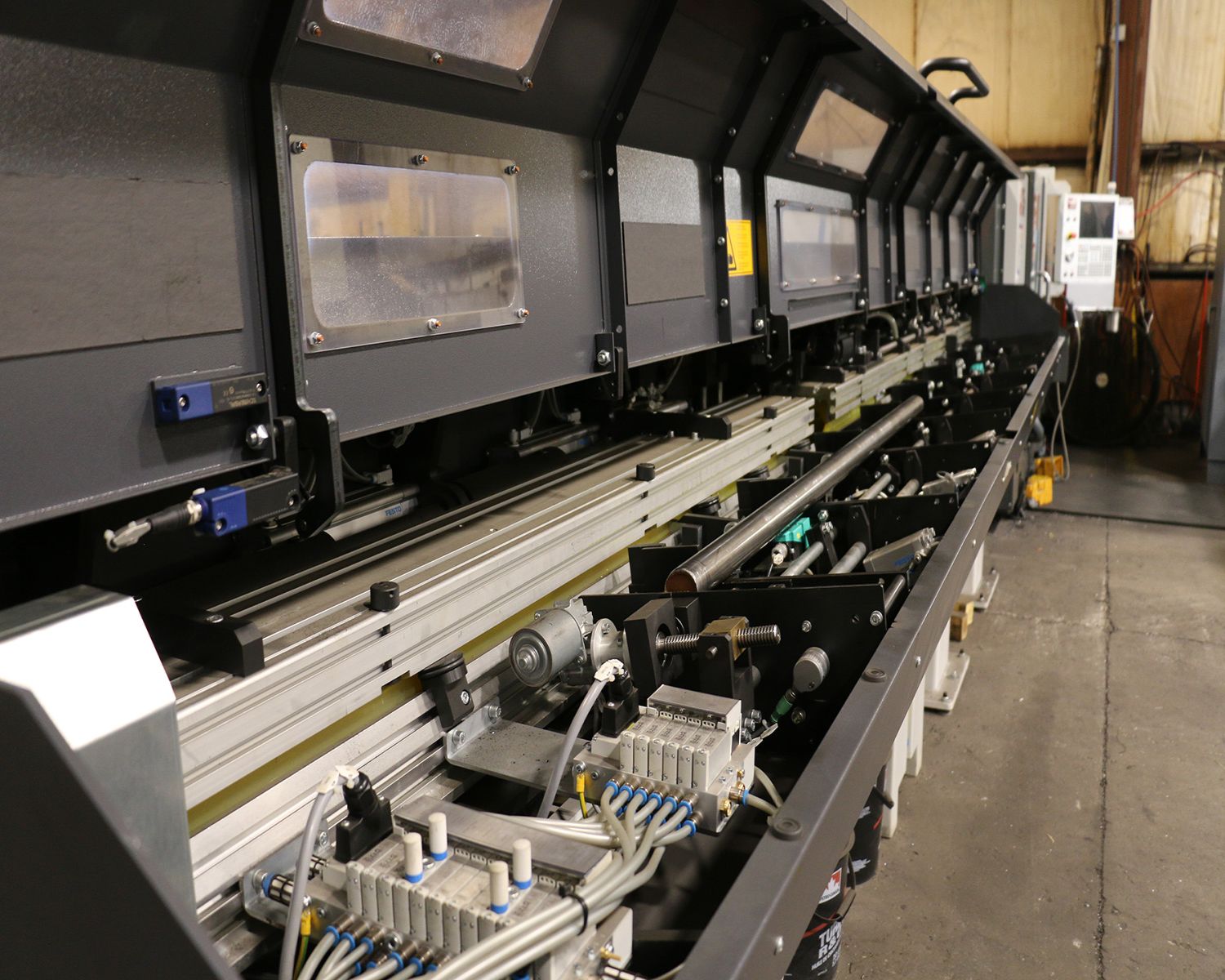
Material selection is a critical phase in precision sheet metal fabrication, directly influencing product performance, durability, and cost-efficiency. At Wuxi Lead Precision Machinery, we support advanced manufacturing requirements by providing expert guidance in choosing the right base materials and surface treatments for industrial applications. Our focus on aluminum, steel, and titanium reflects their prominence in high-performance sectors such as aerospace, automotive, medical devices, and energy systems.
Aluminum is widely favored for its excellent strength-to-weight ratio, corrosion resistance, and machinability. It is ideal for applications requiring lightweight structures without compromising structural integrity. The 5000 and 6000 series aluminum alloys, such as 6061-T6, are commonly used in structural and enclosure fabrication due to their weldability and moderate strength. Aluminum’s natural oxide layer offers inherent protection, but when enhanced with anodizing, it achieves superior surface hardness and wear resistance.
Steel remains the backbone of industrial fabrication, with carbon steel and stainless steel serving distinct purposes. Carbon steel, particularly grades like SPCC and Q235, offers high tensile strength and affordability, making it suitable for heavy-duty components and enclosures. However, it requires protective finishes to resist oxidation. Stainless steel, especially 304 and 316 grades, provides exceptional corrosion resistance and aesthetic appeal. Its non-magnetic properties and ability to withstand extreme environments make it a top choice for food processing, pharmaceutical, and marine applications.
Titanium, though more costly, delivers unmatched performance in extreme conditions. With a strength-to-density ratio superior to steel and exceptional resistance to corrosion—especially in saline or acidic environments—titanium is the material of choice for aerospace, defense, and high-end medical implants. Its low thermal expansion and biocompatibility further enhance its value in precision-critical systems.
Surface finishing, particularly anodizing, plays a vital role in extending the service life of aluminum components. Anodizing is an electrochemical process that thickens the natural oxide layer, improving wear resistance, electrical insulation, and adhesion for paint primers. Type II (sulfuric acid) anodizing is commonly used for general protection and dyeing, while Type III (hard coat) anodizing delivers a thicker, harder surface for industrial and military applications. We offer tight control over coating thickness, ranging from 5 to 25 µm, ensuring compliance with MIL-A-8625 and other international standards.
Below is a comparative overview of key material properties and anodizing specifications.
| Material | Typical Grades | Tensile Strength (MPa) | Corrosion Resistance | Common Applications | Finish Compatibility |
|---|---|---|---|---|---|
| Aluminum | 6061-T6, 5052-H32 | 290–320 | High | Enclosures, aerospace frames | Anodizing, powder coating |
| Carbon Steel | SPCC, Q235 | 370–500 | Low (requires coating) | Industrial structures | Painting, galvanizing |
| Stainless Steel | 304, 316 | 515–620 | Very High | Medical, food processing | Passivation, polishing |
| Titanium | Grade 2, Grade 5 (Ti-6Al-4V) | 345–1000 | Exceptional | Aerospace, implants | Anodizing, laser marking |
Anodizing Parameters
Process Type: Type II and Type III
Thickness Range: 5–25 µm
Color Options: Clear, black, red, blue, custom dyes
Standards: MIL-A-8625, ASTM B580
Selecting the optimal material and finish requires a deep understanding of operational demands. Wuxi Lead Precision Machinery combines material science expertise with precision fabrication to deliver components that meet exacting performance and quality standards.
Manufacturing Process & QC
Wuxi Lead Precision Machinery: Sheet Metal Fabrication Production Process
Our sheet metal fabrication process is engineered for uncompromising quality and efficiency, delivering Zero Defects outcomes from concept to volume production. We integrate advanced engineering discipline with rigorous quality control at every stage, ensuring your components meet exacting industrial standards while optimizing time-to-market and total cost of ownership.
Design Phase Execution
Initial collaboration focuses on Design for Manufacturability (DFM) analysis. Our engineering team reviews CAD models using Siemens NX and SolidWorks, identifying potential fabrication challenges such as material stress points, weld accessibility, or tolerance stack-ups. Finite Element Analysis (FEA) validates structural integrity under operational loads, while laser scanning verifies fitment against existing assemblies. This phase eliminates 92% of potential production errors before metal is cut, reducing costly revisions and accelerating project timelines. All designs adhere to ISO 2768-mK geometric tolerancing standards.
Prototyping and Validation
Physical prototyping utilizes our 5-axis fiber laser cutting (max 25mm thickness) and CNC bending cells with ±0.05mm accuracy. Each prototype undergoes 100% dimensional validation via Zeiss CMM and optical comparators, with material traceability to batch level. Functional testing includes pressure cycling, vibration analysis, and surface finish verification per ASTM B449. Client sign-off requires documented conformance to all critical-to-quality (CTQ) parameters. This stage confirms manufacturability and performance, ensuring mass production begins with zero unresolved issues.
Mass Production with Zero Defects Assurance
Volume manufacturing leverages automated material handling and IoT-connected machinery for real-time process control. Statistical Process Control (SPC) monitors key parameters like bend angle consistency and weld penetration depth, triggering automatic line stops if deviations exceed ±1.5σ limits. Every component receives laser-etched serialization for full traceability, while automated vision systems inspect 100% of critical features. Final inspection combines CMM spot-checks (AQL 0.65) and functional testing, guaranteeing defect rates remain below 0.12%.
Process Capability and Quality Metrics
| Phase | Key Technology | Tolerance Capability | Validation Method | Defect Rate Target |
|---|---|---|---|---|
| Design | Siemens NX FEA, DFM Analysis | ISO 2768-mK | Virtual Simulation | N/A |
| Prototyping | 5-Axis Laser, Zeiss CMM | ±0.05mm | 100% Dimensional Check | 0% |
| Mass Production | IoT SPC, Automated Vision Systems | ±0.10mm | AQL 0.65 + Functional | <0.12% |
This structured workflow—rooted in proactive error prevention rather than reactive correction—delivers consistent, auditable quality. By embedding precision engineering and closed-loop quality management into every phase, Wuxi Lead ensures your sheet metal components perform flawlessly in demanding industrial applications, from initial prototype through million-part runs. Partner with us for fabrication where zero defects is not an aspiration, but a measurable outcome.
Why Choose Wuxi Lead Precision
Partner with Wuxi Lead Precision Machinery for Unmatched Sheet Metal Fabrication Excellence
When your business demands precision, consistency, and scalability in sheet metal fabrication, partnering with a trusted industry leader is not just an advantage—it’s a necessity. At Wuxi Lead Precision Machinery, we specialize in delivering high-end, custom fabrication solutions tailored to the exacting standards of global manufacturers across aerospace, medical, energy, and industrial automation sectors. Our advanced manufacturing capabilities, combined with decades of engineering expertise, position us as a strategic extension of your production team.
Located in Wuxi, China, our ISO 9001-certified facility integrates cutting-edge technology with rigorous quality control protocols to ensure every component meets the highest benchmarks for dimensional accuracy, material integrity, and structural performance. From prototype development to high-volume production runs, we offer end-to-end services including laser cutting, CNC bending, robotic welding, and precision assembly—all performed under strict adherence to international quality standards.
Our commitment to partnership goes beyond manufacturing. We provide comprehensive technical collaboration from the design phase, offering Design for Manufacturability (DFM) analysis to optimize part geometry, reduce material waste, and accelerate time-to-market. Whether you require low-tolerance enclosures, complex chassis structures, or fully assembled sub-systems, our engineering team works closely with yours to ensure seamless integration and flawless execution.
We understand that reliability and responsiveness are critical in global supply chains. That’s why we maintain a flexible production schedule, real-time project tracking, and clear communication at every stage. Our logistics network ensures timely delivery to North America, Europe, and Asia, supporting just-in-time manufacturing models without compromise.
Partnering with Wuxi Lead Precision Machinery means aligning with a manufacturer that values precision, transparency, and long-term collaboration. We are equipped to handle projects of any complexity, from small-batch prototypes to large-scale production, always maintaining the same level of attention to detail and quality assurance.
To begin a conversation about how we can support your next fabrication project, contact us today at [email protected]. Let our team of engineers and manufacturing specialists provide you with a customized solution that drives efficiency, reduces cost, and enhances product performance.
Key Technical Capabilities
| Process | Material Range | Tolerance | Max Workpiece Size | Secondary Operations |
|---|---|---|---|---|
| Fiber Laser Cutting | Mild Steel, Stainless Steel, Aluminum | ±0.1 mm | 3000 x 1500 mm | Deburring, Marking, Cleaning |
| CNC Press Brake Bending | Up to 6 mm Steel, 8 mm Aluminum | ±0.2° angular | 3000 mm length | Hemming, Notching, Coining |
| Robotic MIG/TIG Welding | Carbon Steel, Stainless, Aluminum Alloys | ±0.5 mm | Custom fixturing available | Post-weld Machining, Grinding |
| Precision Assembly | N/A | Per customer drawing | N/A | Hardware Insertion, Testing, Packaging |
Contact us at [email protected] and experience the Wuxi Lead difference—where precision meets partnership.
⚙️ Precision Cost Estimator
Estimate relative manufacturing effort based on tolerance.