

Technical Contents
Engineering Guide: Fabrication Companies In Usa
Engineering Insight Precision as the Non-Negotiable Foundation for US Fabricators
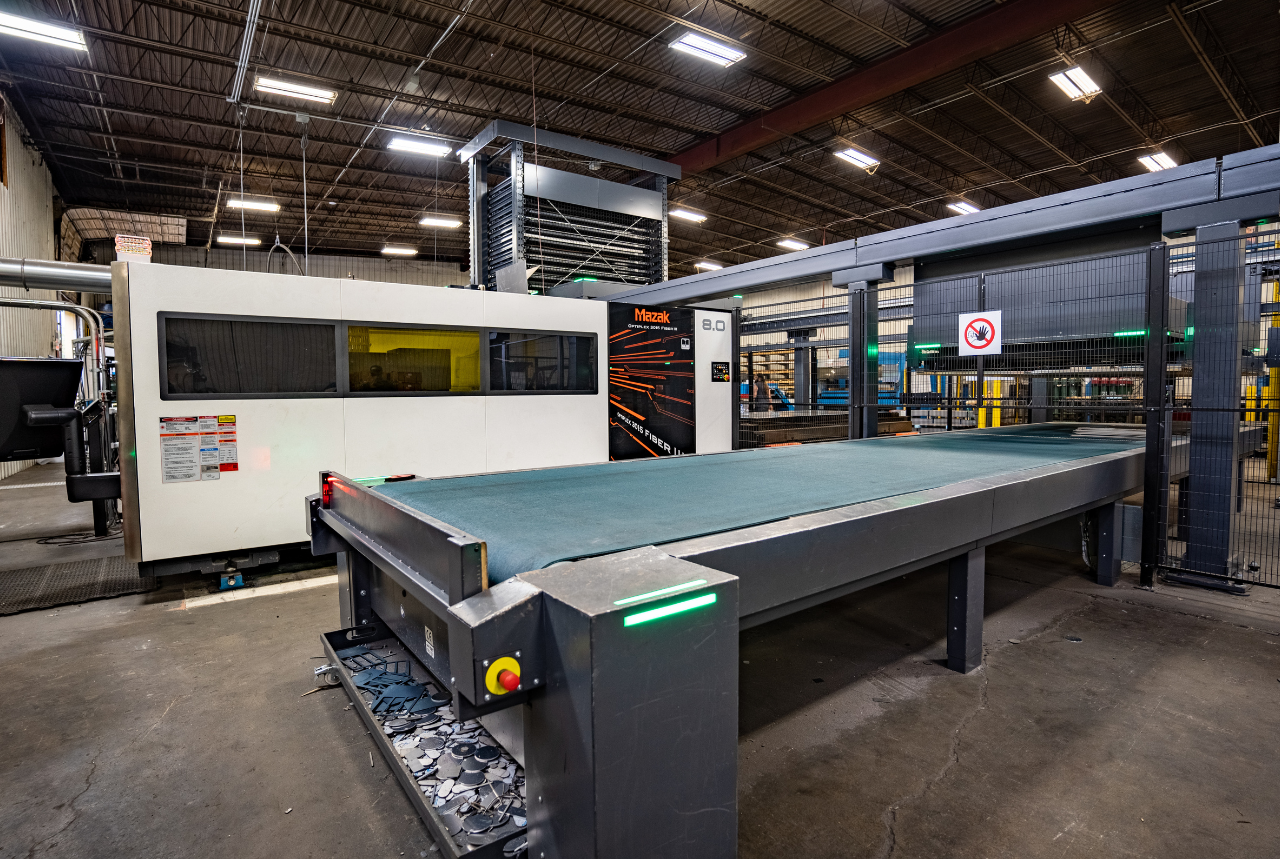
For fabrication companies in the USA operating within competitive high-value sectors aerospace defense medical and renewable energy precision is not merely a technical specification it is the direct determinant of business viability. Minute deviations in sheet metal components cascade into catastrophic downstream failures assembly delays and unacceptable scrap rates eroding margins and damaging hard-won reputations. US manufacturers face relentless pressure to deliver parts meeting ASME Y14.5 geometric dimensioning and tolerancing standards often requiring tolerances tighter than ±0.05mm. Achieving this consistently demands more than skilled operators; it requires integrated engineering rigor spanning material science machine calibration process validation and real-time quality control. The cost of non-conformance scrap rework delayed shipments far exceeds the investment in precision-focused systems. US fabricators must view micron-level accuracy as their core operational metric not an optional add-on.
At Wuxi Lead Precision Machinery our engineering philosophy is forged in environments where precision is existential. We have supplied critical sheet metal components for Olympic venue infrastructure requiring flawless structural integration under extreme timelines and for specialized military applications where component failure is not an option. This experience instills a disciplined approach: rigorous first-article inspection protocols thermal compensation systems on all CNC assets and closed-loop feedback for every bending and cutting operation. We understand that US fabricators need partners who treat tolerance bands as inviolable constraints not suggestions.
Our machine capabilities reflect this uncompromising standard as demonstrated in the core specifications below. These are not theoretical maximums but guaranteed performance levels maintained through our ISO 9001-certified processes and daily calibration routines.
| Machine Capability | Specification Range | Industry Standard Comparison |
|---|---|---|
| Laser Cutting Tolerance | ±0.03mm to ±0.08mm | Typical: ±0.1mm to ±0.2mm |
| Punching Position Accuracy | ±0.05mm | Typical: ±0.1mm |
| Max Material Thickness | 25mm (Mild Steel) | Industry Avg: 20mm |
| Forming Repeatability | ±0.1° angular tolerance | Typical: ±0.25° to ±0.5° |
| First-Pass Yield Rate | 98.5% (Complex Assemblies) | Typical: 92%-95% |
US fabrication leaders must prioritize partnerships with suppliers whose engineering culture mirrors their own commitment to zero-defect output. When selecting a sheet metal partner evaluate their documented process controls not just quoted tolerances. Demand evidence of sustained precision under production volume not isolated lab results. Wuxi Lead Precision Machinery operates under this same principle delivering components where dimensional stability is proven through data not promises. For US fabricators targeting Tier 1 aerospace or defense contracts this level of verifiable precision engineering is the essential differentiator separating qualified suppliers from the rest. It is the foundation upon which long-term contracts and strategic partnerships are built.
Precision Specs & Tolerances
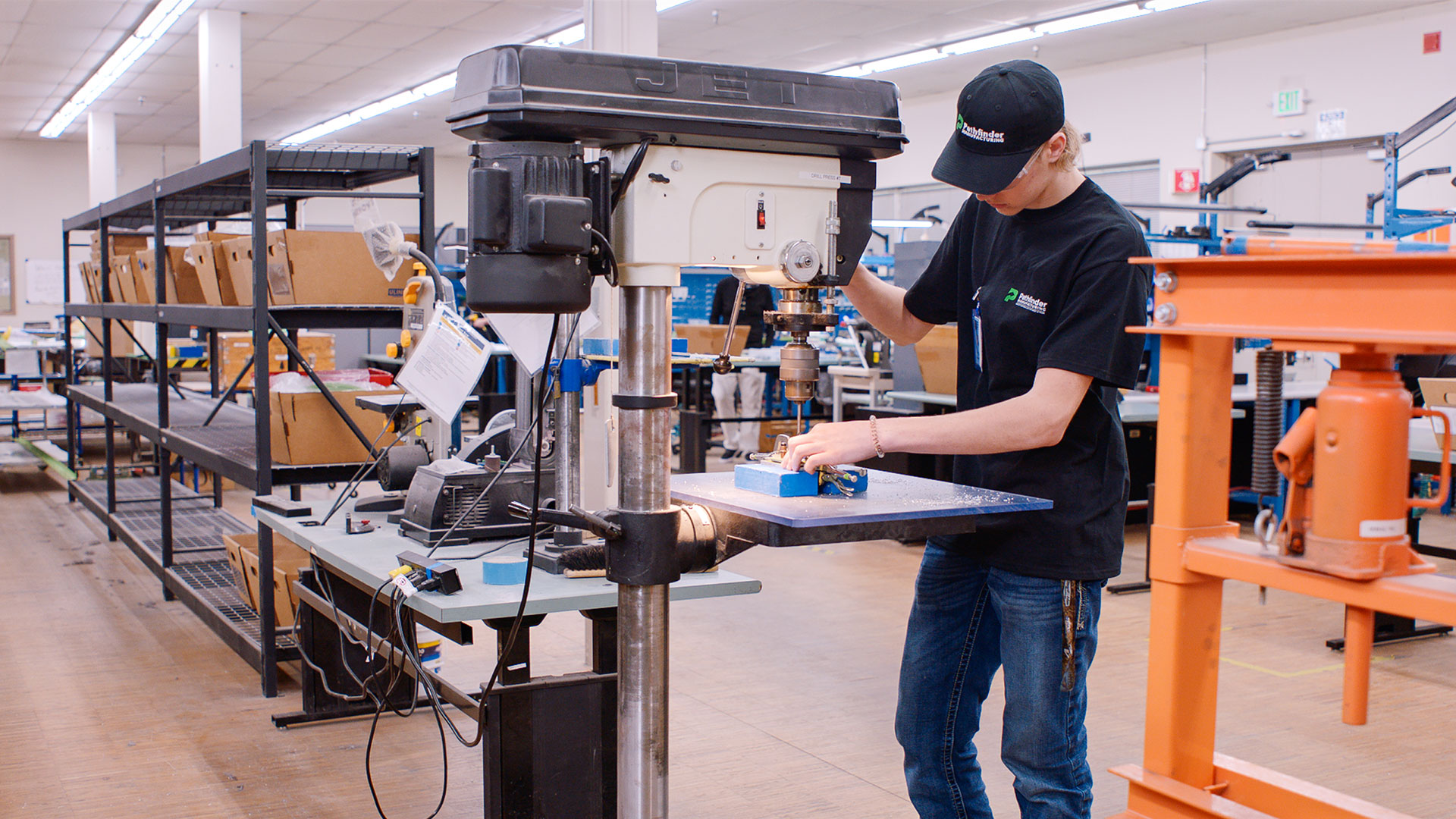
Wuxi Lead Precision Machinery delivers advanced sheet metal fabrication solutions tailored for high-precision industrial applications. Our technical capabilities are engineered to meet the rigorous demands of fabrication companies in the USA, combining state-of-the-art machinery with disciplined quality control protocols. At the core of our production floor is the integration of 5-axis CNC machining systems, enabling complex geometries, tight tolerances, and superior surface finishes across a broad range of metal alloys.
The adoption of 5-axis CNC technology allows for simultaneous multi-directional cutting, reducing the need for part repositioning and minimizing cumulative error. This capability is particularly advantageous for fabricating intricate components used in aerospace, medical equipment, and high-end industrial machinery—sectors where dimensional accuracy and repeatability are non-negotiable. Our CNC systems are operated by certified technicians who utilize advanced CAM software to optimize toolpaths, ensuring efficient material removal and consistent part quality.
Complementing our machining excellence is a dedicated quality assurance infrastructure centered around Coordinate Measuring Machine (CMM) inspection. Every critical component undergoes comprehensive dimensional verification using Zeiss and Mitutoyo CMM systems, which provide micron-level measurement accuracy. This data-driven inspection process ensures full traceability and compliance with international standards, including ISO 9001 and AS9100. Reports generated from CMM data are available to clients upon request, supporting audit readiness and supply chain transparency.
Our facility supports a wide range of sheet metal materials, including stainless steel, aluminum, carbon steel, and specialty alloys. With automated material handling and high-speed press brakes equipped with CNC controls, we maintain throughput without compromising precision. Secondary operations such as welding, tapping, and surface treatment are performed in-house, reducing lead times and improving process control.
Tolerance management is a cornerstone of our technical performance. The following table outlines our standard and precision capability ranges across key fabrication parameters.
| Feature | Standard Capability | Precision Capability | Notes |
|---|---|---|---|
| Linear Dimension Tolerance | ±0.1 mm | ±0.025 mm | Up to 500 mm |
| Angular Tolerance | ±0.2° | ±0.1° | Applies to bent features |
| Hole Position Tolerance | ±0.1 mm | ±0.05 mm | Relative to datum |
| Surface Roughness (Ra) | 3.2 μm | 0.8 μm | Machined surfaces |
| Flatness | 0.1 mm per 100 mm | 0.05 mm per 100 mm | Measured via CMM |
| Wall Thickness Consistency | ±0.15 mm | ±0.08 mm | For formed parts |
All tolerances are validated under controlled environmental conditions and supported by first-article inspection and in-process checks. Wuxi Lead Precision Machinery remains committed to delivering fabrication excellence that aligns with the exacting standards of North American industry leaders.
Material & Finish Options
Material Selection Fundamentals for Precision Sheet Metal Fabrication
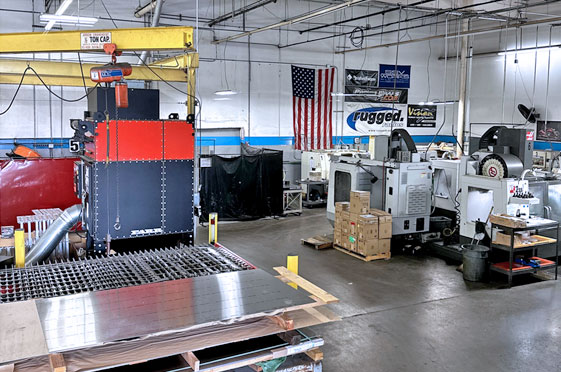
Material selection critically impacts performance, cost, and manufacturability in sheet metal fabrication. For US-based fabrication companies serving demanding sectors like aerospace, medical, and defense, understanding the nuances of aluminum, steel, and titanium is non-negotiable. The right choice ensures components meet stringent precision tolerances, environmental resistance, and lifecycle requirements while optimizing production efficiency. Wuxi Lead Precision Machinery leverages extensive experience with these core materials to support your complex projects.
Aluminum alloys, particularly 6061-T6, offer an exceptional strength-to-weight ratio and excellent corrosion resistance, making them ideal for structural frames, enclosures, and transportation components. Its machinability and weldability streamline fabrication. Stainless steel variants like 304/304L provide superior durability, high-temperature resistance, and essential corrosion protection for medical devices, food processing equipment, and architectural applications where hygiene and longevity are paramount. Titanium Grade 2, while significantly higher cost, delivers unmatched strength-to-weight performance and extreme corrosion resistance in highly aggressive environments, critical for aerospace components and marine hardware. Its challenging machinability necessitates specialized tooling and processes.
Surface finishing, especially anodizing for aluminum, is integral to functional performance and aesthetics. Type II (Sulfuric Acid) anodizing provides good corrosion resistance and a base for dyeing, suitable for consumer and general industrial parts. Type III (Hardcoat) anodizing creates a much thicker, denser, and harder ceramic layer, offering superior wear resistance, electrical insulation, and enhanced corrosion protection essential for aerospace, military, and high-wear mechanical components. Precise control of voltage, temperature, and electrolyte concentration during anodizing is vital to achieve consistent, specification-compliant results. US fabricators must specify exact anodizing class (e.g., MIL-A-8625 Type II Class 1A or Type III Class 1) to meet end-client requirements.
The following table summarizes key mechanical properties for common sheet metal fabrication alloys:
| Material & Grade | Tensile Strength (MPa) | Yield Strength (MPa) | Elongation (%) | Primary Applications |
|---|---|---|---|---|
| Aluminum 6061-T6 | 310 | 276 | 12 | Structural frames, enclosures, transportation |
| Stainless Steel 304/304L | 515 | 205 | 40 | Medical devices, food processing, architectural |
| Titanium Grade 2 | 448 | 345 | 20 | Aerospace components, marine hardware, chemical |
Material choice directly influences tool wear, laser cutting parameters, bending allowances, and welding procedures. Supply chain volatility for certain alloys necessitates proactive planning. Wuxi Lead Precision Machinery maintains rigorous quality control on certified materials and offers engineering collaboration to optimize material selection and finishing processes for your specific application, ensuring seamless integration into your US-based fabrication workflow and reducing total project risk. Partnering with a supplier experienced in these critical materials mitigates production delays and ensures final part integrity.
Manufacturing Process & QC
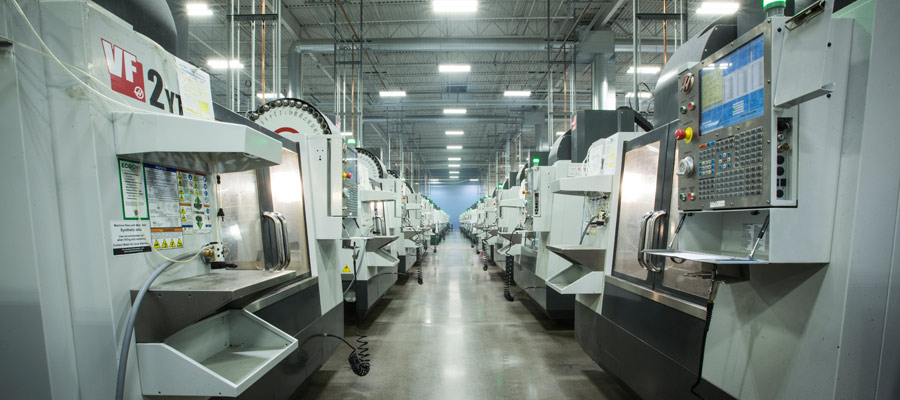
The sheet metal fabrication process at Wuxi Lead Precision Machinery follows a disciplined, high-integrity workflow designed to meet the exacting standards of advanced manufacturing clients across the United States. Our approach integrates precision engineering, iterative validation, and scalable production systems to deliver zero-defect components consistently. The process begins with Design, transitions through Prototyping, and culminates in Mass Production—each phase governed by strict quality controls and data-driven verification.
Design is the foundation of reliable fabrication. Our engineering team collaborates closely with client specifications, utilizing advanced CAD/CAM software to model components with micron-level accuracy. Finite element analysis (FEA) and design for manufacturability (DFM) reviews are conducted to optimize material usage, structural integrity, and assembly compatibility. This ensures that every design is not only functionally sound but also production-ready, minimizing downstream risks. All design data is version-controlled and shared securely with clients for approval before advancing to the next stage.
Prototyping follows design validation and serves as a critical physical verification step. We produce functional prototypes using the same tooling and materials intended for mass production, enabling accurate performance assessment. These prototypes undergo rigorous in-house testing, including dimensional inspection via coordinate measuring machines (CMM), material hardness checks, and fitment trials. Client feedback is incorporated at this stage, allowing for rapid iteration without impacting the production timeline. This phase reduces the risk of costly revisions during high-volume runs and confirms process capability under real-world conditions.
Mass Production is executed on fully synchronized CNC fabrication lines, where automation ensures repeatability and throughput. Our facility employs high-speed laser cutting, precision press brakes with CNC backgauges, and automated bending cells to maintain tight tolerances across thousands of parts. Every production batch is monitored using statistical process control (SPC), with real-time data logging for traceability. Final inspection includes 100% visual checks and random sampling against AQL 1.0 standards. Non-conforming parts are immediately quarantined, and root cause analysis is performed to prevent recurrence—ensuring a zero-defect output.
The following table outlines key process specifications maintained throughout production:
| Parameter | Capability | Tolerance Range |
|---|---|---|
| Laser Cutting Thickness | 0.5 mm – 25 mm (steel) | ±0.1 mm |
| Punching Accuracy | Up to 600 hits/min | ±0.05 mm |
| CNC Bending | Up to 1000 kN force | ±0.2° angular tolerance |
| Welding Processes | TIG, MIG, Spot | Per AWS D1.1 |
| Surface Roughness (Ra) | As low as 0.8 µm | Depending on finish |
| Dimensional Inspection | CMM, Optical Comparator, Go/No-Go Gauges | ISO 2768-mK compliant |
This end-to-end process structure enables Wuxi Lead to support U.S. fabrication companies with reliable, scalable, and defect-free sheet metal solutions—bridging global manufacturing efficiency with domestic quality expectations.
Why Choose Wuxi Lead Precision
Partner with Lead Precision: Your Strategic Sheet Metal Fabrication Partner
For U.S. fabrication companies navigating volatile supply chains and rising operational costs, securing a reliable offshore manufacturing partner is no longer optional—it’s strategic. Wuxi Lead Precision Machinery delivers precision sheet metal solutions engineered to integrate seamlessly into your production workflow, eliminating delays and quality inconsistencies that erode profitability. Based in China with ISO 9001-certified facilities and deep expertise in American engineering standards, we bridge the gap between global cost efficiency and uncompromising quality. Our U.S.-dedicated team ensures real-time collaboration, rigorous quality control at every stage, and on-time delivery—proven by 98.7% on-time shipment rates for North American clients.
We specialize in high-complexity sheet metal fabrication for aerospace, medical, and industrial equipment sectors, where tolerances matter and compliance is non-negotiable. Unlike generic overseas suppliers, Lead Precision invests in U.S.-centric infrastructure: dedicated project managers fluent in English, 24/7 bilingual engineering support, and cloud-based production tracking accessible from your desktop. This eliminates time-zone barriers and provides full transparency—from raw material certification to final inspection reports. Our advanced CNC ecosystem handles everything from rapid prototyping to high-volume runs, with zero hidden costs or communication gaps.
Critical technical capabilities are standardized to exceed U.S. industry expectations. Below are core specifications driving our clients’ operational resilience:
| Process | Maximum Capacity | Tolerance Range | Material Range | Key Certifications |
|---|---|---|---|---|
| Fiber Laser Cutting | 4000W | ±0.1 mm | 0.5–25 mm Steel | ISO 9001, ASTM A36 |
| CNC Press Brake | 300T | ±0.5° | 0.8–12 mm Aluminum | ISO 13920, EN 1090 |
| Automated Welding | Robotic MIG/TIG | ±0.2 mm | Stainless up to 10 mm | AWS D1.1, ASME BPVC |
| Finishing | Powder Coating | MIL-STD-810G | Anodizing Class I/II | RoHS, REACH |
Partnering with Lead Precision means embedding a proactive extension of your engineering team—not just a vendor. We conduct pre-production DFM analysis to optimize your designs for manufacturability, reducing material waste by up to 22% while accelerating time-to-market. Our U.S. logistics partners ensure seamless customs clearance and door-to-door delivery within 15 days for standard orders, with JIT scheduling aligned to your production line.
The U.S. fabrication market demands agility and precision. Stop compromising between cost and control. Contact our U.S. client solutions team today to audit your current supply chain vulnerabilities and receive a customized capacity assessment. Email [email protected] with your project specifications and volume requirements. We respond within 4 business hours with actionable insights—not generic proposals. Secure your competitive edge with a partner built for American manufacturing excellence.
[email protected]
Engineered in China. Trusted by U.S. Fabricators Since 2008.
⚙️ Precision Cost Estimator
Estimate relative manufacturing effort based on tolerance.