

Technical Contents
Engineering Guide: Fabrication Aluminium
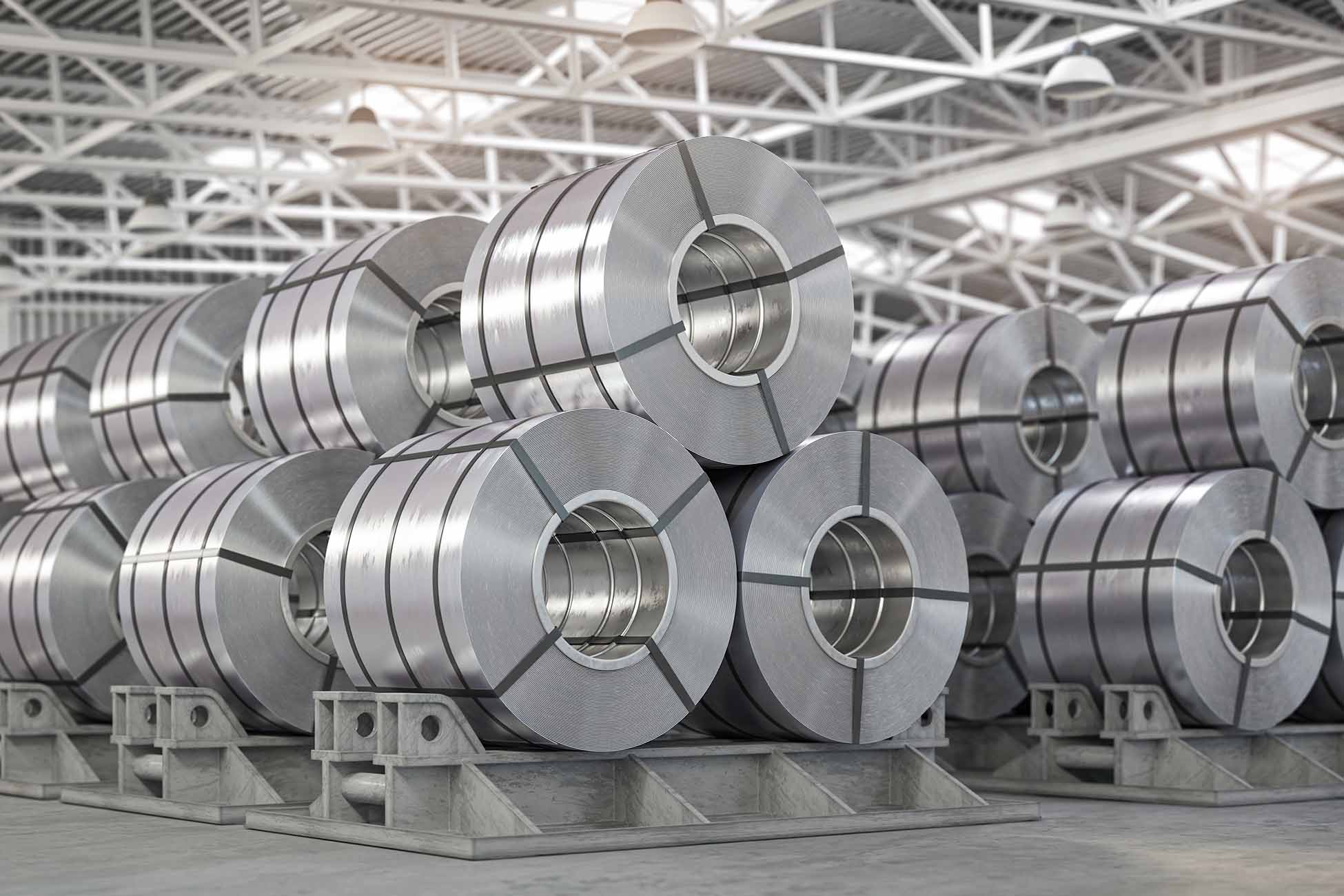
Engineering Insight: Precision in Aluminum Fabrication
Aluminum fabrication demands exceptional precision due to the material’s inherent properties and the critical applications it serves. While prized for its strength-to-weight ratio, corrosion resistance, and thermal conductivity, aluminum presents unique challenges. Its relative softness compared to steel increases susceptibility to tool chatter, burring, and deformation during cutting, bending, and forming. Thermal expansion coefficients significantly impact dimensional stability, especially during welding or in environments with fluctuating temperatures. Microstructural variations between alloys and tempers further complicate consistent results. Without stringent control over tolerances, toolpaths, fixturing, and process parameters, even minor deviations cascade into assembly failures, compromised structural integrity, or accelerated fatigue in final products. This precision is non-negotiable for sectors like aerospace, defense, and high-end medical equipment where performance and safety margins are absolute.
Wuxi Lead Precision Machinery operates at the pinnacle of aluminum sheet metal fabrication, where tolerances are measured in hundredths of a millimeter, not tenths. Our engineering discipline is forged through decades of delivering mission-critical components. We have supplied precision-fabricated aluminum structural elements for Olympic venue infrastructure, where aesthetic perfection and structural reliability under immense public scrutiny were paramount. More significantly, our processes meet the rigorous demands of military-grade specifications, producing components where failure is not an option. This experience translates into a systematic approach: advanced CNC laser cutting and bending cells with real-time feedback, proprietary clamping solutions to prevent distortion, comprehensive in-process metrology using CMMs and optical comparators, and metallurgical expertise to select optimal alloys and tempers like 6061-T6 or 7075-T6 for specific functional requirements. We understand that true precision in aluminum extends beyond the blueprint; it encompasses material traceability, environmental control during processing, and meticulous post-fabrication inspection.
The following table outlines key precision parameters achievable for aluminum sheet fabrication at Lead Precision, reflecting our commitment to exceeding standard industry capabilities:
| Parameter | Standard Capability | High-Precision Capability | Critical Application Capability |
|---|---|---|---|
| Thickness Range | 0.5mm – 6.0mm | 0.3mm – 8.0mm | 0.3mm – 6.0mm |
| Cutting Tolerance | ±0.10mm | ±0.05mm | ±0.02mm |
| Bending Tolerance | ±0.2° / ±0.1mm | ±0.1° / ±0.05mm | ±0.05° / ±0.02mm |
| Hole Position | ±0.15mm | ±0.10mm | ±0.03mm |
| Surface Roughness | Ra 3.2µm | Ra 1.6µm | Ra 0.8µm |
| Weld Distortion | < 0.5mm/m | < 0.3mm/m | < 0.1mm/m |
This level of control ensures seamless integration, optimal performance, and extended service life for your most demanding aluminum assemblies. Partnering with Lead Precision means your fabrication tolerances are engineered, not estimated, delivering components that meet the uncompromising standards of global high-tech industries. Precision isn’t our claim; it’s our proven operational reality.
Precision Specs & Tolerances
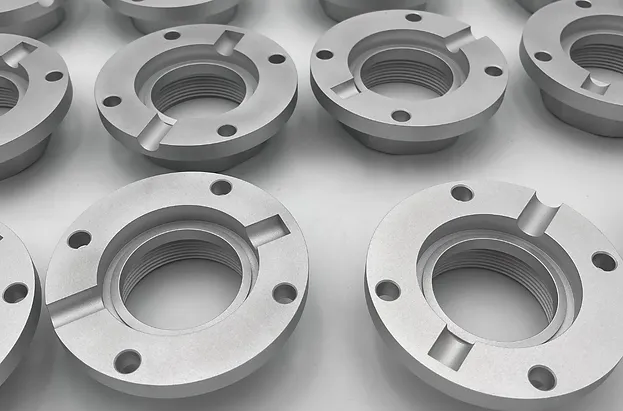
Wuxi Lead Precision Machinery delivers advanced sheet metal fabrication solutions tailored for high-performance industries including aerospace, automotive, medical, and industrial equipment. Our technical capabilities in aluminum fabrication are built upon state-of-the-art infrastructure, precision engineering, and rigorous quality assurance protocols. Specializing in complex geometries and tight-tolerance components, we leverage 5-axis CNC machining technology to achieve superior accuracy and surface finish across a wide range of aluminum alloys, including 6061, 7075, and 5052.
The integration of 5-axis CNC machining centers enables simultaneous multi-directional cutting, allowing for the production of highly intricate aluminum parts in a single setup. This reduces cumulative error, improves dimensional consistency, and minimizes lead times. Our machining platforms are equipped with high-speed spindles, automated tool changers, and real-time monitoring systems to ensure process stability and repeatability. These capabilities are particularly critical when fabricating lightweight structural components, heat sinks, enclosures, and custom housings where precision and reliability are paramount.
Complementing our machining excellence is a comprehensive quality control system anchored by Coordinate Measuring Machine (CMM) inspection. Every fabricated aluminum component undergoes strict metrological verification to confirm compliance with design specifications. Our CMM systems provide micron-level measurement accuracy, enabling full geometric dimensioning and tolerance (GD&T) analysis. This data-driven inspection process ensures traceability and supports continuous process improvement across production batches.
In addition to 5-axis CNC machining, our sheet metal fabrication services include precision laser cutting, CNC bending, welding, and surface treatment options such as anodizing and powder coating. These integrated processes are managed under ISO 9001-certified procedures, ensuring consistent quality from raw material to final shipment. Our engineering team collaborates closely with clients during the design-for-manufacturability (DFM) phase to optimize part geometry, material utilization, and production efficiency.
The following table outlines the standard technical tolerances achievable in our aluminum fabrication processes:
| Process | Dimensional Tolerance | Angular Tolerance | Feature Position Tolerance | Surface Finish (Ra) |
|---|---|---|---|---|
| 5-Axis CNC Machining | ±0.005 mm | ±0.1° | ±0.01 mm | 0.8 – 3.2 µm |
| Laser Cutting (Sheet) | ±0.1 mm | ±0.2° | ±0.15 mm | 6.3 – 12.5 µm |
| CNC Bending | ±0.2 mm | ±0.5° | ±0.2 mm | N/A |
| CMM Inspection Accuracy | ±0.003 mm (repeatability) | — | — | — |
All tolerances are maintained under controlled environmental conditions and verified through calibrated instrumentation. Wuxi Lead Precision Machinery is committed to delivering aluminum fabrications that meet the most stringent technical and quality requirements in modern manufacturing.
Material & Finish Options
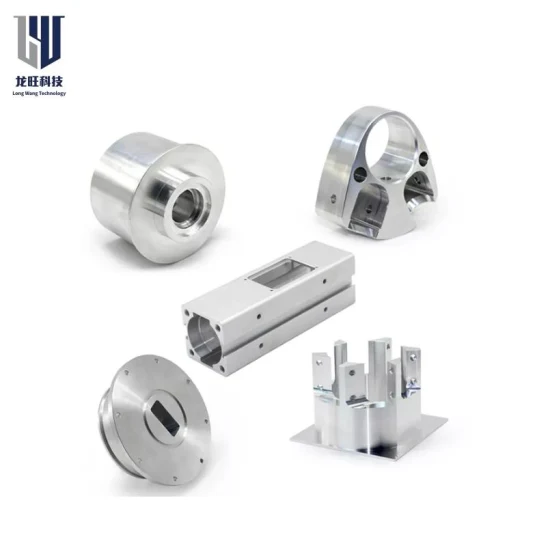
Material Selection for Precision Sheet Metal Fabrication
Selecting the optimal material is foundational to achieving performance, cost efficiency, and longevity in precision sheet metal components. Aluminum alloys dominate high-value applications demanding an exceptional strength-to-weight ratio, corrosion resistance, and machinability. While steel offers higher absolute strength and titanium provides superior performance in extreme environments, aluminum remains the strategic choice for the majority of aerospace, medical, electronics, and transportation enclosures where weight savings and manufacturability are paramount. Understanding the specific properties of common alloys is critical for informed decision-making.
Aluminum 6061-T6 provides an excellent balance of weldability, machinability, and moderate strength, making it ideal for structural frames, brackets, and housings requiring post-fabrication assembly. For applications demanding higher strength, such as critical aerospace fittings or high-stress robotic components, 7075-T6 is preferred, though its lower corrosion resistance and more challenging weldability require careful process control. Stainless steel 304/316 remains essential for parts requiring maximum corrosion resistance in harsh chemical or marine environments or elevated temperature stability, accepting the weight penalty. Titanium Ti-6Al-4V is reserved for the most demanding scenarios like aerospace primary structures or biomedical implants, where its outstanding strength-to-weight ratio and biocompatibility justify significantly higher material and processing costs.
Key material properties guide this selection process. The following table summarizes critical characteristics for common fabrication alloys:
| Material | Tensile Strength (MPa) | Yield Strength (MPa) | Corrosion Resistance | Key Applications | Machinability Rating |
|---|---|---|---|---|---|
| Aluminum 6061-T6 | 310 | 276 | Good | General frames, brackets, enclosures | Excellent |
| Aluminum 7075-T6 | 572 | 503 | Fair | High-stress aerospace, tooling | Good |
| Stainless 304 | 515 | 205 | Excellent | Food processing, marine hardware | Fair |
| Titanium Ti-6Al-4V | 900 | 830 | Excellent | Aerospace, biomedical implants | Poor |
Surface finish is not merely aesthetic; it directly impacts functional performance and lifespan. Anodizing is the premier surface treatment for aluminum components, significantly enhancing wear resistance, corrosion protection, and electrical insulation. Type II (Sulfuric Acid) anodizing provides a standard decorative and protective layer, suitable for many enclosures and consumer products. For mission-critical applications requiring maximum durability—such as aerospace components, military hardware, or high-wear industrial parts—Type III (Hardcoat) anodizing is essential. This process creates a much thicker, harder, and more abrasion-resistant ceramic oxide layer, capable of withstanding severe operational stresses and extending component service life dramatically. Precise control of anodizing parameters like voltage, temperature, and bath chemistry is vital to achieve consistent, high-integrity finishes meeting stringent industry specifications like MIL-A-8625.
Material and finish selection must align precisely with the component’s functional requirements, environmental exposure, and lifecycle costs. Wuxi Lead Precision Machinery leverages deep metallurgical expertise and advanced process control to guide clients through this critical decision matrix. Our engineering team collaborates closely with your design and procurement specialists to ensure the chosen aluminum alloy and surface treatment—particularly the optimal anodizing specification—deliver the required performance, reliability, and value for your specific application. Consult our technical specialists early in the design phase to optimize material utilization and fabrication strategy.
Manufacturing Process & QC
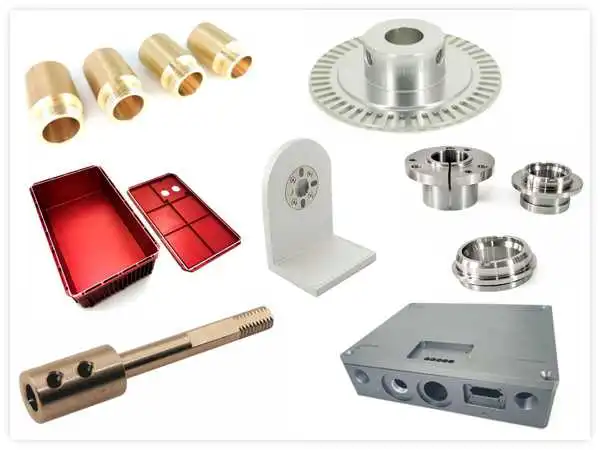
Design: Precision Engineering at the Foundation
At Wuxi Lead Precision Machinery, the fabrication of aluminum sheet components begins with a rigorous design phase grounded in engineering excellence. Our team collaborates closely with clients to translate conceptual requirements into manufacturable, high-integrity designs. Utilizing advanced CAD platforms such as SolidWorks and Autodesk Inventor, we develop 3D models that incorporate precise geometric tolerances, material behavior analysis, and manufacturability assessments. Finite Element Analysis (FEA) is applied to predict structural performance under load, thermal variation, and vibration, ensuring the design meets functional and safety standards. Design for Manufacturability (DFM) reviews are conducted internally to eliminate inefficiencies, reduce assembly complexity, and optimize material utilization—critical for cost-effective, high-volume aluminum fabrication. All design data is version-controlled and stored in a secure PLM system to ensure traceability and consistency across the production lifecycle.
Prototyping: Validating Performance Before Scale
Once the design is finalized, we proceed to low-volume prototyping to validate form, fit, and function. Our in-house CNC machining and laser cutting centers enable rapid production of high-fidelity aluminum prototypes within 5–7 working days. These prototypes are subjected to a comprehensive inspection regime using coordinate measuring machines (CMM), optical comparators, and surface roughness testers. Dimensional accuracy is verified against GD&T specifications, with deviations reported and corrected before progression. Functional testing—including thermal cycling, mechanical load simulation, and fit checks with mating components—ensures the prototype performs as intended in real-world conditions. Client feedback is integrated at this stage, allowing for final design refinements. This iterative process minimizes risk and ensures that the transition to mass production is seamless and defect-free.
Mass Production: Zero-Defect Manufacturing Execution
With prototype approval, Wuxi Lead initiates mass production under a Zero Defects manufacturing philosophy. Our automated sheet metal lines employ laser cutting, CNC turret punching, precision bending, and robotic welding systems, all calibrated for aluminum’s unique thermal and mechanical properties. Each production batch is governed by a documented Quality Control Plan aligned with ISO 9001 and IATF 16949 standards. In-process inspections occur at critical control points, including material incoming checks, post-cut dimension verification, bend angle validation, and final assembly inspection. Statistical Process Control (SPC) monitors key variables in real time, enabling immediate correction of process drift. All finished components undergo 100% visual inspection and selective destructive testing for weld integrity and coating adhesion.
Typical Aluminum Fabrication Specifications
| Parameter | Specification |
|---|---|
| Material Grades | 5052, 6061, 6063, 7075 |
| Sheet Thickness Range | 0.5 mm – 6.0 mm |
| Tolerance (Cutting) | ±0.1 mm |
| Tolerance (Bending) | ±0.2° |
| Surface Finish Options | Mill finish, anodized, powder coated, brushed |
| Max Part Size | 1500 mm × 3000 mm |
| Production Capacity | Up to 50,000 units/month |
Through integrated design validation, precision prototyping, and disciplined mass production, Wuxi Lead ensures every aluminum component meets the highest standards of quality, reliability, and performance.
Why Choose Wuxi Lead Precision
Partner with Lead Precision for Uncompromising Aluminum Fabrication Excellence
Aluminum fabrication demands precision engineering beyond standard sheet metal processing. At Wuxi Lead Precision Machinery, we specialize in transforming complex aluminum designs into mission-critical components for aerospace, medical, and advanced industrial applications. Our 15-year legacy in Chinese manufacturing is built on a zero-defect culture and deep material science expertise, ensuring your aluminum parts meet stringent geometric tolerancing and structural integrity requirements. We understand the unique challenges of aluminum—its thermal sensitivity, springback characteristics, and surface finish demands—and deploy proprietary process controls to eliminate variability.
Our integrated facility in Wuxi operates under ISO 9001:2015 and IATF 16949 standards, housing next-generation equipment calibrated specifically for aluminum alloys. Unlike generalist fabricators, we prioritize material preservation through optimized kerf management in laser cutting and stress-relieved bending sequences. This approach minimizes micro-fractures and maintains the metallurgical properties essential for high-performance applications. Every project undergoes rigorous first-article inspection using Zeiss CMM technology, with full traceability from raw material certification to final assembly.
Technical Capabilities for Aluminum Fabrication
| Capability | Specification | Application Impact |
|---|---|---|
| Laser Cutting | Fiber laser: 0.5–6mm thickness | Burr-free edges; ±0.05mm positional accuracy |
| CNC Machining | 5-axis milling; ±0.005mm tolerance | Complex geometries without secondary ops |
| Precision Bending | 200T press brake; ±0.1° angular | Consistent radii on thin-wall components |
| Surface Treatment | Anodizing (Type II/III), powder coat | Corrosion resistance per MIL-A-8625 |
| Quality Assurance | Real-time SPC monitoring; 100% CMM | Zero non-conformance in aerospace batches |
Partnering with Lead Precision means gaining a technical extension of your engineering team. We collaborate during DFM stages to optimize manufacturability—reducing material waste by up to 22% while accelerating time-to-assembly. Our supply chain integration guarantees 99.3% on-time delivery for JIT programs, with dedicated project managers providing digital twin updates at every production milestone. For prototypes through high-volume runs, we maintain consistent quality through automated process validation, eliminating the ramp-up delays common with offshore vendors.
When your aluminum components require absolute dimensional stability under thermal cycling or load-bearing stress, trust our engineered solutions. We don’t just fabricate parts; we solve the hidden challenges that compromise performance in demanding environments. Initiate your precision workflow with a technical consultation today. Contact our engineering sales team at [email protected] to submit drawings for a rapid feasibility analysis and formal quotation. Let Wuxi Lead Precision Machinery become your certified partner for aluminum fabrication where excellence is non-negotiable.
⚙️ Precision Cost Estimator
Estimate relative manufacturing effort based on tolerance.