

Technical Contents
Engineering Guide: Electronic Equipment Enclosures
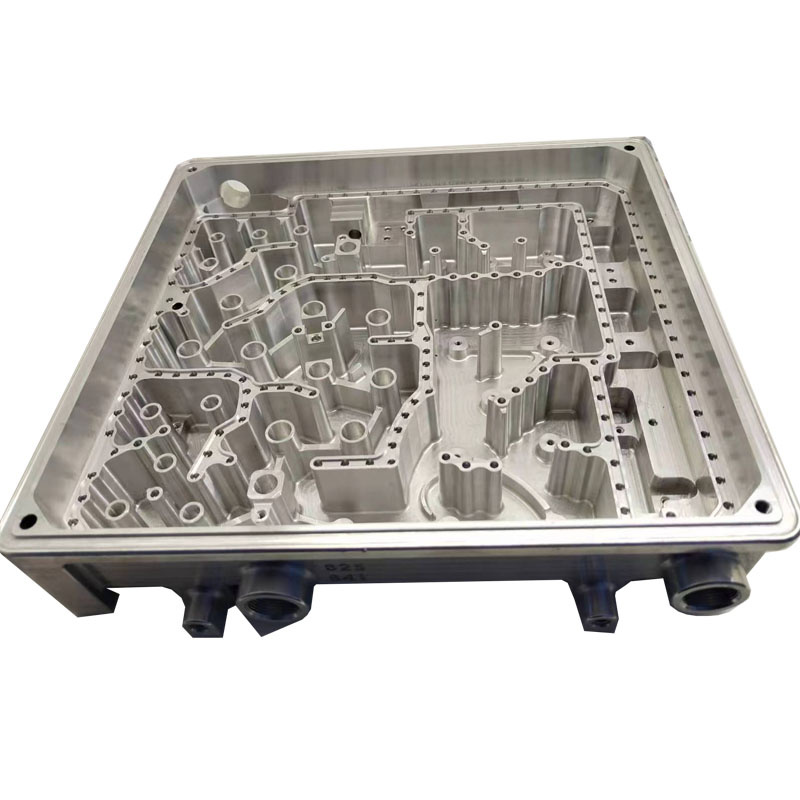
Engineering Insight Precision as the Non-Negotiable Foundation for Electronic Equipment Enclosures
Precision in electronic equipment enclosure manufacturing transcends mere dimensional accuracy; it is the critical enabler of electromagnetic compatibility, thermal management, structural integrity, and long-term operational reliability. In high-stakes applications—from telecommunications infrastructure to medical imaging systems and defense electronics—even micron-level deviations can compromise shielding effectiveness, cause component overheating, or introduce mechanical stress leading to premature failure. At Wuxi Lead Precision Machinery, we understand that the enclosure is not merely a protective shell but an integral, active component of the electronic system itself. Achieving the required tolerances consistently demands advanced CNC capabilities, rigorous material science understanding, and an uncompromising quality culture embedded in every process step.
Our commitment to precision is validated through demanding real-world applications. We have engineered and produced mission-critical enclosures for infrastructure supporting the Beijing Winter Olympics, where environmental resilience and absolute signal integrity were paramount under extreme conditions. Furthermore, our facility holds certifications and a proven track record supplying complex shielding solutions to stringent military specifications for the People’s Liberation Army, where failure is not an option. These projects demanded and achieved tolerances far exceeding standard commercial requirements, particularly in flatness, perpendicularity, and EMI/RFI shielding continuity across seams and apertures. This experience directly informs our approach to every client project, ensuring robust, interference-free performance in the most challenging operational environments.
The technical foundation for this precision lies in our integrated manufacturing ecosystem. Utilizing state-of-the-art 5-axis CNC machining centers with sub-micron repeatability, combined with in-house coordinate measuring machines (CMM) and laser trackers for real-time verification, we control the entire production flow. Material selection—from specialized aluminum alloys to stainless steels and conductive composites—is meticulously matched to the thermal, shielding, and environmental demands of the application. Critical features like mating surfaces, mounting points, and ventilation patterns are machined in single setups to eliminate cumulative error, ensuring perfect alignment and optimal shielding effectiveness upon assembly. This level of control directly translates to reduced field failures, simplified system integration, and extended product lifecycles for our clients.
The following table illustrates key precision parameters where Wuxi Lead consistently exceeds industry benchmarks:
| Parameter | Typical Industry Standard | Wuxi Lead Precision Capability |
|---|---|---|
| Flatness (per m²) | ±0.15 mm | ±0.03 mm |
| Perpendicularity | ±0.10 mm | ±0.02 mm |
| Hole Position Tolerance | ±0.05 mm | ±0.01 mm |
| EMI Shielding Effectiveness (1-10 GHz) | 60-80 dB | 85-100+ dB (Military Grade) |
| Surface Roughness (Ra) | 1.6 µm | 0.4 µm (Critical Seams) |
This demonstrable precision engineering capability, forged in Olympic and military programs, ensures your electronic equipment enclosures perform reliably as the vital protective and functional boundary they must be. Partnering with Lead Precision means your design integrity is preserved from blueprint to operational deployment, safeguarding your core technology investment.
Precision Specs & Tolerances
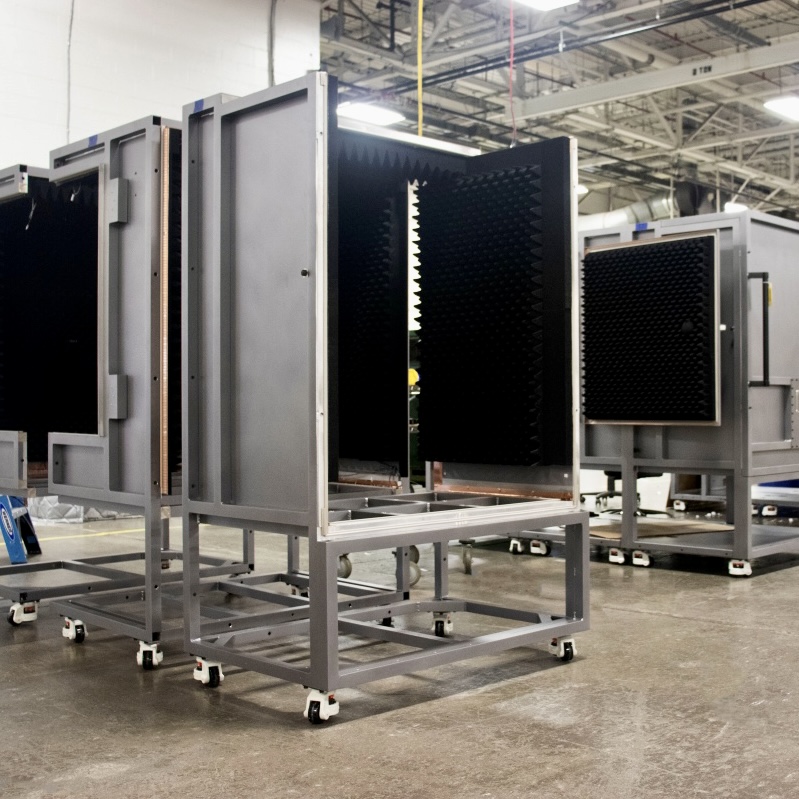
Wuxi Lead Precision Machinery delivers advanced manufacturing solutions tailored to the demanding requirements of electronic equipment enclosures. Our technical capabilities are built around precision engineering, high-performance machinery, and rigorous quality assurance protocols. As a trusted partner in custom metal manufacturing, we specialize in producing complex, high-integrity enclosures that meet the exacting standards of the electronics, industrial automation, and telecommunications sectors.
At the core of our production capability is our 5-axis CNC machining technology. This advanced system enables us to execute multi-directional cutting with exceptional accuracy, allowing for the fabrication of intricate geometries and tight-tolerance features in a single setup. The integration of 5-axis machining reduces part handling, minimizes cumulative errors, and significantly improves surface finish and dimensional consistency. Whether working with aluminum, stainless steel, or other engineered alloys, our CNC centers ensure repeatability and precision across both prototyping and high-volume production runs.
Material selection and structural integrity are critical in electronic enclosure design, where EMI shielding, thermal management, and mechanical protection are paramount. Our engineering team collaborates closely with clients to optimize designs for manufacturability, ensuring that every component meets functional and regulatory requirements. We support full in-house programming, tooling, and fixturing, enabling rapid turnaround and seamless scalability from concept to delivery.
Quality control is embedded at every stage of production. All critical dimensions and geometric features are verified using state-of-the-art Coordinate Measuring Machines (CMM). These high-precision inspection systems provide traceable, three-dimensional measurement data, ensuring compliance with ISO and customer-specific standards. Our CMM inspection process is fully documented, offering complete transparency and certification for each production batch.
We maintain strict environmental and operational controls within our facility to support consistent output quality. Our quality management system is aligned with ISO 9001 standards, and we adhere to rigorous in-process and final inspection protocols to guarantee that every enclosure performs reliably in its intended application.
The following table outlines our standard machining tolerances and inspection capabilities:
| Feature | Standard Tolerance | Precision Capability | Measurement Method |
|---|---|---|---|
| Linear Dimensions | ±0.05 mm | ±0.01 mm | CMM, Micrometers |
| Hole Diameter | ±0.03 mm | ±0.01 mm | CMM, Pin Gauges |
| Positional Tolerance | ±0.05 mm | ±0.02 mm | CMM |
| Surface Finish (Ra) | 3.2 μm | 0.8 μm | Surface Roughness Tester |
| Angular Features | ±0.1° | ±0.05° | CMM, Optical Comparator |
| Flatness | 0.05 mm per 100 mm | 0.02 mm per 100 mm | CMM, Surface Plate |
Our technical capabilities are designed to meet the evolving challenges of modern electronic enclosure manufacturing. With 5-axis CNC machining, comprehensive CMM inspection, and a commitment to precision, Wuxi Lead Precision Machinery ensures every product exceeds performance expectations.
Material & Finish Options
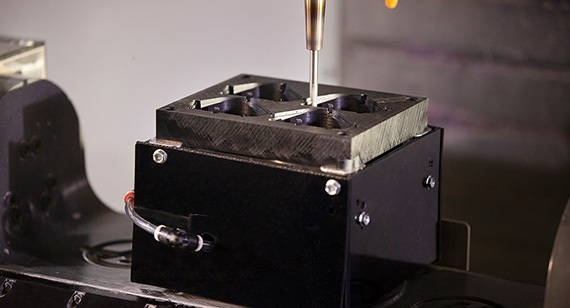
Material Selection for High-Performance Electronic Equipment Enclosures
Selecting the optimal material for electronic equipment enclosures is a critical engineering decision directly impacting performance, longevity, and total cost of ownership. At Wuxi Lead Precision Machinery, our CNC manufacturing expertise ensures your chosen material is transformed into a precision enclosure meeting exacting functional and environmental demands. Understanding the distinct properties of aluminum, steel, and titanium, alongside appropriate finishing like anodizing, is paramount for application success.
Aluminum alloys, particularly 6061-T6 and 7075-T6, are the predominant choice for demanding electronic enclosures. Their high strength-to-weight ratio significantly reduces overall system mass, crucial for portable or aerospace applications. Aluminum offers excellent thermal conductivity, aiding heat dissipation from internal components, and inherently good corrosion resistance, especially when enhanced by finishing. Its superior machinability allows for complex geometries and tight tolerances achievable through our advanced CNC milling and turning processes, making it ideal for high-volume production where weight and thermal management are priorities.
Steel, primarily stainless grades like 304 and 316, delivers unmatched structural strength and rigidity for enclosures requiring maximum durability in harsh industrial or outdoor environments. Its superior resistance to physical impact and deformation protects sensitive electronics under extreme mechanical stress. While heavier than aluminum, stainless steel provides exceptional corrosion resistance, particularly 316 in marine or chemical-exposed settings. Machining steel requires robust tooling and processes, which our facility is equipped to handle, ensuring precise features despite the material’s hardness. Steel is the preferred solution when ultimate strength and ruggedness outweigh weight considerations.
Titanium alloys represent the premium solution for the most extreme applications, such as deep-sea, aerospace, or highly corrosive chemical processing environments. Offering the highest strength-to-weight ratio among the three and unparalleled corrosion resistance across virtually all media, titanium ensures enclosure integrity where failure is not an option. Its biocompatibility also suits medical electronics. However, titanium’s significantly higher material cost and challenging machinability demand specialized CNC expertise and processes, impacting lead times and unit cost. Its use is justified only when the operational environment necessitates its unique properties.
Surface finishing, particularly for aluminum, is non-negotiable for performance and longevity. Anodizing creates a hard, durable, electrically insulating oxide layer that dramatically enhances corrosion and wear resistance. Type II (sulfuric acid) anodizing provides good general protection and dyeing capability for aesthetics or identification. Type III (hardcoat) anodizing delivers maximum surface hardness and abrasion resistance for severe environments. Proper sealing of the anodized layer is critical for optimal corrosion performance. We rigorously control the anodizing process parameters to ensure consistent, high-quality finishes meeting MIL-A-8625 or equivalent standards.
Material selection requires balancing technical requirements against cost and manufacturability. The following table summarizes key comparative specifications:
| Property | Aluminum 6061-T6 | Stainless Steel 304 | Titanium Grade 5 (6Al-4V) |
|---|---|---|---|
| Density (g/cm³) | 2.70 | 8.00 | 4.43 |
| Tensile Strength (MPa) | 310 | 585 | 900 |
| Corrosion Resistance | Good (Excellent with Anodizing) | Excellent | Exceptional |
| Machinability | Excellent | Moderate | Poor |
| Relative Cost | Low | Medium | High |
Wuxi Lead Precision Machinery partners with you to navigate these complexities. Our engineering team provides material consultation, leveraging deep CNC manufacturing knowledge to recommend the optimal combination of substrate and finish, ensuring your electronic enclosure performs reliably throughout its operational life. Contact us to discuss your specific application requirements.
Manufacturing Process & QC
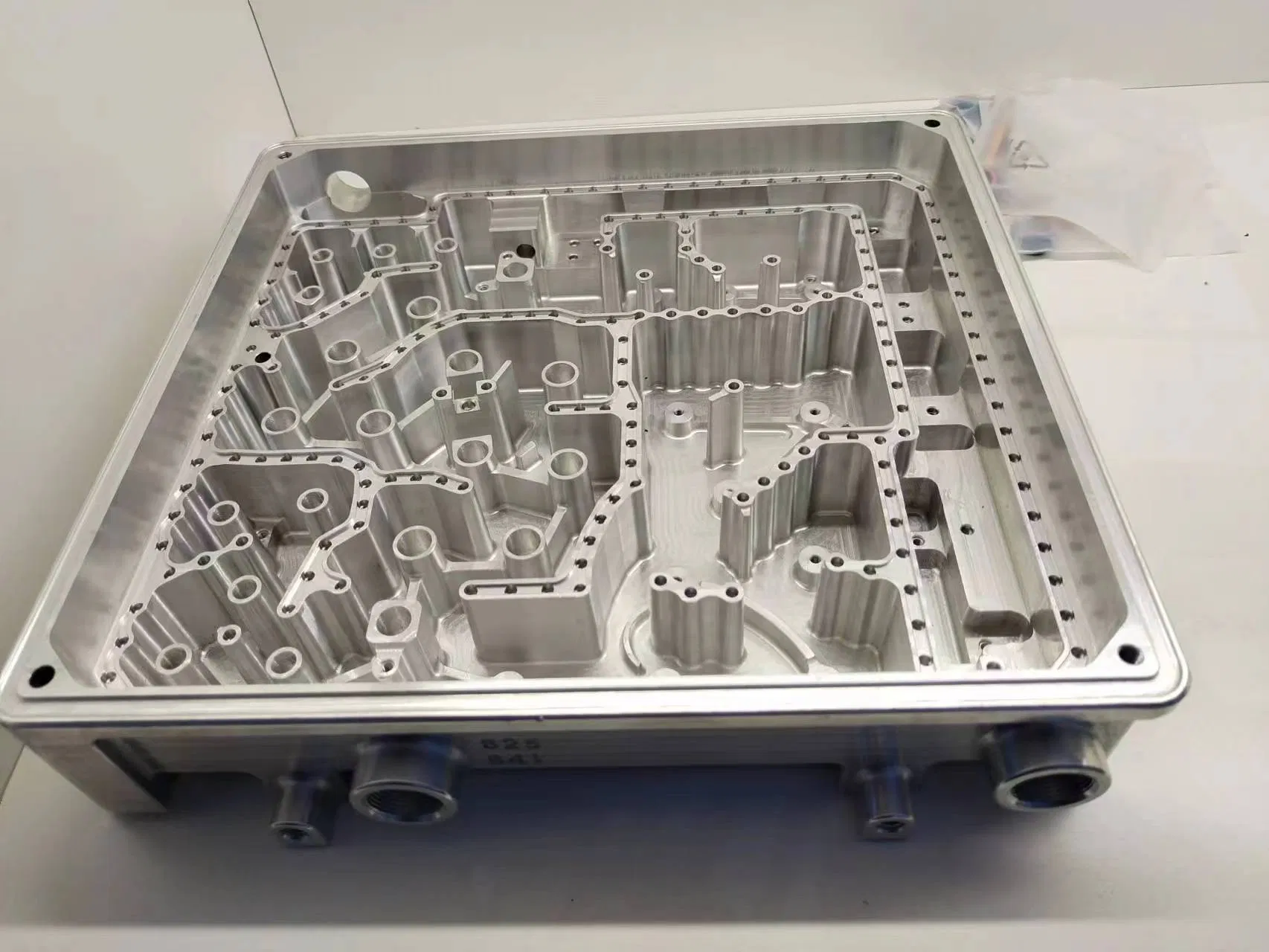
The production process for electronic equipment enclosures at Wuxi Lead Precision Machinery follows a rigorous, end-to-end workflow designed to ensure precision, reliability, and zero defects. Every stage—from initial design to mass production—is engineered with tight control protocols, advanced technology, and decades of manufacturing expertise to meet the exacting standards of high-end industrial clients.
Design begins with a collaborative consultation, where engineering teams work closely with clients to translate functional requirements into technical specifications. Utilizing 3D CAD modeling and finite element analysis (FEA), we simulate structural integrity, thermal performance, and electromagnetic shielding effectiveness. This phase includes material selection—typically aluminum alloys (e.g., 5052, 6061) or cold-rolled steel (SPCC, SECC)—based on environmental exposure, weight constraints, and shielding needs. Design for manufacturability (DFM) reviews are conducted to optimize geometry, minimize weld zones, and ensure consistent flatness and dimensional accuracy.
Prototyping follows design validation, where a fully functional sample is produced using the same tooling and processes intended for mass production. This ensures scalability and eliminates process variance. CNC machining, laser cutting, and precision bending are employed to fabricate enclosures with tolerances as tight as ±0.05 mm. Surface treatments such as anodizing, powder coating, or zinc plating are applied to meet corrosion resistance and aesthetic requirements. The prototype undergoes comprehensive testing, including fit-checks with internal components, EMI gasket compression analysis, and environmental exposure trials. Client feedback is integrated at this stage, allowing for corrective refinements before final approval.
Mass production is executed under a zero-defect manufacturing philosophy. Each production batch is governed by Statistical Process Control (SPC) and First Article Inspection Reports (FAIR). Automated inspection systems, including coordinate measuring machines (CMM) and optical comparators, verify geometric dimensions and tolerances. In-line quality checkpoints are established at every critical stage—cutting, bending, welding, and finishing—to detect and correct deviations in real time. Our ISO 9001-certified quality management system ensures full traceability, with material certifications, process logs, and inspection records maintained for every order.
Throughout the production cycle, Wuxi Lead emphasizes process consistency, operator training, and preventive maintenance of equipment. This disciplined approach enables seamless scalability from low-volume builds to high-volume runs without compromising quality.
Typical Technical Specifications for Electronic Equipment Enclosures
| Parameter | Standard Range / Value | Notes |
|---|---|---|
| Material Thickness | 0.8 – 3.0 mm | Adjustable per structural needs |
| Dimensional Tolerance | ±0.05 mm | CNC-machined features |
| Bend Tolerance | ±0.2° | For complex sheet metal forming |
| Surface Roughness (Ra) | ≤1.6 μm | Machined surfaces |
| Coating Thickness | 40 – 80 μm | Powder coating; uniform coverage |
| Flatness Tolerance | ≤0.1 mm per 100 mm | Critical for sealing surfaces |
| Weld Penetration | 80 – 100% wall thickness | Verified via macro-etch testing |
| EMI Shielding Effectiveness | ≥60 dB (30 MHz – 1 GHz) | With conductive gaskets and finishes |
This systematic progression from design to delivery ensures that every enclosure meets the highest standards of performance, durability, and precision—delivering confidence in every component produced.
Why Choose Wuxi Lead Precision
Partner with Lead Precision for Mission-Critical Electronic Enclosures
When electronic equipment enclosures fail, entire systems face catastrophic risk. Shielding integrity, thermal management, and structural precision are non-negotiable in aerospace, medical, and industrial applications. Generic off-the-shelf solutions compromise performance; your innovation demands enclosures engineered to your exact specifications. At Wuxi Lead Precision Machinery, we bridge the gap between conceptual design and flawless physical execution. Our decades of experience in high-tolerance metal fabrication ensure your enclosures meet stringent EMI/RFI shielding requirements while withstanding extreme environmental stress. We operate beyond standard manufacturing—we integrate your thermal dissipation needs, ingress protection targets, and assembly constraints into every CNC-machined or fabricated component. This is not contract manufacturing; it is collaborative engineering where your R&D team gains a strategic extension of its capabilities.
Our technical infrastructure eliminates common supply chain vulnerabilities. All critical processes—from multi-axis milling and laser cutting to precision welding and finishing—occur under one roof in our ISO 9001:2015 and IATF 16949-certified facility. This vertical integration guarantees dimensional integrity from raw material to final assembly, with real-time metrology validation at every stage. Below are core capabilities defining our electronic enclosure solutions:
| Specification | Capability Range | Industry Relevance |
|---|---|---|
| Material Expertise | Aluminum 6061-T6, 5052; Stainless Steel 304/316; Cold Rolled Steel | EMI shielding, corrosion resistance, weight optimization |
| Tolerance Control | ±0.005 mm (CNC Machining); ±0.05 mm (Fabrication) | Ensures seamless PCB integration and connector alignment |
| Surface Finishes | Anodizing (Type II/III), Powder Coating, EMI Gasket Integration | Thermal management, durability, signal integrity |
| Lead Time | 15-25 days for complex prototypes; 25-40 days for volume | Accelerates time-to-market for critical deployments |
| Certifications | ISO 9001:2015, IATF 16949, RoHS Compliant | Meets aerospace, medical, and automotive compliance |
Do not settle for enclosures that merely house electronics—demand solutions that actively enhance system reliability. Our engineering team collaborates from initial concept review through DFM optimization, providing actionable insights to reduce assembly complexity and lifecycle costs. We validate every design against MIL-STD-810G thermal cycling and IP67 ingress requirements, ensuring field performance matches simulation. When your project requires enclosures capable of protecting million-dollar equipment in hostile environments, partner with a manufacturer who treats your specifications as inviolable standards.
Contact our engineering sales team today to discuss your next-generation enclosure project. Email [email protected] with your design files or performance requirements. We will respond within 4 business hours with a detailed capability assessment and process roadmap. Let Lead Precision transform your enclosure from a passive component into a strategic asset—engineered for zero compromise.
⚙️ Precision Cost Estimator
Estimate relative manufacturing effort based on tolerance.