

Technical Contents
Engineering Guide: Electric Sheet Metal Cutter
Engineering Insight Electric Sheet Metal Cutter Precision: The Non-Negotiable Foundation
In high-volume sheet metal fabrication, the initial cut defines the entire downstream process chain. Tolerances exceeding ±0.1mm introduce cumulative errors that manifest as misaligned welds, compromised structural integrity, and costly rework during assembly. This is especially critical for aerospace components, medical enclosures, and precision electronics housings where dimensional stability directly impacts performance and safety certifications. Electric sheet metal cutters, when engineered for micron-level precision, eliminate these cascading failures. The core challenge lies not merely in achieving tight tolerances statically, but in maintaining them consistently across thousands of cycles under thermal load and material variance. Inconsistent blade alignment or frame deflection during operation creates subtle dimensional drift – invisible to the naked eye yet catastrophic for automated assembly lines. True precision demands integrated thermal compensation systems and monolithic cast frames that resist deformation, ensuring the first cut and the ten-thousandth cut are indistinguishable. This consistency directly translates to reduced scrap rates, faster secondary operations, and predictable throughput – metrics that define profitability in competitive contract manufacturing.
Wuxi Lead Precision Machinery has refined this precision philosophy through rigorous real-world validation. Our electric shear platforms were deployed for critical structural components in Beijing Winter Olympic venue construction, where sub-0.05mm flatness tolerances across large panels were mandatory for seamless architectural integration under extreme weather cycles. Similarly, military-grade electronics housings produced for defense contractors require absolute dimensional repeatability to ensure EMI shielding efficacy and mounting interface compatibility – failures here risk mission-critical system functionality. These projects demanded not just machine capability, but proven process control and traceability. Our engineering approach embeds precision at the source: high-rigidity Meehanite cast iron frames dampen vibration, closed-loop linear encoders continuously correct positioning errors below 0.01mm, and active blade gap control systems dynamically adjust for material thickness variations. This eliminates manual calibration drift, a common failure point in conventional electric shears.
The specifications below reflect our industrial-grade precision standard, validated through ISO 10791-2 testing protocols and years of mission-critical production:
| Specification | Lead Precision Standard | Industry Typical |
|---|---|---|
| Positioning Accuracy | ±0.015 mm | ±0.05 mm |
| Repeatability | ±0.005 mm | ±0.02 mm |
| Straightness Tolerance | 0.02 mm/m | 0.08 mm/m |
| Parallelism (Blade Edges) | 0.01 mm | 0.03 mm |
| Thermal Drift Compensation | Active (±0.002 mm/°C) | Passive/Mechanical |
This level of control is not theoretical. It is the operational baseline proven across 15+ years of supplying Tier-1 aerospace suppliers and defense integrators. When your sheet metal cutter guarantees dimensional truth from coil to cut part, you transform fabrication from a cost center into a strategic advantage. Contact Wuxi Lead Precision Machinery to discuss how our validated precision engineering mitigates risk and elevates your output quality.
Precision Specs & Tolerances
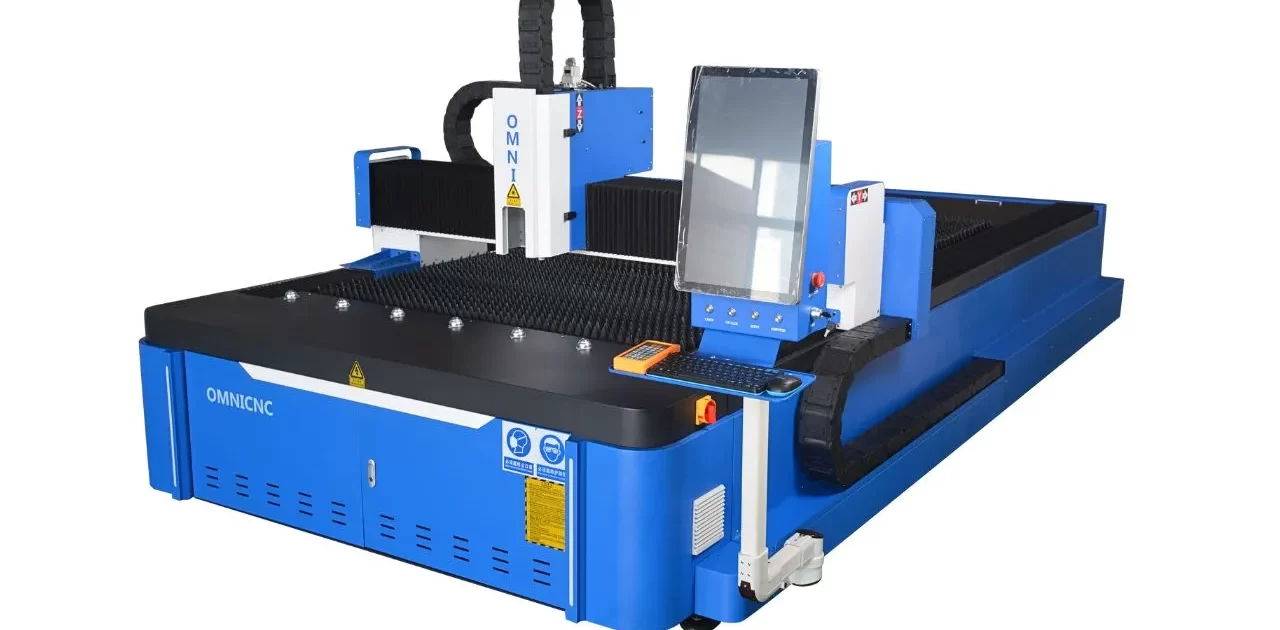
Wuxi Lead Precision Machinery delivers advanced technical capabilities in electric sheet metal cutting, leveraging state-of-the-art 5-axis CNC technology to meet the rigorous demands of high-precision industrial manufacturing. Our integrated fabrication systems enable complex geometries, tight tolerances, and seamless production of components across aerospace, medical, energy, and automation sectors. The 5-axis CNC electric sheet metal cutting platform provides multi-directional cutting precision, allowing for intricate contours and beveled edges without requiring manual repositioning. This results in reduced cycle times, minimized human error, and superior edge quality on a wide range of conductive materials including stainless steel, aluminum, copper, and advanced alloys.
Our machines operate with dynamic motion control and real-time feedback systems, ensuring consistent kerf width and minimal thermal distortion. The electric cutting process is optimized through adaptive power delivery and intelligent path planning, which enhances material utilization and reduces waste. All operations are programmed using industry-leading CAM software, enabling simulation-driven validation of toolpaths before any material is cut. This digital-first approach ensures manufacturability, improves throughput, and supports rapid prototyping as well as high-volume production runs.
Quality assurance is embedded throughout the manufacturing workflow. Every component undergoes comprehensive inspection using coordinate measuring machine (CMM) technology, providing metrology-grade verification of dimensional accuracy. Our CMM systems are calibrated to international standards and operate in temperature-controlled environments to eliminate measurement drift. Data from each inspection is documented and traceable, supporting full compliance with ISO 9001 and customer-specific quality requirements. This level of scrutiny ensures that every part not only meets but exceeds expected performance benchmarks in real-world applications.
The integration of 5-axis CNC cutting with systematic quality control establishes Wuxi Lead as a leader in precision sheet metal fabrication. We maintain continuous process improvement through statistical process control (SPC) methodologies, monitoring key performance indicators across batches to detect and correct deviations proactively. Our engineering team collaborates directly with clients during design for manufacturability (DFM) reviews, offering technical insights to optimize part geometry, material selection, and tolerance specifications upfront—reducing cost and lead time without compromising integrity.
The following table outlines the standard technical tolerances achievable across typical production conditions:
| Parameter | Standard Tolerance | High-Precision Mode | Material Range Supported |
|---|---|---|---|
| Linear Dimensions (mm) | ±0.05 mm | ±0.02 mm | Stainless Steel, Aluminum, Copper, Brass, Titanium |
| Angular Accuracy | ±0.1° | ±0.05° | Up to 25 mm thickness |
| Edge Bevel / Chamfer Control | ±0.15 mm | ±0.08 mm | CNC-controlled angles 15°–60° |
| Hole Positioning | ±0.03 mm | ±0.01 mm | All conductive sheet metals |
| Surface Roughness (Ra) | 1.6 µm | 0.8 µm | Post-cut, no secondary finishing |
These specifications reflect our commitment to technical excellence and repeatability in electric sheet metal cutting. Wuxi Lead Precision Machinery combines advanced hardware, rigorous quality protocols, and engineering expertise to deliver components that perform reliably in mission-critical environments.
Material & Finish Options
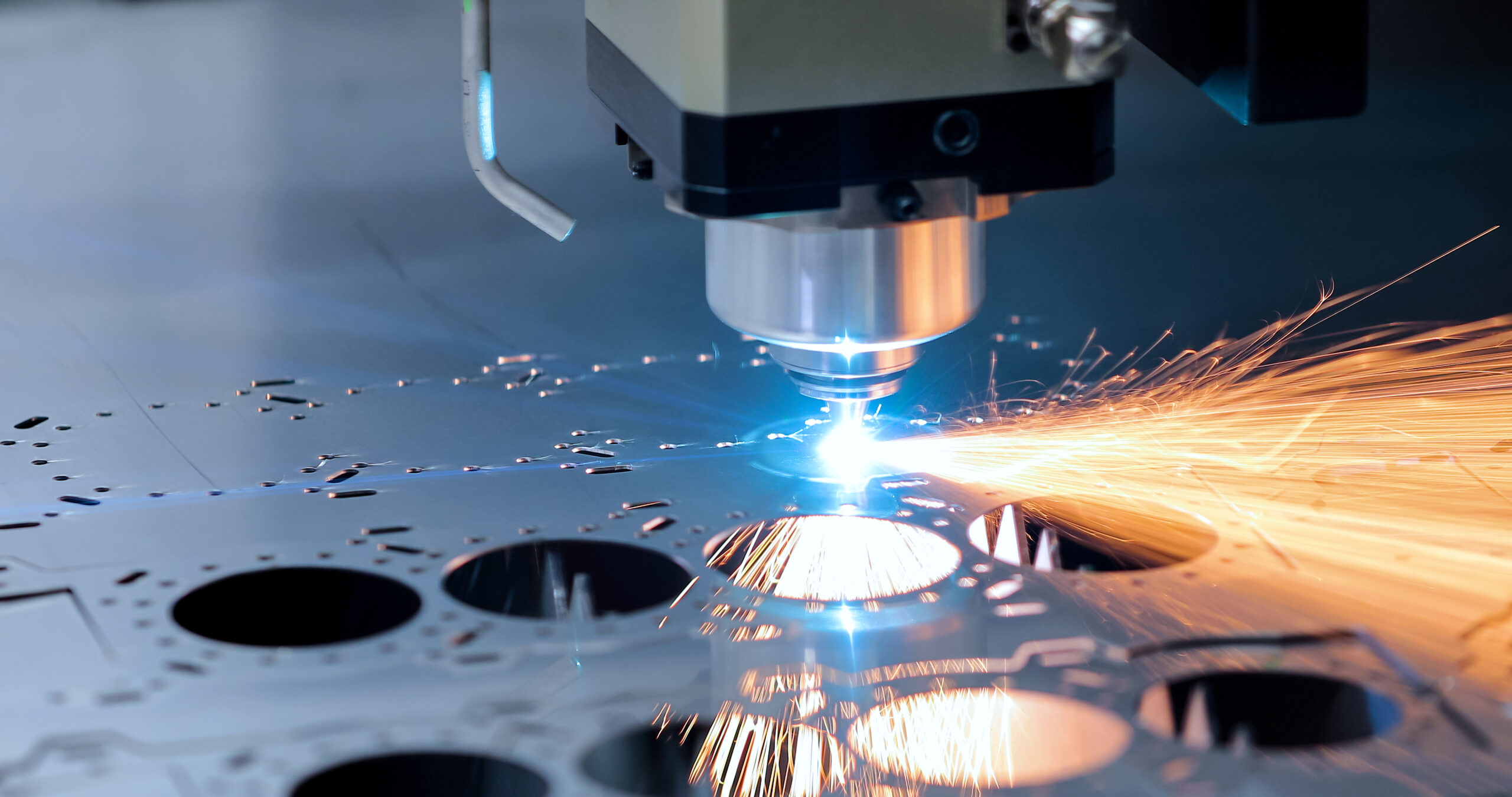
Material Selection for Electric Sheet Metal Cutting: Precision Engineering Fundamentals
Material selection critically impacts the performance, efficiency, and final quality achievable with advanced electric sheet metal cutters. At Wuxi Lead Precision Machinery, we emphasize that understanding the interplay between material properties and cutting dynamics is non-negotiable for high-end fabrication. Choosing incorrectly leads to excessive tool wear, compromised edge quality, dimensional inaccuracies, and increased production costs. This guide details key considerations for Aluminum, Steel, Titanium, and the essential Anodizing finish process within precision cutting workflows.
Aluminum alloys, particularly 5052 and 6061, are prevalent due to their excellent strength-to-weight ratio and corrosion resistance. However, their relative softness and tendency to gall necessitate sharp tooling and optimized feed rates on electric cutters to prevent material adhesion and burring. Low melting point alloys require vigilant heat management during high-speed cutting to avoid thermal distortion. Aluminum excels in aerospace components, enclosures, and heat sinks where weight savings are paramount.
Carbon steel and stainless steel variants (like 304 and 316) dominate structural applications demanding high strength and durability. Mild steel cuts efficiently with standard tooling, but stainless grades present significant challenges due to work hardening and abrasiveness. Precision electric cutters must deliver consistent power and rigidity to overcome stainless steel’s resistance without inducing excessive heat that alters material properties or causes edge hardening. Tool coatings like TiAlN are often essential for stainless to extend tool life and maintain cut integrity in demanding applications like medical devices or marine hardware.
Titanium alloys, while offering exceptional strength and corrosion resistance for aerospace and medical implants, pose the greatest challenge. Their low thermal conductivity causes rapid heat buildup at the cut zone, accelerating tool wear dramatically. Cutting titanium demands specialized tool geometries, lower spindle speeds, higher feed rates, and meticulous coolant application on high-precision electric cutters. Neglecting these parameters results in catastrophic tool failure and unacceptable surface finishes.
Anodizing, primarily applied to aluminum, is a critical post-cutting finish but significantly impacts the cutting process itself. The hard, porous oxide layer formed is highly abrasive. Cutting anodized sheets requires harder, more wear-resistant tooling and adjusted parameters compared to bare aluminum. Premature tool wear is the primary risk if the cutter isn’t configured for this abrasive surface. We strongly recommend cutting the material to final dimensions before anodizing whenever possible to avoid these complications and ensure dimensional accuracy.
The following table summarizes critical material specifications relevant to electric sheet metal cutting performance:
| Material | Typical Thickness Range (mm) | Hardness (HB) | Key Applications | Machining Notes for Electric Cutters |
|---|---|---|---|---|
| Aluminum 5052/6061 | 0.5 – 6.0 | 40 – 95 | Enclosures, Aerospace Panels, Heat Sinks | Sharp tools, moderate speeds, avoid galling, manage heat |
| Mild Steel (A36) | 0.8 – 10.0 | 120 – 160 | Frames, Chassis, General Fabrication | Standard tooling, efficient cutting, minimal heat issues |
| Stainless Steel 304 | 0.5 – 8.0 | 150 – 200 | Medical Devices, Food Processing | Coated tools (TiAlN), lower speeds, manage work hardening |
| Titanium Grade 5 | 0.8 – 5.0 | 334 – 388 | Aerospace, Medical Implants | Specialized tools, low RPM, high feed, aggressive cooling |
Selecting the optimal material and understanding its interaction with your electric sheet metal cutter is foundational to achieving true precision, maximizing throughput, and minimizing operational costs. Wuxi Lead Precision Machinery designs its cutters with these material-specific challenges in mind, ensuring our systems deliver consistent, high-quality results across the most demanding fabrication requirements. Consult our engineering team for application-specific parameter optimization.
Manufacturing Process & QC
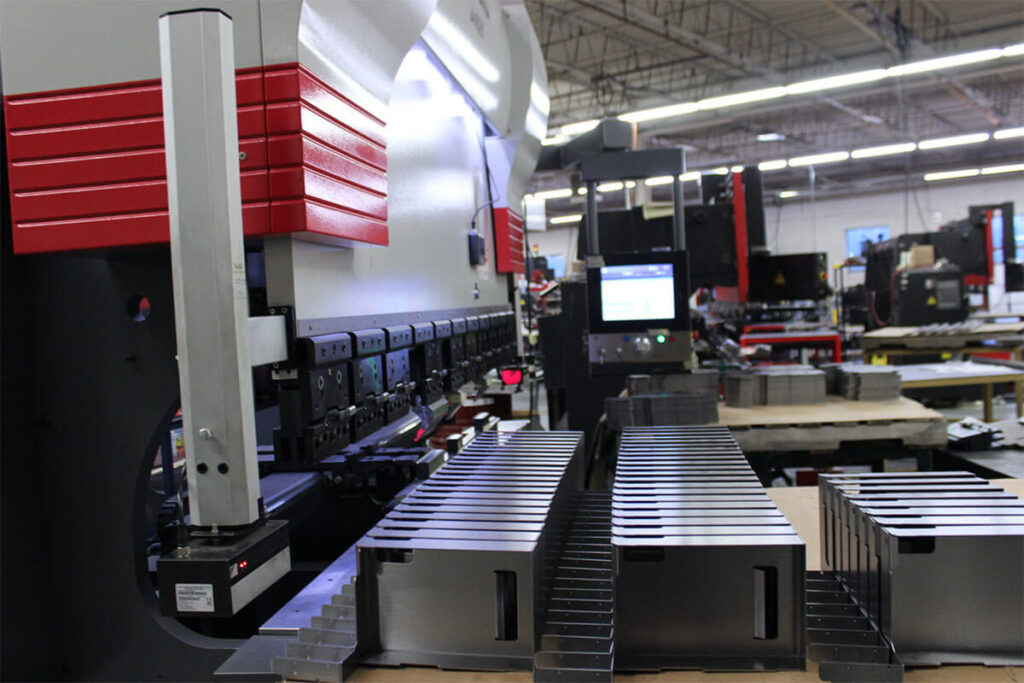
The production process for electric sheet metal cutters at Wuxi Lead Precision Machinery follows a rigorously structured workflow designed to ensure precision, consistency, and zero defects across all stages. This process spans three critical phases: Design, Prototyping, and Mass Production. Each phase integrates advanced engineering practices, real-time quality validation, and closed-loop feedback systems to deliver high-performance cutting solutions tailored to industrial demands.
Design begins with a comprehensive analysis of customer requirements, material specifications, and operational environments. Our engineering team utilizes 3D CAD modeling and finite element analysis (FEA) to simulate stress distribution, thermal behavior, and kinematic performance. This digital-first approach ensures optimal structural integrity and cutting accuracy before any physical component is produced. Material selection focuses on high-grade alloy steels and wear-resistant composites, ensuring longevity under continuous industrial use. Design outputs are validated through cross-functional reviews involving R&D, manufacturing, and quality assurance to eliminate conceptual flaws early in the cycle.
Prototyping follows a rapid iteration model, where functional prototypes are built using CNC-machined components and pre-production assemblies. These units undergo a battery of tests including cycle endurance, dimensional accuracy verification, and electrical safety compliance. Each prototype is subjected to real-world load conditions to evaluate cutting force consistency, blade alignment, and system response under variable sheet thicknesses. Data collected during testing feeds directly into design refinements, ensuring that performance deviations are corrected before transitioning to full-scale production. This phase is critical in achieving the zero-defect objective, as it exposes potential failure modes in a controlled environment.
Mass Production is executed on a lean manufacturing line equipped with automated assembly stations, robotic handling, and inline inspection systems. Every component is traceable via a barcode tracking system that logs machining parameters, inspection results, and assembly timestamps. Critical dimensions are verified using coordinate measuring machines (CMM) and laser scanning, with real-time SPC (Statistical Process Control) monitoring to detect process drift. Final units undergo 100% functional testing, including no-load current draw, cutting accuracy across multiple material grades, and emergency stop response time. Only units passing all checkpoints are approved for packaging and shipment.
Throughout the entire process, Wuxi Lead enforces a zero-defect culture through continuous operator training, preventive maintenance protocols, and root cause analysis for any non-conformance. This disciplined approach ensures that every electric sheet metal cutter meets the highest standards of reliability and precision.
| Specification | Value |
|---|---|
| Cutting Thickness Range | 0.5 – 6.0 mm (mild steel) |
| Maximum Cutting Speed | 30 m/min |
| Positioning Accuracy | ±0.03 mm |
| Repeatability | ±0.02 mm |
| Power Supply | 380V / 50Hz / 3-phase |
| Control System | Siemens CNC with touchscreen HMI |
| Blade Material | Cr12MoV, hardened to 58–62 HRC |
| Noise Level | ≤75 dB(A) at 1 meter |
| Machine Frame Rigidity | Finite element optimized, vibration-damped |
| Safety Compliance | CE, ISO 12100, GB/T 5226.1 |
Why Choose Wuxi Lead Precision
Elevate Your Fabrication Capabilities with Lead Precision Engineering
Wuxi Lead Precision Machinery stands at the forefront of advanced sheet metal processing solutions, delivering electric sheet metal cutters engineered for uncompromising precision and industrial resilience. With over 15 years of specialization in high-tolerance fabrication systems, we integrate German-core motion control technology with rigorous ISO 9001-certified manufacturing processes. Our machines consistently achieve ±0.02mm positional accuracy under continuous production loads, eliminating costly rework and material waste for global Tier-1 aerospace and automotive suppliers. The Lead Precision advantage transcends hardware: we deploy predictive maintenance algorithms and real-time process analytics to maximize your operational uptime while minimizing total cost of ownership.
Critical performance specifications define our industry-leading electric sheet metal cutters:
| Parameter | Value | Tolerance/Detail |
|---|---|---|
| Max Cutting Thickness | 3.2mm Stainless Steel | 4.5mm Mild Steel |
| Cutting Speed | 1200mm/s | Programmable ramp control |
| Positioning Accuracy | ±0.02mm | Verified per ISO 230-2 |
| Repeatability | ±0.01mm | 500-cycle test validated |
| Power Requirement | 400V 3-Phase ±10% | 22kW peak load |
| Control System | Siemens SINUMERIK 840D | Ethernet/IP compatible |
These specifications are not theoretical ideals but factory-validated benchmarks achieved through hardened linear guides, direct-drive servo motors, and proprietary vibration-dampening frames. Unlike generic imports, every cutter undergoes 72-hour endurance testing with client-specific material samples before shipment. Our engineering team collaborates directly with your production planners to optimize kerf compensation, nesting efficiency, and toolpath sequencing—translating machine capability into measurable throughput gains.
Partnering with Lead Precision means accessing engineered solutions, not off-the-shelf equipment. We conduct comprehensive facility assessments to align machine specifications with your workflow constraints, including integration support for existing ERP/MES systems. Our global service network provides 24/7 remote diagnostics and on-site technician deployment within 72 hours anywhere in Asia, Europe, or North America. Clients consistently report 18-22% reductions in per-part fabrication costs within six months of installation due to our precision-first design philosophy.
The future of sheet metal fabrication demands partners who combine technical mastery with unwavering accountability. Do not compromise on the core equipment driving your production line. Contact our engineering sales team directly to request a material-cutting demonstration using your exact specifications or to receive a customized ROI analysis.
Reach out today to initiate a precision partnership:
Email engineering specifications and production requirements to [email protected]
Our technical directors respond to all inquiries within 4 business hours with actionable engineering insights.
⚙️ Precision Cost Estimator
Estimate relative manufacturing effort based on tolerance.