

Technical Contents
Engineering Guide: Difference Between Aluminum And Titanium
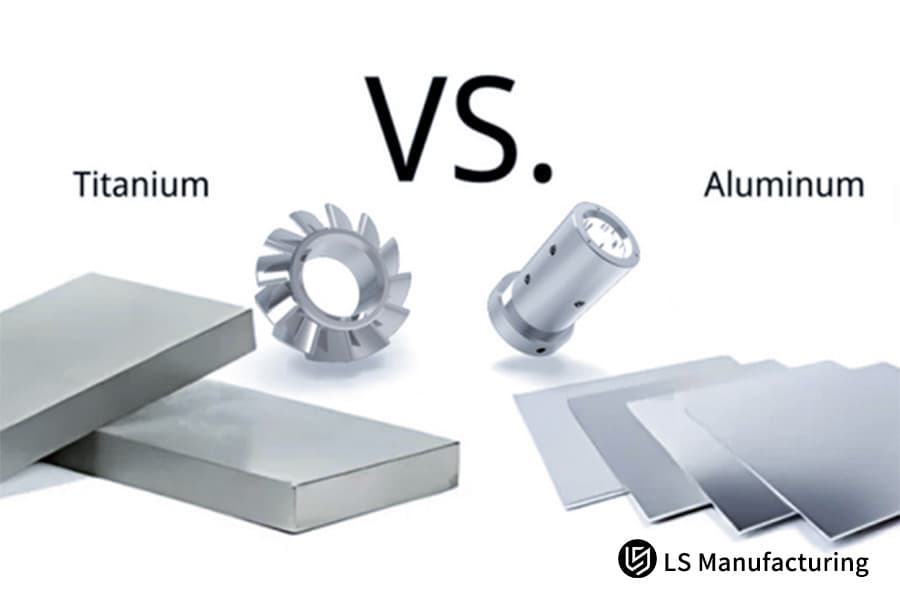
Engineering Insight: The Difference Between Aluminum and Titanium in High-Precision Manufacturing
In the realm of advanced custom metal manufacturing, the distinction between aluminum and titanium extends far beyond basic material properties. At Wuxi Lead Precision Machinery, we understand that selecting the right alloy is not merely a matter of strength or weight—it is a strategic engineering decision that directly impacts precision, performance, and long-term reliability in mission-critical applications.
Aluminum is renowned for its lightweight nature and excellent thermal and electrical conductivity. With a density of approximately 2.7 g/cm³, it offers a favorable strength-to-weight ratio for applications where minimizing mass is essential—such as in aerospace components, high-speed automation systems, and sporting equipment. However, its lower melting point and reduced wear resistance demand careful control during machining. Even minor deviations in tool path, feed rate, or cooling strategy can lead to dimensional inaccuracies, burring, or surface degradation. This is where precision becomes non-negotiable. Our CNC machining centers, calibrated to micron-level tolerances, ensure that aluminum parts maintain tight geometric specifications, critical for assemblies used in Olympic-grade athletic equipment and high-performance drones.
Titanium, by contrast, presents a different set of challenges and advantages. With a density of about 4.5 g/cm³—still relatively low compared to steel—titanium delivers exceptional strength, corrosion resistance, and performance at elevated temperatures. These properties make it indispensable in military defense systems, medical implants, and deep-sea exploration equipment. However, titanium’s low thermal conductivity and high chemical reactivity with cutting tools increase the risk of tool wear, heat buildup, and workpiece distortion. Machining titanium requires not only advanced tooling and coolant management but also deep process expertise. At Wuxi Lead, our engineers apply decades of accumulated knowledge to optimize cutting parameters, minimize residual stress, and maintain surface integrity—ensuring that every titanium component meets the rigorous demands of defense-grade specifications.
Our experience delivering precision-machined parts for Olympic technology development and military subcontractors has reinforced a fundamental truth: material choice must be aligned with process capability. Precision is not an afterthought—it is engineered into every stage of production.
Below is a comparative overview of key physical and mechanical properties:
| Property | Aluminum (6061-T6) | Titanium (Grade 5, Ti-6Al-4V) |
|---|---|---|
| Density (g/cm³) | 2.7 | 4.5 |
| Tensile Strength (MPa) | 310 | 900 |
| Yield Strength (MPa) | 276 | 830 |
| Modulus of Elasticity (GPa) | 68.9 | 114 |
| Thermal Conductivity (W/m·K) | 167 | 6.7 |
| Melting Point (°C) | ~600 | ~1660 |
| Corrosion Resistance | Good | Excellent |
| Machinability | High | Moderate to Low |
At Wuxi Lead Precision Machinery, we combine material science insight with state-of-the-art CNC technology to master the nuances of both aluminum and titanium. Whether you’re developing next-generation aerospace systems or high-reliability defense components, our precision-driven approach ensures optimal performance, every time.
Precision Specs & Tolerances
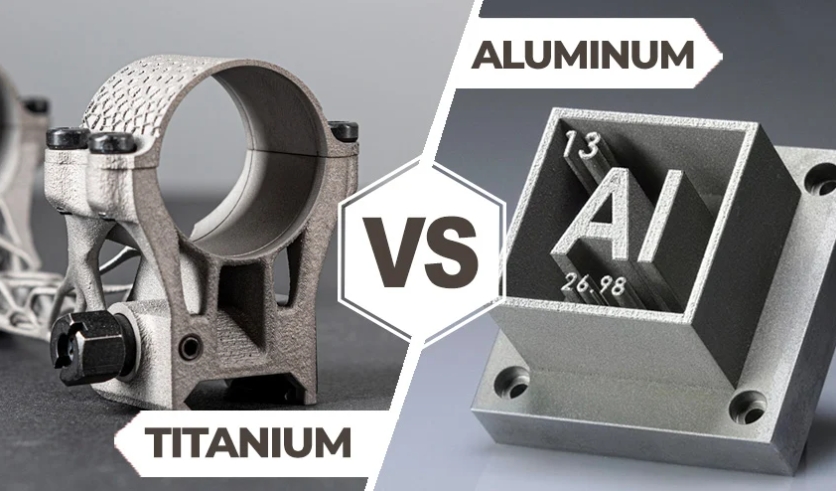
Precision Material Selection: Aluminum vs. Titanium in Advanced CNC Machining
At Wuxi Lead Precision Machinery, understanding material behavior is foundational to delivering mission-critical components. Aluminum and titanium dominate aerospace, medical, and defense applications, yet their machining characteristics demand distinct technical approaches. Aluminum alloys like 6061-T6 offer excellent machinability, high thermal conductivity, and low density, enabling high-speed cutting with minimal tool wear. Conversely, titanium alloys such as Ti-6Al-4V exhibit exceptional strength-to-weight ratios and corrosion resistance but generate extreme heat during machining, requiring rigid setups and specialized toolpaths to prevent work hardening and thermal distortion. Our 5-axis CNC machining centers—DMG MORI CTX beta 2000 and Hermle C400U—integrate adaptive control systems to dynamically adjust feed rates and spindle loads, ensuring optimal material removal for both alloys while maintaining geometric integrity.
Our technical capabilities address these material-specific challenges through precision-engineered workflows. For aluminum, we leverage high spindle speeds (up to 24,000 RPM) and flood coolant to achieve mirror finishes and tight tolerances without burring. Titanium machining employs lower RPM, interrupted cuts, and through-spindle coolant to manage heat dissipation, preventing microstructural damage. All processes undergo real-time validation via integrated Renishaw probes, with final verification conducted on our Zeiss CONTURA G3 CMM. This metrology-driven approach compensates for titanium’s thermal expansion tendencies and aluminum’s elastic deformation risks, ensuring parts meet functional requirements straight from the machine.
Tolerance performance is non-negotiable in high-stakes industries. Below are our standard achievable specifications under controlled environmental conditions:
| Material | Dimensional Tolerance | Surface Finish (Ra) | Critical Process Notes |
|---|---|---|---|
| Aluminum 6061 | ±0.005 mm | 0.4–0.8 µm | Optimized high-speed toolpaths; minimal thermal drift |
| Titanium Ti-6Al-4V | ±0.010 mm | 0.8–1.6 µm | Thermal growth compensation applied; slow-feed strategies to avoid recrystallization |
These tolerances reflect our commitment to repeatability under ISO 2768-mK standards. Crucially, titanium’s ±0.010 mm tolerance accounts for post-machining stress relief—a step we validate through CMM scans before and after heat treatment to eliminate hidden distortion. Aluminum tolerances leverage the material’s stability but require strict humidity control during inspection to counter moisture absorption effects.
Wuxi Lead’s end-to-end quality protocol ensures every component transitions seamlessly from digital model to certified hardware. Our CMM inspection routines include GD&T analysis per ASME Y14.5, with full traceability to raw material certs. Whether machining aluminum for satellite housings or titanium for surgical implants, we treat material science as the cornerstone of precision. Partner with us to transform complex material challenges into certified, on-specification deliverables—backed by 15 years of aerospace-grade manufacturing excellence.
Material & Finish Options
Material Selection: Aluminum vs. Titanium in Precision Manufacturing
In high-precision CNC manufacturing, selecting the correct material is critical to balancing performance, weight, durability, and cost. Among the most commonly used metals in aerospace, medical, and industrial applications are aluminum and titanium. While both offer excellent strength-to-weight ratios and corrosion resistance, their mechanical properties, machinability, and cost profiles differ significantly, influencing their suitability for specific applications.
Aluminum is widely favored for its lightweight nature and high thermal and electrical conductivity. It is approximately one-third the density of steel, making it ideal for applications where weight reduction is essential, such as in aerospace components, automotive parts, and consumer electronics. Aluminum also exhibits excellent machinability, allowing for faster cutting speeds, reduced tool wear, and lower production costs. Its ability to be anodized enhances surface hardness and corrosion resistance, making it suitable for both functional and aesthetic applications. Type 6061-T6 and 7075-T6 are among the most common aluminum alloys used in precision machining due to their balanced mechanical properties and weldability.
Titanium, particularly Grade 5 (Ti-6Al-4V), offers superior strength, heat resistance, and biocompatibility, making it the material of choice for extreme environments. With a density higher than aluminum but still nearly 45% lighter than steel, titanium delivers exceptional strength-to-density performance. It maintains structural integrity at elevated temperatures and exhibits outstanding resistance to corrosion, especially in saline and chemical environments. These properties make it ideal for aerospace structural components, medical implants, and marine applications. However, titanium is more challenging to machine due to its low thermal conductivity, which leads to heat buildup and accelerated tool wear. This results in slower machining speeds and higher production costs compared to aluminum.
The decision between aluminum and titanium ultimately depends on the application’s performance requirements. For parts that demand light weight, cost efficiency, and ease of fabrication, aluminum is typically the optimal choice. When extreme durability, temperature resistance, and long-term reliability in harsh conditions are required, titanium becomes the preferred solution.
Below is a comparative overview of key mechanical properties:
| Property | Aluminum 6061-T6 | Titanium Ti-6Al-4V |
|---|---|---|
| Density (g/cm³) | 2.70 | 4.43 |
| Tensile Strength (MPa) | 310 | 900 |
| Yield Strength (MPa) | 276 | 830 |
| Elongation at Break (%) | 12 | 10 |
| Thermal Conductivity (W/m·K) | 167 | 6.7 |
| Corrosion Resistance | Good (enhanced with anodizing) | Excellent (inherent) |
| Machinability | Excellent | Moderate to Poor |
| Common Finishes | Anodizing, bead blasting | Passivation, polishing |
At Wuxi Lead Precision Machinery, we support clients in selecting the optimal material and surface finish based on functional requirements, environmental exposure, and production efficiency. Our expertise in CNC machining ensures precise, repeatable results whether working with aluminum, titanium, or advanced steel alloys.
Manufacturing Process & QC
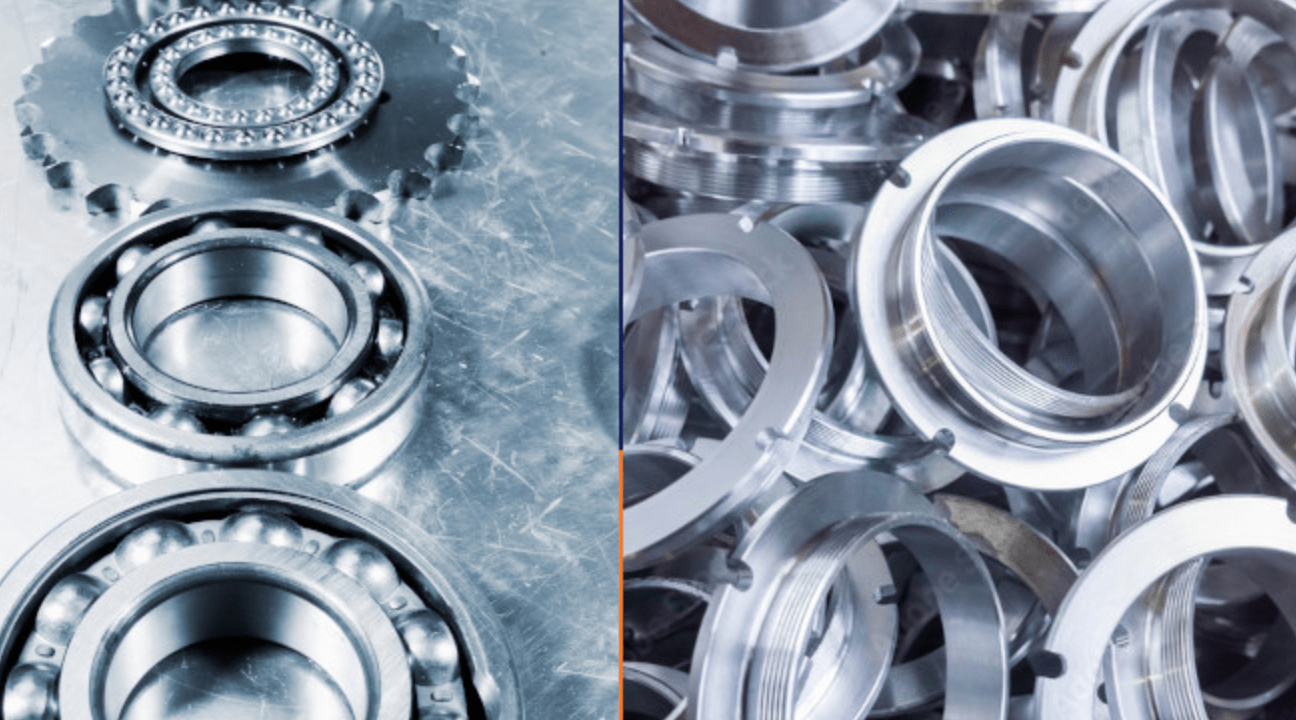
Production Process Integration for Aluminum and Titanium Components
Material selection fundamentally dictates the production pathway from initial design through to flawless mass production. At Wuxi Lead Precision Machinery, we treat aluminum and titanium not as interchangeable options but as distinct engineering challenges requiring tailored process control. Aluminum’s high thermal conductivity and lower hardness enable aggressive machining parameters but demand precise thermal management to prevent dimensional drift during extended runs. Titanium’s exceptional strength-to-weight ratio and corrosion resistance come with severe work-hardening tendencies and low thermal conductivity, necessitating radically different toolpath strategies and coolant application to avoid catastrophic tool failure or part distortion. Ignoring these material-specific behaviors during process planning guarantees defects at scale.
The design phase must account for inherent material properties before a single chip is cut. Aluminum allows for thinner wall geometries and complex internal features due to its machinability, but requires compensation for thermal expansion in high-precision assemblies. Titanium designs must incorporate larger fillet radii and avoid deep, narrow cavities to mitigate stress concentration and facilitate chip evacuation. Our engineering team conducts mandatory material-specific FEA simulations, modeling thermal loads and residual stresses unique to each alloy. This prevents costly redesigns during prototyping and ensures the digital model accurately reflects real-world manufacturability.
Prototyping transitions theoretical design into validated process parameters. For aluminum, we focus on optimizing surface finish and tolerances through high-speed machining trials, verifying that thermal effects remain within acceptable limits. Titanium prototyping is inherently more rigorous; we conduct iterative tests on cutting speeds, tool coatings (such as AlTiN), and peck drilling cycles to conquer galling and built-up edge. Every prototype undergoes full CMM inspection against AS9100 standards, with particular scrutiny on critical features like threads or bearing surfaces where material behavior diverges most significantly. This phase establishes the definitive process window for zero-defect replication.
Mass production execution relies on the rigor embedded during earlier stages. Aluminum runs leverage high spindle speeds and automated chip conveyors, with in-process probing verifying feature locations every 10 parts. Titanium production operates under strict SPC controls: tool life is monitored per edge in real-time, coolant pressure is maintained within ±5% of validated parameters, and each part undergoes post-machining stress relief followed by 100% dimensional validation. Our zero-defect mandate means rejecting statistical process control alone; every component is traceable to its specific machine setup and operator log. Material-specific failure modes—like aluminum’s susceptibility to burring or titanium’s notch sensitivity—dictate custom inspection protocols, not generic checklists.
Material performance characteristics directly translate to process requirements. The table below highlights critical production variables:
| Material Property | Aluminum 6061-T6 | Titanium Grade 5 (Ti-6Al-4V) | Production Impact |
|---|---|---|---|
| Density (g/cm³) | 2.7 | 4.4 | Titanium requires 60% higher clamping force to prevent workpiece shift. |
| Machinability Rating | 100% (Reference) | 30-40% | Titanium necessitates 60% slower feed rates and specialized carbide tooling. |
| Thermal Conductivity (W/m·K) | 167 | 6.7 | Titanium demands targeted high-pressure coolant to prevent localized overheating. |
| Cost Factor (vs. Al) | 1.0x | 4.5-6.0x | Titanium scrap costs mandate near-perfect first-pass yield in mass production. |
| Critical Process Note | Control thermal growth in long cycles | Prevent work-hardening via rigid setups and consistent depth of cut | Failure in either causes irreparable dimensional errors. |
This disciplined, material-aware progression—from physics-based design through validated prototyping to hyper-controlled mass production—is how Wuxi Lead achieves zero-defect delivery. We engineer the process around the metal, not the reverse.
Why Choose Wuxi Lead Precision
When it comes to high-performance custom metal manufacturing, selecting the right material is critical to the success of your application. At Wuxi Lead Precision Machinery, we understand that the difference between aluminum and titanium goes beyond basic composition—it impacts strength, weight, corrosion resistance, thermal performance, and cost-efficiency. As a trusted partner in precision CNC machining and custom fabrication, we guide engineering teams through these critical decisions to ensure optimal performance and value.
Aluminum is widely used for its lightweight properties and excellent machinability. It offers good thermal and electrical conductivity, making it ideal for aerospace heat sinks, automotive components, and consumer electronics. With a density of approximately 2.7 g/cm³, aluminum significantly reduces weight in structural applications. However, its lower strength and limited performance at elevated temperatures can be a constraint in extreme environments.
Titanium, by contrast, delivers exceptional strength-to-density ratio and outstanding resistance to corrosion, especially in marine and chemical environments. With a density of about 4.5 g/cm³—still relatively low—titanium maintains structural integrity at high temperatures and under heavy loads. This makes it the preferred choice for aerospace structural components, medical implants, and offshore oil and gas equipment. While more challenging and costly to machine, titanium’s longevity and performance justify its use in mission-critical applications.
Understanding these distinctions is essential, but so is having a manufacturing partner capable of handling both materials with precision and consistency. At Wuxi Lead Precision Machinery, we operate advanced CNC machining centers equipped to manage the unique challenges of aluminum and titanium, from high-speed aluminum milling to the low-cutting-speed, high-coolant-demand processes required for titanium.
We support global clients with end-to-end solutions, including material sourcing, precision machining, surface treatment, and quality assurance. Our ISO-certified facility in Wuxi, China, leverages over a decade of experience in serving industries where performance and reliability are non-negotiable.
Below is a comparative overview of key mechanical properties:
| Property | Aluminum (6061-T6) | Titanium (Grade 5, Ti-6Al-4V) |
|---|---|---|
| Density (g/cm³) | 2.7 | 4.5 |
| Tensile Strength (MPa) | 310 | 900 |
| Yield Strength (MPa) | 276 | 830 |
| Elongation at Break (%) | 12 | 14 |
| Thermal Conductivity (W/m·K) | 167 | 6.7 |
| Corrosion Resistance | Good | Excellent |
| Machinability | Excellent | Moderate to Poor |
Choosing between aluminum and titanium isn’t just a materials decision—it’s a strategic engineering choice that impacts performance, cost, and manufacturability. Let our team at Wuxi Lead Precision Machinery support your project with expert insights and precision manufacturing capabilities.
Contact us today at [email protected] to discuss your specific requirements and discover how we can become your trusted manufacturing partner.
⚙️ Precision Cost Estimator
Estimate relative manufacturing effort based on tolerance.