

Technical Contents
Engineering Guide: Custom Steel Assemblies

Engineering Insight: The Critical Role of Precision in Custom Steel Assemblies
In high-stakes industrial applications, the performance and longevity of custom steel assemblies are fundamentally determined by dimensional accuracy and repeatability. Minute deviations in component geometry—often measured in microns—translate directly into compromised structural integrity, accelerated wear, catastrophic fatigue failures, or system-wide inefficiencies. This is especially critical in sectors where assemblies endure extreme loads, cyclic stress, or precise motion control. A tolerance stack-up error of just 0.05mm in a multi-part weldment can induce binding in hydraulic systems or misalignment in high-speed rotating equipment, leading to unplanned downtime and significant financial loss. Precision engineering is not merely a quality metric; it is the non-negotiable foundation for safety, reliability, and operational excellence in demanding environments.
Wuxi Lead Precision Machinery operates at this exacting threshold. Our engineering philosophy centers on predictive tolerance management, integrating advanced CNC multi-axis machining, robotic welding with real-time distortion compensation, and comprehensive in-process metrology. We understand that raw material consistency, thermal management during fabrication, and meticulous post-weld stress relief are as vital as the initial design. This holistic approach ensures assemblies maintain dimensional stability under thermal cycling, dynamic loading, and corrosive exposure—conditions common in aerospace, heavy machinery, and energy infrastructure. Our proven capability is underscored by mission-critical projects, including structural components for Beijing Winter Olympics venue infrastructure requiring sub-0.1mm positional accuracy across 10-meter spans, and mil-spec assemblies for defense sector applications where failure is not an option. These engagements demanded rigorous adherence to AS9100 and MIL-STD-883 protocols, validating our capacity to deliver where precision dictates survival.
The table below outlines our core precision capabilities for custom steel assemblies, reflecting the standards applied to every project:
| Specification Category | Capability Range | Verification Standard |
|---|---|---|
| Geometric Dimensioning & Tolerance (GD&T) | ±0.005mm to ±0.05mm (depending on feature complexity and material) | ISO 1101, ASME Y14.5 |
| Material Thickness Range | 0.5mm to 150mm | ASTM A36, A516, 4140, 304/316 Stainless |
| Surface Finish (Machined) | Ra 0.4µm to Ra 3.2µm | ISO 1302 |
| Weld Distortion Control | < 0.1mm per meter (post-stress relief) | AWS D1.1, ISO 5817 Class B |
| In-Process Metrology | 100% critical feature verification via CMM, laser tracker | ISO/IEC 17025 accredited lab |
Achieving this level of precision demands more than advanced machinery; it requires deep metallurgical expertise and a culture where every technician understands the end-use consequence of their work. At Wuxi Lead, we partner with clients from DFM through final validation, transforming complex steel assembly requirements into field-proven assets that perform relentlessly under real-world duress. Precision isn’t our claim—it’s our documented obligation.
Precision Specs & Tolerances
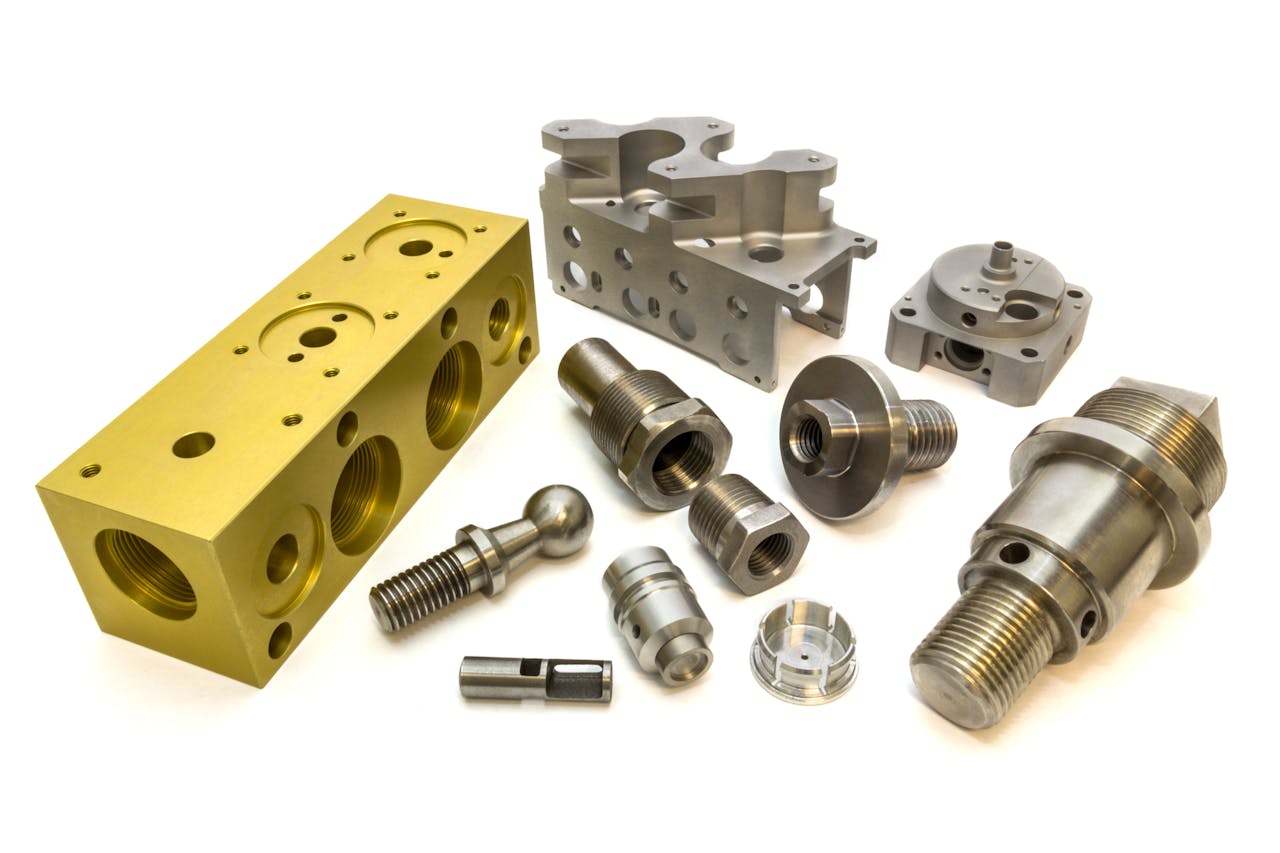
Wuxi Lead Precision Machinery delivers advanced technical capabilities in custom steel assemblies, engineered to meet the rigorous demands of high-performance industries such as aerospace, energy, medical, and industrial automation. Our manufacturing infrastructure is built around precision, repeatability, and strict adherence to international quality standards. At the core of our production capacity lies a fully integrated 5-axis CNC machining platform, enabling us to produce highly complex geometries with exceptional accuracy and surface finish.
Our 5-axis CNC machining centers provide simultaneous multi-directional cutting, allowing for intricate contours, undercuts, and compound angles to be machined in a single setup. This reduces cumulative error, improves part consistency, and significantly shortens lead times compared to traditional 3-axis methods. These systems are operated by certified CNC programmers and machinists who utilize advanced CAM software to optimize toolpaths, minimize cycle times, and ensure material integrity. We work with a wide range of steel alloys, including stainless steels (304, 316, 17-4 PH), tool steels, and low-carbon structural steels, supporting both prototype and high-volume production runs.
Quality control is embedded at every stage of the manufacturing process. All custom steel assemblies undergo comprehensive inspection using a Coordinate Measuring Machine (CMM) equipped with high-precision probing systems. This allows for full dimensional verification against CAD models, ensuring geometric accuracy and compliance with GD&T specifications. Our CMM system is calibrated regularly to ISO 17025 standards, and inspection reports are provided as standard deliverables with each production batch. In addition to CMM, we employ surface roughness testers, hardness gauges, and visual inspection under magnification to validate both form and function.
Our commitment to precision is reflected in the tight tolerances we consistently achieve across a range of features and dimensions. The following table outlines our standard and advanced capability ranges:
| Feature Type | Standard Tolerance | High-Precision Capability | Notes |
|---|---|---|---|
| Linear Dimensions | ±0.025 mm | ±0.005 mm | Up to 500 mm |
| Diameter Tolerance | ±0.02 mm | ±0.008 mm | H7 fit achievable |
| Positional Tolerance | ±0.03 mm | ±0.01 mm | With full CMM validation |
| Surface Roughness (Ra) | 3.2 µm | 0.8 µm | Machined finish |
| Angular Tolerance | ±0.1° | ±0.05° | 5-axis simultaneous control |
| Flatness | 0.03 mm | 0.01 mm | Over 100 mm surface |
All processes are governed by a documented quality management system compliant with ISO 9001:2015. From initial design review to final inspection, Wuxi Lead ensures that every custom steel assembly meets the exact functional and regulatory requirements of our global clients.
Material & Finish Options
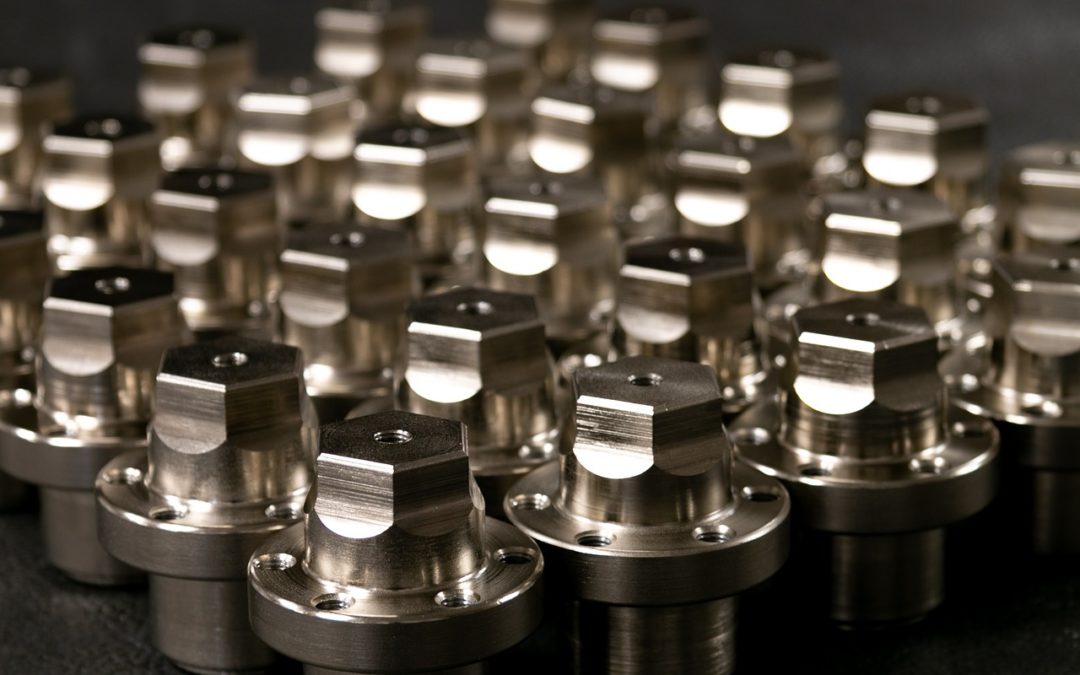
Material Selection for High-Performance Custom Steel Assemblies
Material selection is the cornerstone of durable, functional custom steel assemblies. At Wuxi Lead Precision Machinery, our decades of machining experience confirm that the wrong material choice compromises structural integrity, lifecycle cost, and operational safety. While steel dominates industrial frameworks, strategic applications demand evaluating aluminum for weight-sensitive systems and titanium for extreme environments. Each material’s mechanical properties, machinability, and corrosion behavior must align precisely with operational loads, temperature exposure, and regulatory standards.
Steel remains the default for heavy-load applications due to its exceptional strength, weldability, and cost efficiency. Low-carbon grades like 1018 offer excellent formability for brackets and housings, while alloy steels such as 4140 provide superior toughness for high-stress components like shafts and gears. Stainless variants (304, 316) are non-negotiable in food processing or marine settings where corrosion resistance is critical. Aluminum alloys, particularly 6061-T6 and 7075-T6, excel where weight reduction is paramount—think aerospace fixtures or portable medical equipment—without sacrificing significant strength. Titanium Grade 5 (Ti-6Al-4V) is reserved for mission-critical scenarios: jet engine parts, chemical processing valves, or biomedical implants requiring biocompatibility and resistance to saltwater or acids.
Below is a comparative overview of key properties for informed decision-making:
| Material | Tensile Strength (MPa) | Density (g/cm³) | Corrosion Resistance | Typical Applications |
|---|---|---|---|---|
| Steel 1018 | 440 | 7.87 | Low (uncoated) | Structural brackets, machine bases |
| Stainless 304 | 515 | 8.00 | High | Food processing, marine hardware |
| Aluminum 6061-T6 | 310 | 2.70 | Moderate | Aerospace frames, automotive parts |
| Titanium Ti-6Al-4V | 900 | 4.43 | Exceptional | Jet turbines, surgical implants |
Surface finishes further define performance and longevity. Anodizing is the gold standard for aluminum assemblies, creating a hard, non-conductive oxide layer that resists wear and corrosion. Type II (sulfuric acid) anodizing offers good durability for general industrial use, while Type III (hardcoat) anodizing achieves 50–100 µm thickness for hydraulic pistons or military hardware exposed to abrasion. Note that anodizing does not apply to steel or titanium; these require alternatives like zinc plating, passivation, or thermal spray coatings.
Selecting the optimal material-finish combination prevents premature failure and reduces total cost of ownership. Wuxi Lead Precision Machinery leverages ASTM and ISO-compliant material testing alongside advanced CNC capabilities to transform your specifications into assemblies that meet exacting global standards. Partner with us to ensure your custom steel assemblies deliver uncompromised performance in the field.
Manufacturing Process & QC

At Wuxi Lead Precision Machinery, our production process for custom steel assemblies is engineered to deliver uncompromising precision, structural integrity, and repeatability. We follow a rigorously controlled workflow that spans from initial design through prototyping to full-scale mass production, ensuring zero defects and complete alignment with client specifications.
The process begins with collaborative design engineering. Our technical team works directly with clients to analyze blueprints, performance requirements, and environmental conditions. Utilizing advanced CAD/CAM software and finite element analysis (FEA), we optimize geometry, material selection, and weld integrity to meet load, fatigue, and corrosion resistance demands. Design for manufacturability (DFM) principles are applied early to eliminate inefficiencies and reduce long-term production risks.
Once the design is finalized, we proceed to prototyping. A limited batch of assemblies is produced using the same CNC machinery, tooling, and quality protocols intended for mass production. This ensures that the prototype accurately reflects final production output. Components undergo dimensional inspection via coordinate measuring machines (CMM), weld integrity testing, and, where applicable, non-destructive testing (NDT) such as ultrasonic or radiographic inspection. Functional testing is conducted under simulated operational conditions to validate performance. Client feedback is incorporated at this stage, and design refinements are made if necessary—ensuring full compliance before scale-up.
Mass production is executed on our automated, high-precision manufacturing lines. Our facility integrates CNC laser cutting, robotic welding cells, automated bending systems, and multi-axis machining centers to maintain micron-level tolerances across thousands of units. Each stage of production is monitored through real-time SPC (Statistical Process Control) systems, with automated alerts for any deviation from set parameters. In-process inspections are conducted at critical control points, including material verification, weld penetration checks, and geometric accuracy validation.
Our zero-defect philosophy is enforced through a closed-loop quality management system. Every component is traceable via serialized batch coding, and final assemblies undergo 100% visual, dimensional, and functional inspection. We adhere to ISO 9001:2015 and IATF 16949 standards, with documentation provided for full auditability.
The table below outlines key production capabilities for custom steel assemblies:
| Parameter | Specification |
|---|---|
| Material Types | Carbon steel, stainless steel, alloy steel |
| Thickness Range | 0.5 mm – 25 mm |
| Tolerance (CNC Machining) | ±0.02 mm |
| Tolerance (Forming) | ±0.1° angular, ±0.2 mm linear |
| Welding Processes | MIG, TIG, robotic submerged arc |
| Surface Treatments | Powder coating, zinc plating, passivation |
| Production Capacity | Up to 50,000 units/month |
| Quality Standards | ISO 9001:2015, IATF 16949, ASME Section IX |
From concept to delivery, Wuxi Lead Precision Machinery ensures that every custom steel assembly meets the highest benchmarks in precision, durability, and consistency.
Why Choose Wuxi Lead Precision
Partner with Lead Precision for Mission-Critical Steel Assembly Solutions
In high-stakes industrial applications, the integrity of custom steel assemblies directly impacts system performance, safety, and total cost of ownership. Wuxi Lead Precision Machinery transcends conventional fabrication by integrating advanced CNC engineering with rigorous metallurgical oversight, ensuring your assemblies meet exacting functional and regulatory demands. Our partnership model begins with deep technical collaboration: our engineering team dissects your design intent, material specifications, and operational environment to preemptively resolve manufacturability challenges. We specialize in complex geometries requiring multi-axis machining, precision welding per AWS D1.1/D1.2 standards, and post-processing treatments that enhance fatigue resistance and dimensional stability. This proactive approach eliminates costly redesign cycles and accelerates time-to-market without compromising on quality.
Our facility operates under ISO 9001:2015 and IATF 16949 frameworks, with dedicated quality cells performing in-process inspections using CMMs, optical comparators, and spectral material verification. Every assembly undergoes comprehensive validation against your print, including GD&T analysis and non-destructive testing where specified. This systematic rigor ensures consistent adherence to tolerances as tight as ±0.025 mm and surface finishes down to Ra 0.8 µm, critical for aerospace, energy, and heavy machinery applications. We understand that supply chain resilience is non-negotiable; our strategic material partnerships and buffer inventory protocols guarantee on-time delivery even amid volatile raw material markets.
Technical Capabilities at a Glance
| Parameter | Capability | Standard Compliance |
|---|---|---|
| Material Grades | ASTM A36, A514, 4140, 4340, 17-4PH | ASTM, EN, JIS |
| Max Work Envelope | 3,000 x 1,500 x 800 mm | Customizable fixtures |
| Machining Tolerance | ±0.025 mm | ISO 2768-mK, ISO 286-2 |
| Weld Certification | TIG/MIG/FCAW; Full penetration | AWS D1.1, ASME Section IX |
| Surface Finish | Ra 0.8 µm to 6.3 µm | ISO 1302 |
| Load Capacity | Up to 50 tons assembly weight | FEA stress validation |
Choosing Lead Precision means aligning with an engineering partner invested in your long-term success. We do not merely fulfill purchase orders; we co-engineer solutions that reduce total lifecycle costs through optimized material utilization, extended service life, and minimized field failures. Our technical sales engineers possess hands-on CNC programming and metallurgy expertise, enabling precise scope definition and risk mitigation from RFQ to final shipment. For projects demanding uncompromising precision in structural steel, hydraulic manifolds, or custom frames, we deliver assemblies that perform under extreme thermal, vibrational, and corrosive conditions.
Initiate a technical dialogue to transform your steel assembly requirements into a validated production plan. Contact our engineering team directly at [email protected] with your drawings and performance criteria. We will provide a detailed manufacturability assessment, lead time projection, and DFM recommendations within 48 hours—no generic quotes, only actionable engineering insights. Partner with certainty where precision steel assembly impacts your operational excellence.
⚙️ Precision Cost Estimator
Estimate relative manufacturing effort based on tolerance.