

Technical Contents
Engineering Guide: Custom Silicon Mold
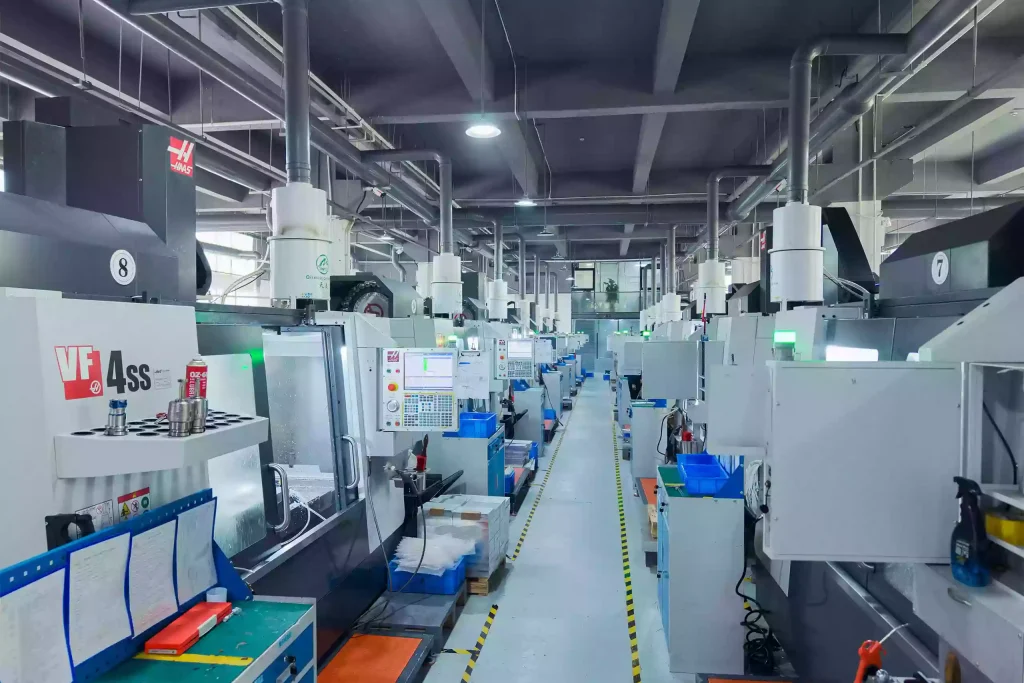
Engineering Insight: The Critical Role of Precision in Custom Silicon Molds
In high-performance manufacturing, especially within aerospace, medical, and advanced electronics sectors, the integrity of a custom silicon mold directly determines the quality, consistency, and reliability of the final product. At Wuxi Lead Precision Machinery, we recognize that precision is not merely a target—it is a non-negotiable standard. Silicon molding demands micron-level accuracy, thermal stability, and long-term durability, all of which hinge on the engineering excellence of the mold itself.
Custom silicon molds are used to shape silicone compounds under high pressure and temperature, often for components that must meet stringent performance criteria. Even minor deviations in cavity dimensions or surface finish can result in part failure, especially in applications where sealing, electrical insulation, or biocompatibility are critical. This is why our engineering approach begins with advanced 3D modeling and finite element analysis (FEA), ensuring thermal expansion, stress distribution, and flow dynamics are optimized before any metal is cut.
With over 15 years of specialization in custom metal manufacturing, Wuxi Lead Precision Machinery has developed a reputation for delivering molds that exceed international standards. Our expertise is validated not only through ISO certifications but also through real-world performance in the most demanding environments. We have engineered molds used in components for Olympic-grade athletic equipment and critical subsystems in military-grade communication devices—applications where failure is not an option. These projects required not only extreme precision but also full traceability, rigorous material testing, and adherence to strict confidentiality and compliance protocols.
Our facility integrates state-of-the-art CNC machining centers, wire EDM, and surface grinding technologies, all operated by senior engineers with an average of 12 years of experience in precision tooling. Every mold undergoes comprehensive metrology inspection using coordinate measuring machines (CMM) and laser scanning to verify dimensional accuracy within ±0.002 mm.
The table below outlines key specifications that define our custom silicon mold capabilities:
| Specification | Performance Standard |
|---|---|
| Dimensional Accuracy | ±0.002 mm |
| Surface Roughness (Ra) | 0.05–0.2 µm |
| Material Options | H13, S136, 420SS, SKD61, Custom Alloys |
| Mold Life Expectancy | 500,000+ cycles (depending on use) |
| Lead Time (Average) | 25–35 days |
| Temperature Resistance | Up to 600°C (dependent on alloy) |
| Custom Cooling Channel Design | Standard (optimized for cycle time) |
At Wuxi Lead, we do not simply manufacture molds—we engineer performance. Our commitment to precision ensures that every custom silicon mold we produce supports flawless replication, extended service life, and seamless integration into automated production lines. For industries where consistency defines credibility, our molds are built to lead.
Precision Specs & Tolerances
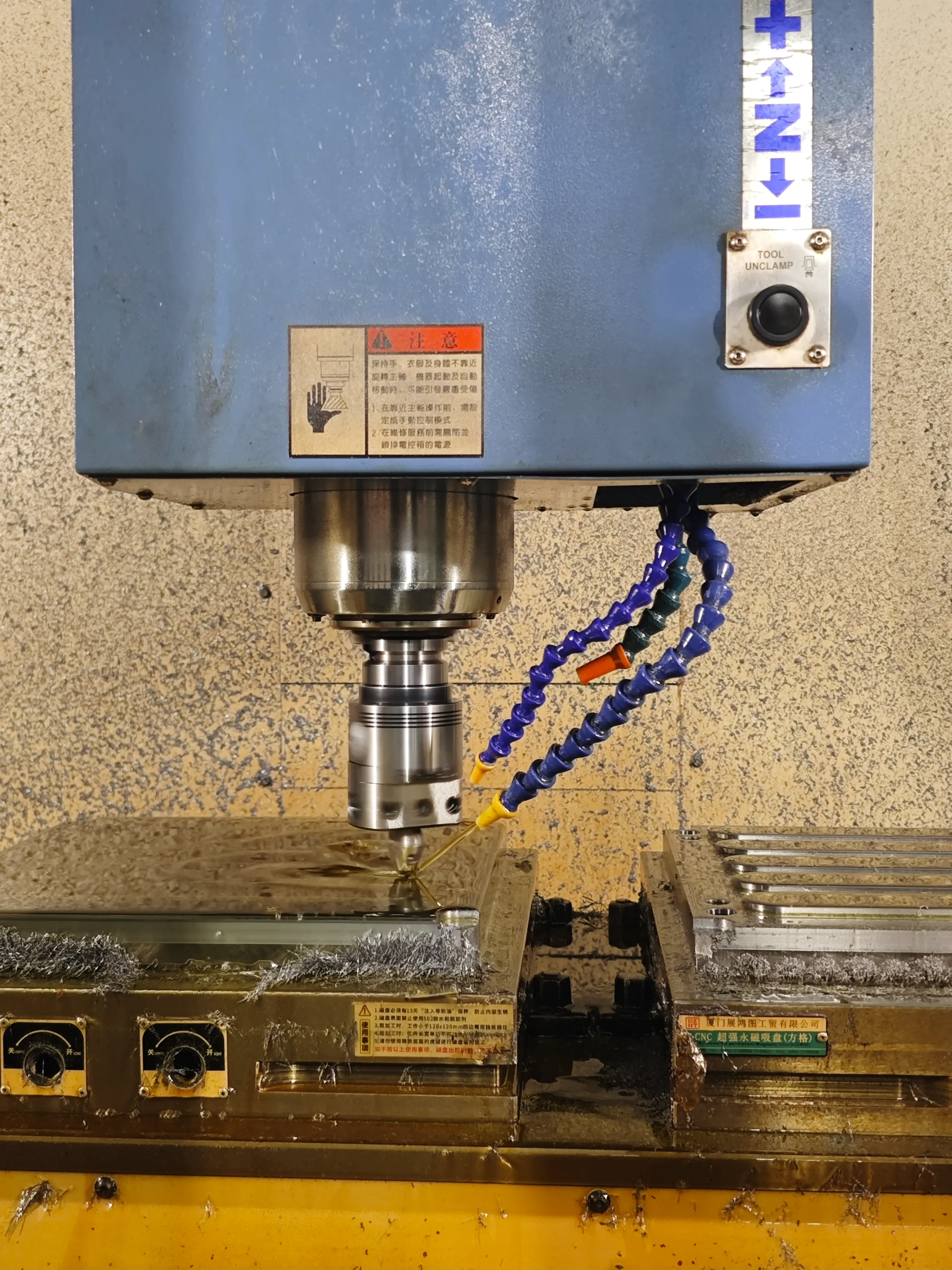
Technical Capabilities for Custom Silicon Mold Manufacturing
Wuxi Lead Precision Machinery delivers micron-level precision for custom silicon molds through advanced 5-axis CNC machining and rigorous quality control. Our facility integrates HAAS UMC-750 and DMG MORI CTX beta 1250 5-axis centers, enabling complex geometries with simultaneous multi-axis interpolation. This capability eliminates secondary operations for undercuts, core pins, and vent channels critical to silicone molding performance. High-speed spindles (24,000 RPM) and thermal compensation systems ensure dimensional stability during extended production runs, maintaining tolerances even in hardened tool steels like H13 and S7 (up to HRC 58).
All molds undergo 100% post-machining inspection via Zeiss CONTURA G2 CMM systems, certified to ISO 10286 standards. Our quality protocol includes first-article reporting (FAIR), in-process checks at critical stages, and final validation against CAD models. This closed-loop process identifies deviations early, preventing costly rework while guaranteeing repeatability across batches. Surface integrity is equally prioritized; we achieve Ra 0.4 µm finishes through optimized toolpath strategies and specialized polishing routines, minimizing silicone adhesion issues and extending mold service life.
Material expertise spans P20, NAK80, and maraging steels, with heat treatment managed through certified partners to ensure uniform hardness. For medical and aerospace applications, we implement cleanroom assembly protocols (ISO Class 7) and non-destructive testing (NDT) for cavity integrity. Our engineering team collaborates from DFM stage to final validation, leveraging Mastercam and Siemens NX for simulation-driven optimization of cooling channels and part ejection systems. This integrated approach reduces cycle times by up to 22% while meeting stringent industry requirements like ISO 13485 and AS9100.
The table below summarizes our core machining tolerances for silicon mold components:
| Specification | Standard Capability | Tight Tolerance Option | Measurement Standard |
|---|---|---|---|
| Linear Dimensions | ±0.010 mm | ±0.005 mm | ASME Y14.5-2018 |
| Positional Tolerance | ±0.015 mm | ±0.008 mm | ISO 2768-mK |
| Flatness | 0.010 mm/m | 0.005 mm/m | ISO 1101 |
| Surface Roughness (Ra) | 0.8 µm | 0.4 µm | ISO 4287 |
These capabilities are validated through our CMM-certified metrology lab, which maintains NIST-traceable calibration. Every mold ships with a full inspection report, including 3D deviation maps and critical feature analysis. By combining 5-axis flexibility with uncompromising quality systems, Wuxi Lead ensures your silicon molds achieve zero-defect production from the first shot. We partner with clients to transform complex designs into high-yield manufacturing assets, backed by 15+ years of specialized mold-making expertise in the Chinese industrial ecosystem.
Material & Finish Options
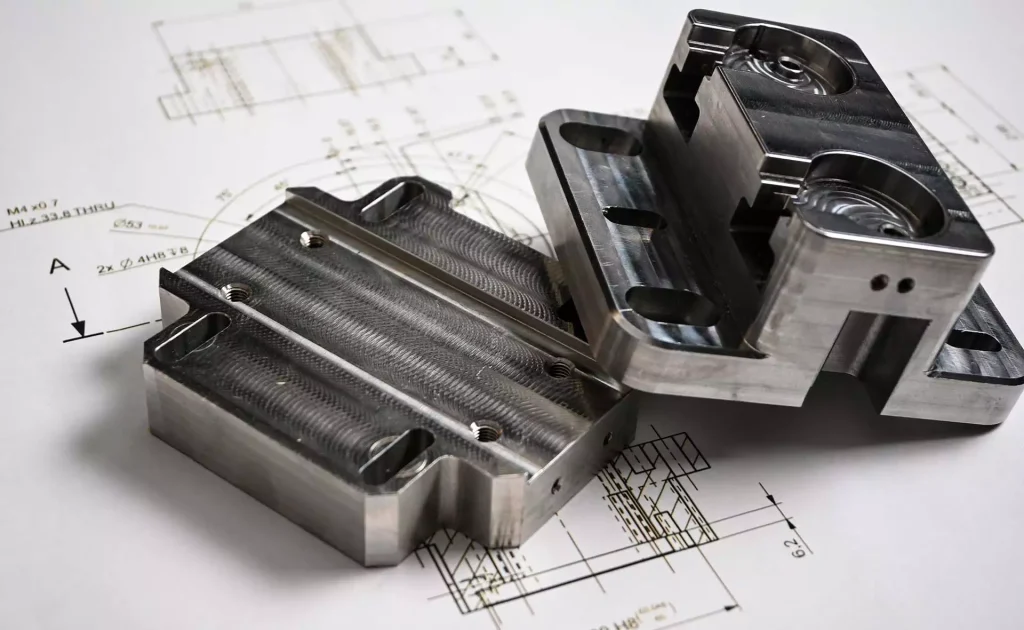
Material Selection for Custom Silicon Molds: Precision Engineering by Wuxi Lead Precision Machinery
Selecting the appropriate base material for custom silicon molds is a critical decision that directly impacts production efficiency, part quality, and tooling longevity. At Wuxi Lead Precision Machinery, we specialize in high-precision metal manufacturing tailored to the rigorous demands of silicone molding applications. Our engineering expertise enables clients to make informed choices between aluminum, steel, and titanium—each offering distinct performance characteristics suited to specific production volumes, thermal requirements, and environmental conditions.
Aluminum is widely favored for prototyping and low-to-medium volume production due to its excellent thermal conductivity and machinability. It allows for rapid heat transfer during the curing phase of silicone molding, reducing cycle times significantly. Additionally, aluminum’s lightweight nature simplifies mold handling and integration into automated systems. However, its lower hardness compared to steel makes it less suitable for extended high-volume runs where wear resistance is paramount.
Steel, particularly tool steels such as P20 or H13, provides superior durability and wear resistance, making it ideal for high-volume silicone molding operations. While steel exhibits slower thermal conductivity than aluminum, proper cooling channel design can mitigate this limitation. Steel molds maintain dimensional stability over thousands of cycles, ensuring consistent part quality in long-term production. They are also better suited for complex geometries requiring tight tolerances and fine surface details.
Titanium offers a unique combination of high strength-to-density ratio and exceptional corrosion resistance. Though less commonly used due to higher material and machining costs, titanium is optimal for specialized applications involving aggressive chemical exposure or elevated operating temperatures. Its biocompatibility also makes it a preferred choice in medical-grade silicone molding environments.
Surface finish plays a pivotal role in demolding performance and final part aesthetics. Anodizing is a highly effective post-machining treatment for aluminum molds, enhancing surface hardness and corrosion resistance while providing electrical insulation. Hard anodizing (Type III) increases wear resistance significantly, extending mold life in repetitive cycles. For steel molds, alternatives such as chrome plating or nitriding are typically recommended, though anodizing remains exclusive to aluminum alloys.
Below is a comparative overview of key material properties relevant to custom silicon mold performance.
| Material | Thermal Conductivity (W/m·K) | Hardness (HRC) | Tensile Strength (MPa) | Typical Use Case | Machinability |
|---|---|---|---|---|---|
| Aluminum (6061-T6) | 167 | 30–35 (HB) | 310 | Prototyping, low-volume production | Excellent |
| Steel (P20) | 28–36 | 28–32 | 900–1100 | High-volume, complex molds | Good |
| Titanium (Ti-6Al-4V) | 6.7 | 36–42 | 900–950 | Corrosive environments, medical use | Moderate |
At Wuxi Lead Precision Machinery, we guide clients through every phase of material and finish selection, ensuring optimal performance, cost-efficiency, and reliability in silicone molding applications. Our precision manufacturing capabilities support seamless integration of material science with industrial design.
Manufacturing Process & QC
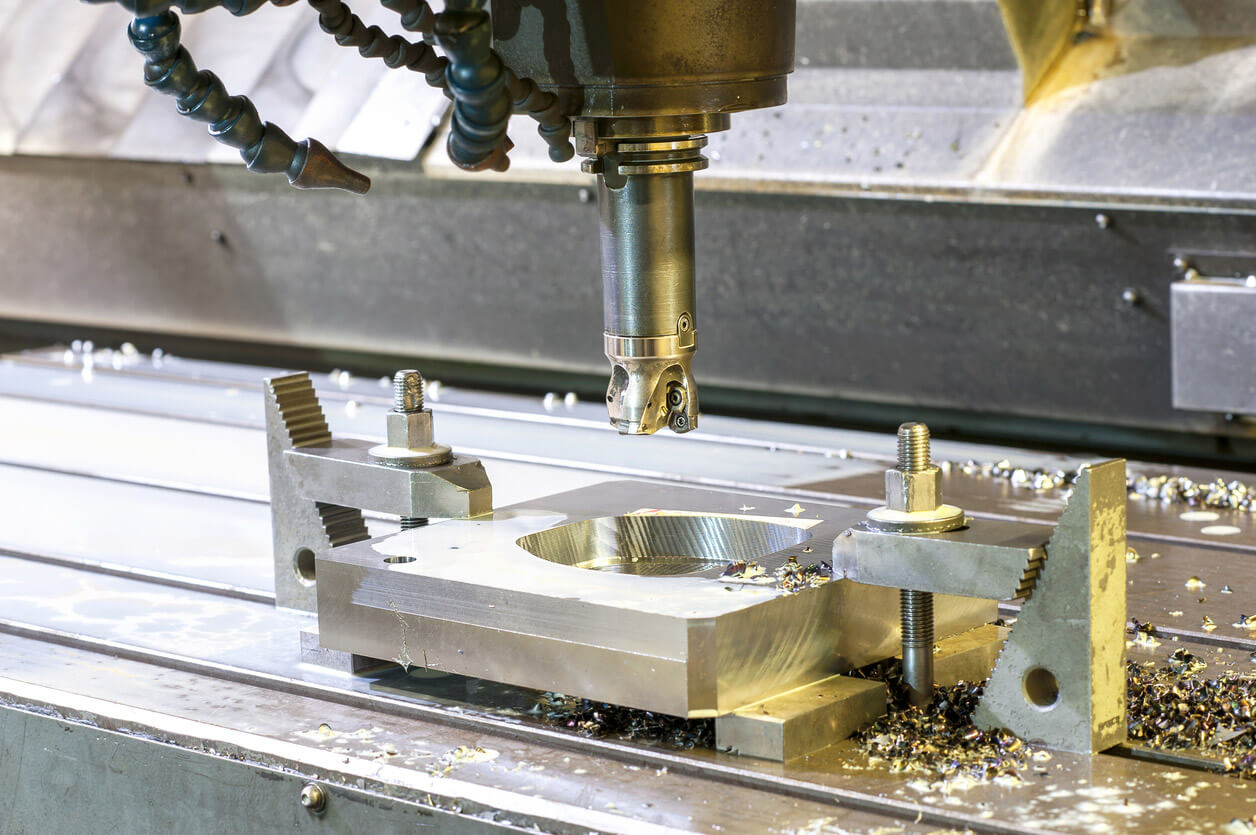
Precision Engineering Pathway: Custom Silicon Mold Production
Our custom silicon mold manufacturing process at Wuxi Lead Precision Machinery is engineered for uncompromising quality and reliability, adhering strictly to the Zero Defects philosophy. This integrated approach spans critical phases from initial concept to high-volume output, ensuring every component meets exacting client specifications and industry standards.
The process commences with rigorous Design Engineering. Our team collaborates closely with clients to translate functional requirements into optimized mold geometry. Advanced CAD/CAM software enables precise 3D modeling, incorporating critical factors like material flow dynamics, thermal stability, and ejection mechanics specific to silicon compounds. Finite Element Analysis (FEA) simulates molding pressures and thermal cycles, identifying potential stress points or warpage risks before physical work begins. This proactive virtual validation phase is fundamental to preventing downstream defects and establishing a robust foundation for manufacturability.
Prototyping follows as a vital verification step, not merely a sample creation stage. Utilizing high-precision CNC milling and electrical discharge machining (EDM) on aerospace-grade tool steels or specialized alloys, we produce functional prototype molds. These undergo exhaustive metrological inspection using calibrated Coordinate Measuring Machines (CMMs) and optical comparators, validating dimensional accuracy against the digital model down to micron-level tolerances. Simultaneously, initial silicon molding trials assess cavity filling, part release, surface finish, and material behavior. Any deviations trigger immediate design or process parameter refinement, closing the loop before committing to production tooling. This iterative cycle ensures the final mold design is proven and defect-resistant.
Mass Production leverages the validated design and prototype data to implement a controlled, repeatable process. Production molds are fabricated using hardened, wear-resistant materials and subjected to the same stringent dimensional and surface finish inspections. Real-time Statistical Process Control (SPC) monitors critical parameters—temperature, pressure, cycle time—during molding runs. Every component undergoes 100% automated optical inspection (AOI) against master templates, coupled with batch traceability linking each part to specific mold cavities and process logs. This closed-loop system, combined with our certified quality management protocols (ISO 9001:2015), guarantees consistent output where deviations are statistically improbable, achieving the Zero Defects target essential for demanding applications in medical, aerospace, and semiconductor sectors.
Critical process parameters maintained throughout production ensure mold performance integrity:
| Parameter | Typical Specification | Measurement Method | Control Target |
|---|---|---|---|
| Cavity Dimensional Tol | ±0.005 mm | CMM / Optical Comparator | Within ±0.003 mm |
| Surface Roughness (Ra) | ≤ 0.05 µm | Profilometer | ≤ 0.04 µm |
| Flatness | ≤ 0.01 mm / 100 mm | CMM / Optical Flat | ≤ 0.008 mm / 100 mm |
| Hardness (Core) | 52-56 HRC | Rockwell Hardness Tester | Within ±1 HRC |
| Thermal Stability | ≤ 0.01 mm distortion | Thermal Cycling + CMM | No measurable shift |
This disciplined progression—from predictive design through validated prototyping to SPC-governed mass production—forms the backbone of Wuxi Lead’s commitment to delivering flawless custom silicon molds that perform reliably in the most critical applications.
Why Choose Wuxi Lead Precision
Partner with Lead Precision for Unmatched Expertise in Custom Silicon Mold Manufacturing
At Wuxi Lead Precision Machinery, we understand that precision, reliability, and consistency are non-negotiable in high-performance manufacturing. As a trusted leader in custom metal manufacturing based in Wuxi, China, we specialize in delivering engineered solutions for complex applications—particularly in the production of custom silicon molds used across semiconductor, automotive, medical, and advanced electronics industries. Our commitment to excellence is built on decades of technical mastery, cutting-edge CNC machining capabilities, and a deep understanding of material science.
When you partner with Lead Precision, you gain more than a supplier—you gain a strategic manufacturing ally. Our engineering team collaborates closely with clients from concept to completion, ensuring that every custom silicon mold meets exact thermal, dimensional, and surface finish requirements. We utilize high-grade tool steels and advanced alloys, combined with precision milling, grinding, and EDM processes, to produce molds capable of withstanding extreme cycling and maintaining micron-level accuracy over thousands of production runs.
Our facility is equipped with state-of-the-art 5-axis CNC machines, laser measurement systems, and cleanroom environments for critical applications, ensuring every component is manufactured to the highest international standards. From prototype development to full-scale production, we maintain rigorous quality control protocols, including CMM inspection and material certification, to guarantee repeatability and compliance.
We recognize that every industry has unique demands. Whether you require micro-textured surfaces for improved release performance, integrated cooling channels for cycle time reduction, or corrosion-resistant coatings for extended tool life, our team tailors each solution to your operational needs. Our molds are designed not only for performance but also for longevity and serviceability, reducing downtime and total cost of ownership.
Below are key technical specifications we support for custom silicon mold manufacturing:
| Specification | Capability |
|---|---|
| Tolerance | ±0.002 mm |
| Surface Finish | Ra 0.05 μm to Ra 0.4 μm (polished or textured) |
| Materials | H13, S136, 420SS, Invar, Aluminum 7075, and custom alloys |
| Max Mold Size | 800 mm × 600 mm × 500 mm |
| Machining Processes | 5-axis CNC milling, Wire EDM, Surface & ID grinding |
| Coating Options | TiN, DLC, Ni-P-PTFE (for release and wear resistance) |
| Quality Standards | ISO 9001:2015, Full inspection report provided |
Choosing the right manufacturing partner is critical when performance and precision are on the line. At Wuxi Lead Precision Machinery, we don’t just meet expectations—we redefine them. Let us help you achieve superior mold performance, faster time-to-market, and long-term production efficiency.
Contact us today at [email protected] to discuss your custom silicon mold requirements. Our engineering team is ready to support your next breakthrough project with precision, professionalism, and partnership.
⚙️ Precision Cost Estimator
Estimate relative manufacturing effort based on tolerance.