
Technical Contents
Engineering Guide: Custom Roto Molding
Engineering Insight Precision in Custom Rotomolding
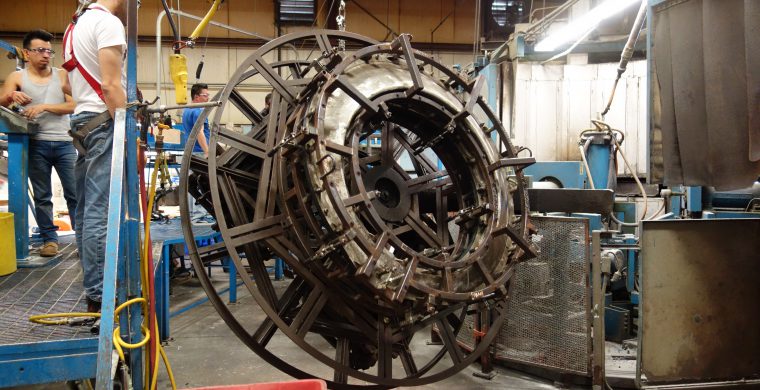
Rotational molding transforms polymer powders into seamless hollow parts through controlled biaxial rotation and thermal cycling. While often perceived as a low-precision process, high-performance applications demand micron-level accuracy in wall thickness distribution, thermal management, and material integrity. Variations exceeding ±0.1mm in wall thickness compromise structural integrity in critical components like fluid containment vessels or aerospace ducting, leading to catastrophic field failures. At Wuxi Lead Precision Machinery, we treat rotomolding as a precision engineering discipline—not a mere forming technique. Our CNC-controlled rotational platforms integrate real-time thermal mapping and adaptive inertia compensation to eliminate common defects such as resin pooling or uneven cooling. This eliminates post-mold machining for critical surfaces, reducing lead times by 30% while meeting AS9100 aerospace tolerances.
Material science intersects directly with machine control in high-stakes applications. Military-specification fuel bladders require consistent 3.5mm wall thickness across complex geometries to withstand explosive decompression, while Olympic-grade athletic equipment mandates ±0.05mm uniformity for aerodynamic perfection. Standard rotomolding equipment lacks the closed-loop feedback necessary for such consistency. Our proprietary thermal profiling system uses 128-point infrared monitoring to adjust oven dwell times within 0.3-second increments, ensuring polymer cross-linking occurs within the optimal 200–350°C window for engineering-grade resins. This prevents material degradation that causes micro-fractures under cyclic stress.
The following specifications demonstrate our engineering benchmarks for mission-critical rotomolding:
| Parameter | Standard Industry Tolerance | Wuxi Lead Precision Tolerance | Validation Standard |
|---|---|---|---|
| Wall Thickness Uniformity | ±0.25mm | ±0.05mm | ASTM D638 |
| Thermal Gradient Control | ±15°C across mold surface | ±3°C | MIL-STD-810H Section 15.7 |
| Cycle Time Repeatability | ±2.5% | ±0.4% | ISO 2768-mK |
| Dimensional Stability | ±0.8% | ±0.15% | AS9102 Form 3 |
Our commitment to precision is battle-tested. Components manufactured on Lead Precision systems operate in Type IV military drones enduring -40°C Arctic deployments and form the structural cores of Olympic bobsled runners achieving 130km/h stability. This reliability stems from our dual-axis motion control architecture—originally developed for satellite component manufacturing—which maintains rotational symmetry within 0.02 degrees regardless of payload mass distribution. When tolerances define mission success, rotational molding transcends its reputation as a “rough forming” process. It becomes a precision engineering solution where every micron is accounted for, and every thermal cycle is a controlled variable.
For applications where failure is not an option, consult our engineering team for validation data from recent defense sector deployments and Olympic Games component certifications. Precision rotomolding isn’t theoretical at Lead Precision—it’s engineered reality.
Precision Specs & Tolerances
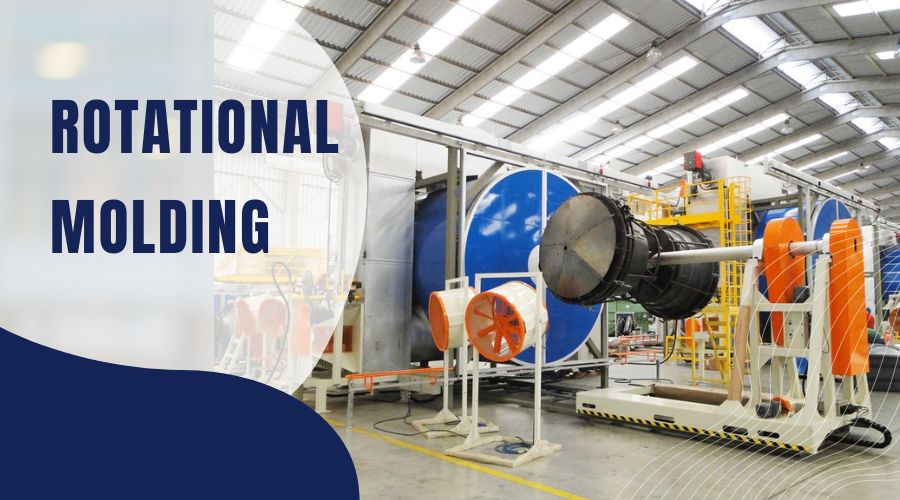
Wuxi Lead Precision Machinery delivers advanced custom roto molding solutions tailored to high-performance industrial applications. Our technical capabilities are built around precision engineering, advanced CNC technology, and rigorous quality assurance protocols. As a trusted partner in custom metal manufacturing, we specialize in producing complex rotational molding components with exceptional accuracy, repeatability, and surface integrity.
At the core of our production capacity is a full suite of 5-axis CNC machining centers. These systems enable simultaneous multi-directional cutting, allowing us to manufacture intricate geometries that are unachievable with conventional 3-axis equipment. The integration of 5-axis technology ensures minimal setup changes, reduced cycle times, and superior dimensional consistency across both prototypes and high-volume production runs. Our machines are maintained to OEM standards and operated by certified CNC engineers with extensive experience in aerospace, medical, and energy sector components.
Material selection is critical in roto molding applications, where thermal stability and mechanical strength are paramount. We work with a broad range of metals including aerospace-grade aluminum alloys, stainless steels, titanium, and high-temperature nickel-based superalloys. Each material is processed using optimized toolpaths and cutting parameters to maintain structural integrity and achieve fine surface finishes down to Ra 0.4 µm.
Quality control is embedded at every stage of production. Our in-house Coordinate Measuring Machine (CMM) provides full 3D metrology verification, ensuring all components meet specified geometric dimensioning and tolerancing (GD&T) requirements. Every part undergoes post-machining inspection with traceable calibration reports issued per customer request. This systematic approach to quality ensures compliance with ISO 9001 standards and critical industry specifications.
We support tight tolerance machining essential for high-precision roto molding tooling and components. The table below outlines our standard and precision capability ranges.
| Feature | Standard Capability | Precision Capability | Units |
|---|---|---|---|
| Linear Tolerance | ±0.05 | ±0.01 | mm |
| Angular Tolerance | ±0.1 | ±0.05 | degrees |
| Positional Tolerance | ±0.03 | ±0.01 | mm |
| Surface Roughness (Ra) | 1.6 | 0.4 | µm |
| Maximum Work Envelope | 1200 x 800 x 600 | — | mm |
| Feature Resolution | — | 0.005 | mm |
Our technical team collaborates closely with clients during the design-for-manufacturability (DFM) phase to optimize part geometry, reduce lead times, and enhance performance. From initial CAD model evaluation to final inspection, Wuxi Lead Precision Machinery ensures every custom roto molding component meets the highest standards of precision and reliability.
Material & Finish Options
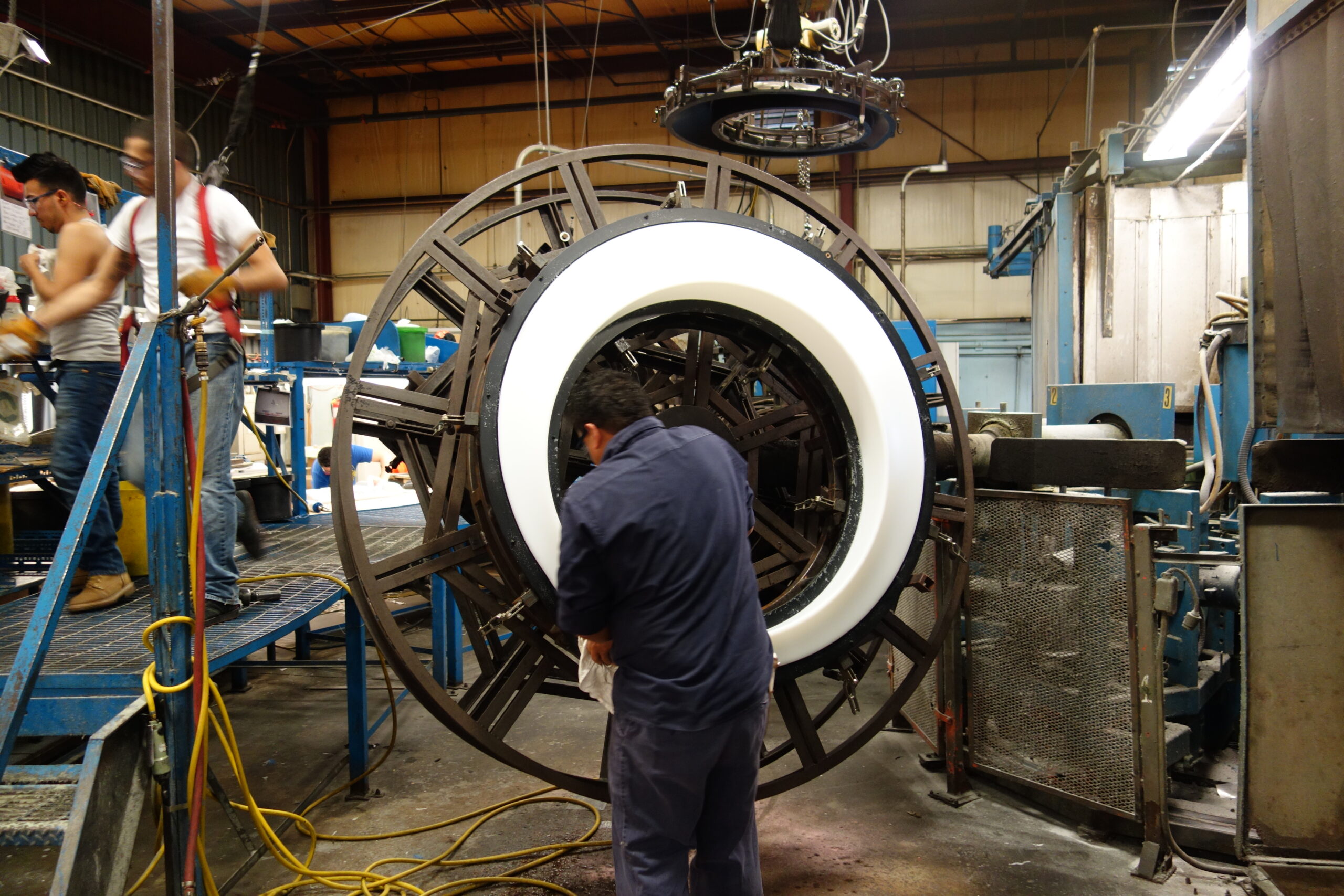
Strategic Material Selection for Precision Roto Molded Components
Material choice fundamentally dictates the performance, longevity, and cost-effectiveness of custom roto molded metal components. At Wuxi Lead Precision Machinery, we guide clients through this critical decision based on rigorous application analysis, ensuring optimal part functionality within demanding industrial, aerospace, and medical environments. Understanding the core properties of Aluminum, Steel, and Titanium is essential for successful roto molding outcomes.
Aluminum Alloys dominate roto molding due to their excellent strength-to-weight ratio, inherent corrosion resistance, and superior formability at elevated temperatures. Grade 6061-T6 is particularly favored for structural housings, fluid system manifolds, and aerospace brackets where weight savings are paramount without sacrificing structural integrity. Its compatibility with the roto molding process ensures uniform wall thickness and complex geometries. Aluminum naturally forms a protective oxide layer, but enhanced surface protection is often required.
Steel Alloys, primarily 4130 Chromoly and 304/316 Stainless variants, are selected when maximum strength, wear resistance, or high-temperature performance is non-negotiable. 4130 excels in high-stress mechanical components like landing gear fittings, while 316 Stainless is indispensable for marine or chemical processing parts demanding exceptional corrosion resistance. Roto molding steel requires precise thermal control to manage oxidation and achieve the desired metallurgical properties, a capability central to our process expertise.
Titanium Alloys, notably Grade 5 (Ti-6Al-4V), represent the pinnacle for extreme environments. Its unparalleled strength-to-weight ratio, biocompatibility, and resistance to corrosion in seawater, chlorides, and high temperatures make it ideal for critical aerospace actuators, medical implants, and deep-sea instrumentation. While significantly more challenging and costly to process via roto molding due to reactivity at high temperatures, Wuxi Lead’s specialized vacuum-controlled furnaces and proprietary handling protocols ensure defect-free, high-integrity titanium components.
Comparative Material Properties for Roto Molding
| Property | Aluminum 6061-T6 | Steel 4130 | Titanium Ti-6Al-4V |
|---|---|---|---|
| Density (g/cm³) | 2.7 | 7.85 | 4.43 |
| Tensile Strength (MPa) | 310 | 670 | 900 |
| Corrosion Resistance | Good (enhanced) | Moderate (4130) | Excellent |
| Typical Roto Use Case | Lightweight housings, brackets | High-stress fittings, shafts | Aerospace, medical, marine |
Surface Finishing: Anodizing for Enhanced Performance
Anodizing is the premier surface treatment for roto molded aluminum components, significantly boosting corrosion resistance, wear properties, and aesthetic options. Type II Sulfuric Anodizing provides a standard, durable, dyeable finish suitable for most industrial applications. For extreme wear resistance and superior corrosion protection in harsh environments, Type III Hardcoat Anodizing is essential, producing a much thicker, denser, and harder oxide layer. Our precision-controlled anodizing lines ensure consistent coating thickness, optimal adhesion, and strict color matching per client specifications, directly contributing to component lifespan and reliability.
Selecting the correct base material and finish is not merely a technical specification; it is a strategic investment in component performance and lifecycle cost. Wuxi Lead Precision Machinery leverages decades of roto molding expertise and advanced material science knowledge to partner with you, ensuring your material selection aligns perfectly with functional requirements, environmental exposure, and project economics. Contact our engineering team for a detailed material suitability assessment.
Manufacturing Process & QC
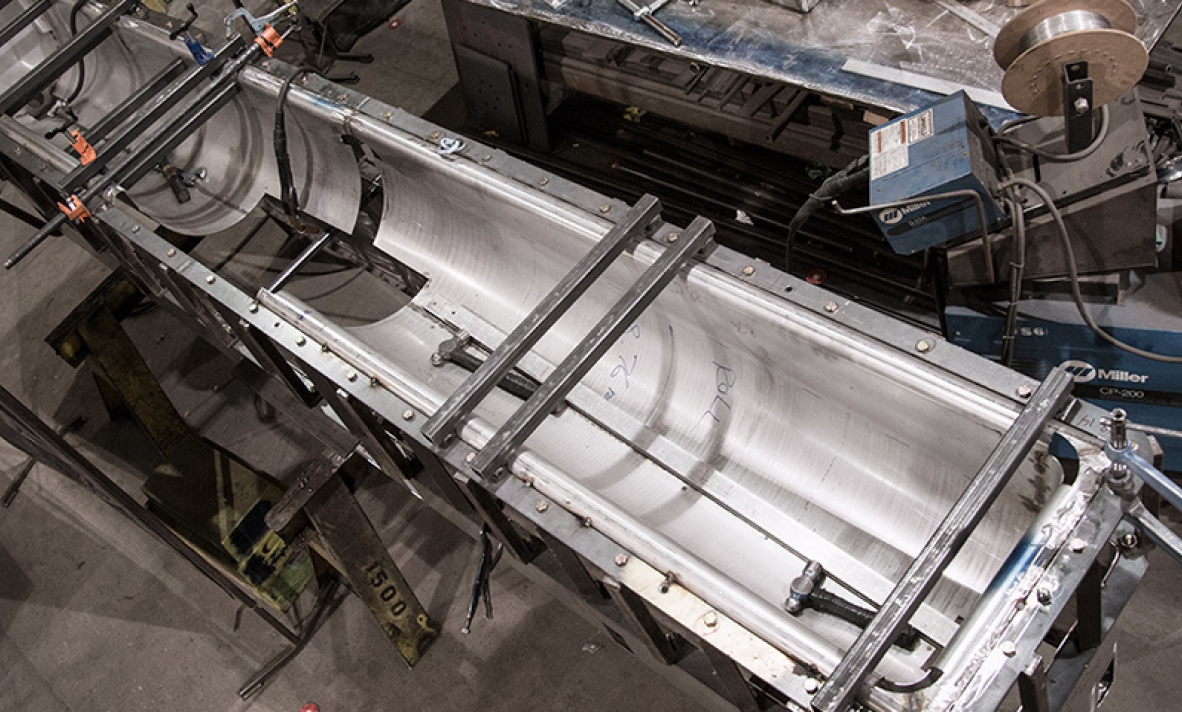
Custom Roto Molding: From Design to Zero-Defect Mass Production
At Wuxi Lead Precision Machinery, custom rotational molding for metal components is engineered for precision, repeatability, and structural integrity. This advanced manufacturing process transforms client concepts into high-performance metal parts through a tightly controlled sequence: Design, Prototyping, and Mass Production. Each phase is optimized to ensure zero defects and full compliance with industrial standards.
The process begins with Design Engineering, where our technical team collaborates closely with the client to define functional requirements, material specifications, and geometric constraints. Utilizing advanced CAD/CAM software and finite element analysis (FEA), we simulate stress distribution, thermal behavior, and rotational dynamics to optimize wall thickness and structural symmetry. This digital validation ensures moldability and performance before any physical work begins. Design for Manufacturability (DFM) reviews are conducted to eliminate risks such as warping, thin spots, or material degradation during heating and cooling cycles.
Next, Prototyping translates the digital model into a physical test unit. A dedicated low-volume mold is fabricated using tool steel or aluminum, depending on complexity and testing duration. The prototype is produced under full process parameters—loading the metal charge, rotating biaxially in a heated chamber, and controlled cooling—to replicate end-production conditions. Dimensional inspection, non-destructive testing (NDT), and mechanical validation are performed in-house using coordinate measuring machines (CMM) and ultrasonic testing. Client feedback is integrated at this stage, and design refinements are made digitally, ensuring full alignment before scaling.
The final phase, Mass Production, is executed on automated roto molding lines with real-time monitoring. Each mold rotates on dual axes within a convection furnace, ensuring uniform heat distribution and consistent wall thickness. Cooling is precisely managed to prevent residual stresses and distortion. Every cycle is logged via IoT-enabled sensors tracking temperature, rotation speed, and dwell time. Statistical Process Control (SPC) systems detect deviations instantly, triggering automatic adjustments or alerts. All finished components undergo 100% visual inspection and batch sampling for metallurgical analysis, ensuring compliance with ISO 9001 and client-specific quality plans.
Wuxi Lead Precision Machinery’s zero-defect philosophy is embedded in every step. From digital twin simulations to closed-loop production control, we deliver custom roto molded metal parts that meet the most demanding industrial applications in aerospace, energy, and heavy machinery.
Typical Process Specifications for Custom Roto Molding
| Parameter | Value Range |
|---|---|
| Material Options | Stainless Steel, Carbon Steel, Nickel Alloys |
| Wall Thickness Tolerance | ±0.2 mm to ±0.5 mm |
| Part Weight Range | 0.5 kg to 50 kg |
| Outer Diameter Capability | Up to 2,000 mm |
| Heating Temperature Range | 800°C to 1,200°C |
| Rotation Speed (X & Y) | 4–20 RPM (independent control) |
| Cycle Time | 30–120 minutes (depending on size) |
| Surface Finish | Ra ≤ 3.2 μm (as-molded), optional polishing |
| Quality Standards | ISO 9001, ASTM E571, NDT Certification |
Why Choose Wuxi Lead Precision
Elevate Your Roto Molding Production Through Engineered Partnership
Selecting a precision metal manufacturing partner for custom roto molding demands more than equipment—it requires integrated engineering mastery to eliminate production bottlenecks and ensure zero-defect delivery. At Wuxi Lead Precision Machinery, we merge 15+ years of CNC expertise with deep roto molding process intelligence to transform your most complex metal component challenges into predictable, high-yield outcomes. Our ISO 9001-certified facility in Wuxi operates under stringent aerospace-grade quality protocols, ensuring every mold, fixture, and final part adheres to micron-level tolerances. We specialize in overcoming industry pain points: material warpage during cooling cycles, inconsistent wall thickness in large-scale parts, and extended lead times due to iterative design flaws. By embedding our engineers directly into your R&D phase, we preemptively resolve thermal dynamics and structural integrity issues, slashing time-to-market by up to 40% while guaranteeing repeatability across 10,000+ production cycles.
Precision Engineering Capabilities for Demanding Roto Molding Applications
| Specification | Capability | Application Impact |
|---|---|---|
| Material Compatibility | Aluminum 6061/7075, Stainless Steel 304/316 | Eliminates porosity in high-temperature rotational cycles |
| Dimensional Tolerance | ±0.05 mm (linear), ±0.1° (angular) | Ensures seamless integration with polymer substrates |
| Max Part Size | Ø2,500 mm x 1,800 mm height | Supports industrial tanks, automotive housings, marine components |
| Surface Finish | Ra 0.8 µm (as-machined) | Reduces secondary polishing needs by 70% |
| Lead Time | 12-18 weeks (prototype to volume) | Accelerates validation for regulated industries |
Unlike commodity suppliers, we deploy proprietary CNC simulation software to model stress distribution and cooling rates before metal cutting begins. This proactive approach prevents costly mold rework and material waste—critical when your project hinges on first-article approval from OEM clients. Our dedicated project managers provide real-time CNC machining data dashboards, granting full visibility into production milestones without operational disruption. Recent collaborations with European renewable energy firms demonstrate how our titanium alloy mandrels withstand 500+°C rotational molding environments while maintaining dimensional stability, directly contributing to their 99.2% production yield rate.
Initiate Your Risk-Mitigated Manufacturing Pathway
The cost of subpar roto molding partners extends beyond delayed shipments—it risks your reputation in markets where component failure carries regulatory and financial consequences. Wuxi Lead Precision Machinery delivers not just parts, but engineered certainty. Contact our technical sales team to schedule a confidential process audit. Share your design specifications and production targets, and we will return a comprehensive capability analysis within 72 hours—including CNC feasibility assessment, material optimization recommendations, and a phased implementation roadmap. Do not compromise on the metal foundation of your roto molded products.
Email [email protected] with subject line “Roto Molding Technical Consultation” to activate your engineering partnership. Our specialists respond within one business day to align on your precision requirements.
⚙️ Precision Cost Estimator
Estimate relative manufacturing effort based on tolerance.