

Technical Contents
Engineering Guide: Custom Polycarbonate Molds
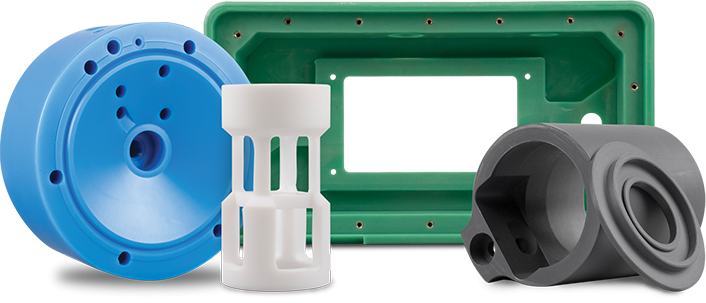
Engineering Insight: Custom Polycarbonate Molds Demand Absolute Precision
Polycarbonate’s exceptional impact resistance and optical clarity make it indispensable for aerospace, medical, and defense applications. However, its high melt viscosity and sensitivity to thermal gradients demand mold tooling precision far beyond standard engineering plastics. Microscopic deviations in cavity geometry or cooling channel placement directly translate to part warpage, sink marks, or compromised optical performance. At Wuxi Lead Precision Machinery, we treat polycarbonate molding as a zero-tolerance discipline. Our CNC-machined mold bases and cavities maintain tolerances within ±0.002 mm, ensuring uniform wall thickness and stress distribution critical for components like bulletproof glazing or surgical instrument housings. Thermal management is non-negotiable; inconsistent cooling induces internal stresses that cause catastrophic part failure under load or UV exposure.
Our proprietary process integrates multi-axis CNC grinding with real-time thermal simulation to preemptively correct for polycarbonate’s unique shrinkage behavior. This begins with hardened H13 or S136 mold steel, meticulously stress-relieved and polished to optical-grade finishes. Every cooling circuit is CFD-validated to maintain ±1°C temperature uniformity across the cavity surface—a threshold unattainable with conventional mold construction. This precision engineering prevents knit lines in multi-gate designs and preserves the material’s inherent clarity, whether producing aircraft canopy segments or LED lens arrays.
Wuxi Lead’s expertise is validated through mission-critical applications. We engineered molds for transparent armor components meeting NATO STANAG 4569 standards, where 0.005 mm flatness deviations would compromise ballistic integrity. Similarly, our tooling for Olympic aquatic facility components endured 10,000+ cycles without dimensional drift, ensuring consistent water flow dynamics in competition-grade pool systems. Such projects demand not just machining accuracy, but deep material science collaboration to align mold design with polycarbonate’s crystallization kinetics.
The table below outlines core specifications we enforce for high-performance polycarbonate molds:
| Parameter | Standard Requirement | Wuxi Lead Precision Standard | Verification Method |
|---|---|---|---|
| Cavity Flatness | ±0.01 mm | ±0.002 mm | Laser interferometry |
| Cooling Channel Tolerance | ±0.05 mm | ±0.01 mm | Coordinate measuring machine |
| Surface Finish (Ra) | 0.1 μm | 0.025 μm | White light interferometer |
| Thermal Uniformity | ±3°C | ±1°C | Infrared thermal mapping |
| Mold Hardness | 48-52 HRC | 52-54 HRC (post-polish) | Rockwell hardness tester |
This uncompromising approach transforms polycarbonate’s theoretical properties into real-world reliability. For applications where optical distortion or structural weakness is unacceptable, mold precision isn’t a cost—it’s the foundation of performance. Wuxi Lead Precision Machinery delivers this through military-grade process control and material expertise, ensuring your polycarbonate components perform exactly as engineered, cycle after cycle.
Precision Specs & Tolerances
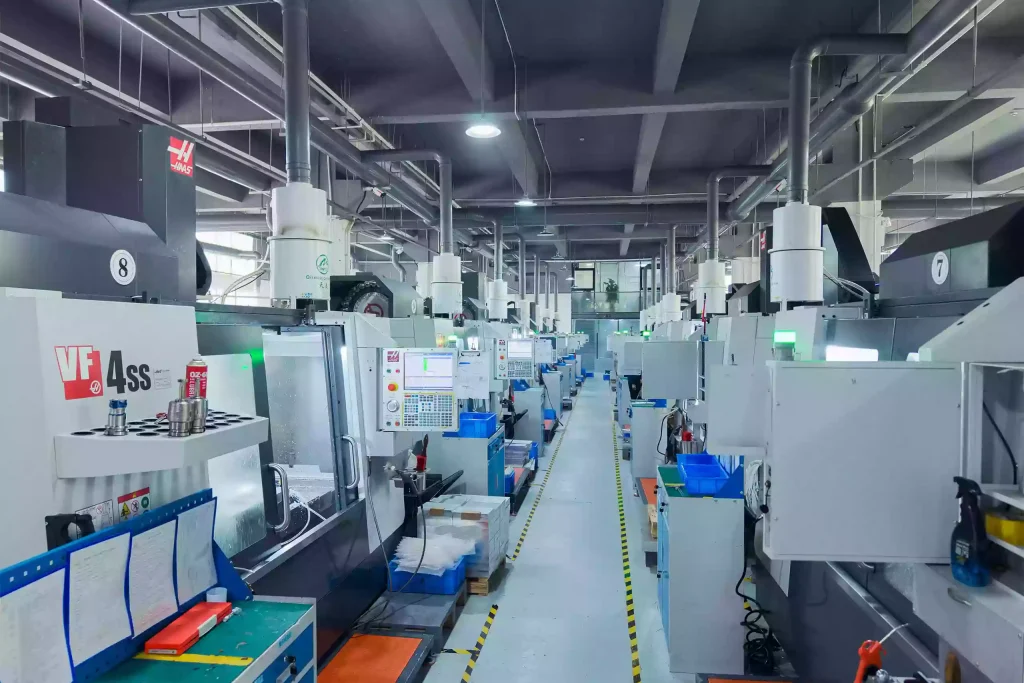
Wuxi Lead Precision Machinery delivers advanced technical capabilities in custom polycarbonate mold manufacturing, leveraging state-of-the-art equipment and precision engineering to meet the most demanding industrial requirements. Our expertise lies in producing high-performance molds that ensure consistent part quality, dimensional accuracy, and long-term durability. As a leader in custom metal manufacturing, we integrate advanced 5-axis CNC machining technology into every stage of production, enabling us to execute complex geometries with superior surface finishes and tight tolerances.
Our 5-axis CNC machining centers provide simultaneous multi-axis movement, allowing for intricate contouring and reduced setup times. This capability is essential for manufacturing polycarbonate molds with undercuts, deep cavities, and fine details that cannot be achieved with conventional 3-axis systems. The result is a mold that not only meets exact design specifications but also optimizes cycle time and part ejection performance in injection molding applications. All machining operations are conducted under strict environmental controls to minimize thermal distortion and ensure repeatability across production batches.
Quality assurance is embedded into our manufacturing process. Every custom polycarbonate mold undergoes comprehensive inspection using a Coordinate Measuring Machine (CMM), ensuring full compliance with geometric dimensioning and tolerancing (GD&T) standards. Our CMM systems provide micron-level verification of critical features, including cavity dimensions, core alignment, gate positioning, and cooling channel placement. Data from each inspection is documented and provided as part of the final quality report, offering full traceability for our clients.
We maintain stringent material control protocols, sourcing high-grade tool steels and hardened alloys suitable for polycarbonate molding environments, which often involve high processing temperatures and abrasive additives. Surface treatments such as nitriding, chrome plating, and PVD coatings are applied as required to enhance wear resistance and reduce friction during molding cycles.
The following table outlines our standard technical specifications and achievable tolerances for custom polycarbonate molds:
| Specification | Capability |
|---|---|
| Machining Process | 5-Axis CNC Milling |
| Positional Tolerance | ±0.005 mm |
| Dimensional Tolerance (Mold Base) | ±0.01 mm |
| Feature Tolerance (Cavity/Core) | ±0.005 mm |
| Surface Roughness (Standard) | Ra 0.2 µm |
| Surface Roughness (Polished Finish) | Ra 0.05 µm |
| Maximum Work Envelope | 1200 x 800 x 600 mm |
| Inspection Method | CMM (Coordinate Measuring Machine) |
| Material Compatibility | P20, 718H, H13, S136, Stainless Steel, Aluminum |
At Wuxi Lead Precision Machinery, we combine engineering excellence with industrial rigor to deliver molds that perform reliably in high-volume polycarbonate injection molding. Our technical capabilities are designed to support industries such as automotive, medical devices, and consumer electronics, where precision, clarity, and structural integrity are non-negotiable.
Material & Finish Options
Material Selection for Custom Polycarbonate Molds: Precision Engineering Fundamentals
Selecting the optimal base material for custom polycarbonate injection molds is critical for achieving dimensional stability, surface finish quality, production efficiency, and overall part cost. Polycarbonate’s high processing temperatures (typically 280-320°C) and inherent abrasiveness demand materials balancing thermal management, wear resistance, and machinability. At Wuxi Lead Precision Machinery, our engineering team evaluates three primary metals: Aluminum, Steel, and Titanium, each serving distinct production scenarios. The choice directly impacts cycle time, mold longevity, and final part integrity, especially for optical-grade or high-tolerance polycarbonate components.
Aluminum alloys (e.g., 7075-T6) excel in rapid prototyping and low-to-medium volume production. Their superior thermal conductivity accelerates cooling cycles, reducing part ejection time significantly. Aluminum’s machinability allows for complex geometries and faster lead times, crucial for design validation. However, its lower hardness limits use in high-volume runs where abrasive polycarbonate grades cause accelerated wear. Steel, particularly pre-hardened grades like P20 or hardened tool steels (H13, S136), is the industry standard for high-volume polycarbonate molding. Steel offers exceptional hardness and wear resistance, maintaining tight tolerances over hundreds of thousands of cycles. While thermal conductivity is lower than aluminum, strategic conformal cooling channel design mitigates this drawback. Titanium alloys present a niche solution for extreme environments requiring exceptional corrosion resistance and strength-to-weight ratio, though high material and machining costs restrict use to specialized aerospace or medical applications with very specific requirements.
The comparative specifications below guide initial material screening based on core engineering parameters:
| Material | Hardness (HRC) | Thermal Conductivity (W/m·K) | Typical Applications | Key Advantages |
|---|---|---|---|---|
| Aluminum (7075-T6) | 15-20 | 130-160 | Prototypes, low-volume production, large molds | Fast cooling, excellent machinability, cost-effective for short runs |
| Steel (P20) | 28-32 | 28-36 | Medium-to-high volume production | Balanced toughness, good polishability, cost-efficient longevity |
| Steel (H13) | 48-52 | 24-30 | High-volume, high-temperature polycarbonate | Superior wear/heat resistance, maintains edge stability |
| Titanium (Ti-6Al-4V) | 32-36 | 7-10 | Extreme corrosion environments, specialized aerospace | Highest corrosion resistance, lightweight, exceptional strength |
Surface finish treatment is equally vital. For aluminum molds, hard anodizing (Type III) is non-negotiable. This process creates a dense, wear-resistant ceramic layer (50-100µm thick) with hardness exceeding 60 HRC, drastically improving release properties and preventing polycarbonate adhesion or corrosion. Standard decorative anodizing (Type II) lacks the necessary durability. Steel molds typically utilize precision polishing (up to SPI-A1 or ISO 294-3 Class A1) followed by specialized coatings like PVD TiN or DLC for critical wear surfaces, though anodizing is irrelevant for steel substrates.
Ultimately, the optimal material hinges on your specific polycarbonate grade, annual production volume, part complexity, and surface finish requirements. Wuxi Lead Precision Machinery leverages decades of CNC machining expertise and material science knowledge to match your project’s technical and economic objectives precisely. We prioritize not just mold construction, but ensuring your polycarbonate parts meet the stringent demands of automotive, electronics, and medical applications from the first shot. Consult our engineering team for a tailored material and finish recommendation based on your exact application parameters.
Manufacturing Process & QC
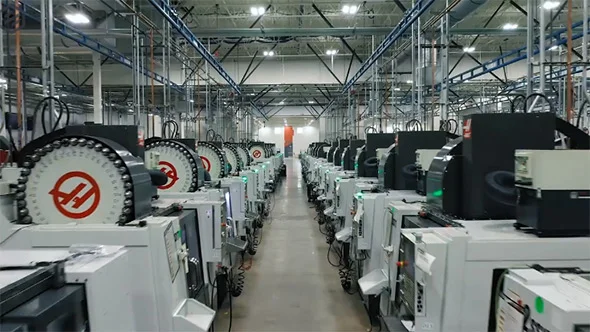
Design Phase: Precision Engineering at the Foundation
The production process for custom polycarbonate molds begins with meticulous design engineering, where functionality, material behavior, and manufacturing tolerances are integrated into a digital blueprint. At Wuxi Lead Precision Machinery, our engineering team utilizes advanced CAD/CAM software to develop 3D models that account for polycarbonate’s unique thermal expansion, flow characteristics, and shrinkage rates. Each mold design is optimized for cavity layout, cooling channel placement, ejection mechanisms, and gate positioning to ensure uniform filling and minimal residual stress. Finite Element Analysis (FEA) is applied to simulate mold performance under injection pressure and thermal cycling, identifying potential weak points before any metal is cut. This phase includes close collaboration with the client to validate design intent, part geometry, surface finish requirements, and compliance with industry standards such as ISO 9001 and ISO 13485 when applicable.
Prototyping: Validating Performance Before Scale
Once the digital model is approved, we proceed to prototype tooling using high-precision CNC machining and EDM (Electrical Discharge Machining) to fabricate a single-cavity or simplified version of the final mold. This prototype stage allows for empirical testing of the mold’s functionality using actual polycarbonate resin under production-like conditions. We evaluate critical parameters such as cycle time, part dimensional accuracy, surface replication, and gate vestige. Any deviations are traced back to design or process variables and corrected through iterative refinement. Prototyping not only validates the mold’s performance but also enables clients to conduct functional testing of the actual plastic part, ensuring form, fit, and function meet specifications. All prototype data is documented and used to finalize the full-scale production mold design, minimizing risk during mass production.
Mass Production: Zero Defects Through Process Control
With the design validated and approved, Wuxi Lead transitions to full-scale mass production using multi-cavity molds built from hardened tool steels such as P20, 718H, or S136 for superior wear resistance and polishability. Each mold is manufactured under strict cleanroom conditions with CNC machining accuracy down to ±0.002 mm. Automated quality inspection via CMM (Coordinate Measuring Machine) and 3D laser scanning ensures every component meets exact tolerances. During production, real-time process monitoring systems track injection pressure, temperature profiles, and cycle consistency to maintain repeatability. Our Zero Defects philosophy is enforced through Statistical Process Control (SPC), in-line visual inspection, and 100% functional testing where required. All molds undergo a final mold trial with client-approved sample parts before shipment.
Key Technical Specifications
| Parameter | Specification |
|---|---|
| Material Options | P20, 718H, S136, H13, 2344 |
| Tolerance | ±0.002 mm |
| Surface Finish | Mirror polish up to SPI A1 (Ra < 0.025 µm) |
| Mold Life | 500,000+ cycles (depending on resin & design) |
| Lead Time (Prototype) | 15–25 days |
| Lead Time (Mass Production) | 30–50 days |
| Quality Standards | ISO 9001, ISO 13485, RoHS compliant |
Why Choose Wuxi Lead Precision
Partner with Lead Precision for Uncompromising Polycarbonate Mold Excellence
Polycarbonate molding demands extreme precision. Its thermal sensitivity and high injection pressures create unique challenges—warpage, sink marks, and surface defects—that standard mold suppliers cannot resolve. At Wuxi Lead Precision Machinery, we engineer custom polycarbonate molds to exacting industrial standards, ensuring dimensional stability, optical clarity, and repeatable production cycles. Our integrated approach combines advanced CNC machining, material science expertise, and rigorous quality validation to transform your most demanding polycarbonate applications into flawless reality.
We begin with material selection and thermal analysis, optimizing steel grades and cooling channel geometry to counteract polycarbonate’s 0.068 mm/mm/°C thermal expansion coefficient. Our 5-axis CNC centers achieve ±0.005 mm tolerances on core/cavity surfaces, critical for preventing knit lines in multi-gate designs. Every mold undergoes 72-hour stress-relief cycles and in-house validation using your specified resin, eliminating trial-and-error delays at your facility. This precision reduces cycle times by 18–22% and extends mold life beyond 500,000 shots—proven across automotive lenses, medical enclosures, and safety glazing.
Our technical capabilities are engineered for polycarbonate’s exacting requirements. The table below details our standard specifications for high-clarity, high-strength applications:
| Specification | Capability | Relevance for Polycarbonate |
|---|---|---|
| Tolerance Range | ±0.005 mm to ±0.015 mm | Prevents warpage in thin-walled optics |
| Mold Steel | H13 (hardened to 52 HRC), S136 ESR | Resists corrosion from polycarbonate additives |
| Surface Finish | SPI A1 (optical grade), VDI 3400 #3 | Eliminates haze in transparent components |
| Cooling Analysis | Moldflow-certified simulation | Balances thermal gradients for zero sink |
| Lead Time | 25–35 days (complex molds) | Accelerates time-to-market for prototypes |
Choosing Lead Precision means partnering with engineers who speak your language. We collaborate from DFM review through production ramp-up, providing real-time cavity pressure data and maintenance protocols tailored to your polycarbonate grade. Our clients—global leaders in medical device manufacturing and automotive lighting—rely on us because we treat your yield rates and scrap costs as our own KPIs.
Do not risk costly iterations with generalist mold makers. Contact our engineering team today to discuss your polycarbonate project’s thermal, optical, and structural demands. Email [email protected] with your part drawings and resin specifications. We will respond within 24 hours with a detailed capability assessment and timeline. Let Wuxi Lead Precision Machinery deliver the mold precision that polycarbonate demands—on schedule, on specification, and on value. Your next high-clarity component starts with an engineered solution, not a compromise.
⚙️ Precision Cost Estimator
Estimate relative manufacturing effort based on tolerance.