

Technical Contents
Engineering Guide: Custom Metal Fabrication Parts
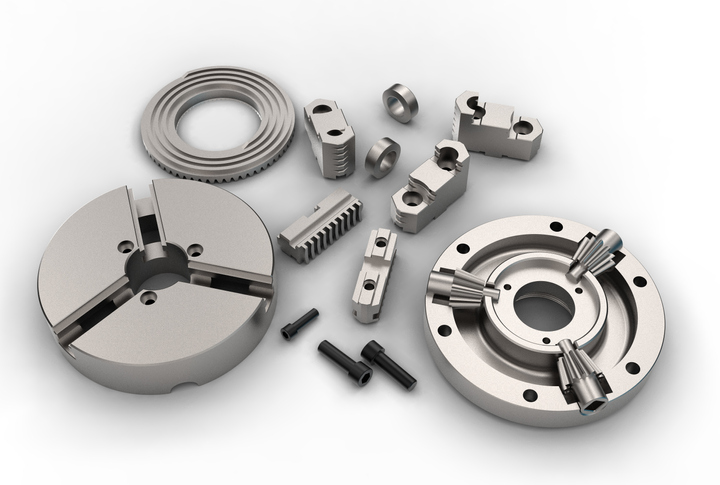
Engineering Insight: Custom Metal Fabrication Parts Require Absolute Precision
In high-stakes manufacturing sectors, the performance and reliability of custom metal fabrication parts hinge entirely on dimensional accuracy and repeatability. Precision is not merely a desirable attribute; it is the foundational requirement ensuring seamless integration, optimal functionality, and extended service life within complex assemblies. Tolerances measured in fractions of a millimeter directly impact structural integrity, thermal management, fluid dynamics, and electromagnetic compatibility. Substandard fabrication introduces cumulative errors, leading to costly assembly delays, field failures, warranty claims, and reputational damage. The true cost of imprecision extends far beyond the initial component price, permeating the entire product lifecycle and supply chain.
Wuxi Lead Precision Machinery operates at the pinnacle of this demanding discipline. Our engineering philosophy centers on deterministic manufacturing processes where every micron is accounted for and controlled. This commitment is rigorously validated through execution of mission-critical projects where failure is not an option. Our facility has successfully delivered custom sheet metal fabrication components for Olympic venue infrastructure demanding flawless large-scale alignment under dynamic loads and stringent architectural specifications. Furthermore, we consistently meet the uncompromising quality, traceability, and documentation standards required for defense and aerospace applications. These experiences forge our capability to manage extreme complexity, stringent regulatory environments, and zero-defect expectations inherent in premium custom fabrication.
Achieving this level of precision demands integrated expertise across design for manufacturability, advanced process control, and rigorous metrology. Our investment in state-of-the-art fiber laser cutting, CNC punching, precision bending cells, and robotic welding is matched by our certified quality management system and highly skilled engineering team. We translate complex client specifications into reality through proactive design review, material science understanding, and real-time process validation. The following table outlines our core precision capabilities for custom sheet metal fabrication:
| Specification Category | Capability Range | Key Standard/Reference |
|---|---|---|
| Material Thickness | 0.5 mm – 6.0 mm (Mild Steel, SS, Al) | ISO 9013 |
| Laser Cutting Tolerance | ±0.05 mm (up to 3mm material) | ISO 2768-mK |
| CNC Bending Tolerance | ±0.1° angular / ±0.1 mm linear | ISO 2768-f |
| Critical Dimension Tolerance | ±0.02 mm (with GD&T control) | ASME Y14.5 |
| Surface Finish (Ra) | 0.8 µm – 3.2 µm (as required) | ISO 1302 |
| Quality Certification | ISO 9001, ISO 14001, AS9100 (avail.) | Full Material Traceability |
Partnering with a fabricator possessing demonstrable high-precision execution in validated extreme environments mitigates your project risk significantly. Wuxi Lead Precision Machinery provides the engineering rigor, process stability, and quality assurance necessary to transform your custom metal fabrication requirements into flawless, performance-critical components. We ensure your designs are realized not just to specification, but to the exacting standards demanded by the world’s most challenging applications, protecting your product integrity and market success. Precision is our standard, not our slogan.
Precision Specs & Tolerances
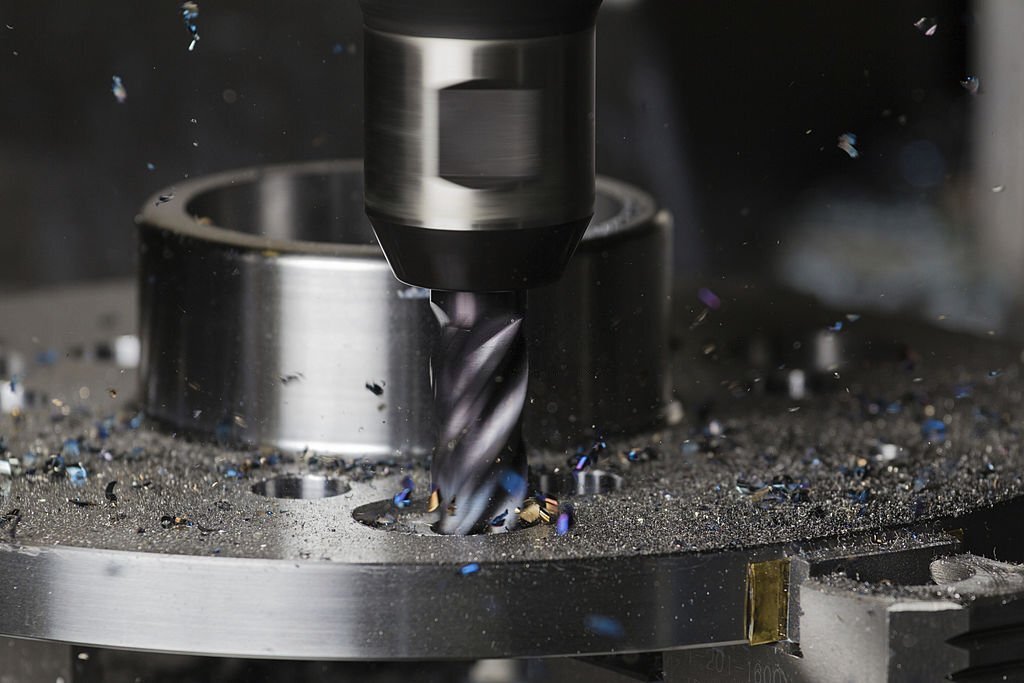
At Wuxi Lead Precision Machinery, our technical capabilities in custom metal fabrication parts are engineered to meet the exacting demands of high-performance industries such as aerospace, medical, automotive, and advanced industrial equipment. With a foundation built on precision engineering and advanced manufacturing technologies, we deliver complex sheet metal components with exceptional consistency, repeatability, and dimensional accuracy.
Our core manufacturing platform is anchored in 5-axis CNC machining, a technology that enables multi-directional cutting and forming with unparalleled precision. This advanced capability allows us to produce intricate geometries and tight-tolerance features in a single setup, minimizing human intervention and reducing cumulative error. The integration of 5-axis systems into our production workflow significantly enhances efficiency, reduces lead times, and ensures superior surface finish and part integrity. Materials such as stainless steel, aluminum alloys, titanium, and specialty alloys are routinely processed with optimal toolpath strategies to maintain material properties and dimensional stability.
Complementing our machining excellence is a comprehensive suite of sheet metal fabrication processes, including precision laser cutting, CNC punching, bending, welding, and assembly. These processes are executed on state-of-the-art equipment calibrated to maintain micron-level accuracy. Our facility supports sheet metal thicknesses ranging from 0.5 mm to 12 mm, accommodating both thin-gauge enclosures and heavy-duty structural components. Advanced nesting software maximizes material utilization, reducing waste and contributing to cost-effective production, especially for medium to high-volume runs.
Quality control is embedded at every stage of production. Each custom metal fabrication part undergoes rigorous inspection using a Coordinate Measuring Machine (CMM), ensuring full compliance with engineering drawings and international standards. Our CMM system provides traceable, 3D metrology data for first-article inspection reports and batch validation. In addition to CMM, we employ optical comparators, surface roughness testers, and hardness gauges to verify critical attributes. All inspection data is documented and archived to support full production traceability and audit readiness.
The following table outlines the key technical specifications and tolerances we consistently achieve across our production lines:
| Parameter | Standard Capability | Tight Tolerance Option | Notes |
|---|---|---|---|
| Dimensional Tolerance | ±0.05 mm | ±0.02 mm | For features under 100 mm |
| Hole Position Tolerance | ±0.08 mm | ±0.03 mm | Relative to datum |
| Angular Tolerance | ±0.1° | ±0.05° | For bent or machined surfaces |
| Surface Roughness (Ra) | 3.2 µm | 0.8 µm | Machined surfaces |
| Sheet Thickness Range | 0.5 mm – 12 mm | N/A | Depending on material and process |
| Minimum Bend Radius | 1 x material thickness | 0.5 x material thickness | Material-dependent, tooling optimized |
| Welding Precision | ±0.2 mm gap control | ±0.1 mm | TIG and MIG with fixturing |
Our technical capabilities are not only defined by equipment and tolerances but by a culture of precision, continuous improvement, and customer-specific problem solving. At Wuxi Lead Precision Machinery, we ensure that every custom metal fabrication part meets the highest benchmarks in quality, performance, and reliability.
Material & Finish Options
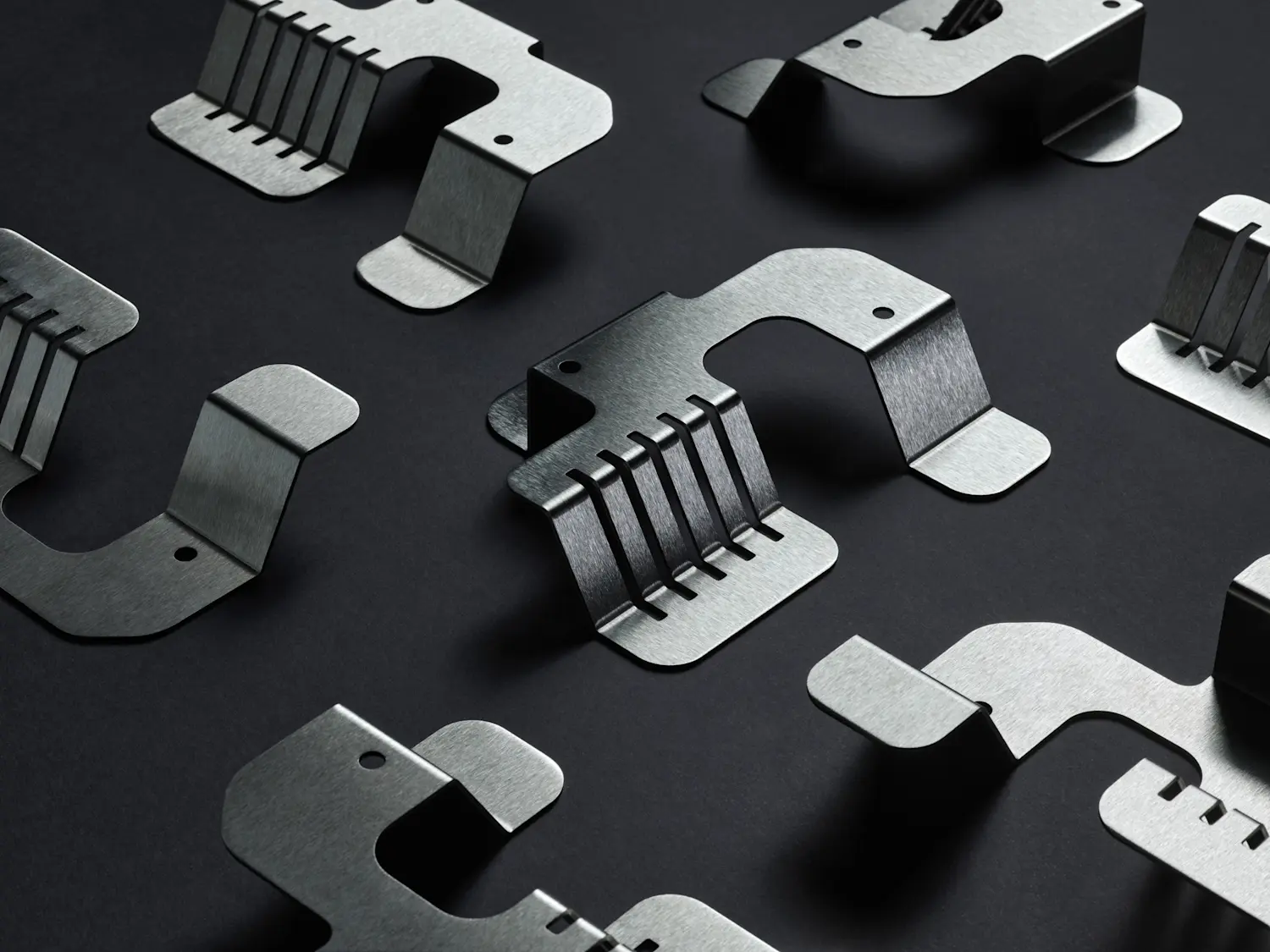
Material Selection for Precision Sheet Metal Fabrication
Material choice fundamentally impacts performance, cost, and longevity in custom sheet metal parts. At Wuxi Lead Precision Machinery, our 15+ years of CNC fabrication expertise ensure optimal material pairing for your specific application demands. Understanding the core properties of Aluminum, Steel, and Titanium is critical before finalizing designs. Each offers distinct advantages and limitations under mechanical stress, environmental exposure, and manufacturing constraints. Selecting incorrectly risks part failure, accelerated wear, or unnecessary expenditure. We prioritize material suitability alongside geometric precision to deliver components meeting exact functional and regulatory requirements.
Aluminum alloys, particularly 5052 and 6061, dominate aerospace, electronics, and transportation sectors due to their exceptional strength-to-weight ratio and inherent corrosion resistance. They machine efficiently, allowing complex geometries with tight tolerances. Aluminum’s natural oxide layer provides baseline protection, but this is significantly enhanced through finishing processes like anodizing. Its lower density reduces component weight substantially compared to steel, a crucial factor in fuel-sensitive applications. However, aluminum generally exhibits lower absolute strength and hardness than steel alternatives.
Steel remains indispensable for structural integrity and wear resistance. Cold Rolled Steel (CRS) offers excellent formability and weldability for enclosures and brackets, while Stainless Steel grades (304, 316) provide superior corrosion and heat resistance for medical, food processing, and marine environments. Steel delivers higher tensile strength and rigidity than aluminum, essential for load-bearing frames. The trade-off is increased weight and, for carbon steels, the absolute necessity of protective finishes like powder coating or plating to prevent rust. Stainless variants mitigate this but at a higher material cost.
Titanium, primarily Grade 2 and 5 (Ti-6Al-4V), is the solution for extreme conditions: high temperatures, severe corrosion, or where ultimate strength-to-weight is non-negotiable. Its biocompatibility makes it vital for medical implants. Titanium surpasses both aluminum and steel in corrosion resistance across harsh chemical environments and seawater. Yet, its high cost and challenging machinability significantly impact fabrication lead times and part pricing. It is typically reserved for mission-critical applications where alternatives fail.
Anodizing is the premier electrochemical finish for aluminum parts. This process thickens the natural oxide layer, creating a hard, durable, and porous surface. Primary benefits include dramatically improved corrosion and abrasion resistance, enhanced adhesion for paints and adhesives, and the ability to incorporate integral color for identification or aesthetics. Type II (sulfuric acid) anodizing is standard for general protection and dyeing, while Type III (hardcoat) provides maximum wear resistance for functional surfaces. Anodizing is not applicable to steel or titanium; these require alternative finishes like passivation, plating, or specialized coatings.
Key material properties guide initial selection. Refer to the comparative specifications below, noting actual values vary significantly by specific alloy and temper.
| Property | Aluminum (6061-T6) | Steel (304 Stainless) | Titanium (Grade 5) |
|---|---|---|---|
| Density (g/cm³) | 2.7 | 8.0 | 4.4 |
| Tensile Strength (MPa) | 310 | 515 | 900 |
| Corrosion Resistance | Good (Anodized) | Excellent | Exceptional |
| Machinability Rating | Excellent | Good | Fair |
Material selection is not generic. Wuxi Lead’s engineering team collaborates closely with clients to analyze load requirements, environmental exposure, lifecycle costs, and regulatory standards. Contact our specialists to determine the precise alloy and finish ensuring your custom fabrication project achieves peak performance and value.
Manufacturing Process & QC
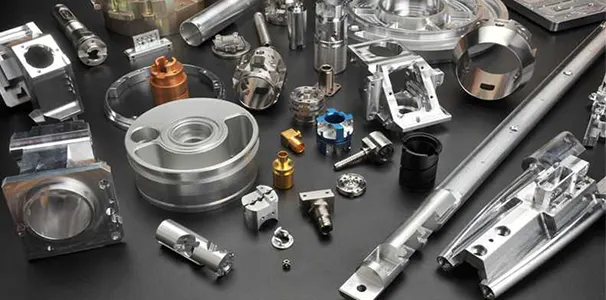
Design: Engineering Precision from Concept to Blueprint
At Wuxi Lead Precision Machinery, the foundation of flawless custom metal fabrication begins with precision engineering. Our design phase integrates advanced CAD/CAM software with decades of industrial expertise to transform client concepts into manufacturable blueprints. Engineers collaborate directly with clients to evaluate material selection, tolerance requirements, geometric complexity, and functional performance. Every design undergoes rigorous DFM (Design for Manufacturability) analysis to identify potential production risks early, ensuring optimal efficiency and structural integrity. This proactive approach eliminates costly revisions and sets the standard for zero-defect output. Our team supports formats including STEP, IGES, DWG, and PDF, enabling seamless integration with global engineering workflows.
Prototyping: Validating Quality Before Scale
Once the design is finalized, we move to the prototyping stage—where theoretical precision meets physical validation. Utilizing high-accuracy CNC punching, laser cutting, bending, and welding systems, we produce functional prototypes that reflect exact production conditions. This phase is critical for verifying dimensional accuracy, fit, finish, and assembly compatibility. Clients receive detailed inspection reports, including first-article inspection (FAI) and coordinate measuring machine (CMM) data, ensuring complete traceability. Feedback from prototype testing is incorporated swiftly, with iterative adjustments made in close collaboration with the client. This closed-loop process ensures that every specification is met before transitioning to mass production, minimizing risk and maximizing confidence in final output.
Mass Production: Consistency at Scale with Zero Defects
With prototype approval, we initiate full-scale production under our Zero Defect Manufacturing (ZDM) framework. Our ISO 9001-certified facility employs automated process controls, real-time monitoring, and in-line quality checks at every stage. CNC machines operate with sub-millimeter precision, guided by validated programs derived from approved prototypes. Each batch is subject to statistical process control (SPC), ensuring consistency across thousands of parts. Our workforce follows standardized work instructions and participates in continuous improvement initiatives to sustain peak performance. Final inspection includes dimensional verification, surface finish evaluation, and material certification, with full documentation provided for audit compliance.
Typical Production Specifications
| Parameter | Capability |
|---|---|
| Material Types | Stainless Steel, Carbon Steel, Aluminum, Galvanized Steel, Copper |
| Sheet Thickness Range | 0.5 mm – 10 mm |
| Tolerance (Standard) | ±0.1 mm (tighter upon request) |
| Max Part Size | 3000 mm × 1500 mm |
| Processes | Laser Cutting, CNC Punching, Bending, Welding (MIG/TIG), Riveting, Assembly |
| Surface Treatments | Powder Coating, Anodizing, Zinc Plating, Passivation, Brushing |
| Quality Standards | ISO 9001, ISO 14001, RoHS Compliance, FAI & PPAP Reporting |
Through disciplined execution across design, prototyping, and mass production, Wuxi Lead Precision Machinery delivers custom sheet metal components with uncompromising quality—ensuring reliability, repeatability, and zero defects for global industrial clients.
Why Choose Wuxi Lead Precision
Elevate Your Supply Chain with Precision Partnership
In the demanding landscape of high-end manufacturing, your choice of metal fabrication partner directly impacts product integrity, time-to-market, and operational efficiency. Wuxi Lead Precision Machinery transcends the role of a simple vendor; we function as an integrated extension of your engineering and production teams. Our commitment lies in delivering custom sheet metal fabrication solutions that meet the exacting standards required by aerospace, medical device, and advanced industrial sectors. We understand that tolerances measured in microns and material properties under extreme conditions are not optional – they are fundamental to your success. Partnering with Lead Precision means gaining a collaborator whose processes are engineered for zero-defect output and unwavering consistency.
Our technical capabilities are rigorously validated through daily production for global leaders. We specialize in transforming complex designs into reality using advanced CNC punching, laser cutting, bending, and welding technologies. Material versatility spans stainless steels (304, 316L), aluminum alloys (5052, 6061), carbon steels, and specialty alloys, processed to stringent international standards. The table below outlines our core sheet metal fabrication specifications:
| Specification Category | Capability Range |
|---|---|
| Material Thickness Range | 0.5 mm to 6.0 mm |
| Standard Tolerances | ±0.05 mm (critical features ±0.02 mm) |
| Maximum Part Size | 3000 mm x 1500 mm |
| Typical Lead Time | 10-15 working days (complex projects) |
| Certifications | ISO 9001:2015, ISO 13485 (medical) |
Beyond machinery, our value is embedded in a disciplined engineering workflow. Every project undergoes comprehensive Design for Manufacturability (DFM) analysis before production begins, identifying potential issues and optimizing cost without compromising performance. Our quality management system integrates SPC (Statistical Process Control) at critical stages, with full traceability from raw material certification through final inspection. Dimensional reports, material test certificates, and first-article inspection documentation are standard deliverables, providing the audit trail essential for regulated industries. This systematic approach minimizes risk, reduces scrap, and ensures your parts perform flawlessly in assembly and service.
The competitive advantage of precision manufacturing lies not just in the machine shop, but in seamless collaboration. Our engineering team engages proactively during the quotation phase, offering actionable insights to enhance manufacturability and reduce costs. Dedicated project managers provide transparent communication and real-time progress updates, eliminating the uncertainty often associated with offshore partnerships. We invest in understanding your application context, ensuring the fabricated component meets its functional purpose within your larger system.
Initiate a partnership built on technical excellence and operational reliability. Contact our engineering sales team at [email protected] to discuss your specific sheet metal fabrication requirements. Provide your design files and target specifications for a detailed technical assessment and competitive quotation. Let Wuxi Lead Precision Machinery become your trusted source for custom metal fabrication parts where precision is non-negotiable. Start your next precision project with confidence today.
⚙️ Precision Cost Estimator
Estimate relative manufacturing effort based on tolerance.