

Technical Contents
Engineering Guide: Custom Machined Aluminum Parts
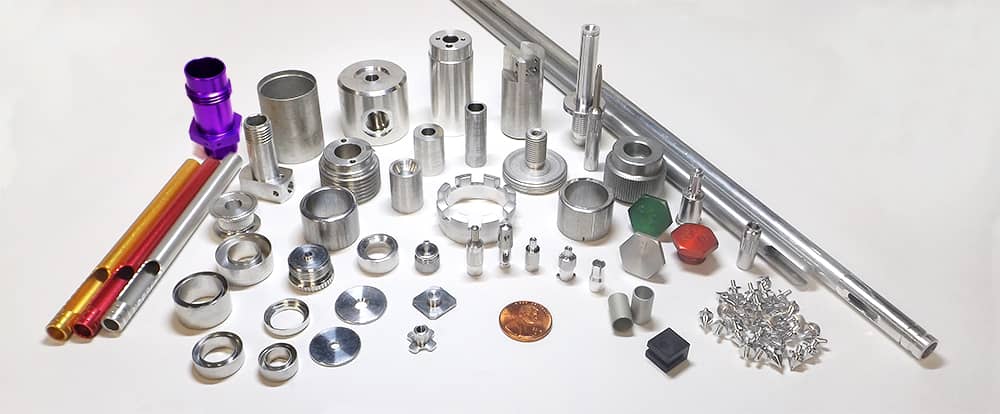
Engineering Insight Precision in Custom Machined Aluminum Parts
Precision in custom machined aluminum components is not merely a specification; it is the foundational requirement for performance, safety, and longevity in critical applications. At Wuxi Lead Precision Machinery, we define precision as the uncompromising adherence to geometric tolerances, surface integrity, and material consistency—where deviations measured in microns directly impact structural reliability and functional efficiency. Aluminum alloys, while valued for their strength-to-weight ratio and corrosion resistance, present unique machining challenges. Thermal expansion during cutting, chip evacuation complexities, and tool deflection risks demand advanced process control. A tolerance variance of ±0.025 mm in aerospace hydraulic fittings or medical robotics housings can trigger catastrophic system failure. Thus, precision transcends measurement; it embodies rigorous process validation, real-time in-process inspection, and material science expertise.
Our facility’s ISO 9001 and AS9100 certified workflows integrate multi-axis CNC machining with adaptive control systems to neutralize variables inherent in aluminum processing. We deploy high-speed spindles with sub-micron positioning accuracy and coolant-through-tooling strategies to manage heat dispersion, ensuring dimensional stability across complex geometries. This capability is validated through decades of mission-critical production, including components for Olympic-grade athletic equipment requiring flawless balance dynamics and military-grade communication housings operating in extreme environmental conditions. These projects demanded zero-defect delivery under stringent regulatory scrutiny, cementing our methodology for high-reliability sectors.
The table below summarizes key precision parameters achievable for custom aluminum parts at Wuxi Lead:
| Parameter | Capability Range | Industry Standard Reference |
|---|---|---|
| Dimensional Tolerance | ±0.005 mm to ±0.025 mm | ISO 2768-mK / GD&T ASME Y14.5 |
| Surface Roughness (Ra) | 0.4 µm to 1.6 µm | ISO 1302 |
| Geometric Accuracy | < 0.01 mm flatness | ISO 1101 |
| Material Grades Supported | 6061-T6, 7075-T6, 2024 | ASTM B209 / AMS 4027 |
Achieving such standards requires more than advanced machinery; it necessitates engineering collaboration from design inception. We partner with clients to optimize part geometry for manufacturability, selecting optimal toolpaths and fixture strategies that prevent vibration-induced inaccuracies. For instance, thin-walled enclosures for satellite systems undergo iterative simulation to counteract workpiece deformation, while high-volume automotive sensor mounts leverage automated probing for batch consistency.
Precision in aluminum machining ultimately delivers risk mitigation. In sectors where failure is not an option, our Olympic and military-proven processes ensure that every component performs exactly as engineered—under thermal cycling, vibration, or sustained load. Your requirements define our standard; we translate them into reality through disciplined execution and unwavering accountability. Partner with Wuxi Lead to transform precision from a target into a guarantee.
Precision Specs & Tolerances
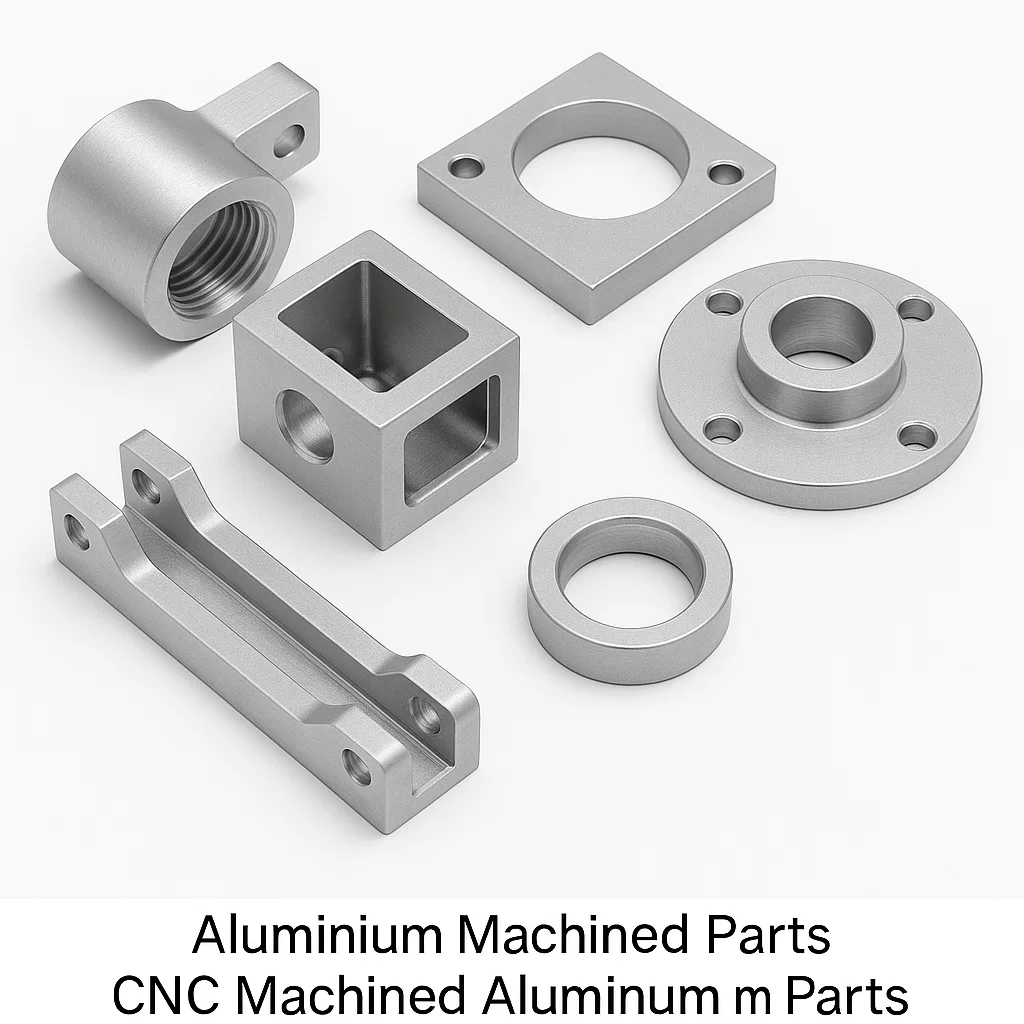
Wuxi Lead Precision Machinery delivers advanced technical capabilities in the production of custom machined aluminum parts, serving industries where precision, repeatability, and material integrity are paramount. Our facility is equipped with state-of-the-art 5-axis CNC machining centers, enabling us to produce complex geometries with high accuracy and reduced setup times. These multi-axis systems allow simultaneous movement across five planes, providing unparalleled flexibility for intricate contours, deep cavities, and compound angles that are common in aerospace, medical, and automation applications.
Our 5-axis CNC technology supports full 3D surface machining and tight-tolerance features without the need for multiple fixtures or manual repositioning. This not only enhances geometric precision but also significantly improves surface finish and part consistency. The integration of high-speed spindles and advanced toolpath strategies ensures optimal material removal rates while maintaining dimensional stability across production runs. We specialize in aluminum alloys including 6061, 7075, 2024, and 5052, tailored to meet specific mechanical and environmental requirements.
Quality control is embedded at every stage of the manufacturing process. All custom machined aluminum parts undergo comprehensive inspection using a Coordinate Measuring Machine (CMM), ensuring compliance with the most stringent engineering specifications. The CMM system provides full 3D measurement validation, capturing critical dimensions, positional tolerances, and form deviations with micron-level accuracy. Data from each inspection is documented and traceable, supporting full quality reporting for audit and certification purposes.
In addition to CMM inspection, our quality assurance protocol includes in-process checks, first-article inspection reports (FAIR), and final visual and dimensional review. We adhere to ISO 9001 standards and support customer-specific requirements including PPAP documentation and AS9100 compliance for aerospace clients.
The following table outlines the standard precision tolerances we consistently achieve in the machining of aluminum components:
| Feature | Standard Tolerance | High-Precision Capability |
|---|---|---|
| Linear Dimensions | ±0.025 mm | ±0.010 mm |
| Hole Diameter | ±0.020 mm | ±0.005 mm |
| Positional Tolerance | ±0.030 mm | ±0.010 mm |
| Flatness | 0.025 mm per 100 mm | 0.010 mm per 100 mm |
| Surface Roughness (Ra) | 3.2 µm | 0.8 µm |
| Angular Tolerance | ±0.1° | ±0.05° |
These capabilities are backed by skilled engineers and machinists with extensive experience in high-mix, low-to-medium volume production environments. From prototype development to serial production, Wuxi Lead Precision Machinery ensures that every custom machined aluminum part meets exacting performance and quality benchmarks.
Material & Finish Options
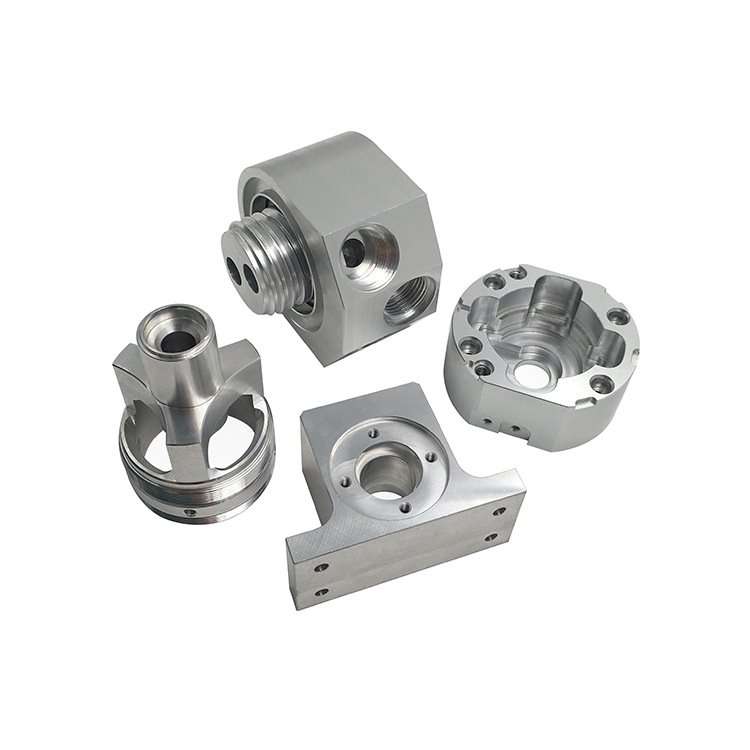
Material Selection for Precision CNC Machined Aluminum Components
Selecting the optimal material for custom machined aluminum parts requires balancing mechanical properties, manufacturability, and end-use requirements. Aluminum alloys dominate aerospace, medical, and automation applications due to their high strength-to-weight ratio, excellent thermal conductivity, and inherent corrosion resistance. While steel offers superior hardness and titanium provides exceptional strength at elevated temperatures, aluminum remains the strategic choice for weight-sensitive, high-precision assemblies where machinability and cost efficiency are critical. At Wuxi Lead Precision Machinery, our CNC machining centers excel at processing aluminum alloys to tolerances as tight as ±0.0002 inches, ensuring dimensional stability even in complex geometries.
For structural integrity under dynamic loads, 7075-T6 aluminum delivers peak strength but presents machining challenges due to its hardness. Conversely, 6061-T6 offers superior weldability and fatigue resistance, making it ideal for frames and brackets. Steel alloys like 4140 are reserved for high-wear components requiring Rockwell C-scale hardness, while titanium Grade 5 suits extreme environments but demands specialized tooling and slower cycle times. The table below summarizes key comparative specifications for common materials:
| Material | Tensile Strength (ksi) | Hardness (HB) | Machinability Rating | Typical Applications |
|---|---|---|---|---|
| 6061-T6 Aluminum | 45 | 95 | Excellent (Machinable) | Enclosures, brackets, fittings |
| 7075-T6 Aluminum | 83 | 150 | Moderate | Aerospace fittings, gears |
| 4140 Steel | 100 | 250 | Good | Shafts, hydraulic components |
| Ti-6Al-4V | 130 | 360 | Poor | Medical implants, jet engines |
Surface finishing significantly impacts performance and longevity. Anodizing is the industry-standard post-process for aluminum, creating a durable, non-conductive oxide layer that enhances corrosion and wear resistance. Type II (sulfuric acid) anodizing provides a versatile base for dyeing and moderate protection, suitable for consumer electronics housings. For mission-critical applications like aerospace actuators or semiconductor tooling, Type III (hardcoat) anodizing delivers superior abrasion resistance with coating thicknesses up to 0.002 inches. Our ISO 9001-certified facility controls anodizing parameters to ensure uniform thickness and adhesion, critical for parts operating in saline or high-friction environments.
When specifying materials, consider the interplay between alloy selection, machining complexity, and finish requirements. Early collaboration with our engineering team ensures optimal material-grade pairing with your functional demands, minimizing lead times and eliminating costly rework. Wuxi Lead Precision Machinery leverages decades of CNC expertise to transform material science into precision-engineered solutions that meet rigorous industry standards.
Manufacturing Process & QC
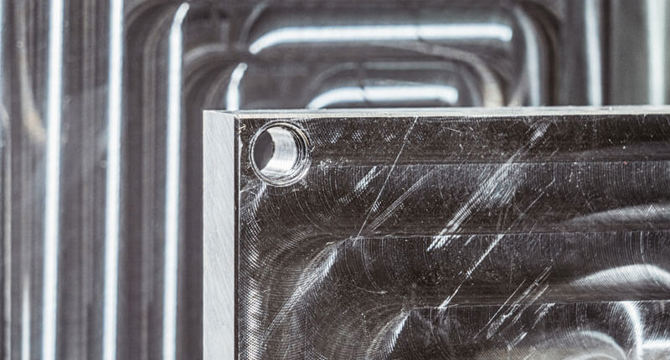
The production process for custom machined aluminum parts at Wuxi Lead Precision Machinery follows a rigorous, phase-gated methodology designed to ensure zero defects and full compliance with high-end manufacturing standards. Every stage, from initial design to mass production, is engineered for precision, repeatability, and performance.
Design begins with a collaborative engineering review, where our team analyzes customer CAD models, material specifications, and functional requirements. We focus on Design for Manufacturability (DFM), identifying potential challenges in geometry, tolerances, or surface finish early in the cycle. This proactive approach reduces risk, optimizes machining time, and ensures the final part performs as intended in its application. All designs are validated using advanced simulation software to predict thermal behavior, stress distribution, and dimensional stability under operational conditions.
Prototyping follows the design phase and serves as a critical validation step. Using 3-axis, 4-axis, and 5-axis CNC machining centers, we produce functional prototypes in the same aerospace-grade or industrial aluminum alloys—such as 6061-T6, 7075-T6, or 2024-T3—planned for full production. These prototypes undergo comprehensive inspection using coordinate measuring machines (CMM), optical comparators, and surface roughness testers. Dimensional reports, first article inspections (FAI), and material certifications are provided to confirm conformance to ISO 2768-mK or customer-specific tolerances. Customer feedback is incorporated at this stage, allowing for design refinement before committing to scale.
Mass production is initiated only after prototype approval and process sign-off. Our automated CNC cells operate under strict SPC (Statistical Process Control) protocols, with real-time tool wear monitoring, in-process gauging, and environmental controls to maintain consistency. Each batch is traceable through serialized part marking and digital quality logs. We employ a zero-defect philosophy, supported by Poka-Yoke (error-proofing) mechanisms and 100% critical dimension inspection for high-risk features. Production throughput is optimized via lean manufacturing principles, ensuring on-time delivery without compromising quality.
All parts are cleaned, deburred, and inspected post-machining, followed by secondary operations such as anodizing, bead blasting, or precision tapping as specified. Final quality audits are conducted before shipment, with full documentation delivered to the customer.
The following table outlines key production specifications for custom machined aluminum components:
| Parameter | Specification |
|---|---|
| Material Grades | 6061-T6, 7075-T6, 2024-T3, 5052, 6082 |
| Standard Tolerances | ±0.025 mm (tighter on request: ±0.005 mm) |
| Surface Roughness (Ra) | As low as 0.4 µm (polished), standard 3.2 µm |
| Max Part Size | 800 x 500 x 200 mm |
| CNC Machining Capabilities | 3-axis, 4-axis, 5-axis milling; turning |
| Quality Standards | ISO 9001:2015, ISO 13485 (medical), PPAP, FAI |
| Secondary Operations | Anodizing (Type II & III), passivation, laser marking |
This end-to-end process ensures that every custom machined aluminum component meets the highest standards of precision, reliability, and performance.
Why Choose Wuxi Lead Precision
Partner with Lead Precision for Mission-Critical Aluminum Components
Aluminum dominates aerospace, medical, and semiconductor applications due to its strength-to-weight ratio and thermal conductivity. Yet inconsistent machining compromises performance in high-stress environments. At Wuxi Lead Precision Machinery, we eliminate this risk through metrology-driven CNC processes engineered for zero-failure outcomes. Our ISO 9001:2015-certified facility in Wuxi, China, operates under stringent AS9100 aerospace protocols, ensuring every custom aluminum part meets dimensional stability requirements under extreme thermal cycling. We specialize in complex geometries where tolerances below ±0.005mm directly impact system reliability—such as hydraulic manifolds for deep-sea robotics or heat sinks for LiDAR systems.
Unlike commodity manufacturers, we integrate design-for-manufacturability (DFM) analysis at the quotation stage. Our engineering team reviews your CAD models to identify material waste risks, tool access constraints, and thermal deformation points before a single chip is cut. This prevents costly revisions during production runs. All machining occurs on our monitored fleet of 5-axis DMG MORI and Haas machines, featuring Renishaw probes for real-time in-process gaging. Post-machining, parts undergo CMM validation against your print’s critical features, with full inspection reports traceable to NIST standards.
Technical Capabilities for Aluminum Machining
| Capability | Specification | Relevance to Performance |
|---|---|---|
| Tolerance Control | ±0.005mm (standard) to ±0.001mm (tight) | Ensures sealing integrity in fluid systems |
| Equipment | 5-axis DMG MORI CTX beta 1250, Haas UMC-750 | Eliminates secondary setups for complex contours |
| Material Grades | 6061-T6, 7075-T6, 2024-T3, 5052-H32 | Verified via mill certificates and PMI testing |
| Surface Finish | Ra 0.8µm (standard) to Ra 0.2µm (optical) | Critical for thermal transfer efficiency |
| Secondary Processes | Anodizing (Type II/III), Alodine, Deburring | Controlled in-house for coating adhesion |
Your engineering team requires partners who treat aluminum not as raw material but as a performance variable. We enforce strict humidity-controlled storage for billets to prevent microstructural shifts before machining. Our coolant management system maintains consistent thermal conditions during extended cuts—critical for maintaining tolerances on large structural components. When your project demands zero deviation in high-volume production, our statistical process control (SPC) dashboards provide live feedback on Cp/Cpk values, giving you actionable data before shipment.
Do not compromise on suppliers who treat aluminum machining as a transactional service. Submit your drawings and material specifications to [email protected]. Within 24 hours, our applications engineers will return a DFM report with actionable optimizations, a validated timeline, and a fixed-price quote—no hidden fees. For urgent RFQs, reference “AL-URGENT” in your email subject line to trigger our 12-hour response protocol. Lead Precision delivers not just parts, but certified engineering confidence. Your next breakthrough component starts with an email.
⚙️ Precision Cost Estimator
Estimate relative manufacturing effort based on tolerance.