

Technical Contents
Engineering Guide: Custom Machine Shops
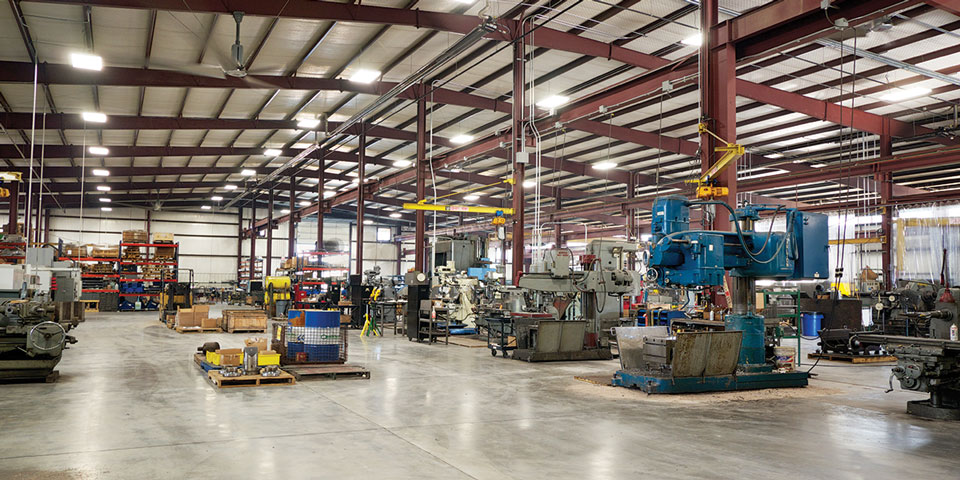
Engineering Insight: The Critical Role of Precision in Custom Machine Shops
In the world of custom metal manufacturing, precision is not merely a performance metric—it is the foundation of reliability, safety, and long-term functionality. For industries such as aerospace, defense, medical technology, and high-performance industrial automation, even micrometer-level deviations can lead to catastrophic system failures or costly rework. Custom machine shops that serve these high-stakes sectors must therefore operate at the highest levels of dimensional accuracy, process control, and material integrity.
At Wuxi Lead Precision Machinery, we understand that precision extends beyond advanced CNC equipment. It encompasses a holistic engineering discipline that integrates skilled craftsmanship, rigorous quality assurance protocols, and deep domain expertise. Our experience in delivering components for Olympic-standard equipment and military-grade systems underscores our commitment to excellence under extreme performance demands. These applications require not only adherence to tight tolerances but also full traceability, repeatable production consistency, and compliance with international standards such as ISO 9001 and AS9100.
Precision manufacturing begins at the design phase. Our engineering team collaborates closely with clients to optimize part geometry, material selection, and manufacturability—ensuring that every component is not only accurate but also cost-effective to produce at scale. Utilizing state-of-the-art 5-axis CNC machining centers, coordinate measuring machines (CMM), and real-time in-process inspection systems, we maintain tolerances as tight as ±0.002 mm. This level of control is essential when producing mission-critical components such as hydraulic actuators for defense systems or load-bearing structural elements in high-speed athletic training devices.
Our track record with Olympic and military projects has reinforced a key principle: precision cannot be inspected in—it must be engineered in. This means controlling every variable from raw material sourcing to final surface finish, including thermal stability during machining, tool wear compensation, and environmental conditions within the production floor. Each step is documented and validated to ensure complete repeatability across production batches.
The following table outlines key precision capabilities at Wuxi Lead Precision Machinery:
| Specification | Capability |
|---|---|
| Dimensional Tolerance | ±0.002 mm |
| Surface Roughness (Ra) | 0.1 – 0.8 μm |
| Maximum Work Envelope | 2000 × 1200 × 1000 mm |
| Materials Processed | Aluminum Alloys, Stainless Steel, Titanium, Inconel, Brass, Tool Steels |
| Machining Processes | 3-axis, 4-axis, 5-axis CNC Milling, CNC Turning, Precision Grinding |
| Quality Standards | ISO 9001, ISO 13485, AS9100 (in process), RoHS Compliant |
| Inspection Equipment | CMM, Optical Comparator, Laser Scanning, Roughness Tester |
In high-end custom manufacturing, trust is earned through proven performance. Wuxi Lead Precision Machinery has demonstrated that capability through decades of delivering precision-engineered components where failure is not an option. For OEMs and engineering firms worldwide, partnering with a machine shop that combines technical excellence with real-world application experience is essential to bringing next-generation systems to life.
Precision Specs & Tolerances
Technical Capabilities: Precision Engineered for Complex Demands
Wuxi Lead Precision Machinery delivers advanced custom metal manufacturing solutions centered on high-precision 5-axis CNC machining. Our core competency lies in producing complex, near-net-shape components from demanding materials including titanium alloys, Inconel, hardened steels, and aluminum alloys. Utilizing state-of-the-art DMG MORI and MAZAK 5-axis vertical machining centers, we achieve exceptional geometric complexity and surface integrity in a single setup. This eliminates cumulative error from multiple fixtures, significantly improving part accuracy and repeatability while reducing lead times. Our machines feature high-torque spindles, rigid construction, and advanced thermal compensation systems, enabling stable, high-metal-removal-rate machining for both prototyping and low-to-mid volume production runs. Expertise in simultaneous five-axis interpolation allows us to tackle intricate contours, deep cavities, and undercuts common in aerospace structural components, medical implants, and energy sector tooling, where conventional 3-axis methods are insufficient.
Quality assurance is rigorously integrated into every manufacturing phase, anchored by comprehensive Coordinate Measuring Machine (CMM) inspection. We employ multiple Zeiss CONTURA and GLOBAL S series CMMs, operating under strict AS9100-compliant procedures within a temperature-controlled metrology lab. Each critical feature undergoes full geometric dimensioning and tolerancing (GD&T) verification against client CAD models and specifications. Our certified metrologists perform first-article inspections, in-process checks, and final batch validation, generating detailed inspection reports with traceable measurement data. This systematic approach ensures dimensional conformity, verifies critical form and position tolerances, and provides objective evidence of compliance before shipment, mitigating risk for our clients in regulated industries.
The following table details our standard and achievable tolerance capabilities across common feature types and materials, reflecting our commitment to precision:
| Material Category | Feature Type | Standard Capability (mm) | Achievable Tight Tolerance (mm) |
|---|---|---|---|
| Aluminum Alloys | Linear Dimensions | ±0.010 | ±0.005 |
| Hole Diameter | ±0.012 | ±0.008 | |
| Positional Tolerance | ±0.020 | ±0.010 | |
| Titanium/Inconel | Linear Dimensions | ±0.015 | ±0.008 |
| Hole Diameter | ±0.018 | ±0.010 | |
| Positional Tolerance | ±0.025 | ±0.015 | |
| Hardened Steels | Linear Dimensions | ±0.012 | ±0.006 |
| Hole Diameter | ±0.015 | ±0.008 | |
| Positional Tolerance | ±0.022 | ±0.012 |
Our integrated technical capability—combining sophisticated 5-axis machining with stringent CMM-based quality control—directly translates to reduced assembly time, minimized scrap rates, and superior part performance for our clients. We understand that precision is non-negotiable in critical applications; therefore, we maintain rigorous process validation and operator certification programs. Every component undergoes documented verification, ensuring it meets the exacting standards required for integration into high-value assemblies. Partner with Wuxi Lead for custom metal parts where dimensional accuracy, material integrity, and absolute reliability are paramount. Request our full capability statement and first-article inspection reports for your specific project requirements.
Material & Finish Options
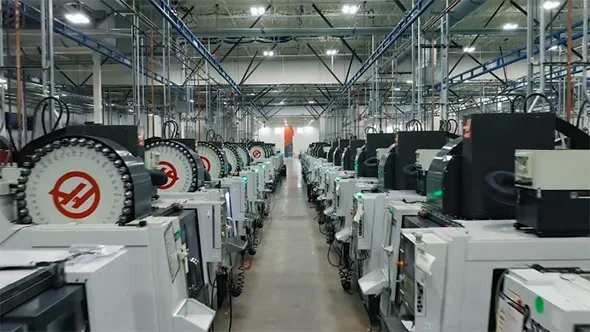
Material selection is a critical phase in precision custom manufacturing, directly influencing the performance, durability, and cost-efficiency of end components. At Wuxi Lead Precision Machinery, we specialize in delivering high-tolerance parts tailored to demanding industrial applications. Our expertise spans a range of engineering-grade metals, with aluminum, steel, and titanium being the most widely specified materials based on mechanical requirements and environmental conditions.
Aluminum is favored for its excellent strength-to-weight ratio, corrosion resistance, and machinability. It is ideal for aerospace, automotive, and consumer electronics industries where weight reduction is essential without sacrificing structural integrity. Grade 6061-T6 is commonly selected for its weldability and moderate strength, while 7075-T6 offers higher tensile strength for more demanding applications. Aluminum responds exceptionally well to anodizing, a process that enhances surface hardness and wear resistance while providing an aesthetically pleasing finish.
Steel remains the backbone of industrial manufacturing due to its superior strength, durability, and cost-effectiveness. Carbon steels such as 1018 and 1045 are frequently used in structural and mechanical components, offering good machinability and the ability to be heat-treated for enhanced hardness. Stainless steels, particularly grades 304 and 316, provide excellent corrosion resistance and are preferred in medical, food processing, and marine environments. While steel does not anodize, surface treatments such as passivation, plating, and powder coating are available to improve performance and appearance.
Titanium, specifically Grade 5 (Ti-6Al-4V), is the material of choice in high-performance sectors such as aerospace, defense, and medical implants. It offers an exceptional strength-to-density ratio, outstanding corrosion resistance, and the ability to perform under extreme temperatures. Though more challenging to machine due to its low thermal conductivity and tendency to gall, titanium’s long-term reliability in harsh environments justifies its use in mission-critical applications.
Surface finishing plays a vital role in enhancing both functionality and aesthetics. Anodizing, primarily applied to aluminum, creates a controlled oxide layer that improves wear and corrosion resistance. Type II (sulfuric acid anodizing) is standard for decorative and moderate protection needs, while Type III (hardcoat anodizing) delivers thicker, harder coatings suitable for industrial and military specifications. Anodized finishes can also be dyed in various colors for identification or branding purposes.
Below is a comparative overview of key material properties and anodizing options:
| Material | Common Grades | Tensile Strength (MPa) | Density (g/cm³) | Key Applications | Suitable for Anodizing |
|---|---|---|---|---|---|
| Aluminum | 6061-T6, 7075-T6 | 310–570 | 2.7 | Aerospace, Electronics | Yes (Type II & III) |
| Steel | 1018, 1045, 304, 316 | 400–850 | 7.8–8.0 | Automotive, Industrial | No |
| Titanium | Ti-6Al-4V (Grade 5) | 900–1000 | 4.4 | Medical, Defense, Aerospace | No |
Understanding the trade-offs between strength, weight, corrosion resistance, and process compatibility ensures optimal material and finish selection. At Wuxi Lead Precision Machinery, we support engineering teams with material consultation and precision manufacturing to deliver components that meet exact functional and regulatory demands.
Manufacturing Process & QC
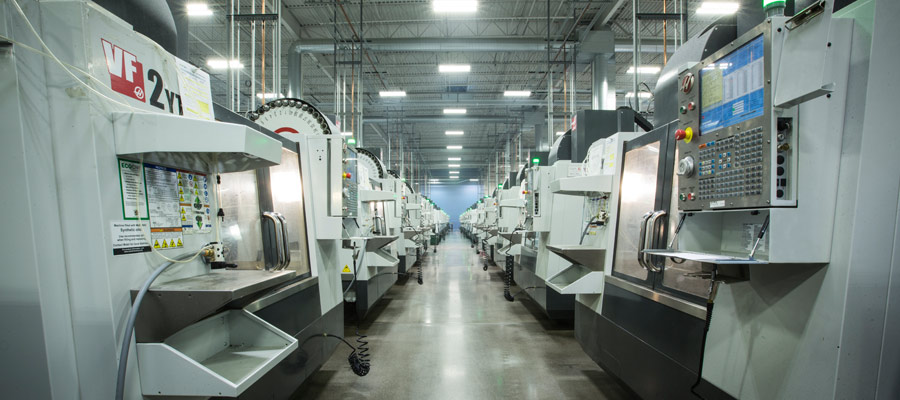
Precision Execution: From Concept to Zero-Defect Production
At Wuxi Lead Precision Machinery, our production process is engineered for uncompromising quality in custom metal manufacturing. We eliminate defects at the source through a rigorously controlled sequence: Design, Prototyping, and Mass Production. This integrated workflow ensures every component meets exacting aerospace, medical, and industrial specifications before full-scale manufacturing begins.
Design for Manufacturability and Zero Defects
Our engineering team collaborates closely with clients during the initial design phase. We conduct comprehensive Design for Manufacturability (DFM) and Design for Assembly (DFA) reviews using advanced CAD/CAM simulation tools. This critical step identifies potential production challenges, material constraints, and tolerance stack-ups before metal is cut. Finite Element Analysis (FEA) validates structural integrity under operational loads. By resolving ambiguities and optimizing geometries upfront, we prevent 90% of potential defects at the conceptual stage, ensuring the design is inherently producible to zero-defect standards.
Prototyping: Validating Precision at Scale
Prototyping is not merely a sample creation step; it is full process validation. Utilizing our high-precision 5-axis CNC machining centers and wire EDM equipment, we produce functional prototypes from the actual production material. Every prototype undergoes rigorous First Article Inspection (FAI) per AS9102 standards. Critical dimensions, surface finishes, and material properties are verified using Coordinate Measuring Machines (CMM) and optical comparators. Client approval of the prototype and its comprehensive inspection report is mandatory. This phase confirms the manufacturing process capability (Cp/Cpk > 1.67) and establishes the baseline for mass production, eliminating guesswork.
Mass Production: Sustained Zero-Defect Output
Transitioning to mass production, we deploy statistically validated processes with real-time Statistical Process Control (SPC) monitoring. Each CNC machine operates under strict environmental controls, with tool wear compensated automatically via in-process probing. Every batch includes embedded quality checkpoints: 100% critical dimension verification on key features, random full-spectrum CMM checks, and material traceability protocols. Our closed-loop feedback system instantly adjusts parameters if trends approach tolerance limits. This proactive approach, combined with operator certification and multi-stage final inspection, guarantees sustained zero-defect output. Non-conforming parts are physically isolated and subjected to root cause analysis before any corrective action is implemented, preventing recurrence.
Core Production Capabilities
| Parameter | Capability | Standard Compliance |
|---|---|---|
| Machining Accuracy | ±0.002 mm (±0.00008 in) | ISO 2768-mK |
| Surface Finish | Ra 0.4 µm (16 µin) achievable | ISO 1302 |
| Max Work Envelope | 2000 x 1200 x 1000 mm | Custom fixturing available |
| Material Range | Aluminum, Titanium, Inconel, Stainless Steels, Brass, Plastics | AMS, ASTM, EN certified |
| Inspection | CMM, Optical Comparator, Roughness Tester, Hardness Tester | ISO 17025 accredited lab |
This seamless integration of design foresight, prototype validation, and statistically controlled mass production forms the foundation of Wuxi Lead’s zero-defect mandate. We deliver not just parts, but guaranteed performance and absolute reliability for mission-critical applications.
Why Choose Wuxi Lead Precision
Partner with Wuxi Lead Precision Machinery for precision-driven, custom metal manufacturing solutions engineered to meet the exacting demands of global industries. As a trusted name in advanced CNC machining and custom machine shop services, we specialize in delivering high-integrity components for aerospace, automotive, medical, energy, and industrial automation sectors. Our commitment to technical excellence, combined with decades of engineering expertise, positions us as a strategic manufacturing partner for clients who demand reliability, repeatability, and precision.
At Wuxi Lead Precision Machinery, we understand that every project begins with a unique challenge. Whether you require complex 5-axis CNC machining, tight-tolerance milling and turning, or fully integrated custom fabrication, our facility in Wuxi, China, is equipped with state-of-the-art machinery and quality control systems to ensure every component meets international standards. Our team of senior CNC engineers and manufacturing specialists collaborates directly with your design and engineering staff to optimize manufacturability, reduce lead times, and control costs—without compromising on quality.
We operate under strict ISO 9001:2015 certified processes, with full traceability and comprehensive inspection reporting. From prototype development to high-volume production runs, our agile manufacturing model supports rapid iteration and scalable output. Our facility features advanced coordinate measuring machines (CMM), optical comparators, and real-time in-process gauging to ensure dimensional accuracy down to ±0.001 mm.
Below are key capabilities that define our custom manufacturing services:
| Capability | Specification |
|---|---|
| CNC Machining | 3-axis, 4-axis, 5-axis milling; CNC turning; mill-turn with Y-axis |
| Materials | Aluminum alloys, stainless steel, titanium, alloy steel, brass, plastics (PEEK, Delrin) |
| Tolerances | Standard: ±0.005 mm; Precision: ±0.001 mm |
| Max Work Envelope | 1200 x 800 x 600 mm (5-axis); 2000 x 1000 mm (CNC turning) |
| Surface Finish | As low as Ra 0.4 µm (16 µin), with polishing, anodizing, plating options |
| Quality Assurance | ISO 9001:2015 certified, full FAI and PPAP reporting, first-article inspection |
| Lead Times | Prototypes: 7–10 days; Production: 15–25 days (varies by complexity) |
Our engineering-first approach ensures that every component is manufactured with precision, consistency, and full compliance with your technical specifications. We support STEP, IGES, SolidWorks, and DWG file formats, and provide DFM feedback within 24 hours of receiving your design.
When you partner with Wuxi Lead Precision Machinery, you gain more than a supplier—you gain a precision manufacturing ally committed to your project’s success. We bridge the gap between innovative design and flawless execution, enabling faster time-to-market and superior product performance.
Contact us today to discuss your custom machining requirements. Send your drawings and project details to [email protected] and receive a detailed quote with technical feedback within one business day. Let Wuxi Lead Precision Machinery be the foundation of your next high-performance manufacturing solution.
⚙️ Precision Cost Estimator
Estimate relative manufacturing effort based on tolerance.