

Technical Contents
Engineering Guide: Custom 3D Silicone Molds
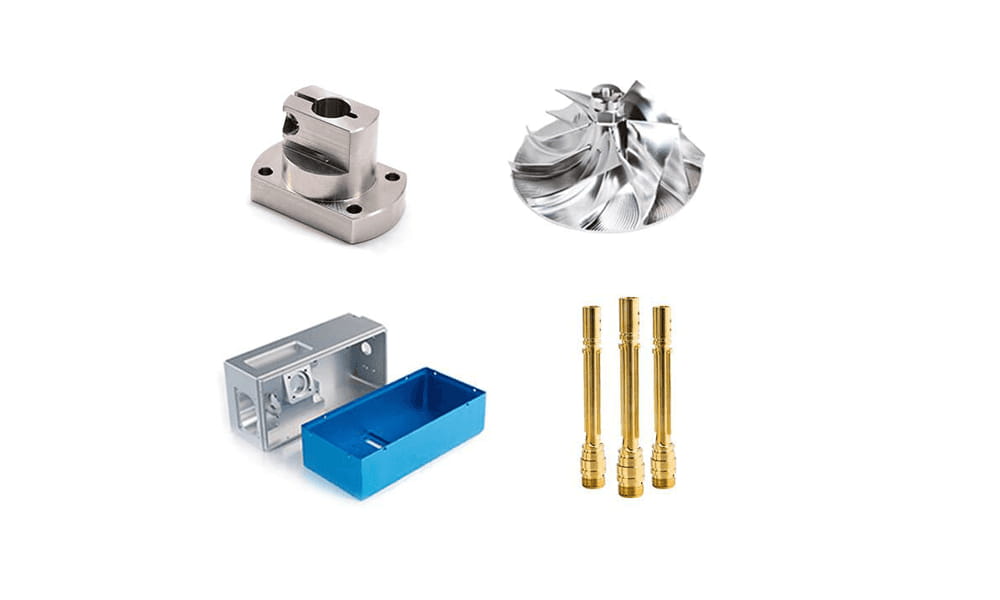
Engineering Insight: Custom 3D Silicone Molds – The Role of Precision in Advanced Manufacturing
In the realm of custom metal manufacturing, the development of high-performance 3D silicone molds represents a critical intersection of material science, dimensional accuracy, and process engineering. These molds are not merely tools—they are precision instruments that directly influence the integrity, repeatability, and functionality of end components used in aerospace, medical devices, automotive systems, and defense applications. At Wuxi Lead Precision Machinery, we recognize that the success of any molding operation begins with the fidelity of the mold itself. This is why our approach to custom 3D silicone molds is rooted in metrology-grade precision and advanced fabrication techniques.
Silicone molds are uniquely suited for complex geometries and low-volume production runs due to their flexibility, thermal stability, and ability to capture fine surface details. However, their utility is only as reliable as the accuracy with which they are produced. Even minor deviations in cavity dimensions or parting line alignment can lead to unacceptable tolerances in cast metal parts, especially when integrating into mission-critical assemblies. Our engineering team employs CNC-machined master patterns, laser-scanned validation, and multi-axis contouring to ensure that every silicone mold replicates the intended design within ±0.02 mm tolerance—a benchmark forged through years of delivering components for Olympic-standard equipment and military-grade systems.
The process begins with a digitally optimized 3D model, rigorously analyzed for draft angles, shrinkage compensation, and flow dynamics. From there, we fabricate the master model using aerospace-grade aluminum or tool steel, machined on our 5-axis platforms with sub-micron repeatability. This master serves as the physical foundation for mold creation, guaranteeing that the silicone captures every contour with zero distortion. Once cured, each mold undergoes coordinate measuring machine (CMM) inspection to verify dimensional consistency across all critical features.
Our experience in high-stakes manufacturing environments has taught us that consistency under variable conditions is as vital as initial accuracy. Whether producing molds for titanium investment casting cores or intricate bronze artisanship pieces, we apply the same stringent protocols: environmental controls during curing, batch traceability, and post-cure performance testing under simulated production loads.
This commitment to precision has positioned Wuxi Lead Precision Machinery as a trusted partner for clients where failure is not an option. Our silicone molds are not just tools—they are engineered solutions built on a legacy of excellence.
| Specification | Detail |
|---|---|
| Dimensional Tolerance | ±0.02 mm |
| Master Model Material | Aerospace Aluminum 7075-T6 / Tool Steel H13 |
| Machining Platform | 5-Axis CNC with Sub-Micron Accuracy |
| Silicone Material Options | High-Temp Platinum-Cure (up to 300°C) |
| Surface Finish | Ra 0.4 µm to Ra 1.6 µm (adjustable) |
| Inspection Method | CMM, Laser Scanning, GD&T Validation |
| Lead Time (Typical) | 7–12 Days (based on complexity) |
| Applications | Investment Casting, Prototyping, Artistic Metalwork, Defense Components |
Precision Specs & Tolerances
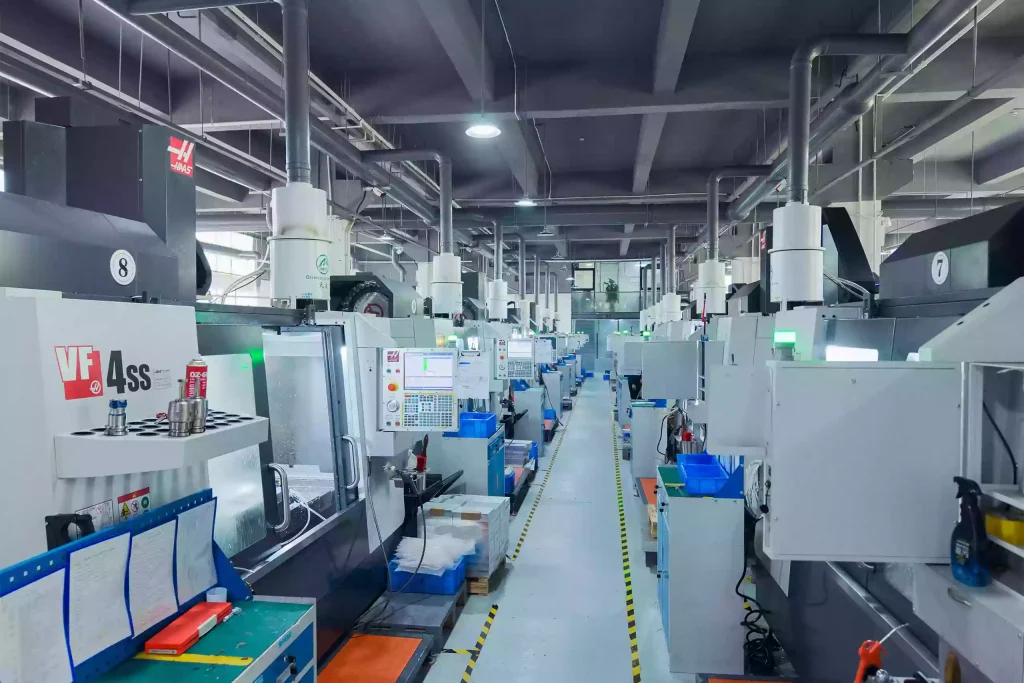
Technical Capabilities: Precision Engineered for Demanding Silicone Molding Applications
Wuxi Lead Precision Machinery delivers the uncompromising accuracy required for high-performance custom 3D silicone molds. Our core manufacturing capability centers on advanced 5-axis CNC machining, essential for producing the complex geometries, undercuts, and seamless surface finishes demanded by modern liquid silicone rubber (LSR) and high-consistency rubber (HCR) molding. Utilizing state-of-the-art DMG MORI and Makino 5-axis vertical machining centers, we achieve exceptional dimensional stability and surface integrity on critical mold components. These machines feature thermal compensation systems, high-resolution linear encoders, and rigid spindle designs, ensuring micron-level precision is maintained throughout extended production runs on challenging materials like hardened tool steels (e.g., H13, S136), aluminum alloys, and specialized mold inserts. The simultaneous multi-axis movement capability eliminates the need for multiple setups, drastically reducing cumulative error and ensuring perfect feature alignment crucial for zero-flash molding and precise part ejection.
Rigorous quality control is non-negotiable in mold manufacturing. Every critical dimension and surface characteristic undergoes comprehensive verification using Zeiss CONTURA G2 Coordinate Measuring Machines (CMM). Our certified metrology team performs full 3D scanning and point-cloud analysis against the original CAD model, validating geometric dimensioning and tolerancing (GD&T) with absolute traceability. This systematic inspection process, conducted at defined stages including first-article and pre-shipment, guarantees that molds meet the exacting specifications required for high-yield silicone production. We adhere strictly to international standards, providing detailed inspection reports for full client transparency. This integrated approach of cutting-edge machining and metrology ensures molds consistently deliver the tight tolerances, superior surface quality, and long service life necessary for cost-effective, high-volume silicone part manufacturing across medical, automotive, and consumer electronics sectors.
The following table details our standard achievable tolerance capabilities for critical mold features, reflecting our commitment to precision engineering. Actual tolerances achieved are always optimized based on specific part geometry, material, and functional requirements, with tighter tolerances feasible upon engineering review.
| Feature Type | Standard Capability | Reference Standard | Notes |
|---|---|---|---|
| Linear Dimensions | ±0.005 mm | ISO 2768-mK | Critical sealing surfaces & cavity/core |
| Angular Dimensions | ±0.005° | ISO 2768-mK | Draft angles, alignment features |
| Positional Tolerance | ±0.008 mm | ISO 1101 | Core pins, ejector locations, inserts |
| Surface Roughness (Ra) | 0.4 μm (Max) | ISO 1302 | Cavity/core surfaces; finer finishes available |
| Flatness | 0.005 mm per 100 mm | ISO 2768-fK | Parting line surfaces, mounting plates |
This precision foundation directly translates to reduced silicone flash, minimized post-mold trimming, extended mold life, and consistent part quality for our clients. Partnering with Wuxi Lead ensures your custom 3D silicone molds are manufactured to the highest standards of accuracy and reliability, eliminating costly rework and production delays in your downstream processes. Our engineering team collaborates closely with clients to optimize mold design for manufacturability within these stringent capability parameters, delivering zero-defect tooling solutions.
Material & Finish Options
Material Selection for High-Performance Custom 3D Silicone Molds
Selecting the appropriate base material for custom 3D silicone molds is critical to ensuring dimensional accuracy, thermal efficiency, and long-term durability in high-volume production environments. At Wuxi Lead Precision Machinery, we specialize in precision-engineered metal molds tailored for complex silicone molding applications across medical, automotive, and consumer electronics industries. Our expertise enables clients to make informed decisions between aluminum, steel, and titanium—each offering distinct advantages depending on production volume, part geometry, and environmental exposure.
Aluminum molds are ideal for prototyping and medium-volume production due to their excellent thermal conductivity and ease of machining. The rapid heat transfer of aluminum reduces cycle times significantly, improving throughput during silicone curing. Additionally, aluminum’s lightweight nature simplifies mold handling and integration into automated systems. However, its lower hardness makes it less suitable for abrasive silicone compounds or extended production runs exceeding 50,000 cycles.
For high-volume manufacturing, tool steel—particularly H13 and P20 grades—offers superior wear resistance and structural integrity. Steel molds maintain tight tolerances over millions of cycles, making them the preferred choice for mission-critical components in regulated industries. While steel has slower thermal response than aluminum, strategic cooling channel design and thermal treatment can mitigate this limitation. Steel’s hardness also allows for finer surface finishes and better replication of micro-features in silicone parts.
Titanium represents the pinnacle of performance in extreme conditions. Though rarely used for full mold bodies due to cost and machinability constraints, titanium inserts or coatings are employed in areas subject to high wear, corrosion, or elevated temperatures. Its exceptional strength-to-density ratio and resistance to oxidation make it suitable for specialized aerospace and medical implant molding where contamination and thermal stability are paramount.
Surface finishing further enhances mold performance and part quality. Anodizing aluminum molds increases surface hardness and corrosion resistance while allowing for color-coded identification. Hard anodizing (Type III) creates a dense, wear-resistant oxide layer up to 50 µm thick, extending mold life in aggressive processing environments. For steel molds, nitriding or chrome plating is typically preferred, though polished or textured finishes can also be applied to achieve specific silicone surface aesthetics.
The following table summarizes key mechanical and thermal properties of common mold materials:
| Material | Hardness (HRC) | Thermal Conductivity (W/m·K) | Tensile Strength (MPa) | Typical Mold Life (cycles) | Common Use Case |
|---|---|---|---|---|---|
| Aluminum 6061 | 30–35 | 167 | 310 | 10,000 – 50,000 | Prototyping, low-volume runs |
| H13 Steel | 48–52 | 36 | 1,600 | 500,000 – 1,000,000+ | High-volume production |
| P20 Steel | 28–32 | 28 | 1,300 | 100,000 – 500,000 | Medium to high-volume runs |
| Titanium Ti-6Al-4V | 36–41 | 7.2 | 950 | 100,000+ (inserts only) | High-temp, corrosive environments |
Material selection directly impacts mold performance, maintenance intervals, and final part consistency. At Wuxi Lead Precision Machinery, we collaborate with clients to match material and finish specifications to application demands, ensuring optimal return on investment and production reliability.
Manufacturing Process & QC
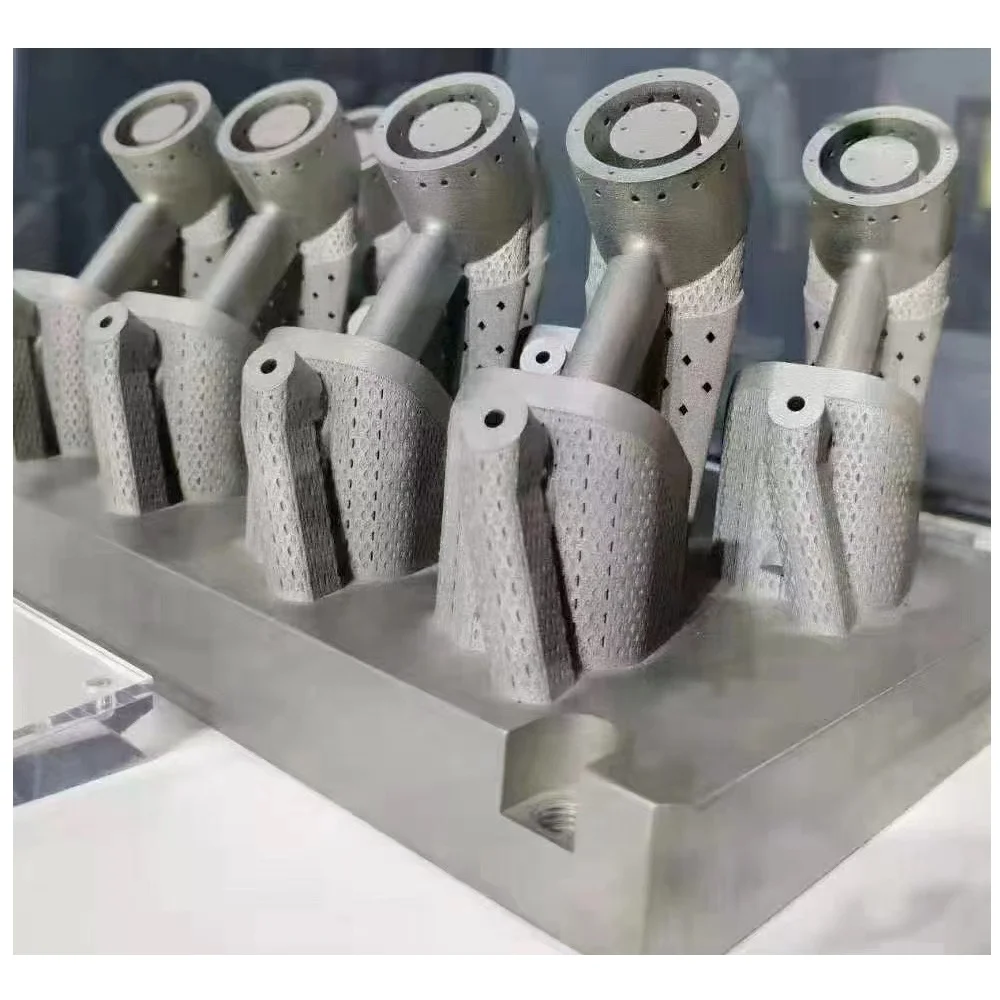
Custom 3D Silicone Mold Production: Precision Engineering for Zero Defects
At Wuxi Lead Precision Machinery, the production of custom 3D silicone molds follows a rigorously controlled sequence designed to eliminate defects before they occur. This process integrates advanced engineering with stringent quality validation, ensuring final tooling meets the exacting demands of medical, aerospace, and high-performance consumer applications. Our methodology transcends standard manufacturing by embedding quality assurance at every phase, from initial concept to full-scale production.
The process commences with collaborative design engineering. Our team works directly with client specifications to develop optimized 3D CAD models, incorporating critical factors such as material flow dynamics, thermal management, and part ejection mechanics. Finite Element Analysis (FEA) simulates silicone behavior under molding pressures and temperatures, identifying potential stress points or air traps. Material selection is validated against chemical resistance, thermal stability, and Shore hardness requirements. This phase concludes with a formal Design for Manufacturability (DFM) review, where tolerances, surface finishes, and critical dimensions are locked to prevent downstream deviations. All design data undergoes cross-functional sign-off before progression.
Prototyping utilizes soft tooling or precision-machined aluminum sub-molds for rapid physical validation. This stage is not merely a shape check but a functional test of the entire molding cycle. We produce 5-10 prototype parts under production-intent parameters, subjecting them to comprehensive metrology. Critical dimensions are verified using CMM and optical comparators against the original CAD model. Silicone material properties, including cure consistency and flash formation, are analyzed. Any micro-defects trigger immediate root cause analysis and design iteration. Only when prototypes consistently meet all specifications does the process advance.
Mass production employs hardened steel molds (typically H13 or S136) machined via multi-axis CNC and EDM to micron-level accuracy. Each mold cavity undergoes in-process inspection at 15 distinct checkpoints during fabrication. Final mold validation requires 30 consecutive production cycles without adjustment, producing parts that pass 100% first-article inspection. In-line SPC monitors cavity pressure, temperature, and cycle time in real-time. Every finished mold ships with full traceability documentation, including material certs, heat treatment records, and a PPAP package confirming zero-defect capability. This closed-loop system ensures repeatability across 100,000+ cycles.
Key production specifications maintained across all phases include:
| Parameter | Precision Standard | Measurement Method | Acceptance Criteria |
|---|---|---|---|
| Linear Tolerance | ±0.02 mm | CMM | ISO 2768-mK |
| Surface Roughness | Ra 0.2 – 0.8 µm | Profilometer | ISO 1302 |
| Cavity Alignment | ≤ 0.01 mm | Optical Comparator | Client Specific |
| Hardness (Core) | 48-52 HRC | Rockwell Tester | ASTM E18 |
| Cycle Time Stability | ±0.5 seconds | Production Monitoring | ±1% of Target |
This integrated approach transforms client specifications into flawless physical tooling. By enforcing zero-defect protocols from design through validation, Wuxi Lead Precision Machinery delivers silicone molds that ensure production efficiency and part integrity for the most demanding applications.
Why Choose Wuxi Lead Precision
Partner with Lead Precision for Advanced Custom 3D Silicone Mold Manufacturing
When precision, durability, and repeatability define your production requirements, partnering with Wuxi Lead Precision Machinery ensures your custom 3D silicone molds meet the highest industrial standards. As a leading provider in custom metal manufacturing, we specialize in engineering silicone molds tailored to complex geometries, tight tolerances, and demanding production environments. Our expertise bridges advanced CNC machining, material science, and rigorous quality control to deliver molds that enhance your manufacturing efficiency and product consistency.
At Lead Precision, we understand that every application presents unique challenges—whether you’re producing medical components, automotive seals, or consumer electronics enclosures. Our engineering team works directly with your specifications to design and fabricate molds that support high-temperature vulcanization, multi-cavity configurations, and intricate surface details. Utilizing premium-grade tool steels and aluminum alloys, our molds are built to withstand thousands of cycles without degradation, ensuring long-term ROI and minimal downtime.
Our facility in Wuxi integrates state-of-the-art 5-axis CNC machines, wire EDM, and CMM inspection systems to achieve micron-level accuracy. Every mold undergoes comprehensive metrology and performance validation before shipment, guaranteeing dimensional integrity and functional reliability. We support rapid prototyping, low-volume production, and full-scale industrial runs with consistent quality and on-time delivery.
Below are key technical specifications we routinely achieve in our custom 3D silicone mold manufacturing:
| Specification | Capability |
|---|---|
| Tolerance Range | ±0.005 mm to ±0.02 mm |
| Maximum Mold Size | 800 mm × 600 mm × 500 mm |
| Minimum Feature Size | 0.1 mm (ribs, vents, details) |
| Surface Finish Options | Mirror polish (Ra < 0.05 µm), textured, matte |
| Materials Used | H13, P20, 718H tool steels; 6061, 7075 aluminum |
| Mold Types Supported | Single-cavity, multi-cavity, family molds, insert molds |
| Lead Time (Typical) | 15–25 days (depending on complexity) |
| Quality Standards | ISO 9001:2015, full inspection report provided |
We serve clients across Europe, North America, and Southeast Asia, supporting industries where performance and compliance are non-negotiable. From initial design consultation to post-delivery technical support, our team ensures seamless integration with your production workflow.
Your next-generation silicone molding solution begins with a conversation. Contact us today at [email protected] to discuss your project requirements, request a quote, or schedule a technical review. At Wuxi Lead Precision Machinery, we don’t just manufacture molds—we engineer manufacturing excellence.
⚙️ Precision Cost Estimator
Estimate relative manufacturing effort based on tolerance.