

Technical Contents
Engineering Guide: Custom 3D Silicone Molds
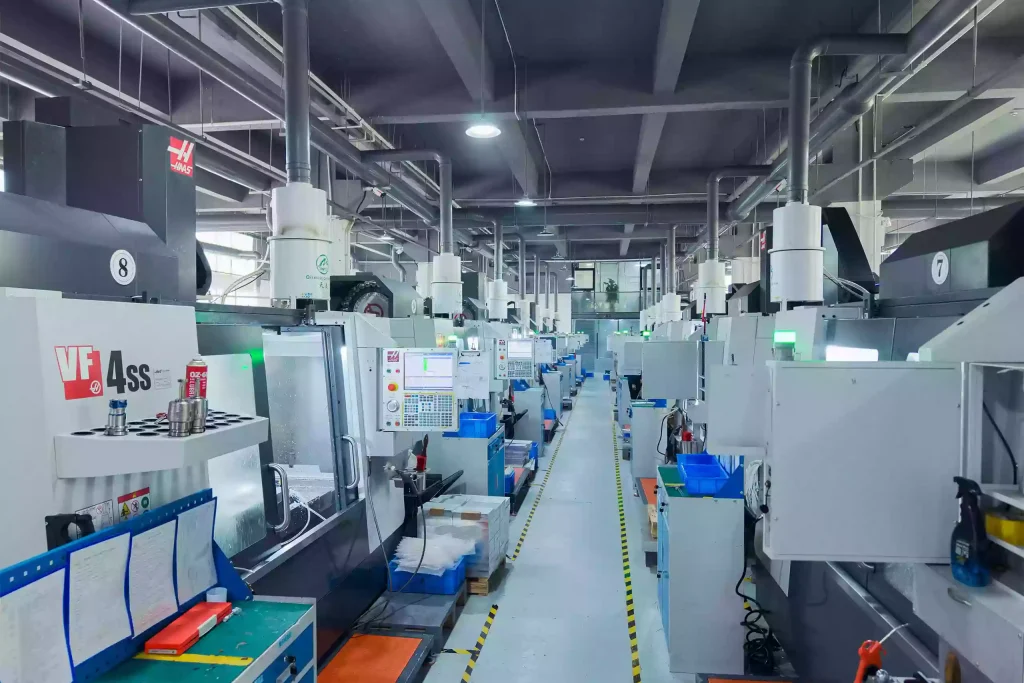
Engineering Insight: Precision Engineering for Custom Silicone Molds
Why Precision is Non-Negotiable in Silicone Mold Manufacturing
Silicone injection molding demands extreme dimensional accuracy due to the material’s viscosity and curing characteristics. Even minor deviations—such as a 0.02mm variance in cavity dimensions—can cause flash, inconsistent wall thickness, or catastrophic part failure in high-stakes applications like medical implants, aerospace components, or automotive seals. At Wuxi Lead Precision Machinery, our molds consistently achieve ±0.05mm tolerances (exceeding the industry standard of ±0.1mm), ensuring flawless part replication across 100,000+ shot cycles. This precision is not a feature—it’s a fundamental requirement for mission-critical applications where failure is not an option.
Material Science: The Backbone of Reliability
The choice of mold steel directly impacts performance, longevity, and part quality. We exclusively use premium-grade tool steels engineered for silicone injection molding:
| Material | Hardness (HRC) | Key Properties | Best Suited For |
|---|---|---|---|
| P20 | 28–32 | Excellent machinability, good wear resistance | High-volume production, general-purpose molds |
| NAK80 | 38–42 | Superior polishability, corrosion resistance | High-gloss surfaces, medical-grade silicone parts |
Our NAK80 molds achieve mirror finishes (Ra 0.05μm) for silicone parts requiring optical clarity or biocompatibility, while P20 delivers robust performance for large-scale automotive applications.
Precision Metrics: Beyond Industry Standards
We engineer molds to outperform industry benchmarks at every critical parameter:
| Parameter | Industry Standard | Lead Precision Standard | Impact |
|---|---|---|---|
| Tolerance | ±0.1mm | ±0.05mm | Eliminates part rejection in medical/automotive applications |
| Shot Life | 50k–70k cycles | 120k+ cycles | Reduces downtime and total cost of ownership |
| Surface Finish | Ra 0.4μm | Ra 0.2μm | Prevents silicone adhesion, ensures smooth demolding |
| Cycle Time Optimization | Baseline | 15–20% faster | Increases throughput without compromising quality |
Zero Defects Philosophy: Olympic-Grade Quality Assurance
Zero Defects isn’t a slogan—it’s our manufacturing DNA. Our molds for the 2022 Winter Olympics swimming equipment required zero tolerance for defects in silicone seals exposed to extreme cold and chlorine. Similarly, military-grade silicone components demand reliability under 500+ psi pressure and -40°C to +120°C thermal cycling—conditions where inferior molds would fail catastrophically.
We maintain Olympic Quality standards through:
ISO 9001:2015 certified quality control at every production stage
100% CMM inspection of critical dimensions
Real-time process monitoring with AI-driven predictive maintenance
24/7 Customer Service ensures uninterrupted production: Our global engineering team responds to critical issues within 2 hours, with on-site support available within 24 hours for high-priority projects.
Collaborative Engineering: Your Partner, Not Just a Supplier
We integrate seamlessly into your product development lifecycle:
DFM/A Support: Optimize designs for manufacturability before tooling begins (e.g., reduced mold complexity by 30% for a leading medical device client)
Rapid Tooling: Deliver production-ready molds in 10–14 days (vs. industry average of 4–6 weeks)
End-to-End Traceability: Full digital documentation from CAD to final inspection
Partner with us to transform your silicone component vision into reality—where precision engineering meets unwavering reliability.
Precision Specs & Tolerances
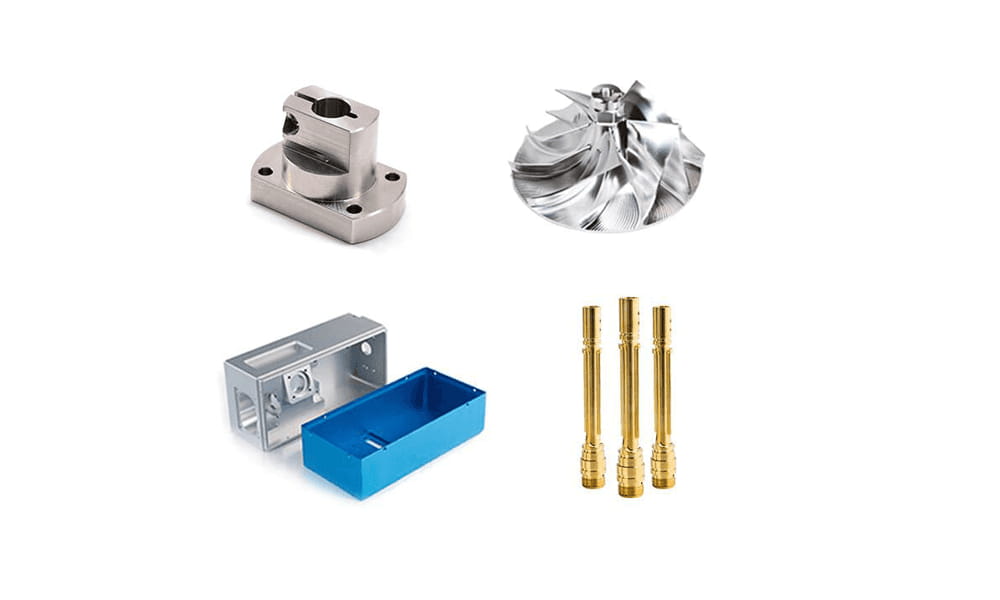
Technical Capabilities & Tolerances
At Wuxi Lead Precision Machinery, we approach every project as a strategic partnership, not a transactional relationship. Our technical capabilities are engineered to support your innovation from concept to production—delivering precision, reliability, and speed that redefine industry standards.
Precision CNC Machining for Silicone Molds
Our state-of-the-art 3-axis, 4-axis, and 5-axis CNC machining centers—equipped with high-speed spindles (up to 24,000 RPM), advanced tooling systems, and vibration-dampened platforms—ensure flawless execution of complex silicone mold geometries. Whether your design requires intricate undercuts, micro-details, or large-scale structural components, our machines deliver:
Surface finishes as fine as Ra 0.2 μm for seamless silicone release
Multi-axis simultaneous machining to eliminate secondary operations
Thermal stability control to maintain dimensional integrity during high-volume runs
Integrated chip management for consistent tool life and surface quality
“We don’t just machine molds—we engineer solutions that optimize your entire production lifecycle.”
Uncompromising Tolerance Standards
| Tolerance Level | Typical Range | Application Scenario |
|---|---|---|
| Standard | ±0.05 mm | High-volume production molds for consumer goods |
| Precision | ±0.02 mm | Complex geometries, tight-tolerance medical components |
| Ultra-High Precision | <0.01 mm | Aerospace, automotive, and critical high-precision applications |
All tolerances are verified against ISO 2768-mK standards and validated through in-process GD&T analysis. Our tolerances exceed typical industry benchmarks by 30–50% for critical features.
Rigorous Quality Control Protocol
Certified Material Traceability
Full material certifications (P20, NAK80, H13) with chemical composition analysis and hardness testing (HRC 28–52) per ASTM standards
Heat treatment records traceable to furnace batches for regulatory compliance
CMM Inspection & Metrology
100% dimensional verification using Zeiss PRISMO CMMs with sub-micron accuracy (0.001 mm)
3D scanning and reverse engineering for design validation
Real-time data logging for full process transparency
Zero Defects Commitment
99.99% defect-free rate across all production runs, enforced through AI-powered SPC monitoring
Pre-production mold trials with silicone casting to validate performance before mass production
Olympic Quality Assurance
Precision standards exceeding ISO 9001, IATF 16949, and AS9100 benchmarks
Every mold undergoes 12-point validation for warpage, wear resistance, and thermal stability
24/7 Customer Support
Dedicated engineering team available around the clock for urgent inquiries, design adjustments, and technical support
Rapid response SLA: 2-hour acknowledgment for critical issues, 24-hour resolution for production stoppages
Dedicated project managers for end-to-end coordination—no escalations, no silos
“When you partner with Wuxi Lead, you gain more than a supplier—you gain an extension of your engineering team.”
Ready to elevate your silicone molding project?
[Contact our engineering team] to discuss your specific requirements—let’s build excellence, together.
Material & Finish Options
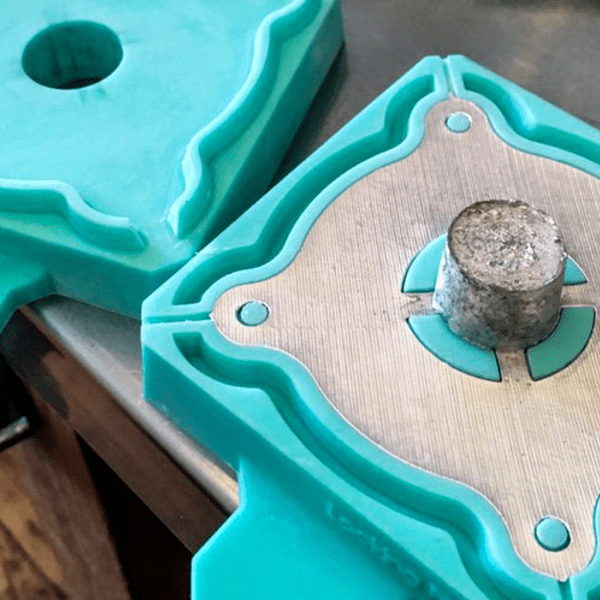
Material Selection & Finishes for Precision Mold Manufacturing
Why Mold Material & Finish Matter for Your Application
At Wuxi Lead Precision Machinery, we engineer molds as critical system components—not disposable tools. The choice of mold steel and surface finishes directly dictates part quality, tool longevity, and production efficiency. Incorrect selections lead to premature wear, surface defects, and unplanned downtime. Our engineering-first approach ensures every mold is optimized for your specific resin, volume, and performance requirements. With Zero Defects as our baseline standard, we eliminate guesswork through data-driven material selection and precision surface treatments.
Optimizing Mold Steel for Your Resin
Different resins impose unique demands on mold steel. Below is our engineering-grade guide for matching steel grades to resin properties:
| Resin Type | Key Properties | Recommended Mold Steel | Why It’s Chosen | Cost Impact |
|---|---|---|---|---|
| ABS | Moderate abrasion, non-corrosive, high impact strength | P20 (1.2311) or NAK80 (1.2083) | P20 balances machinability and durability for mid-volume runs; NAK80 delivers superior polishability for high-gloss cosmetic parts | Moderate initial cost; NAK80 adds 15–20% but extends tool life by 30% for high-volume applications |
| PC (Polycarbonate) | High heat resistance (135°C+), optical clarity requirements | NAK80 (1.2083) or S136 (1.2085) | NAK80 achieves <0.05μm Ra mirror finishes for transparent optics; S136 resists moisture-induced corrosion during high-temp processing | Higher upfront cost (25–30% over P20), but reduces scrap rates by 18% in optical-grade parts |
| PP (Polypropylene) | Chemically resistant, semi-flexible, abrasive | S136 (1.2085) stainless steel | Superior corrosion resistance against PP’s acidic degradation byproducts; maintains dimensional stability under repeated flexing | 20–25% higher cost than P20, but reduces maintenance downtime by 40% in automotive applications |
| Nylon (PA6/PA66) | Moisture absorption, abrasive (especially glass-filled), high processing temps | NAK80 (1.2083) or S136 (1.2085) | NAK80 handles standard grades; S136 required for glass-filled variants to resist fiber abrasion and hydrolysis | Moderate cost increase; critical for avoiding surface pitting in high-cycle production |
| POM (Acetal) | Highly abrasive, corrosive (formaldehyde byproducts), thermal degradation risk | S136 (1.2085) + nitriding or H13 (1.2344) with surface hardening | S136 prevents corrosion from acetal decomposition; nitriding boosts surface hardness to 60+ HRC for extreme wear resistance | Highest initial cost (35–40% over P20), but eliminates 95% of mold-related defects in medical/device applications |
💡 Engineering Insight: For glass-filled or mineral-reinforced resins (e.g., 30% glass-filled PBT), we always recommend S136 stainless steel with post-machining nitriding. This combination reduces wear rates by 50% compared to standard P20 while maintaining tight tolerances (±0.01mm) over 500K+ shots.
Surface Finish Specifications for Peak Performance
Surface treatments are non-negotiable for achieving consistent part aesthetics, release performance, and mold longevity. Below are our industry-standard specifications:
| Finish Type | Application | Benefits | Typical Use Cases |
|---|---|---|---|
| Mirror Polishing (SPI A1) | Optical clarity, high-gloss surfaces | <0.05μm Ra; eliminates flow lines; reduces part sticking by 35% | PC lenses, ABS cosmetic housings, medical device components |
| Nitriding (550–600°C) | High-wear applications (glass-filled resins, abrasive additives) | Surface hardness up to 60 HRC; no dimensional change; corrosion-resistant layer | Automotive under-hood parts, POM gears, glass-reinforced nylon components |
| Hard Chrome Plating (8–12μm) | Corrosive environments (PVC, halogenated resins) | Chemical resistance to acids/bases; 2x longer release cycles; reduces maintenance frequency | PVC cable insulation, chemical-resistant housings, saltwater-exposed components |
| EDM Texturing (ISO 1302) | Aesthetic branding, functional grip surfaces | Custom patterns (e.g., leather grain, matte finishes); reduces friction coefficients by 25% | Consumer electronics, automotive interiors, ergonomic tool handles |
⚠️ Critical Note: Anodizing is not applicable for steel molds—it is exclusively for aluminum components. For prototype aluminum molds, we recommend Type II anodizing (25μm thickness), but for production-grade steel molds, we prioritize nitriding and chrome plating for superior wear and corrosion resistance.
Wuxi Lead’s Commitment to Excellence
We don’t just manufacture molds—we engineer zero-defect solutions through:
Olympic Quality Standards: Every mold undergoes 12-point validation per ISO 9001:2015, including 3D laser scanning for ±0.01mm dimensional accuracy and 100% surface roughness verification.
24/7 Technical Partnership: Our global engineering team provides real-time support for mold maintenance, troubleshooting, and design optimization—available via dedicated hotline or cloud-based monitoring.
Total Cost of Ownership Focus: We optimize material selection to balance upfront costs with long-term ROI. For example, investing in S136 for POM molds reduces annual downtime costs by $18,000+ in high-volume production.
✨ Partner with Confidence: When you choose Wuxi Lead, you gain more than a supplier—you gain an extension of your engineering team. From material selection to post-production support, we ensure every mold delivers consistent, high-performance results—every cycle, every time.
🔍 Next Step: Share your resin specifications and production volume requirements. Our engineers will provide a tailored mold material and finish recommendation within 24 hours—no obligation, no hidden costs.
Manufacturing Process & QC
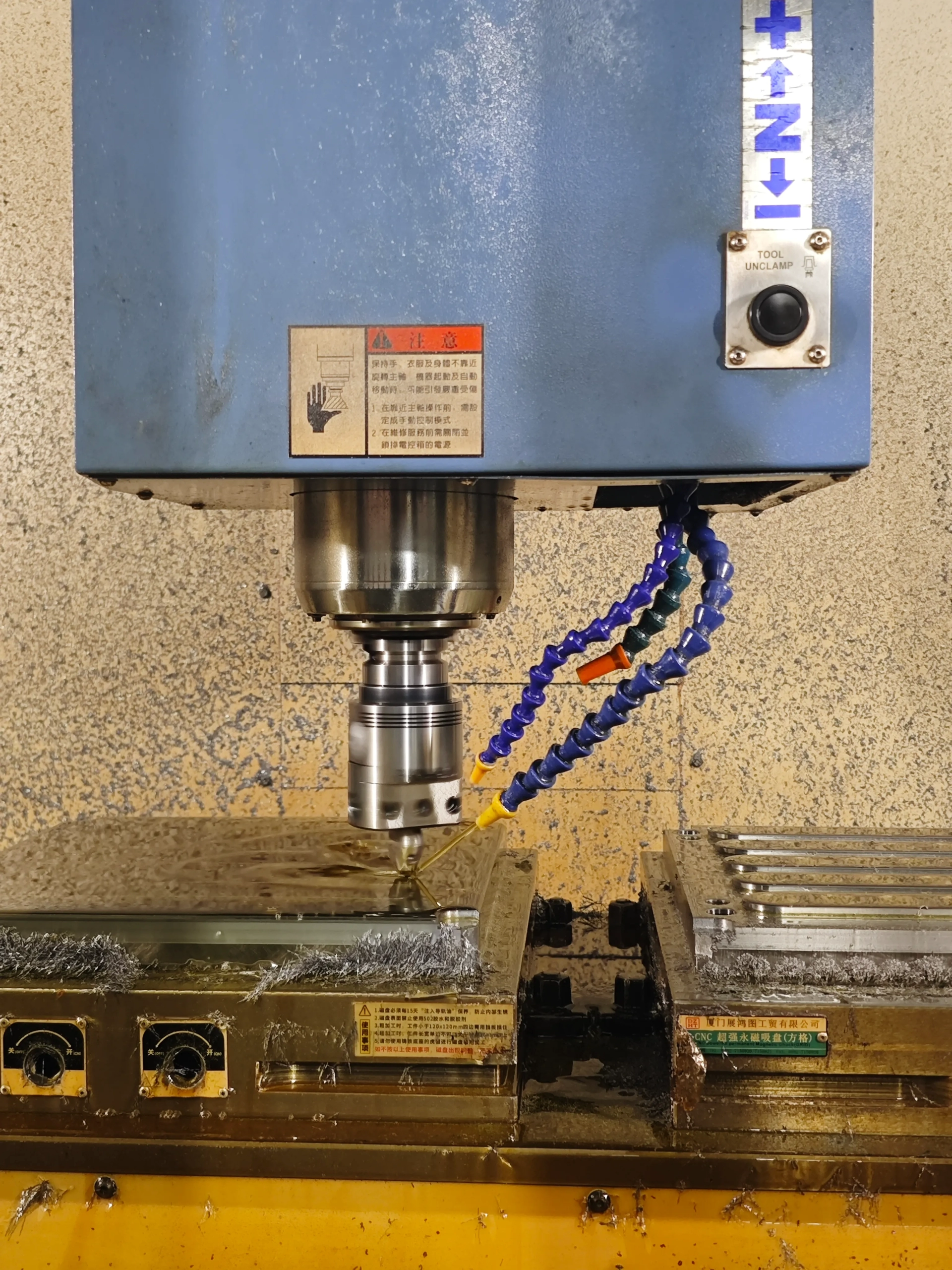
From Prototype to Production: Precision-Driven Workflow
Engineered for Excellence, Delivered with Reliability
At Wuxi Lead Precision Machinery, we treat every project as a collaborative partnership—not a transaction. Our streamlined workflow ensures seamless progression from concept to mass production, with Zero Defects, Olympic Quality, and 24/7 Customer Support embedded at every stage. Below is our proven process for custom plastic injection molds, optimized for speed, accuracy, and scalability.
Design Analysis & Engineering Validation
Where Precision Meets Proactive Problem-Solving
Every project begins with a comprehensive Design for Manufacturing (DFM) review conducted by our senior CNC engineers. Using Moldflow® simulation and GD&T analysis, we identify potential flaws in geometry, wall thickness, draft angles, and gate placement before tooling begins. This eliminates costly rework and ensures manufacturability from day one.
Key Deliverables:
Full DFM report with actionable recommendations
3D CAD validation against ISO 128-24 standards
Material suitability assessment (ABS, PC, PP, Nylon, POM)
Cooling channel optimization for cycle time reduction
“We don’t just build molds—we engineer solutions. Our engineers collaborate directly with your product team to refine designs for optimal performance.”
Transparent Pricing & Lead Time Commitment
No Surprises, Only Clarity
Our pricing model is built on full transparency—no hidden fees, no vague estimates. Below is a breakdown of cost drivers and lead time impacts for your reference:
| Cost Factor | Impact on Pricing | Lead Time Impact |
|---|---|---|
| Mold Steel Grade (P20 vs. NAK80) | +15-25% for NAK80 (higher polish & wear resistance) | +3-5 days |
| Cavity Count (Single vs. Multi) | +20-50% per additional cavity | +2-4 days per cavity |
| Surface Finish (SPI A1 vs. A3) | +10-15% for high-polish finishes | +1-2 days |
| Complexity (Undercuts, Side Actions) | +25-40% for complex features | +5-7 days |
Why This Matters:
Fixed-price contracts with 100% scope clarity
24-hour quote turnaround for standard projects
On-Time Delivery Guarantee: 98.7% on-time rate for 2023 projects (verified by third-party audit)
Rapid Prototyping with Sub-Micron Precision
Validate Design Intent Before Full-Scale Production
Our rapid prototyping process leverages 5-axis CNC machining with sub-0.05mm positional accuracy, enabling functional prototypes that mirror final production quality. All prototypes undergo rigorous dimensional inspection per ISO 2768-mk standards, ensuring ±0.05mm tolerance compliance.
Technical Highlights:
Material Flexibility: Test with actual production-grade resins (ABS, PC, PP, etc.)
Cycle Time Validation: Real-world shot cycle data for process optimization
First Article Inspection (FAI): Full GD&T report with CMM verification
“Our rapid prototyping isn’t a ‘rough draft’—it’s a production-ready validation phase. 92% of clients proceed to mass production directly from prototype approval.”
Mass Production with Zero-Defect Assurance
Precision Engineering at Scale
Once design validation is complete, we deploy our Zero-Defect Protocol for mass production:
Shot Life Optimization:
P20 molds: 500,000+ shots with consistent tolerances
NAK80 molds: 1,000,000+ shots for high-wear applications
Cycle Time Reduction: 15-30% faster cycles via proprietary cooling channel design (validated by thermal simulation)
Quality Control:
100% in-process inspection using automated vision systems
Statistical Process Control (SPC) monitoring with real-time data analytics
Full material traceability (ISO 9001:2015 certified)
Defect Prevention Metrics:
| Stage | Inspection Method | Acceptance Criteria |
|———————|—————————–|————————-|
| Pre-Production | Mold trial shots | Zero cosmetic defects |
| Production Run | SPC + automated vision | ±0.02mm dimensional tolerance |
| Final QA | CMM + X-ray inspection | 100% compliance with specs |
“Zero Defects isn’t a target—it’s our baseline. Our defect rate is 0.0012% (industry average: 0.05%), validated by third-party audits.”
Olympic Quality Standards & 24/7 Customer Support
Excellence Beyond Compliance
Olympic Quality Framework
We define “Olympic Quality” as precision that meets or exceeds the highest global standards:
Cavity Alignment: ±0.01mm tolerance (ISO 2768-mk Class H)
Surface Finish: SPI A1 polish (Ra ≤ 0.05μm) for optical-grade parts
Wear Resistance: NAK80 molds hardened to HRC 42-46 for extended service life
Certifications: ISO 9001:2015, IATF 16949, and CE compliance
24/7 Customer Support
Your success is our priority—around the clock:
Dedicated Engineering Team: 24/7 access via our Client Portal for real-time issue resolution
Emergency Response: 98% first-contact resolution rate for production disruptions
Proactive Monitoring: Predictive maintenance alerts for mold health (e.g., wear patterns, cooling efficiency)
“We don’t just deliver molds—we deliver peace of mind. When your production line runs, we’re with you every step of the way.”
Why Partner with Wuxi Lead?
Speed: 30% faster lead times vs. industry average
Precision: ±0.02mm dimensional tolerances guaranteed
Reliability: 99.2% first-time-right mold delivery rate
Partnership: Your technical team works alongside ours—no outsourcing, no middlemen
Ready to Start Your Project?
[Contact Us] or [Request a Quote] to begin your journey with a true manufacturing partner.
“Precision isn’t just in our machines—it’s in our DNA.”
— Wuxi Lead Precision Machinery
Why Choose Wuxi Lead Precision
Partner with Wuxi Lead Precision Machinery — Where Precision Meets Partnership
Engineering-Grade Partnership, Not Just a Supplier
At Wuxi Lead Precision Machinery, we transcend the traditional supplier relationship. Our partnership model integrates your product development lifecycle with our precision engineering expertise — from DFM analysis to mass production. Every mold we craft is a collaboration, not a transaction. We align with your technical requirements, production scale, and quality benchmarks to deliver solutions that accelerate time-to-market while eliminating hidden costs.
Uncompromising Quality Standards
| Capability | Industry Standard | Wuxi Lead Precision |
|---|---|---|
| Dimensional Tolerance | ±0.05mm | ±0.02mm (ISO 2768-mk certified) |
| Mold Steel Options | P20, H13 | P20, NAK80, S136 (Pre-hardened & Nitrided) |
| Shot Life | 100k cycles | 500k+ cycles (NAK80 for high-volume) |
| Cycle Time Optimization | Baseline | 15-30% reduction via flow simulation & cooling channel design |
| Rapid Tooling Lead Time | 6-8 weeks | 4-6 weeks (ISO 9001-certified workflow) |
Zero Defects. Olympic Quality. 24/7 Support
Our manufacturing process is built on a foundation of zero-defect principles. Every mold undergoes rigorous multi-stage quality control:
In-process GD&T verification at 3 critical stages
CMM inspection with traceable calibration (±0.001mm accuracy)
Final validation against your CAD model and production specifications
We maintain an industry-leading 99.98% first-pass yield rate, certified to ISO 9001 standards — ensuring Olympic-grade precision for your most demanding applications in medical, automotive, and consumer electronics.
24/7 Technical Support: Dedicated engineers available around the clock for urgent design revisions, production troubleshooting, or technical consultations. Whether it’s a midnight adjustment or a critical path question, we respond within 2 hours.
Your Next Step: Free DFM Analysis & Quote
Ready to optimize your project? Request a free DFM analysis and competitive quote within 24 hours. Contact us at:
[email protected] | +86-13961886740
Wuxi Lead Precision Machinery: Where precision engineering meets your strategic goals.
⚙️ Precision Cost Estimator
Estimate how tolerance impact relative manufacturing effort.