

Technical Contents
Engineering Guide: Cnc Websites
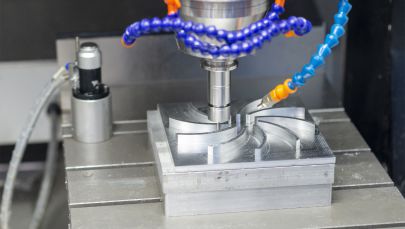
Engineering Insight: The Critical Role of Precision in CNC Machining
In the world of high-performance manufacturing, precision is not merely a target—it is a standard. At Wuxi Lead Precision Machinery, we understand that the reliability, efficiency, and safety of mission-critical systems depend on components manufactured to exacting tolerances. Whether serving aerospace, defense, or high-end industrial sectors, our engineering philosophy centers on achieving micron-level accuracy, repeatable performance, and uncompromised quality. This commitment is not theoretical; it is proven through our involvement in projects demanding the highest levels of technical excellence, including components for Olympic-standard equipment and military-grade systems.
Precision in CNC machining transcends the simple act of cutting metal. It encompasses a holistic approach to design, material selection, toolpath optimization, thermal stability, and real-time process control. At Lead Precision, our engineers leverage advanced 5-axis CNC platforms, high-resolution probing systems, and closed-loop feedback mechanisms to ensure every part conforms to specification—batch after batch. We recognize that even deviations measured in microns can lead to performance degradation or system failure in high-stress applications. This awareness drives our investment in state-of-the-art equipment and continuous operator training.
Our experience with Olympic-caliber projects underscores this commitment. Equipment used in elite sports engineering demands flawless balance, minimal friction, and maximum durability—all achievable only through precision manufacturing. Similarly, military applications require components that perform reliably under extreme environmental conditions, from arctic cold to desert heat. The parts we produce for these sectors undergo rigorous inspection protocols, including CMM (Coordinate Measuring Machine) validation and non-destructive testing, ensuring compliance with international quality standards such as ISO 9001 and AS9100.
We believe that true precision is demonstrated not in isolated successes, but in consistent, scalable production. Our facility integrates smart manufacturing principles, utilizing IoT-enabled machines and data analytics to monitor tool wear, vibration, and dimensional drift in real time. This predictive capability allows for proactive adjustments, minimizing variation and maximizing yield.
Below is an overview of our core CNC machining capabilities, reflecting the technical foundation that enables such precision.
| Specification | Detail |
|---|---|
| Maximum Work Envelope | 1200 mm × 800 mm × 600 mm |
| Positioning Accuracy | ±0.003 mm |
| Repeatability | ±0.002 mm |
| Spindle Speed (Max) | 24,000 RPM |
| Axis Configuration | 3-axis, 4-axis, 5-axis simultaneous |
| Materials Processed | Aluminum alloys, titanium, stainless steel, Inconel, brass, engineering plastics |
| Surface Finish (Typical) | Ra 0.4 µm (polished to Ra 0.1 µm) |
| Tolerance Range | ±0.005 mm to ±0.025 mm, depending on geometry |
At Wuxi Lead Precision Machinery, precision is more than a metric—it is a culture. It is embedded in every process, every machine calibration, and every quality check. For industries where failure is not an option, we deliver engineered excellence you can trust.
Precision Specs & Tolerances
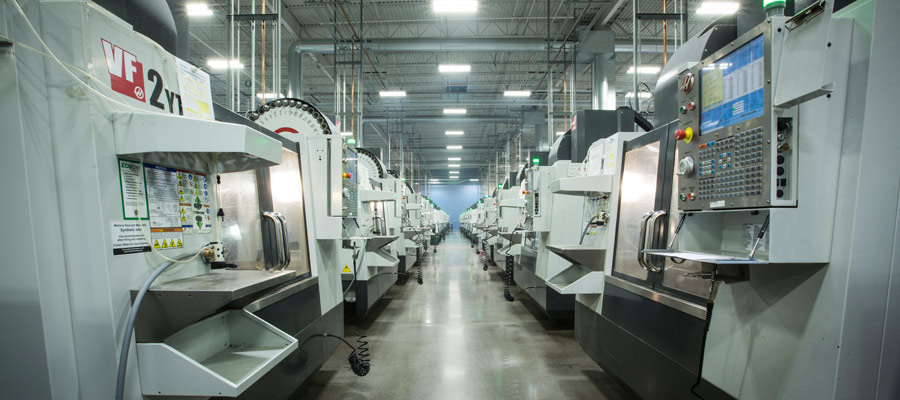
Technical Capabilities: Precision Engineered for Complex Demands
Wuxi Lead Precision Machinery delivers uncompromising precision for mission-critical components through advanced multi-axis machining and rigorous quality validation. Our technical foundation centers on a modern fleet of 5-axis CNC machining centers from industry leaders including DMG MORI, Makino, and Haas. These systems enable simultaneous machining of complex geometries—such as impellers, aerospace structural brackets, and medical implant interfaces—in single setups. This eliminates cumulative error from repositioning, reduces lead times by up to 40%, and ensures geometric integrity for parts with undercuts, deep cavities, or organic contours. Machine capabilities span work envelopes from 500 x 400 x 300 mm to 1,200 x 800 x 600 mm, accommodating both prototyping and high-mix production runs with sub-micron repeatability under strict thermal compensation protocols.
Quality control is embedded at every process stage, anchored by Zeiss and Hexagon Coordinate Measuring Machines (CMMs) operating in a climate-controlled metrology lab maintained at 20°C ±0.5°C. Our AS9100-certified inspection regime includes first-article validation per PPAP Level 3, in-process gauging for critical dimensions, and full 3D scanning for contour verification against CAD models. All measurement data is traceable to NIST standards, with comprehensive reports detailing GD&T compliance, surface roughness analysis, and material certification. This closed-loop system ensures zero escapes for sectors where failure is not an option—particularly aerospace, energy, and life sciences.
Our tolerance mastery reflects decades of process optimization across diverse materials. The table below defines achievable precision under controlled production conditions:
| Material Group | Typical Tolerance | Maximum Capability | Surface Finish (Ra) |
|---|---|---|---|
| Aluminum Alloys | ±0.005 mm | ±0.002 mm | 0.4 µm |
| Carbon/Alloy Steels | ±0.008 mm | ±0.003 mm | 0.8 µm |
| Titanium Alloys | ±0.010 mm | ±0.005 mm | 1.6 µm |
| Exotic Alloys (Inconel, Hastelloy) | ±0.012 mm | ±0.006 mm | 3.2 µm |
Notes: Tolerances apply to features under 150 mm; capabilities scale per ISO 2768 fine grade. Surface finishes assume optimal toolpath strategy and material condition.
Capability depth extends beyond raw machine specs. We integrate adaptive machining via on-machine probing for real-time thermal drift correction and employ high-speed milling strategies to minimize burr formation in thin-walled components. Our engineering team collaborates pre-production to optimize DFM, ensuring manufacturability without compromising design intent. This holistic approach—combining cutting-edge hardware, metrology-grade validation, and process intelligence—guarantees dimensional integrity across production runs. For clients requiring extreme precision in challenging materials, Wuxi Lead provides the technical authority to transform complex designs into flawless physical realities, backed by full documentation for audit compliance.
Material & Finish Options
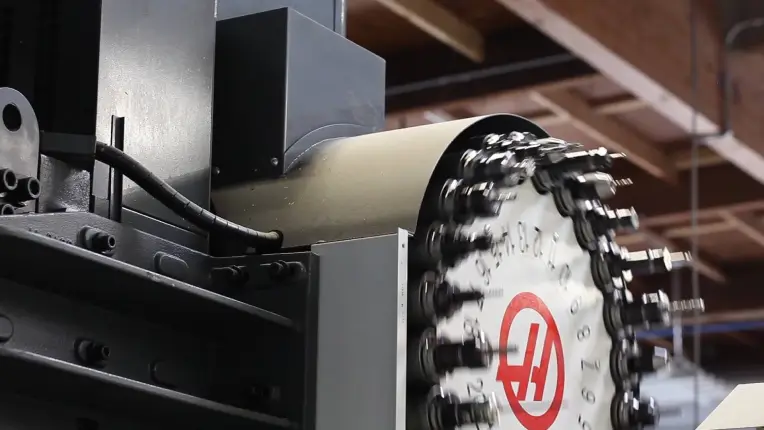
Material Selection in Precision CNC Machining: Aluminum, Steel, and Titanium
Selecting the appropriate material is a critical decision in precision CNC machining, directly influencing part performance, durability, and cost-efficiency. At Wuxi Lead Precision Machinery, we specialize in machining high-integrity components from aluminum, steel, and titanium—each offering distinct mechanical properties suited to specific industrial applications. Understanding the characteristics of these materials enables engineers and procurement teams to make informed decisions that align with functional requirements and environmental conditions.
Aluminum is widely favored in aerospace, automotive, and consumer electronics due to its excellent strength-to-weight ratio, thermal conductivity, and machinability. Grades such as 6061 and 7075 provide good corrosion resistance and are easily formed, making them ideal for lightweight structural components. Its low density reduces overall part weight without sacrificing performance, a key advantage in high-performance sectors.
Steel, particularly alloy and stainless variants, delivers superior strength, hardness, and wear resistance. Materials like 4140 alloy steel and 304/316 stainless steel are commonly used in industrial machinery, oil and gas, and medical devices. Stainless steels offer enhanced corrosion resistance, essential for parts exposed to harsh environments or requiring strict hygiene standards. While heavier than aluminum, steel’s robustness ensures longevity under high stress and extreme conditions.
Titanium, especially Grade 5 (Ti-6Al-4V), is the material of choice for mission-critical applications in aerospace, defense, and biomedical engineering. It combines exceptional strength, low density, and outstanding resistance to corrosion and high temperatures. Though more challenging to machine due to its low thermal conductivity and tendency to gall, titanium’s performance in extreme environments justifies its use where reliability is non-negotiable.
Surface Finish: The Role of Anodizing
For aluminum components, anodizing is a key finishing process that enhances surface durability and corrosion resistance. Type II (sulfuric acid) anodizing provides a decorative and protective layer, often dyed in various colors for identification or branding. Type III, or hardcoat anodizing, delivers a thicker, harder surface ideal for industrial parts subject to wear. Anodizing also improves adhesion for paint and primers, extending service life in demanding applications.
Below is a comparative overview of key material properties relevant to CNC machining:
| Material | Density (g/cm³) | Tensile Strength (MPa) | Common Grades | Key Applications | Machinability |
|---|---|---|---|---|---|
| Aluminum | 2.7 | 180–570 | 6061, 7075 | Aerospace, Electronics | Excellent |
| Steel | 7.8–8.0 | 400–1300 | 4140, 304, 316 | Industrial, Medical | Good |
| Titanium | 4.5 | 900–1100 | Ti-6Al-4V (Grade 5) | Aerospace, Defense, Medical | Moderate |
Material selection must balance performance, manufacturability, and cost. At Wuxi Lead Precision Machinery, we support clients in choosing the optimal material and finish for their precision components, ensuring compliance with international quality standards and application-specific demands.
Manufacturing Process & QC
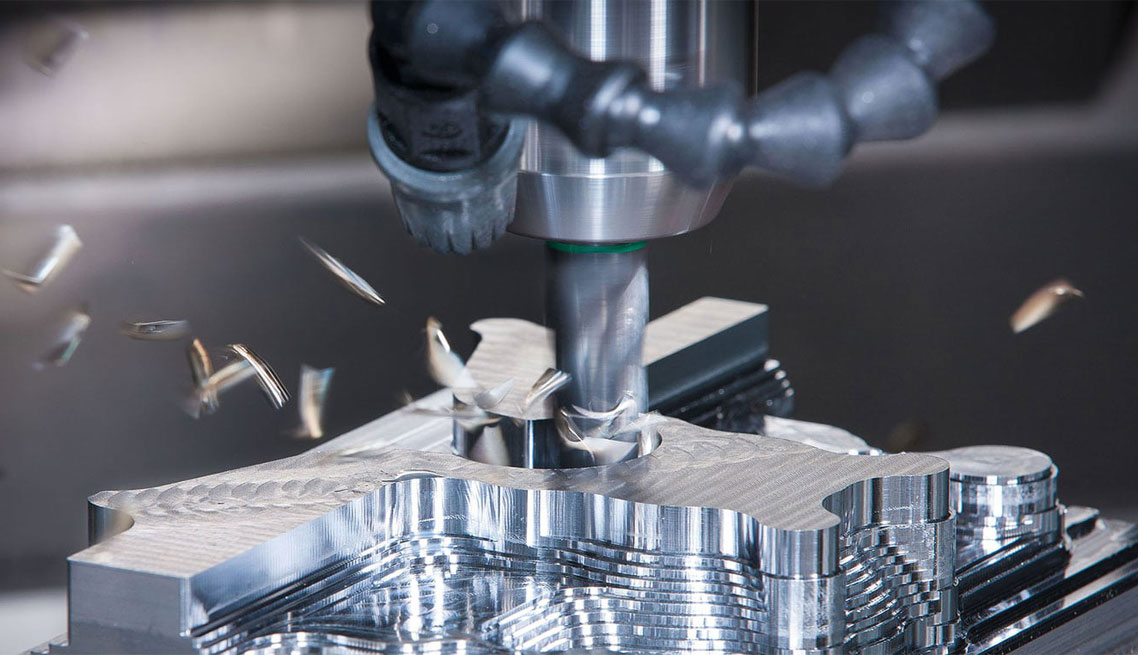
Precision CNC Production Process: Zero Defects from Concept to Volume
At Wuxi Lead Precision Machinery, our production process is engineered for uncompromising quality and repeatability, transforming complex designs into flawless precision components. We operate under a strict Zero Defects mandate, integrating rigorous quality control at every stage to eliminate waste and ensure absolute client confidence. This disciplined approach spans three critical phases: Design Validation, Prototyping Excellence, and Scalable Mass Production.
The foundation is meticulous Design for Manufacturability (DFM) analysis. Our engineering team collaborates closely with clients during the design phase, reviewing CAD models for optimal machinability, material suitability, and tolerance feasibility. We identify potential stress points, tool access limitations, and thermal deformation risks before metal is cut, preventing costly revisions later. This proactive engineering dialogue ensures the design is not only functional but inherently manufacturable to the highest precision standards required by aerospace, medical, and semiconductor industries.
Prototyping is where our process proves its mettle. We leverage advanced 5-axis CNC milling and turning centers to produce functional prototypes that mirror final production quality. This phase is critical for validating form, fit, function, and the manufacturability of tight tolerances. Unlike rapid prototyping services, our prototypes undergo the same stringent metrology as production parts, using calibrated CMMs, optical comparators, and surface roughness testers. The table below illustrates our typical prototyping capabilities for common engineering materials.
| Material Category | Typical Tolerance (mm) | Surface Roughness (Ra µm) | Key Applications |
|---|---|---|---|
| Aluminum Alloys (e.g., 6061, 7075) | ±0.005 | 0.4 – 1.6 | Aerospace brackets, heat sinks |
| Stainless Steel (e.g., 304, 316, 17-4PH) | ±0.008 | 0.2 – 0.8 | Medical implants, fluid systems |
| Titanium Alloys (e.g., Ti-6Al-4V) | ±0.010 | 0.8 – 3.2 | Critical aerospace structural parts |
| Engineering Plastics (e.g., PEEK, Delrin) | ±0.020 | 1.6 – 6.3 | Semiconductor handling, seals |
Mass production deployment follows seamless process validation. We implement Statistical Process Control (SPC) on all critical dimensions, with real-time monitoring of machine parameters and in-process inspections. Every component is fully traceable via our integrated MES, linking material certs, machine logs, and inspection data to individual part numbers. Automated tool wear compensation and in-machine probing ensure dimensional stability across runs of 1,000 to 100,000+ pieces. Final inspection employs comprehensive first-article reporting (FAI) per AS9102 or client-specific standards, with 100% critical feature verification. This closed-loop system, combined with our ISO 9001 and IATF 16949 certified workflows, guarantees that every shipment meets the Zero Defects target, delivering not just parts, but guaranteed performance and reduced total cost of ownership for our clients.
Why Choose Wuxi Lead Precision
Partner with Lead Precision: Your Trusted Source for High-Performance CNC Machining
At Wuxi Lead Precision Machinery, we understand that precision, reliability, and consistency define success in advanced manufacturing. As a leading provider of CNC machining solutions based in China, we specialize in delivering custom-engineered components and turnkey manufacturing services to global industries including aerospace, medical devices, automotive, and industrial automation. Our commitment to excellence is not just in our technology—it’s in our partnership approach.
When you choose to partner with Wuxi Lead Precision Machinery, you gain more than a supplier; you gain a strategic collaborator with deep technical expertise and a relentless focus on quality. Our state-of-the-art CNC machining centers operate with micron-level accuracy, supported by a fully integrated quality control system and experienced engineering teams who oversee every stage of production. From prototype development to high-volume manufacturing, we ensure your components meet the most stringent performance and tolerance requirements.
Our facility is equipped with advanced 3-, 4-, and 5-axis CNC machines, multi-spindle lathes, and automated inspection systems, enabling us to handle complex geometries and a wide range of materials—from aerospace-grade aluminum and titanium to medical-grade stainless steel and high-performance polymers. With ISO 9001:2015 certification and rigorous in-house testing protocols, we guarantee repeatability, traceability, and compliance with international standards.
We recognize that every client has unique needs. That’s why our engineering team works closely with your design and production staff to optimize manufacturability, reduce lead times, and lower total cost of ownership. Whether you require tight-tolerance components for a medical implant system or high-strength structural parts for aerospace applications, our process-driven methodology ensures on-time delivery without compromising quality.
To support seamless collaboration across global markets, we offer responsive communication, real-time project tracking, and comprehensive documentation including first article inspections (FAI), PPAP, and material certifications. Our goal is to become an extension of your manufacturing team—delivering precision, transparency, and scalability as your business grows.
Below are key capabilities that define our CNC machining services:
| Specification | Detail |
|---|---|
| Machining Types | 3-axis, 4-axis, 5-axis milling; turning; multi-tasking |
| Tolerance Capability | ±0.002 mm (±0.00008 in) |
| Maximum Work Envelope | 1200 × 800 × 600 mm (47 × 31.5 × 23.6 in) |
| Materials Processed | Aluminum, stainless steel, titanium, brass, copper, PEEK, Delrin, and more |
| Quality Standards | ISO 9001:2015 certified, CMM inspection, GD&T compliance |
| Lead Times | Prototype: 7–10 days; Production: 15–25 days (varies by complexity) |
Partnering with Wuxi Lead Precision Machinery means choosing precision, scalability, and long-term value. We invite you to connect with our engineering team to discuss your next project. Contact us today at [email protected] to request a quote or technical consultation. Let’s build the future of precision manufacturing—together.
⚙️ Precision Cost Estimator
Estimate relative manufacturing effort based on tolerance.