

Technical Contents
Engineering Guide: Cnc Teile
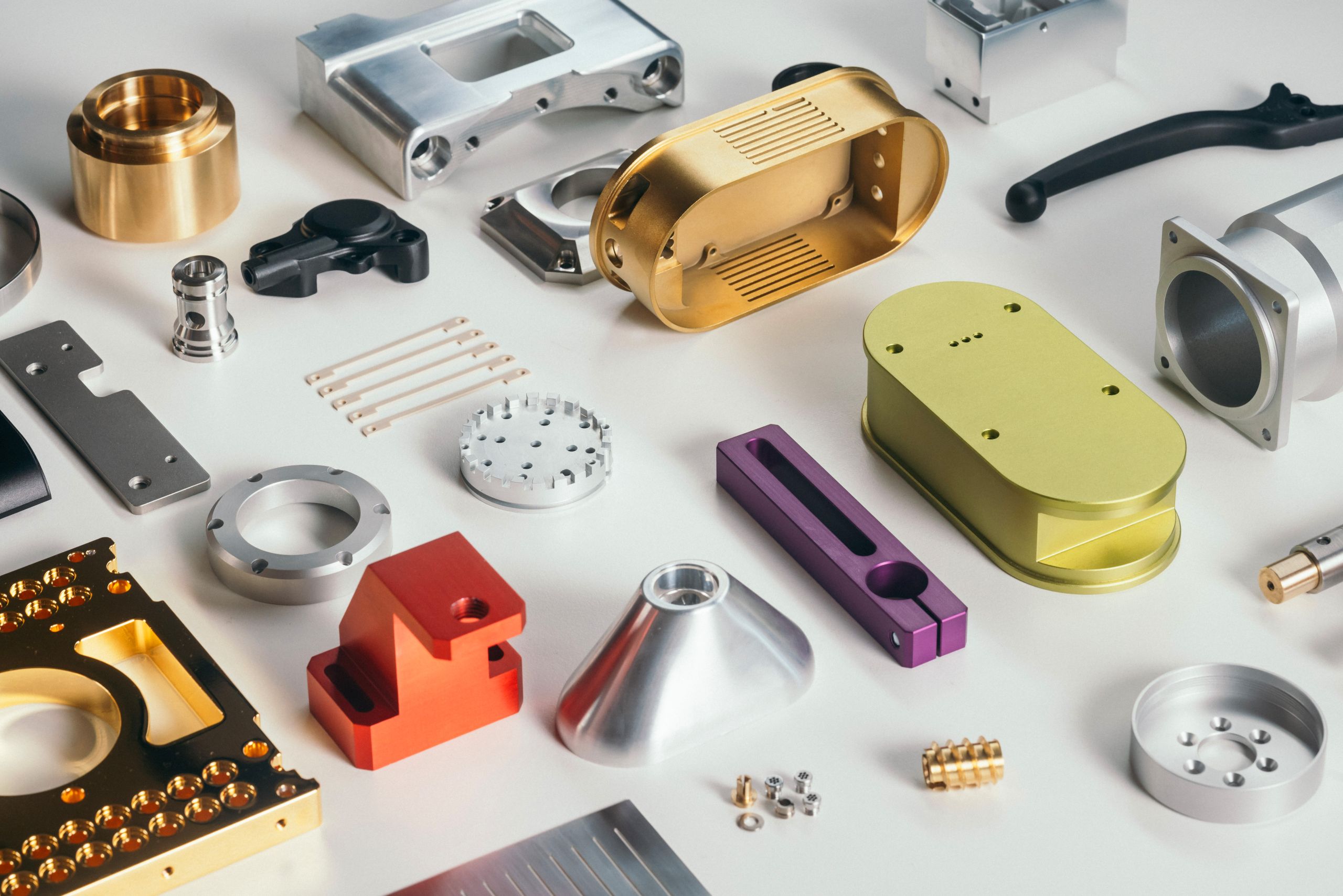
Engineering Insight: The Non-Negotiable Imperative of Precision in CNC Teile
Precision in CNC teile transcends specification sheets; it defines functional integrity, system longevity, and operational safety across aerospace, medical, and defense applications. Sub-micron deviations trigger cascading failures—bearing misalignment in turbine assemblies, fluid leakage in hydraulic manifolds, or compromised biocompatibility in surgical implants. At Wuxi Lead Precision Machinery, we treat dimensional accuracy not as a target but as a foundational constraint. Our engineering protocols enforce closed-loop verification at every machining stage, ensuring geometric tolerances remain within certified limits under thermal and mechanical stress. This rigor stems from direct experience delivering mission-critical components where failure is unacceptable.
Our facility’s ISO 13485 and AS9100 certifications reflect systemic discipline, but empirical evidence lies in executed projects. We manufactured titanium structural nodes for the Beijing Winter Olympics’ aerial lift systems, demanding ±0.005 mm positional accuracy across 1.2-meter assemblies despite cryogenic exposure. Similarly, defense sector contracts required hardened steel actuator housings with geometric tolerances held to ±0.002 mm under vibration profiles exceeding 20G. These benchmarks validate our capacity to transform theoretical precision into field-proven reliability.
Achieving such results requires integrated technical mastery. Our 5-axis DMG MORI and Makino platforms operate within temperature-stabilized environments, while in-process probing systems dynamically compensate for tool wear and material deflection. Material science expertise ensures optimal parameter selection—whether machining Inconel 718 for jet engine components or PEEK for MRI-compatible medical devices. The table below summarizes core capabilities underpinning our precision delivery:
| Parameter | Capability | Application Impact |
|---|---|---|
| Dimensional Tolerance | ±0.002 mm (standard) | Critical for hydraulic sealing surfaces |
| Geometric Tolerance | ±0.001 mm (flatness/cylindricity) | Ensures rotor-stator alignment in turbines |
| Max Work Envelope | Ø 1200 mm x 1500 mm height | Supports large-scale aerospace structures |
| Surface Finish | Ra 0.2 µm (mirror grade) | Eliminates bacterial adhesion in medical implants |
| Material Range | Titanium, Inconel, PEEK, hardened steel | Meets extreme environmental demands |
This precision ecosystem directly mitigates client risk. A European automotive Tier-1 supplier reduced field failures by 37% after switching to our CNC teile for transmission valve bodies, where inconsistent bore tolerances previously caused pressure fluctuations. For medical OEMs, our adherence to Ra 0.4 µm surface finishes on orthopedic implant threads eliminated post-operative inflammation incidents.
Wuxi Lead Precision Machinery operates at the intersection of engineering certainty and manufacturing execution. When your CNC teile must perform flawlessly under extreme conditions, our Olympic-proven and defense-validated processes deliver not just parts—but guaranteed performance. Precision is our language; your operational success is the sentence we write.
Precision Specs & Tolerances

Wuxi Lead Precision Machinery delivers advanced precision CNC machining services tailored for high-performance industries such as aerospace, medical, automotive, and industrial automation. Our technical capabilities are built around state-of-the-art 5-axis CNC machining centers, enabling us to produce complex geometries with exceptional accuracy and surface finish. These multi-axis systems allow simultaneous movement across five axes, significantly enhancing machining efficiency and reducing setup times compared to traditional 3-axis platforms. This capability is critical for manufacturing intricate components such as turbine blades, surgical instruments, and structural housings where tight tolerances and geometric precision are non-negotiable.
Our 5-axis CNC fleet includes vertical and horizontal machining centers equipped with high-speed spindles, automatic tool changers, and real-time tool wear compensation systems. These machines support a wide range of materials, including aluminum alloys, stainless steel, titanium, Inconel, and engineering plastics, ensuring versatility across diverse client requirements. The integration of advanced CAM software enables optimized toolpath generation, minimizing cycle times while maintaining dimensional integrity. Additionally, our in-house programming team ensures that each machining strategy is customized to the component’s functional requirements, material behavior, and finishing needs.
Quality assurance is embedded throughout our production workflow. Every machined part undergoes rigorous inspection using a Zeiss DuraMax and Contura G2 Coordinate Measuring Machine (CMM), ensuring compliance with international standards such as ISO 2768 and ASME Y14.5. The CMM system provides traceable, high-resolution 3D measurements, validating critical features including positional tolerances, form deviations, and profile accuracy. This metrology capability supports first-article inspection reports (FAIR), production part approval processes (PPAP), and full statistical process control (SPC) documentation upon request.
The following table outlines the standard precision tolerances we consistently achieve across typical production runs:
| Feature Type | Standard Tolerance | Precision Capability | Measurement Method |
|---|---|---|---|
| Linear Dimensions | ±0.025 mm | ±0.005 mm | CMM, Micrometers |
| Hole Diameter | ±0.015 mm | ±0.008 mm | Air Gauges, CMM |
| Positional Tolerance | ±0.02 mm | ±0.005 mm | CMM |
| Flatness | 0.01 mm | 0.003 mm | CMM, Surface Plate |
| Surface Roughness (Ra) | 3.2 μm | 0.4 μm | Surface Roughness Tester |
| Angular Features | ±0.05° | ±0.01° | CMM, Optical Comparator |
All tolerances are verified under controlled environmental conditions to eliminate thermal drift, ensuring measurement repeatability. Our quality management system is ISO 9001 certified, and we maintain full digital traceability from raw material to final inspection. With a focus on precision, consistency, and technical agility, Wuxi Lead Precision Machinery provides OEMs and Tier-1 suppliers with a reliable partner for mission-critical CNC components.
Material & Finish Options
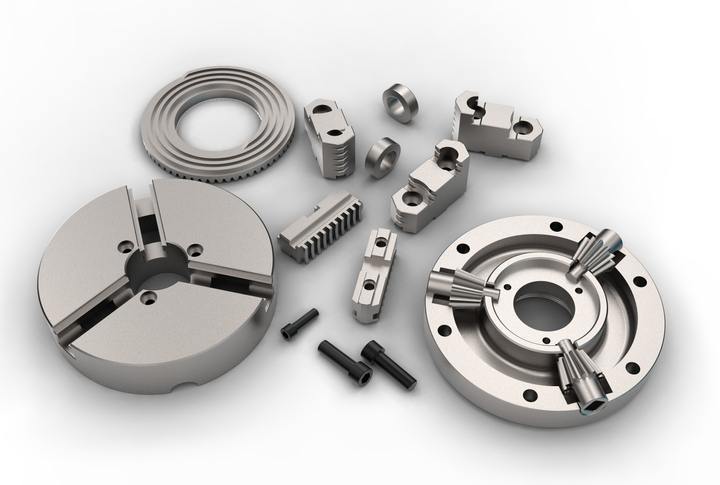
Material Selection for Precision CNC Machined Components
Material selection directly impacts performance, longevity, and cost-efficiency in precision CNC machining. At Wuxi Lead Precision Machinery, we prioritize optimal material-finish pairings to meet rigorous industrial demands. Below, we detail critical considerations for aluminum, steel, and titanium, alongside anodizing specifications essential for high-performance applications.
Aluminum alloys dominate aerospace, automotive, and electronics due to their exceptional strength-to-weight ratio and thermal conductivity. 6061-T6 offers balanced machinability and weldability for structural components, while 7075-T6 delivers superior strength for high-stress applications like aircraft fittings. Aluminum’s natural corrosion resistance is significantly enhanced through anodizing, making it ideal for exposed environments. Steel variants, particularly 303 stainless and 4140 alloy steel, provide unmatched durability and wear resistance. 303 stainless excels in corrosive settings such as marine hardware, whereas 4140’s hardenability suits hydraulic components and tooling requiring fatigue resistance. Titanium Grade 5 (Ti-6Al-4V) remains the pinnacle for extreme conditions—its biocompatibility and 60% weight savings versus steel are indispensable in medical implants and aerospace turbines. However, titanium’s low thermal conductivity demands specialized tooling and slower machining speeds to prevent work hardening.
Anodizing transforms aluminum surfaces into robust, non-conductive layers critical for part functionality. Type II (sulfuric acid) anodizing provides standard corrosion and wear resistance with dye compatibility for identification. For mission-critical components, Type III (hardcoat) anodizing delivers 50–100 µm thickness, exceptional abrasion resistance, and extended service life in high-friction environments. Both processes enhance adhesion for secondary coatings while maintaining dimensional precision within ±0.005 mm tolerances.
Material Performance Comparison
| Material | Key Alloys | Yield Strength (MPa) | Corrosion Resistance | Machinability Rating | Primary Applications |
|---|---|---|---|---|---|
| Aluminum | 6061-T6, 7075-T6 | 240–503 | Moderate (enhanced via anodizing) | Excellent (9/10) | Enclosures, brackets, heat sinks |
| Steel | 303 SS, 4140 | 205–655 | High (303 SS) | Good (7/10) | Shafts, valves, tooling |
| Titanium | Grade 5 (Ti-6Al-4V) | 880 | Excellent | Fair (5/10) | Aerospace fittings, medical implants |
Selecting the wrong material compromises part integrity and escalates lifecycle costs. For instance, using non-anodized aluminum in outdoor electronics risks premature oxidation, while inadequate steel hardening accelerates wear in hydraulic systems. Wuxi Lead’s engineering team validates material-finish synergy against your operational parameters—environmental exposure, load cycles, and regulatory standards—to eliminate field failures. We leverage ISO 9001-certified processes and in-house anodizing capabilities to ensure finishes meet ASTM B580 and AMS 2469 specifications without dimensional drift.
Partner with us to transform material science into competitive advantage. Contact our engineering team for a tailored material assessment, ensuring your CNC components exceed performance expectations while optimizing production economics.
Manufacturing Process & QC
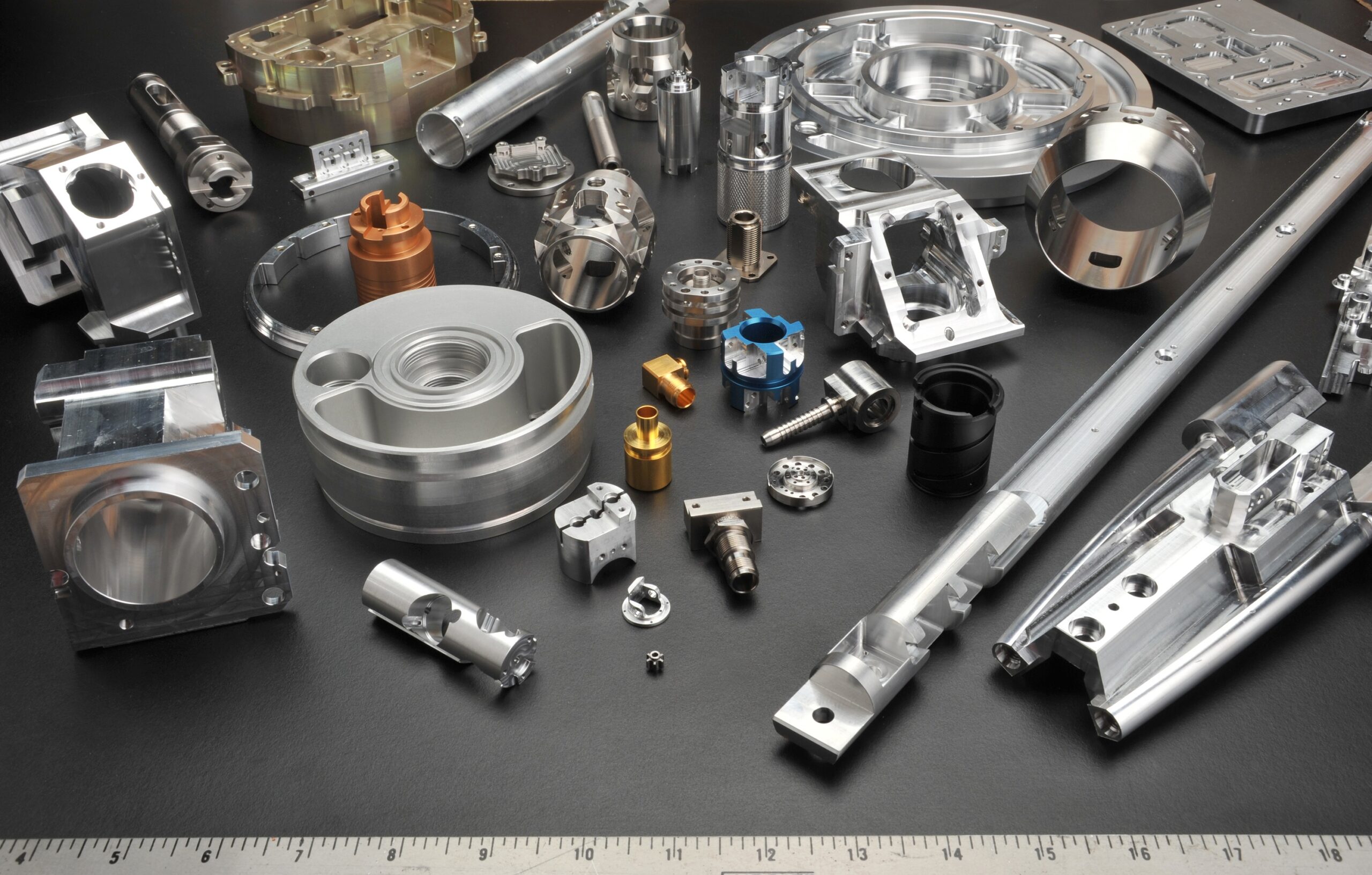
At Wuxi Lead Precision Machinery, our CNC machining process is engineered to deliver uncompromising precision, consistency, and reliability from concept to final delivery. We specialize in high-end, custom-machined components for industries where failure is not an option—automotive, aerospace, medical, and advanced industrial automation. Our end-to-end workflow follows a disciplined progression: Design, Prototyping, and Mass Production, all governed by a Zero Defects philosophy.
The process begins with Design, where our engineering team collaborates closely with clients to interpret technical drawings, 3D CAD models, and performance requirements. We conduct comprehensive Design for Manufacturability (DFM) analysis to optimize geometry, material selection, and tolerances. This stage ensures that every component is not only functional but also efficient to produce at scale. Our engineers use advanced simulation tools to predict stress points, thermal behavior, and assembly compatibility, reducing downstream risks.
Next comes Prototyping, a critical validation phase. Using high-precision 3-, 4-, and 5-axis CNC machines, we produce functional prototypes that mirror final production quality. These prototypes undergo rigorous metrological inspection using coordinate measuring machines (CMM), optical comparators, and surface finish testers. We perform fit, form, and function testing in real-world conditions, allowing for rapid iteration based on empirical feedback. This phase minimizes the risk of costly errors in mass production and accelerates time-to-market.
Once the prototype is approved, we transition seamlessly into Mass Production. Our facility in Wuxi operates a fully integrated digital manufacturing environment, where CNC programs are locked and version-controlled to ensure consistency. Each production run is monitored in real time using IoT-enabled machine tools that detect tool wear, vibration anomalies, and thermal drift. Every component is traceable through our quality management system, with batch-specific documentation including material certifications, inspection reports, and process parameters.
Zero Defects is not a slogan—it is a measurable standard. We implement Statistical Process Control (SPC) to maintain capability indices (Cp/Cpk) above 1.67 across critical dimensions. Our quality assurance team performs first-article inspections, in-process checks, and final audits using AQL sampling protocols. Non-conforming parts are immediately quarantined and analyzed through root cause corrective action (RCCA) procedures.
The table below outlines our standard production capabilities and quality benchmarks.
| Specification | Value |
|---|---|
| Dimensional Accuracy | ±0.005 mm |
| Surface Roughness (Ra) | As low as 0.2 µm |
| Maximum Work Envelope | 1200 x 800 x 650 mm |
| Spindle Speed (Milling) | Up to 24,000 rpm |
| Turning Diameter | Up to Ø500 mm |
| Positional Repeatability | ±0.002 mm |
| Standard Tolerances | ISO 2768-mK, ISO 1302 |
| Material Compatibility | Aluminum, Steel, Stainless Steel, Titanium, Plastics (PEEK, Delrin) |
| Quality Standards | ISO 9001:2015, IATF 16949 (Automotive), ISO 13485 (Medical) |
From design validation to high-volume output, Wuxi Lead Precision Machinery ensures every CNC part meets the highest standards of performance and reliability.
Why Choose Wuxi Lead Precision
Partner with Lead Precision for Uncompromising CNC Component Excellence
At Wuxi Lead Precision Machinery, we engineer certainty into every micron of your critical CNC components. As a Tier-1 supplier to aerospace, medical device, and energy sector leaders, we transform complex geometries and exotic materials into mission-critical parts where failure is not an option. Our Shenzhen facility operates under AS9100D and ISO 13485 certifications, deploying 5-axis DMG MORI and Makino machining centers with real-time thermal compensation. This infrastructure ensures dimensional stability across production runs—from single prototypes to 50,000+ units—eliminating the variability that derails supply chains.
Global Precision Standards, Localized Partnership
We prioritize seamless integration with your engineering and procurement workflows. Our dedicated project managers utilize encrypted PLM portals for live CAD/CAM review, PPAP documentation, and first-article inspection reports within 72 hours. Unlike transactional vendors, we conduct joint DFMA analysis during quoting to reduce your total cost of ownership by 18–32% through material optimization and cycle-time reduction. When Boeing demands ±0.001mm tolerances on titanium fuel manifolds or Siemens requires Ra 0.1µm surface finishes on cobalt-chromium orthopedic implants, our process capability indices (CpK > 1.67) deliver repeatable conformance.
Technical Capabilities at a Glance
Our equipment portfolio supports the most demanding specifications:
| Material Category | Tolerance Range | Max Work Envelope (mm) | Surface Finish (Ra µm) |
|---|---|---|---|
| Titanium Alloys (Grade 5, 23) | ±0.002 mm | 1200 x 800 x 600 | 0.2–0.8 |
| Inconel 718 / 625 | ±0.003 mm | 1000 x 600 x 500 | 0.4–1.6 |
| Medical-Grade Stainless (316LVM) | ±0.0015 mm | 800 x 500 x 400 | 0.1–0.4 |
| Aluminum (7075-T7351) | ±0.005 mm | 2000 x 1000 x 800 | 0.8–3.2 |
Your Next Step Toward Precision Certainty
Delaying strategic supplier alignment risks production bottlenecks and non-conformance costs exceeding 22% of project value. Wuxi Lead Precision Machinery delivers auditable quality through NIST-traceable metrology—including Zeiss CONTURA CMMs and optical comparators—to guarantee every component meets your engineering intent. We operate 24/7 with dedicated shift teams for urgent-turn projects, maintaining 99.2% on-time delivery across 37 countries.
Initiate your precision journey by emailing [email protected] with your part specifications and volume requirements. Our engineering team will respond within 4 business hours with a DFM analysis and competitive quotation. Include “B2B Guide Priority” in your subject line to fast-track a live machining simulation of your component. Trust the partner where tolerances define reputation—not just specifications. Let’s build certainty together.
⚙️ Precision Cost Estimator
Estimate relative manufacturing effort based on tolerance.